Establishment of the Joint Institute for Nuclear Research
The Agreement on the establishment of the Joint Institute was signed on March 26, 1956, by representatives of the governments of 11 founding countries, aiming to combine their scientific and material potential for studying the fundamental properties of matter. In the same year, the scientific town, together with the workers settlements in the Bolshaya Volga district, was transformed into a city named Dubna.
Two major operating laboratories — the Institute of Nuclear Problems (INP) and the Electrophysical Laboratory of the Academy of Sciences (EFLAN) with the most powerful accelerators, unique research facilities, first-class equipment, and experienced staff — became part of the newly established Joint Institute for Nuclear Research in 1956, becoming its first laboratories.
In March 1956, the founding countries of the Joint Institute for Nuclear Research were Albania, Bulgaria, Hungary, the German Democratic Republic, the People's Republic of China, the Democratic People's Republic of Korea, Mongolia, Poland, Romania, the USSR, and Czechoslovakia. In September 1956, the Agreement on the establishment of JINR was signed by a representative of the government of the Democratic Republic of Vietnam.
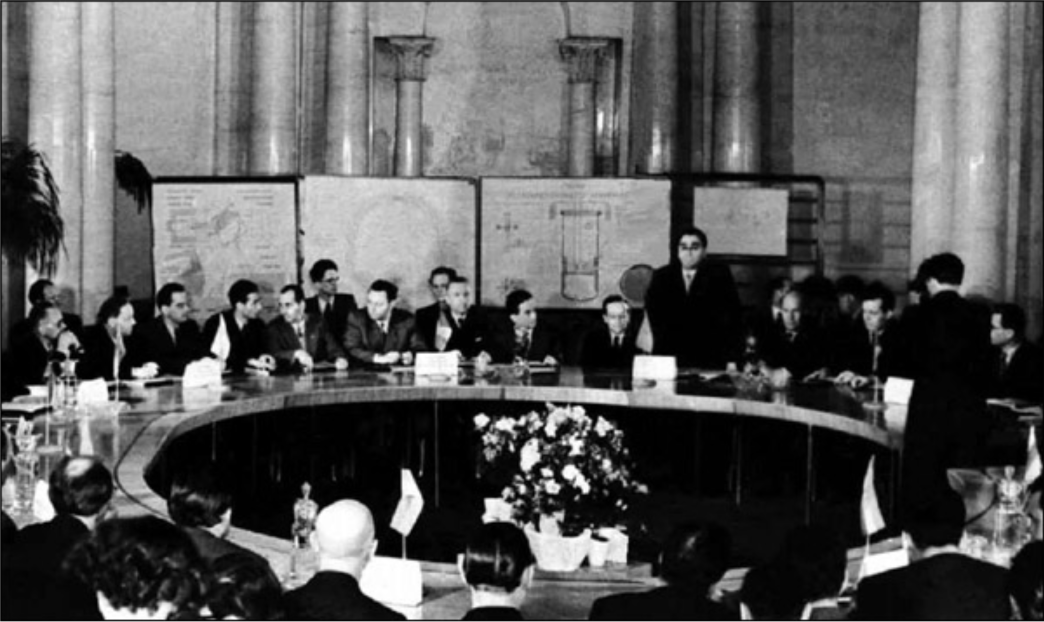
The Committee of Plenipotentiary Representatives of the eleven countries unanimously elected Professor D.I. Blokhintsev, who had just completed the creation of the world's first nuclear power plant in Obninsk, as the first Director of the Institute. Professors M. Danysz (Poland) and V. Votruba (Czechoslovakia) became Vice-Directors of the international scientific center.
In addition to the two laboratories that became part of JINR, three new laboratories were created: the Laboratory of Nuclear Reactions, headed by G.N. Flerov, the Laboratory of Neutron Physics, headed by I.M. Frank, and the Laboratory of Theoretical Physics, headed by N.N. Bogolyubov.
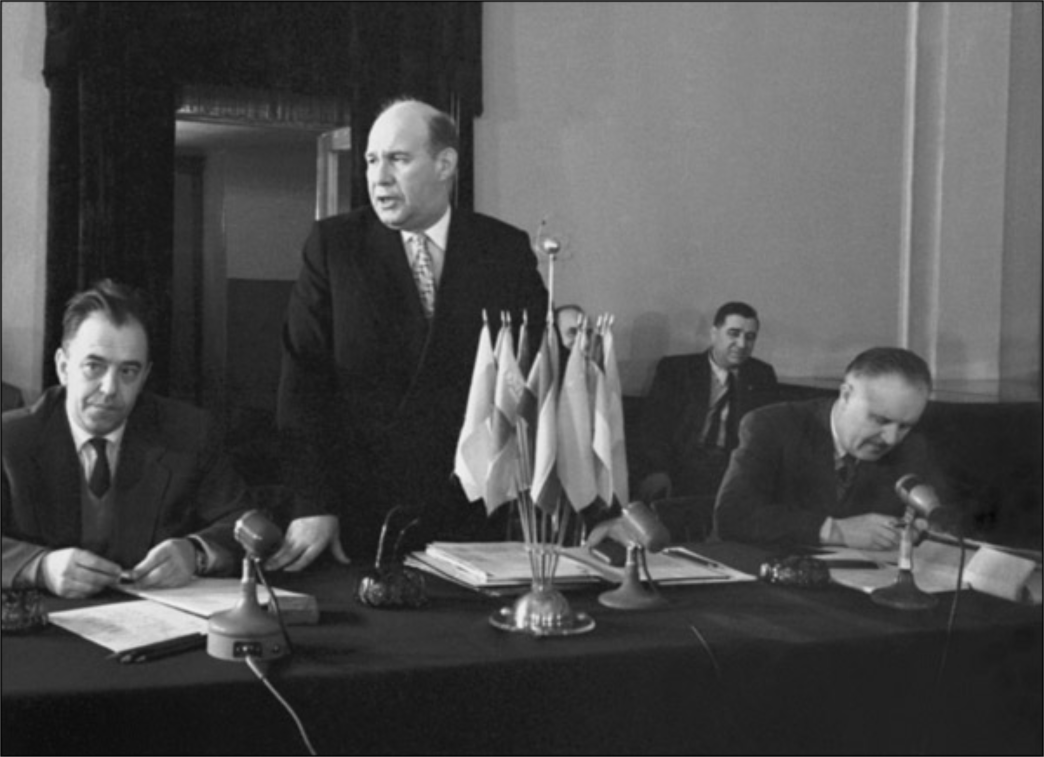
The Laboratory of Theoretical Physics was established on the proposal of the first JINR Director, Corresponding Member of the USSR Academy of Sciences D.I. Blokhintsev, who invited Academician N.N. Bogolyubov to lead the laboratory. On May 25, 1956, an order signed by D.I. Blokhintsev appointed N.N. Bogolyubov as director of the laboratory. It included the theoretical groups from the Institute of Nuclear Problems of the USSR Academy of Sciences and the Electrophysical Laboratory of the USSR Academy of Sciences, as well as a group of N.N. Bogolyubov's students from several Moscow institutes.
On the initiative of D.I. Blokhintsev, the Laboratory of Neutron Physics was founded, with Academician I.M. Frank as its first director and organizer. The laboratory began the construction of a fundamentally new neutron source — a pulsed fast periodic reactor (IBR). Subsequently, a series of unique pulsed sources for nuclear physics and condensed matter physics were developed and created.
N.N. Bogolyubov provided a rigorous proof of dispersion relations, which laid the mathematical foundations of this method and defined the development of the theory of strong interactions for many years.
In the spring of 1956, the "Mir" House of Culture was inaugurated.
Establishment of FLNR
On May 20, 1957, the Laboratory of Nuclear Reactions was established. Its founder and leader for over 30 years was the outstanding Soviet physicist Academician Georgy Nikolaevich Flerov, after whom the Laboratory is now named.
Synchrophasotron Launch
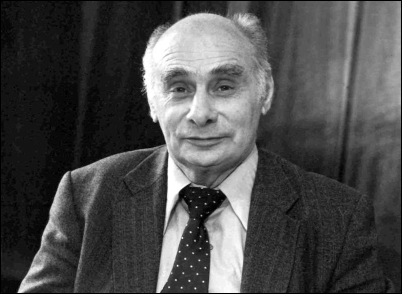
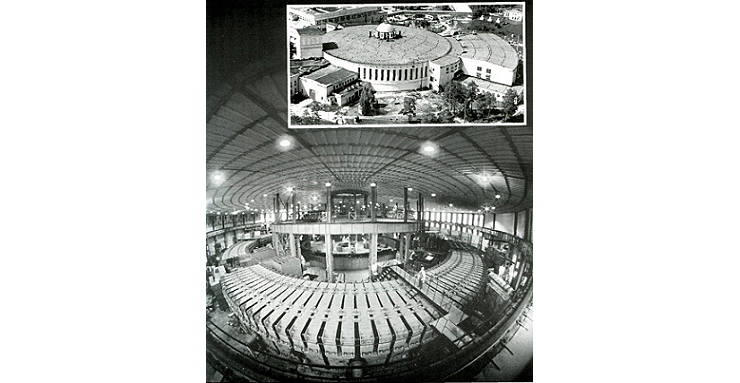
The synchrophasotron, launched in March 1957, became the first accelerator of its type in the Soviet Union and the fourth in the world, immediately setting a world record.
The first three accelerators were distributed as follows: the "Cosmotron" (3 GeV) at Brookhaven (USA) (1952), the accelerator (1 GeV) in Birmingham (England) (1953), and the "Bevatron" (6.3 GeV) in Berkeley (USA) (1954). The maximum proton energy of the Dubna synchrophasotron was 10 GeV. This event astounded the world at the time, and the word "synchrophasotron" firmly entered our lives.
That year, as was later written, the Soviet Union made revolutionary scientific breakthroughs in two directions simultaneously: in October, the first artificial Earth satellite was launched, and a few months earlier, in March, the legendary synchrophasotron—a giant installation for studying the microcosm—began operation in Dubna. These two events shook the world, and the words "sputnik" and "synchrophasotron" became firmly embedded in our lives.
I.M. Frank's Nobel Prize
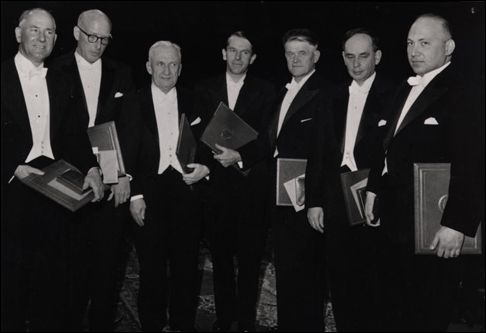
In 1958, Ilya Mikhailovich Frank, together with P. A. Cherenkov and I. E. Tamm (S. I. Vavilov died in 1951), received the Nobel Prize in Physics "for the discovery and interpretation of the Cherenkov effect".
The First Ural-1 Computer
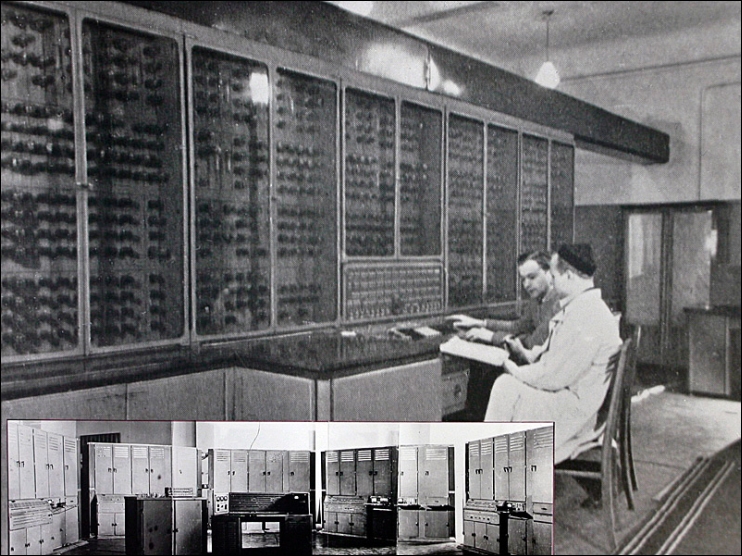
The first computer at JINR, the "Ural-1", with a performance of 100 operations per second and magnetic drum memory, was put into operation.
The "Ural-1" was a small (according to the classification at the time of its creation) vacuum tube, program-controlled computer from the "Ural" family of computers, designed for solving engineering, technical, and economic problems. It was used in production, at research institute computing centers, and design bureaus. It was the first serially produced computer in the USSR.
Discovery of the Anti-Sigma-Minus Hyperon. Launch of Advanced Facilities
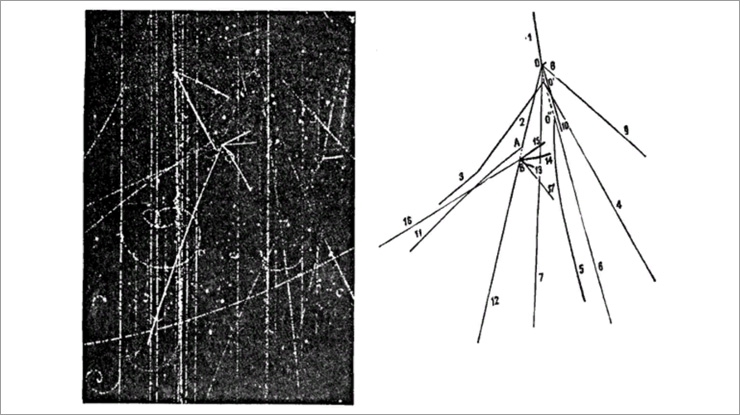
Discovery of the anti-sigma-minus hyperon at HEPL. The U-300 three-meter cyclotron was launched in FLNR, and the IBR in FLNP.
The discovery by Dubna scientists was registered under No. 59 with a priority date of March 24, 1960, in the following formulation: "The previously unknown phenomenon of the formation and decay of a charged anti-sigma-minus hyperon particle with a mass 2340 times greater than the electron mass, a positive charge, a lifetime equal to ten-billionths of a second, and decaying into a positive pi-meson and an antineutron has been experimentally observed".
The discovered particle belongs to hyperons—particles heavier than protons and neutrons. Prior to this discovery, physicists knew particles called sigma hyperons, existing in both positively and negatively charged (sigma-minus hyperons) as well as neutral states. Theory made it clear that an antiparticle should also exist for the sigma-minus hyperon. However, until March 1960, the existence of such a particle had not been experimentally proven.
The U-300 cyclotron was a unique heavy-ion accelerator at that time for conducting nuclear-physical, chemical, and applied research. For the next 17 years, the U-300 remained the most powerful operating heavy-ion accelerator in the world, both in terms of beam intensity and the variety of accelerated ions. Heavy ions opened broad prospects for new scientific directions in nuclear physics, such as the synthesis of new transuranium elements, the study of nuclear reactions with heavy ions, and the production of exotic nuclei where new types of radioactive decay could be observed. For the first time in the world, the 104th and 105th elements of the Mendeleev table were synthesized at the cyclotron, and a new type of radioactivity—proton radioactivity—was discovered.
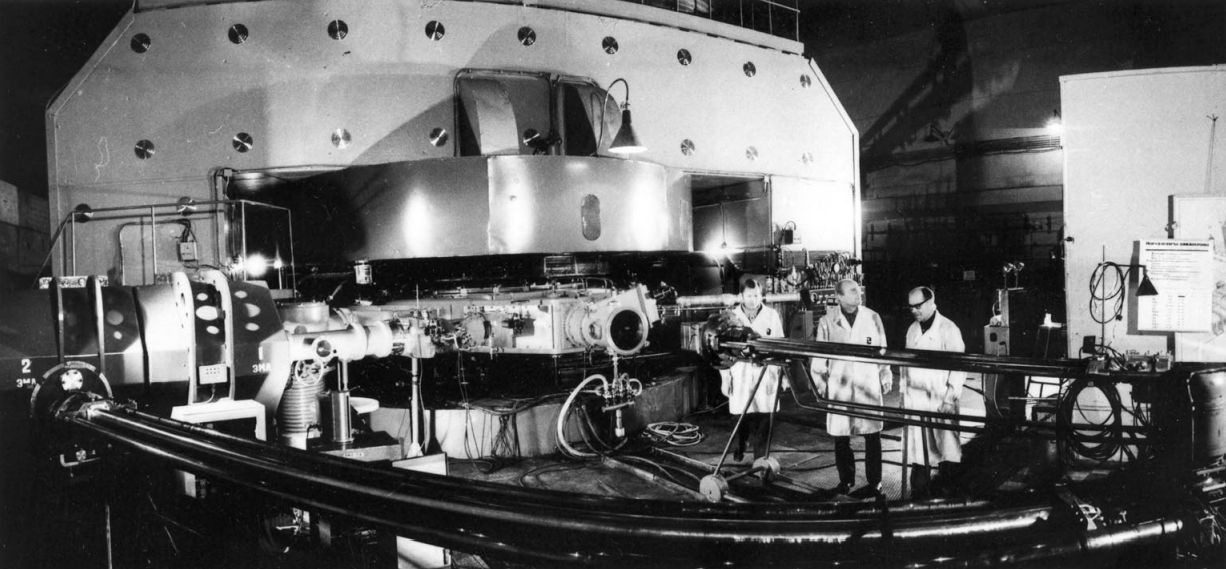
The Pulsed Fast Reactor (IBR) was created in 1960 under the leadership of its originator, the renowned Soviet physicist and Corresponding Member of the USSR Academy of Sciences, D.I. Blokhintsev.
One of the founders of quantum theory, Nobel Laureate of 1922, and Foreign Member of the USSR Academy of Sciences since 1924, Niels Bohr, during his visit to the Moscow region institute in 1962, expressed admiration for the boldness of the creators of this miracle of reactor technology—a "blinking atomic bomb", as Blokhintsev vividly described it. After Dubna's success, many attempted to implement the IBR principle to create a more powerful reactor. However, only JINR scientists found a successful solution: in 1984, the new IBR-2 facility was commissioned here. The group of participants in the startup of the first IBR in the reactor hall, June 1960.
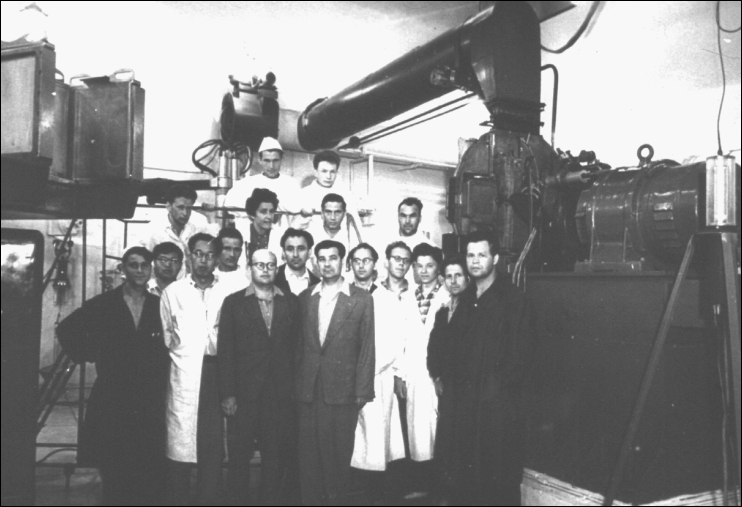
1961
In 1961, a branch of the Moscow State University Research Institute of Nuclear Physics (MSU SRI NP) was opened in Dubna on the basis of JINR for senior MSU students, consisting of departments of theoretical nuclear physics and elementary particle physics. Classes for students began in October 1961. The first heads of the departments were Professors D. I. Blokhintsev and V. I. Veksler. Many of the graduates became leading scientists at JINR and in the participating countries of the Institute.
1963
Academician B.M. Pontecorvo was awarded the Lenin Prize for experimental and theoretical research in neutrino physics and weak interactions.
1965
Employees of the Laboratory of Nuclear Reactions discovered the phenomenon of the formation of the 103rd element of the Periodic Table of D.I. Mendeleev.
In the Laboratory of Theoretical Physics, N.N. Bogolyubov and his colleagues proposed and substantiated the idea that quarks possess a new quantum number, now called "color". The fundamental principles of the composite quark model of elementary particles, now known as the "Dubna quark bag model", were formulated.
Establishment of LCTA
In June 1966, the Laboratory of Computing Techniques and Automation (LCTA) was created. The laboratory is now named the Laboratory of Information Technologies (LIT). Its establishment was initiated by Academician N.N. Bogolyubov and Corresponding Member M.G. Mescheryakov, who was appointed its first director. The laboratory incorporated the JINR Computing Centre, as well as departments and groups from the Laboratory of High Energies and the Laboratory of Nuclear Problems.
The new technical means that appeared at the Institute as a result significantly expanded the range of experimental and theoretical research and contributed to the development of new scientific directions.
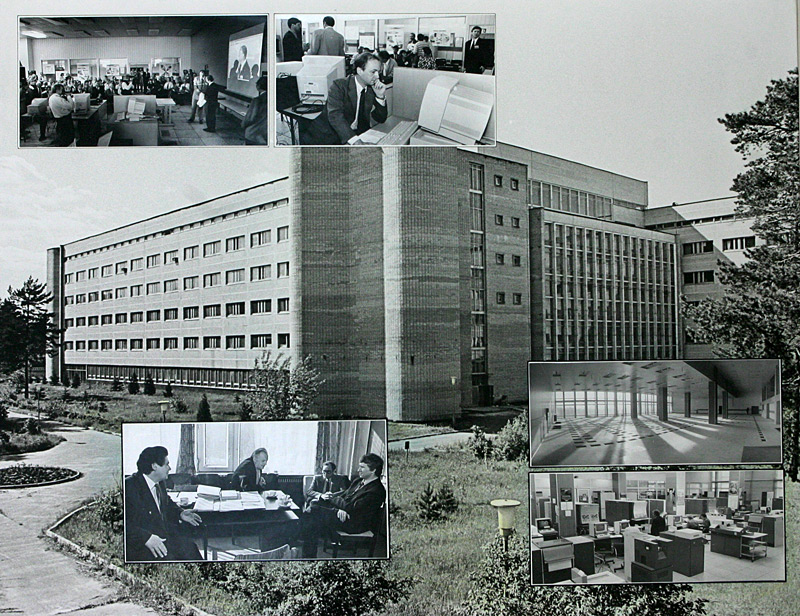
Powerful development of computer technology
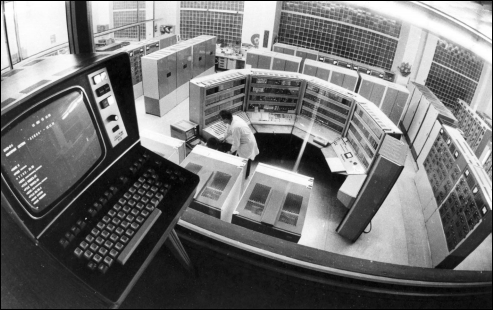
Appearance of the BESM-6 at JINR. Creation of a Fortran language translator and the "Dubna" monitor system, which spread to all BESM-6 machines in the USSR and abroad (in the GDR, India), and the creation of the "Dubna" operating system on the BESM-6.
Equipping the computing center with M-6000, Minsk-2, BESM-4, TRA, and CDC-1604A machines.
IBR-30
IBR-1 completed its operation in August 1968. The final experiment on this reactor was the famous test of the first observation of ultracold neutrons, conducted in a rare-pulse mode. On June 10, 1969, an improved analog of IBR—IBR-30 ("30" because its design average power was 30 kW)—was put into operation. The power increase was achieved by modifying the design of the plutonium fuel rods and introducing two uranium inserts (reactivity modulators) into the steel disk instead of one.
1970
Employees of the Laboratory of Nuclear Reactions discovered element 105 of D.I. Mendeleev's Periodic Table.
Specialists of the Laboratory of High Energies achieved the acceleration of deuterons at the synchrophasotron to an energy of 11 GeV. This marked the beginning of creating an experimental base for developing a new scientific direction—relativistic nuclear physics.
1971
During the study of spontaneous fission of transuranium elements at the Laboratory of Nuclear Reactions, a new physical phenomenon was discovered—delayed fission of atomic nuclei.
In experiments with relativistic deuterons at the synchrophasotron, a cumulative effect was observed.
In June 1971, the "Archimedes" swimming pool was opened in Dubna.
1972
On January 1, 1972, the JINR journal "Physics of Elementary Particles and Atomic Nuclei" began publishing quarterly. Prior to that, starting in 1970, the collection "Problems of Elementary Particle and Nuclear Physics" was issued, the first volume of which included articles by A.A. Logunov, V.A. Matveev, D.V. Shirkov (later academicians), as well as Samuel C. C. Ting (who later became a Nobel laureate). From 1976, the number of issues of the journal "Physics of Elementary Particles and Atomic Nuclei" was increased to six per year.
The slow extraction of an accelerated proton beam from the synchrophasotron chamber was implemented, creating an extensive network of channels for beams of relativistic nuclei based on this.
1974
Employees of the Laboratory of Nuclear Reactions discovered the phenomenon of the formation of a radioactive isotope of an element with atomic number 106.
In the Laboratory of High Energies, a new synchrophasotron injector—the LU-20 linear accelerator for protons at 20 MeV energy—and the fundamentally new high-charge ion source KRIYON were put into operation. Accelerated relativistic nuclei of helium and nitrogen were obtained.
1975
The cycle of work on the synthesis and study of properties of new isotopes of trans-fermium elements with Z = 100, 102, 103, 104, 105, and 106, conducted on beams of the U-300 cyclotron, was completed. These studies provided a new systematization of spontaneous fission and alpha-decay periods for heavy nuclei.
1977
At the Laboratory of Neutron Physics, the physical startup of the powerful pulsed reactor IBR-2 in stationary mode took place.
1978
At the Laboratory of Nuclear Reactions, the startup of the new powerful heavy-ion accelerator—the U-400 isochronous cyclotron—took place.
1983
In joint research by employees of the JINR Laboratory of Nuclear Problems and IHEP (Protvino), the formation of pion pairs by pions in the Coulomb field of a nucleus was observed, and direct experimental confirmation of the hypothesis regarding the existence of color degrees of freedom in quarks was obtained.
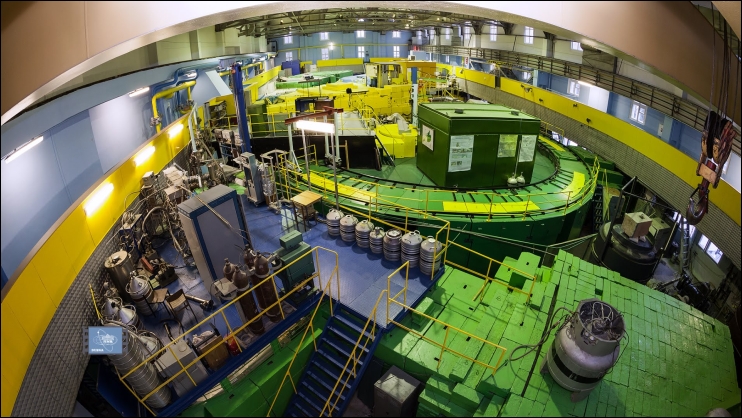
IBR-2
The pulsed fast reactor (IBR) was created in 1960. After Dubna's success, many attempted to implement the IBR principle to create a more powerful reactor. However, only JINR scientists found a successful solution: in 1984, the new IBR-2 facility was commissioned here, making Russia the only country in the world to propose, implement, and develop the idea of pulsed reactors. Its main components and fuel were manufactured at enterprises of the USSR Ministry of Medium Machine Building.
JINET
The first institute-wide terminal network, JINET (Joint Institute Network).
In 1983, work began on creating shared network structures with a common high-speed transmission medium for computers and terminals. In 1985, the institute-wide terminal network JINET (Joint Institute Network) was put into operation. The transmission medium was based on a 75-ohm coaxial cable approximately 12 kilometers long, running through all main buildings of JINR. The software for the network equipment of the JINR local computing network was entirely developed at LCTA, in the department for development and operation of computer software.
JINET — Subscriber of the International Computer Network
1988 was the next crucial step for the computerization of JINR, following the creation of the institute-wide network JINET (Joint Institute Network) in 1985. The JINET network became a subscriber of the international computer network via the packet switching center at the Moscow All-Union Research Institute of Applied Automated Systems (VNIISI). In the early 1990s, two satellite channels (to Germany and Italy) were established, connecting the JINR local network to the international high-energy physics network (HEPNET) and the Internet, expanding the capabilities of the existing terrestrial Internet connection.
From the late 1980s, the organization of a parallel JINET and an associated high-speed ETHERNET network began. By the end of 1989, two VAX-8350 machines on the new network cable in the LCTA building were already operational. In 1990, the "high-speed" (up to 10 Mbit/s) ETHERNET extended beyond the LCTA building and covered half of the Institute's main site.
1991
In March 1991, the JINR University Centre was established—to organize specialized training for students from higher educational institutions in Russia and other countries at JINR. This contributed to attracting highly qualified personnel for future work in JINR laboratories and scientific centers of the member states. One of the organizers and the first director of the University Centre was S.P. Ivanova.
Nuclotron Launch
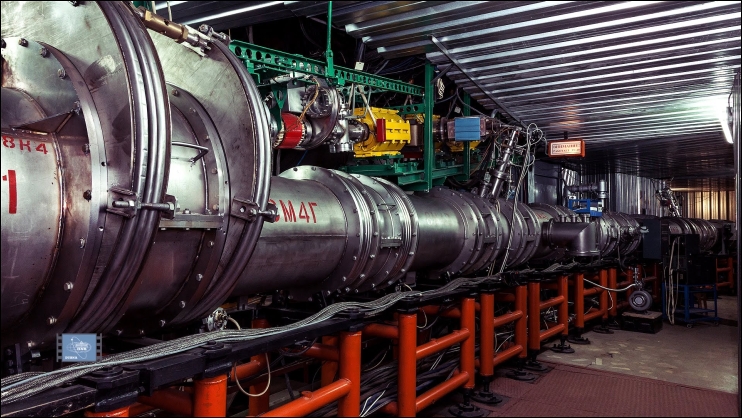
Another breakthrough in accelerator technology was the creation of the Nuclotron at JINR, initiated by Academician A.M. Baldin—the first superconducting accelerator of relativistic ions. The Nuclotron was built at JINR in five years (1987-1992) and launched in 1993. The proposal to create the superconducting strong-focusing Nuclotron accelerator in the 1980s was motivated by the challenges of relativistic nuclear physics and quantum chromodynamics, and the problem of investigating color degrees of freedom in atomic nuclei. For their experimental study in relativistic nuclear interactions, appropriate beams of accelerated particles were needed, which the then-operating synchrophasotron could not provide without essentially creating a new accelerator complex at the JINR Laboratory of High Energies.
1994
In 1994, on the initiative of the JINR Directorate, with the active participation of the Russian Academy of Natural Sciences and the administrations of the Moscow region and the city, the University of Nature, Society, and Man "Dubna" was established. The university's teaching staff includes dozens of JINR employees, world-class scientists. The university\'s educational base is actively developing on the JINR territory.
1997
In 1997, the 105th element of D. I. Mendeleev's Periodic Table of Elements was named dubnium by decision of the International Union of Pure and Applied Chemistry (IUPAC).
2000
In 2000, the Laboratory of Computing Techniques and Automation (LCTA) was renamed the Laboratory of Information Technologies (LIT). It was at this time that the laboratory's scientific and technical program underwent a fundamental revision, and its structure was significantly reorganized. These were timely measures, driven by the universal transition of developed countries into a unified information society.
2002
At the Laboratory of High Energies, a beam of polarized deuterons was accelerated to an energy of 2 GeV/nucleon and extracted from the Nuclotron. Obtaining a polarized beam opens fundamentally new possibilities for research.
Within the DRIBs project at the Laboratory of Nuclear Reactions, unique equipment was created, and the U-400M and U-400 cyclotrons were combined. An original method for producing radioactive beams was implemented on the new facility.
2003
Success was achieved in the synthesis of elements with Z=115 and Z=113. This work, carried out at a high methodological level using unique experimental techniques, was a continuation and development of the cycle of successful studies on the synthesis of isotopes of new superheavy elements conducted at JINR.
At the Laboratory of Information Technologies, the capabilities of JINR's external computer communication channel for access to Russian and international computer networks via the RBNET network were expanded. A test complex based on GRID technologies was created, and work was underway to implement GRID technologies into experimental data processing practice.
At the Laboratory of Theoretical Physics, the program "Dubna International Advanced School of Theoretical Physics" (DIAS-TH) was launched, planning annual student summer workshops on JINR scientific fields with invited lecturers and young scientists from JINR and CERN. Departments of Theoretical Physics and Nuclear Physics were opened at the "Dubna" University, headed by leading JINR scientists.
2004
At the Laboratory of Neutron Physics, the installation of the third movable reflector on the IBR-2 reactor was completed. The start of regular operation of the modernized IBR-2 reactor for physical experiments at a peak power of 1.5 MW was a major event for scientists conducting research in the field of condensed matter physics and life sciences.
2005
In 2005, the number of laboratories at the Institute increased: the Department of Radiation and Radiobiological Research was transformed into the Laboratory of Radiation Biology.
2006
In 2006, thanks to active discussions initiated by the Institute's theorists, a conceptual project for the development of the Nuclotron accelerator complex emerged. It was aimed at searching for a mixed phase and critical phenomena in strongly interacting matter and was named "Design and construction of Nuclotron-based Ion Collider fAcility (NICA) and Mixed Phase Detector (MPD)". The project was reviewed and evaluated by a representative international expert commission.
New JINR Supercomputer
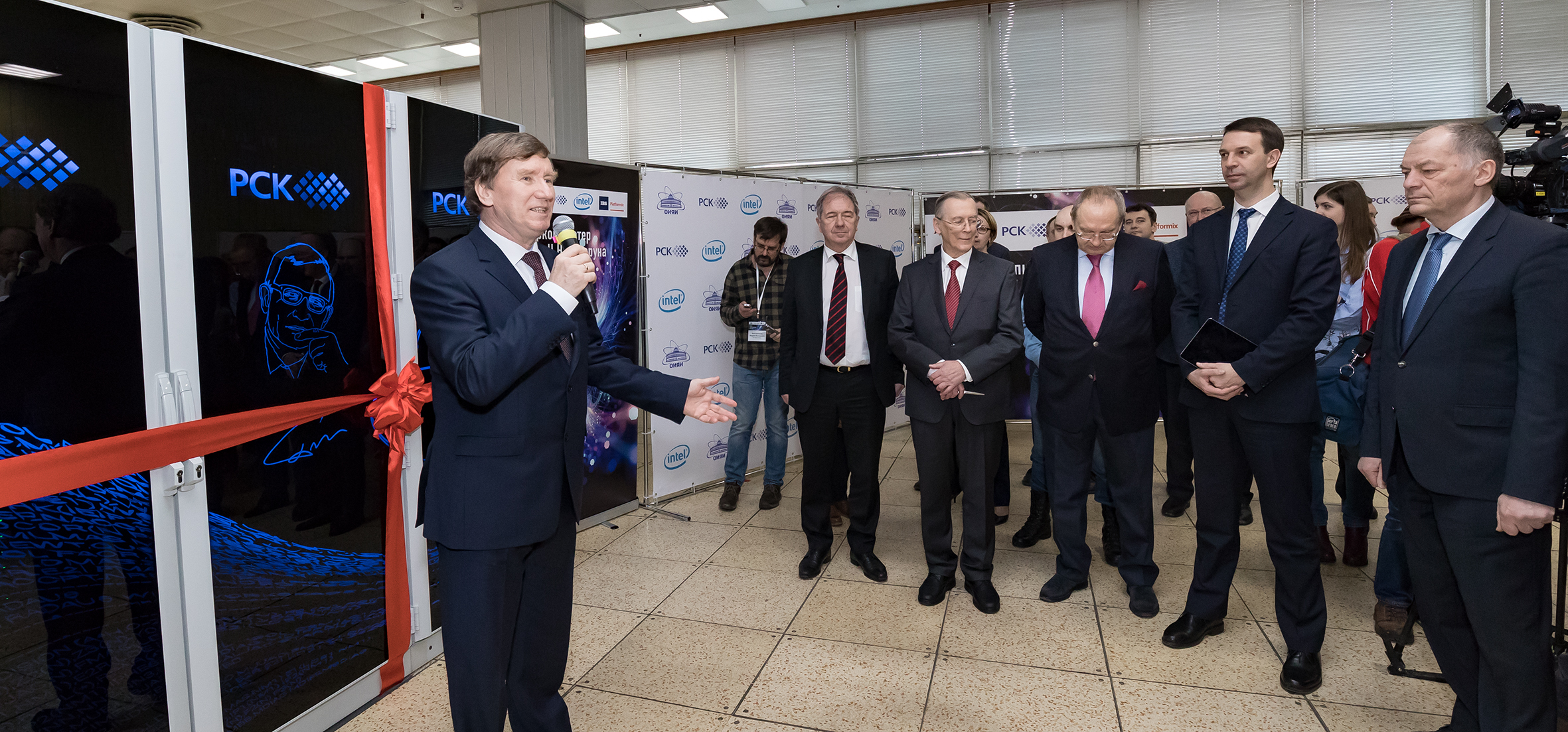
On March 27, 2018, during the session of the Committee of Plenipotentiary Representatives of the Governments of JINR Member States, the new JINR supercomputer "Govorun" was presented. It is named after Nikolai Nikolaevich Govorun, who made a huge contribution to the development of information technologies at JINR.
The project aims to dramatically accelerate complex theoretical and experimental research in nuclear physics and condensed matter physics conducted at JINR, including for the flagship megascience project of JINR—the NICA complex.
The peak performance of the new JINR computing complex will be about one petaflop, equivalent to one quadrillion floating-point operations per second, and it will be among the 50 most powerful supercomputers in Russia and the CIS countries.
Launch of the New DC-280 Cyclotron
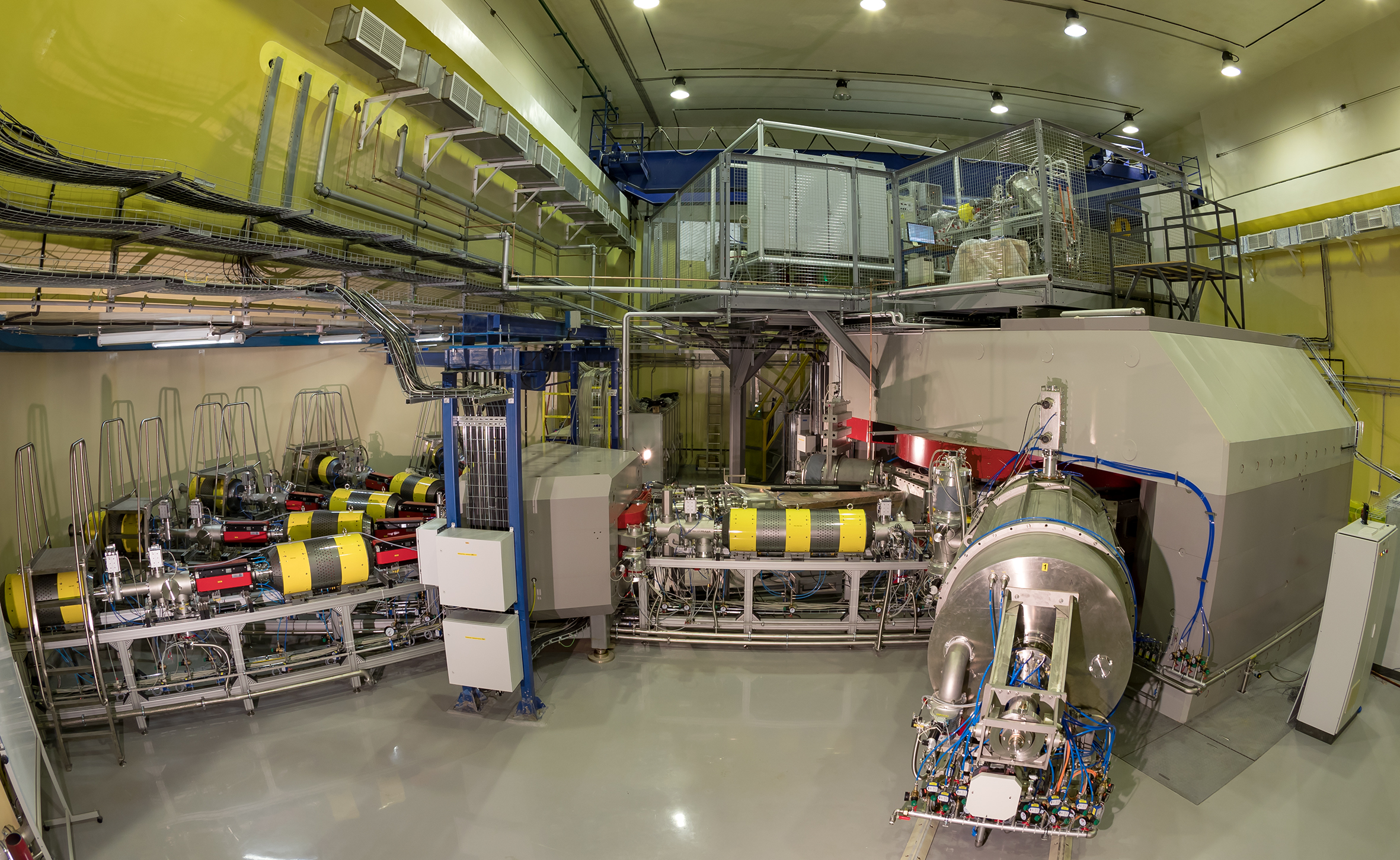
On March 25, 2019, during the regular session of the Committee of Plenipotentiary Representatives of the JINR Member States, the experimental building of the Superheavy Element Factory was inaugurated, and its main base facility—the new DC-280 cyclotron—was launched.
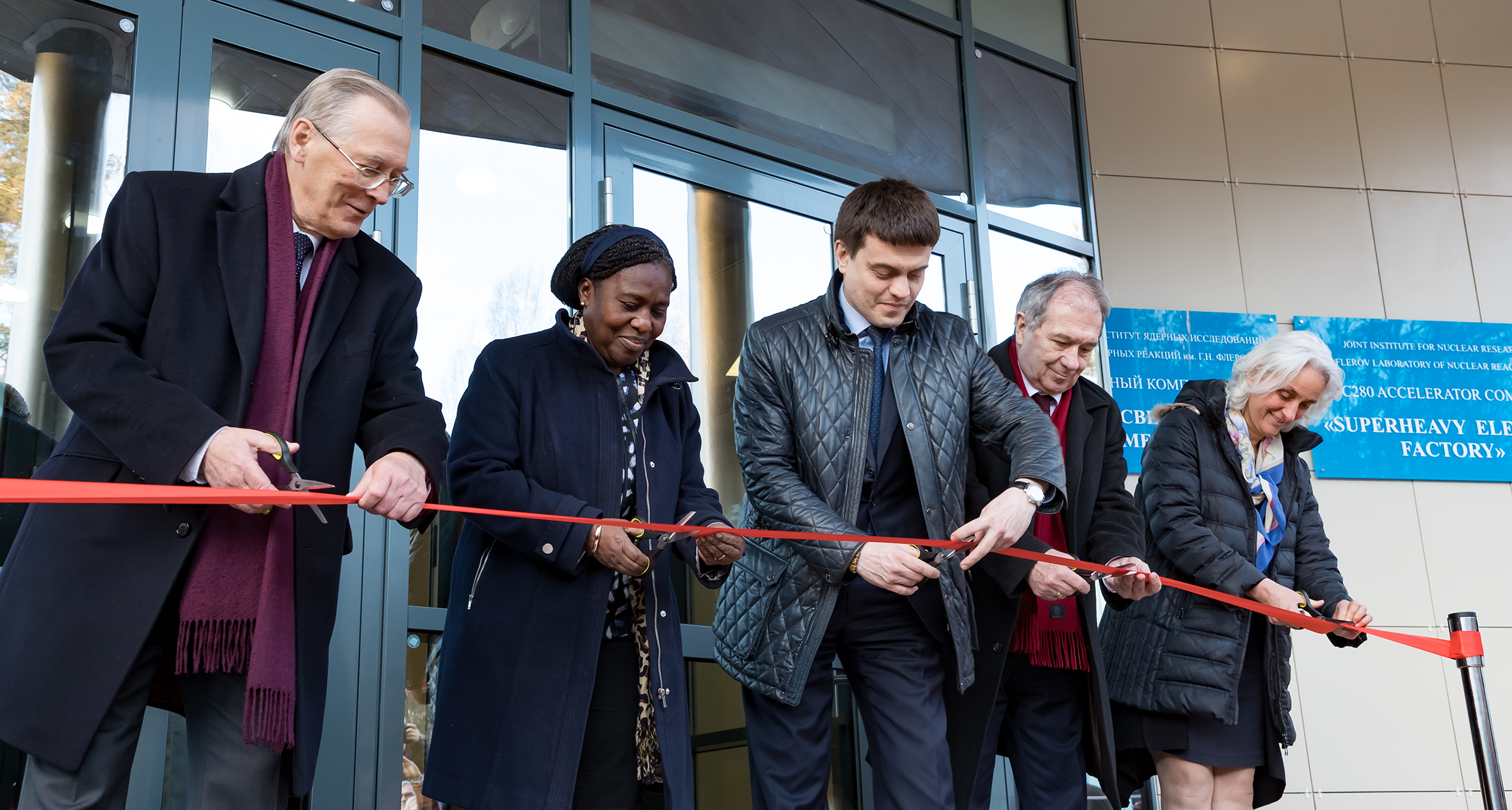
Earlier, on December 26, 2018, the first beam of accelerated heavy ions was obtained on the DC-280 cyclotron at the G.N. Flerov Laboratory of Nuclear Reactions, JINR.
Egypt Became a Full Member State of JINR
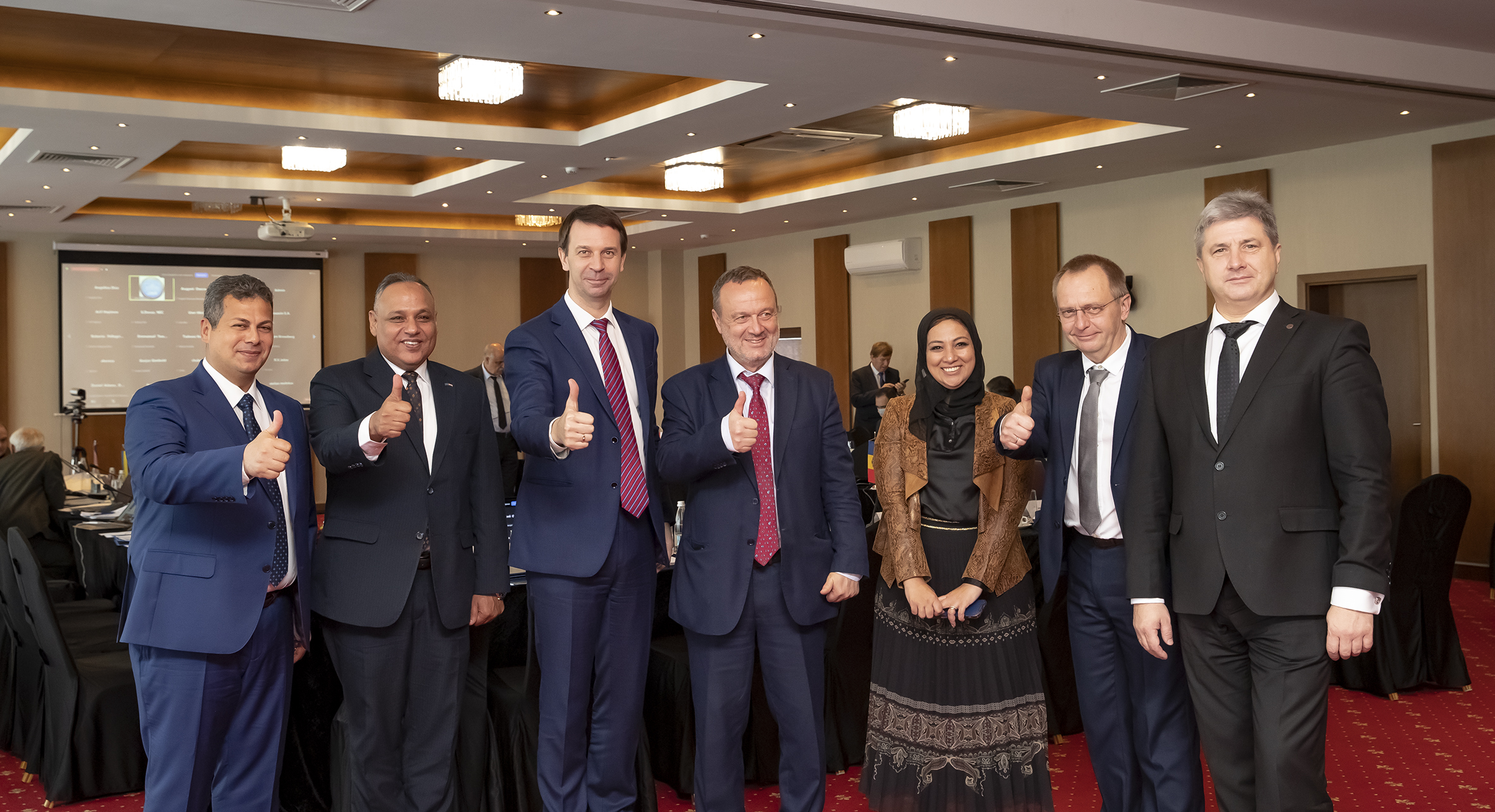
On November 22 in Bulgaria, during the session of the Committee of Plenipotentiary Representatives of the Governments of JINR Member States, a unanimous decision was made to elevate the status of the Arab Republic of Egypt to a full member of JINR.
JINR's Leadership in Superheavy Element Synthesis
As a result of experiments at the "Superheavy Element Factory", new isotopes of moscovium, lawrencium, hassium, seaborgium, and darmstadtium were discovered. An experiment on the chemistry of the 114th and 112th elements was initiated.
The Baikal Deep-Sea Neutrino Telescope Baikal-GVD detected events associated with ultra-high-energy neutrinos—absolutely unique exotic signals from the active core of our Galaxy, which preliminarily confirmed the observation of an astrophysical neutrino flux by the IceCube observatory in the Southern Hemisphere.
Mexico Became a JINR Partner
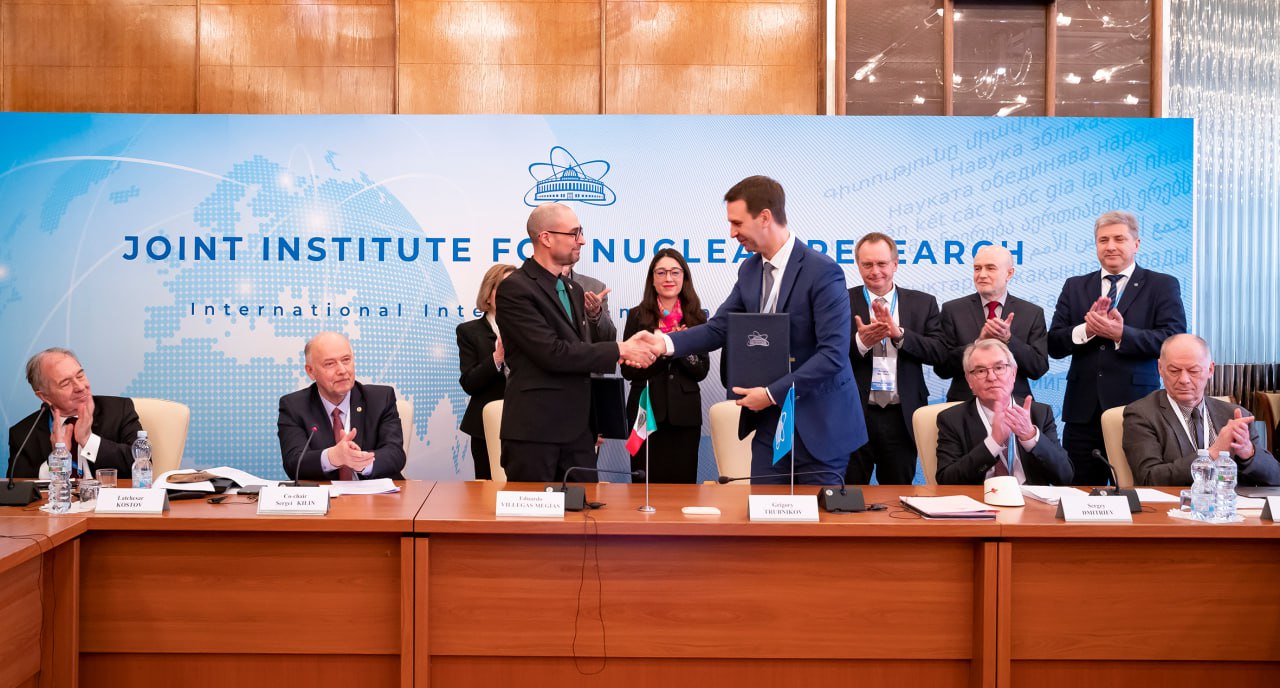
On February 16, 2023, a declaration of intent was signed between the National Council of Science and Technology of Mexico and the Joint Institute for Nuclear Research.
Official Start of the NICA Collider Technological Commissioning
Preparations for technological tests of the NICA collider have been completed, including cooling the superconducting magnet of the MPD detector to liquid helium temperatures. Applied beam sessions have been conducted on NICA channels within the ARIADNA collaboration.
The Upgraded U-400M Cyclotron Was Launched
Brazil Became a JINR Partner
On May 8, 2025, a Memorandum of Understanding was signed between the Joint Institute for Nuclear Research and the Ministry of Science, Technology, and Innovation of the Federative Republic of Brazil.