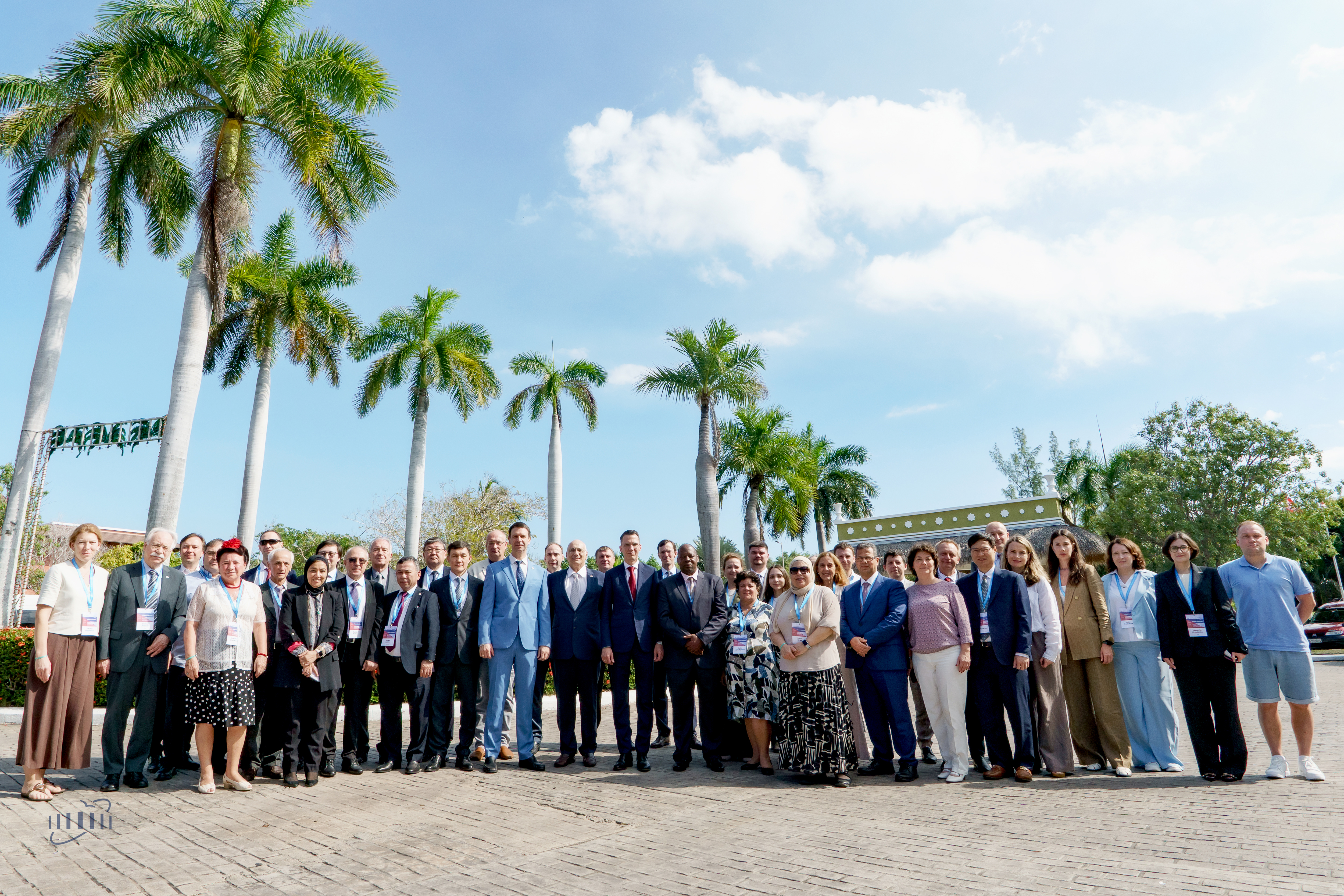
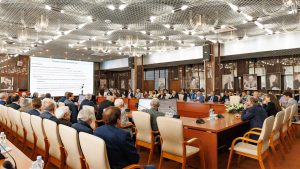
On 2 December 2025, a session of the Committee of Plenipotentiariess of the Governments of the Member States of the Joint Institute for Nuclear Research took place in Varadero (Cuba), chaired by Plenipotentiary of the Government of Georgia to JINR Arsen Khvedelidze. Participants discussed the draft budget for 2026, digitalisation at the Institute, participation in major infrastructure projects of the JINR Member States, and ways to attract highly qualified specialists. As a results of the event, six new members of the JINR Scientific Council were elected.


Finance Committee
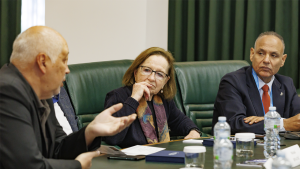
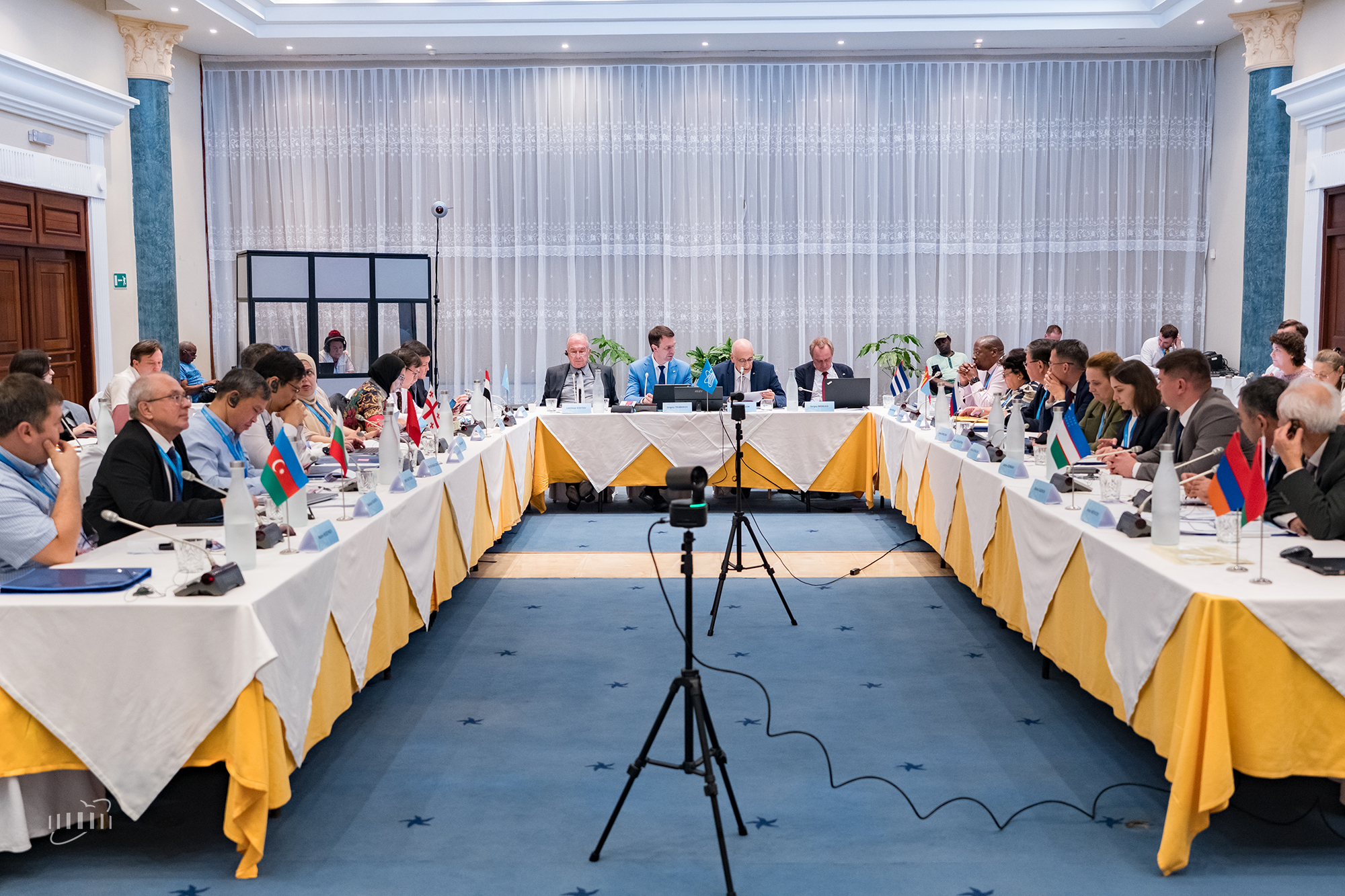
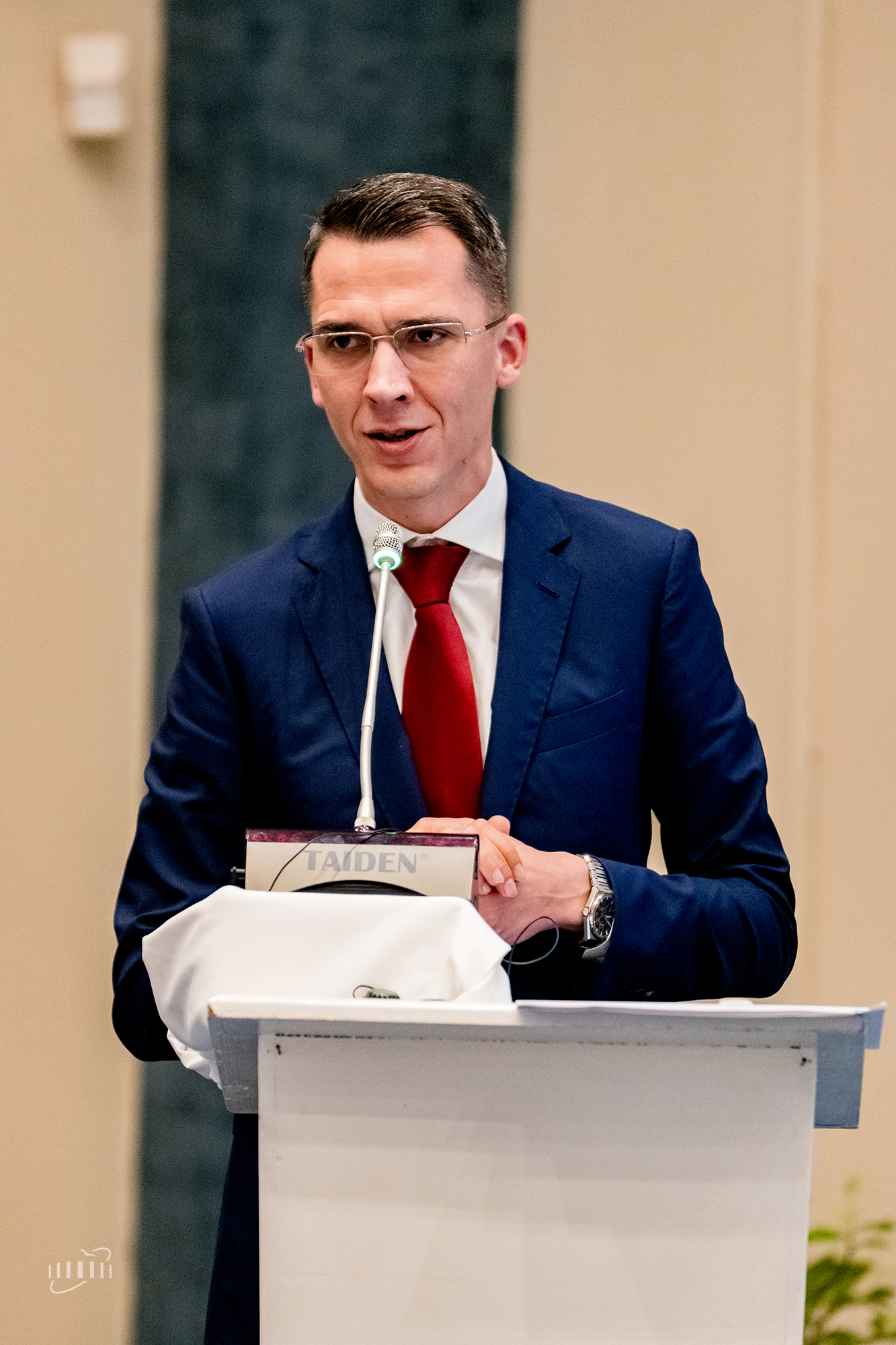
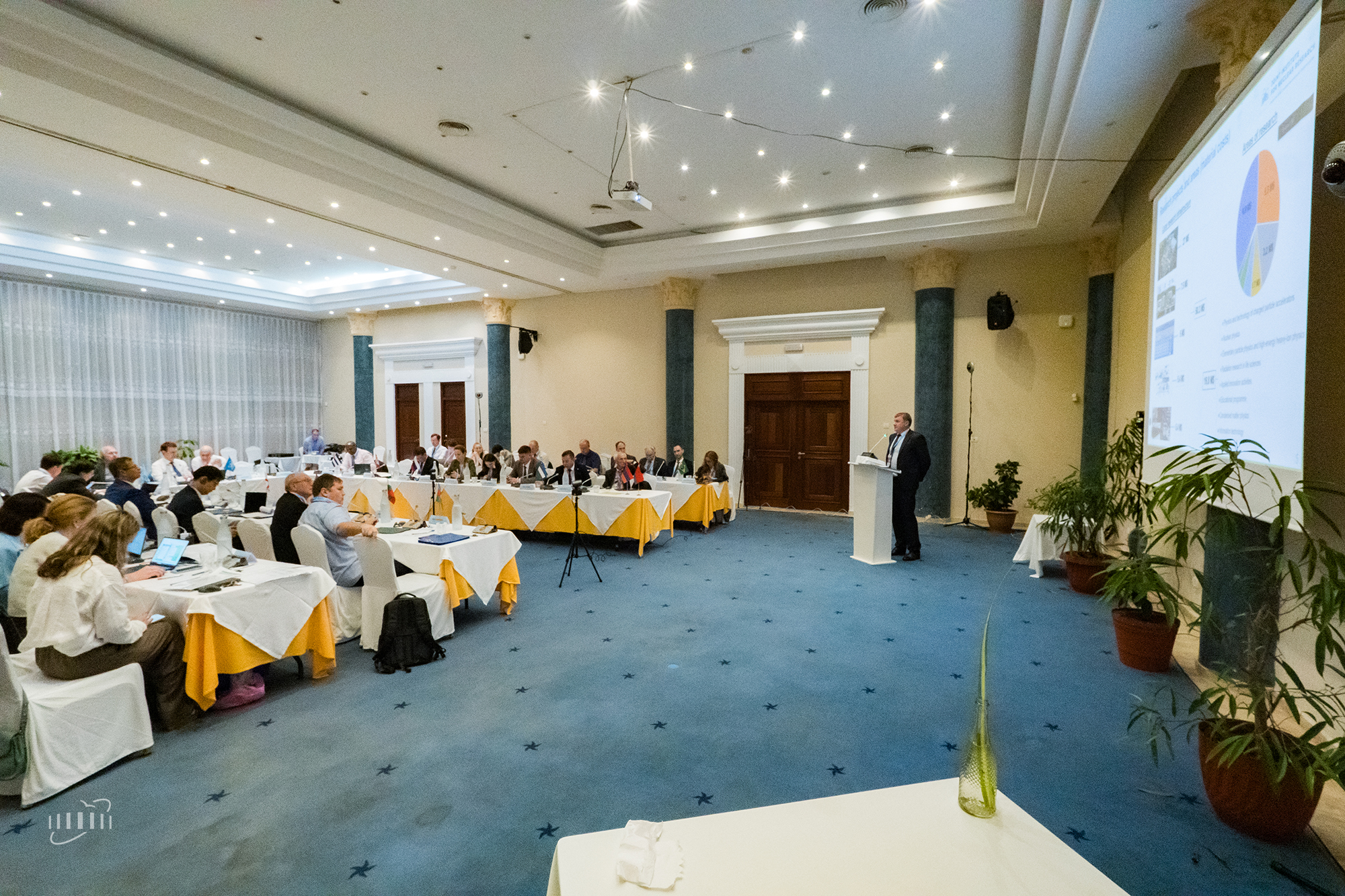
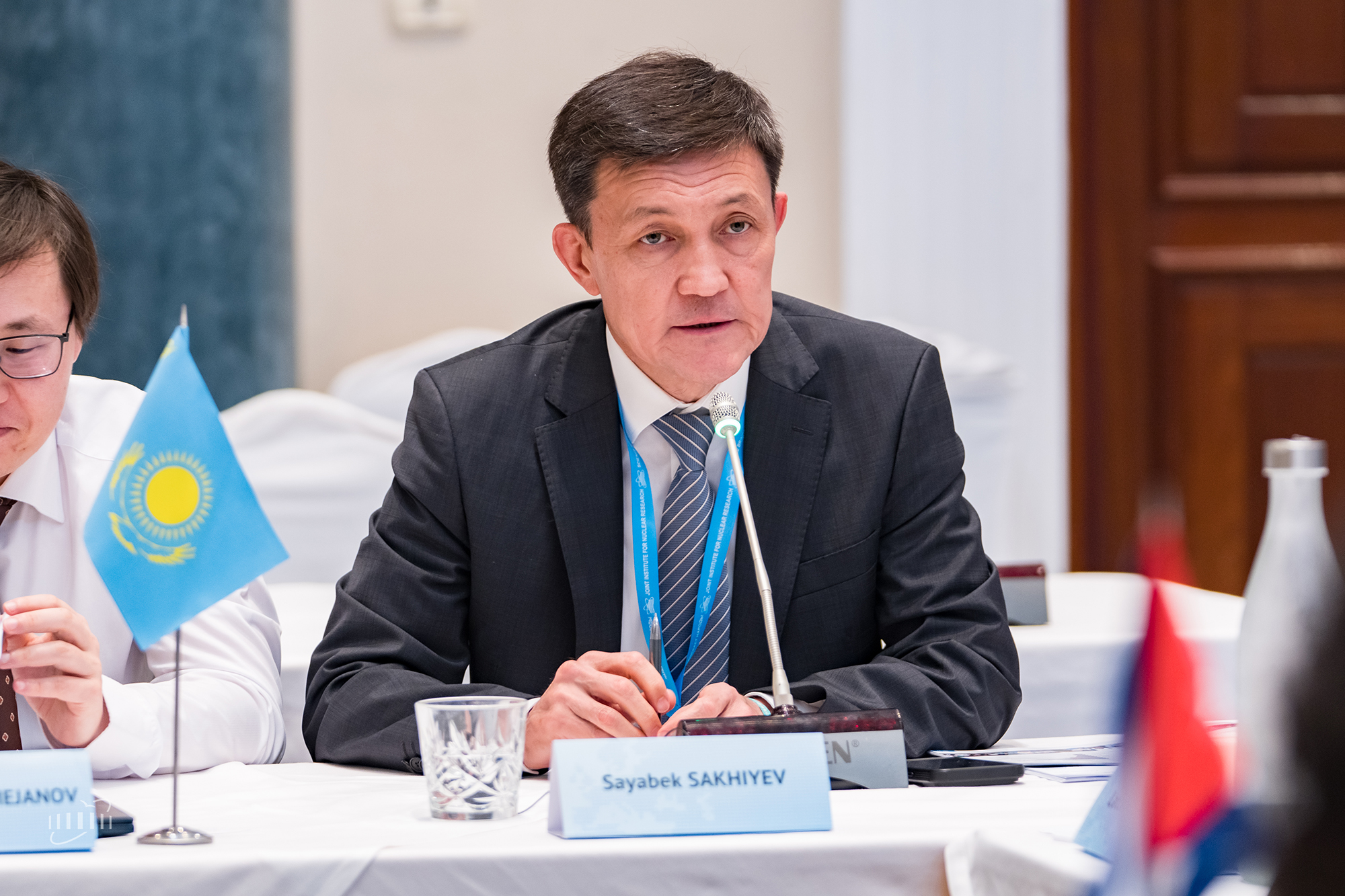
A meeting of the Finance Committee on 1 December featured a talk on the Institute’s activities by JINR Director Grigory Trubnikov. Head of the Budget and Economic Policy Department Nikolay Kalinin made presentations on JINR’s draft budget for 2026, estimated contributions of JINR Member States in 2027-2029, JINR’s draft financial rules, and regulations for making adjustments to the Institute’s budget. Yerzhan Mukhamejanov, Head of the Working Group on Financial Issues under CP JINR Chair, presented a summary of the Working Group meeting in June. The results of the 2024 audit at the Institute were heard.
Head of the JINR Department of Digital Service Development Mikhail Vasiliev spoke about the digitalisation of the Institute’s administrative and scientific activities. He noted that the number of JINR Digital Ecosystem users is growing every year, largely thanks to new services – the platform currently features more than 60. In 2026, the Institute will start using a new information system for automating budgetary and accounting processes. The ongoing switch to a new procurement platform is scheduled to be completed in a year.
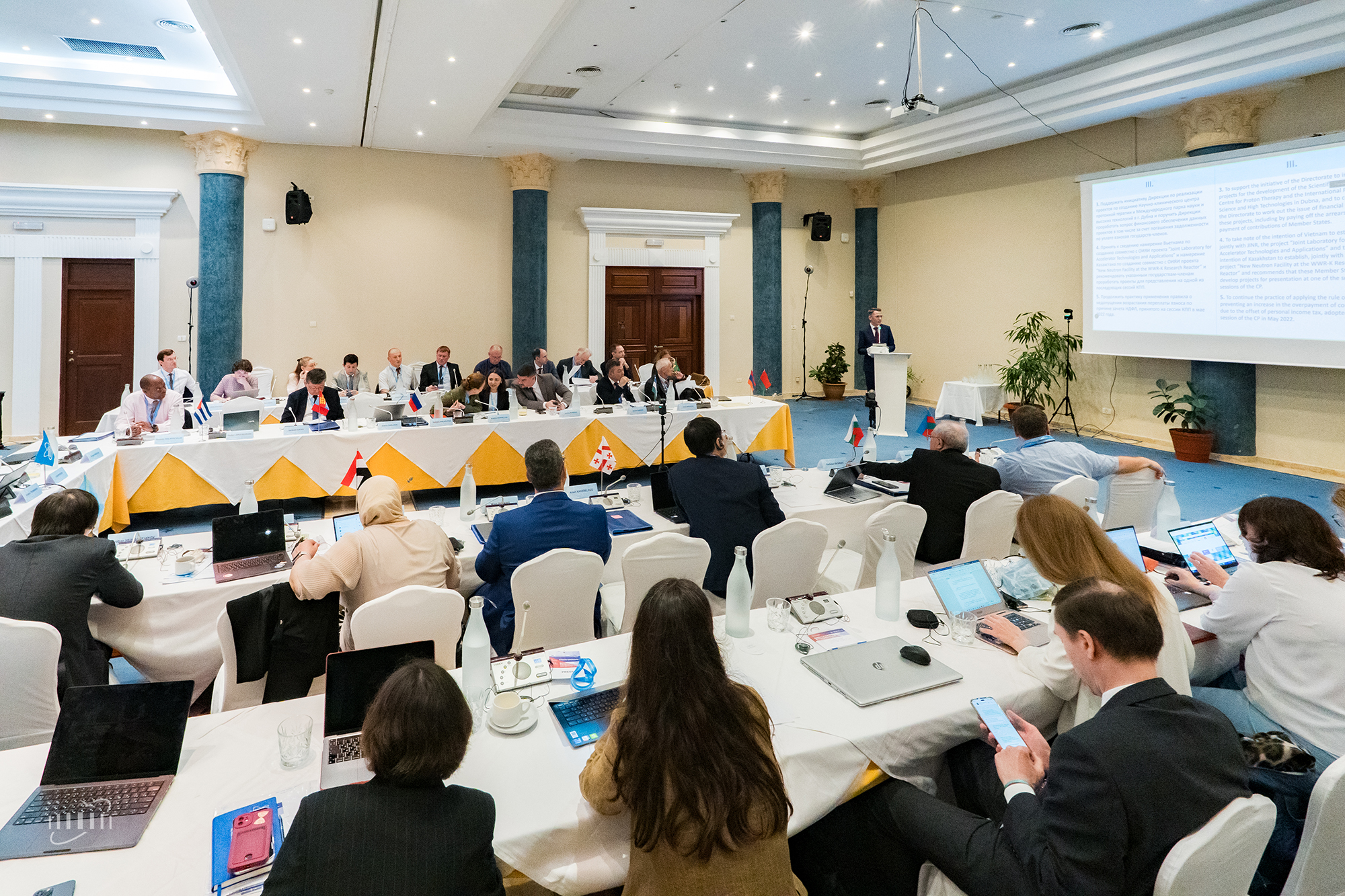
Committee of Plenipotentiaries
On 2 December, the CP JINR session began with a minute of silence in memory of the Institute’s researchers, corresponding members of the Russian Academy of Sciences (RAS) – Vice-Director Sergey Dmitriev and Scientific Leader of the Laboratory of Radiation Biology Evgeny Krasavin.
Director of the Joint Institute for Nuclear Research, RAS Academician Grigory Trubnikov provided an overview on the Institute’s activities. He presented a detailed analysis of the implementation of the current Seven-Year Plan for the Development of JINR and summarised the preliminary results of the work in 2021–2025, noting the growing pace of advancement in all key areas.
In his speech, Grigory Trubnikov emphasised JINR’s high competitive potential in the global scientific arena. The Institute retains the second place among international intergovernmental research organizations in terms of employees and the sixth one in terms of budget among all organizations conducting studies in natural sciences. Over the past five years, JINR researchers have published over six thousand scientific papers in peer-reviewed periodicals.
Departments
The presentation paid special attention to the activities of the Joint Institute’s seven laboratories and their main achievements in the recent years:
- Laboratory of High Energy Physics: the main engineering infrastructure for the NICA Accelerator Complex was created, final tests and preparatory work are underway before the first heavy ion beam run at the collider;
- Laboratory of Nuclear Reactions: 250 superheavy element production events were recorded, work continues to develop the infrastructure of the DRIBs-III Complex and prepare for the synthesis of elements 119 and 120;
- Laboratory of Nuclear Problems: the construction of the Baikal-GVD Neutrino Telescope, including the deployment of new clusters, continues. The CP supported an initiative to create a JINR department on Lake Baikal;
- Laboratory of Theoretical Physics: over the past five years, the laboratory published more than 1600 research articles and held about 50 major scientific conferences, schools, and workshops;
- Laboratory of Neutron Physics: deep modernisation of the IBR-2 Research Reactor successfully finished, attracting 156 new users from 23 countries in 2025;
- Laboratory of Information Technologies: as a result of the modernisation of the MICC JINR, the storage capacity of the Govorun Supercomputer has reached 10.6 PB, and the Tier-1 Centre remains the leader in data processing for the CMS Experiment at CERN;
- Laboratory of Radiation Biology: significant results were obtained in oncological studies and radiopharmaceuticals, the creation of an Interlaboratory Council for Biophysical Research was approved.
Education and science
The Institute’s management noted an increasing demand from of the Member States for international student internships and training programmes for highly qualified personnel. The JINR University Centre continues to annually organize dozens of scientific and educational events and initiatives in the Member States’ territories.
A key topic was the work of the Dubna branch of Moscow State University (MSU), where 92 master’s students are currently studying physics, applied mathematics, and computer science. Plans include introducing a new radiation biology and radiochemistry major in 2026.
In addition, committee members highlighted JINR’s successful experience of holding a competition to support international innovation projects. “This initiative has great potential and is of particular interest to young researchers from the Institute’s Member States,” Grigory Trubnikov emphasised.
Cooperation
According to the JINR Director, the key task of the Institute as an international intergovernmental scientific organization is to develop cooperation and engage new countries and partners in collaborative work. Over the past five years, JINR’s leadership participated in hundreds of high-level meetings, which included discussions with collocutors ranging from directors of major research centres to government representatives and presidents of counties. These events contributed to the establishment of a productive dialogue with the international scientific community. Grigory Trubnikov spoke about this in more detail in the second part of his presentation.
Григорий Трубников о сессии КПП и планах на будущее
CP session results
Institute’s Chief Scientific Secretary Sergey Nedelko presented the results of the 138th session of the JINR Scientific Council and the structure of the Topical Plan for Research and International Cooperation. The members of the Committee of Plenipotentiaries approved the recommendations of the SC session and the 2026 plan including 36 topics, within which 73 scientific projects are planned to be implemented.
The JINR Committee of Plenipotentiaries approved the draft budget of the Joint Institute for Nuclear Research for 2026, the estimated contributions of the Member States for 2027-2029, the JINR Financial Regulation, and terms of making adjustments to the budget. The decision was made after a talk by Nikolay Kalinin and a speech by Chair of the Finance Committee, Deputy Head of the Ministry of Science and Higher Education of the Russian Federation Andrey Omelchuk on the results of the FC meeting on 1 December 2025.
“Russia highly values the role of the Joint Institute for Nuclear Research as a key international platform for scientific dialogue. This year, special attention should be paid to the historic start of the first heavy ion beam run at the NICA Accelerator Complex. This was the result of many years of work of researchers and an important stage in the development of the Institute right before its 70th anniversary. Along with outstanding scientific achievements, JINR’s endeavours in education and knowledge disseminarion should be noted. Active work with schoolchildren, students, and young researchers significantly contributes to increasing interest in science and training highly qualified personnel. It is this integrated approach that serves as a powerful magnet for young people from Russia and other countries, involving them in research”, Andrey Omelchuk said.
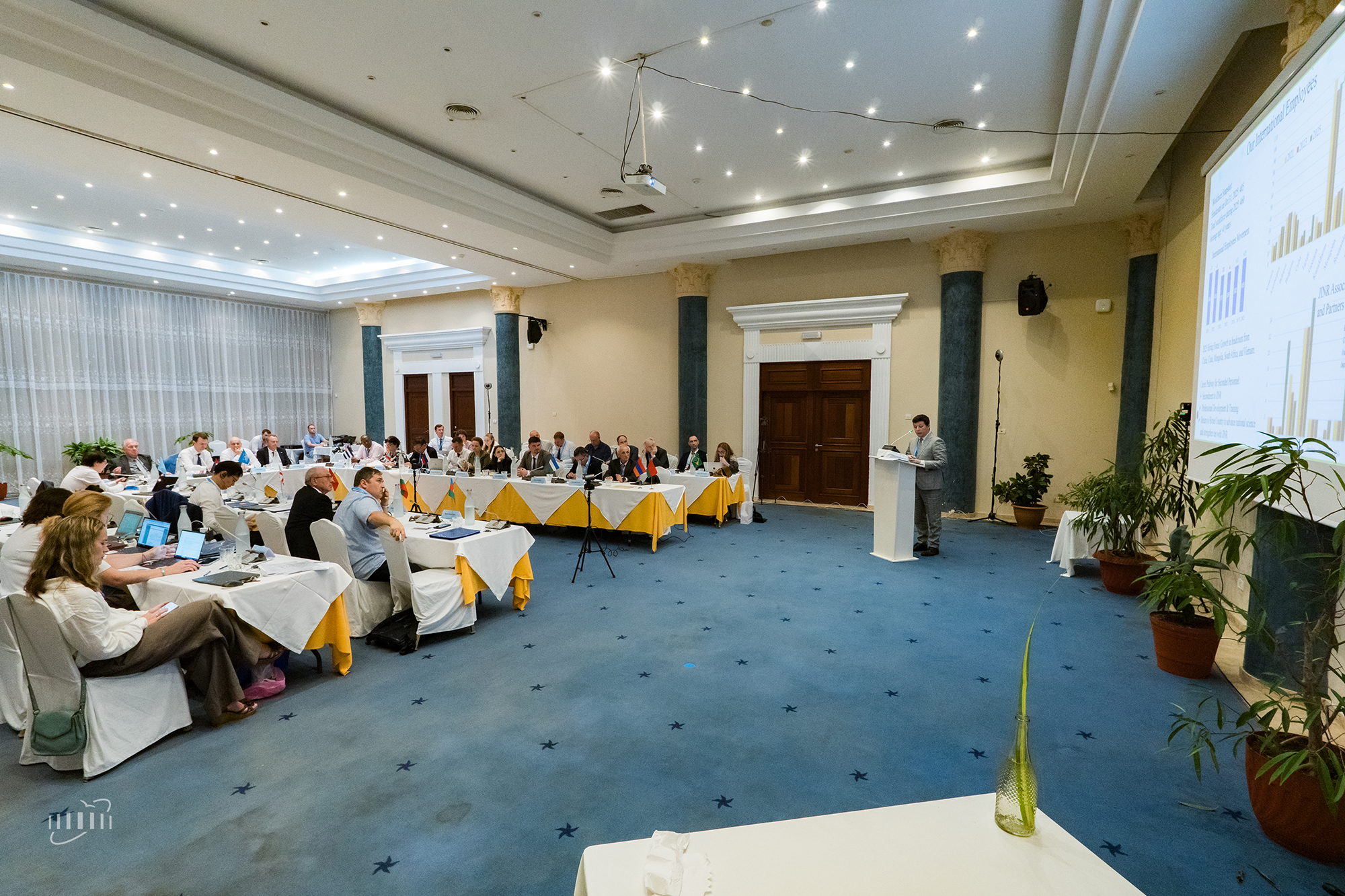
Head of the Human Resources and Records Management Department Alexander Verheev talked about the JINR personnel policy and tools for attracting highly qualified employees.
This year, for the first time since 2021, the number of JINR employees has increased. Every year, 35-40 graduates of Member States’ universities get employed at the Institute, in addition to 70-80 senior students per year working at the Institute part-time. In the next year or two, an increase of another 30-40 undergraduates is expected due to the expansion of the educational programmes of the Dubna branch of Moscow State University (MSU).
JINR employs 16 people from around the world under the Postdoc and Fellowship programmes; four scientists whose contracts under these programmes are over became researchers at the Joint Institute. 180 people cooperate with the Institute as associates, most of them taking part in the JINR collaborations.
A significant source of personnel is employees sent by the authorised representatives of their countries – 470 in 2025, primarily from Kazakhstan and Vietnam. The amount of researchers from the Member States now accounts for about a quarter of all scientists at the Institute. Alexander Verheev noted that the JINR Directorate is engaged in expanding and renovating the Institute’s housing stock to accommodate non-resident employees.
Upgrading infrastructure of Institute and Member States
The CP members discussed the Institute’s plans in the medium and long term over the next 5 and 25 years. It was noted that the JINR Member States highly appreciate the results of the development of scientific infrastructure and projects implemented both at the Institute and in the Member States. Today, the Joint Institute has the world’s best facilities in its field, such as the Superheavy Element Factory, the Baikal Neutrino Telescope, the NICA Accelerator Complex, and facilities for applied research. Next year, the DLNP MSC-230 Medical Proton Cyclotron and the FLNR DC-140 Accelerator for applied studies are scheduled to be commissioned. There is a rapid growth in the experimental capabilities of LRB. MLIT increased its data processing capacities, expanded the distributed cloud computing infrastructure, and improved the data warehouse.
The Plenipotentiaries of the Governments of the JINR Member States appreciated the intentions of the Institute’s Directorate to build joint facilities and laboratories with the Member States, including the establishment of a Joint Vietnam Accelerator Complex and the construction of a new spectrometer at the WWR-K Reactor at the Institute of Nuclear Physics (Kazakhstan). The Committee supported the initiative of the Institute’s Directorate to implement projects to create a research and clinical centre for proton therapy and an International Science and Technology Park in Dubna. Grigory Trubnikov noted that this is a very ambitious project involving all JINR Member States, with a research university at the core. The park will become an international organization for studies, innovative developments, and educational activities. The International Science and Technology Park can be filled with large research infrastructure, such as the Proton Therapy Centre, which JINR is currently creating together with Rosatom and the Federal Medical and Biological Agency of Russia.
Update of JINR Scientific Council composition
Alejandro Ayala (UNAM, Mexico), Eduard Boos (MSU, Russia), Satoshi Mihara (KEK, Japan), Ivan Logashenko (Budker Institute of Nuclear Physics, Russia), Mahmoud Sakr (Egypt), and Khuyagbaatar Jadambaa (Mongolia) were elected new members of the JINR Scientific Council.
The CP session concluded with a general discussion and the signing of the protocol. The next session of the Committee of Plenipotentiaries will take place on 25 March 2026 in Dubna. A meeting of the JINR Finance Committee will take place on 24 March.