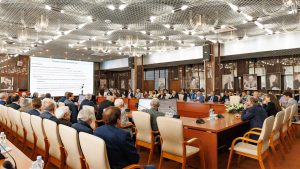
On 18 March, a meeting of the Science and Technology Council of the Joint Institute for Nuclear Research took place at the JINR International Conference Centre. The STC members discussed the Institute’s new sociocultural projects, as well as the improvement and development of the Dubna science city.
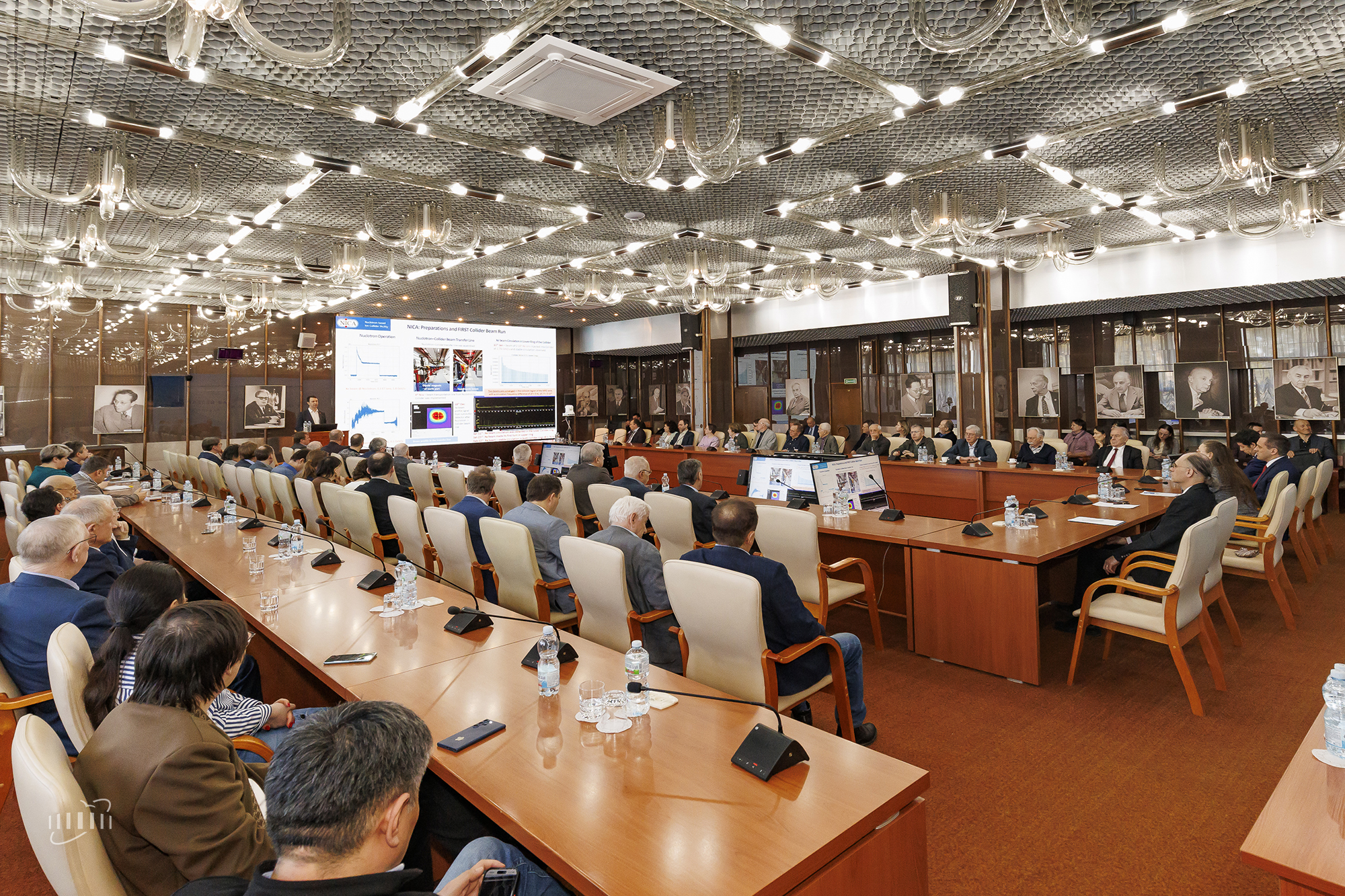
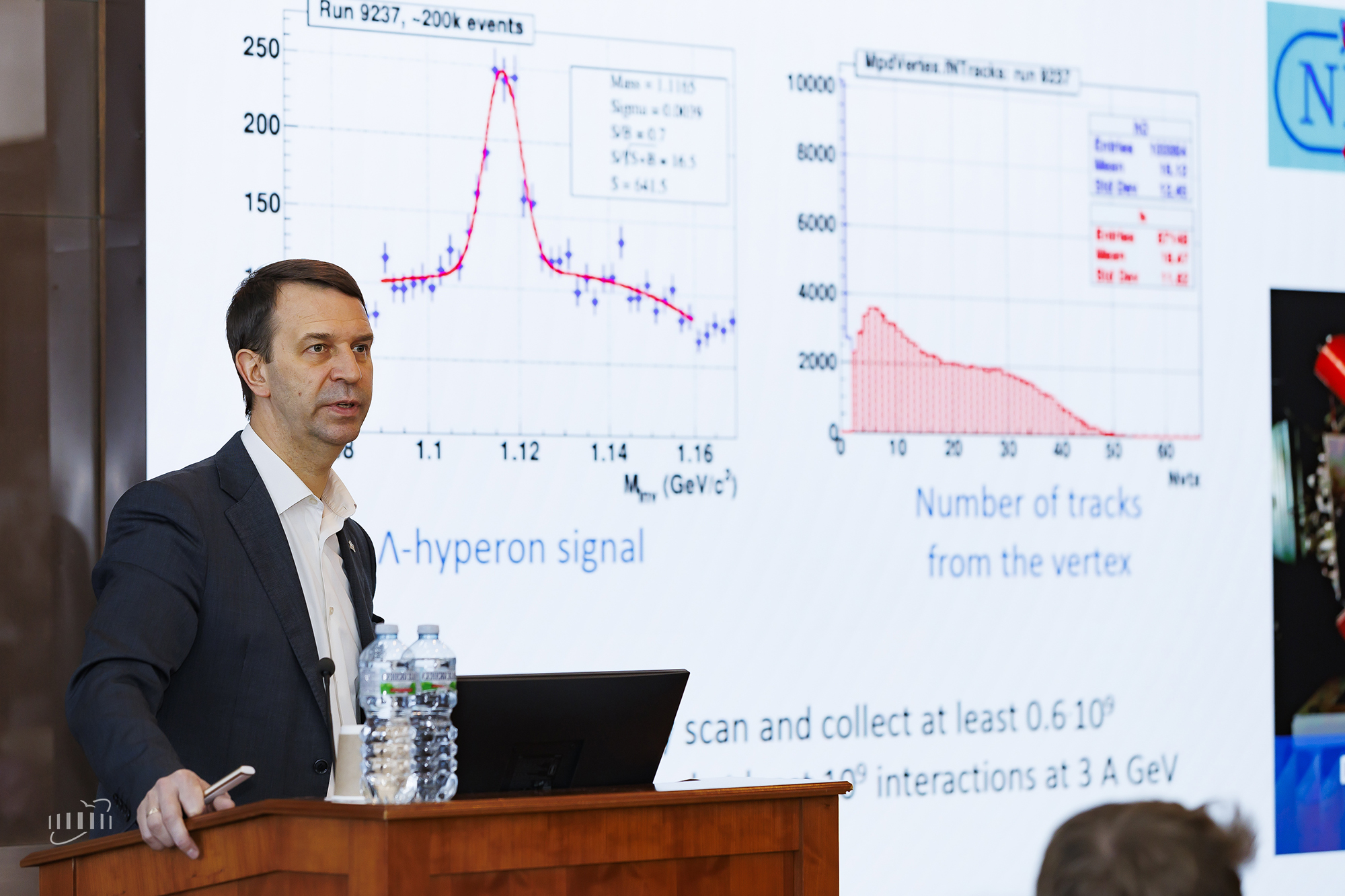
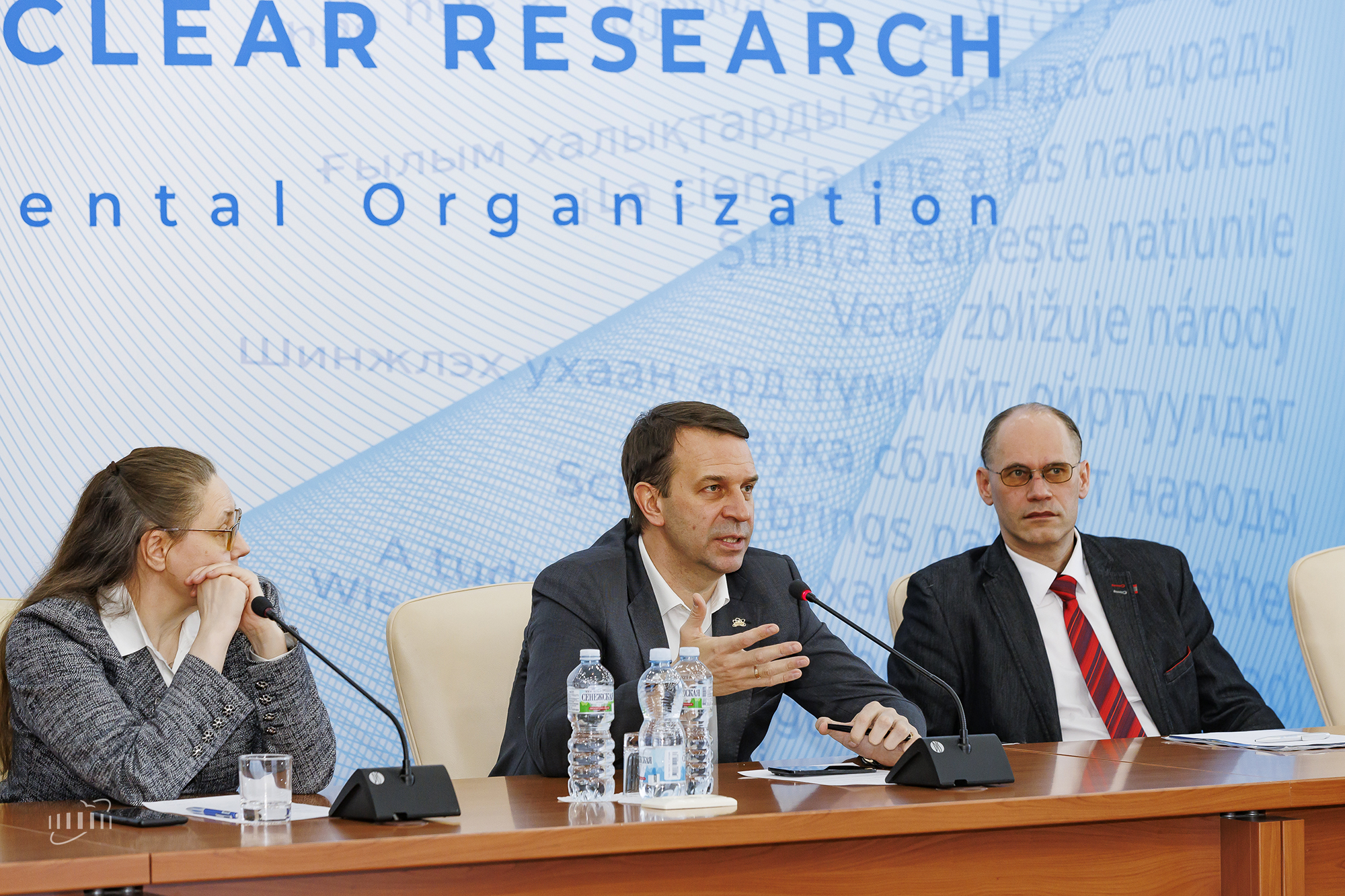
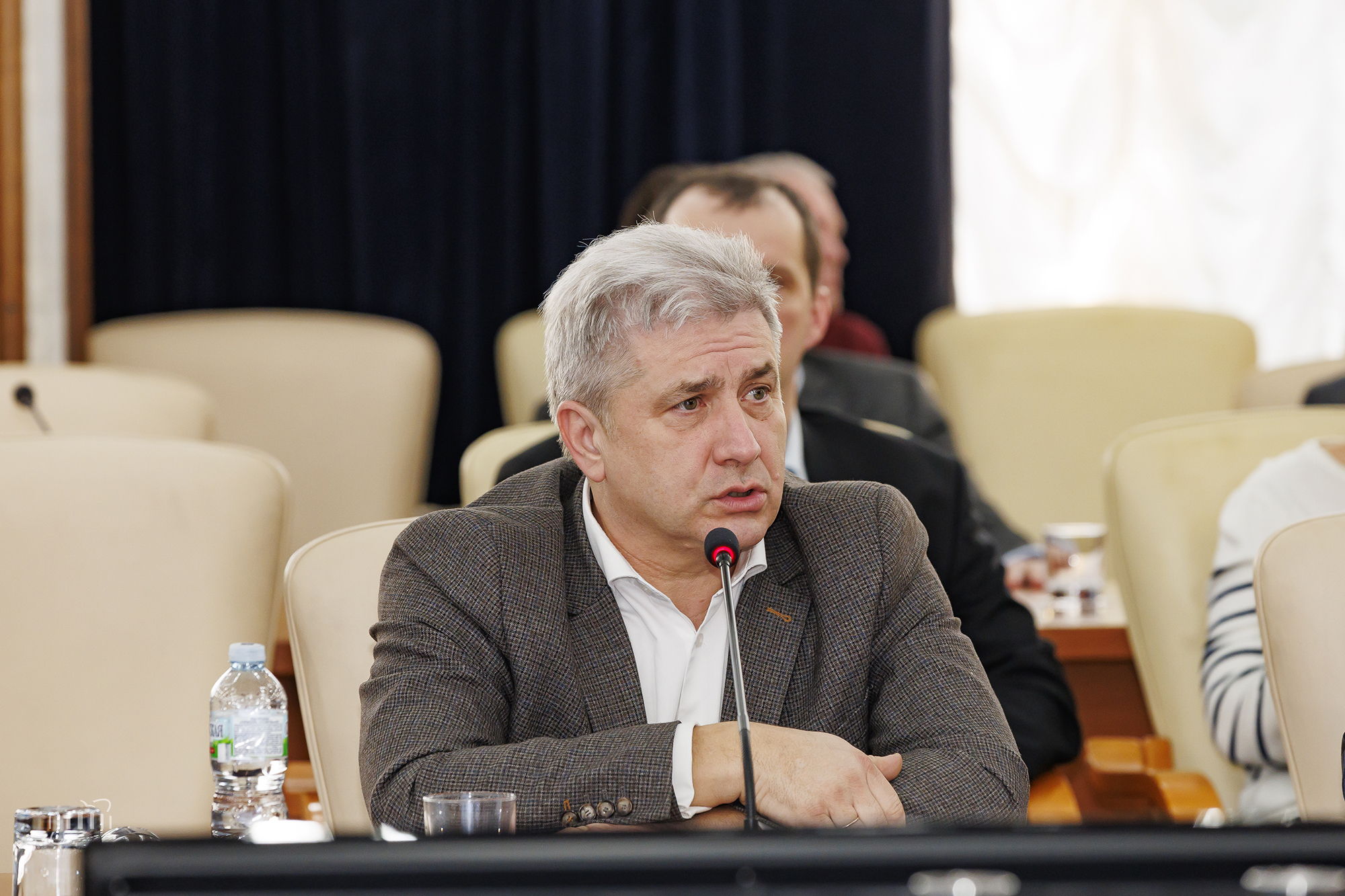
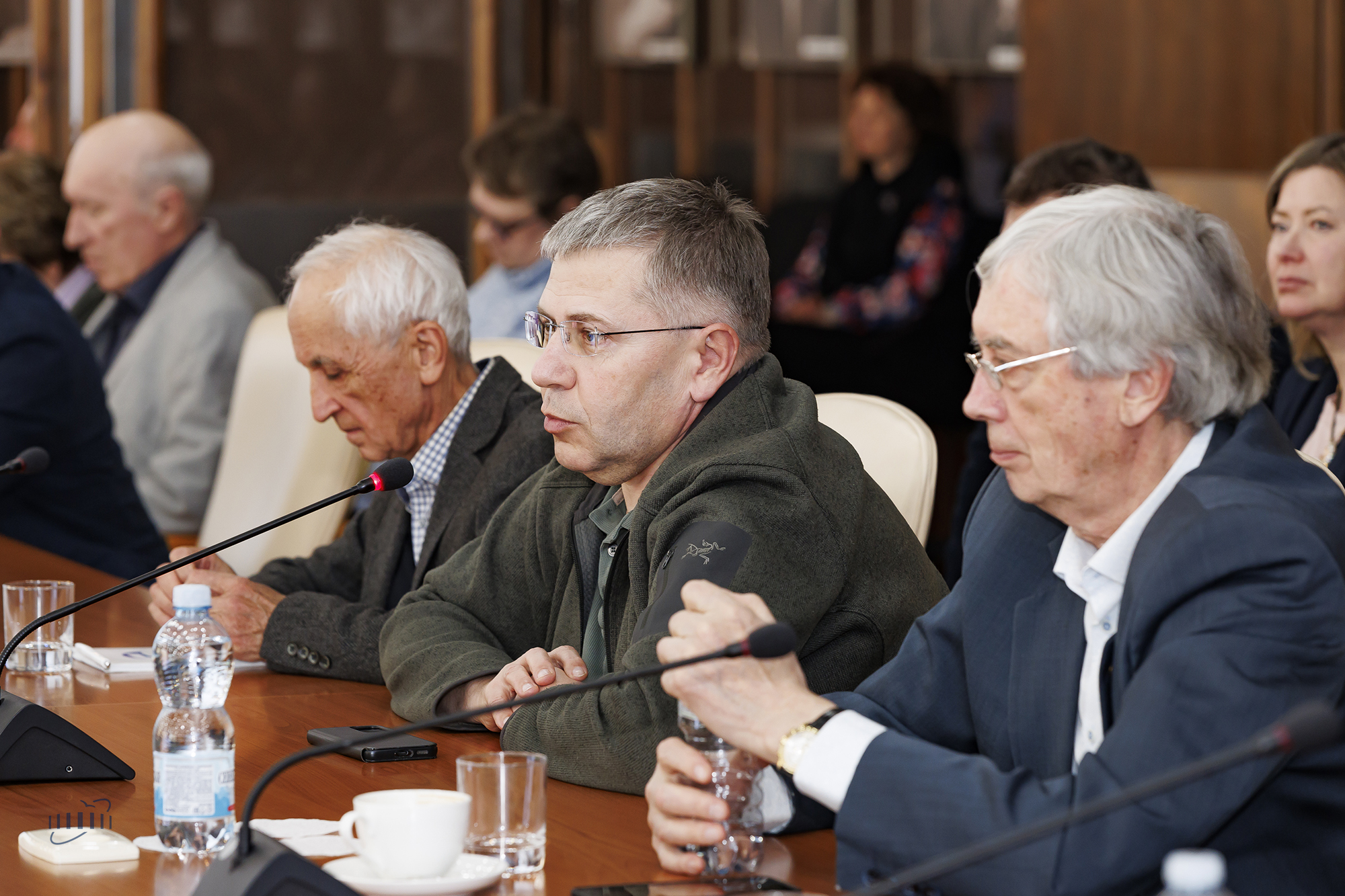
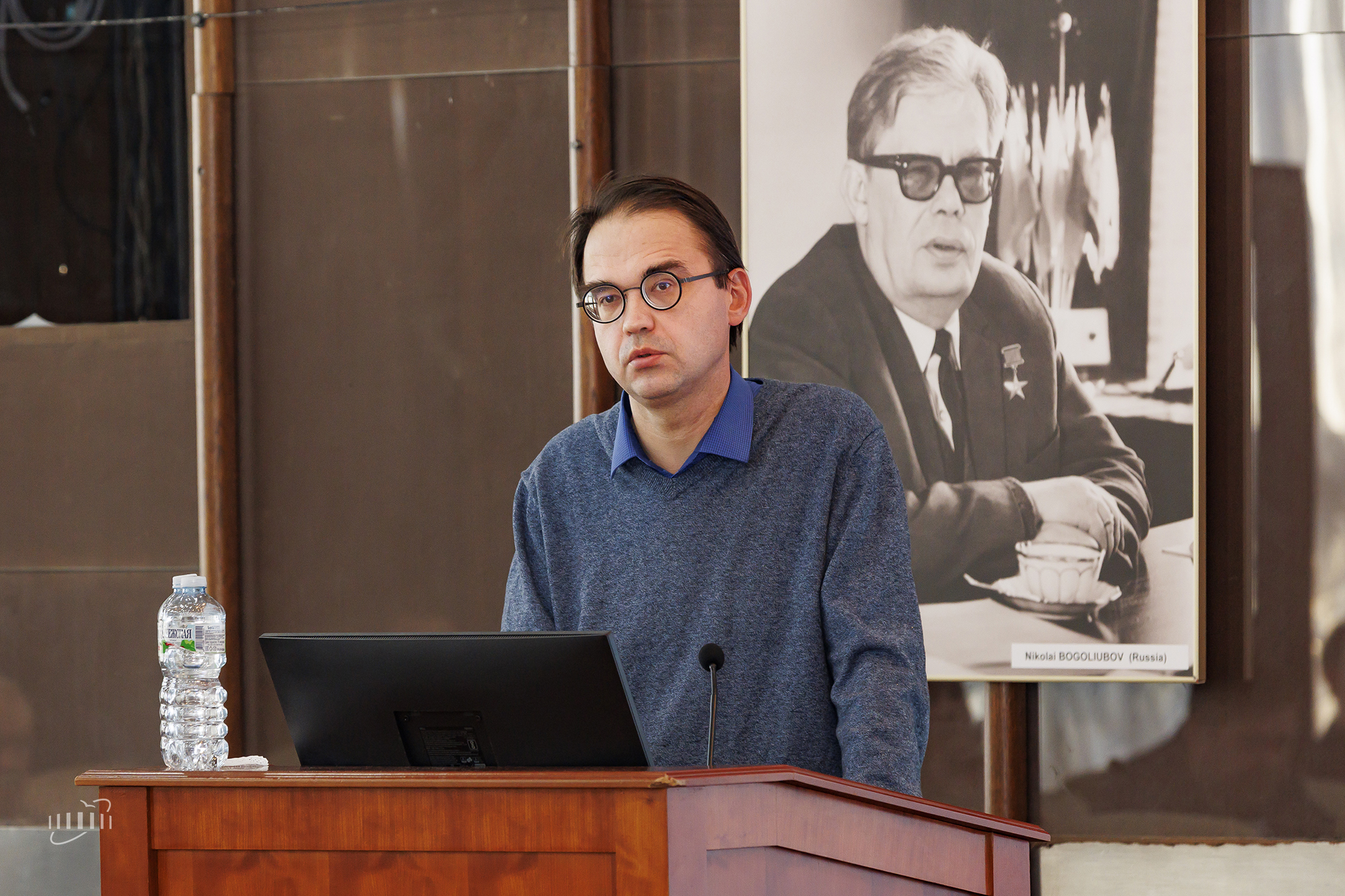
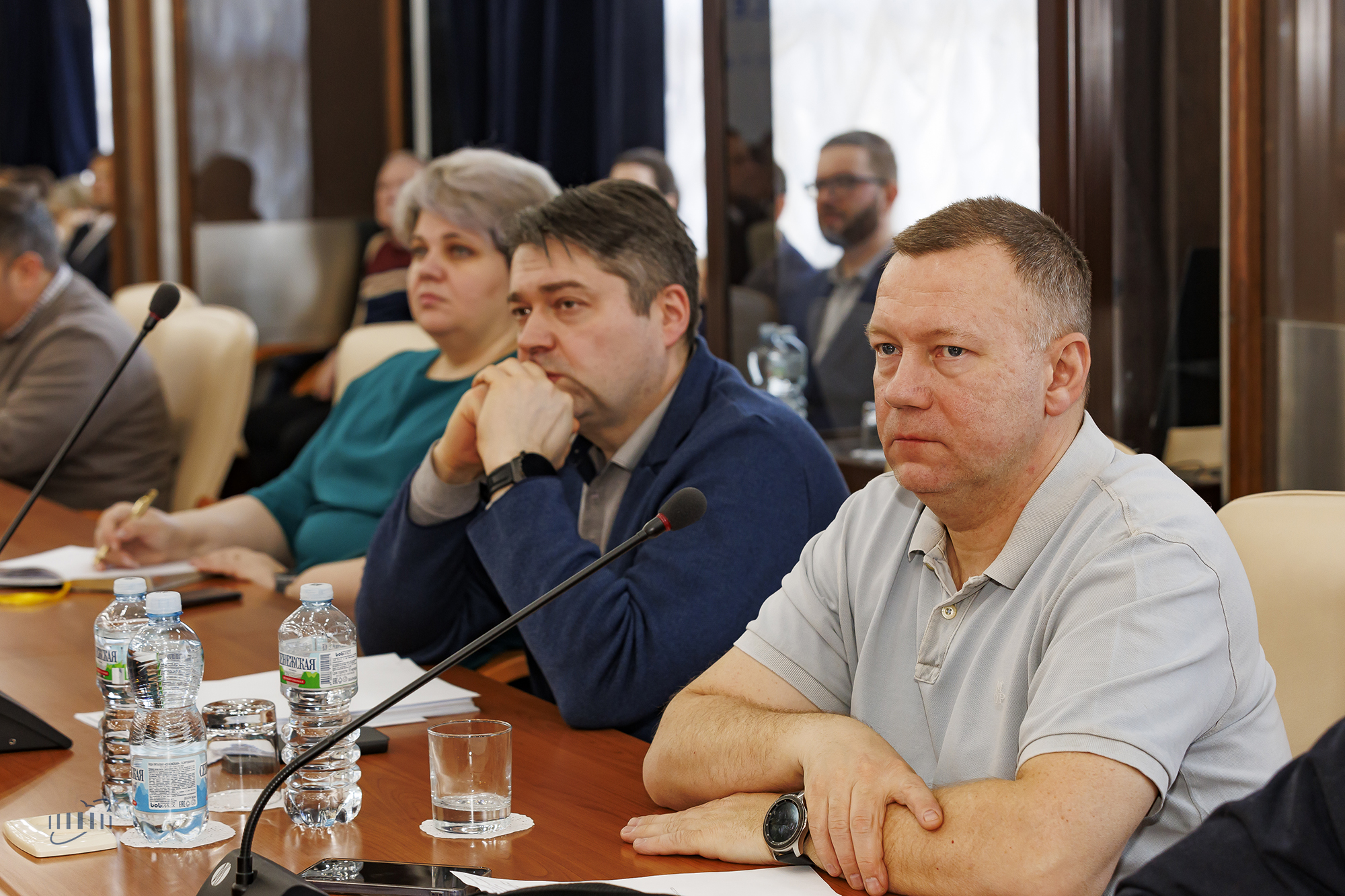
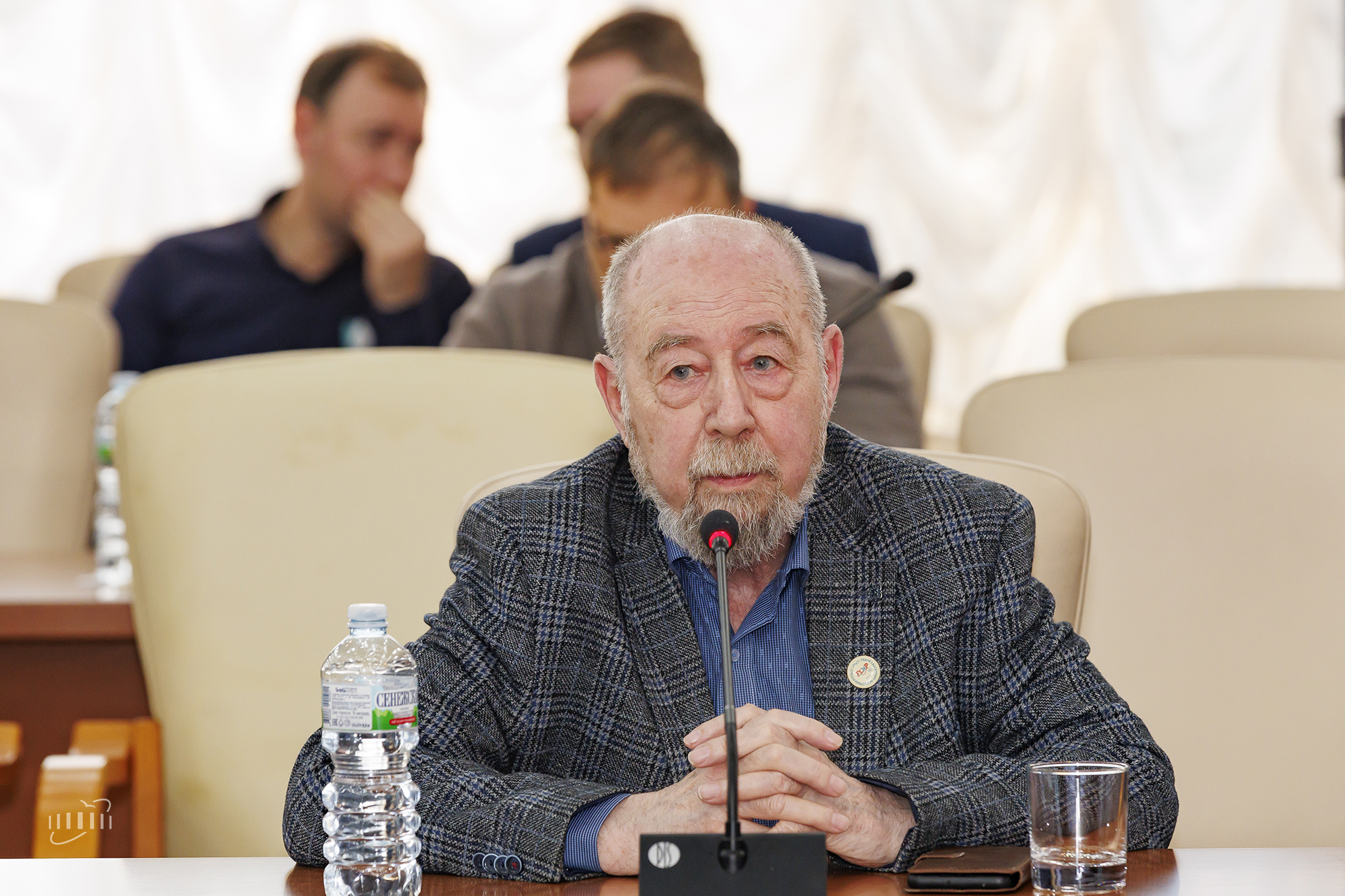
Institute’s Director Grigory Trubnikov presented information about new laboratories and events marking the 70th JINR anniversary. “The best anniversary gifts are those prepared by the Institute and shared with the whole world”, Grigory Trubnikov began. The Institute’s Director noted that the main gift is the launch of the NICA Collider, which the Joint Institute spent ten years working towards, starting from the ceremony of laying the first stone in the construction.
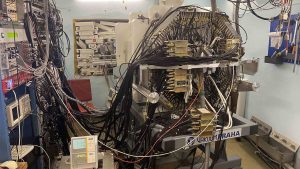
In the BM@N Experiment, the statistical collection efficiency has increased 4-fold: since 20 February, about 2 billion events were collected, whereas a half-billion were obtained over two months in 2024. Furthermore, at all experimental application stations, trial runs are underway using beams extracted from the Nuclotron.
The IBR-2 Reactor is operating in regular mode at up to 1.5 GW. Scientists from 24 countries submitted applications to participate in the reactor’s user programme. This year’s plans include eight cycles of IBR-2 operation, 10-14 days per each. “In the next year or two, the reactor should become the main magnet for attracting new specialists to the Institute”, Grigory Trubnikov noted.
The expedition at Lake Baikal is proceeding successfully. So far, with about 600 new optical modules – slightly more than one cluster – the telescope’s volume reached 0.8 km³.
At the Superheavy Element Factory, an experiment to obtain element 119 of the Periodic Table will start in May and yield the first results by September.
Grigory Trubnikov discussed the February session of the Scientific Council and its new participants from different countries. A session of the Committee of Plenipotentiaries of the Governments of the JINR Member States was announced to be scheduled for 25 March. In addition, the Director presented the plan of events for the anniversary year, including numerous conferences and JINR Days in various Member States.
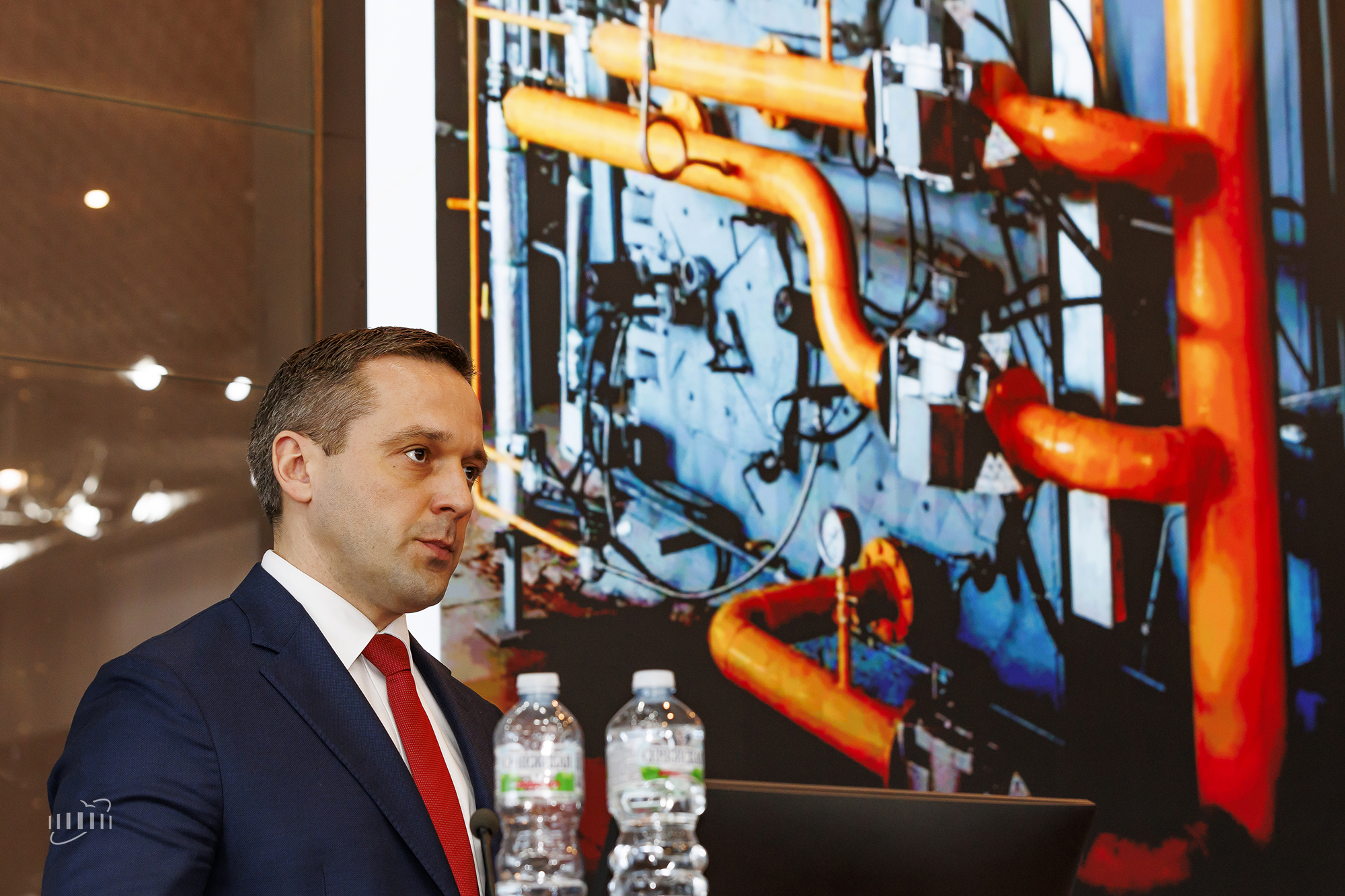
An invited talk by Head of the Dubna City District Maxim Tikhonirov focused on the improvement, construction, and development of the city’s engineering and transport infrastructure. He noted that over the last five years, Dubna’s budget has increased several times.
The city is undergoing a large-scale renovation of the old engineering infrastructure, particularly the replacement of boilers and the repair of heating systems, along with the modernisation of sewage treatment facilities. Roads of the Institute district will undergo major repairs this year. The Around Dubna bike path will be extended from the bridge to the Bolshaya Volga train station. The square on Moskovskaya Street and the Aviastroiteley park will be renovated. By the end of the year, the second building of the Dubna Choir School for Boys and Young Men will be reconstructed. Starting in 2026 is the building of a children’s polyclinic and a ski base of about 500 m2 at the Yude-Kon Stadium. In addition, it is planned to continue updating the musical instruments in Dubna art schools.
Deputy Chief Scientific Secretary Alexey Zhemchugov spoke about the launch of the Institute’s historical archive and the concept of a new JINR museum.
The archive employees, under the scientific supervision of an Associate Professor at the School of History of the Higher School of Economics (HSE) Galina Orlova, study the history of science and technology, as well as oversee the storage and digitisation of documents and artefacts of historical value that do not belong to the nomenclature of the common archive of the organization. Another activity is oral history, i. e. the recording and processing of interviews. In 2025, the employees of the historical archive recorded more than 50 audio conversations with 30 employees, Institute’s oldest workers, and their family members, along with preparing a memoir book for release. International cooperation was established with historians and archivists from eight countries. In 2025, as part of the Archival Impulse School, much work was done on document analysis in collaboration with the HSE and the Archive of the Russian Academy of Sciences. Students of the Institute of System Analysis and Management at Dubna University undergo practical training in the historical archive. In the future, the archive should be allocated to a division of the Institute, with its own premises and website.
The new museum of the Joint Institute will be located at 14 Soviet St. The building requires extensive construction works. “The concept turns out to be quite difficult. We need to simultaneously talk about science, the people who do it, and the achievements of the Institute”, Alexey Zhemchugov concluded. The STC members noted that one of the main challenges in developing the museum’s concept is its focus on a wide variety of target audiences: schoolchildren over 12, students studying in specialised fields, employees arriving from different JINR Member States, residents of the city, and tourists.