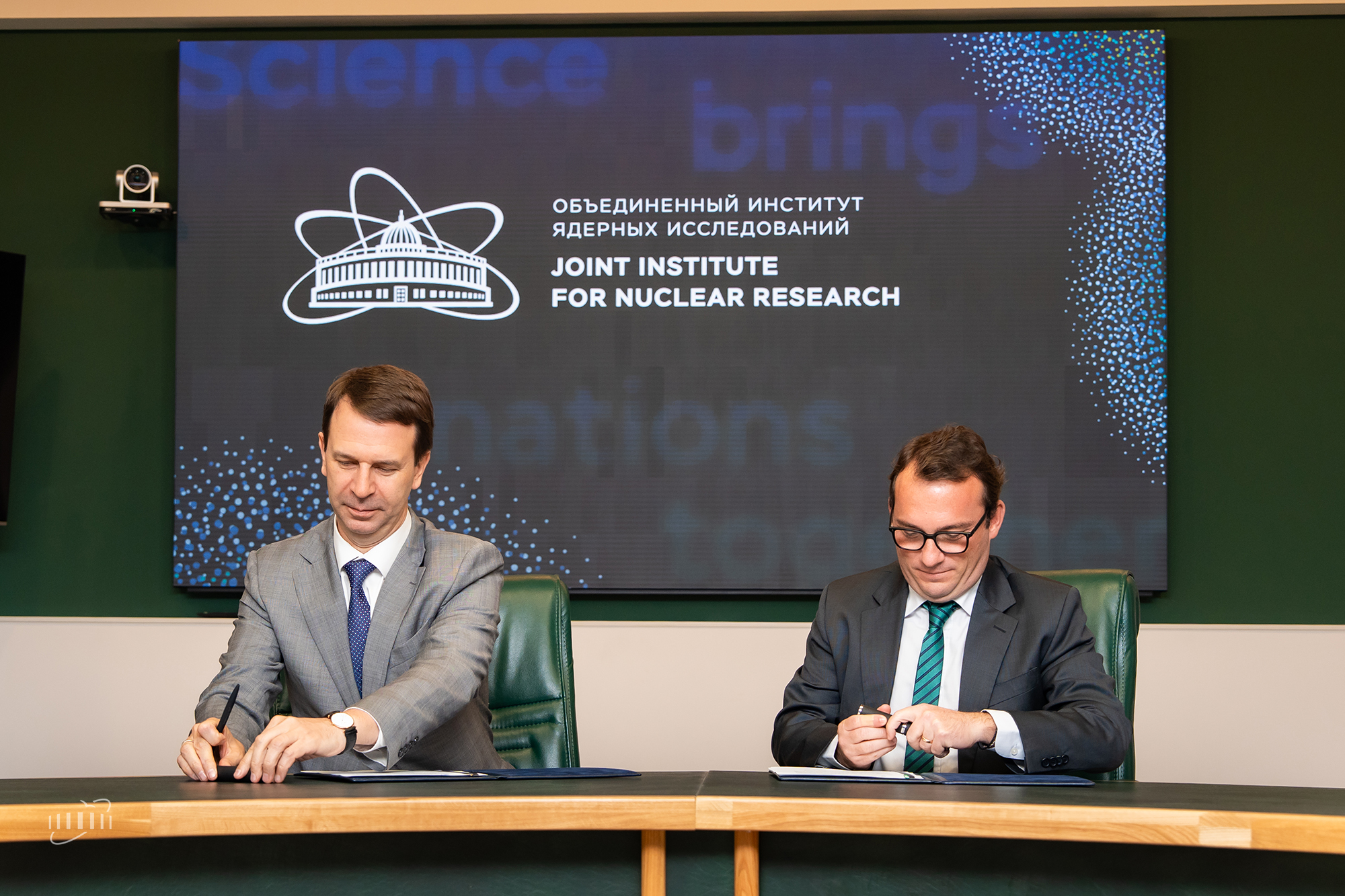
On 18 June 2026, the Joint Institute for Nuclear Research and the Latin American Centre for Physics (CLAF) signed a memorandum of understanding in Dubna. The agreement between the two intergovernmental organizations opens up new opportunities for expanding the participation of Latin American and Caribbean countries in JINR’s activities, as well as for leveraging the Institute’s research potential to advance science and technology in the CLAF Member States.
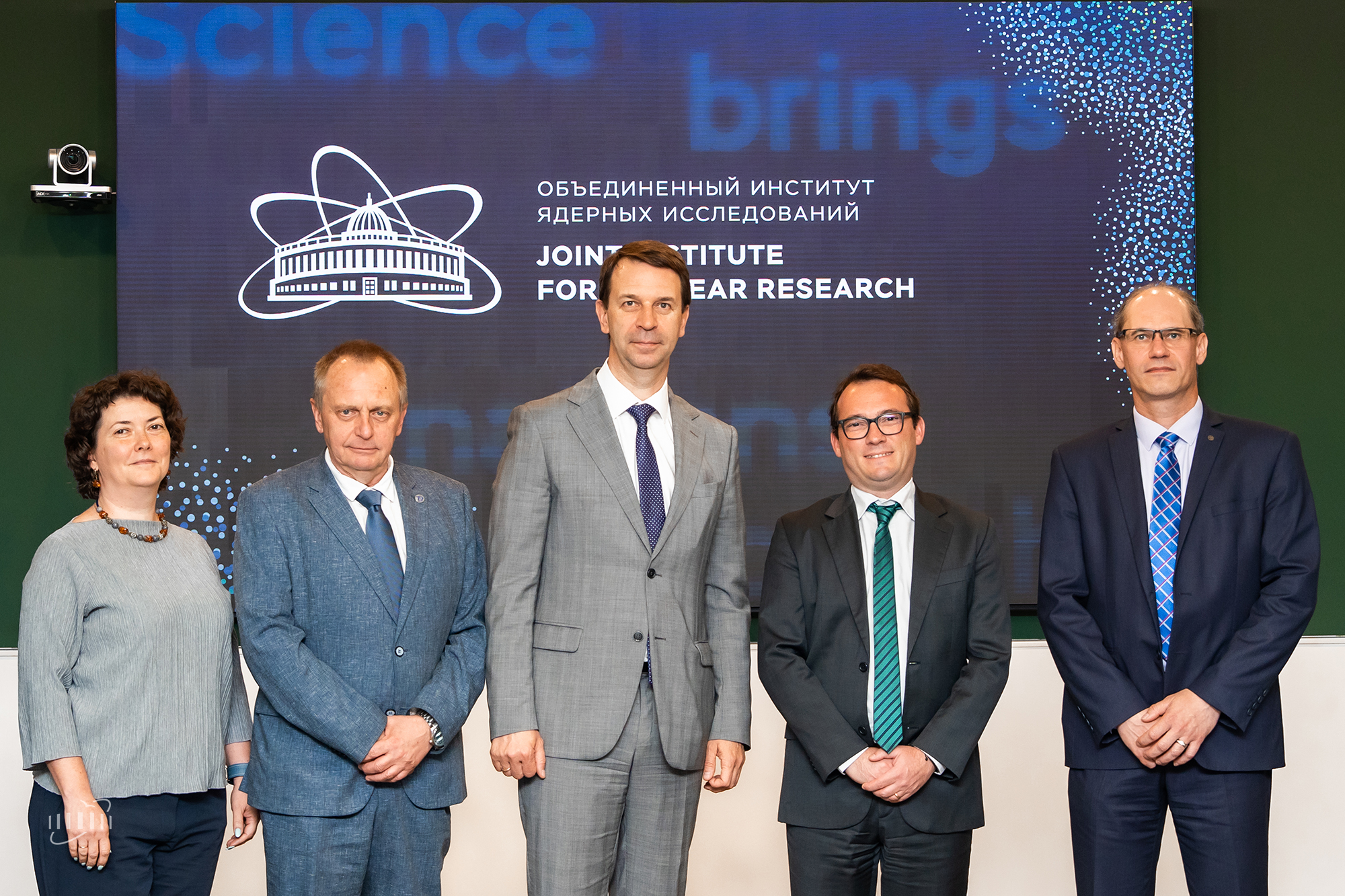
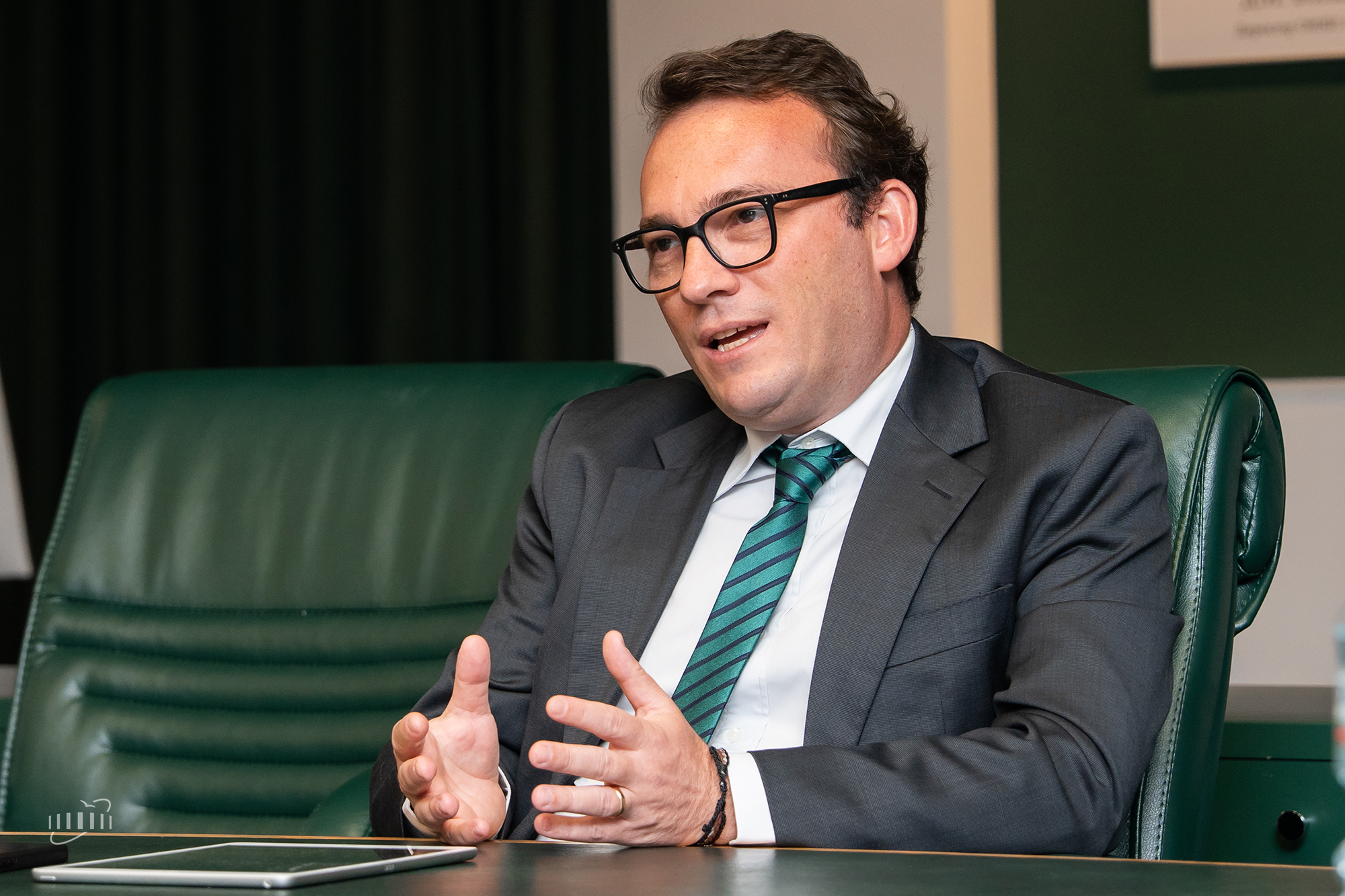
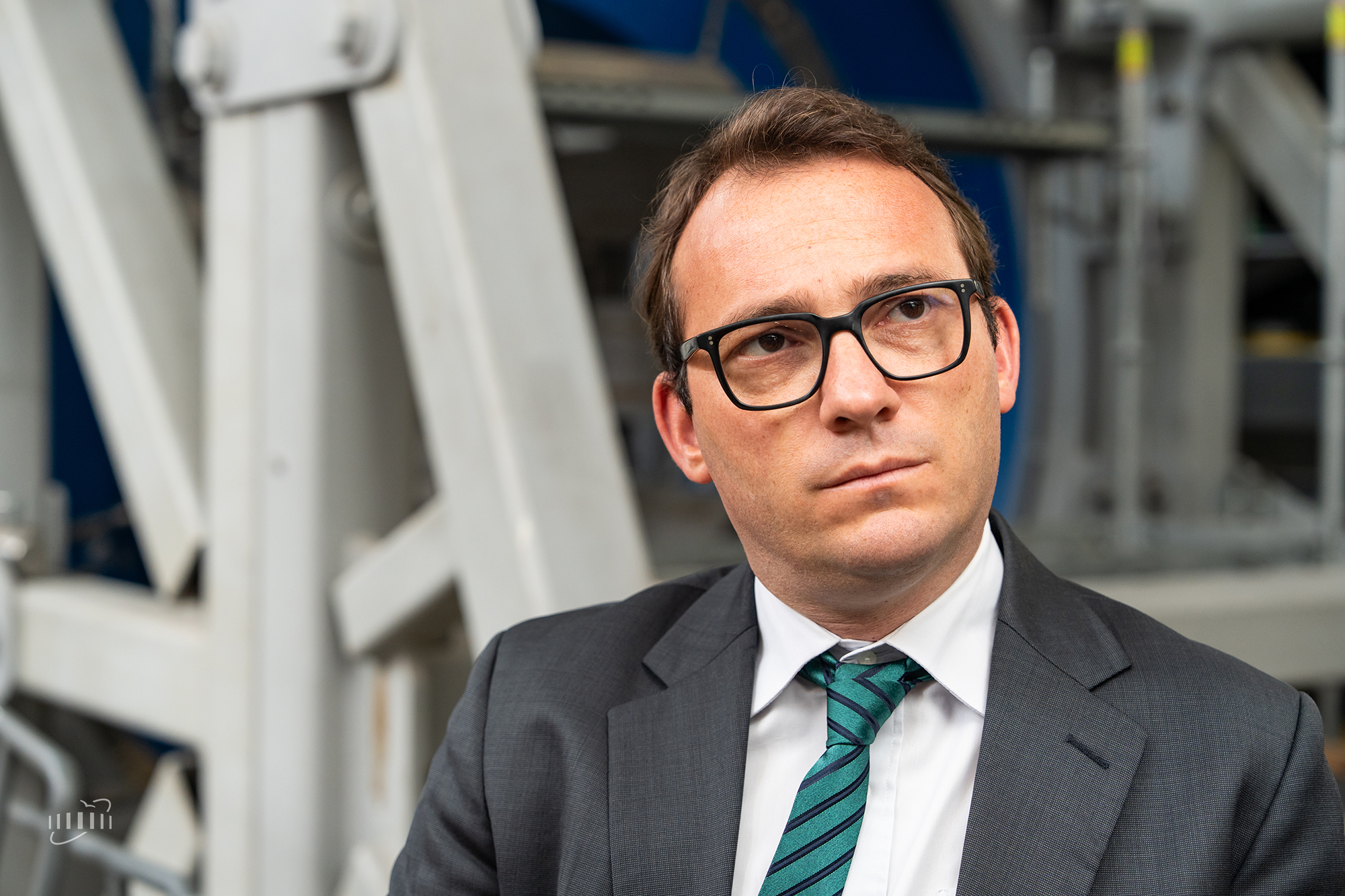
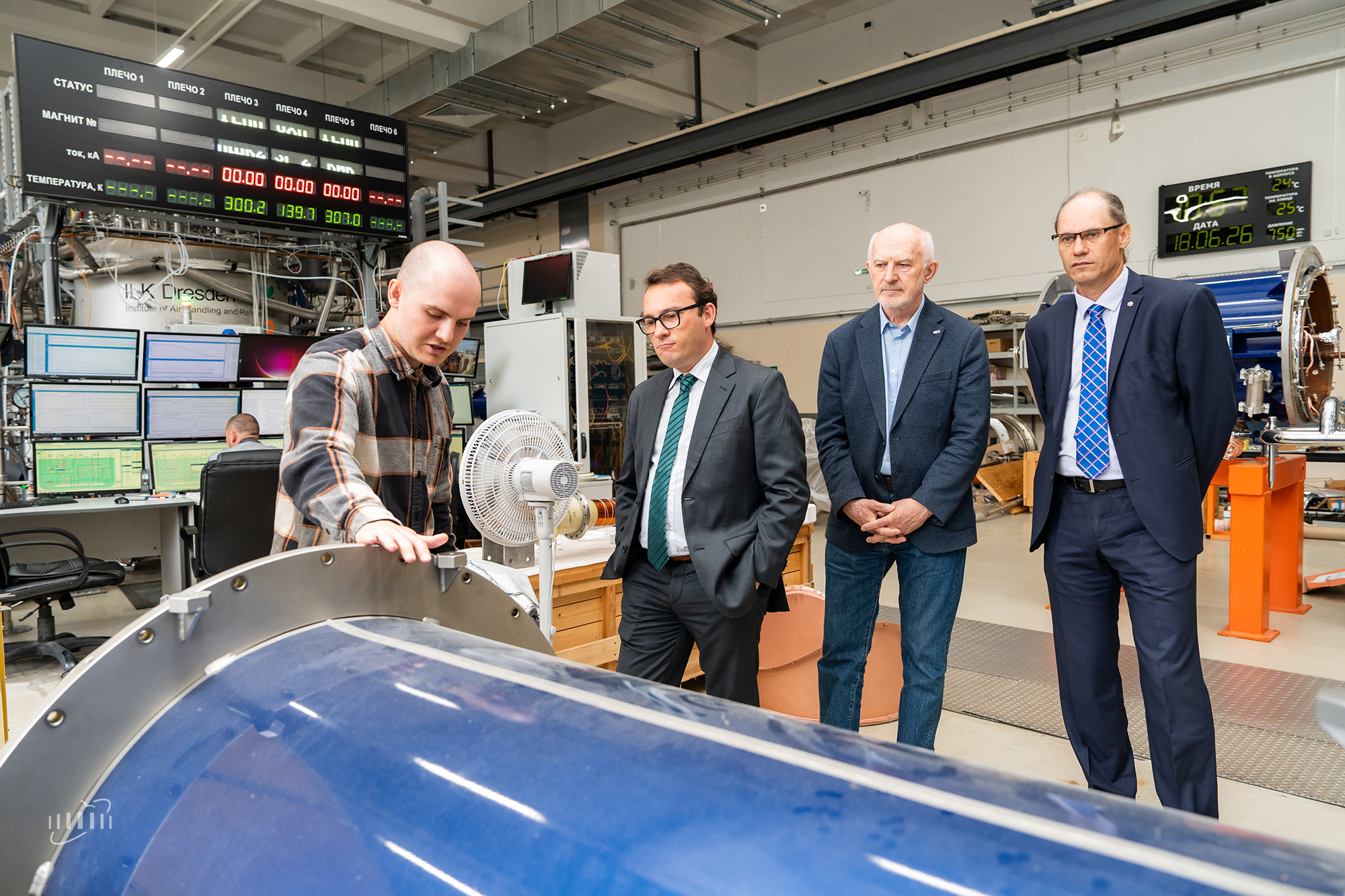
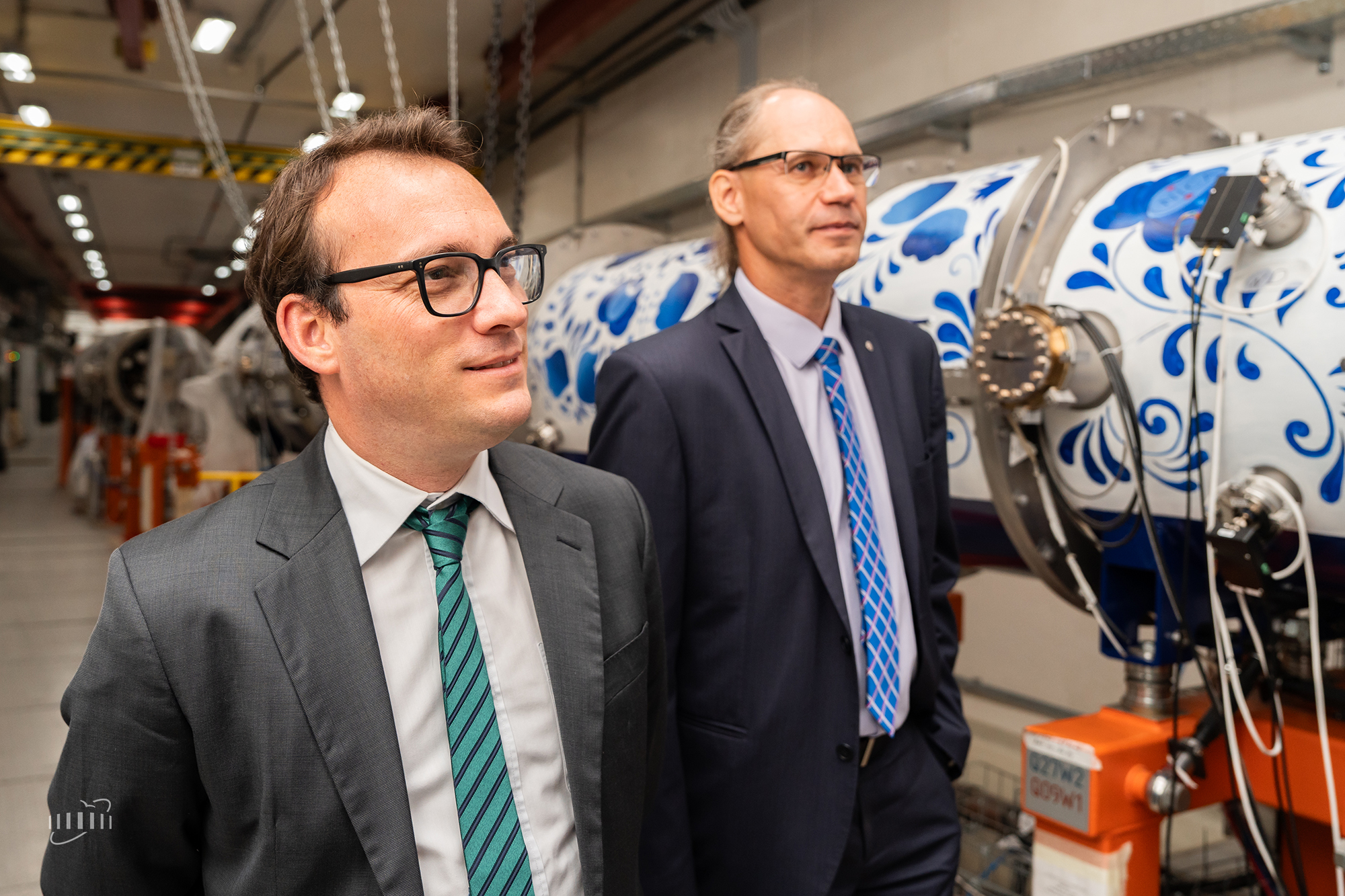
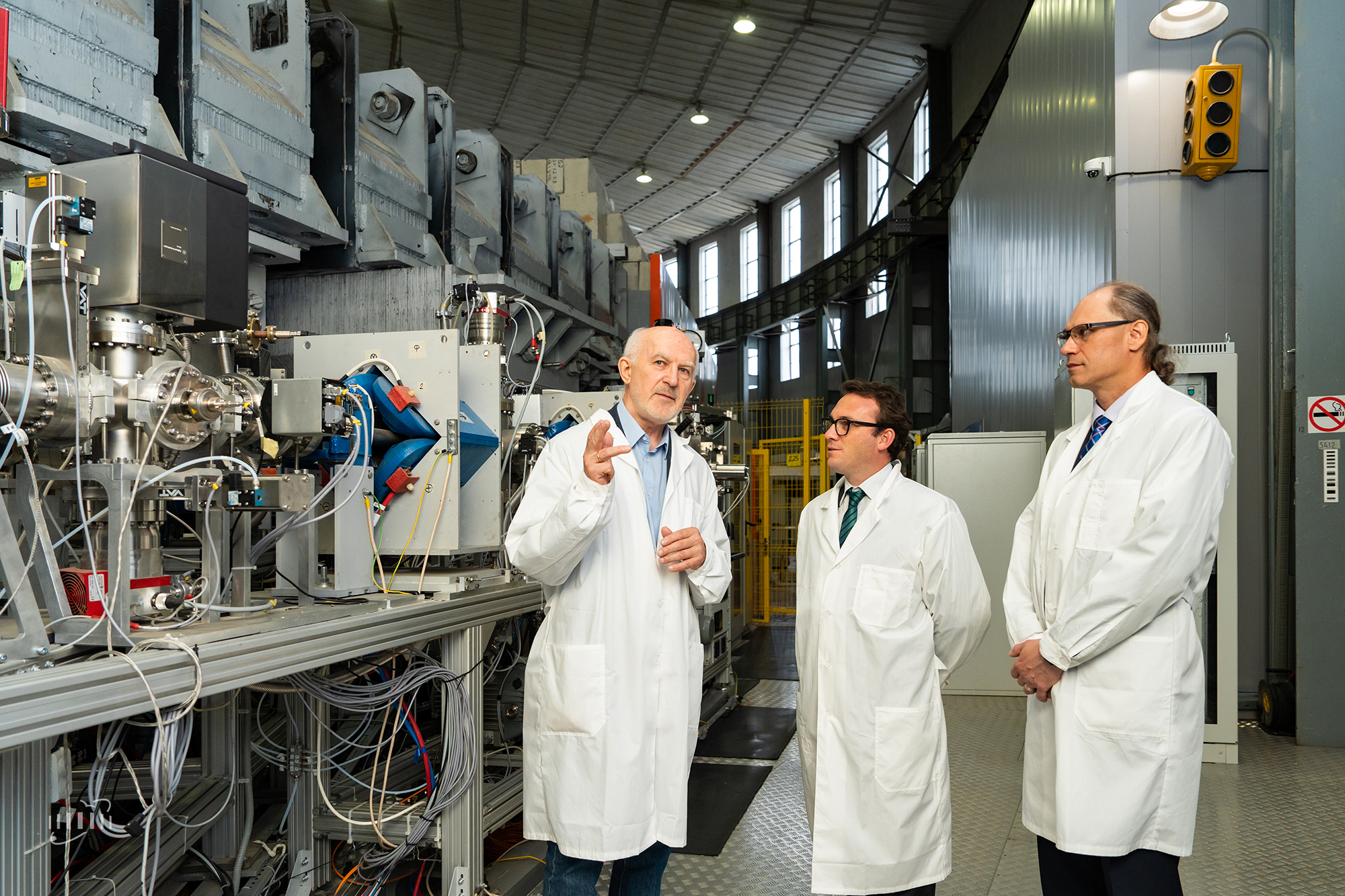
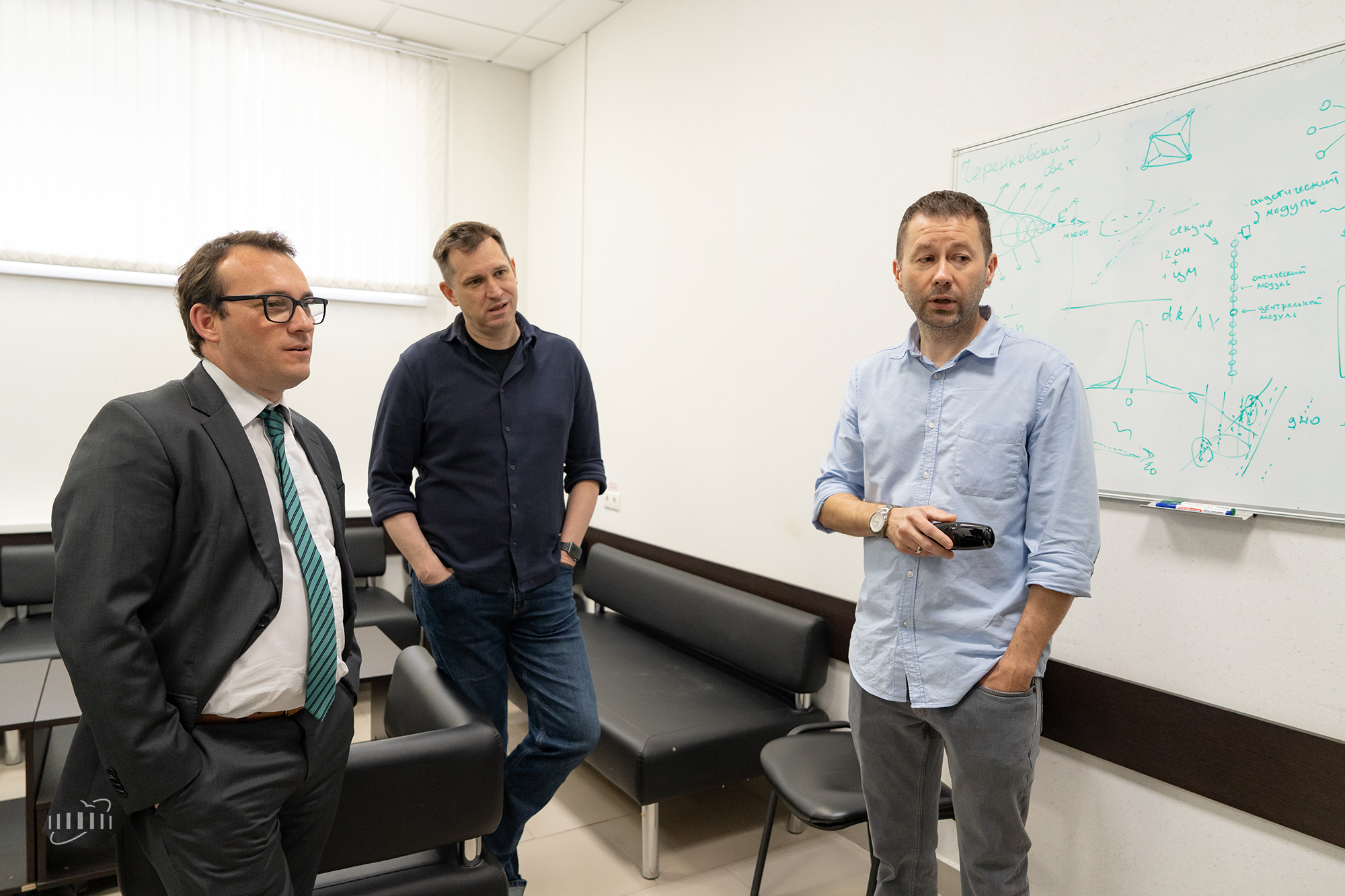
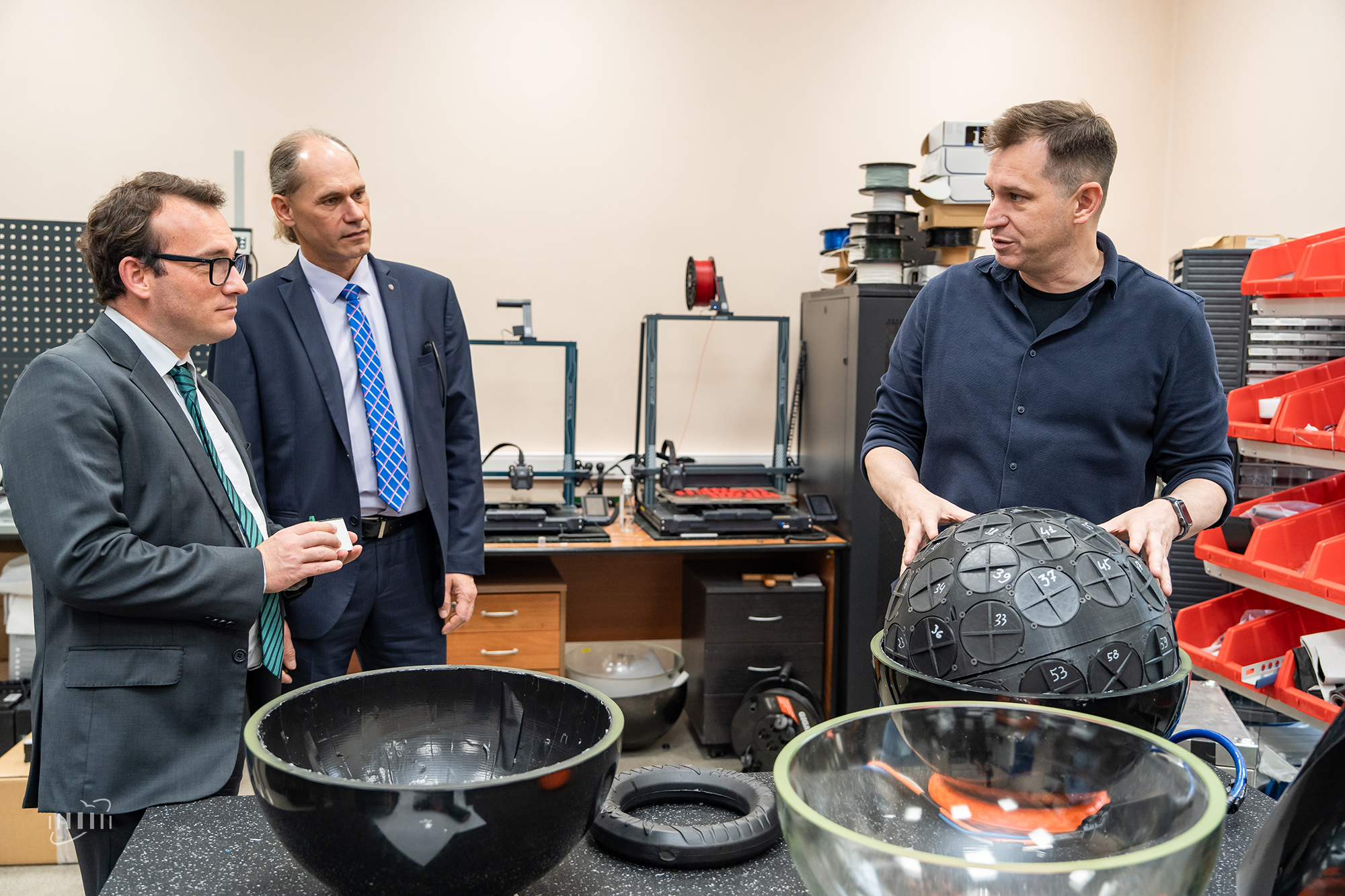
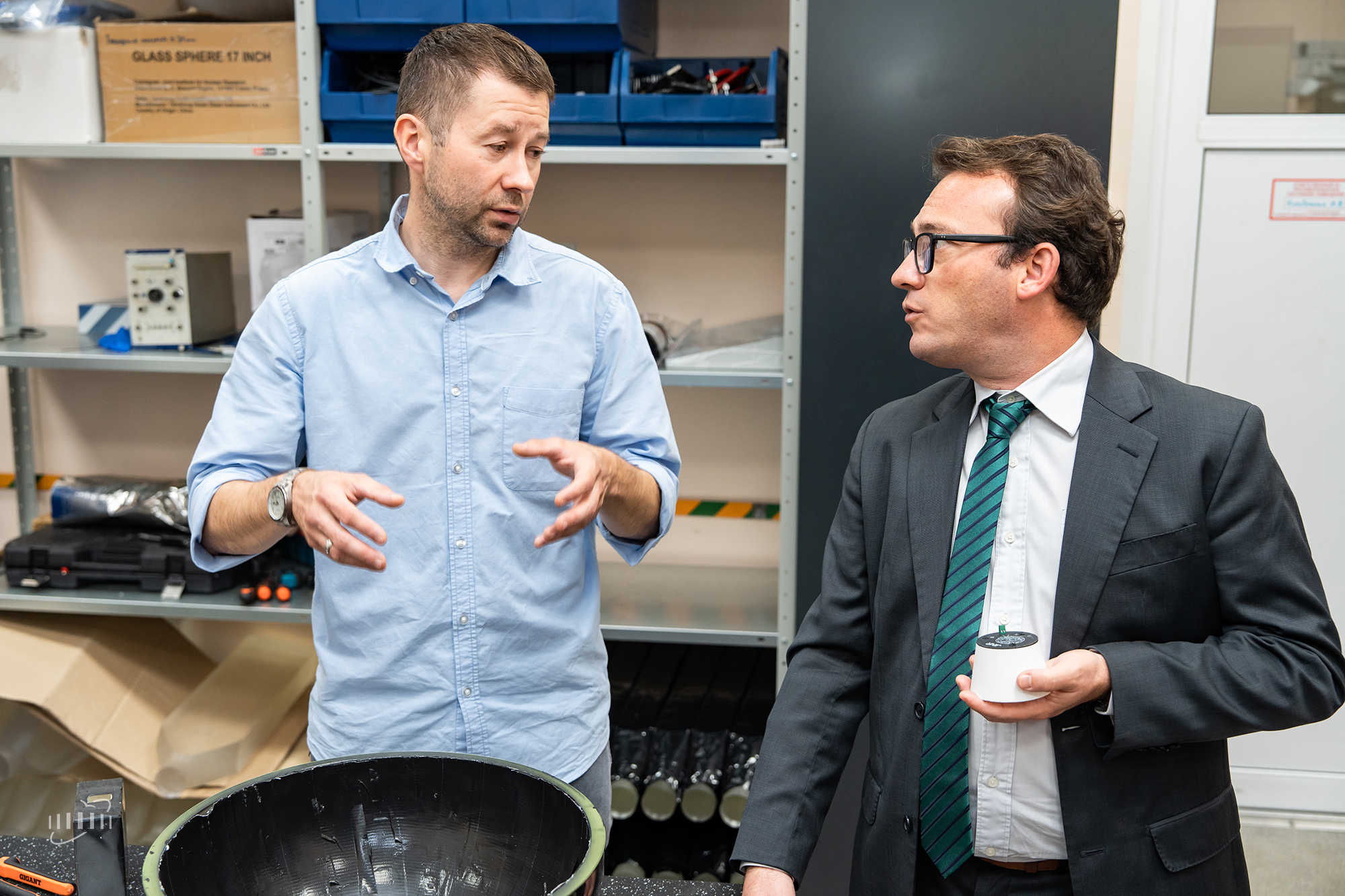
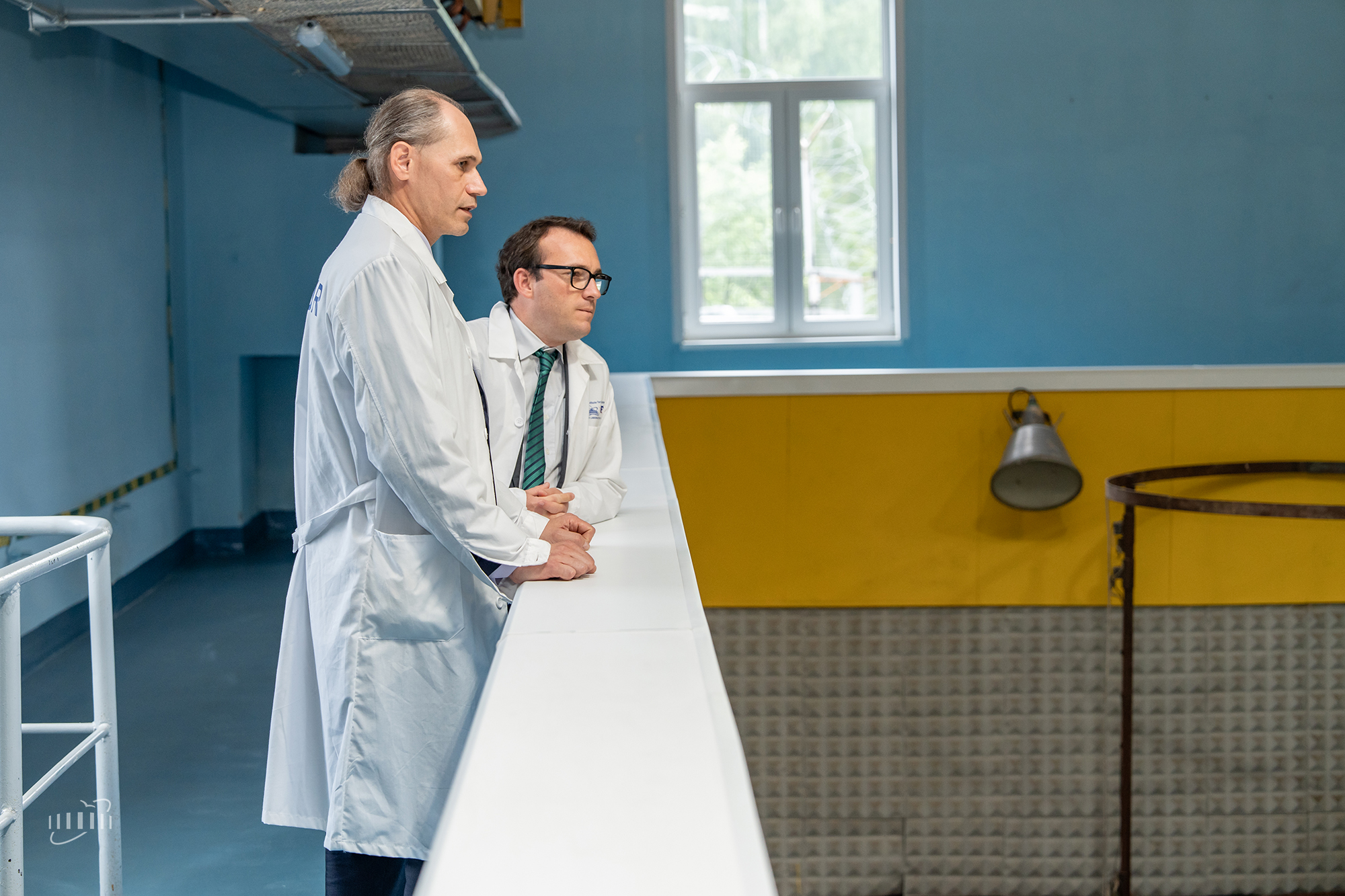
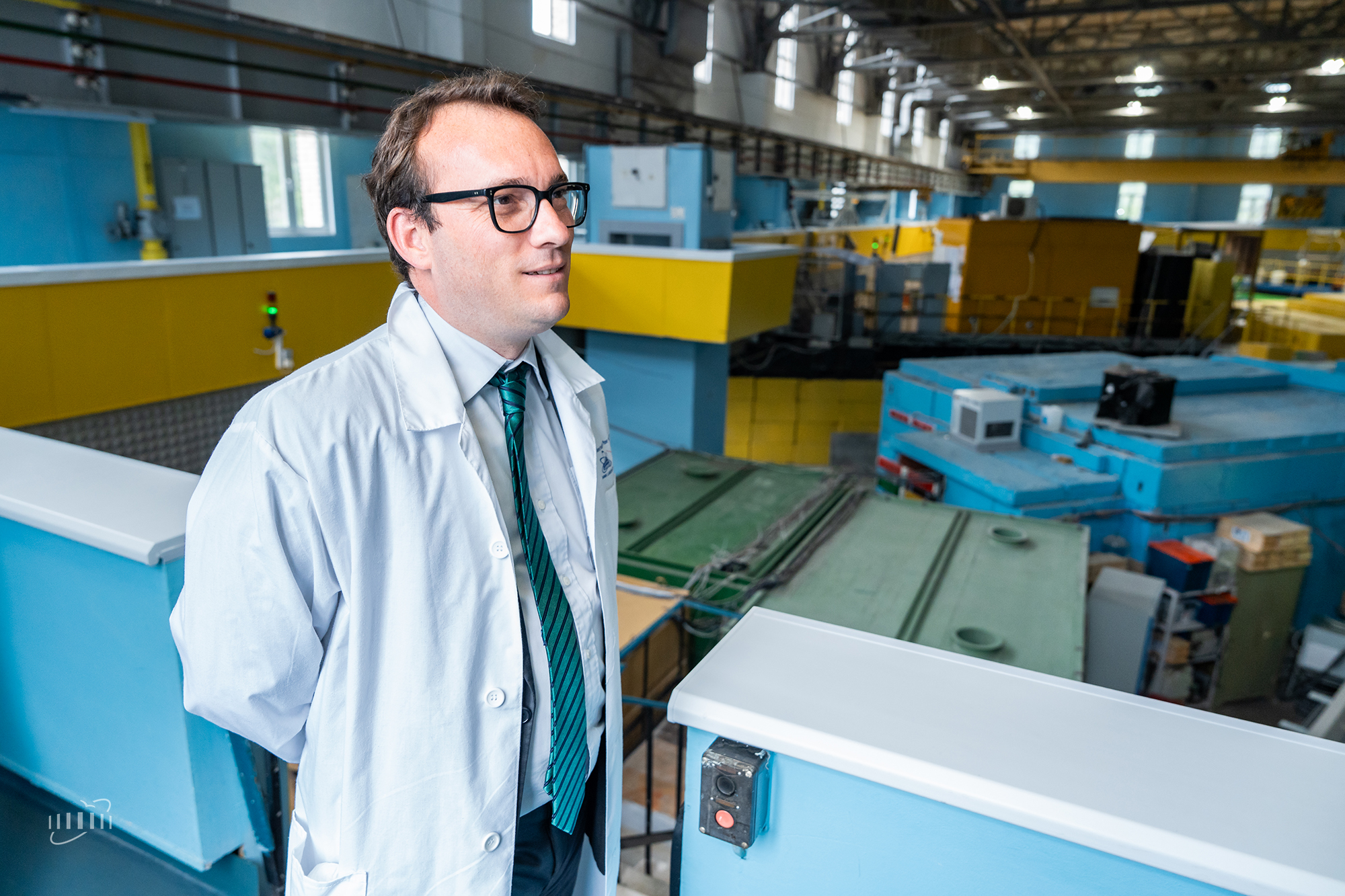
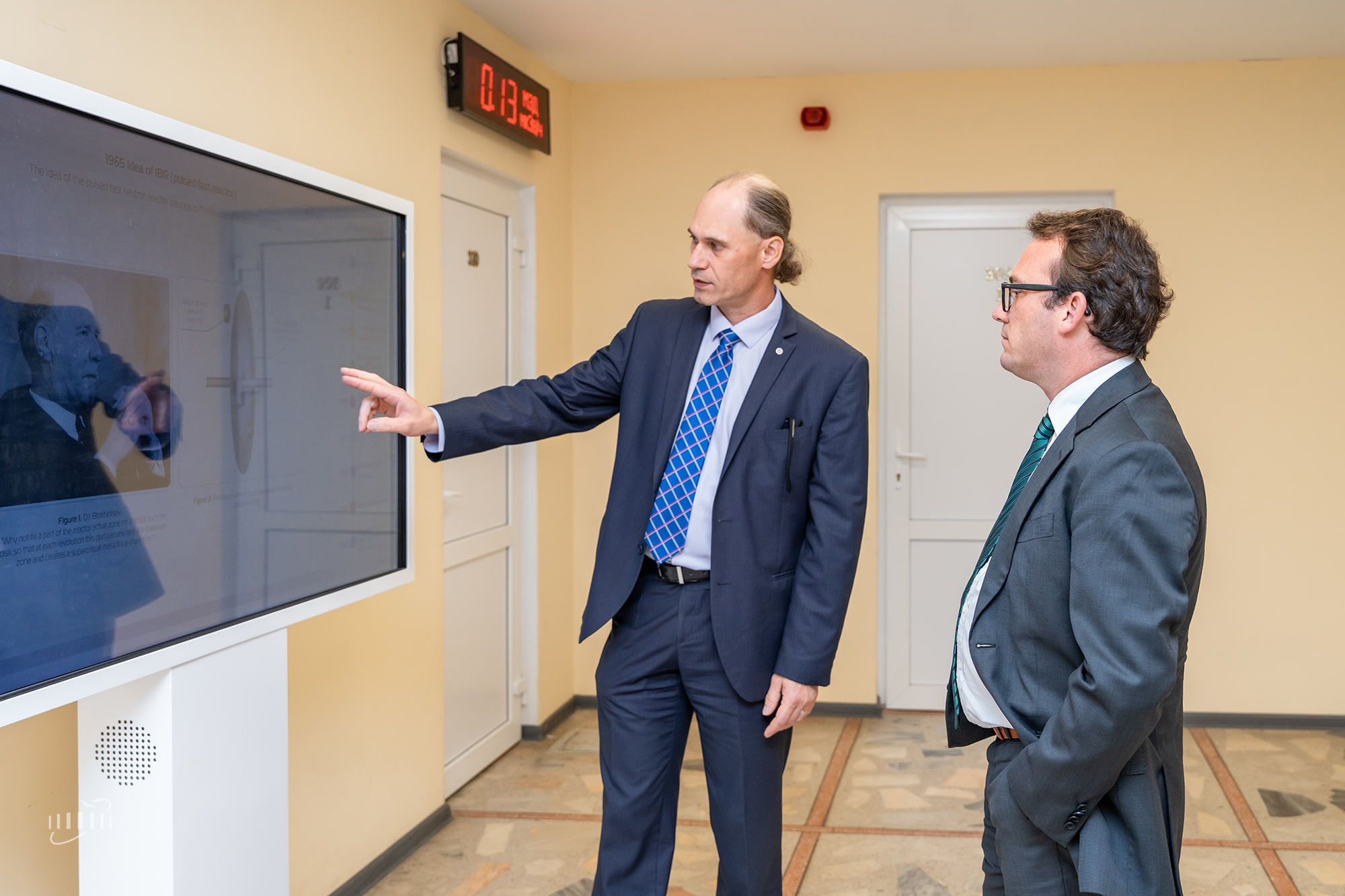
As part of his visit to Dubna, CLAF Director, Professor Ulisses Barres de Almeida got acquainted with the JINR research programme and scientific infrastructure. He toured the sites of the NICA Complex at the Laboratory of High Energy Physics and the IBR-2 Pulsed Reactor at the Laboratory of Neutron Physics. The Brazilian scientist learned about the participation of JINR research teams in international neutron physics and particle astrophysics projects at the Laboratory of Nuclear Problems. In addition, Professor Barres de Almeida participated in the 63rd meeting of the JINR Programme Advisory Committee for Nuclear Physics (PAC NP) and met with JINR University Centre Director Dmitry Kamanin and Deputy Director of the Laboratory of Radiation Biology for Scientific Work Ivan Padron Dias.
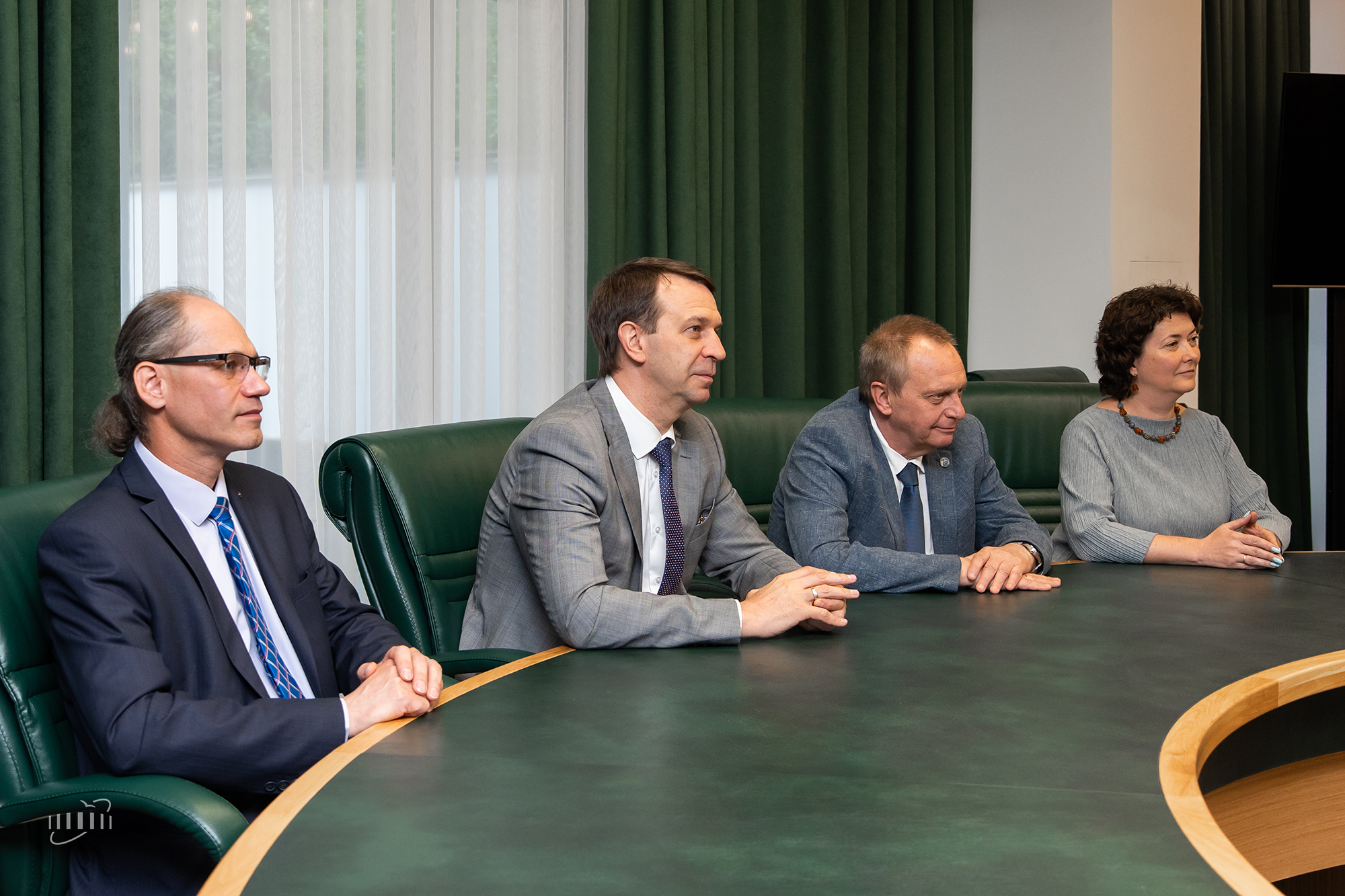
A bilateral meeting between the head of the Latin American Centre for Physics and the leadership of the Joint Institute took place at the JINR International Conference Centre. JINR Director, Academician of the Russian Academy of Sciences Grigory Trubnikov addressed his colleague, noting the significance and prospects of strengthening ties with the Latin American scientific community and expressed readiness to expand the dialogue.
“Your organization can be an excellent medium, a bridge for involving new Latin American countries in collaborative research projects with the Joint Institute”, Grigory Trubnikov emphasised. “Cooperation between JINR and CLAF will allow increasing academic mobility for researchers on both sides of the ocean, as well as developing initiatives that promote attracting the youth to science”.
Ulisses Barres de Almeida recounted the history of CLAF’s creation, as well as a period of active interaction between the two intergovernmental organizations at the turn of the 1990s–2000s, noting that now is an ideal moment for further cooperation development. Today, CLAF strives to bring Latin American physics to a new level by stimulating the advancement of research infrastructure and its consolidation on an international regional scale.
“I believe that the Centre can become a new window of opportunities for the Joint Institute thanks to the expansion of JINR’s interaction with the countries of the region beyond simple bilateral agreements. This way, we will be able to work together as a single multilateral research network, which will definitely strengthen science in our region”, Professor Barres de Almeida said. In conclusion of his speech, the Brazilian scientist, on behalf of CLAF, invited JINR to join a coordinating group being created for cooperation in physics in Latin America.
Other representatives of the Joint Institute for Nuclear Research included Chief Scientific Secretary Sergey Nedelko, Head of the International Cooperation Department Otilia-Ana Culicov, and FLNP JINR Deputy Director Norbert Kucerka.
The negotiations resulted in the signing of a memorandum of understanding. The new agreement defines the main vectors of JINR – CLAF cooperation in areas of mutual interest such as particle physics and astrophysics, nuclear physics, condensed matter physics, nanotechnology and materials science, radiobiology and medical physics, as well as the preparation of joint educational programmes.
At the end of the meeting, both parties expressed confidence in the successful implementation of the outlined plans and agreed to detail future joint initiatives.