From 27 to 31 August, Dubna hosted the Roads of Friendship international festival of retro cars and bicycles of the JINR Member States. The event was organized by the JINR Museum of History of Science and Technology with the support of the institute’s departments and the GDR History and Technology Club. Held in the year of the 70th anniversary of the Joint Institute for Nuclear Research, the event provided an opportunity to celebrate the everyday life of international science and remind the Institute’s employees, as well as city residents and guests, about the unique history of international cooperation, of which motor transport was an integral part.
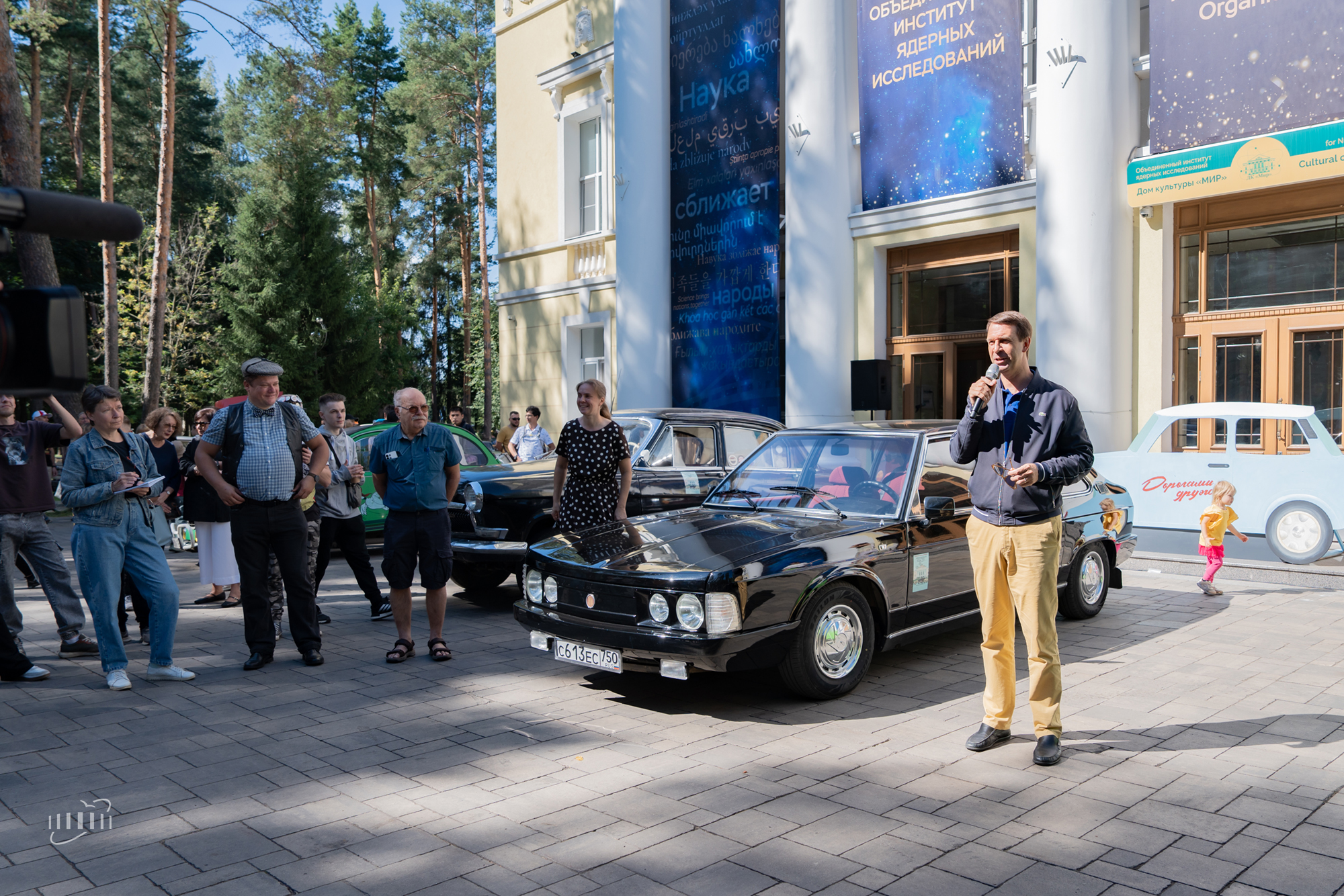
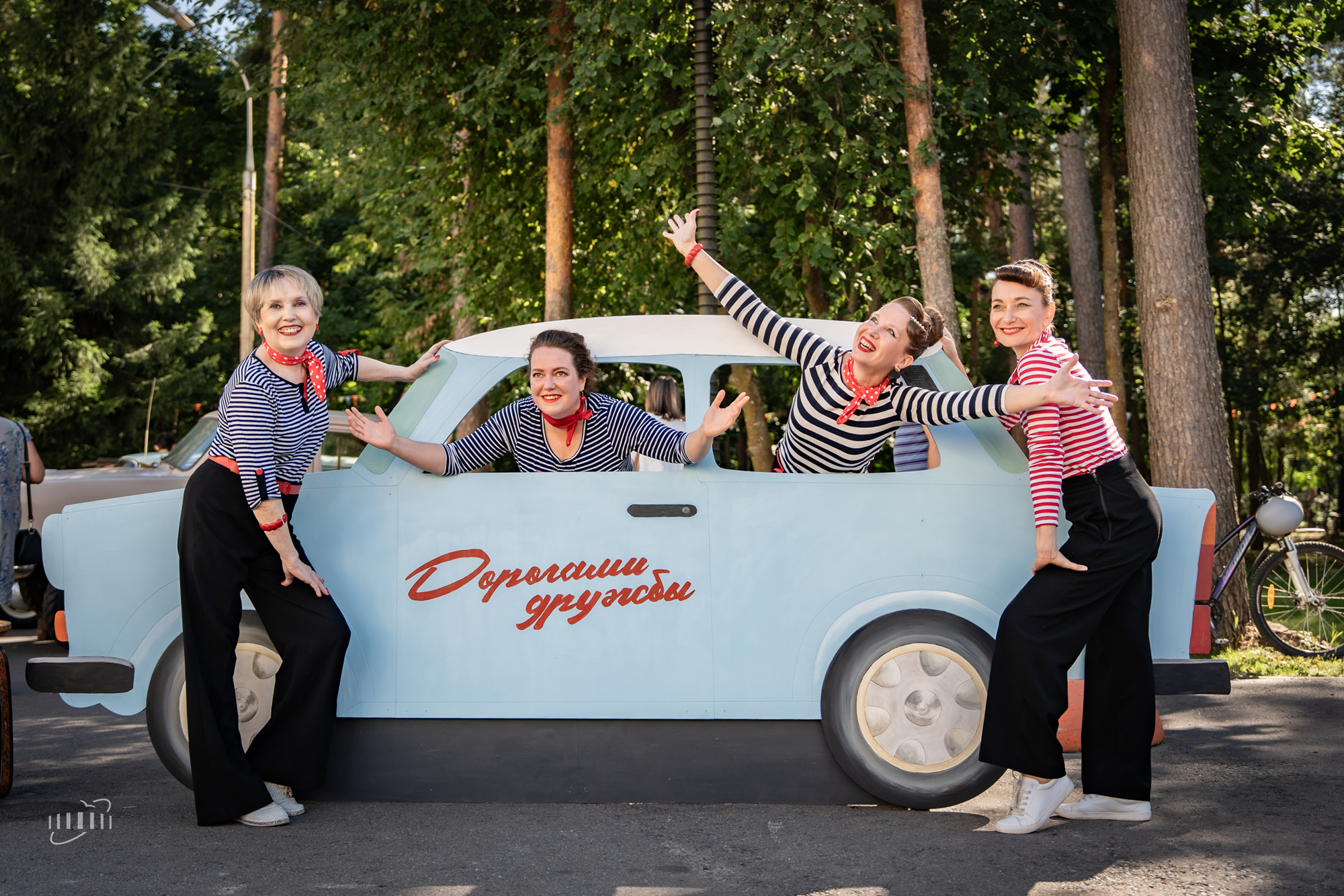
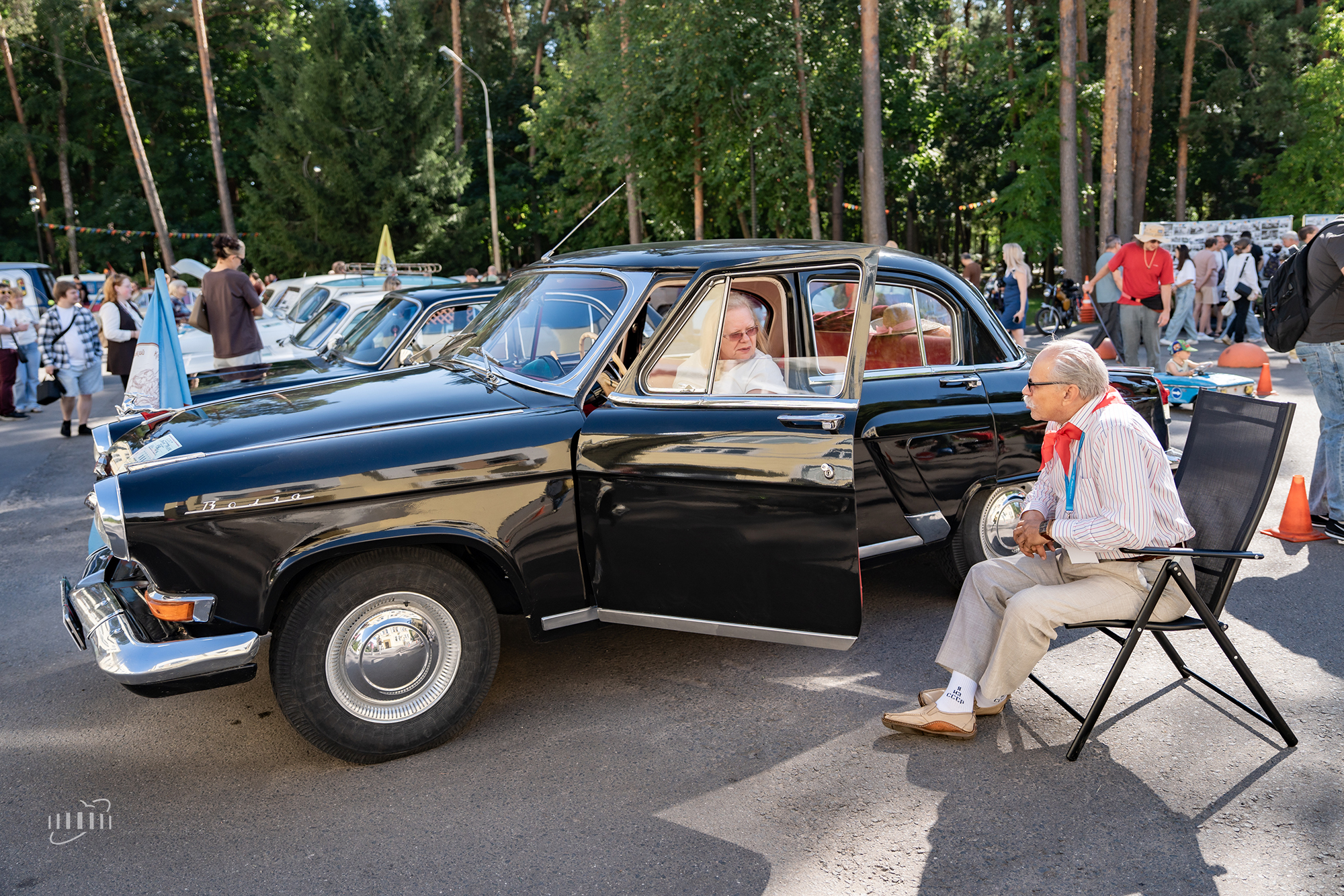
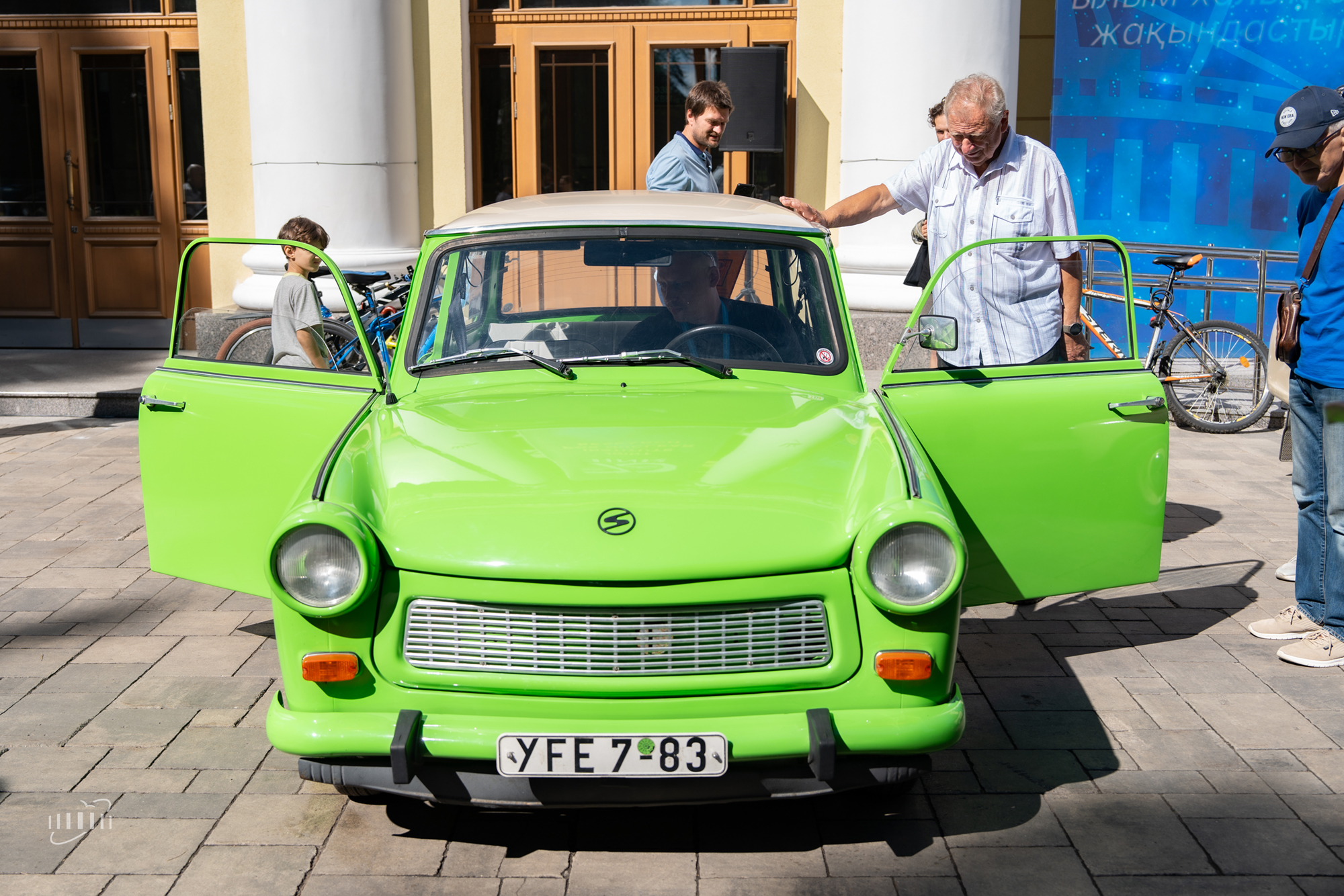
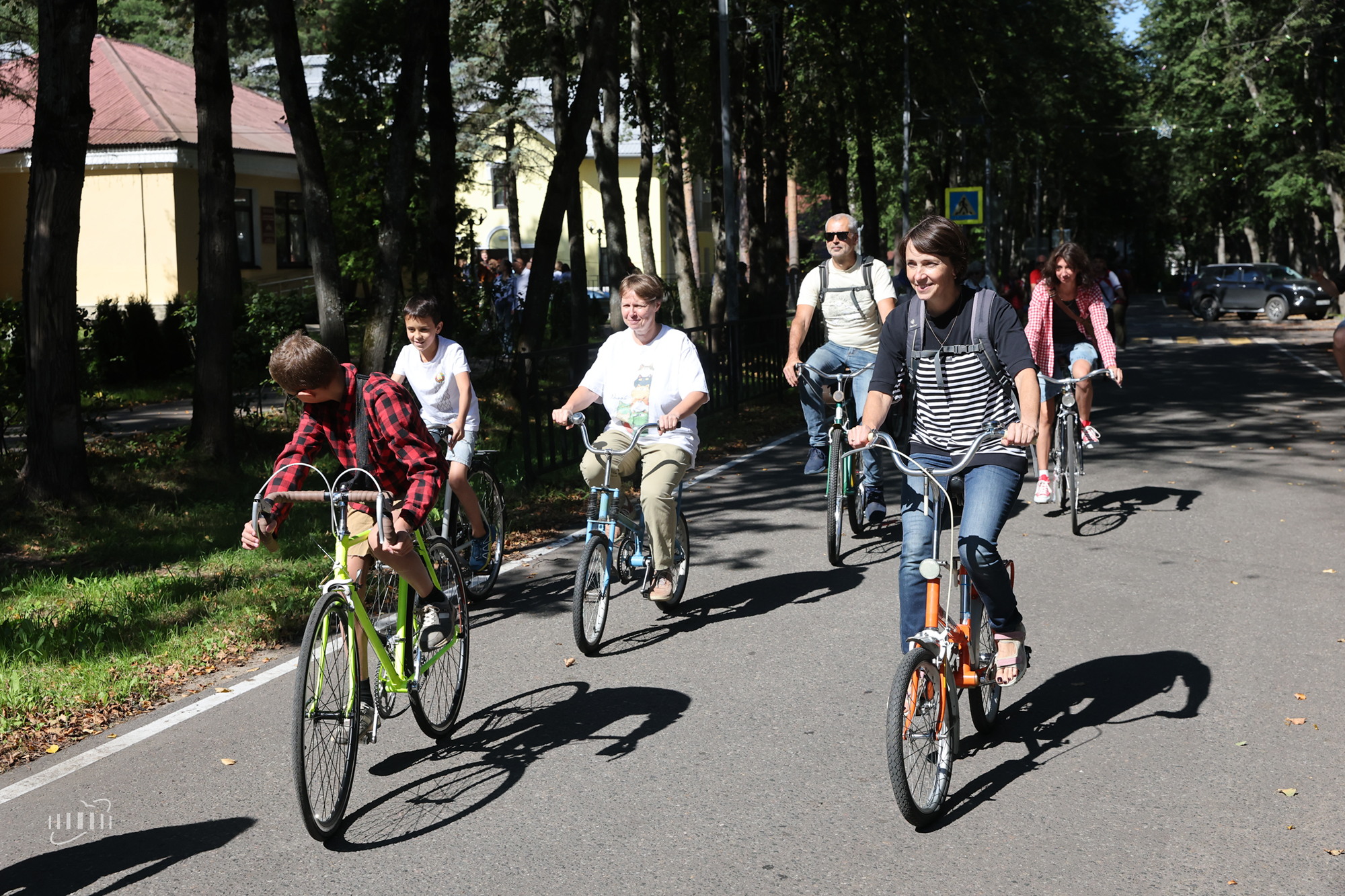
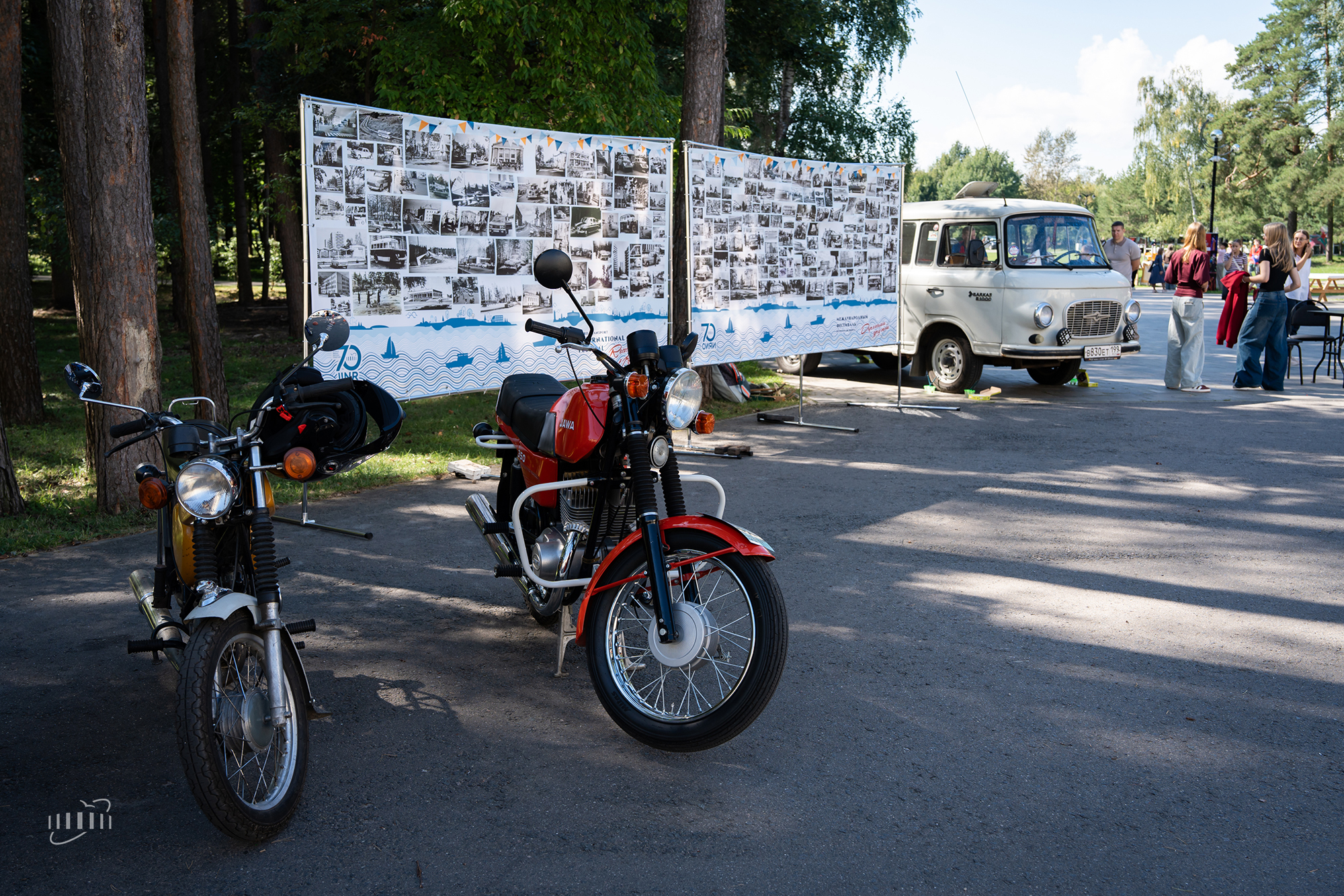
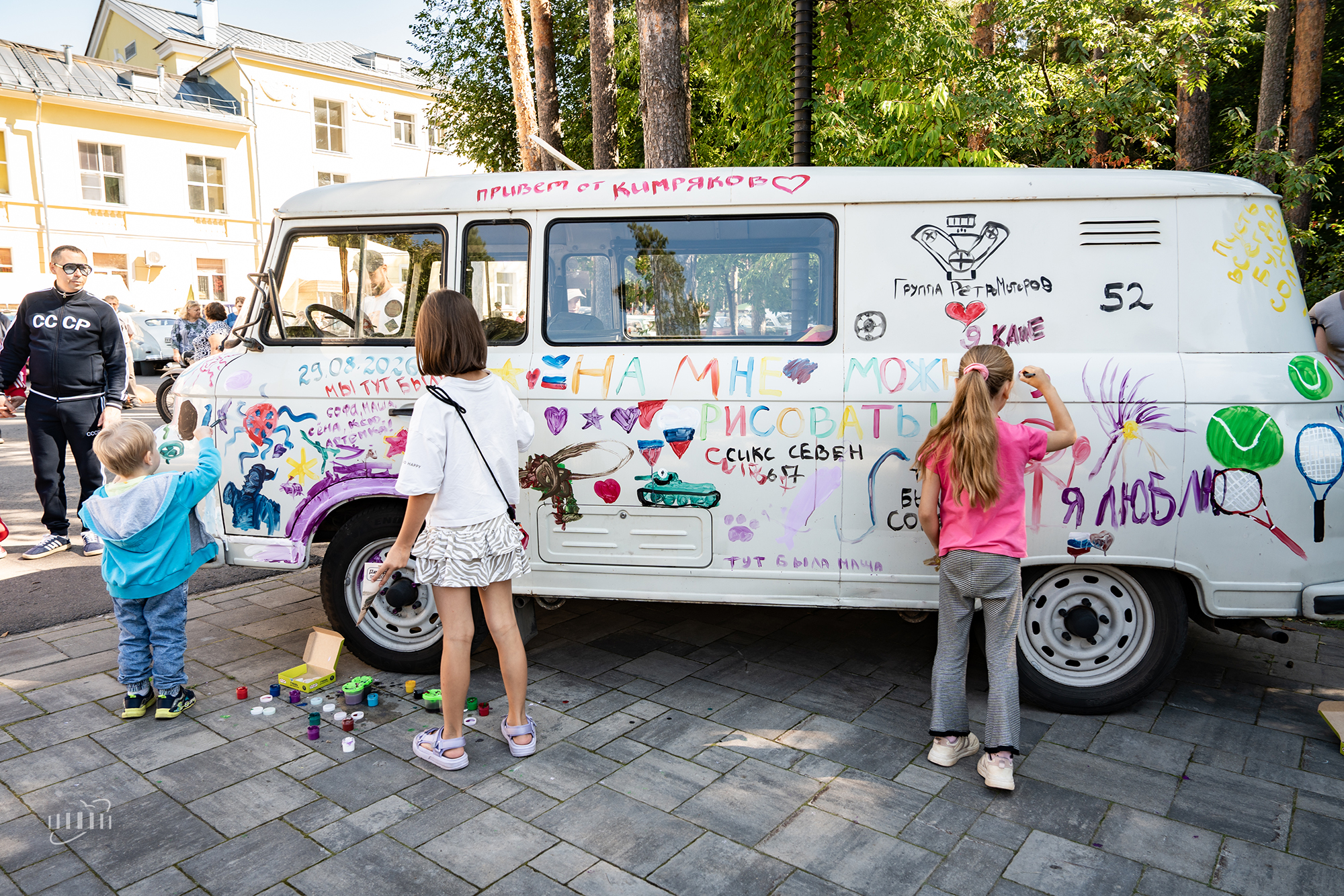
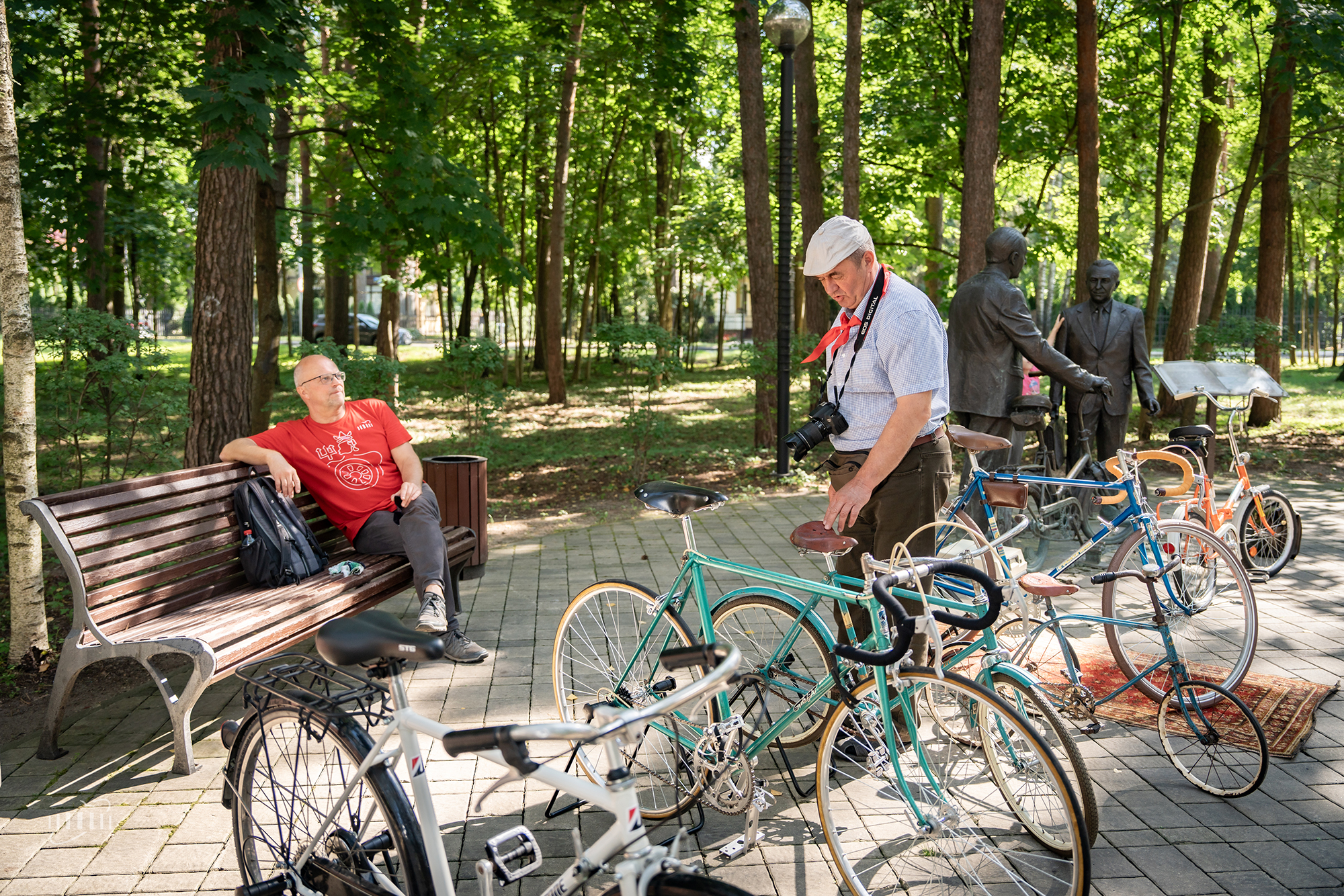
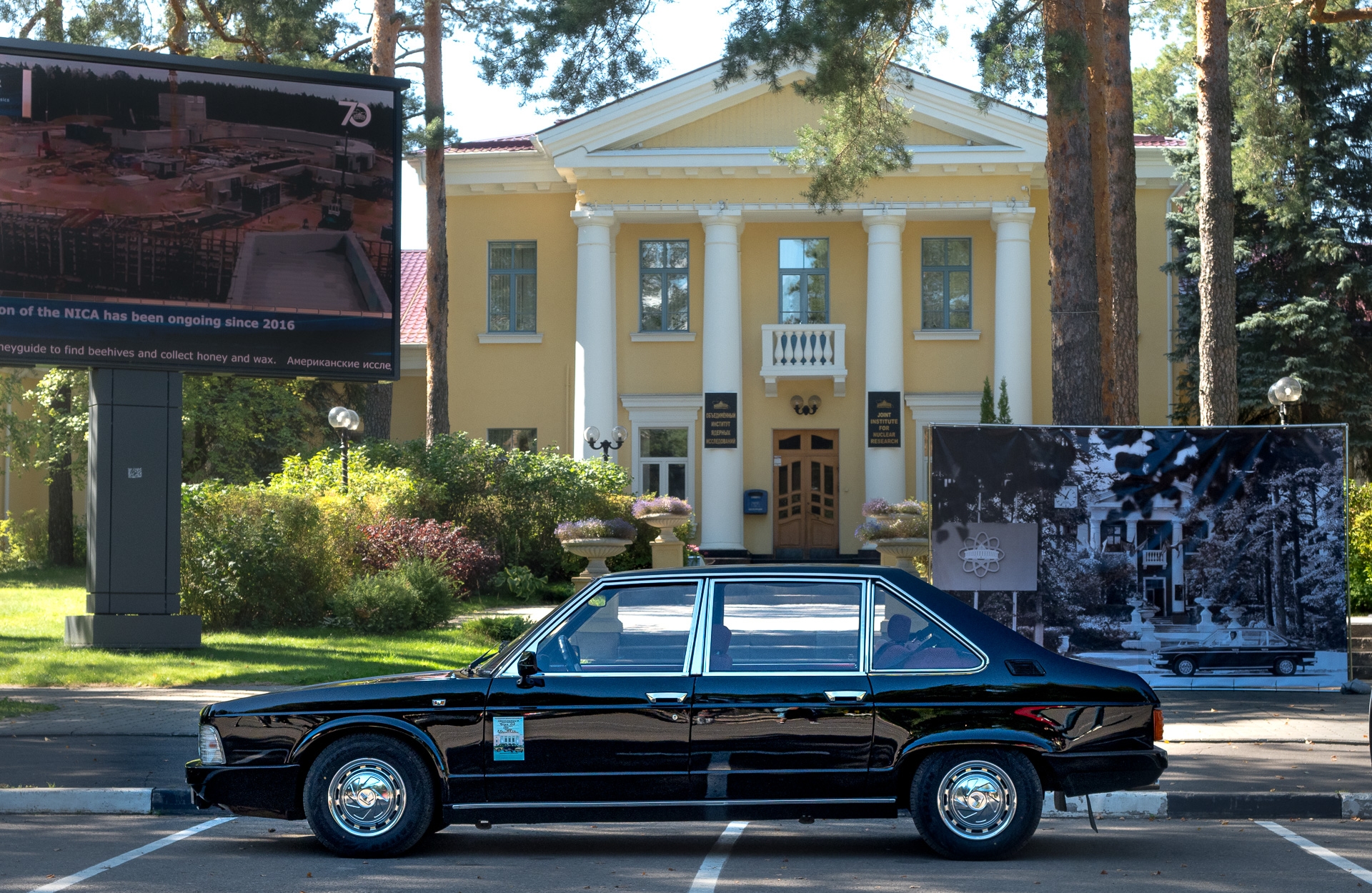
The main event was a retro car exhibition held on 29 August in front of the JINR Mir Cultural Centre. Over thirty cars similar to those that drove along Dubna roads in the 50s–80s were parked in the square, including such models as the Czechoslovak Tatra 613 and Škoda 120, the German Trabant 601, Barkas, Wartburg, IFA, the Soviet GAZ-M20 Pobeda, several Moskvich and Zaporozhets models, and many others. Next to them on display were bicycles, mopeds, and motorcycles, including those from Germany, Poland, and Slovakia.
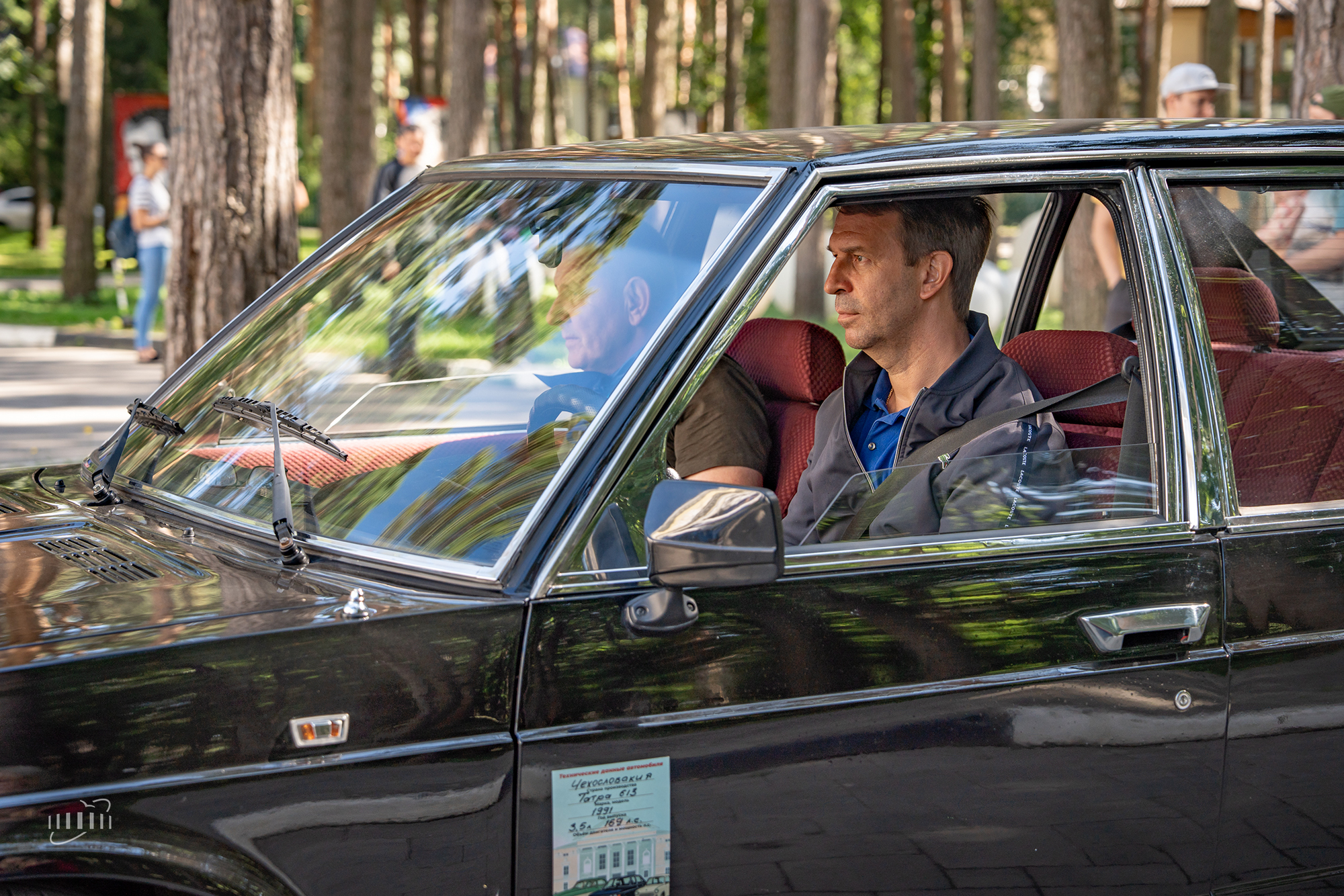
At the opening ceremony of the retro car exhibition, JINR Director, Academician of the Russian Academy of Sciences Grigory Trubnikov rode a Tatra 613 – a car similar to the one that served the Institute’s Directorate and welcomed delegations for many years –from the Institute’s main building to the Mir Centre.
Grigory Trubnikov welcomed the participants and visitors. He noted that the JINR anniversary year is dedicated to events of not only scientific, but also social significance, and automobile travel is still a hobby of many researchers. He noted that the unique exhibits’ owners came from many different Russian regions (Moscow, Moscow, Novgorod, Tver, and Yaroslavl Regions). The JINR Director expressed gratitude to all the employees who helped develop the concept of Roads of Friendship and hold the festival. “Thanks to the organizers, we’re seeing wonderful cars of a bygone era – brands that once traversed Dubna as well as the vast Soviet Union and the Member States. This event would be impossible without your passion, enthusiasm, and special Dubna patriotism”, Grigory Trubnikov emphasised.
Director of the JINR Museum of the History of Science and Technology Anastasia Zlotnikova noted that thanks to JINR’s international status, Dubna was always a point where various scientific ideas and cultures met. In Soviet Union, the city was remarkable in terms of the number and variety of European cars on the roads. “This exhibition is clearly not so much about cars as about people, those who came here to build science. Half a century ago, Dubna was a “reserve” of the Eastern European automotive industry. We are grateful to the car owners for preserving the history and not letting it rust”, Anastasia Zlotnikova said. Head of the GDR History and Technology Club Sergey Orlov wished the guests to immerse themselves into the atmosphere of the past’s car trips.
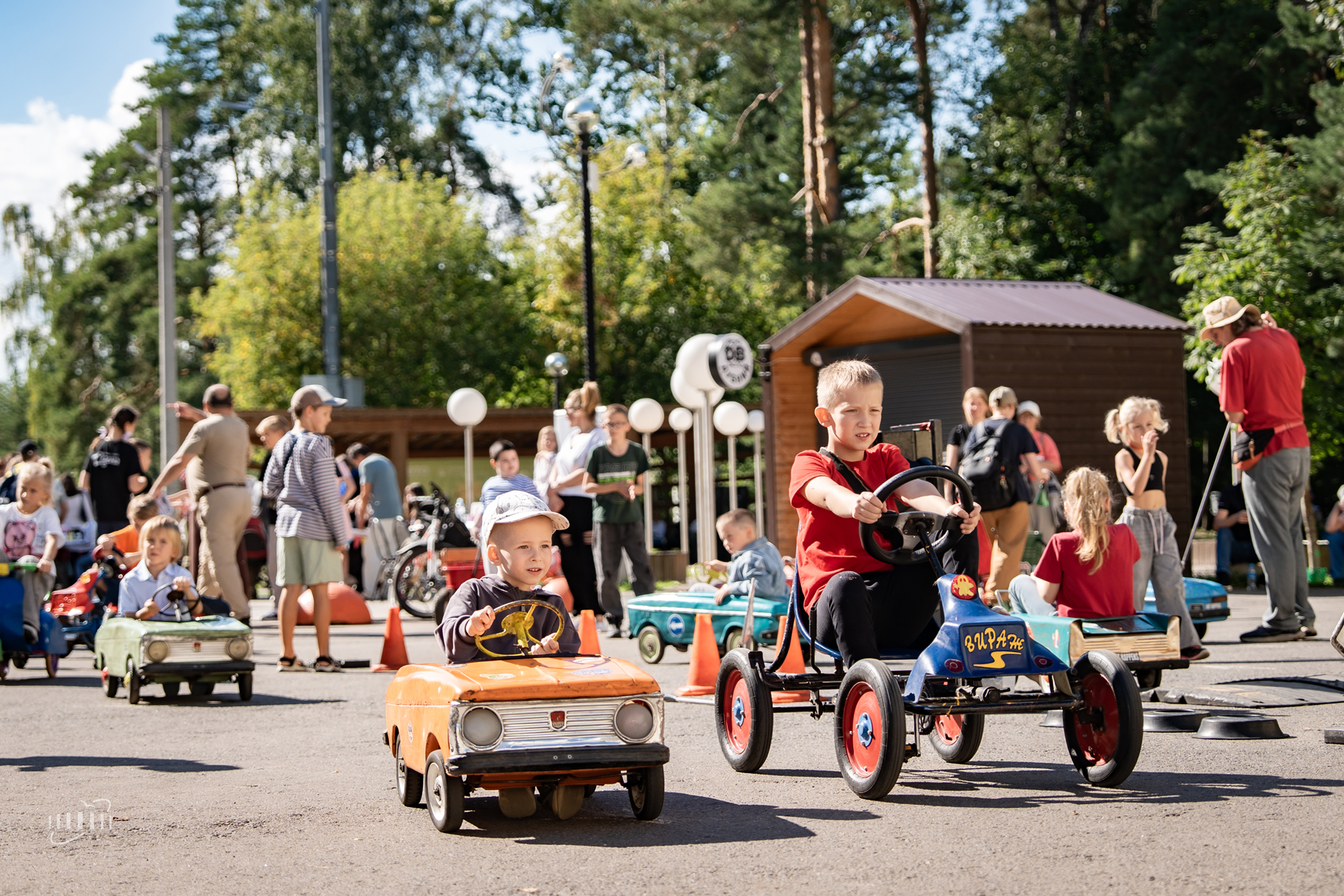
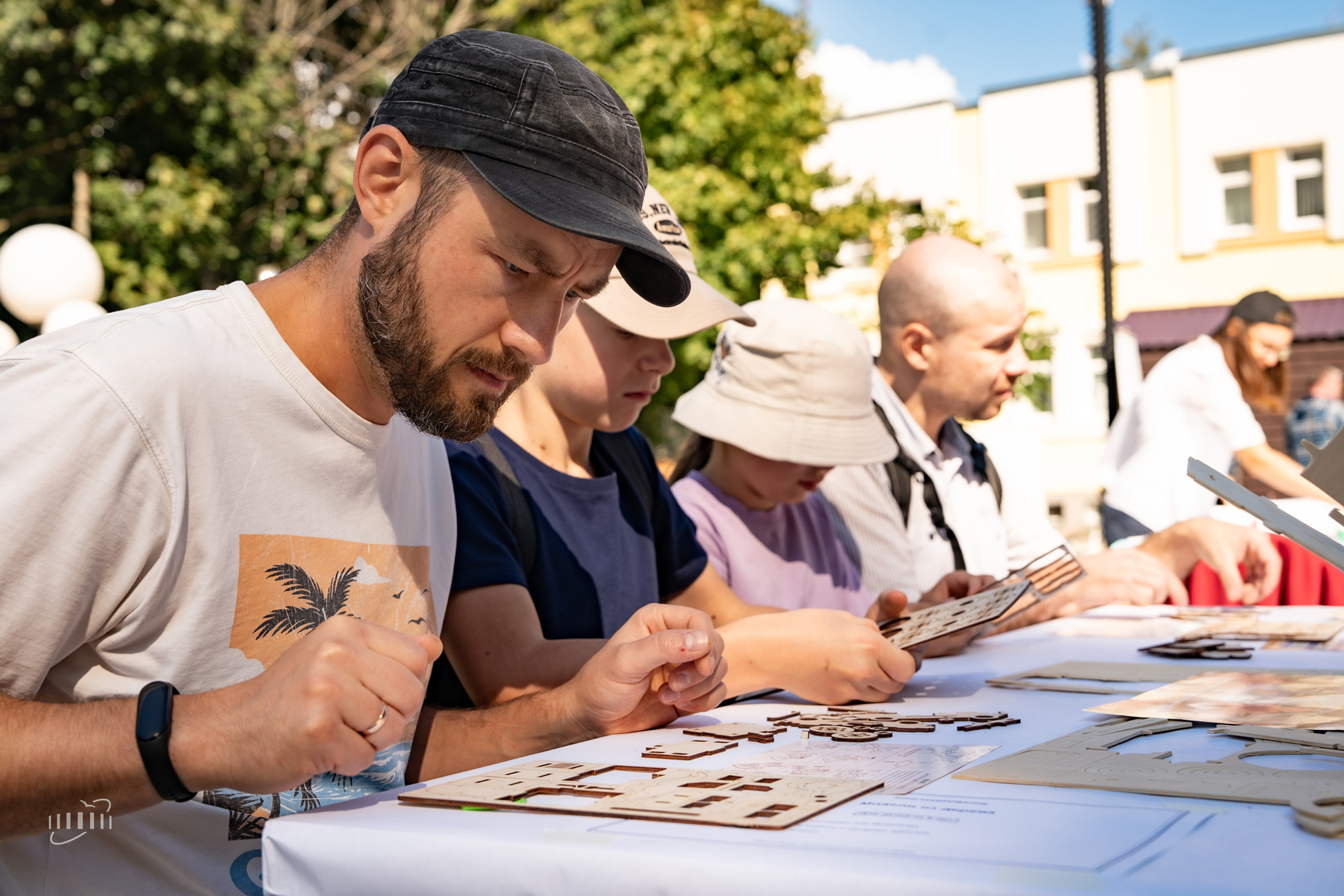
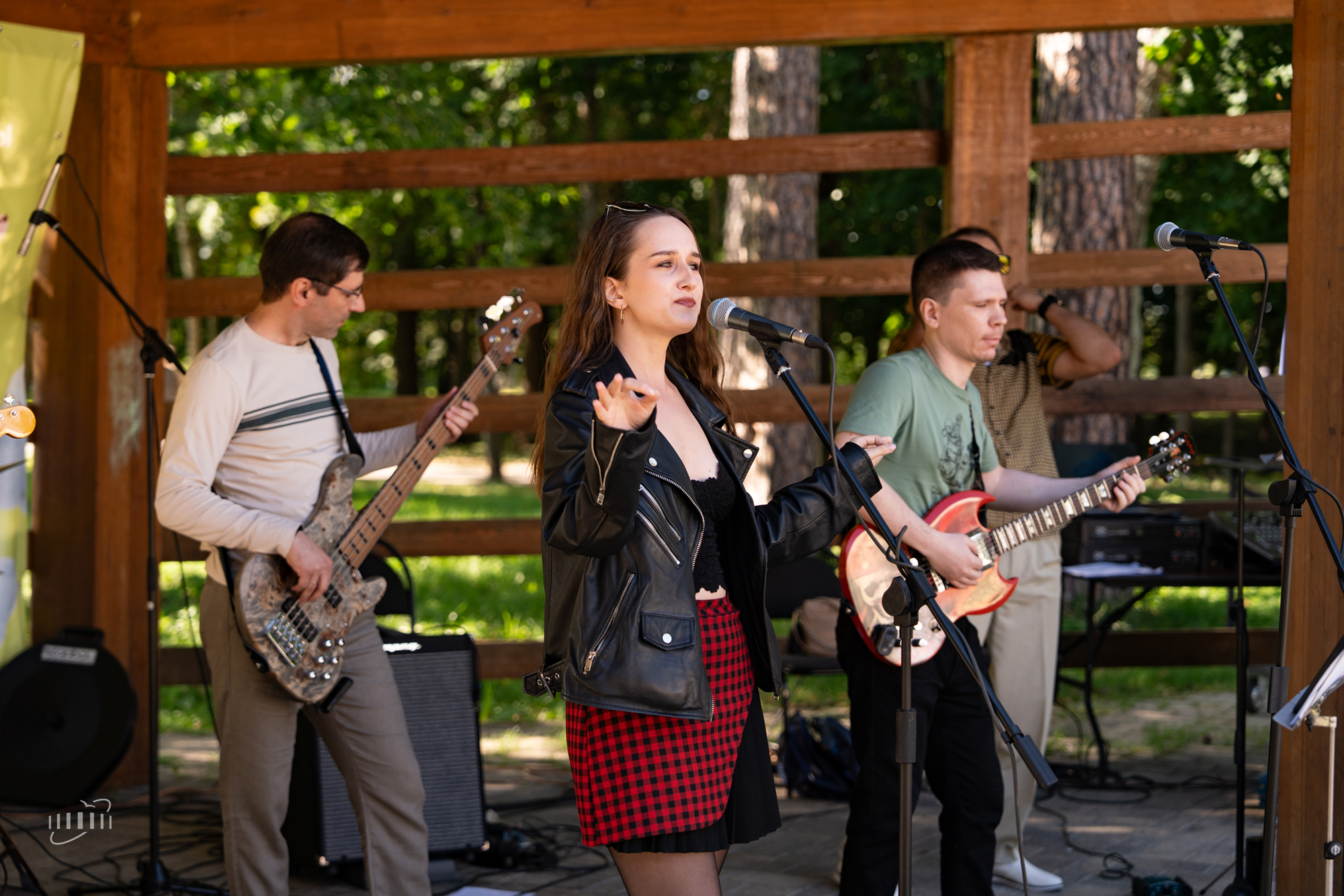
The Dubna on Wheels: City in Motion photo exhibition near the Mir Centre featured more than two hundred photographs from the Institute’s archive and personal albums of the residents and JINR employees. Nearby was an area for visitors to ride retro bikes, paint a Barkas minibus with gouache, and enjoy many other activities – workshops for children, vintage yard and board games, and other creative activities prepared by the JINR Future Scientists’ Club, the Quarks JINR Artists’ Club, and the JINR Blokhintsev Universal Public Library. The youngest guests enjoyed learning how to drive Soviet Moskvich pedal cars. The atmosphere was complemented by live music, including songs on the car and bicycle themes: Elena Chudina’s vocals, songs by the People on the Moon rock band, and the voices of the Acoustic Bank vocal ensemble. Deputy Director of the Mir Cultural Centre Elena Troyan and FLNR JINR researcher from India Aniruddha Day hosted the event in Russian and English.
Among the several thousand guests were many representatives of the national groups of the JINR Member States.
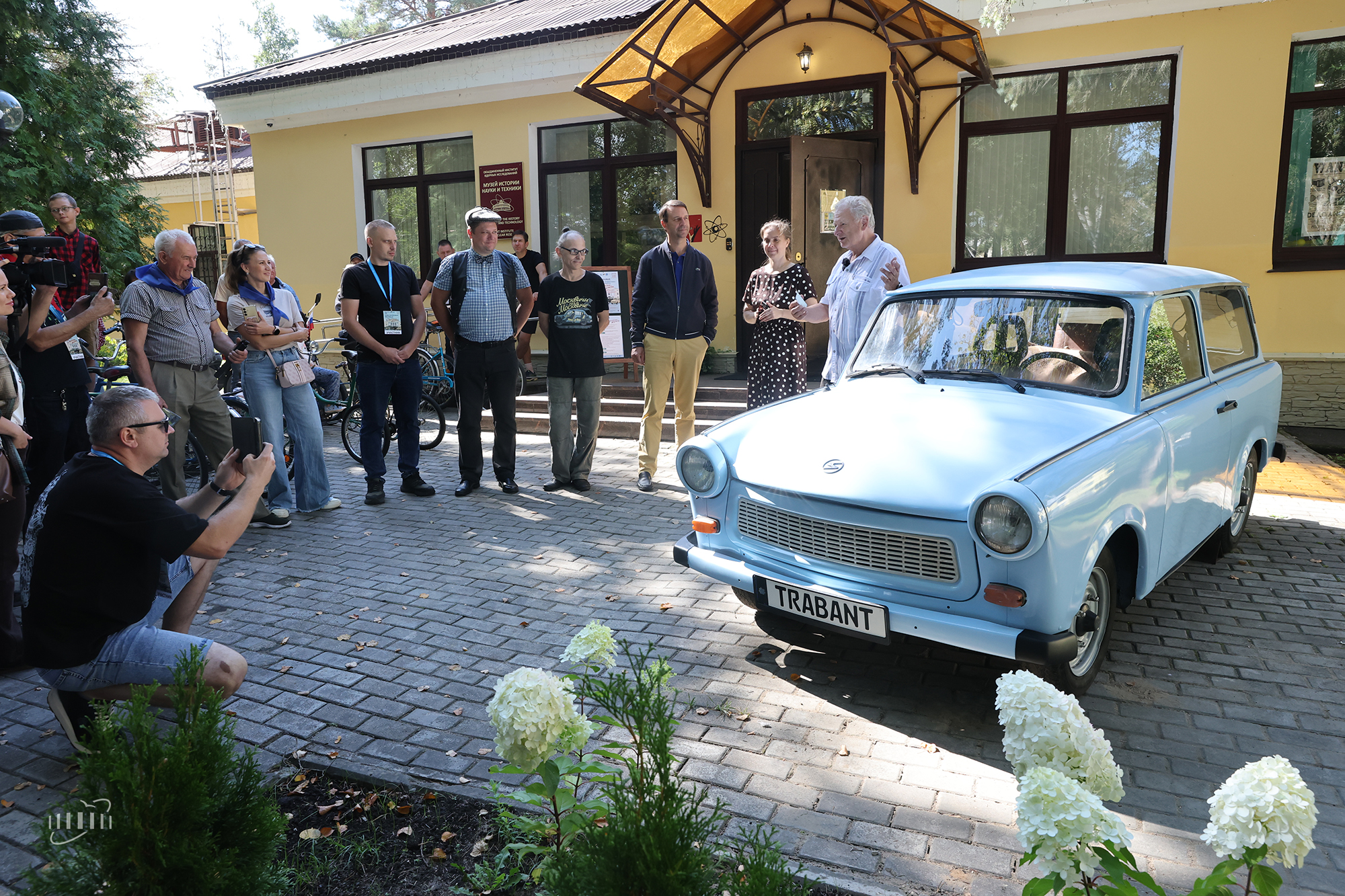
On the same day, the unveiling ceremony of the Trabant installation took place at the JINR Museum of the History of Science and Technology. A car belonging to a German scientist in the late 1980s parked in front of the museum entrance. Anastasia Zlotnikova emphasised that for Dubna, the Trabant is not just a car, but a living symbol of the era, because it was in such cars that scientists from the GDR came to the city with their families. “They came here to work, make friends, and stay for a long time. Behind the wheels of all these Trabant are their own stories, lives, and roads to Dubna. This car was a real passport to the large international family that our Institute created through the joint efforts of scientists from different countries”, Anastasia Zlotnikova summarised. The opening ceremony was attended by JINR Director Grigory Trubnikov, Institute’s Chief Scientific Secretary Sergey Nedelko, Head of the GDR Engineering History Club Sergey Orlov, as well as the people thanks to whom the car was preserved and carefully restored – Evgeny Danilov and one of the festival’s co-organizers Leonid Zinoviev. Jurgen Schreiber, a German theoretical physicist who worked at JINR in the 1970s and came to Dubna for the event, wished the guests: “May this festival and Trabant help strengthen and return to friendly cooperation between scientists from all former and future JINR Member States”.
On 28 August, the Scientists’ Club hosted a lecture and an open mic titled “Dubna on wheels: A bicycle reserve and automobile international”. Candidate of History Anastasia Zlotnikova and retro car expert, VBLHEP engineer Leonid Zinoviev provided an overview of the development of Dubna’s auto and cycling culture in the 50s–80s. The lecture was accompanied by newsreel episodes from those years and a demonstration of archival documents and photographic materials. Those who were part of the 50–70s – Igor Blokhintsev, Antonio Pontecorvo, and Jurgen Schreiber – shared their memories. The evening finished with stories by the Institute’s employees and Dubna residents about their road adventures in the city.
The festival included a rich cultural and educational programme. The JINR Film Union organized a screening of the cult comedy “Go Trabi Go”, and the AYSS German Language Club held a viewing and discussion of the film’s second part in German. At the JINR Museum, members of the Future Scientists’ Club dismantled the “Secrets under the hood” at the physics bumper car track by building and testing structures. In addition, the museum hosted a “What? Where? When?” intellectual game on the automotive theme, which brought together four expert teams, and prepared thematic excursions “The analogue world of nuclear physics”.
The event’s leitmotif were words left in 1964 by Czechoslovak car travellers: “We have traversed 76 countries, and only place did we find a creative environment in which the ideas, talents, and efforts of many countries are combined into one powerful stream aimed at understanding the essence of the world in which we all want to live…”. The organizers highlighted that the festival once again reminded the audience that science brings nations together, and Dubna is the point where the roads of international friendship meet. The participants, owners of retro cars, and guests expressed hope that this celebration of memories, nostalgia, and international fellowship would be held again in the future.
 Photograph by Dmitry Shvetsov