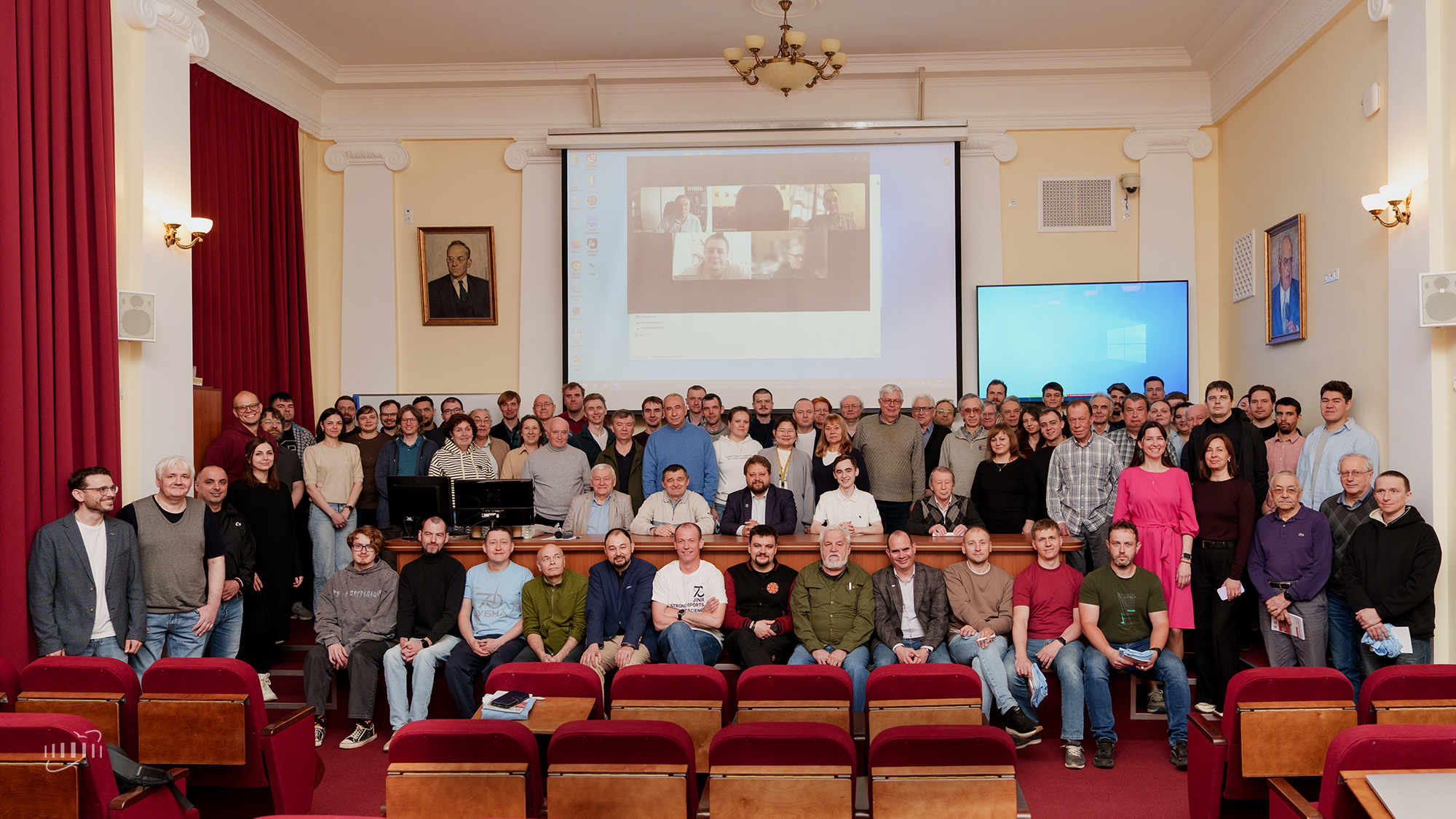
On 12–14 May 2026, the Veksler and Baldin Laboratory of High Energy Physics is hosting the 16th BM@N (Baryonic Matter at Nuclotron) Collaboration Meeting. Over 140 scientists are discussing the development prospects of the fixed-target experiment at the NICA Accelerator Complex, particularly the physics run that finished in April with a record of 2.75 billion events collected.
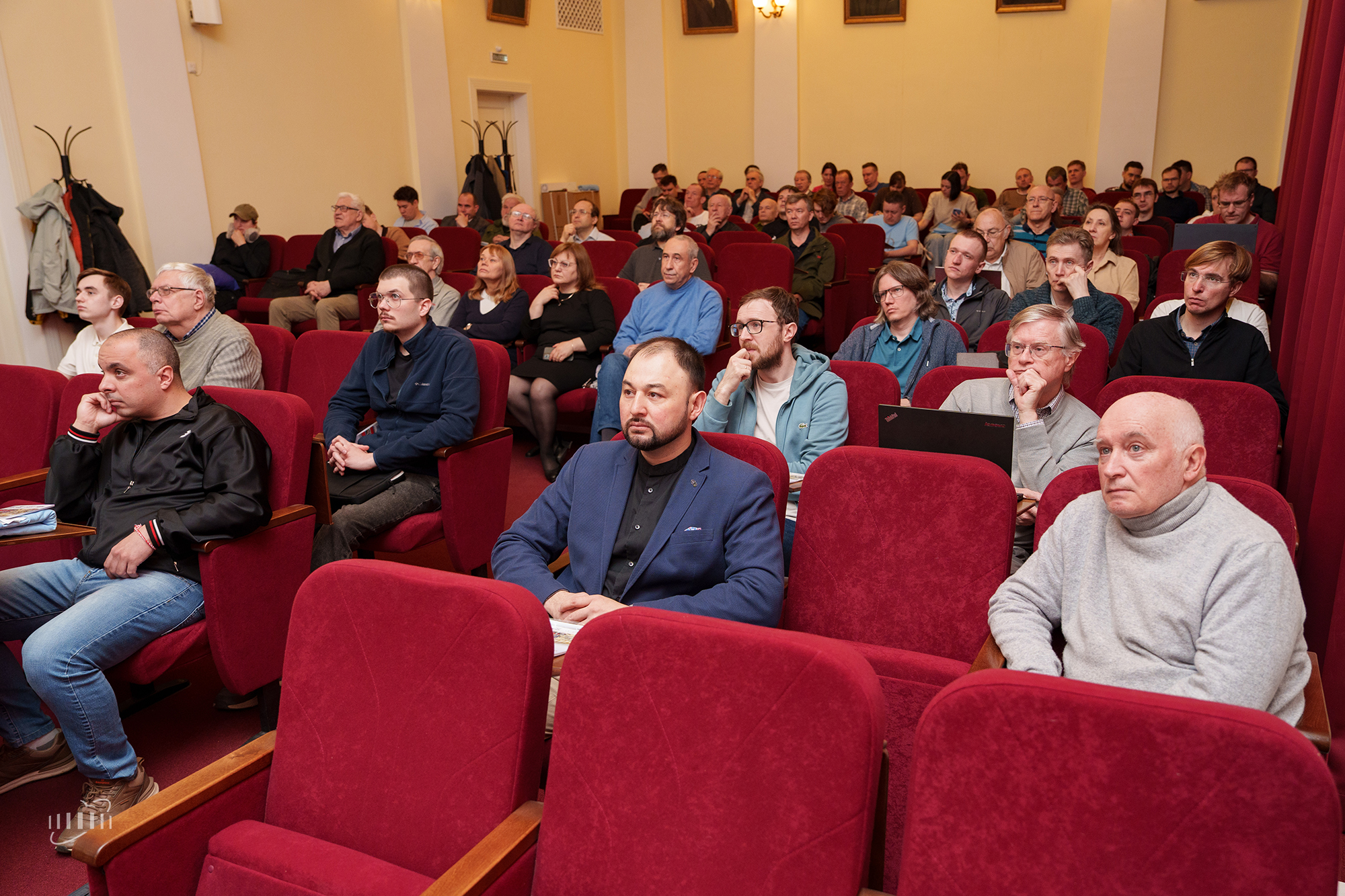
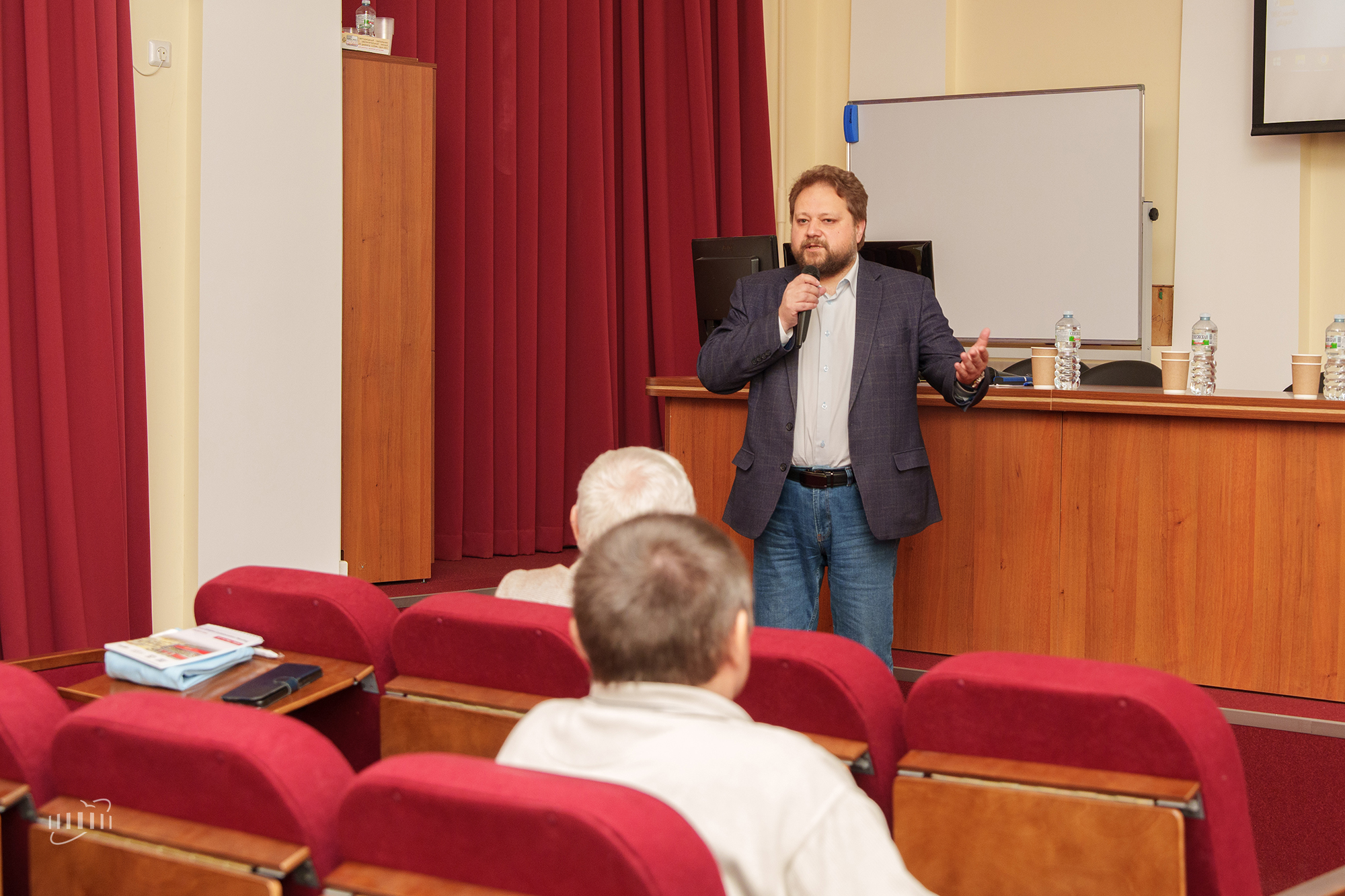
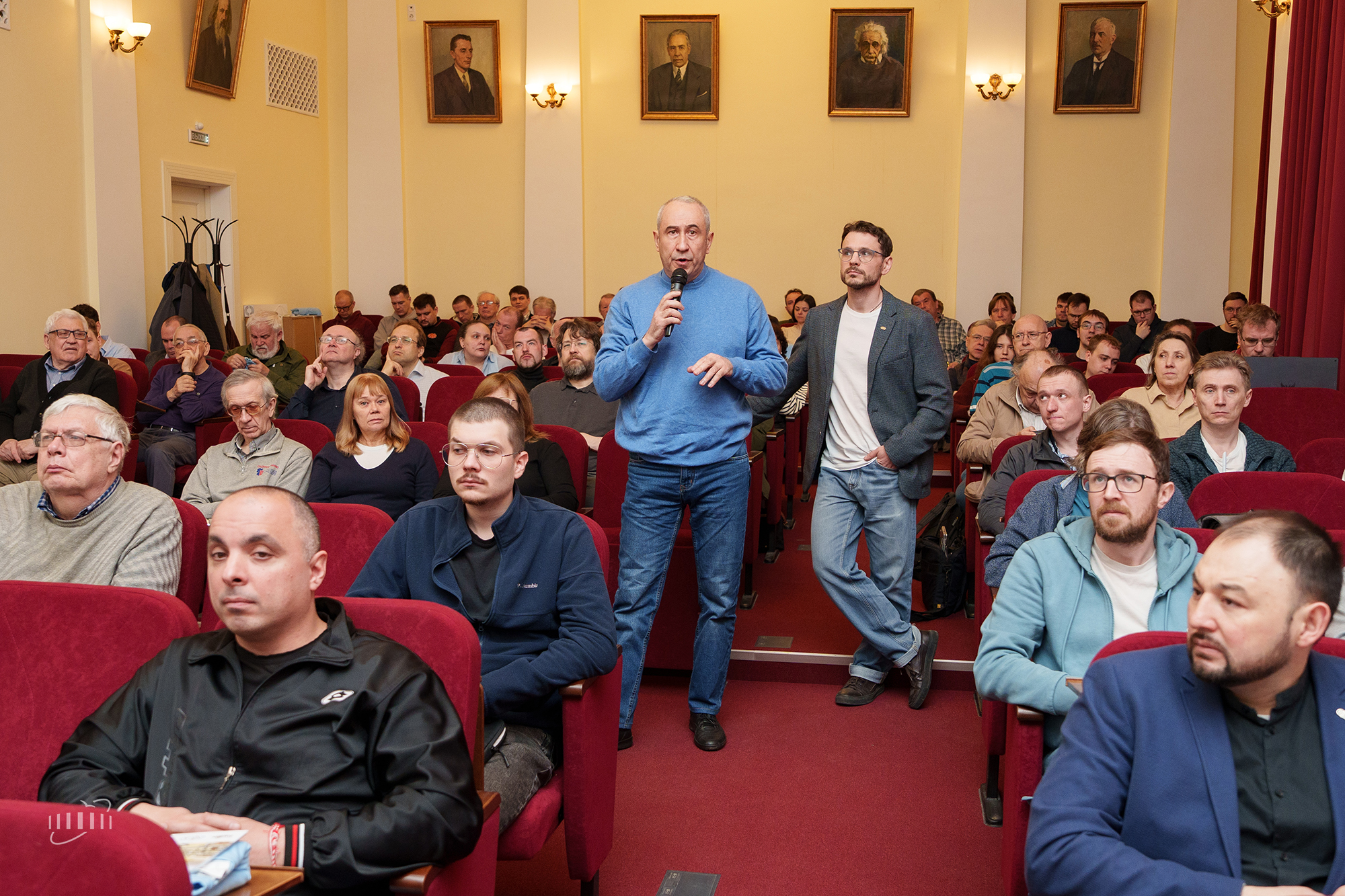
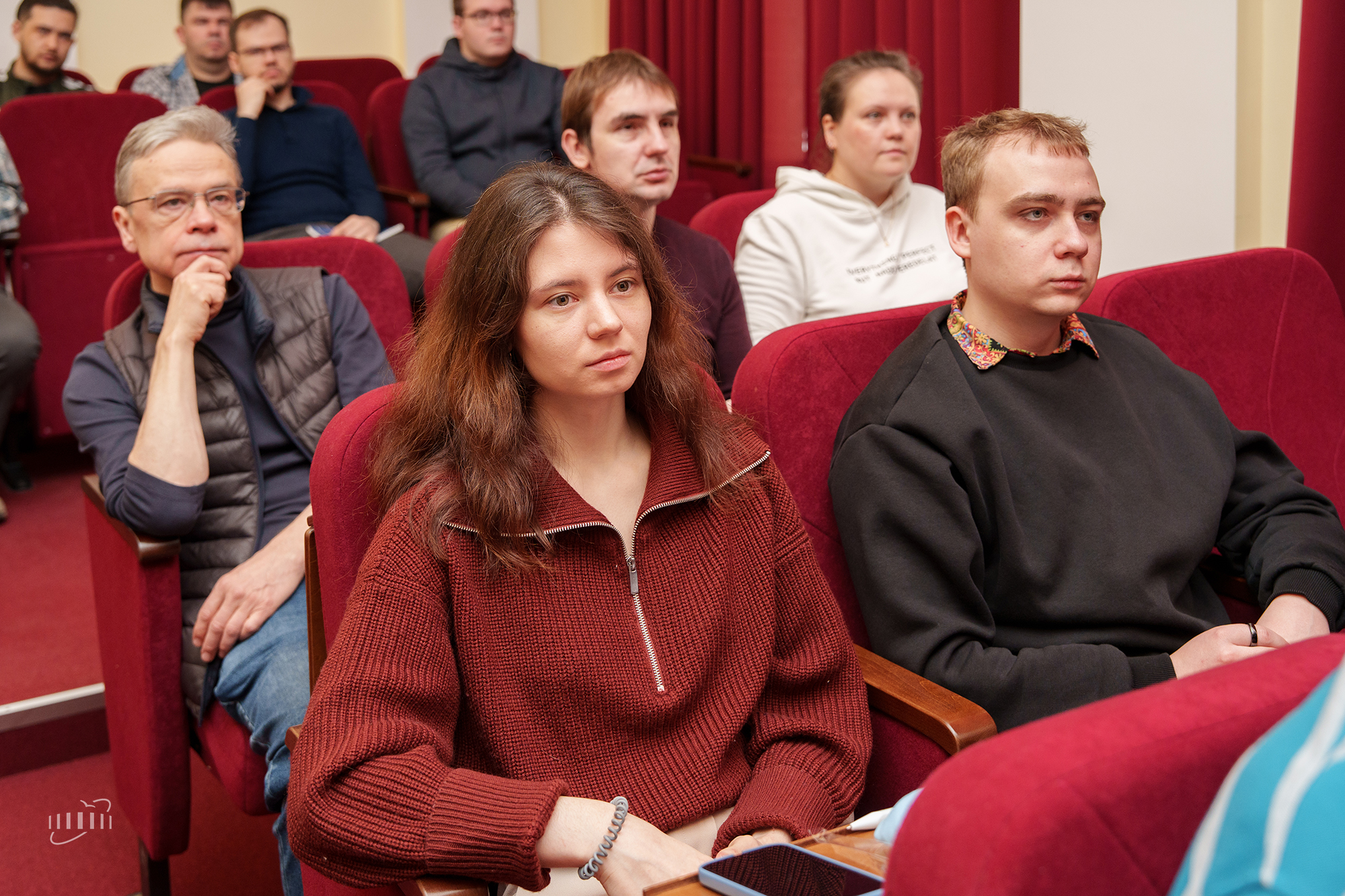

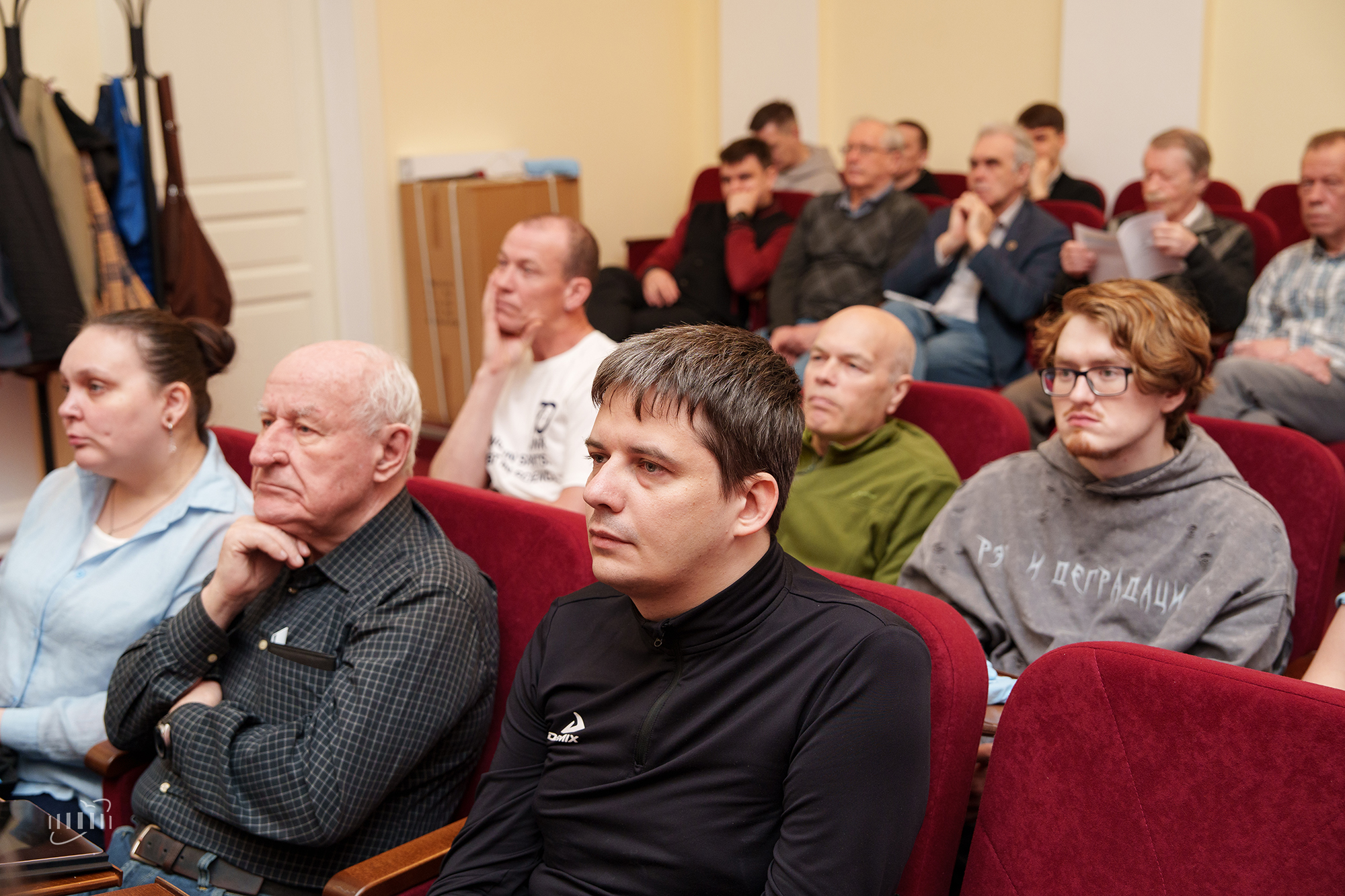
In his welcome speech, VBLHEP JINR Acting Director Andrey Butenko congratulated the BM@N Collaboration on the successful physics run and highlighted the development of the NICA Megascience Project.
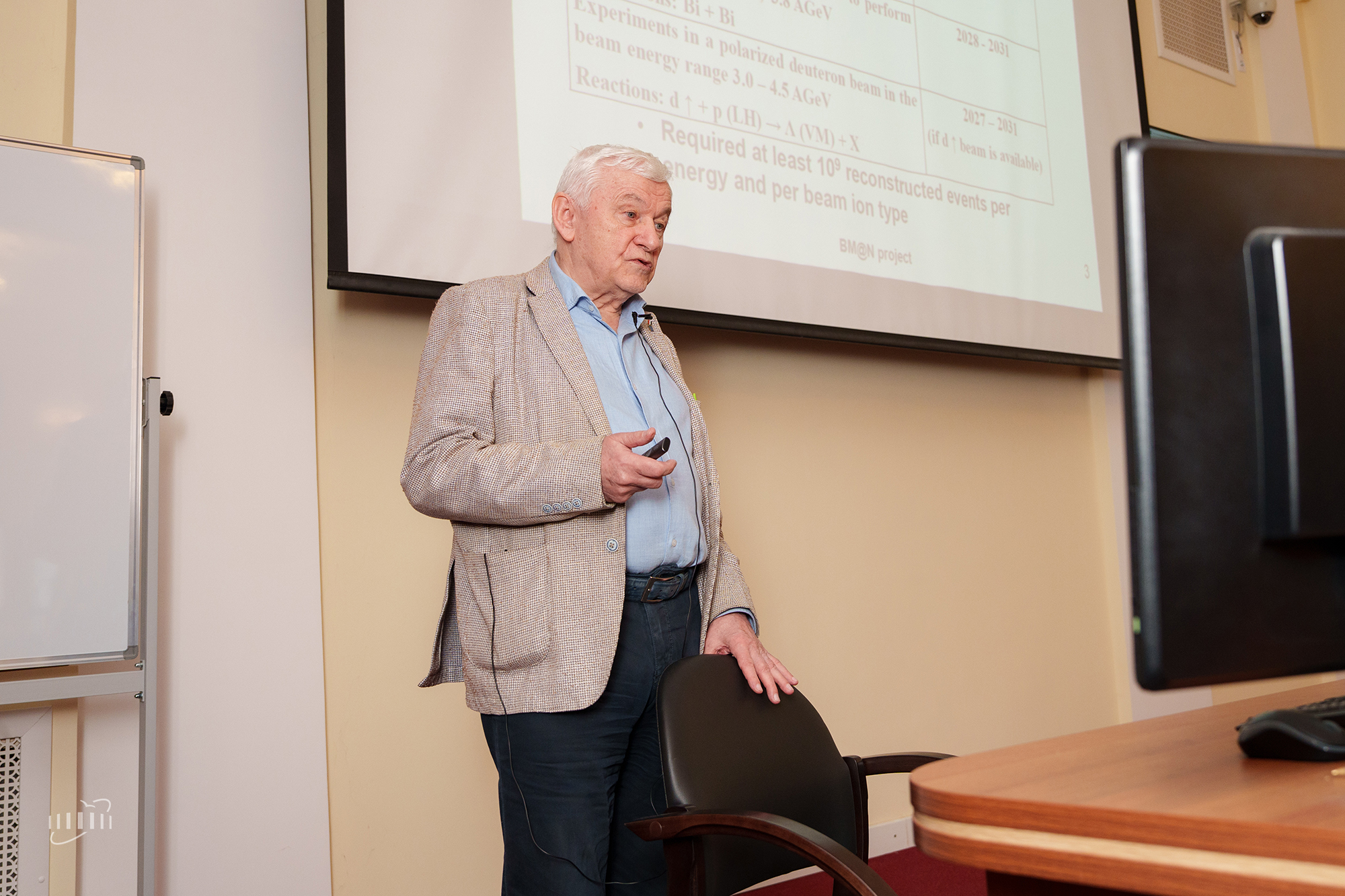
VBLHEP Chief Researcher, BM@N Collaboration Spokesperson Richard Lednicky discussed the experiment’s progress and prospects. At the beginning of his talk, he provided statistics regarding the international collaboration’s current membership: the project involves 210 specialists representing JINR and 13 research organizations of five countries (Bulgaria, China, Kazakhstan, Russia, and Uzbekistan).
Richard Lednicky spoke about the successful completion of the ninth BM@N Experiment physics run lasting from February to April 2026. In xenon beam interactions with a tin target at three different energies (1.6, 2.2, and 3 GeV/nucleon), 2.75 billion events were collected. The total volume of data obtained was 1.8 petabytes.
The collaboration continues to analyse statistics from the previous run (Run 8), which includes studying the production of hyperons, mesons, and light nuclear fragments. A new article, “Production of Λ hyperons in 4.0A GeV and 4.5A GeV carbon-nucleus interactions at the Nuclotron” (arXiv:2604.13299), was submitted to the JHEP journal. In 2025, collaboration members Mikhail Mamaev (VBLHEP at JINR) and Igor Pelevanyuk (MLIT at JINR) successfully defended their candidate dissertations on the BM@N Experiment. Furthermore, to study the processes of hadron and light nucleus production in reactions with argon beams, a group of scientists from the collaboration was awarded the First JINR Prize for 2025.
While discussing the BM@N Experiment development prospects, Richard Lednicky highlighted preparations for heavy bismuth ion runs planned for 2028–2031. This stage will require facility modernisation, including the installation of additional silicon track detector stations and the commissioning of a high-granularity neutron detector. Specialists are considering a potential krypton ion beam experiment in the next, 2027 run.
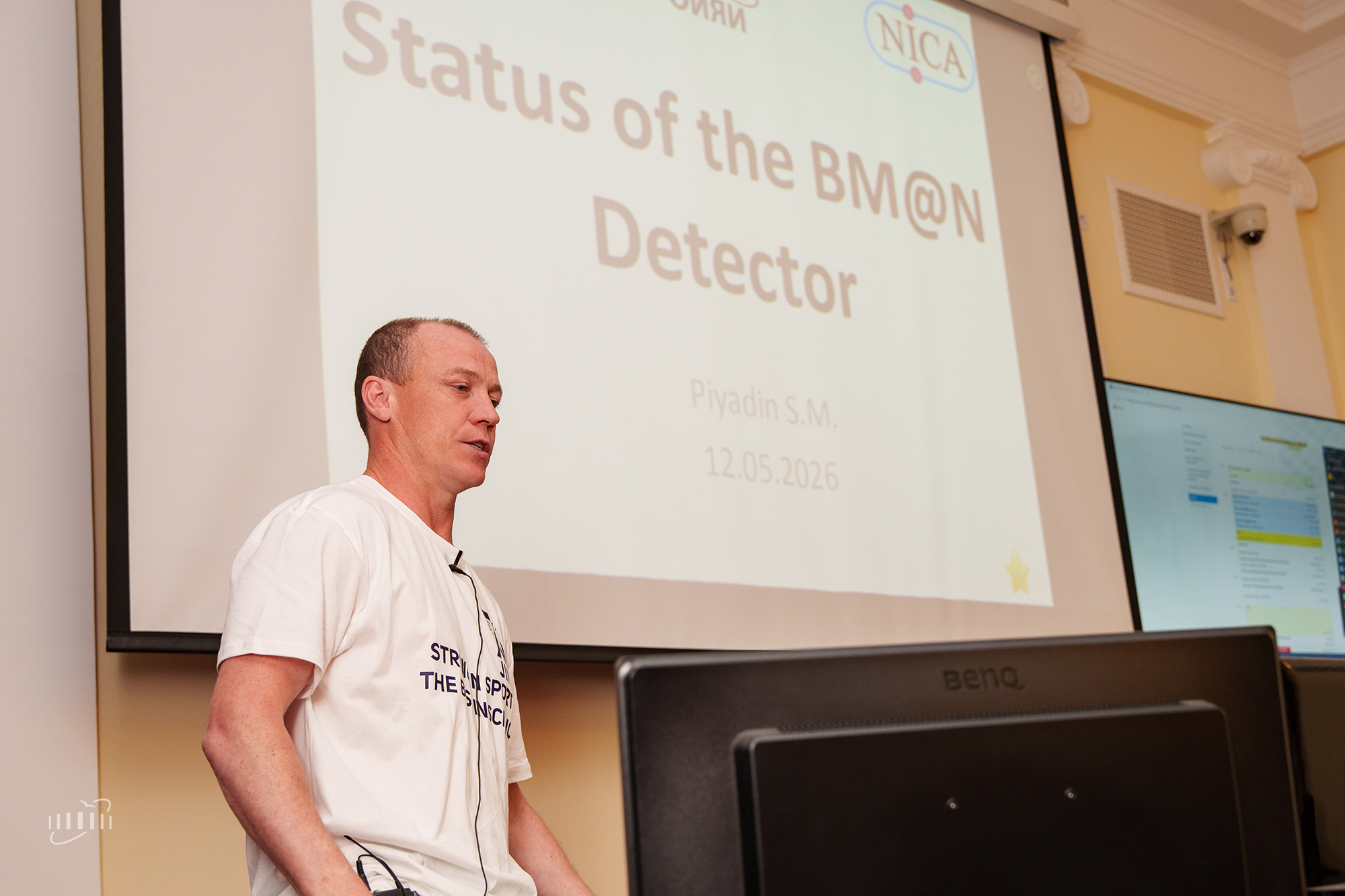
Deputy Head of the VBLHEP JINR Scientific and Experimental Department of the VBLHEP JINR Multi-Purpose Detector (MPD) Semyon Piyadin delivered the next plenary talk, dedicated to the progress of modernisation and installation of the BM@N detector systems. He presented a detailed chronology of the Run 9 data collection stages, noting the high efficiency of the experimental facility, now including a number of new subsystems:
- an upgraded trigger detector,
- a vertex silicon plane for the track subsystem,
- большая катодно-стриповая камера,
- two beam profilometers,
- the upgraded ToF400 Time-of-Flight System.
As noted by Semyon Piyadin, in preparation for the next run, it is planned to conduct technical maintenance and modernisation of individual modules of the gas electron multipliers (GEM), the BC0 Counter, and the ToF400 System.
Seven more data analysis talks were delivered. A leading researcher at the Institute for Nuclear Research of the Russian Academy of Sciences (INR RAS) Igor Pshenichnov spoke about the study of nuclear structure in fixed-target heavy ion beam experiments. Head of the VBLHEP JINR Scientific and Experimental Department of Physics of Heavy Ion Collisions at the NICA Complex Vadim Kolesnikov presented the results of studies of charged hadrons in Xe+CsI collisions at 3.8 GeV/nucleon. A VBLHEP JINR leading researcher Aleksandr Zinchenko gave a talk on the analysis of strange particle production in the BM@N Experiment. In the second half of the day, Dim Idrisov (INR RAS) and Valerii Troshin (VBLHEP at JINR) spoke about the methods of determining collision centrality, and VBLHEP employees Petr Alekseev and Vasilii Plotnikov presented research results on proton femtoscopy with deuterons and the correlation functions of Λ-protons and Λ-deuterons.
At a meeting of the BM@N Institutional Board on 12 May, groups of the Konstantinov Petersburg Nuclear Physics Institute and the Peter the Great St. Petersburg Polytechnic University were officially accepted into the collaboration.
The second day’s scientific programme was dedicated to the preparation and operation of detector systems, as well as the review of data analysis results. On 14 May, a session on the experiment’s software will take place. In total, the 16th BM@N Collaboration Meeting counts more than 40 talks covering the key areas of the project’s implementation.