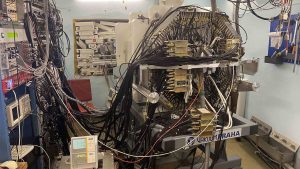
From 1 to 5 June 2026, the Baikal-GVD Collaboration Meeting is taking place at the Joint Institute for Nuclear Research in a hybrid format. Participants are discussing updates on the deep underwater Baikal Neutrino Telescope and summarising the 2026 winter Baikal expedition results.
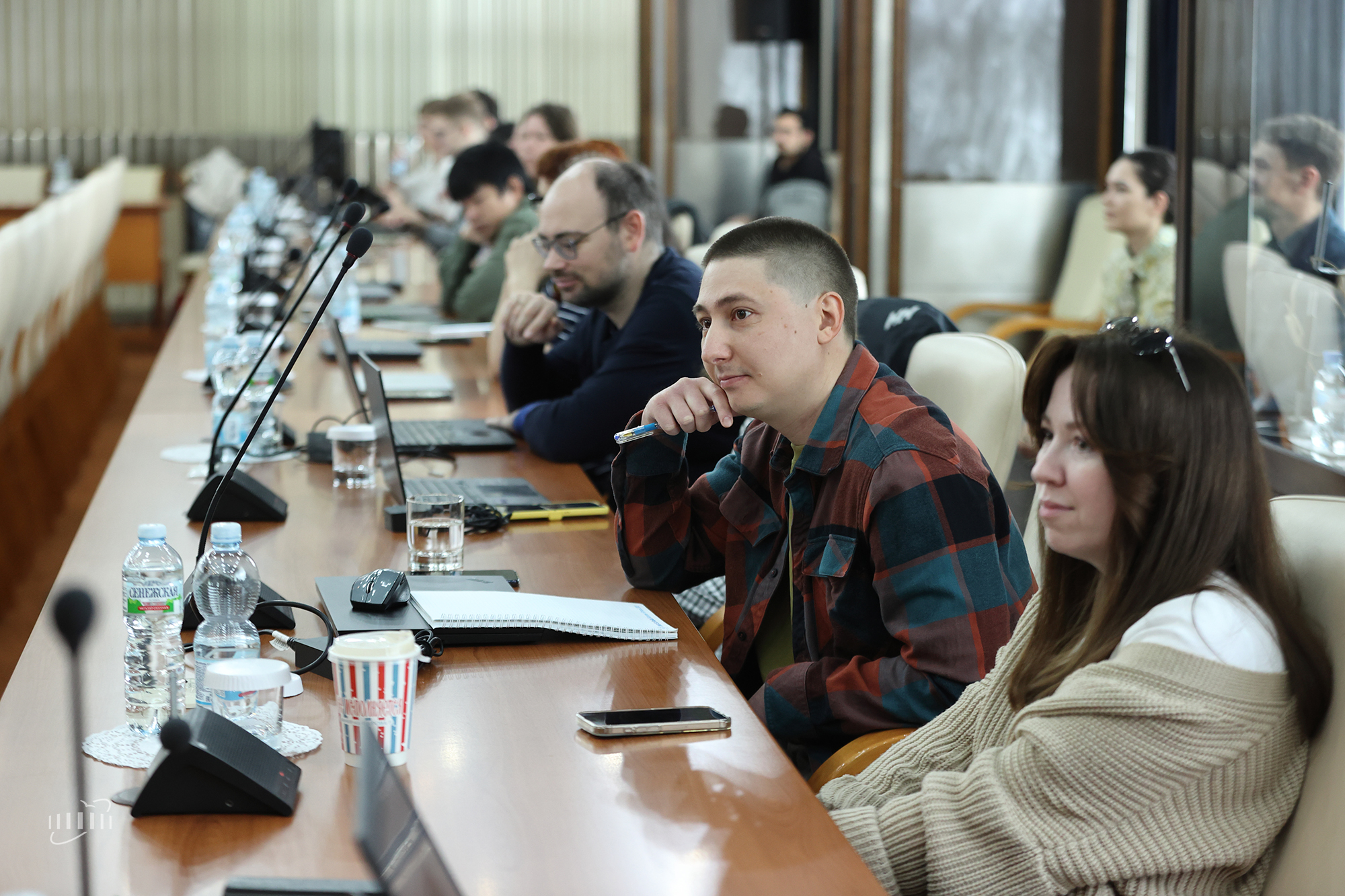

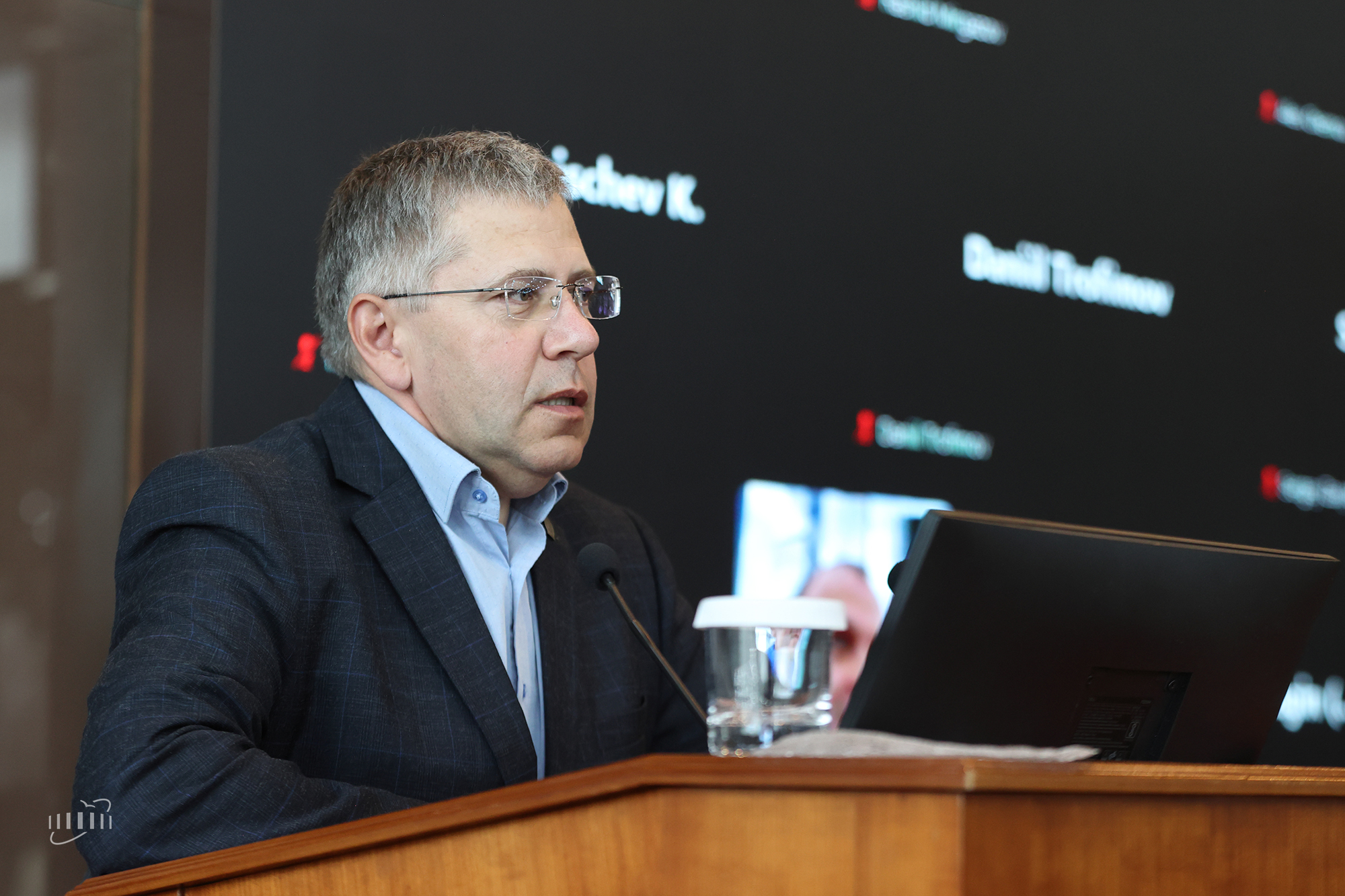
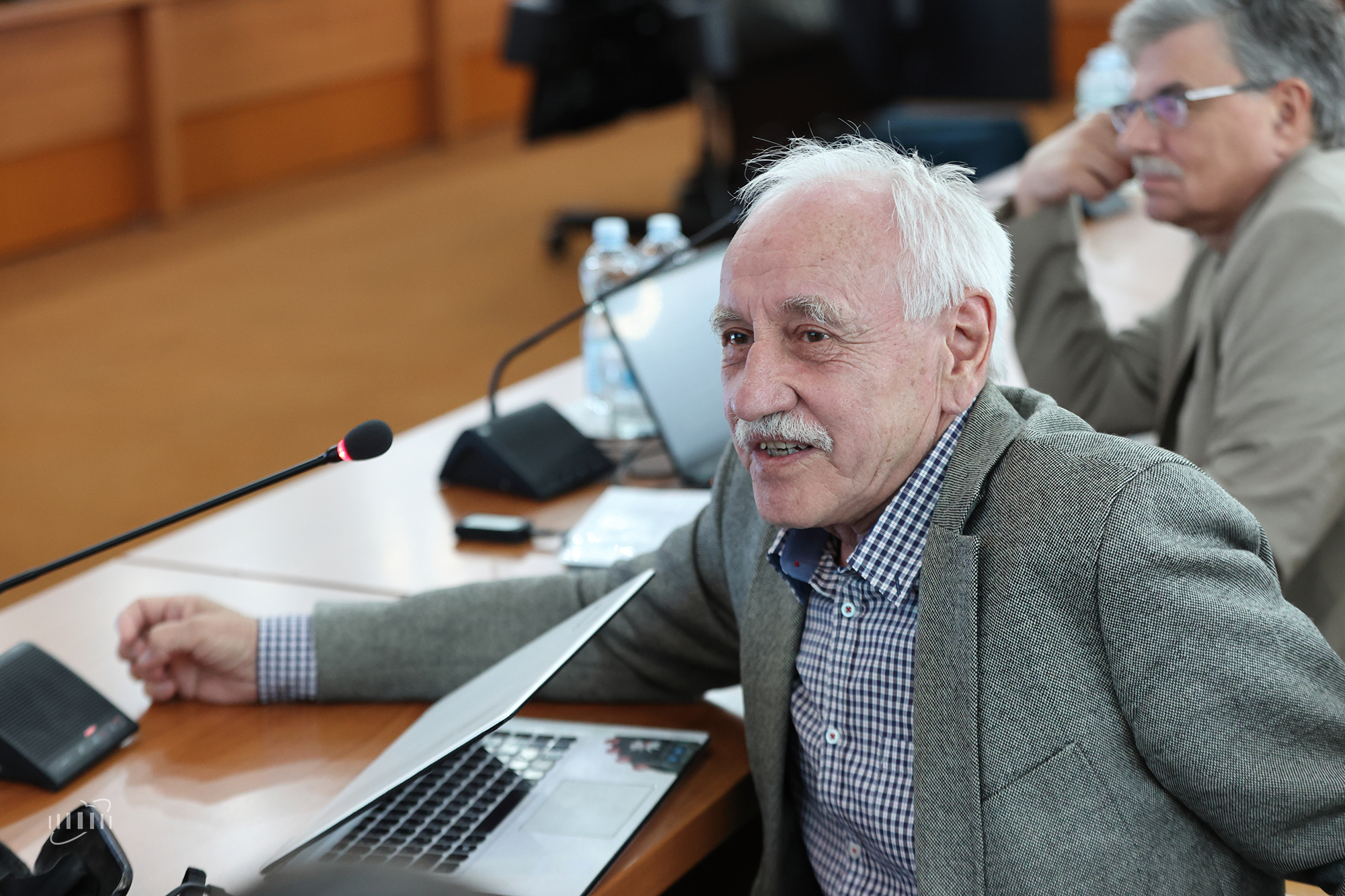
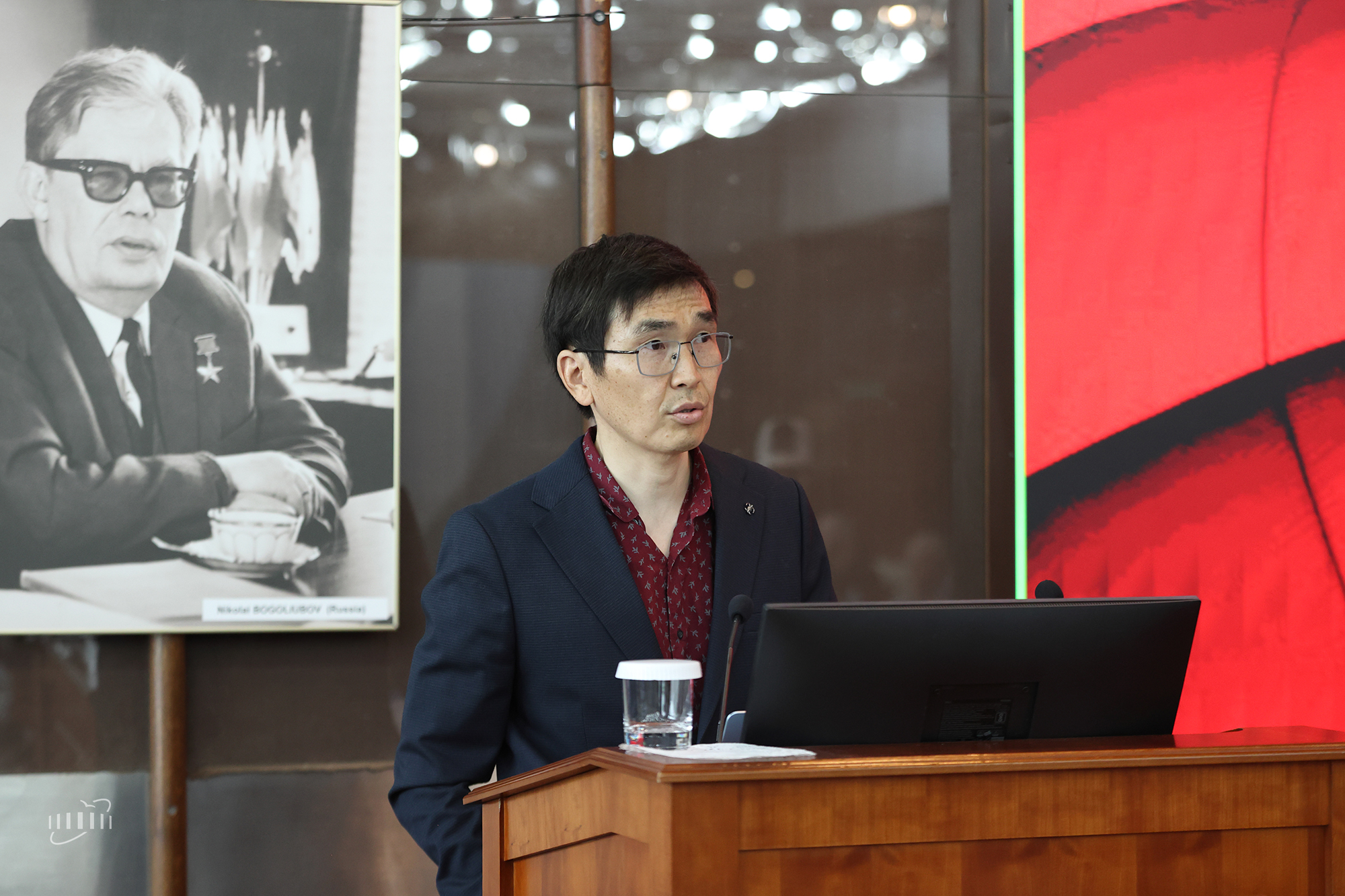

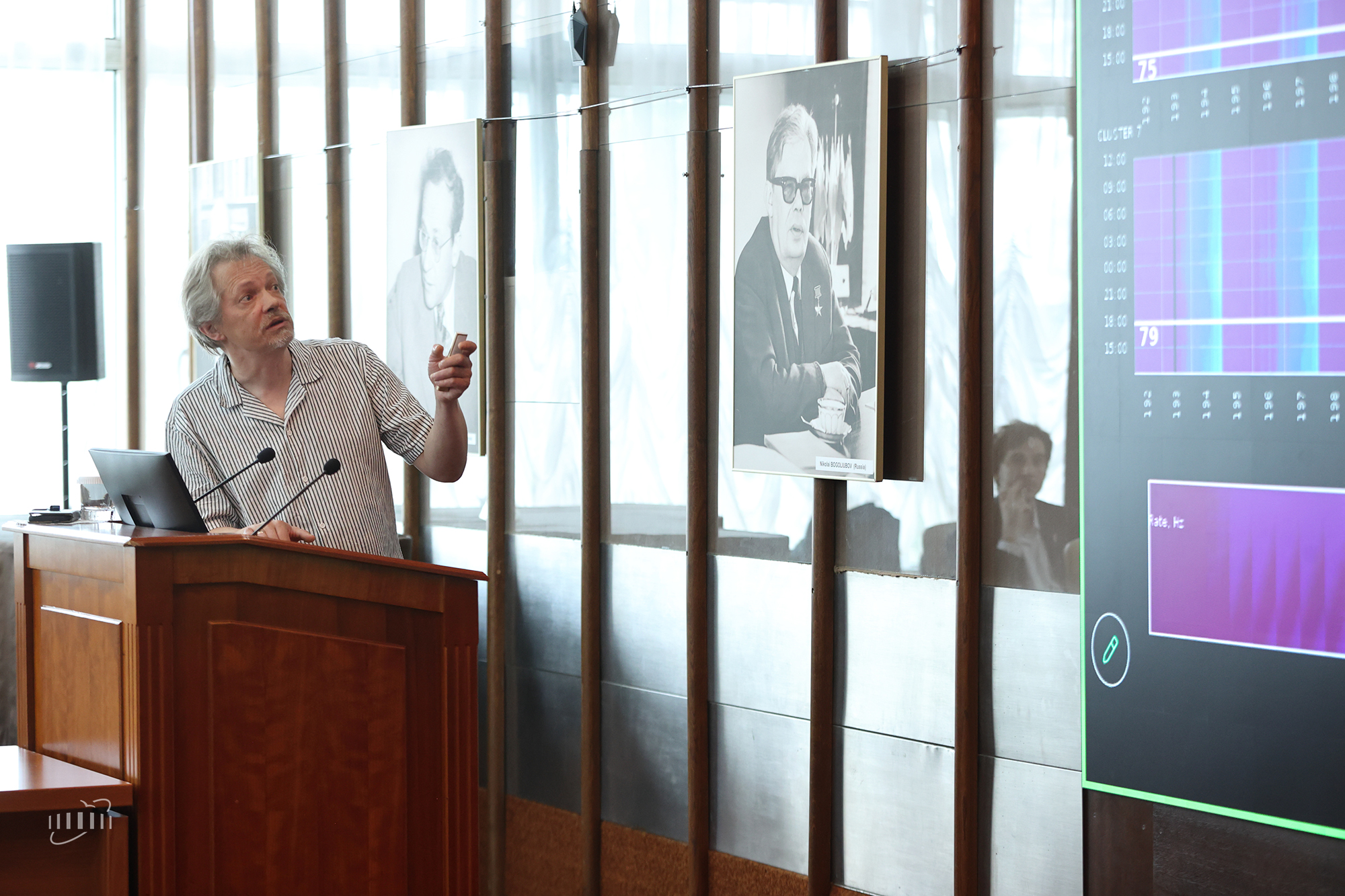
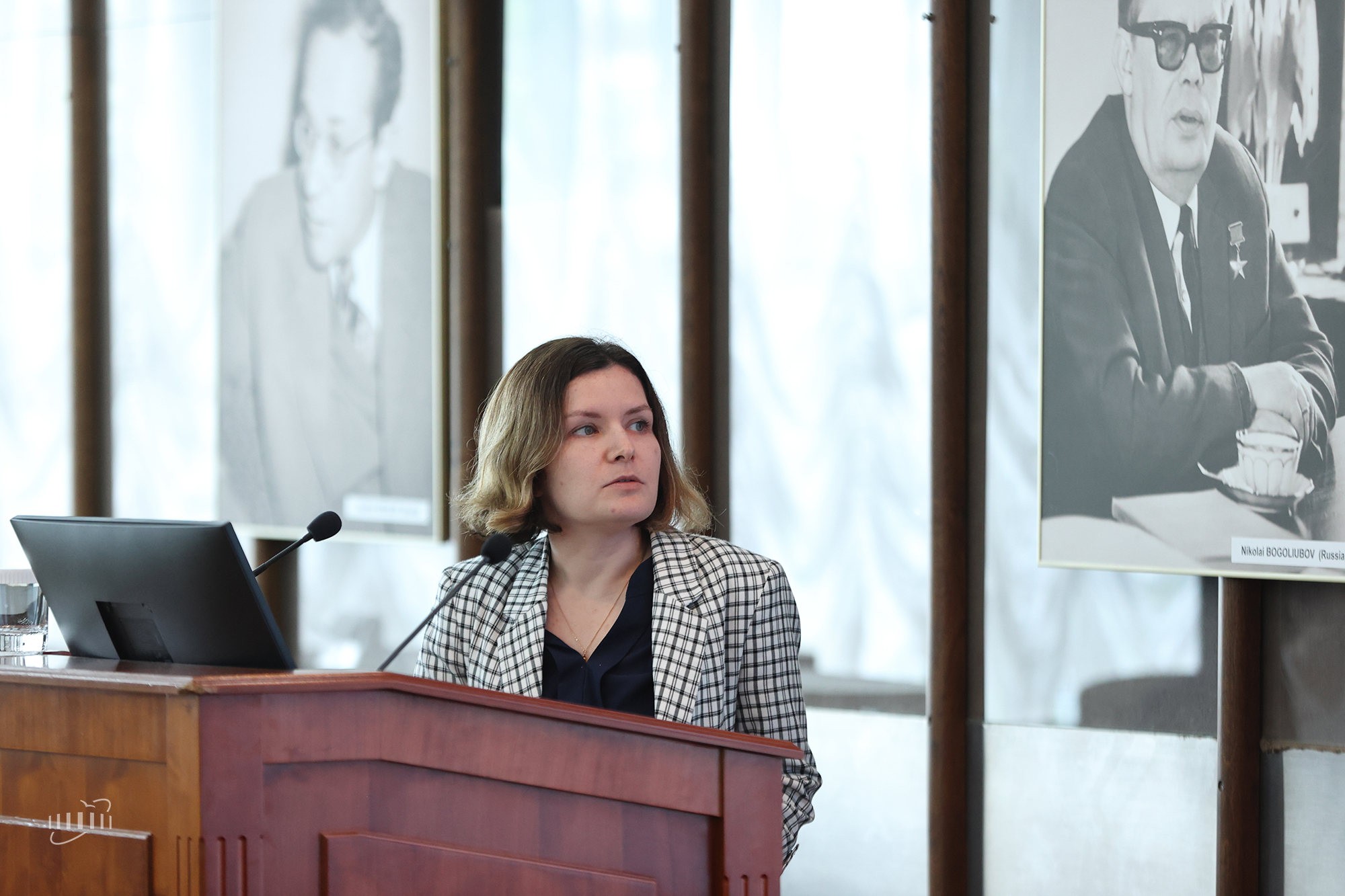
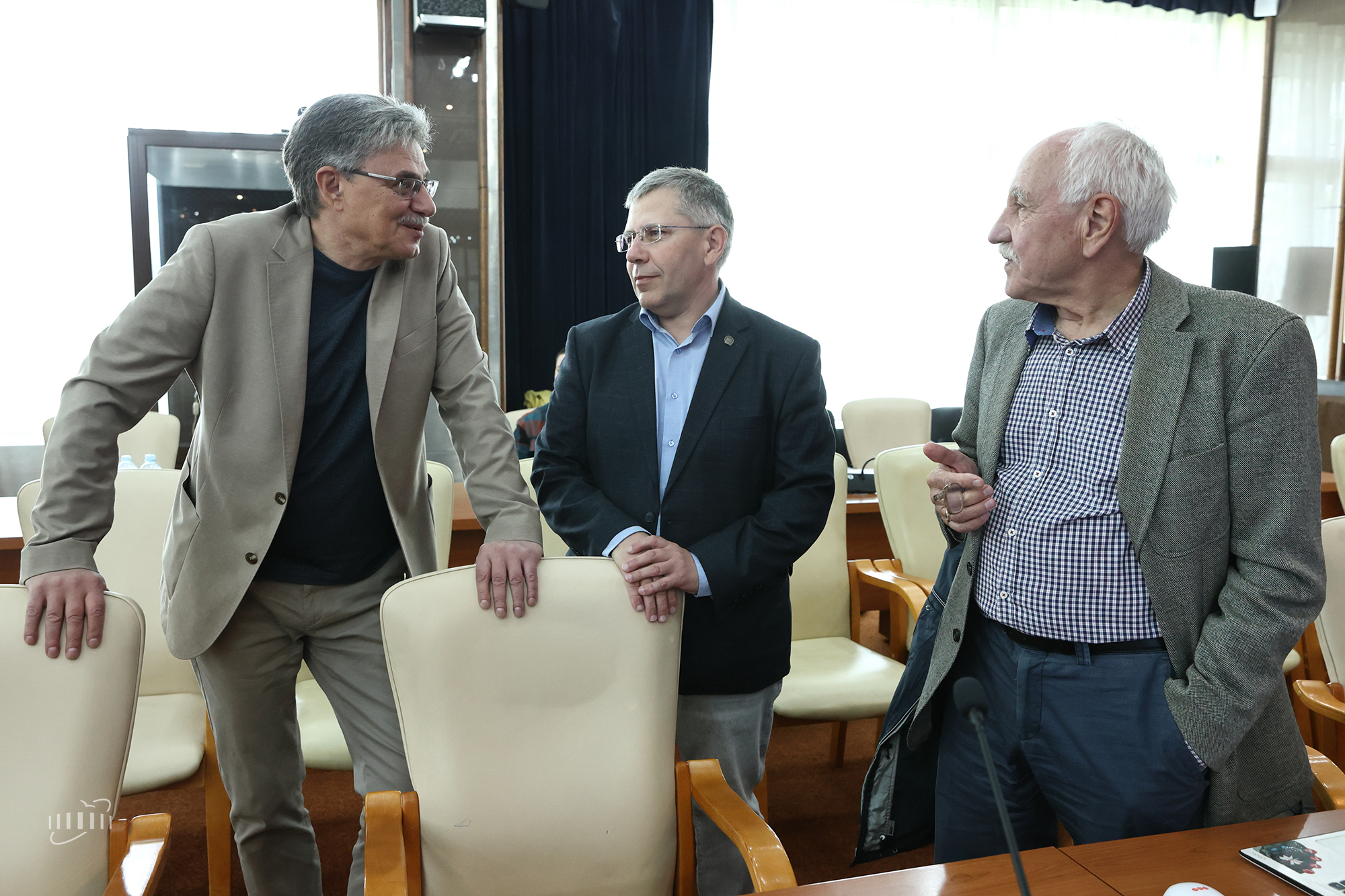
At the opening of the event, Collaboration Spokesperson, Head of the High Energy Neutrino Astrophysics Laboratory at the Institute for Nuclear Research of the Russian Academy of Sciences (INR RAS) Jan-Arys Dzhilkibaev gave a welcome speech. He highlighted the successful completion of the 2026 winter expedition and one of its key results – the installation of two new clusters of the Baikal Neutrino Telescope. The Baikal-GVD Project Spokespserson noted significant progress in the development of a new-generation telescope, HUNT – an initiative now supported by the Russian Academy of Sciences and Russia’s Ministry of Science and Higher Education.
In his welcome speech, Director of the Laboratory of Nuclear Problems at JINR Evgeny Yakushev pointed out that 2026 is a symbolic year: the 70th anniversary of the Joint Institute coincides with the anniversary of neutrino’s experimental discovery. He emphasised that JINR plays a key role in the world in research into this particle’s properties, which paves the way to styding the Universe. In regard to Baikal-GVD, the DLNP JINR Director noted that the facility can equally compete with the world’s best neutrino research projects.
“We are tackling a great task together”, Evgeny Yakushev addressed the meeting participants. “The Baikal Neutrino Telescope has truly enormous development potential. Our main goal is to achieve outstanding results and impart them to humanity as quickly as possible”.
A DLNP JINR senior researcher Bair Shaibonov delivered outlined the programme of the meeting’s first session, dedicated to the detector’s operation and data processing. A DLNP JINR researcher Evgeny Pliskovsky provided an update on the Baikal-GVD Project: the facility’s upgraded configuration and progress in working with data.
More than 50 specialists are taking part in the meeting. The five-day programme will include 40 scientific talks on a wide variety of topics, with a focus on the latest results of the winter expedition, data analysis, modelling program updates, and the collaboration’s plans.
Background information
The Baikal Neutrino Telescope (Baikal-GVD) is a neutrino detector located in Lake Baikal at a distance of 3.6 km from the shore and a depth of about 1300 m. It is the largest neutrino telescope in the Northern Hemisphere and the second largest in the world.
This unique scientific facility is an important tool for multi-channel astronomy, a new method of exploring the universe. Baikal-GVD is one of the three operating large-scale neutrino telescopes in the world. Along with IceCube at the South Pole and KM3NeT in the Mediterranean Sea, it is part of the Global Neutrino Network.
The telescope is designed for the detection and study of ultrahigh-energy neutrino fluxes from astrophysical sources. Using it, scientists are going to study not only processes with huge energy release that happened in the distant past, but also galaxy evolution, formation of supermassive black holes, and particle acceleration mechanisms.
Baikal–GVD is being constructed by an international collaboration with a leading role of the RAS Institute for Nuclear Research and the Joint Institute for Nuclear Research. In total, more than 70 scientists and engineers from nine research centres of Russia, Kazakhstan, Slovakia, and the Czech Republic are participating in the project.