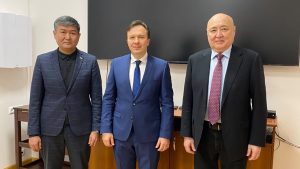
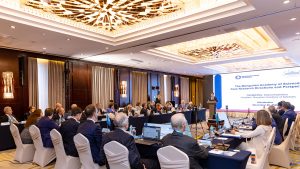
On 29 September 2026, a round table discussion titled “Artificial intelligence in science and industry: opportunities and challenges” took place at the National Academy of Sciences of the Republic of Armenia (NAS RA). This key event of the Day of the Joint Institute for Nuclear Research in Armenia brought together invited experts from the academic community, research institutes, the IT sector, and industry.
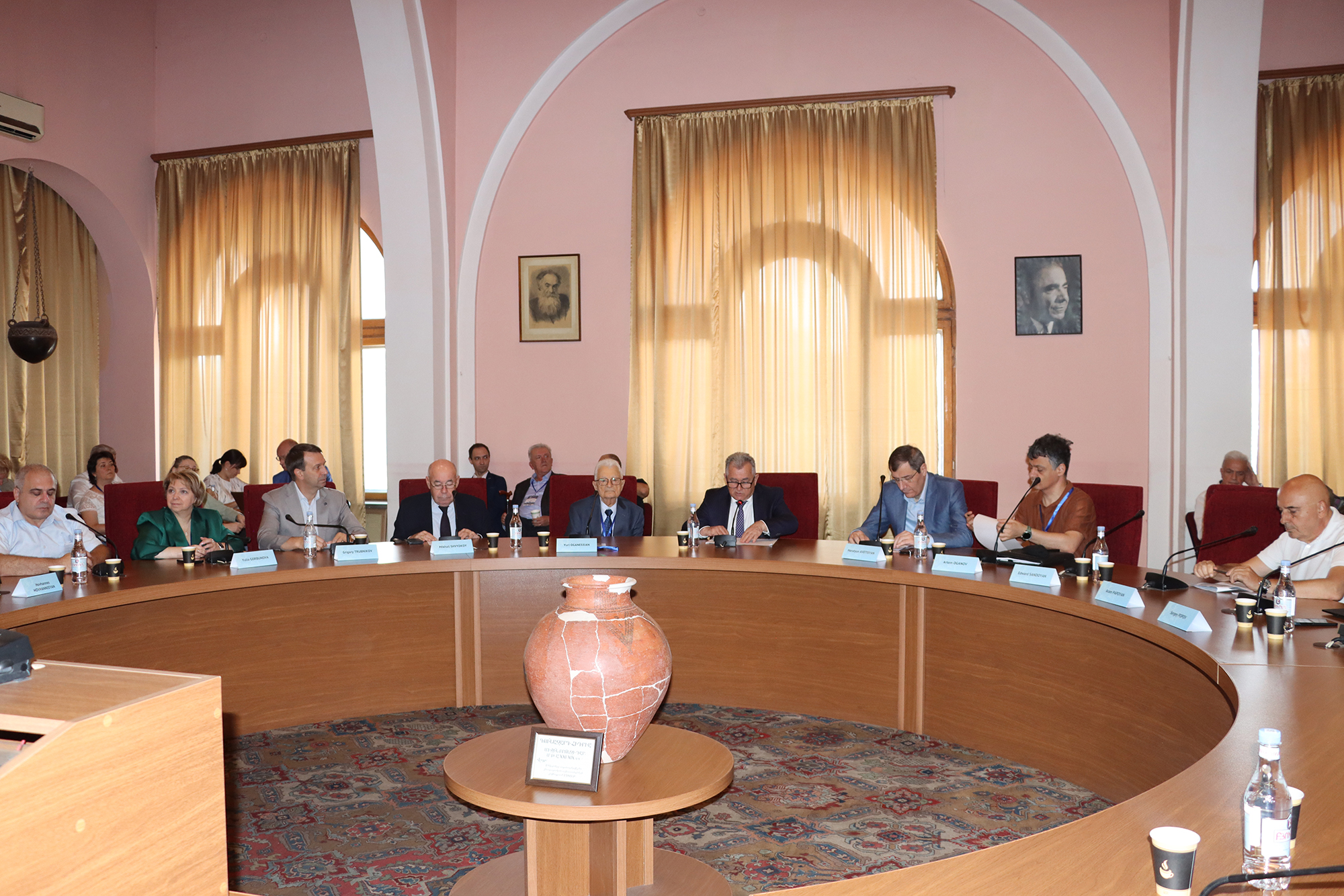
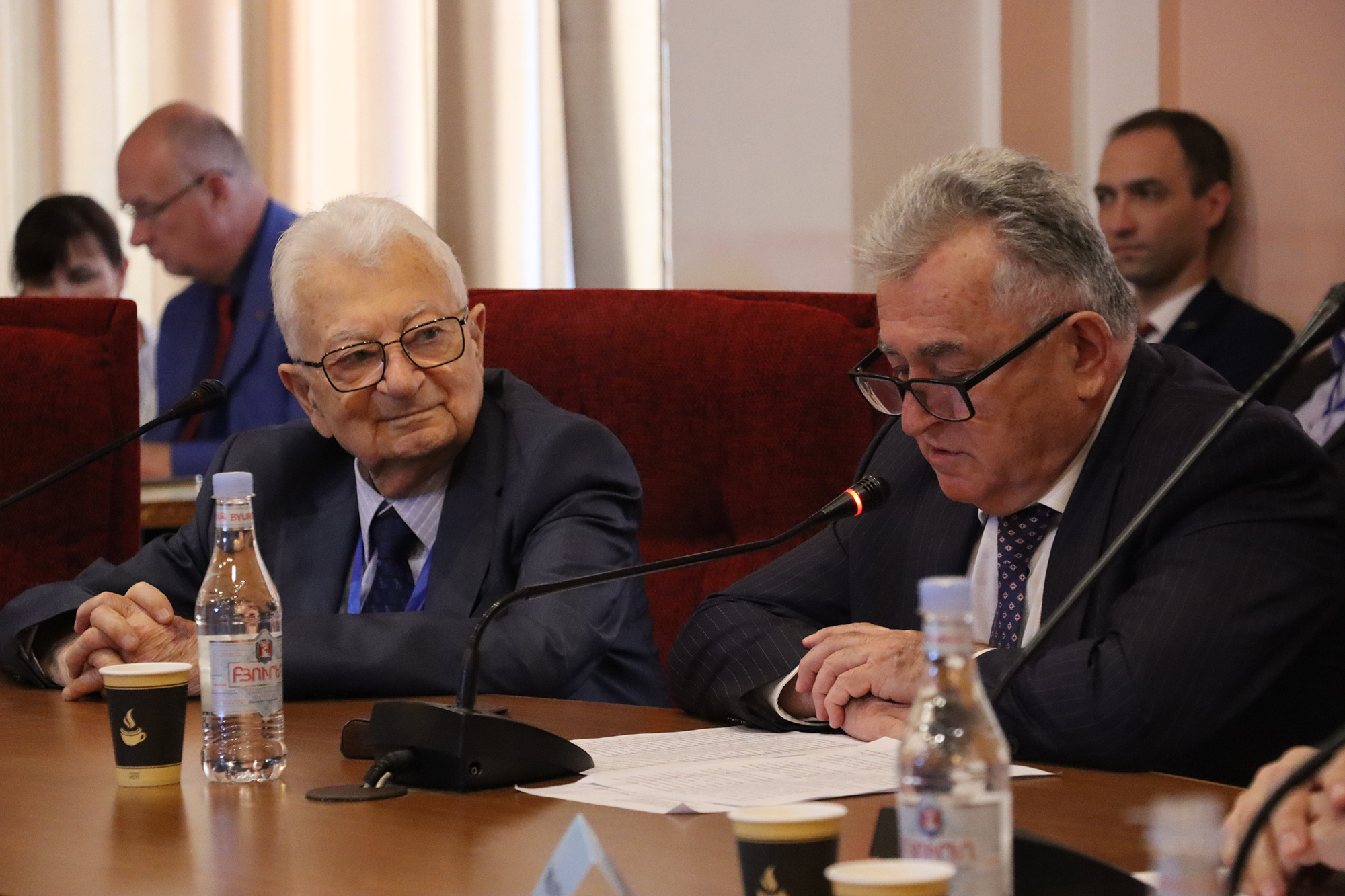
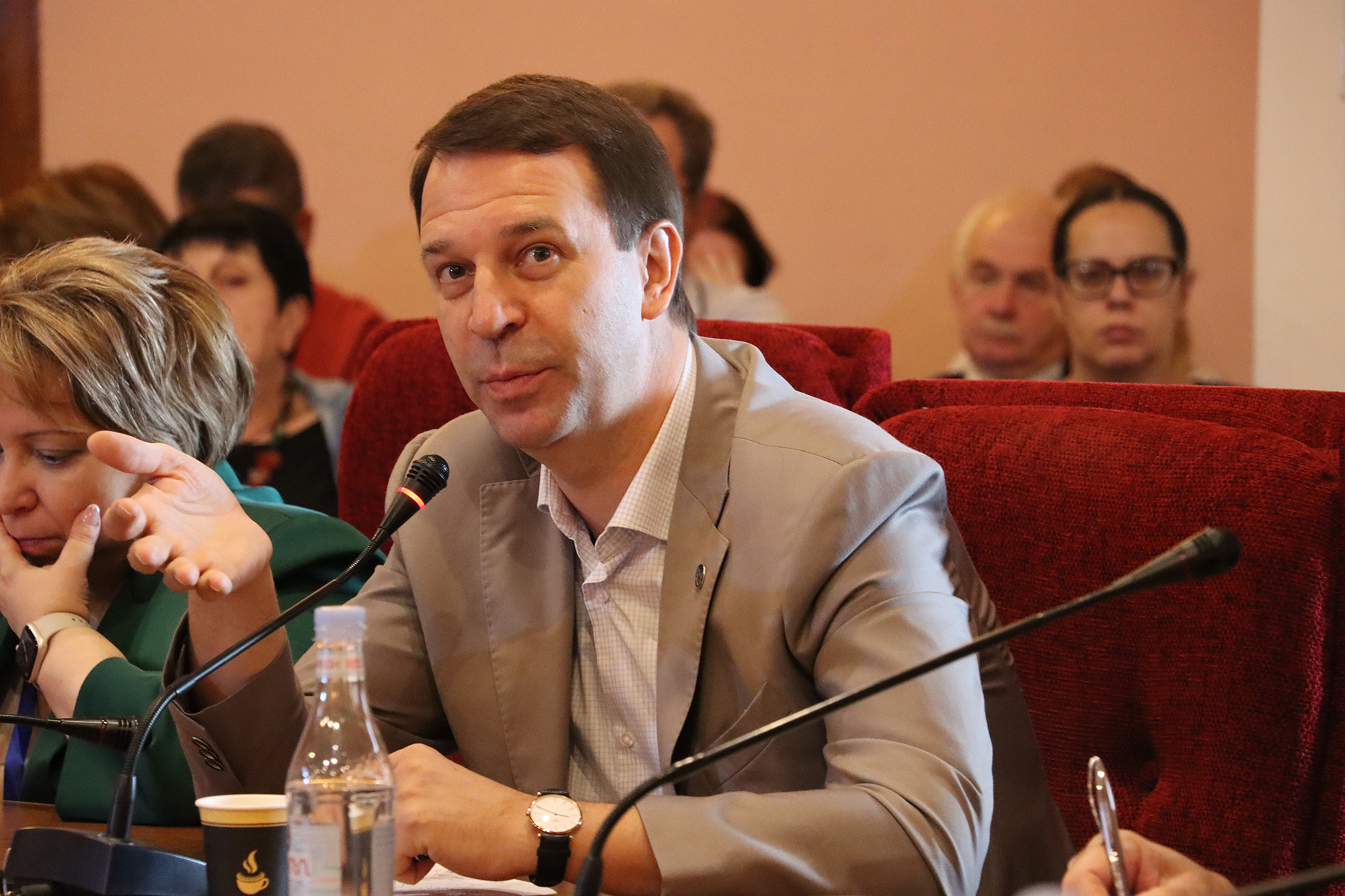
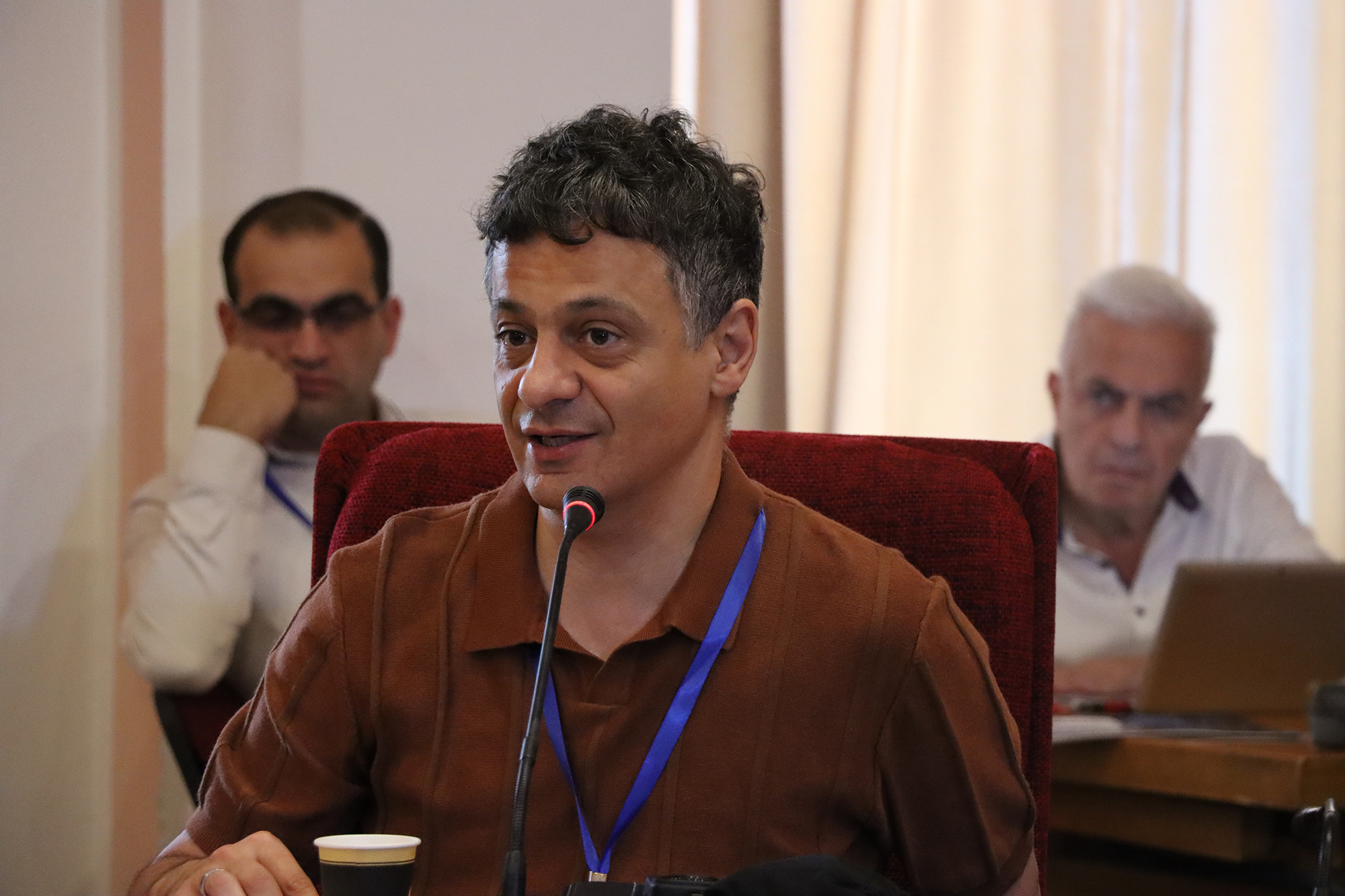
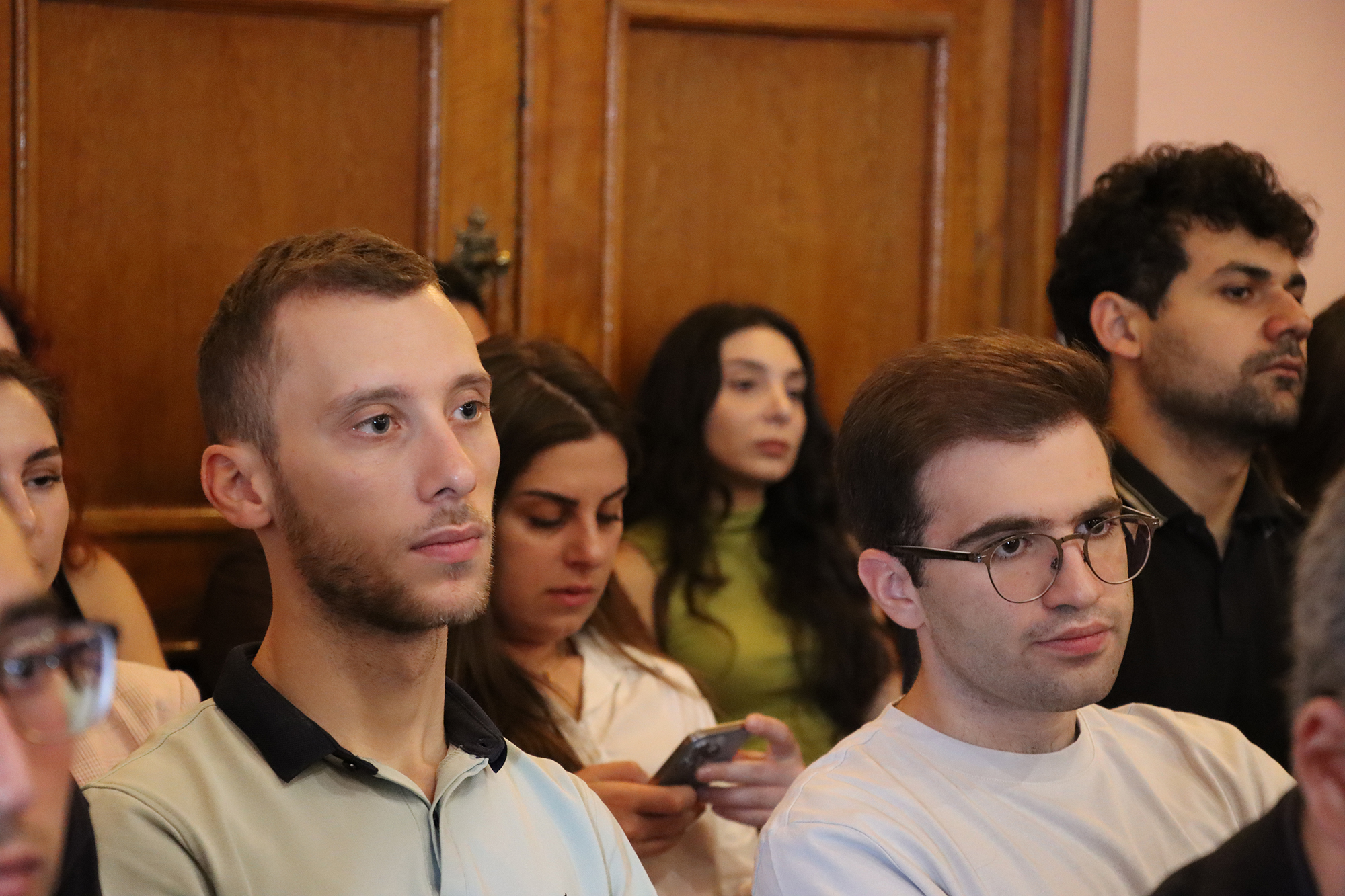
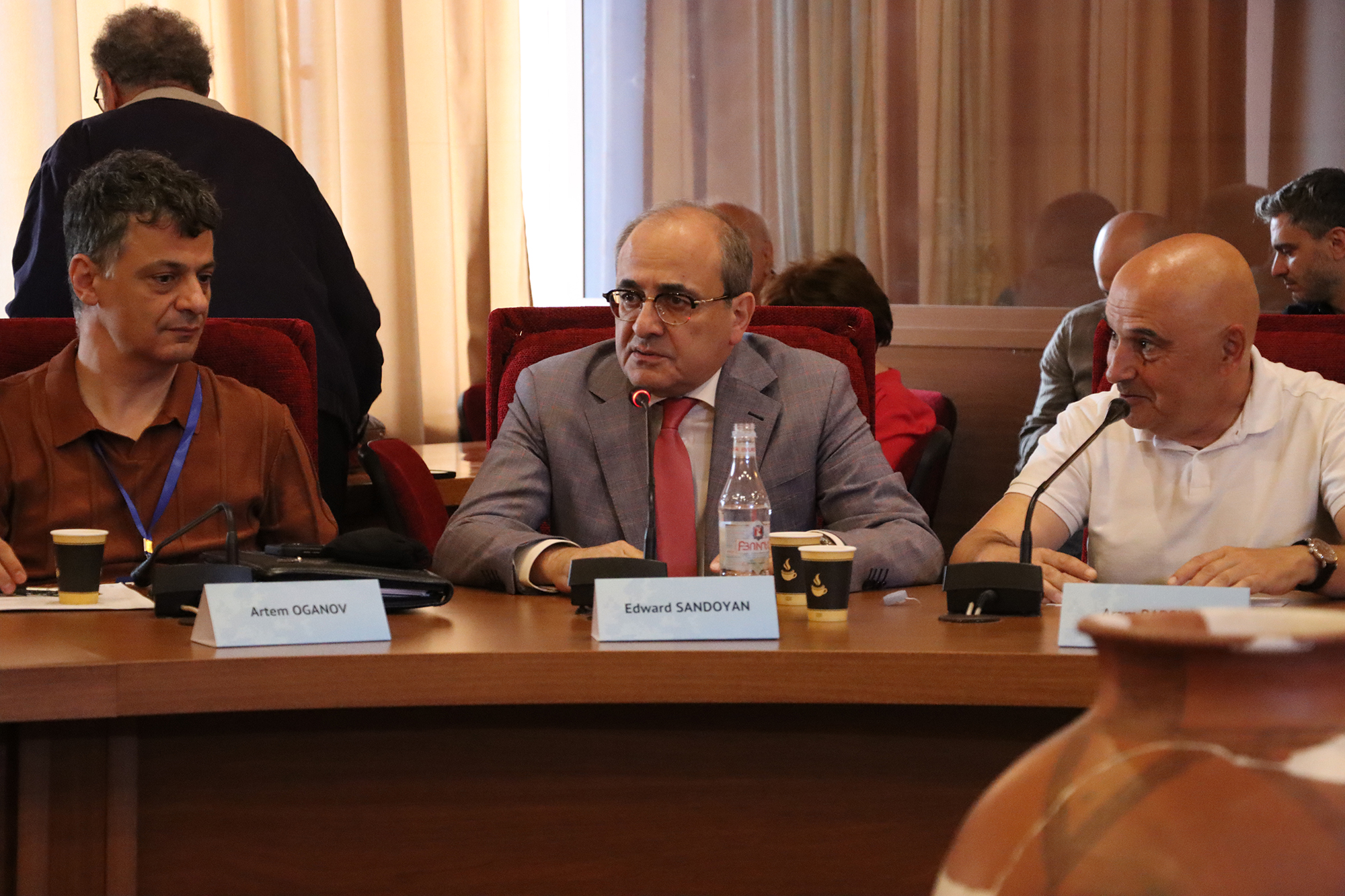
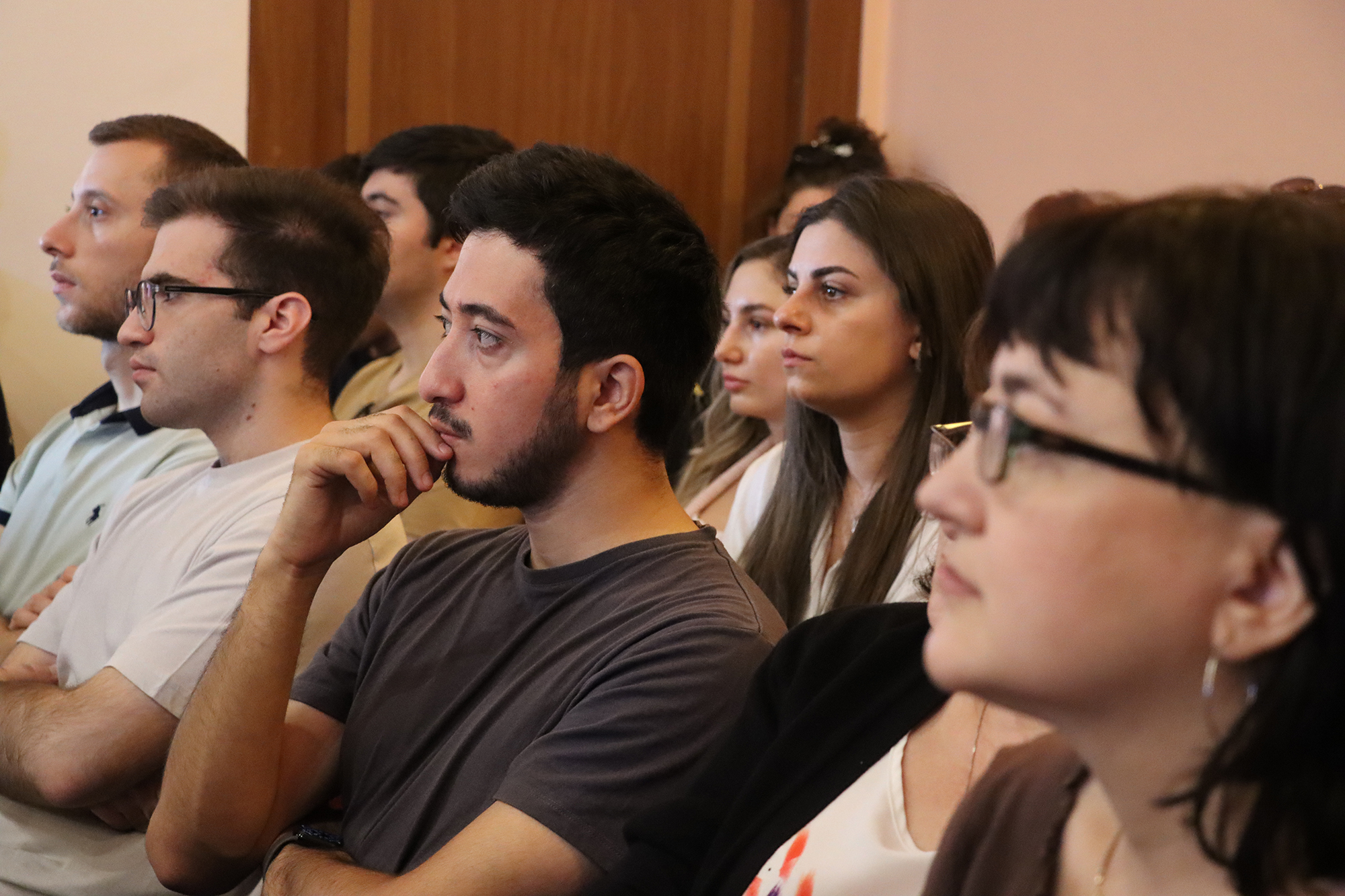
The idea for a discussion on artificial intelligence came from the Scientific Leader of the Laboratory of Nuclear Reactions at JINR, Academician of the Russian Academy of Sciences (RAS) Yuri Oganessian, who, opening the event, proposed to talk not only about the scientific but also about the cultural aspects of AI implementation in everyday life.
JINR Director, RAS Academician Grigory Trubnikov noted that it was not by chance that the Joint Institute took the initiative to hold the event. JINR is an international scientific centre which celebrated its 70th anniversary this year and employs citizens from 37 countries. Over these years, many young researchers, arriving at JINR as trainees, have become outstanding scientists and science organisers, creators of unique scientific facilities, experiments, and projects. 70 years of successful work by such an international community is also a form of intelligence in aggregate, just not artificial, but natural. “Such an international “broth” gives rise to new knowledge and contributes to culture”, Grigory Trubnikov emphasised.
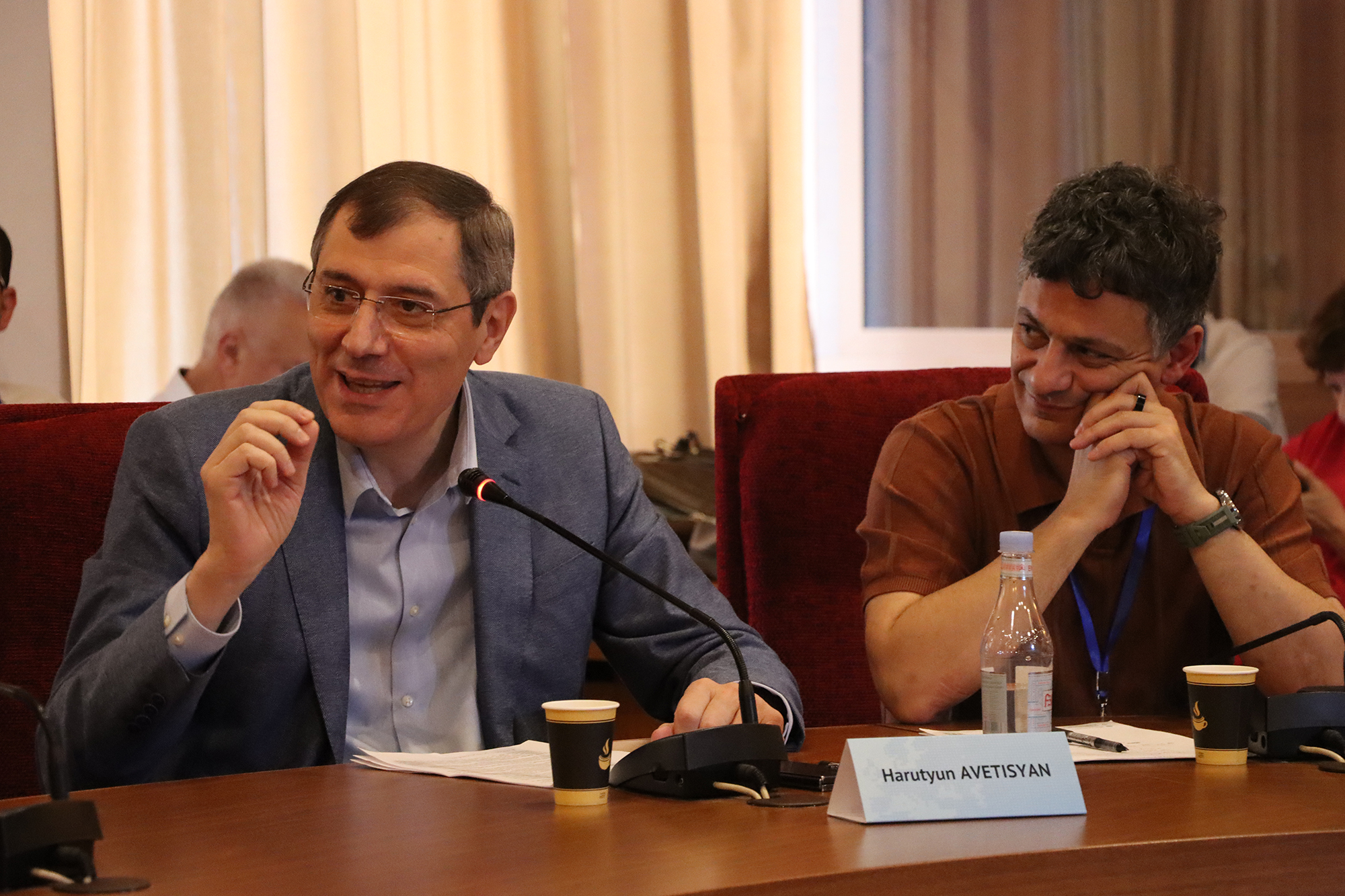
The round table was moderated by the Director of the RAS Institute for System Programming, RAS Academician Arutyun Avetisyan, one of the leading specialists in Russia and the world in the field of trusted artificial intelligence.
During the discussion, the impact of artificial intelligence on scientific discoveries and the new opportunities arising at the intersection of fundamental science, artificial intelligence, scientific computing, and industry became the subject of detailed discussion. The participants considered the interrelationship between human intelligence and artificial intelligence, discussed the role of computational and experimental infrastructure as well as the growing interaction between research institutions and industry in the development and application of AI technologies.
Particular attention was paid to the opportunities and challenges of AI-based innovation, including the potential for closer collaboration between science and industry, and the role of AI in accelerating the transition from scientific knowledge to technological and industrial applications.
The speakers emphasised the impact of artificial intelligence on society, science, and education, noting that it has both positive and negative aspects. AI is increasingly changing scientific research methods, from complex data analysis in large-scale experiments and simulations to hypothesis generation, prediction of new phenomena, and optimisation of scientific experiments. Thus, machine learning plays a significant role in processing JINR experimental data.
The experts discussed the use of AI in trading and data analysis, in medicine and diagnostics as well as its impact on the creation of modern works of art and the blurring of national culture and identity boundaries.
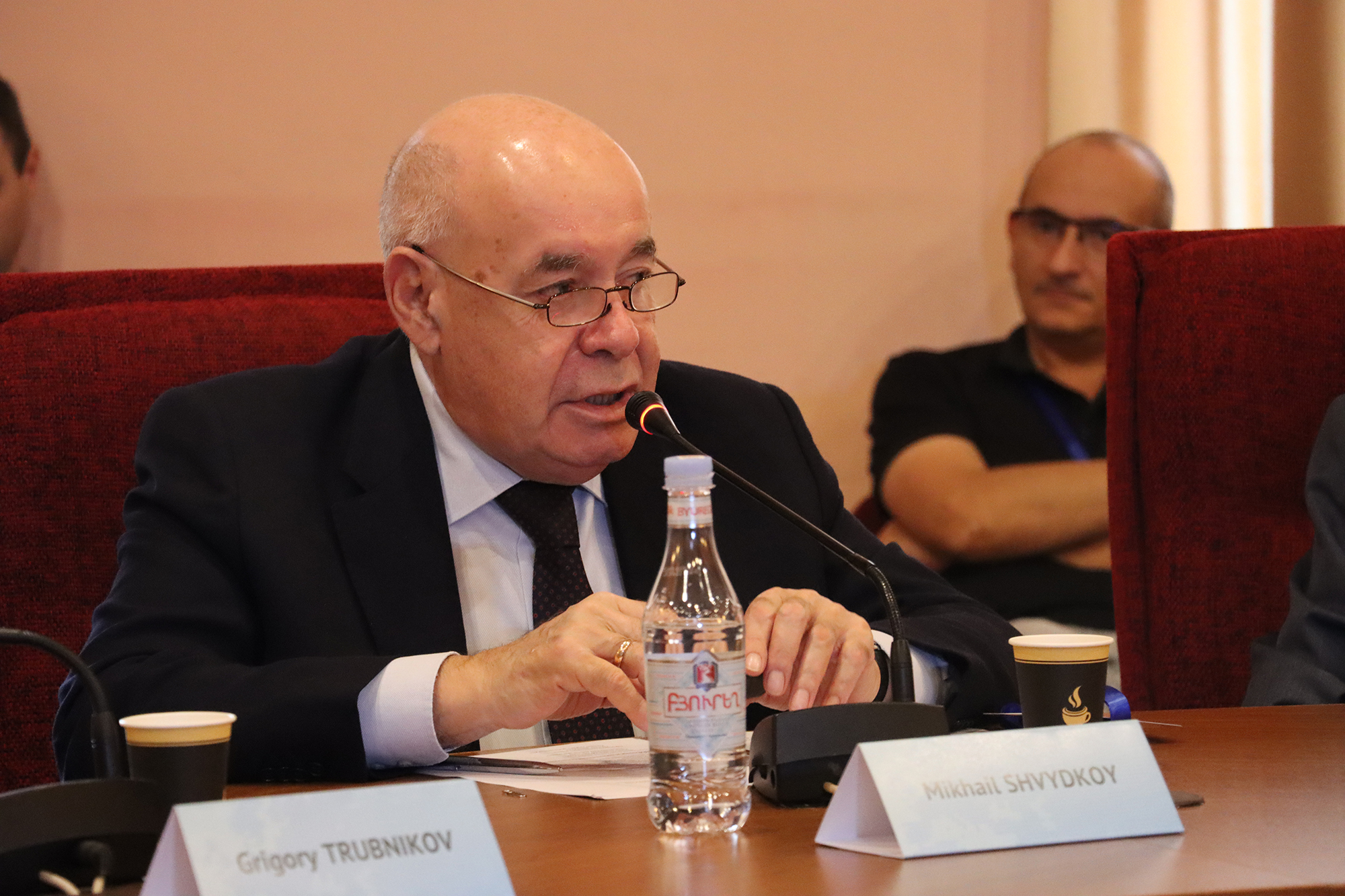
The Special Representative of the President of the Russian Federation for International Cultural Cooperation, host of the “Agora” programme on the “Kultura” TV channel Mikhail Shvydkoy emphasised that only people can truly engage in creative work today, as neural networks are incapable of irrational thinking and expressing their own emotions. “Artificial intelligence is developing in a completely different way than humans. When we say that it will replace us, it’s unlikely to happen. Creativity is a psychophysiological act, not an intellectual one. To be irrational for an artist, I think, is the most important thing. And, as long as artificial intelligence is not irrational, we have a chance”, Mikhail Shvydkoy concluded.
Head of the Laboratory of Materials Design at Skolkovo Institute of Science and Technology, SberUniversity Scientific Leader, RAS professor Artem Oganov elaborated on the topic of creativity, explaining how the widespread use of neural networks influences scientific research. Artificial intelligence simplified the process of solving scientific problems, and nowadays the focus in science is shifting to a more creative area – formulating these problems, the ability to ask the right question.
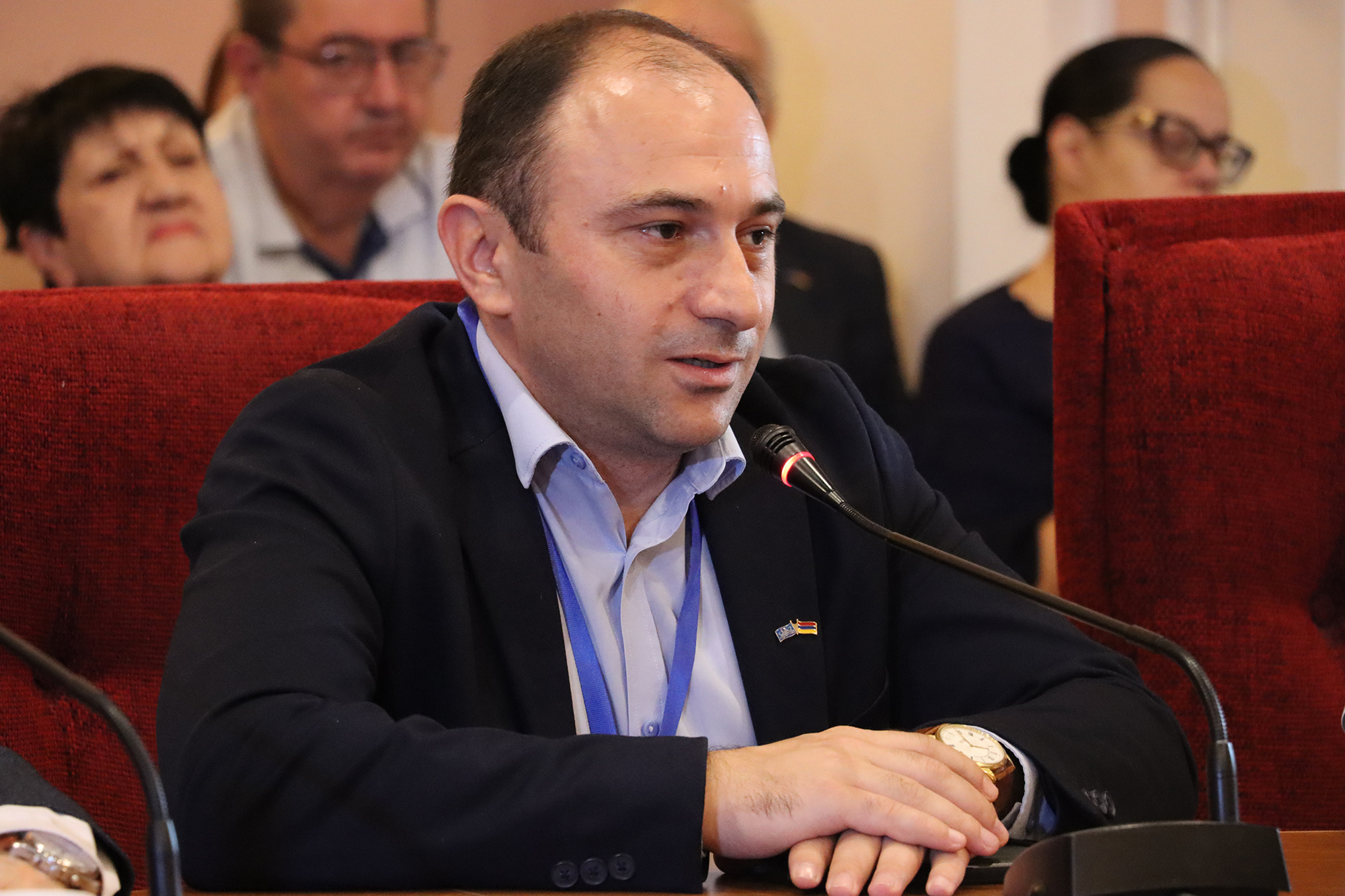
The implementation of AI not only opens up new opportunities but also leads to a change in the nature of work, and fundamentally impacts the educational process. The question arises of preserving critical thinking among AI users and it is necessary to develop new methods of education and professional training for this purpose, as noted by the Rector of Skolkovo Institute of Science and Technology, Acting Dean of the Faculty of Fundamental Physical and Chemical Engineering at Moscow State University, RAS Academician Yulia Gorbunova. The Rector of the Russian-Armenian University Edward Sandoyan announced that a Master’s programme related to the ethics of artificial intelligence is being developed at the RAU Faculty of Philosophy and Psychology. The training will focus on the cognitive analysis of moral challenges associated with the development of neural networks.
In conclusion to the event, the moderator, Academician Avetisyan, reiterated the necessity of international cooperation in creating trusted artificial intelligence solutions. With this approach, both large and small countries will have access to technologies and will be on an equal footing. At the same time, each country will independently determine which moral and ethical principles to apply in its internal practices – in medicine, in industry, and so on. Specialised regulations may be introduced. “However, we will have to operate in conditions where regulatory grey areas will be constantly tested and pressured”, Arutyun Avetisyan summarised.
The participants of the discussion also included the NAS RA President, NAS RA Academician Ashot Saghyan; NAS RA Vice-President, NAS RA Academician Aram Papoyan; Plenipotentiary of the Government of the Republic of Armenia to JINR, Deputy Chair of the Higher Education and Science Committee of the Ministry of Education, Science, Culture and Sport of the Republic of Armenia Artur Movsisyan; Scientific Leader of the Laboratory of Information Technologies at JINR Vladimir Korenkov; and MAI Vice-Rector for Digitalisation Sergey Popov.
Photographs provided by the press office of the National Academy of Sciences of the Republic of Armenia
Пресса