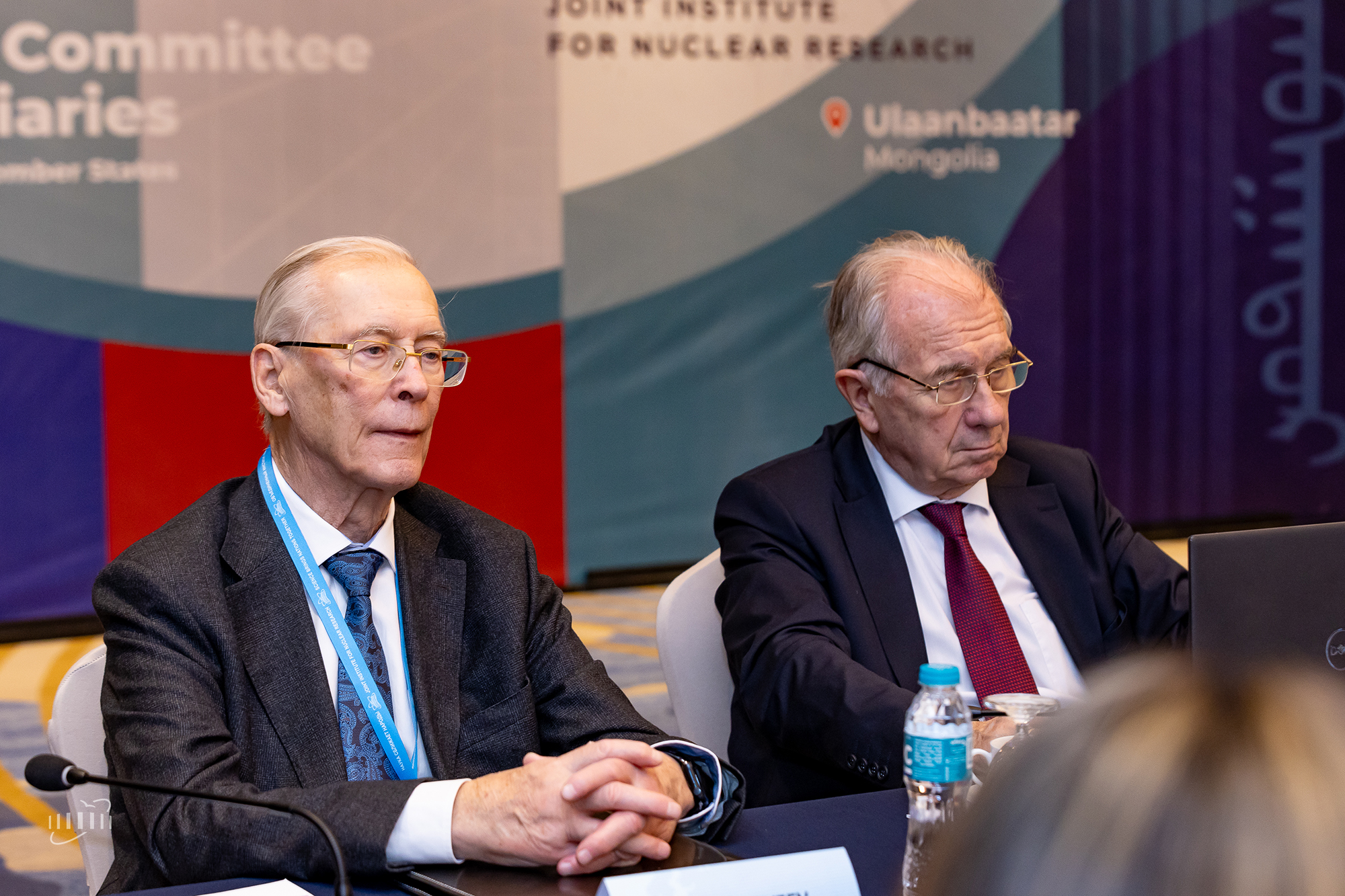
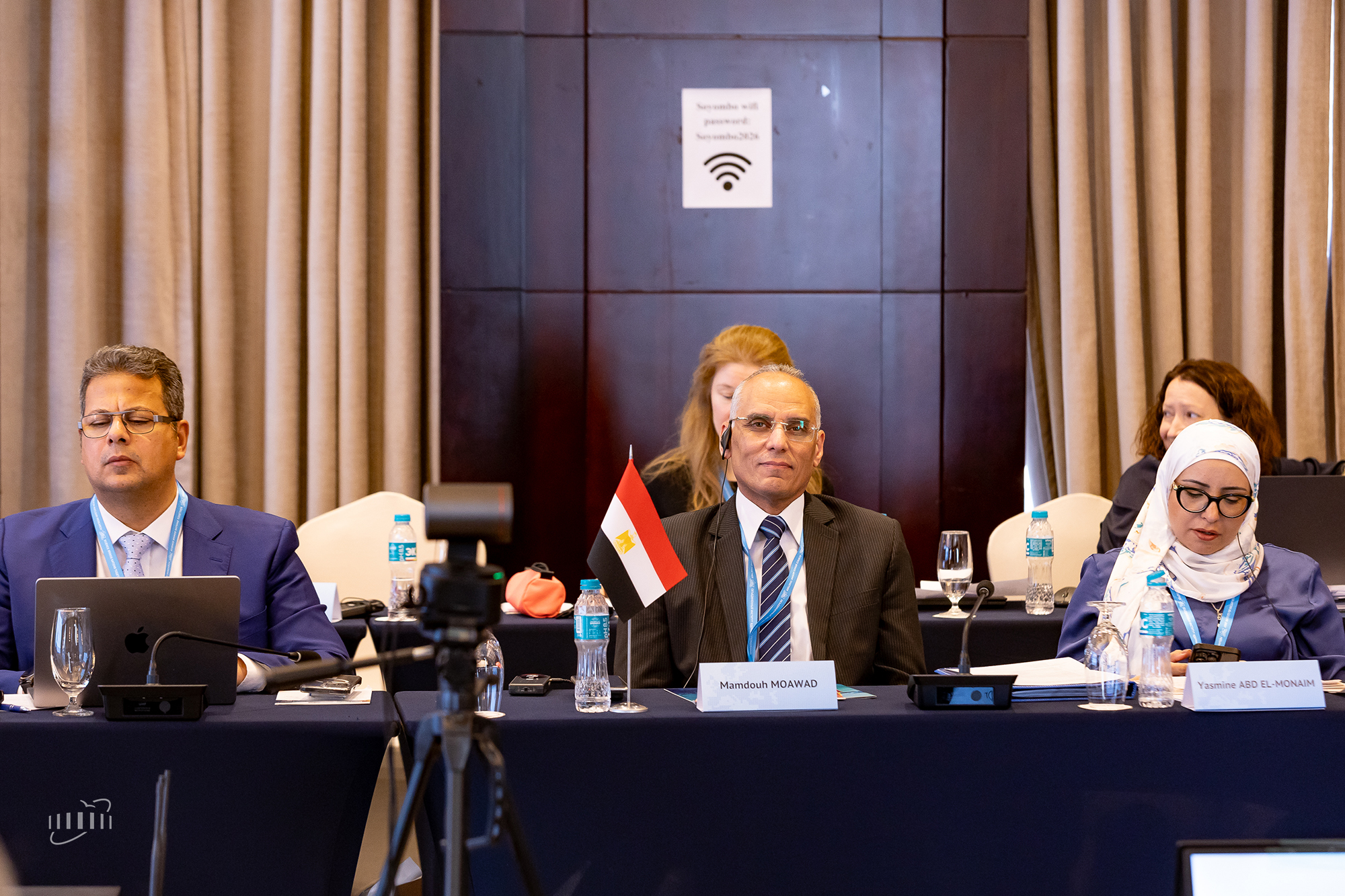
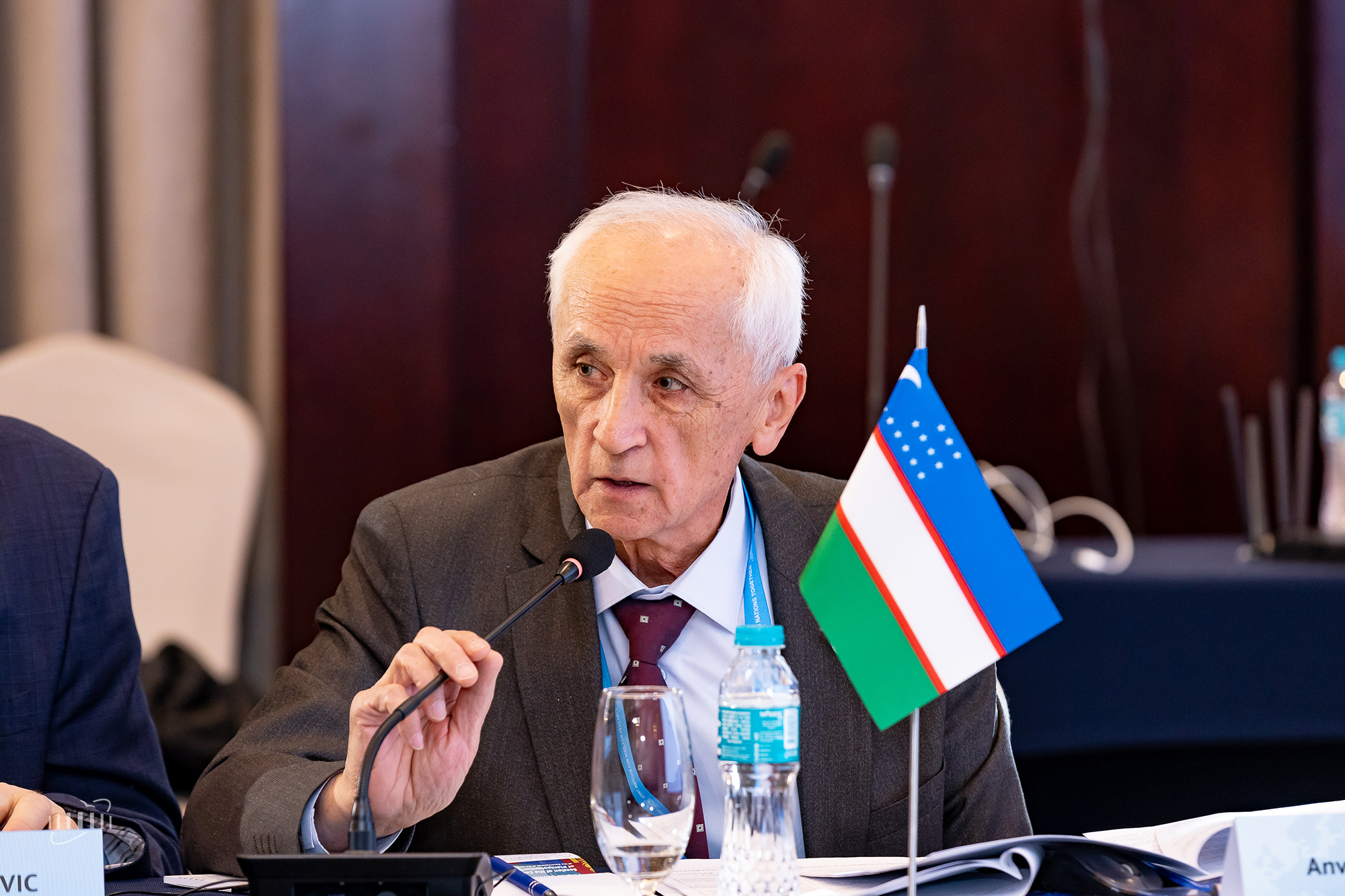
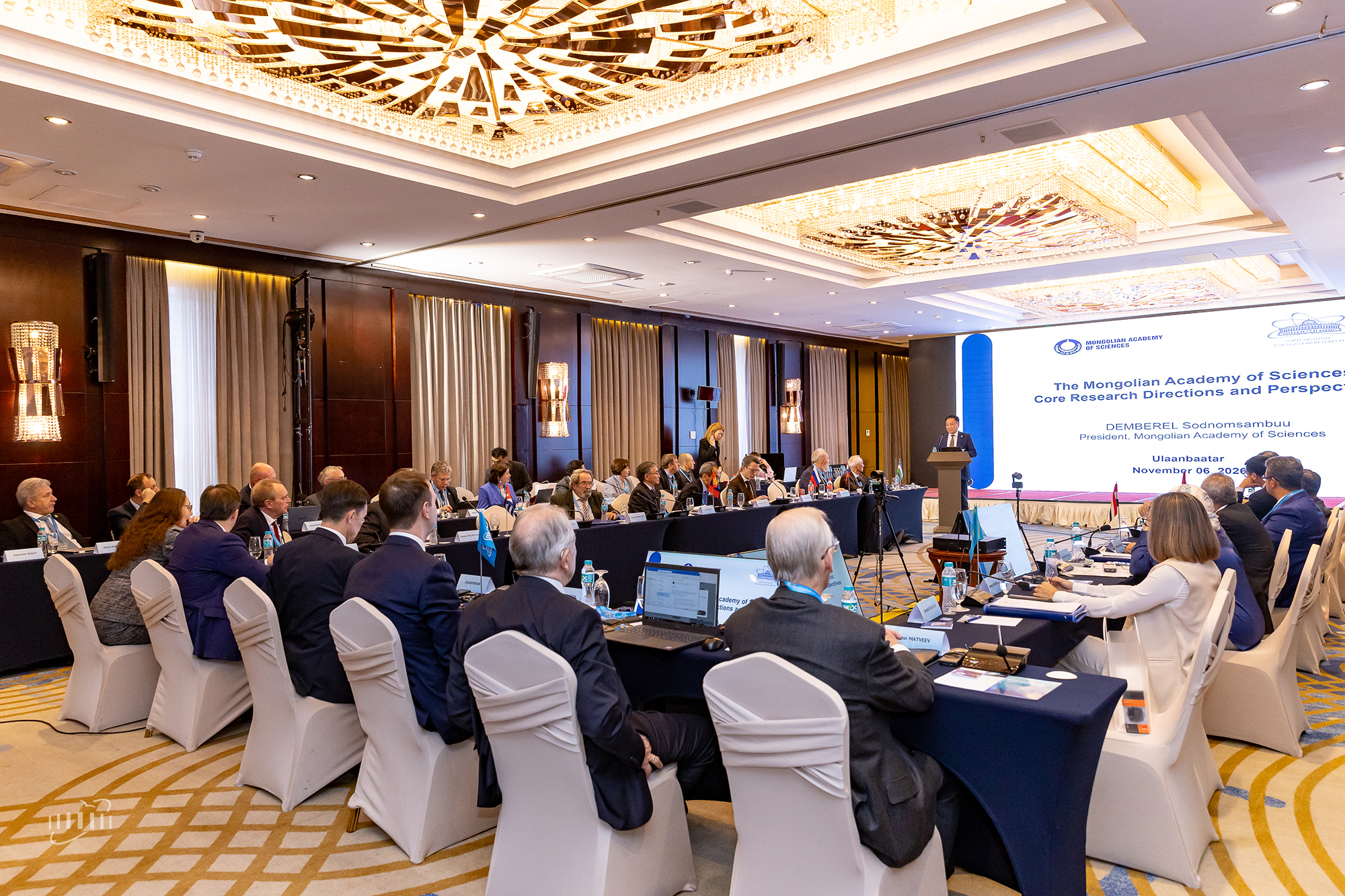
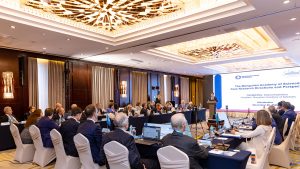
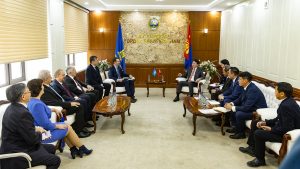
On 6 November 2026, a session of the Committee of Plenipotentiaries of the Governments of the Member States of the Joint Institute for Nuclear Research took place in the capital of Mongolia. JINR’s supreme Governing Body reviewed the Institute’s latest milestones, approved the 2027 Topical Plan and budget as well as considered proposals for updating the Charter of JINR – an international intergovernmental organization.
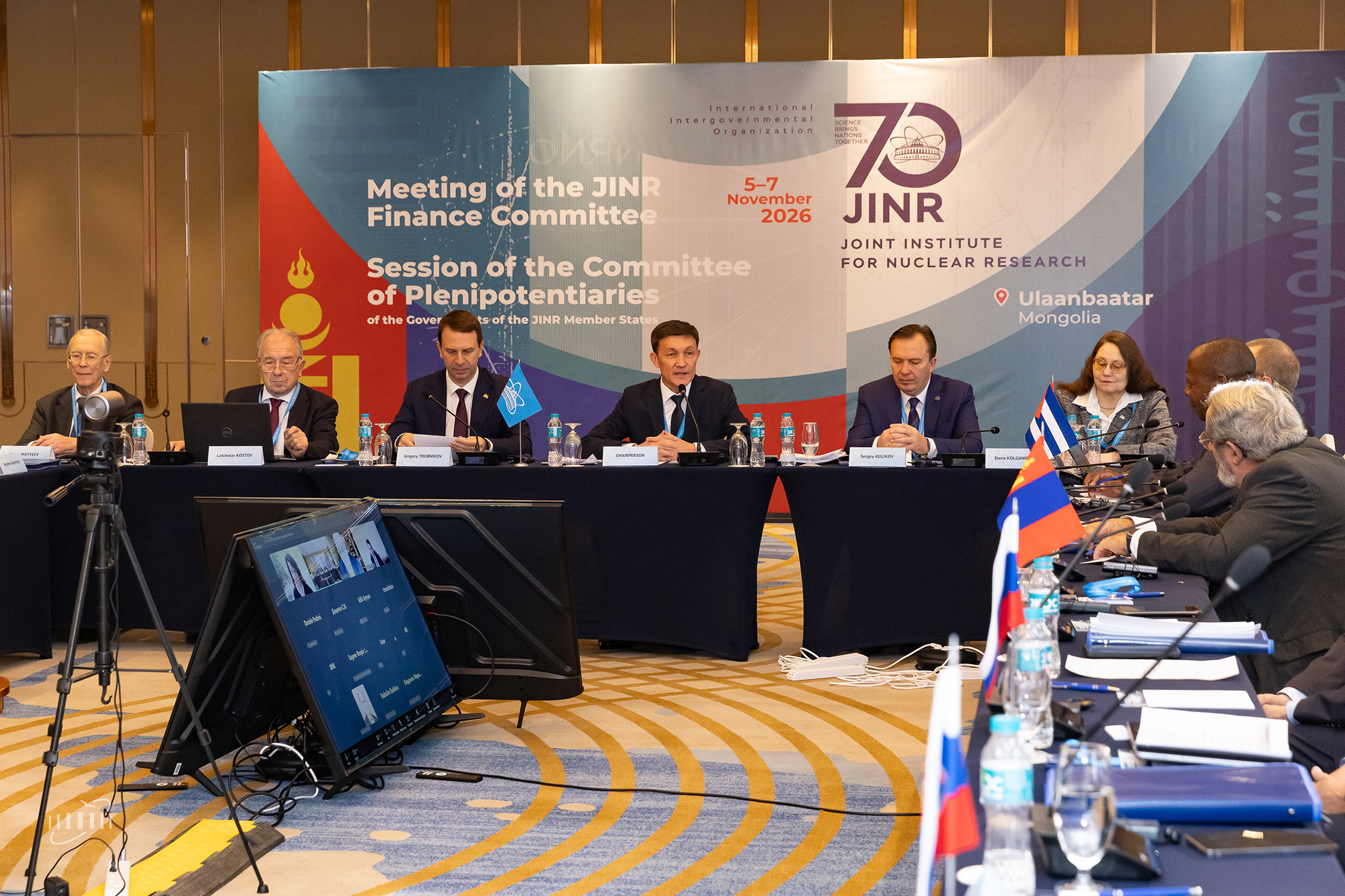 Session of the JINR Committee of Plenipotentiaries
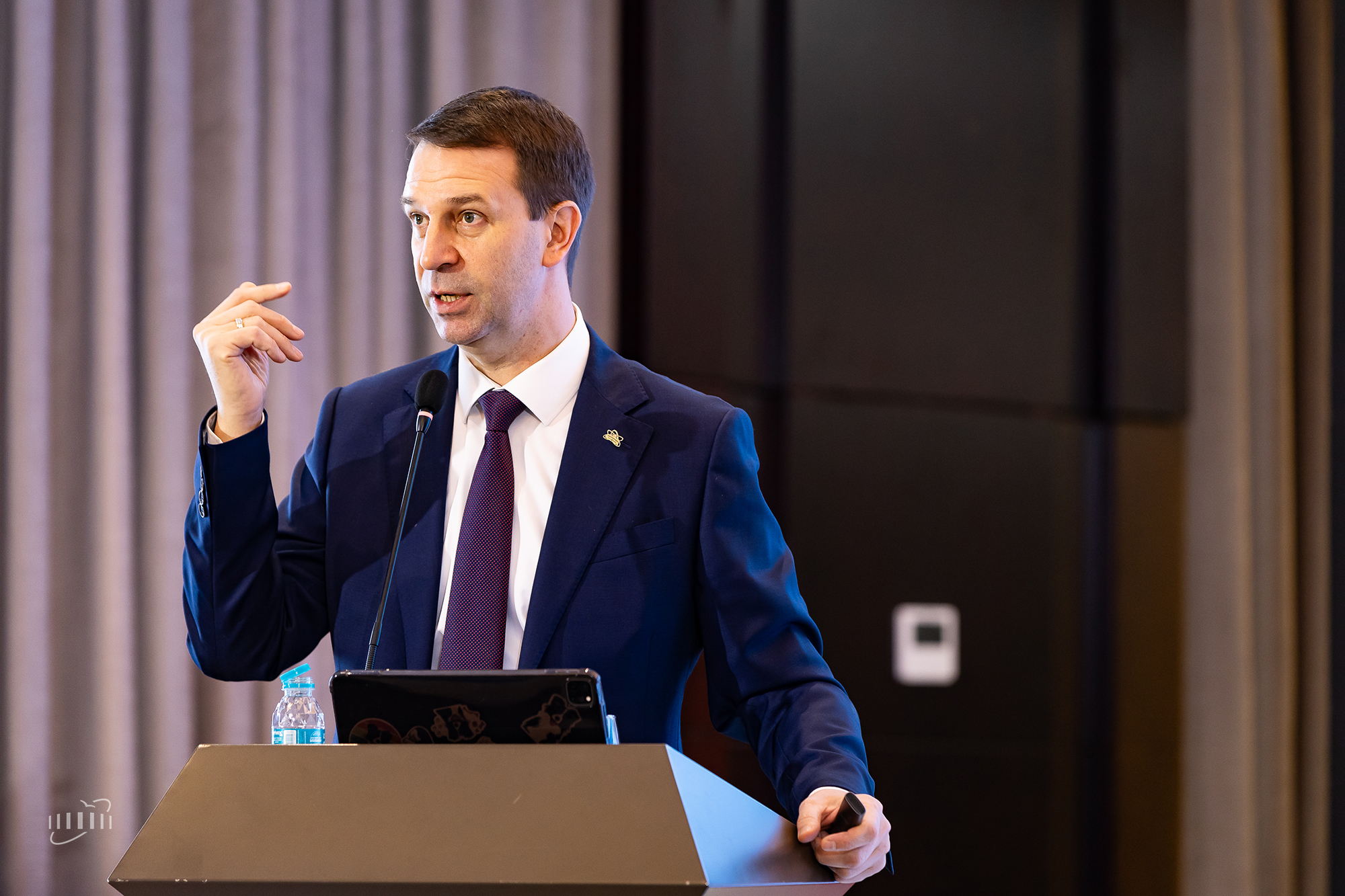
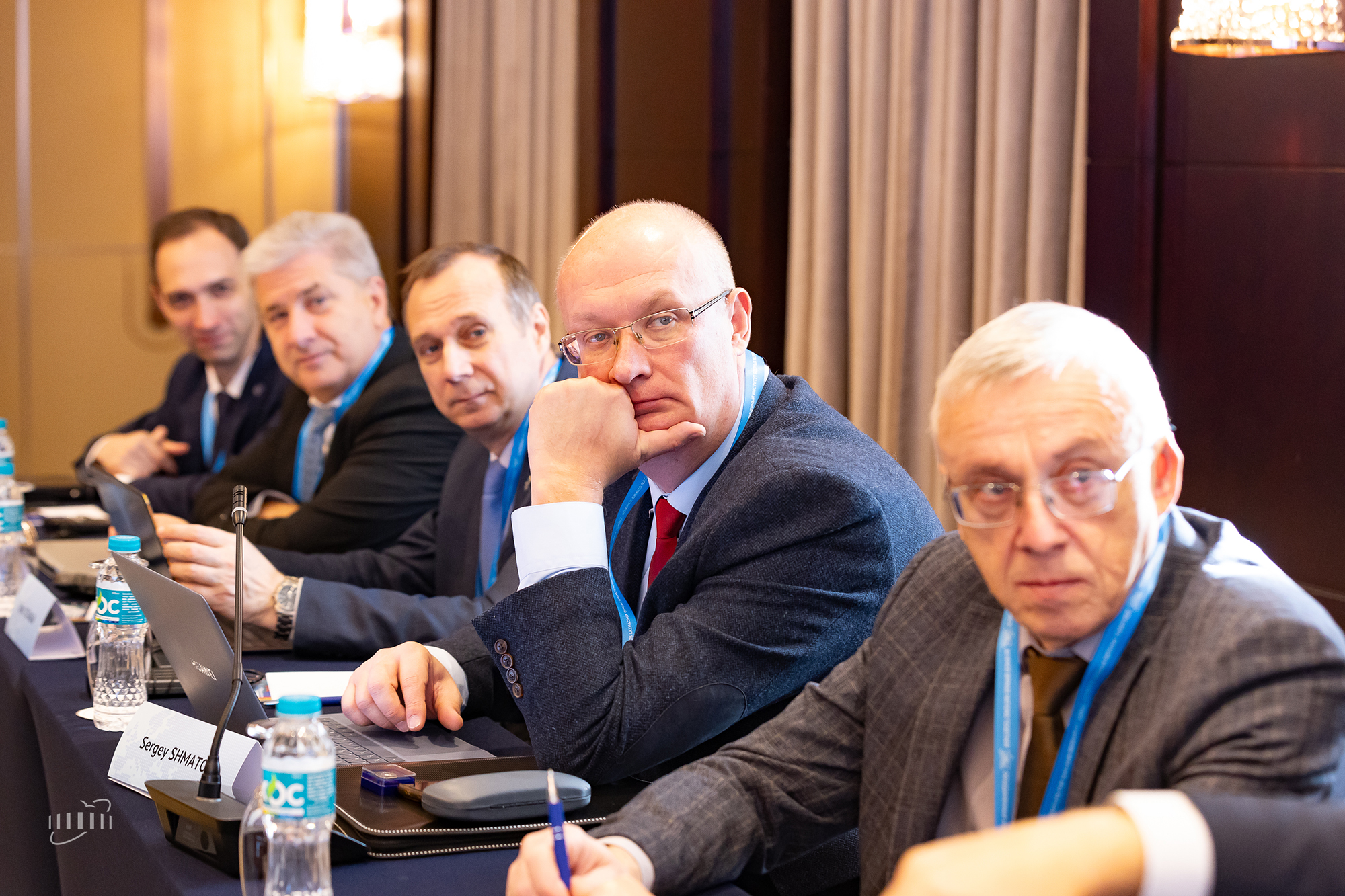
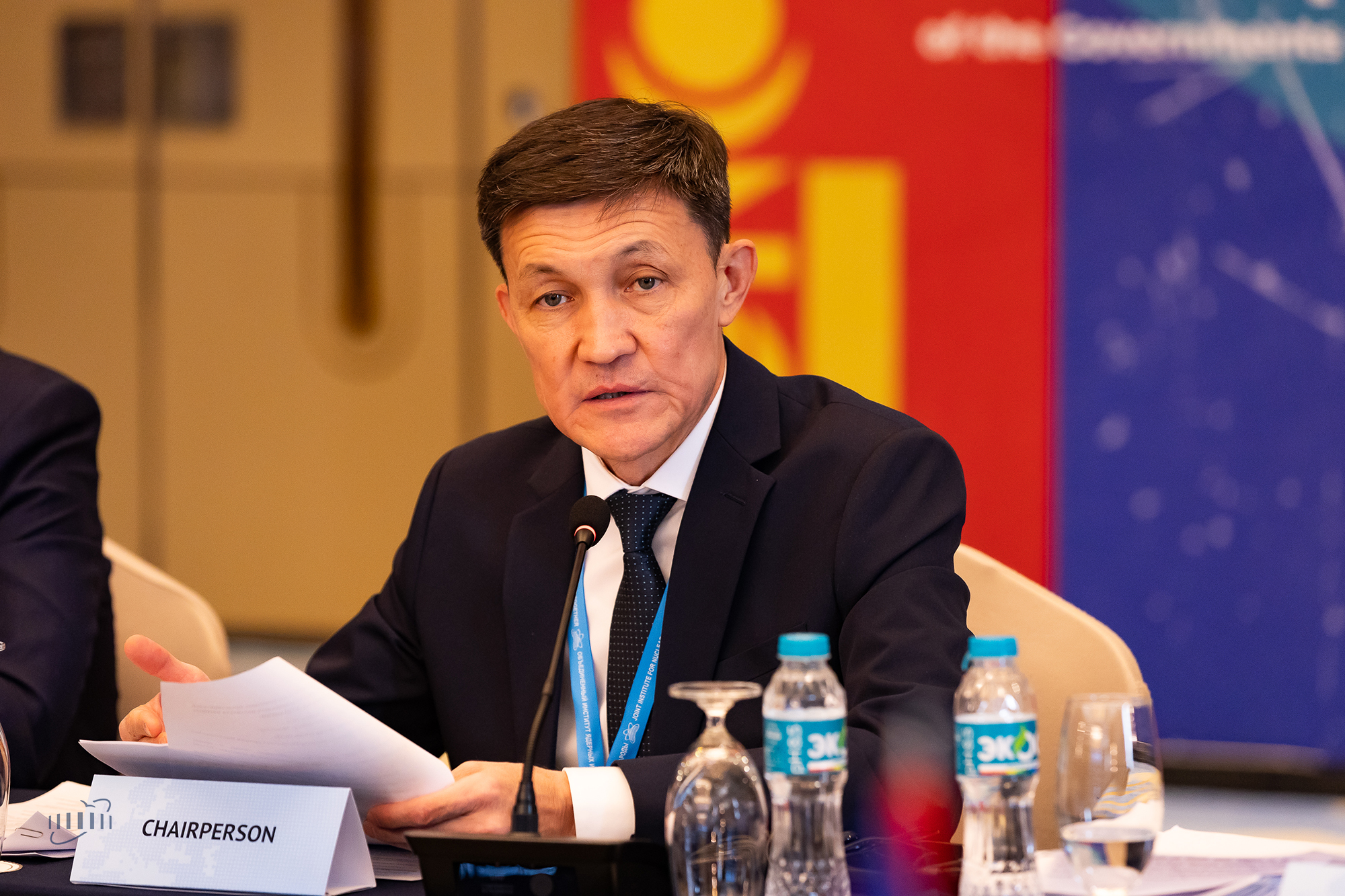
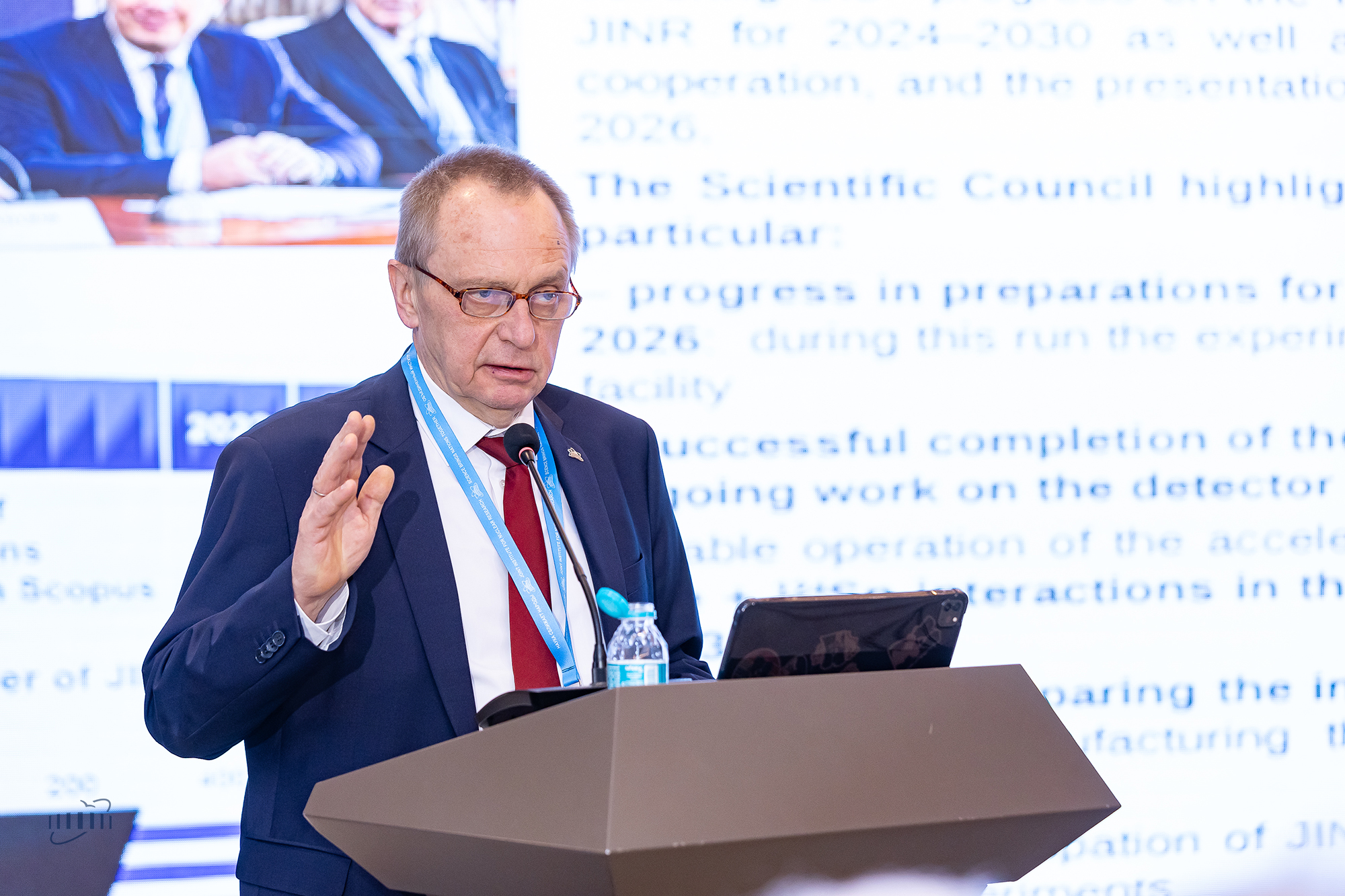
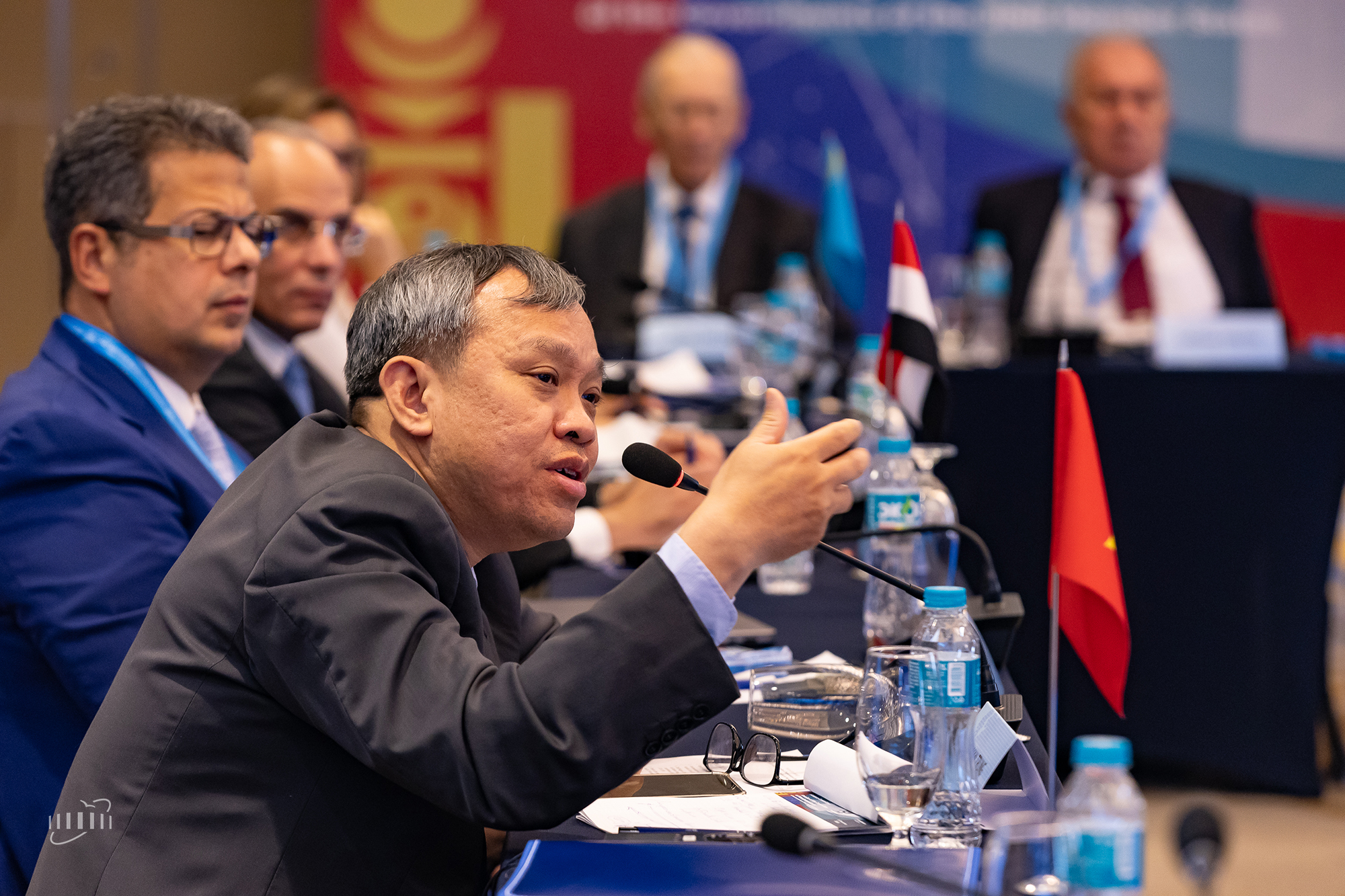
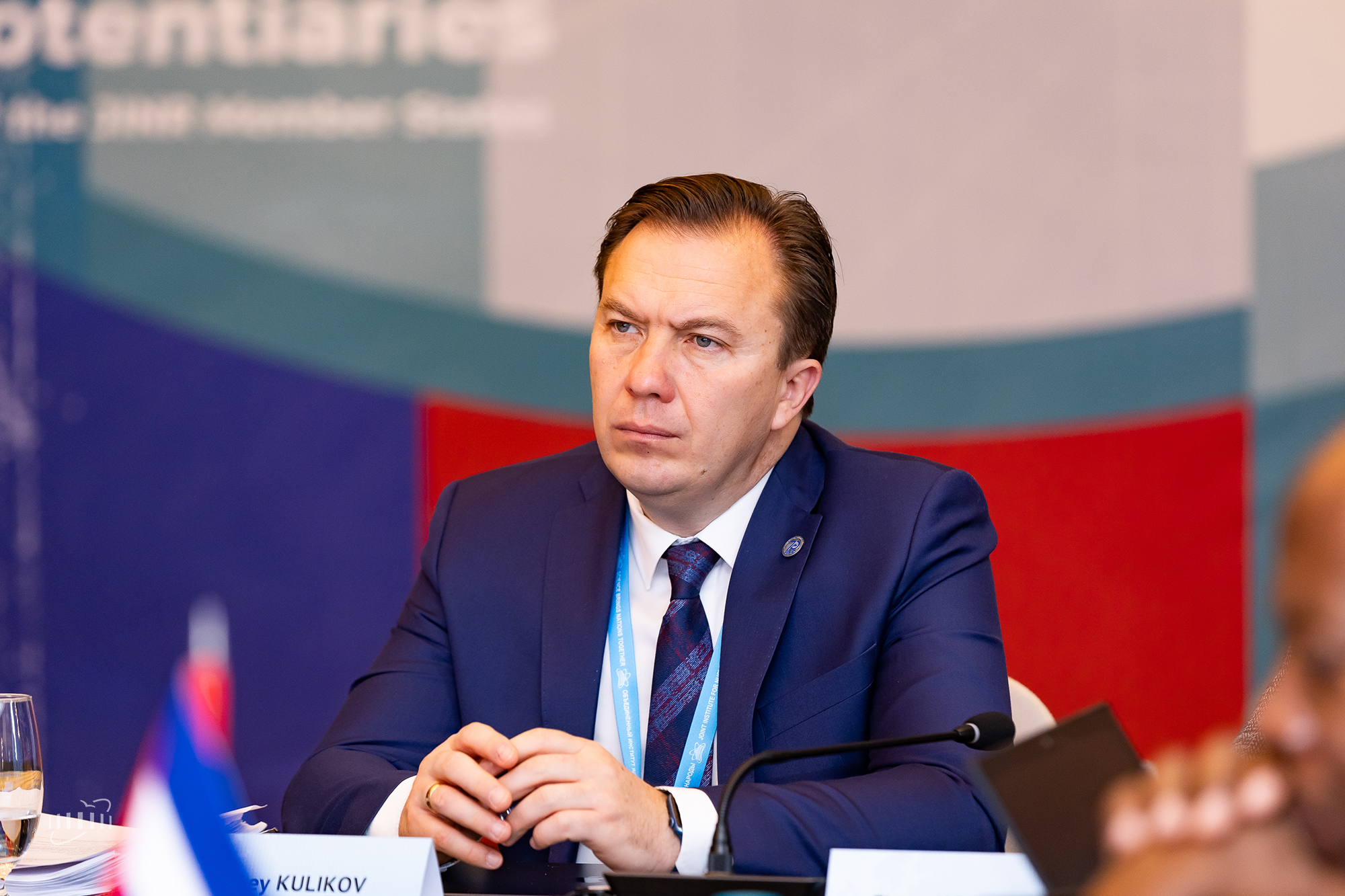
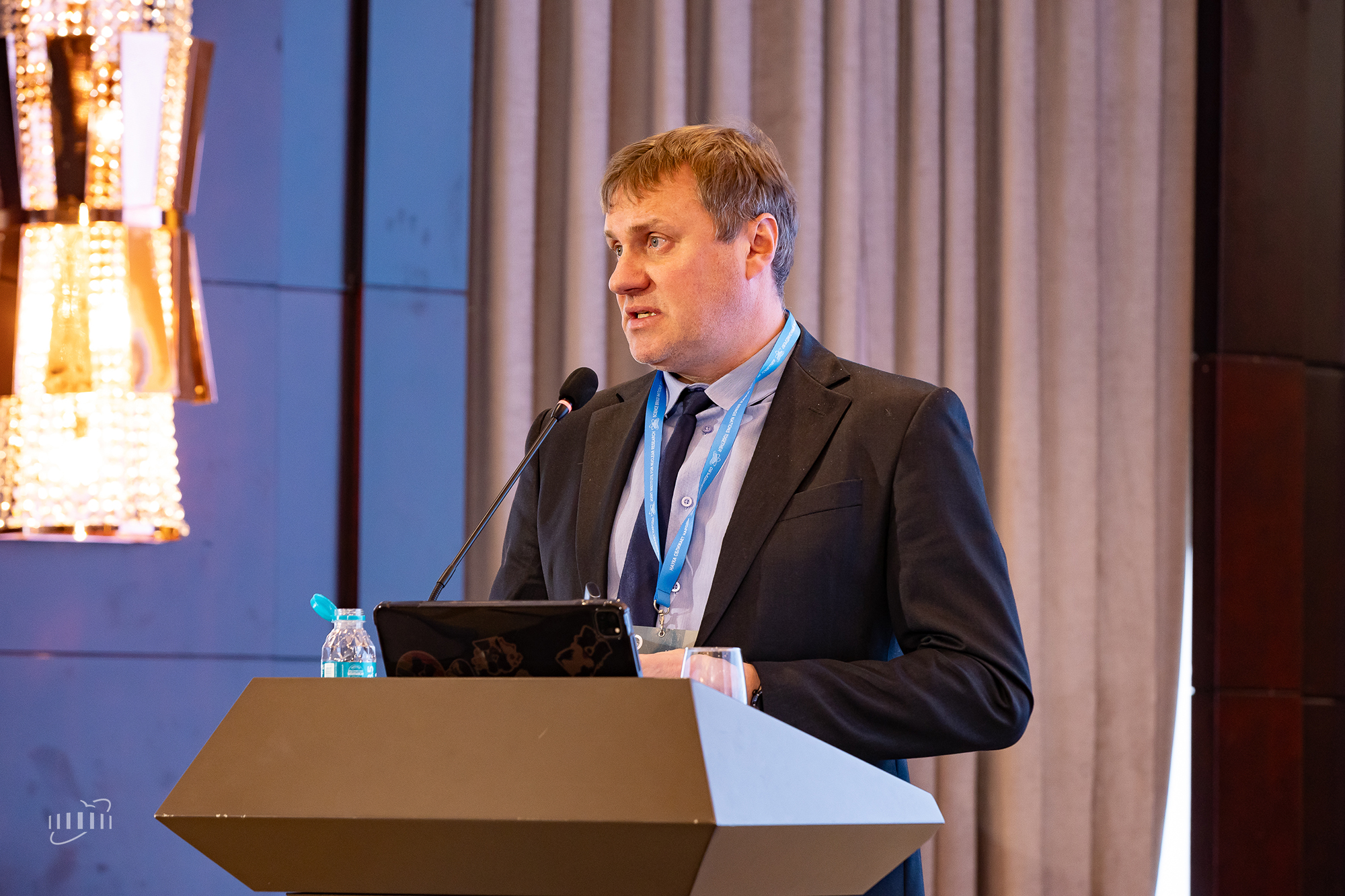
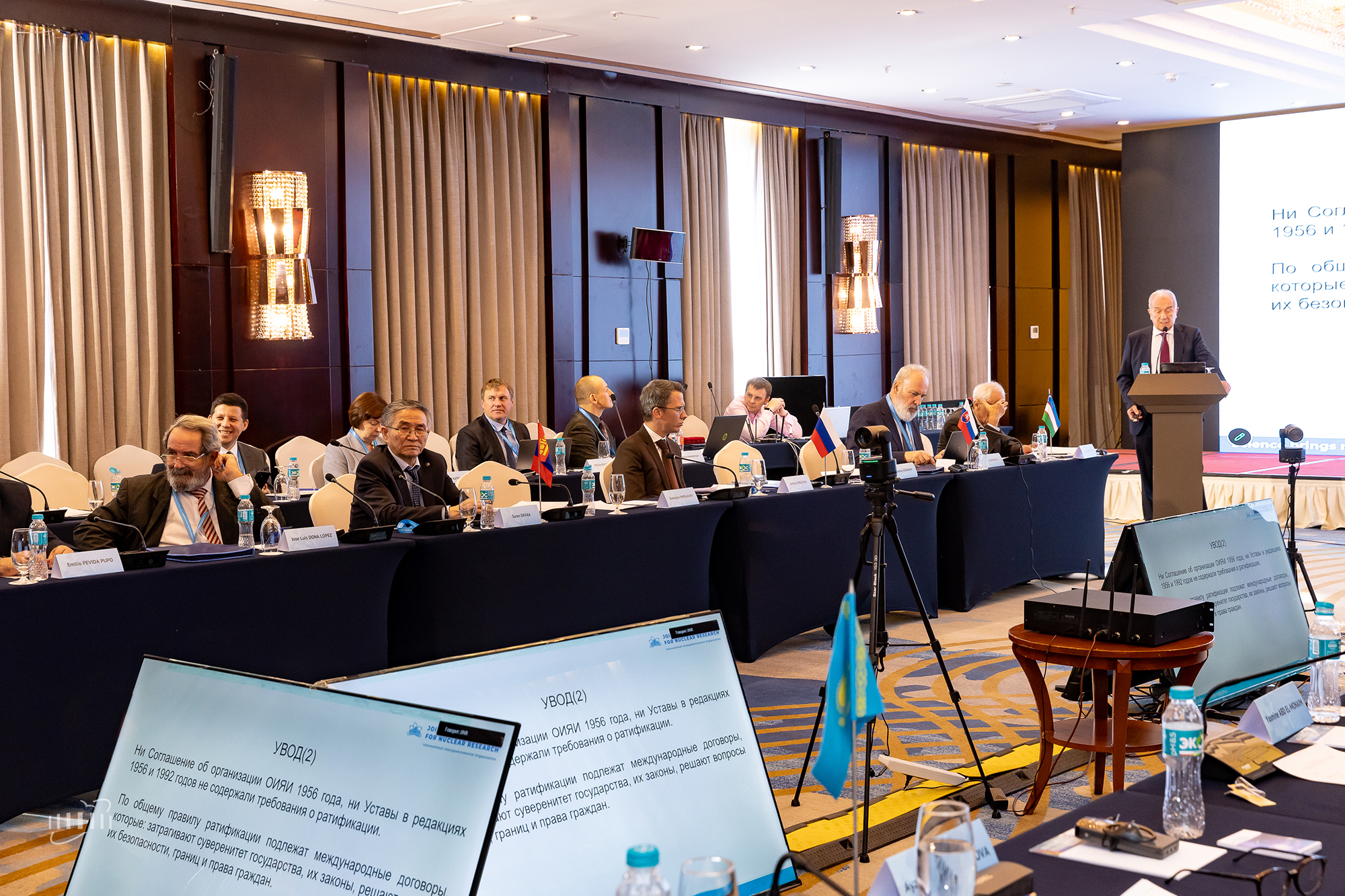
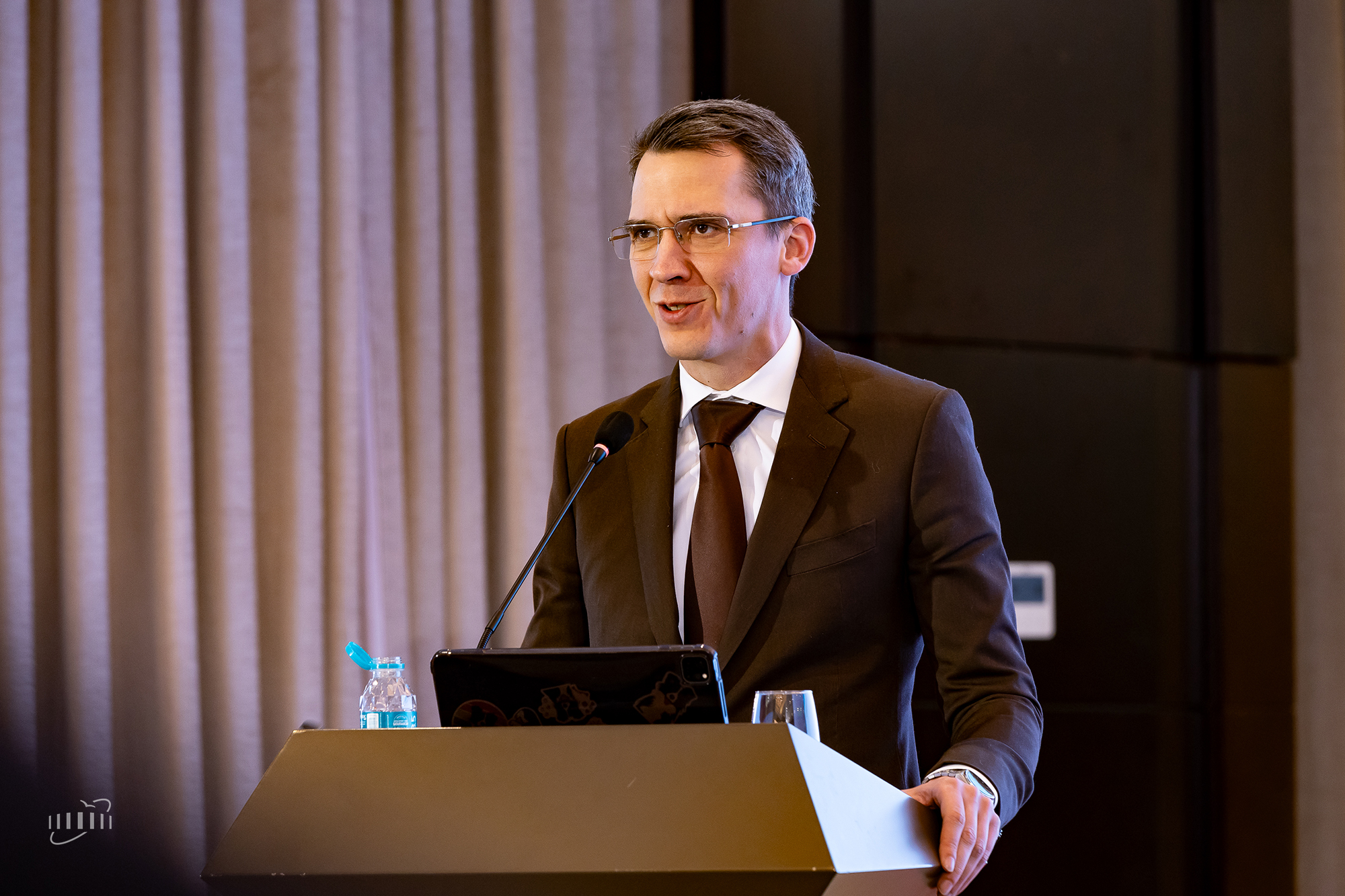
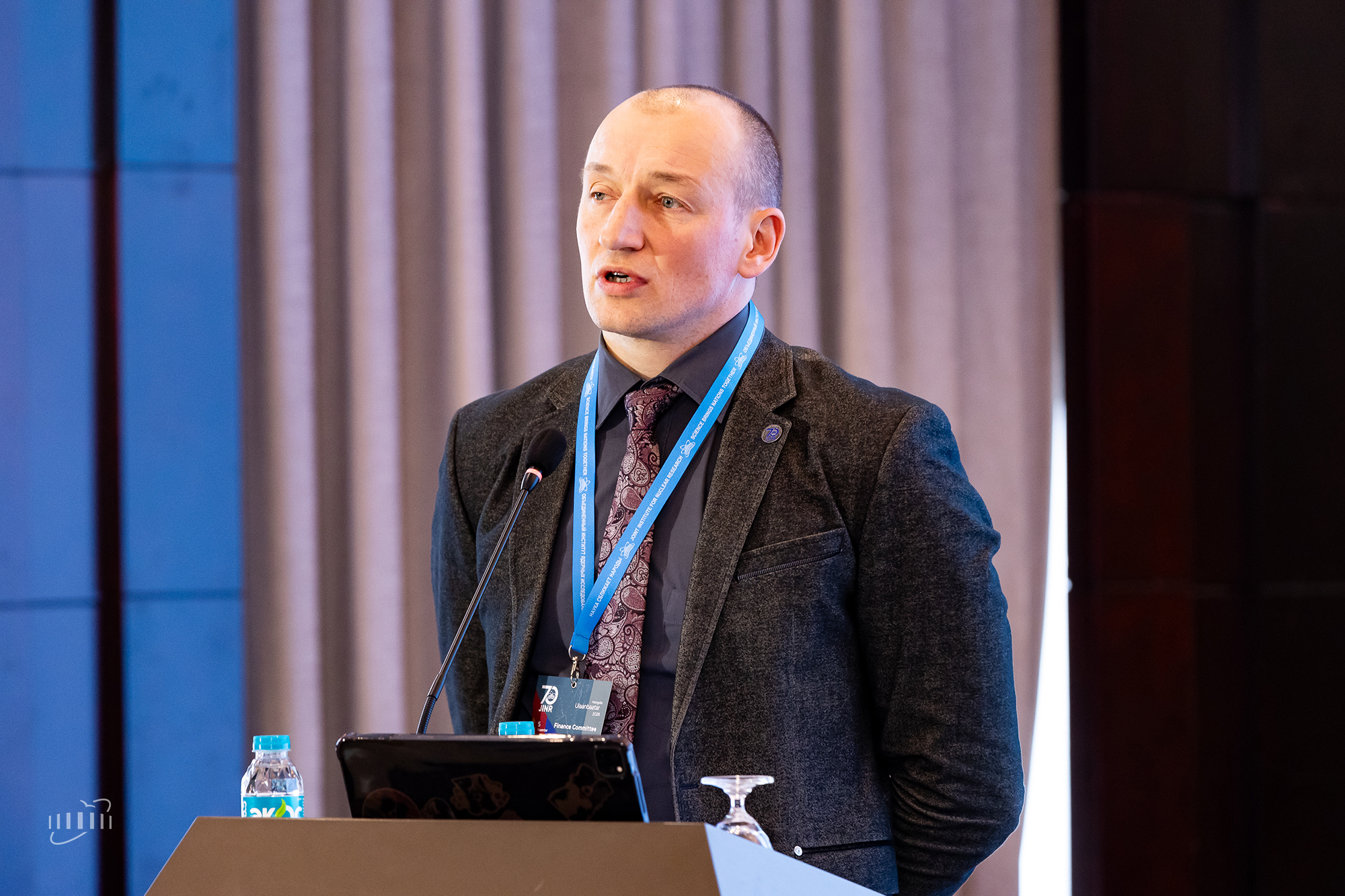
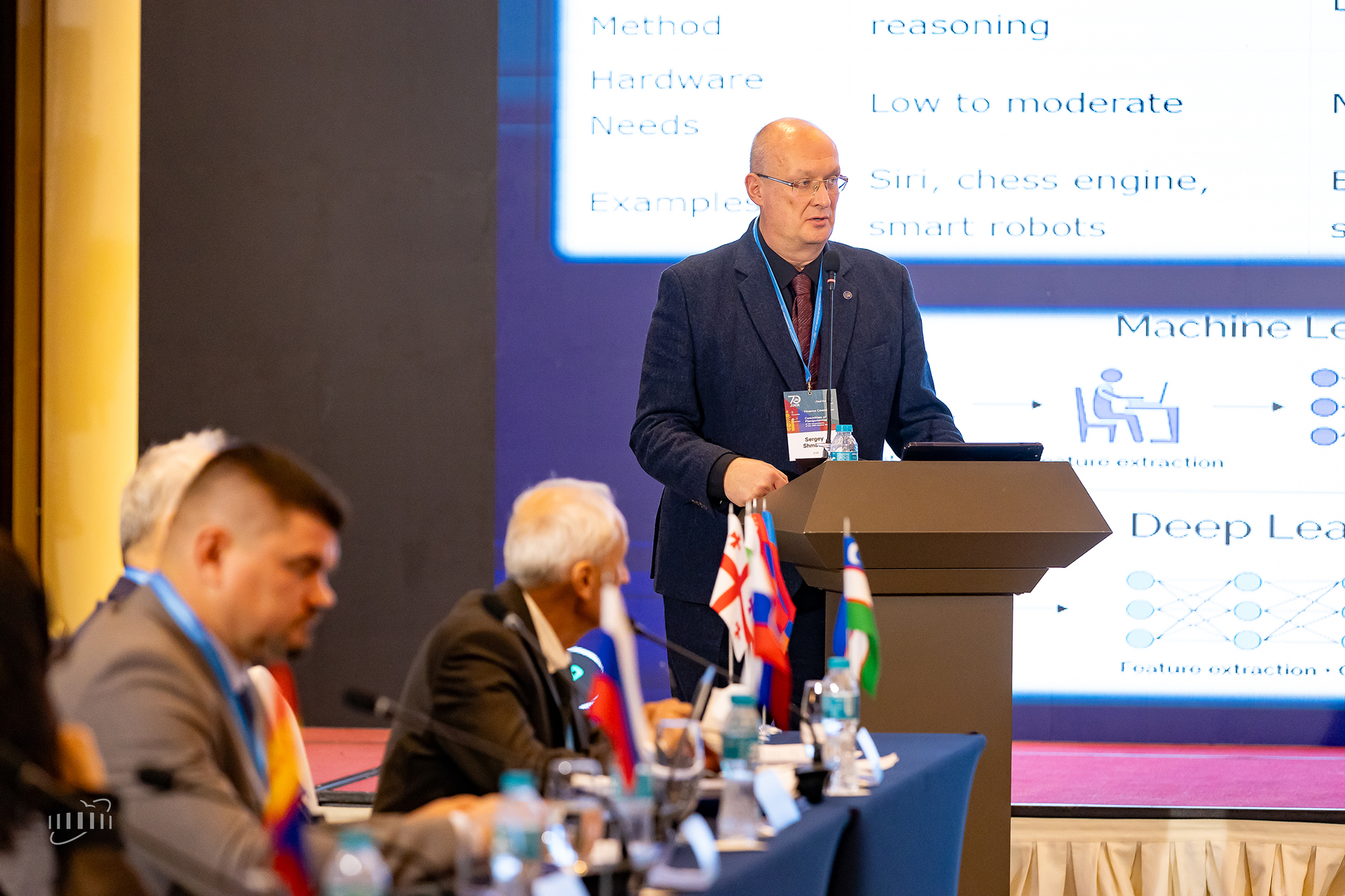
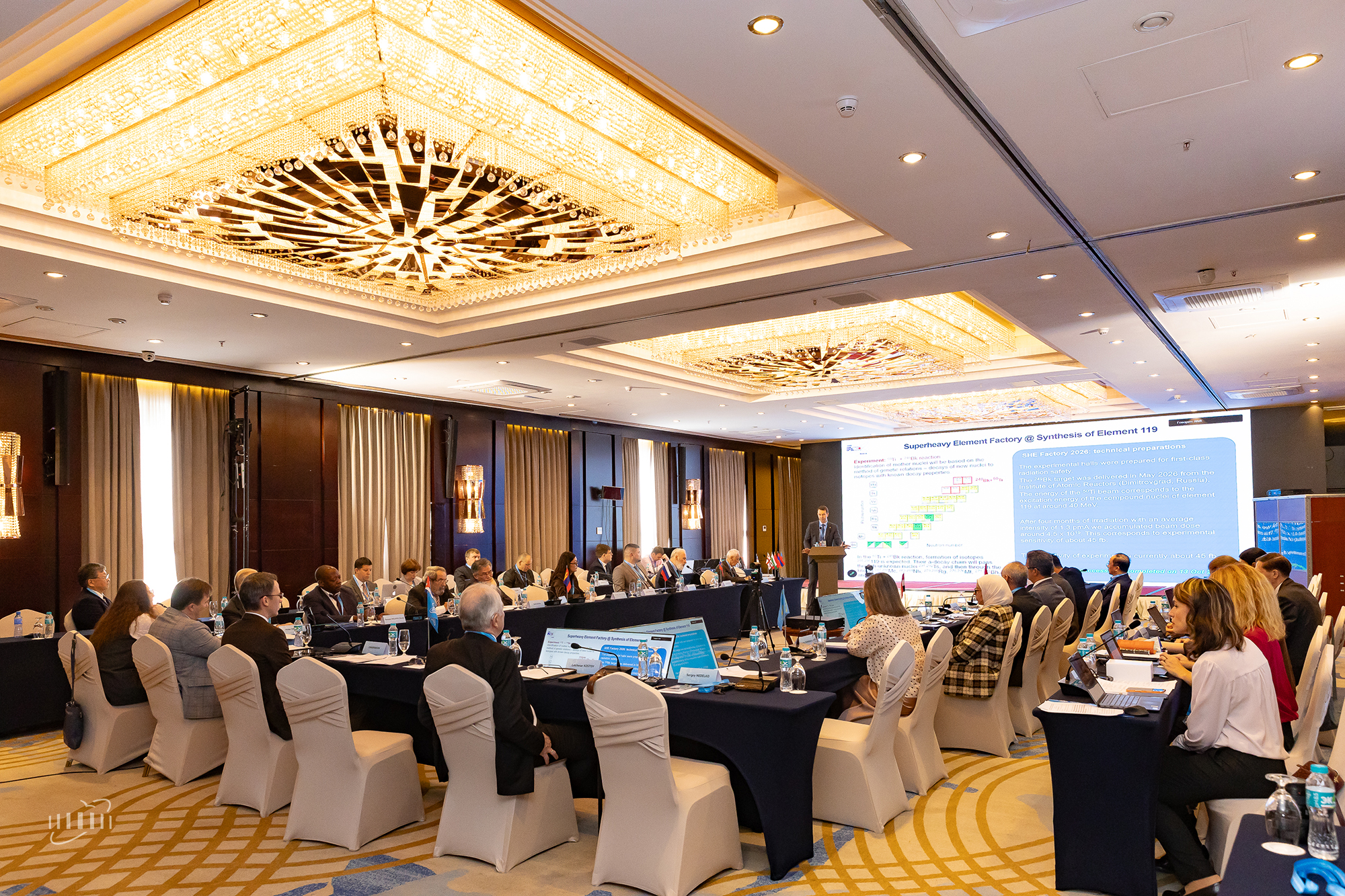
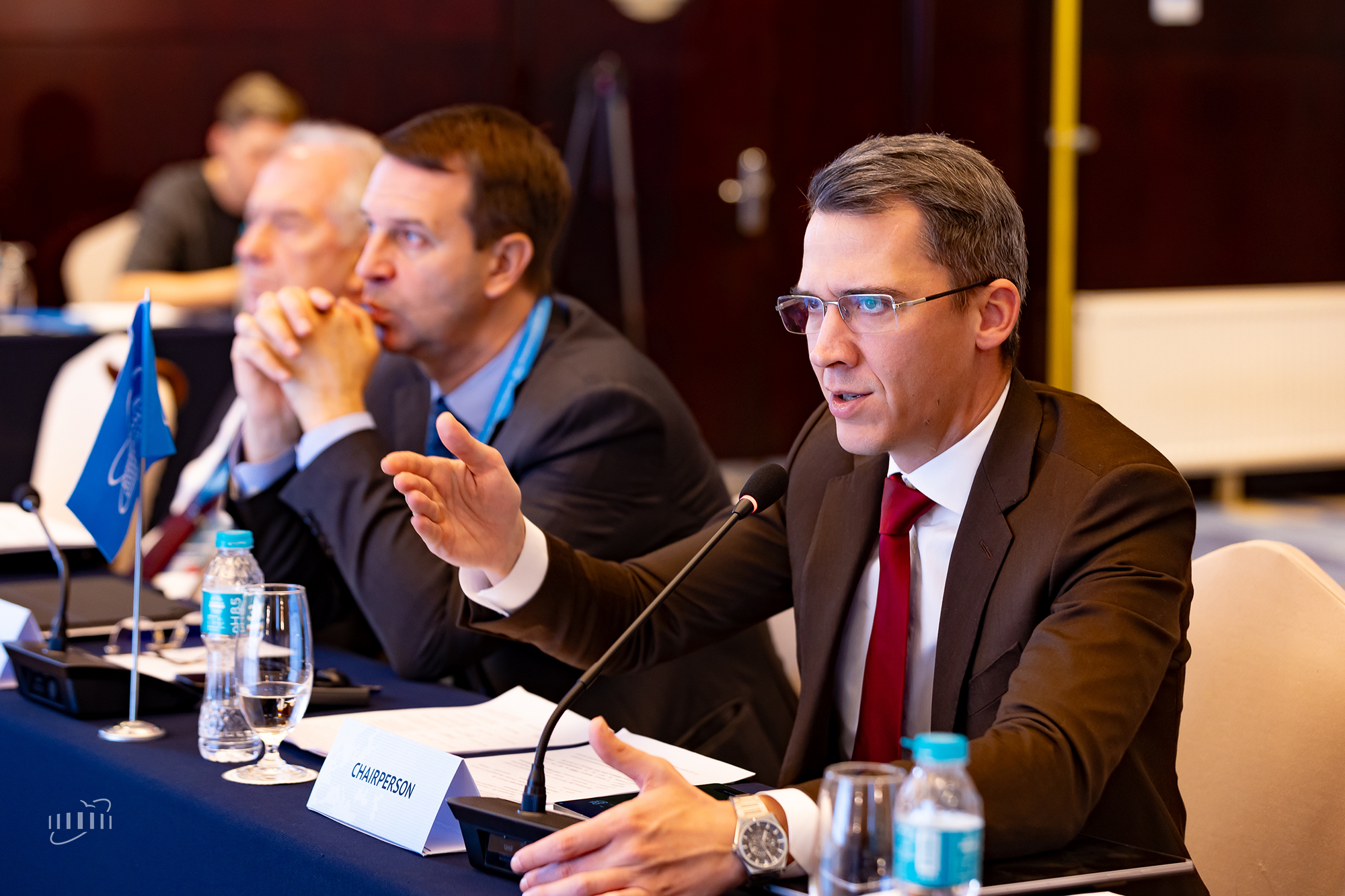
The CP session was preceded by a meeting of the JINR Finance Committee. On 5 November, its participants discussed in detail the Institute’s 2027 draft budget and the financial aspects of the new JINR Charter edition. Deputy Minister of Science and Higher Education of the Russian Federation Andrey Omelchuk was re-elected as the Finance Committee Chair. The scientific programme included a talk by Director of the Laboratory of Information Technologies at JINR Sergei Shmatov on the application of artificial intelligence methods for information analysis and experimental data processing.
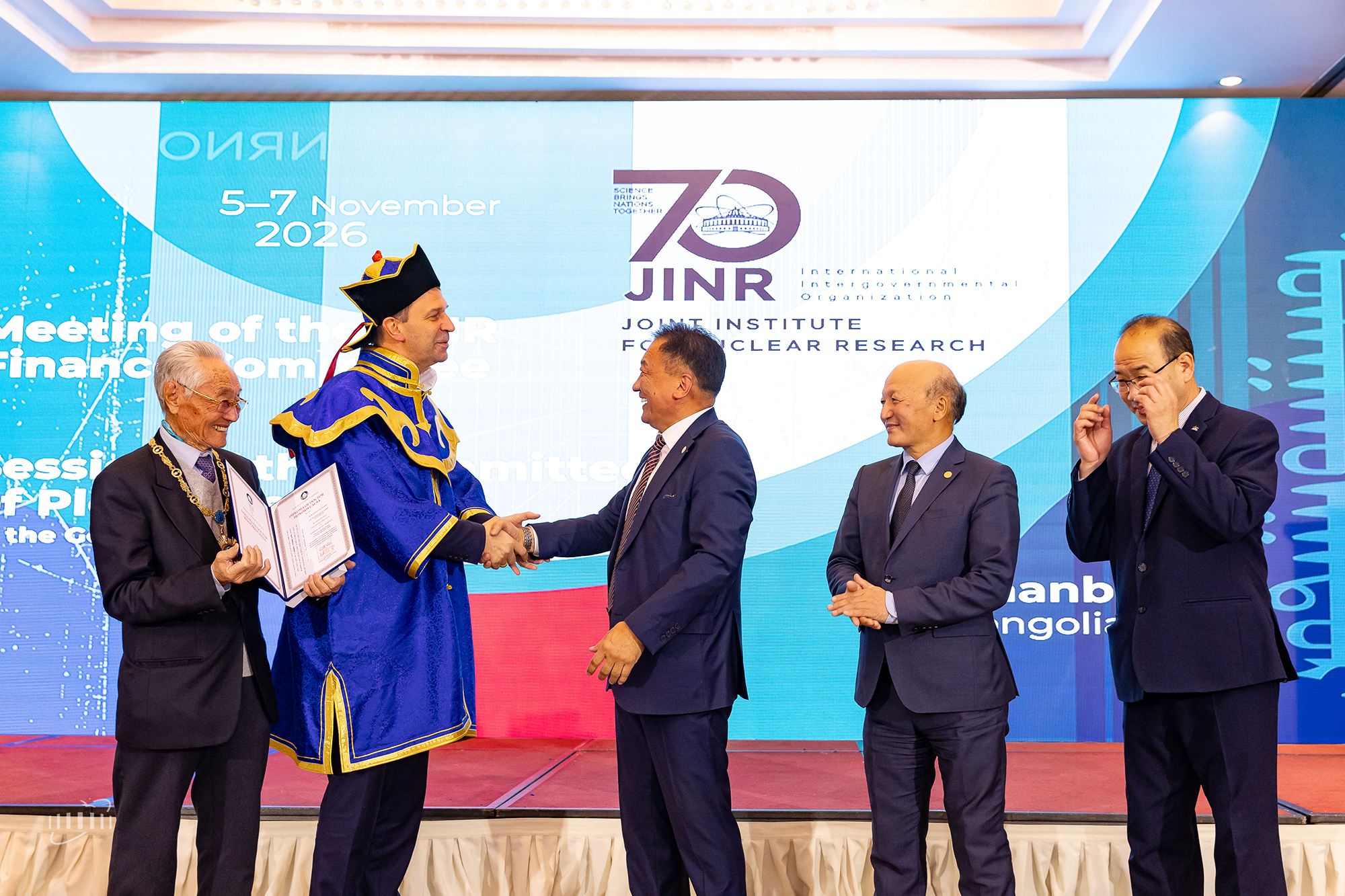
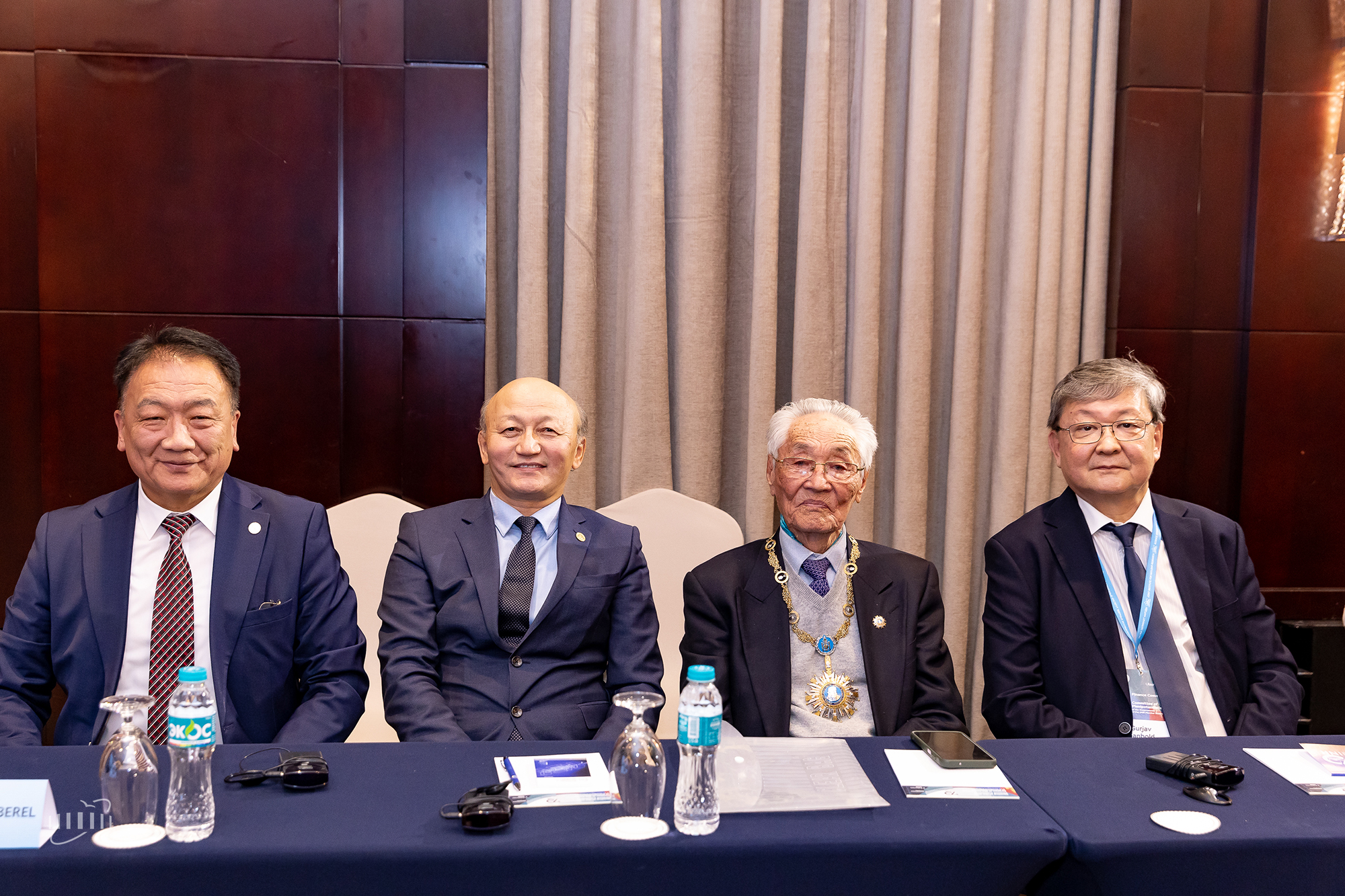
At the Finance Committee meeting, a ceremony took place to award leading scientists from Mongolia who had worked at JINR in different years. Academicians Khavtgai Namsrai, Tseepeldorj Baatar, Tugal Zhanlav, Deleg Sangaa, People’s Teacher of Mongolia Oidov Lkhagva as well as Chief Researcher of the Institute of Modern Studies at the Graduate University of Mongolia Sanjaa Buudnyam received the JINR jubilee medals for their significant contribution to the development and participation of Mongolia in the Joint Institute for Nuclear Research and their outstanding merits in research and the organization of scientific activities.
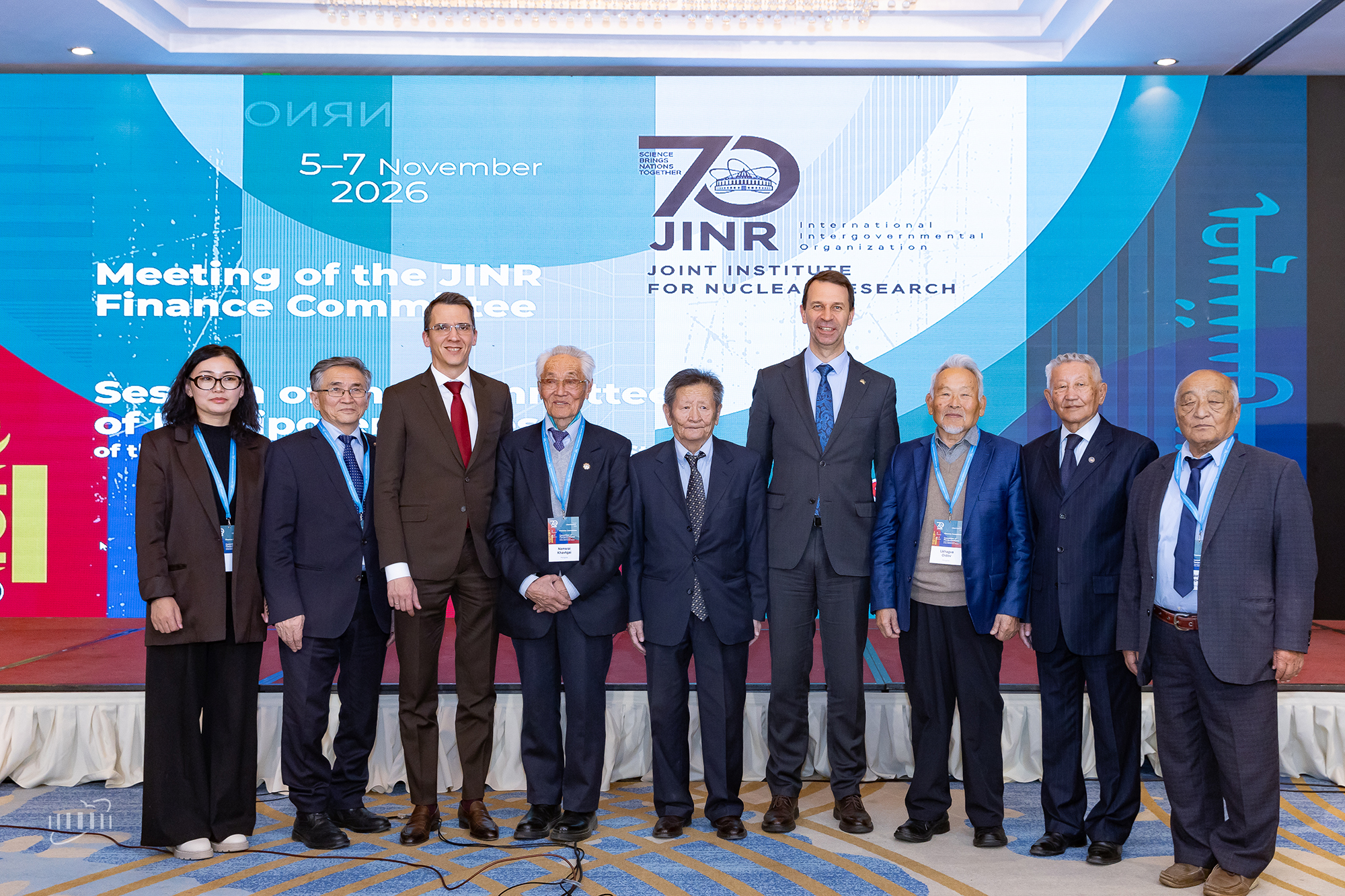 JINR Finance Committee meeting
On 6 November, prior to the start of the CP JINR session, the new Committee Chair was elected. Plenipotentiary of the Republic of Kazakhstan to JINR Sayabek Sakhiyev will serve a two-year tenure in the position.
The session began with an overview presentation by JINR Director, Academician of the Russian Academy of Sciences (RAS) Grigory Trubnikov. He presented the Institute’s 2026 milestones and commented on plans for its development, noting the efficient work of all JINR laboratories as part of the implementation of the Topical Plan.
Grigory Trubnikov paid special attention to the Institute’s research infrastructure. The NICA Accelerator Complex at the Laboratory of High Energy Physics is now in trial operation mode. One of the main achievements was the completion of preparations of the Multi-Purpose Detector in its basic configuration for experimental data collection. On 31 October, as part of Run 2 at the NICA Complex, the detector registered the first real physical xenon ion beam events. In addition, in summer 2026, the DC-140 Accelerator intended for applied tasks was commissioned at the Laboratory of Nuclear Reactions. Specialists of the Laboratory of Nuclear Problems are preparing to assemble the MSC-230 Superconducting Proton Cyclotron for physics and biomedical studies, including flash radiation therapy.
The long-term support of joint projects and the development of research infrastructure in the Member States remains a high priority for JINR. According to Grigory Trubnikov, strengthening international cooperation and interaction through platforms such as IAEA and UNESCO is among the key areas of JINR’s activities as well.
Institute’s Chief Scientific Secretary Sergey Nedelko presented the recommendations of the 140th JINR Scientific Council session held in September 2026. Finance Committee Chair Andrey Omelchuk and Head of the Budget and Economic Policy Department of the Joint Institute Nikolay Kalinin discussed the results of the Finance Committee meeting and the 2027 draft budget.
“Today, JINR unites researchers and scientific organizations from 15 countries, creating conditions for the implementation of large-scale projects that are impossible without international cooperation. Russia is consistently developing its own scientific infrastructure, including megascience facilities. Their creation and commissioning open up new opportunities not only for Russian science but also for researchers from all Member States of the Institute. I am sure that joint work, the unification of scientific schools, and the use of advanced research infrastructure will allow us to reach a qualitatively new level of studying fundamental processes and achieve results that are significant for world science”, Deputy Minister of Science and Higher Education of the Russian Federation Andrey Omelchuk noted.
A joint overview on the work carried out to amend the Charter of the Joint Institute for Nuclear Research was presented by JINR Vice-Director Latchesar Kostov, Plenipotentiary of Georgia to JINR Arsen Khvedelidze, and Head of the Legal Department Anton Kharevich. Having got acquainted with the submitted proposals, the Committee of Plenipotentiaries agreed on a new version of the Charter, which is planned to be submitted for final approval at the next session of the Committee of Plenipotentiaries.
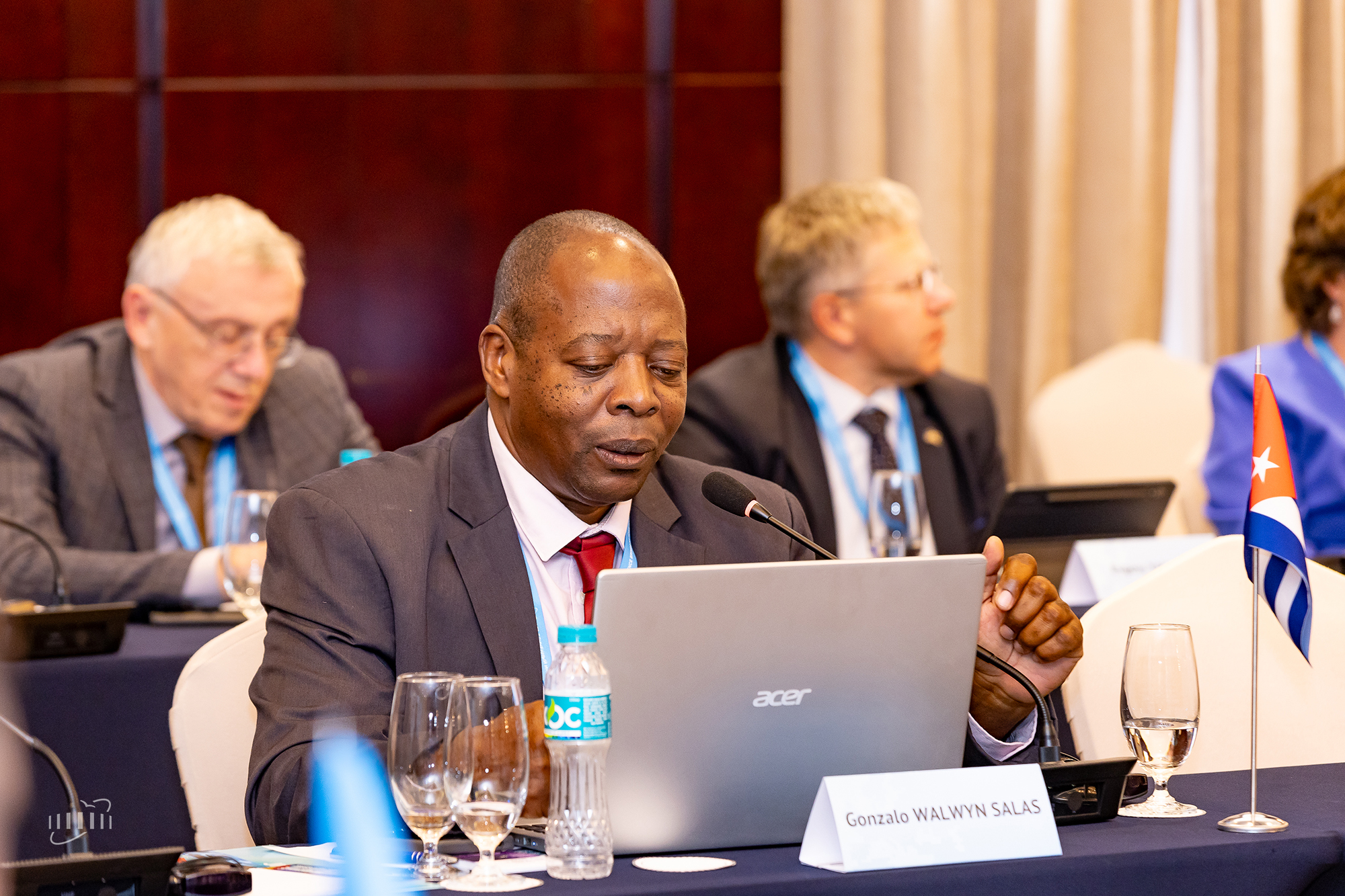
At the meeting in Ulaanbaatar, the Deputy Director of the Havana Institute of Cybernetics, Mathematics, and Physics (ICIMAF) Elizabeth Rodriguez Querts was nominated to the JINR Scientific Council from Cuba. In addition, at the suggestion of Grigory Trubnikov, Director of the RAS Institute of System Programming (ISP) Arutyun Avetisyan was elected to the Scientific Council.
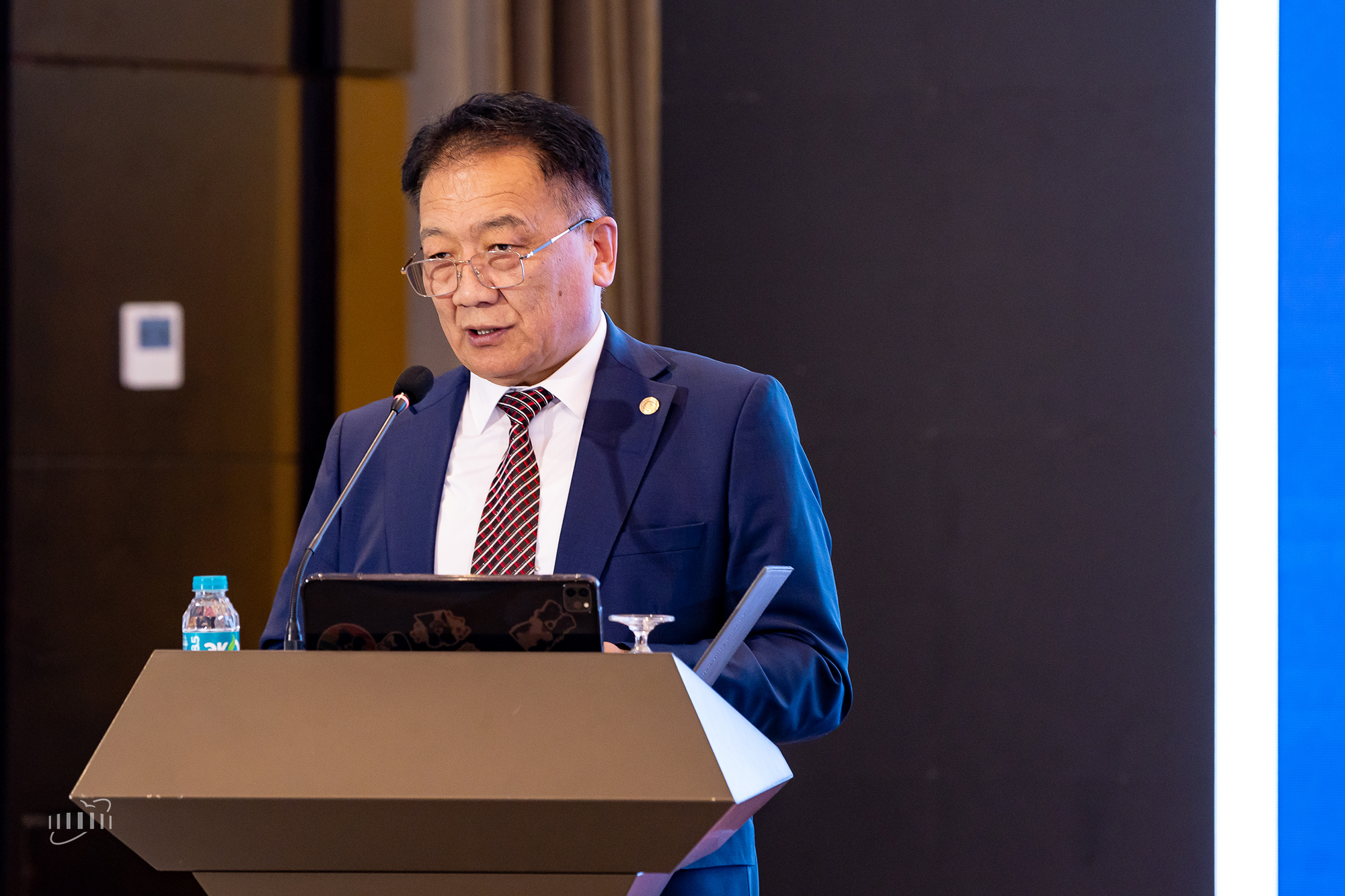
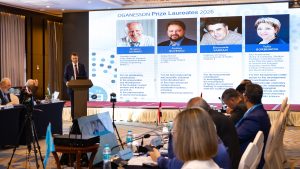
A notable part of the agenda was the discussion of the flagship NICA Megascience Project. JINR Vice-Director, RAS Academician Vladimir Kekelidze talked about the stages of its creation, current research, and the progress of the accelerator complex. An important part of the programme was a speech by the President of the Mongolian Academy of Sciences (MAS) Sodnomsambuu Demberel, in which participants got acquainted with the key research areas and prospects for the development of academic science in Mongolia.
At the end of his speech, MAS President presented the JINR Director Grigory Trubnikov with a mantle and a diploma of Honorary Doctor of the Mongolian Academy of Sciences in recognition of his contribution to the development of science in the country. In turn, Sodnomsambuu Demberel and the Plenipotentiary of Mongolia Suren Davaa were awarded with the JINR honourable medals for their contribution to the development of the Joint Institute and the scientific partnership. Grigory Trubnikov presented a letter of gratitude to the Secretary of the Nuclear Energy Commission of the Government of Mongolia Gun-Aajav Manlaijav for the support in organizing and conducting the meeting of the Finance Committee and the JINR CP session. To conclude the ceremony, CP Chair Sayabek Sakhiyev, presented MLIT Director Sergei Shmatov with a badge of the Ministry of Science and Higher Education of the Republic of Kazakhstan.
“Ten years after the JINR Days in Mongolia, we returned to Ulaanbaatar to hold a session of the Committee of Plenipotentiaries. Here, we meet a very young scientific community: around 60% of researchers are under 35″, Grigory Trubnikov commented. “I am glad that my Mongolian colleagues and I are on the same page when it comes to new instrumentation and new facilities that are needed here and can be created with the Institute’s help. I am sure that the amount of scientists from Mongolia at JINR will significantly increase in the coming years, this is a mutually beneficial process, a true two-way street”.
Following the meeting, the Committee of Plenipotentiaries approved the recommendations of the 139th and 140th meetings of the Scientific Council, the Topical Plan, and the JINR budget for 2027. The next meetings of the Finance Committee and the Committee of Plenipotentiaries will take place on 24–25 March 2027 in Dubna.
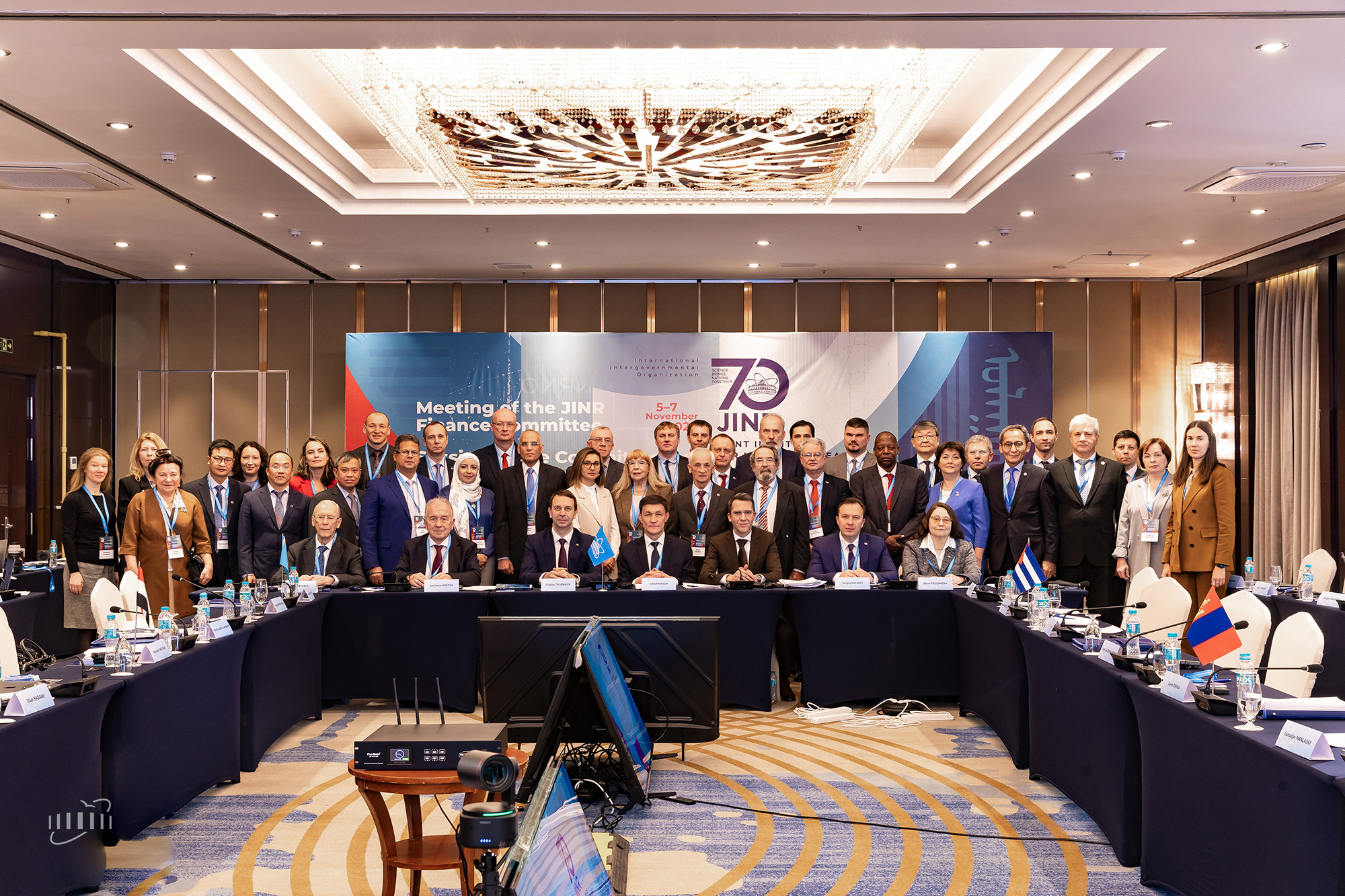 Сессия Комитета полномочных представителей ОИЯИ