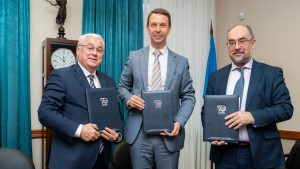
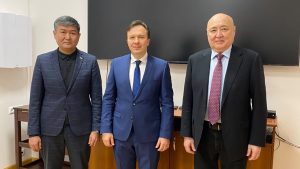
From 18 to 22 October 2026, the 30th International Scientific Conference of Young Scientists and Specialists of JINR (AYSS-2026) took place in Tashkent, the Republic of Uzbekistan. The Association of Young Scientists and Specialists of JINR (AYSS) and the Institute of Nuclear Physics of the Academy of Sciences of the Republic of Uzbekistan (INP AS RUz) organized the event. The conference, dedicated to the 70th anniversary of JINR and INP, brought together over 130 participants from universities and institutes in 10 countries.
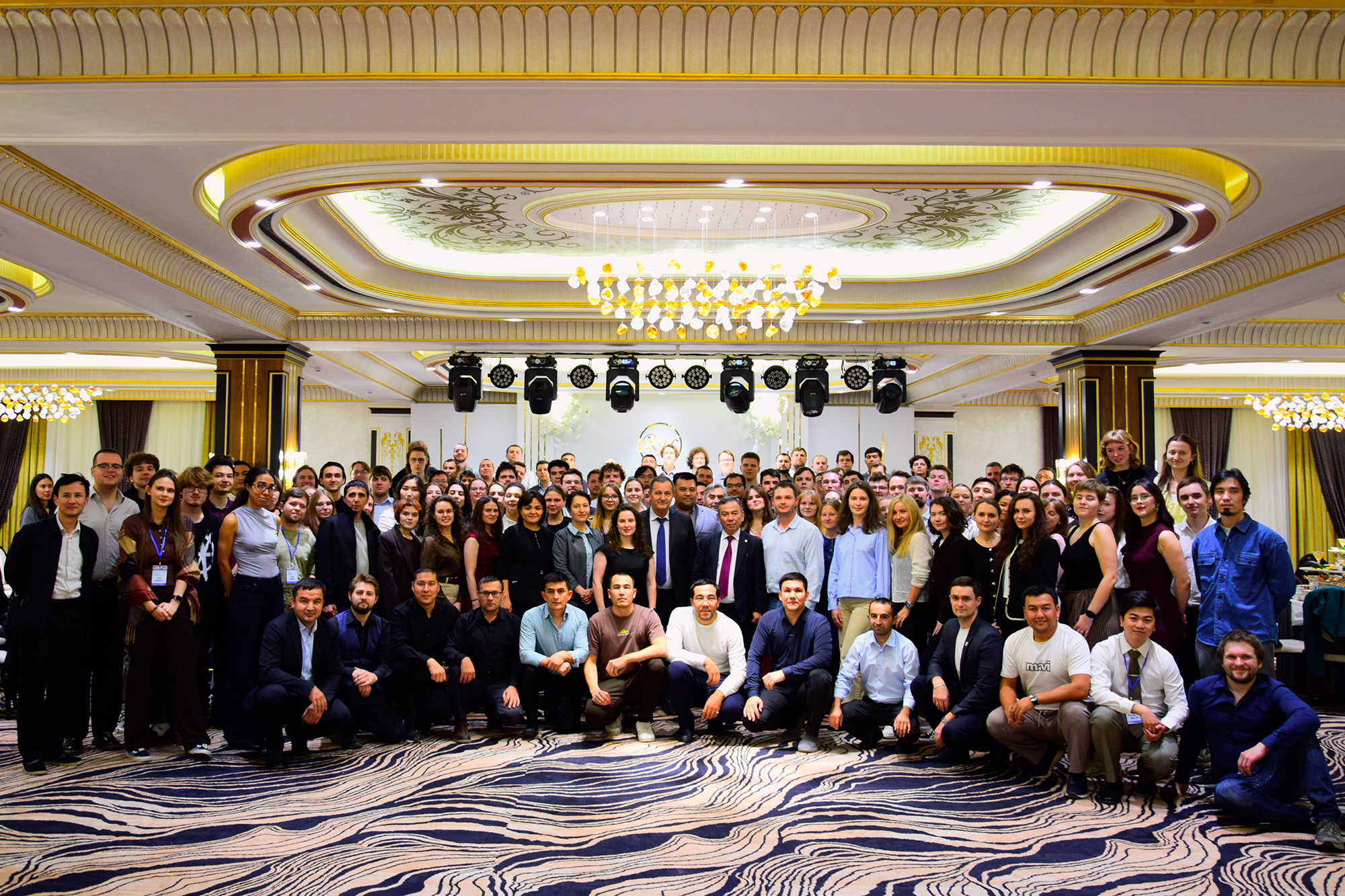
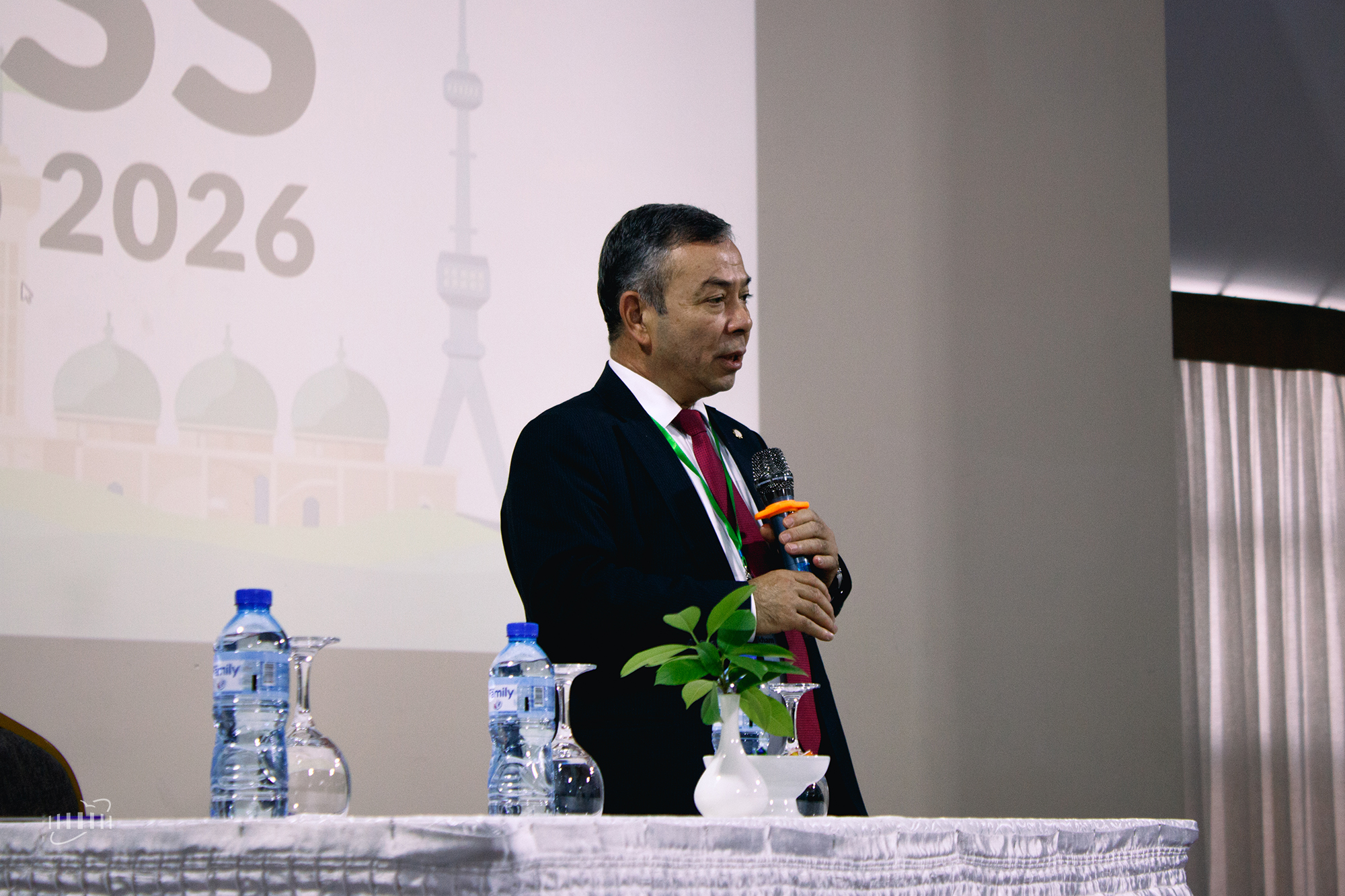
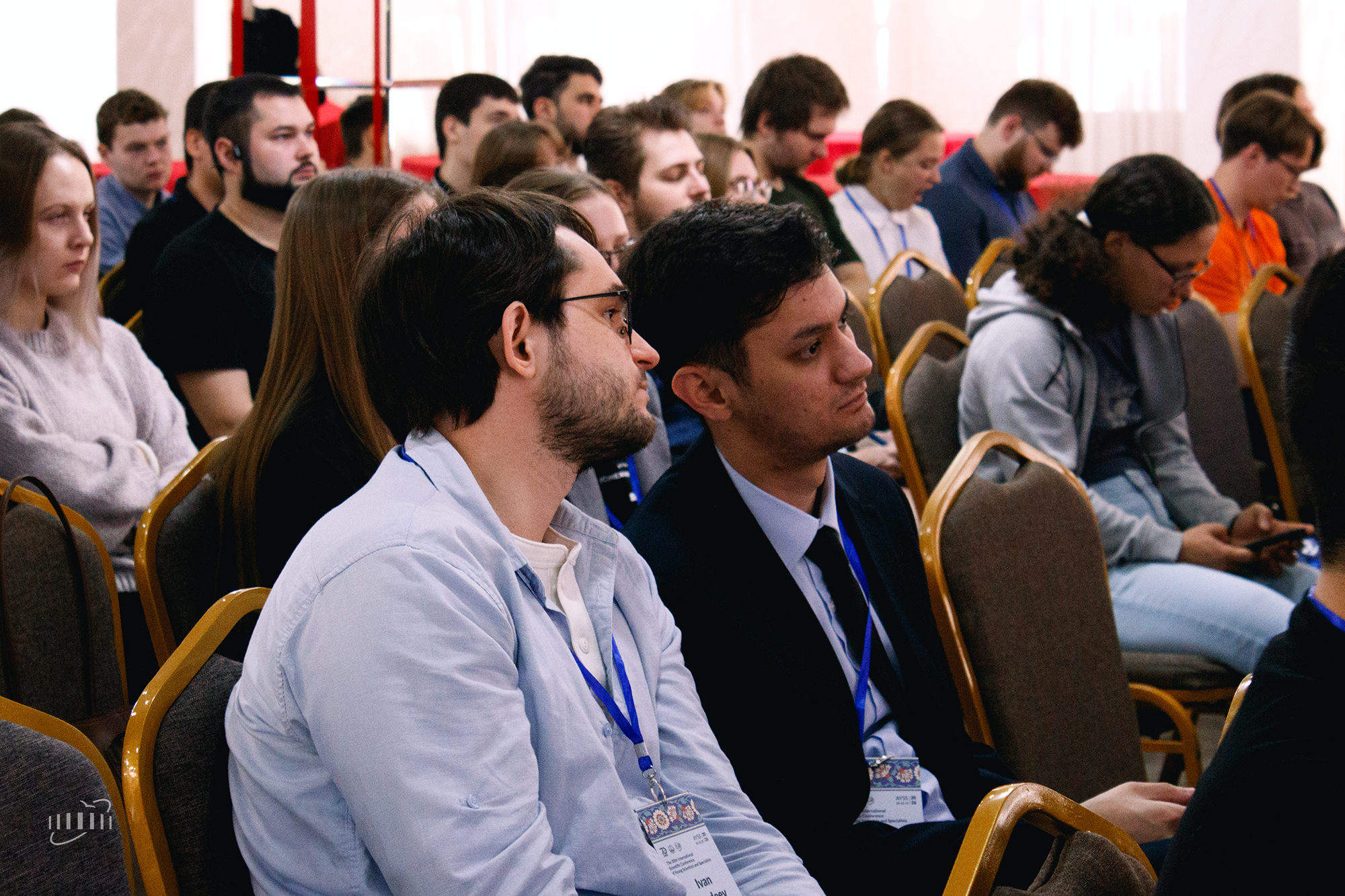
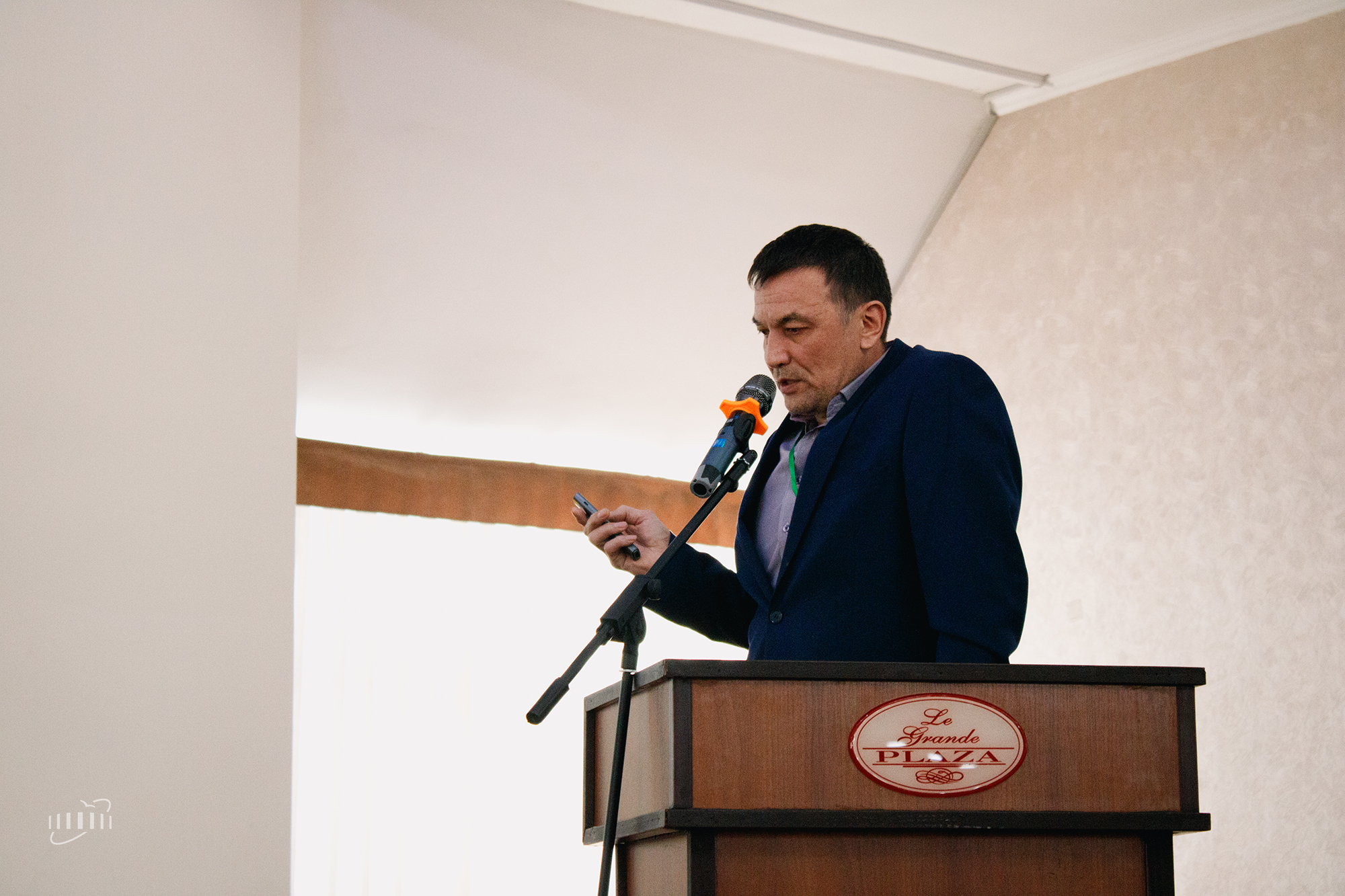
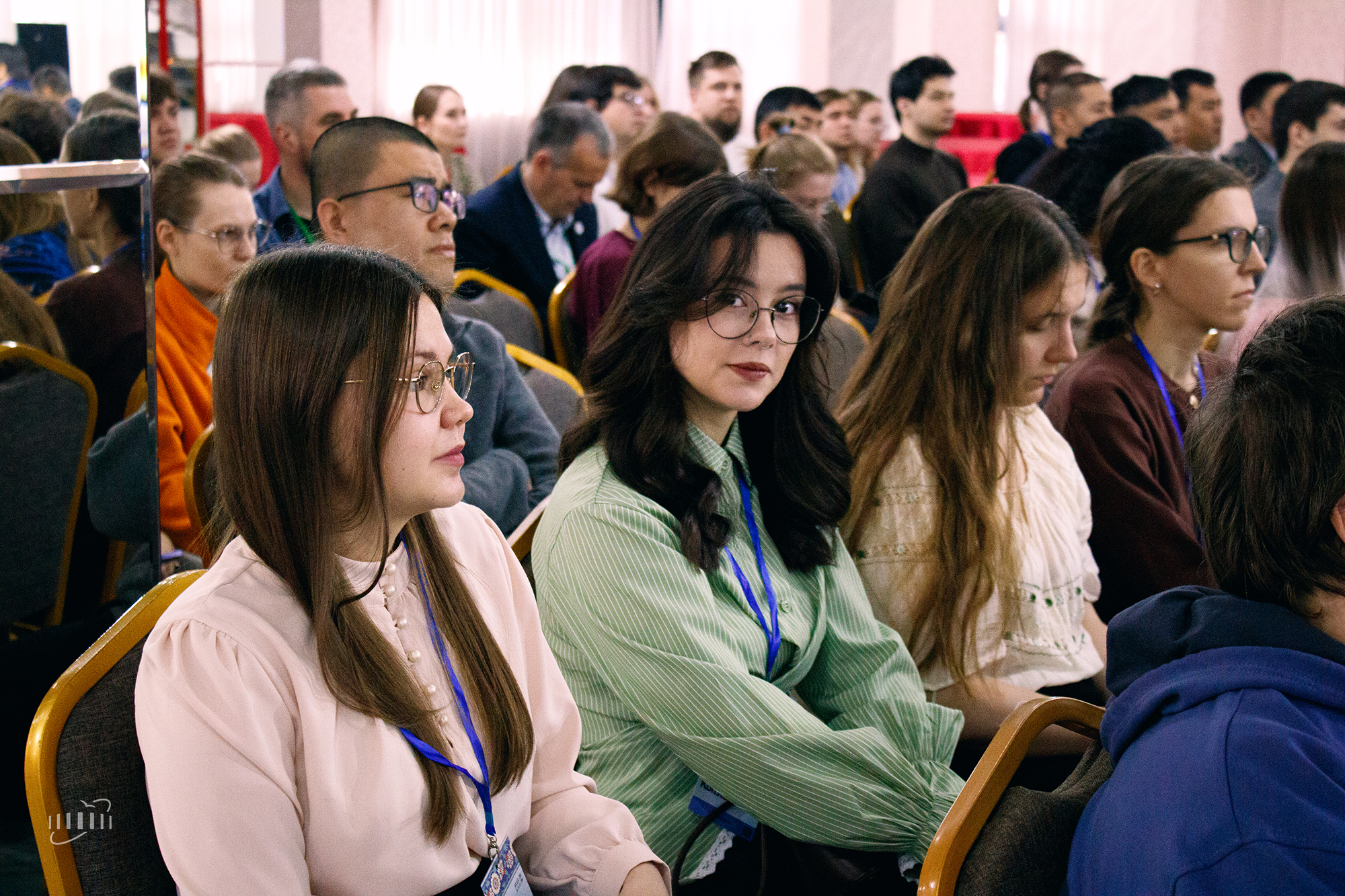
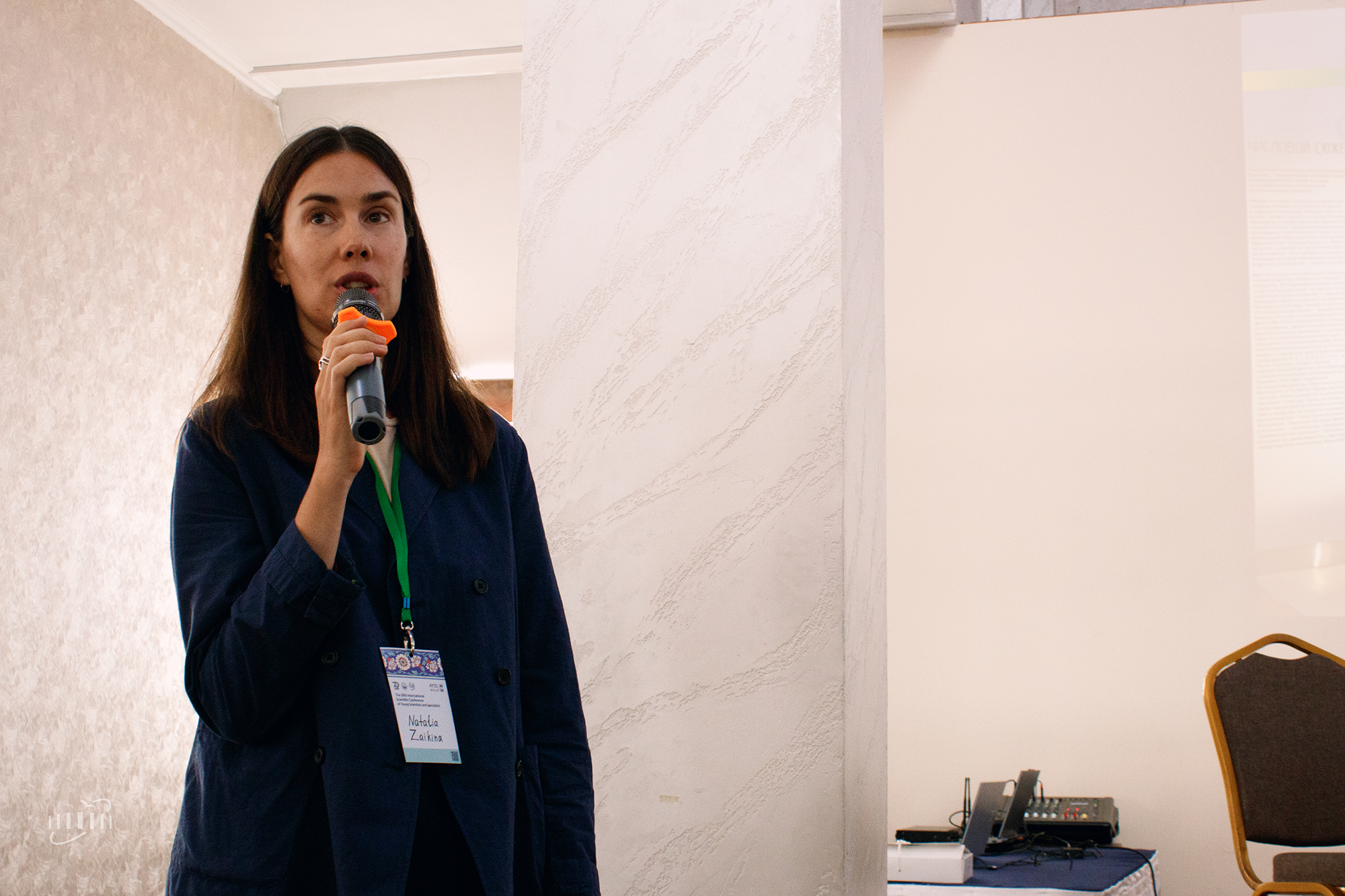
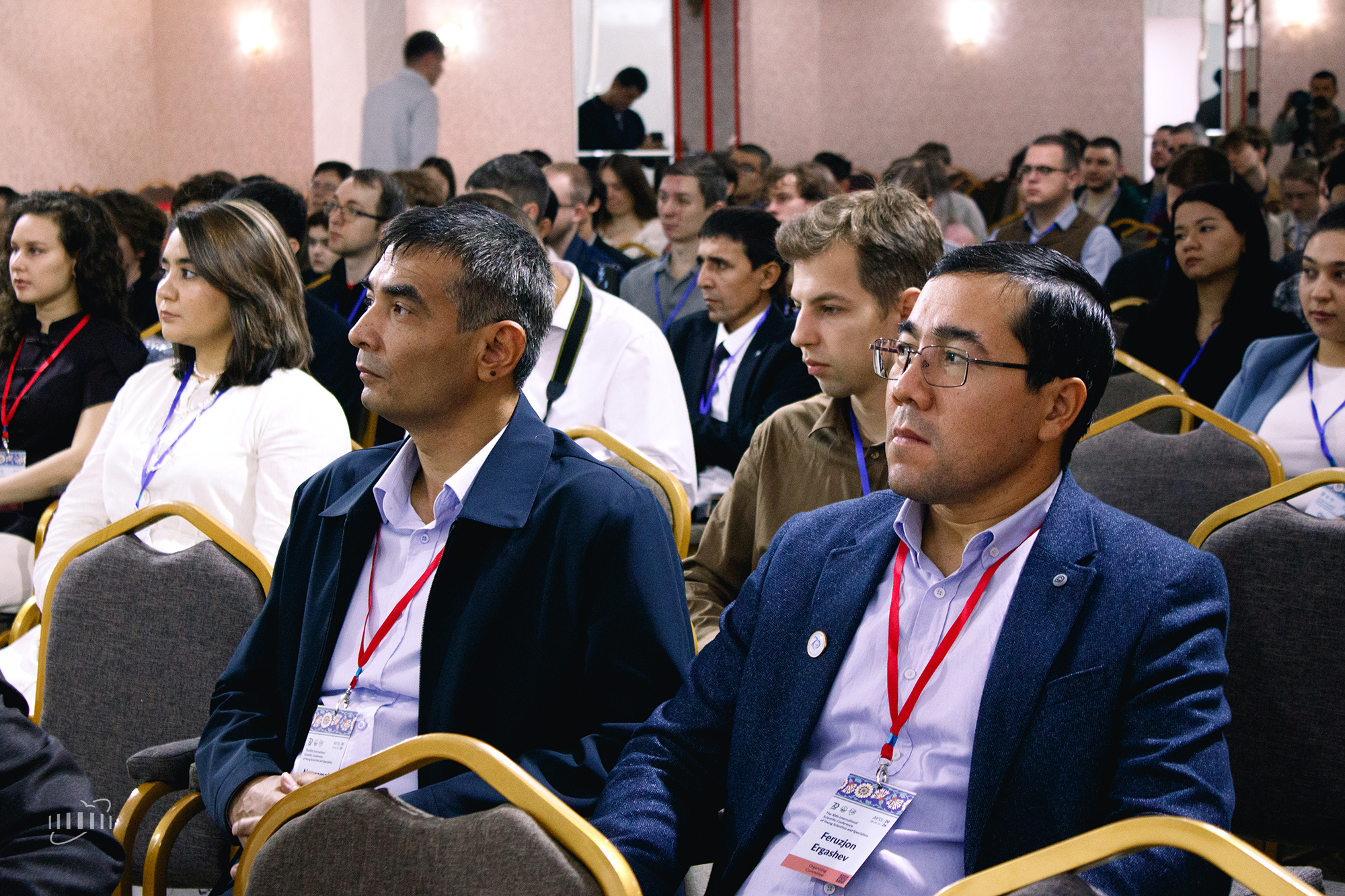

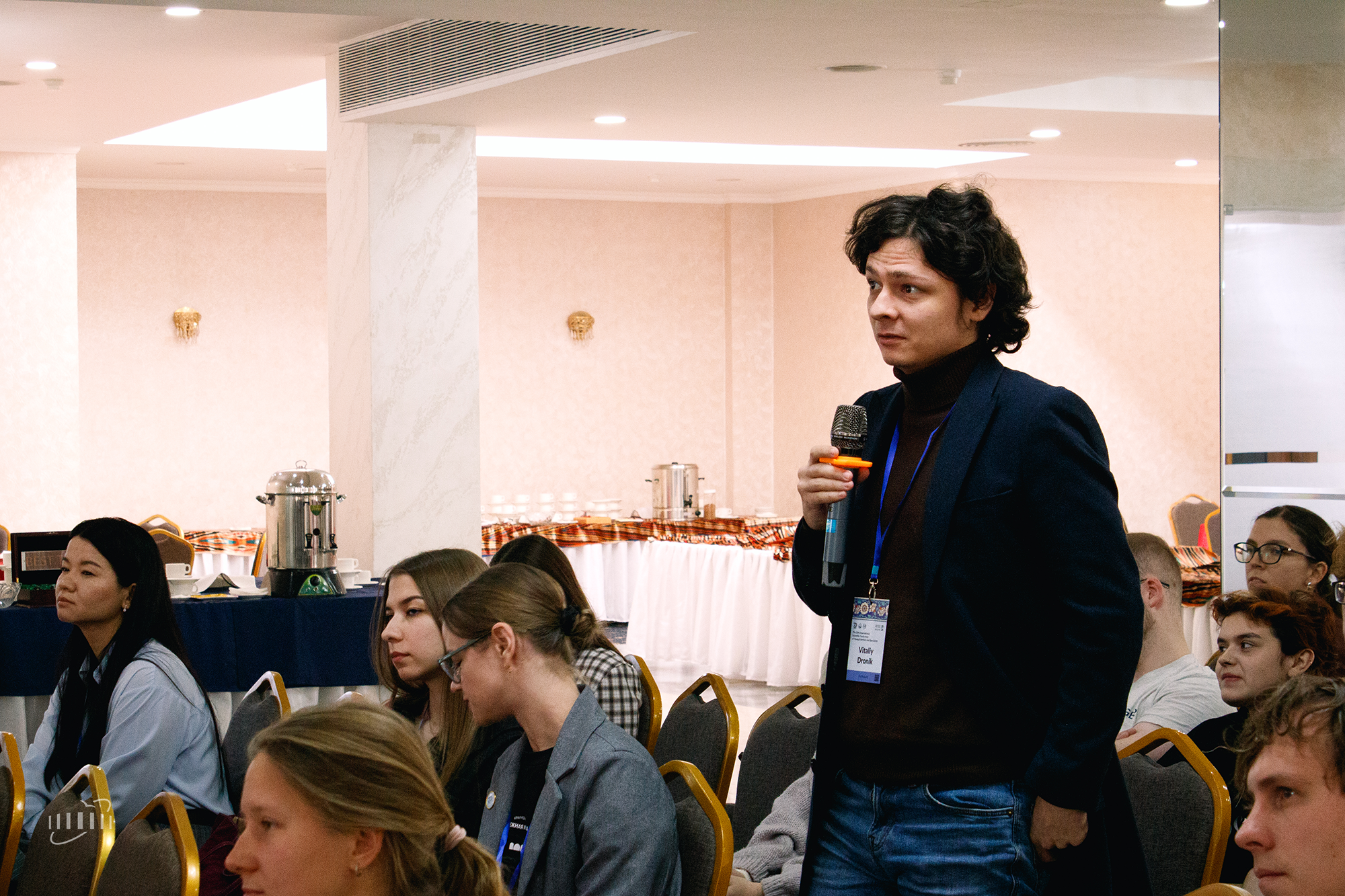
“Young people are the future. You are the ones who will advance science in the years to come, so we are counting on you. I hope the conference will bring lively discussions and debates on your studies. Do not be afraid to set challenging tasks, ask difficult questions, and propose your own solutions. The development of science is in your hands”, INP AS RUz Director, Academician Ilkhom Sadikov said in his speech to the participants at the opening of AYSS-2026. INP AS RUz Vice-President Sirojiddin Mirzaev and Chief Engineer of the Joint Institute Boris Gikal also made welcoming remarks.
One of the features of the AYSS conference is its multidisciplinary scientific programme. It offers young scientists and specialists the opportunity to explore a wide range of research conducted around the world: from high-energy physics and the theory of strong interactions to studies of radiation effects on biological systems and the history of accelerator technology development. This year, participants also listened to a lecture on the activities of the JINR Gallery, the first professional exhibition hall in Dubna.
At nine sections of the conference, young scientists and specialists presented over 130 talks, of which 26 were recognized as the best by the jury.
The section winners spoke about their scientific work:
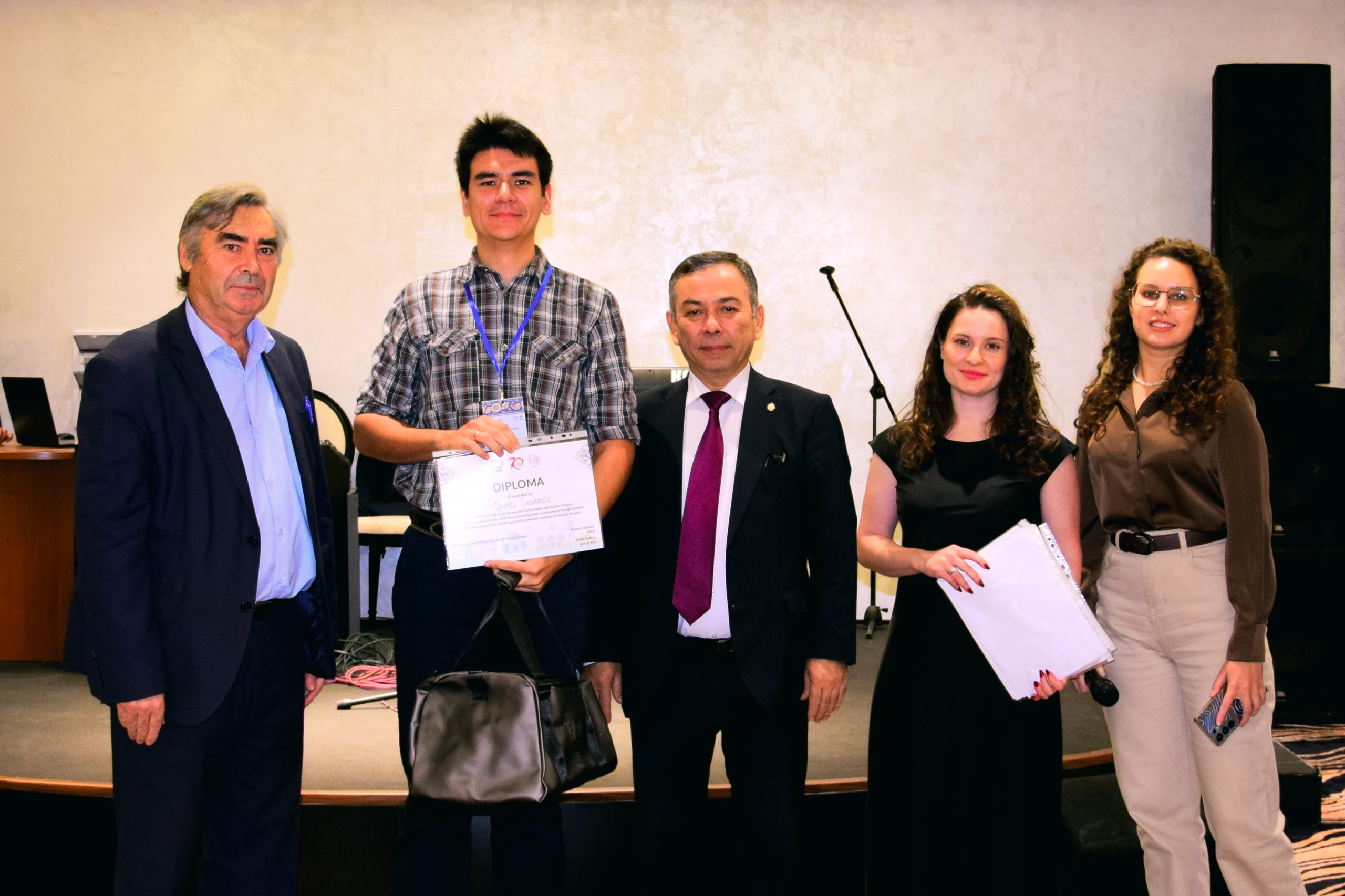 Daniil Chumakov, engineer at the Laboratory of High Energy Physics at JINR (section: Accelerator Technologies and Neutron Sources):
“Just like other operators in our service, I work in the central control room. We coordinate activities across the NICA Complex as well as set up and maintain the operating mode of the accelerators. The operators need to know and understand how individual accelerator systems function, what is required to obtain a particle beam with the specified parameters and deliver it to the experimenters. We also study the beam physics and, together with specialists, optimise the settings of the complex’s systems for specific objectives. My main task now is to determine the system parameters in the NICA Booster synchrotron that allow for accumulation, lossless acceleration, and extraction of a maximum-intensity ion beam. Preserving maximum intensity throughout the accelerator complex, in turn, is needed to increase the ion collision luminosity in the collider”.
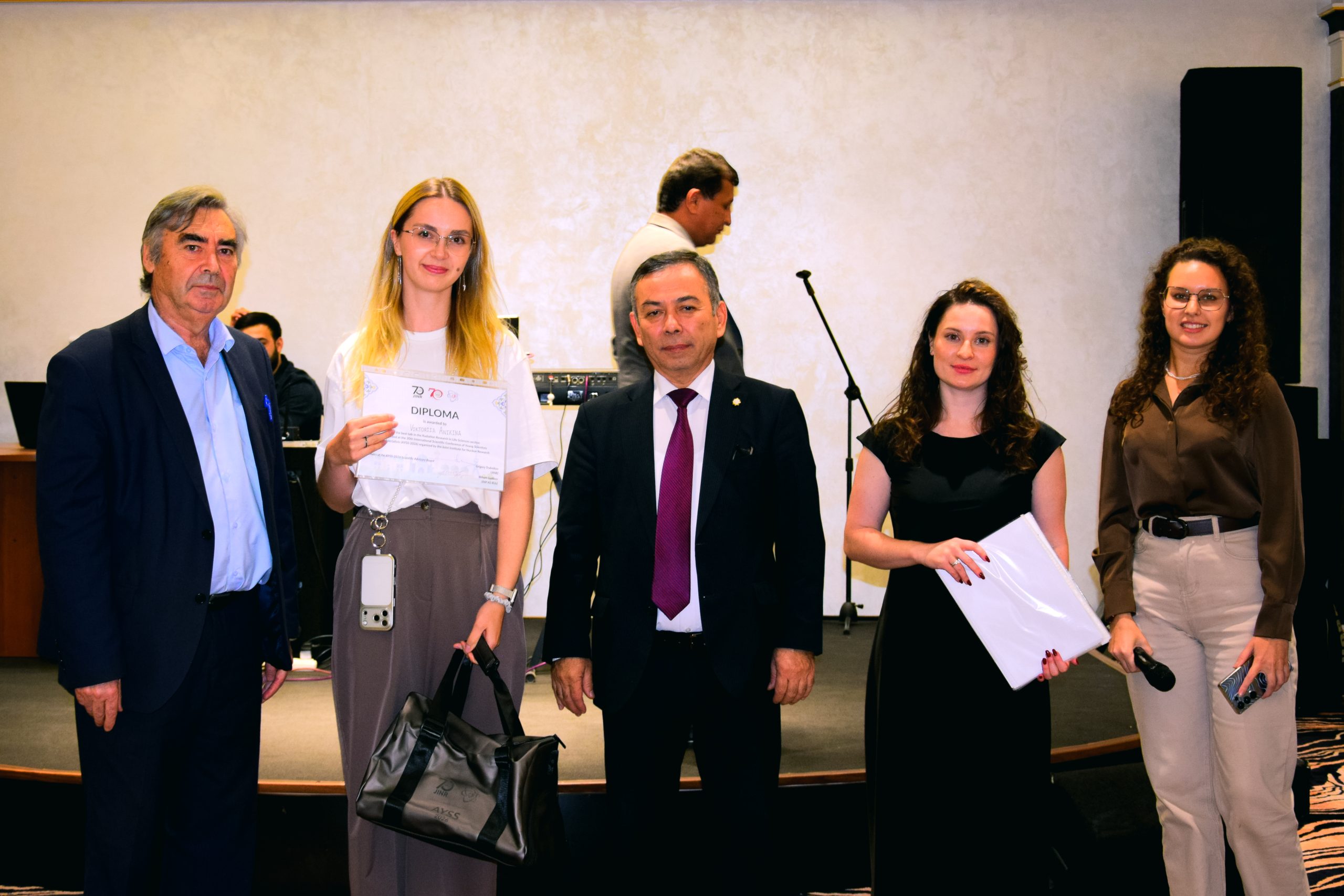 Victoria Anikina, research associate at the ITEB RAS Laboratory of Experimental Radiobiology (section: Radiation Research in Life Science):
“My work focuses on creating an experimental platform for studying radiation dermatitis induced by proton therapy. Although this treatment method is considered advanced, severe skin reactions develop in 75 % of patients, and there is no effective prevention. To solve this problem, we created a validated murine model. It reproduces the clinical picture in detail, including histological and molecular changes, and allows rapid testing of new therapeutic approaches bypassing the limitations of clinical studies. The prospect of our work is to use this model to study pathogenesis and search for new therapeutic strategies that patients need”.
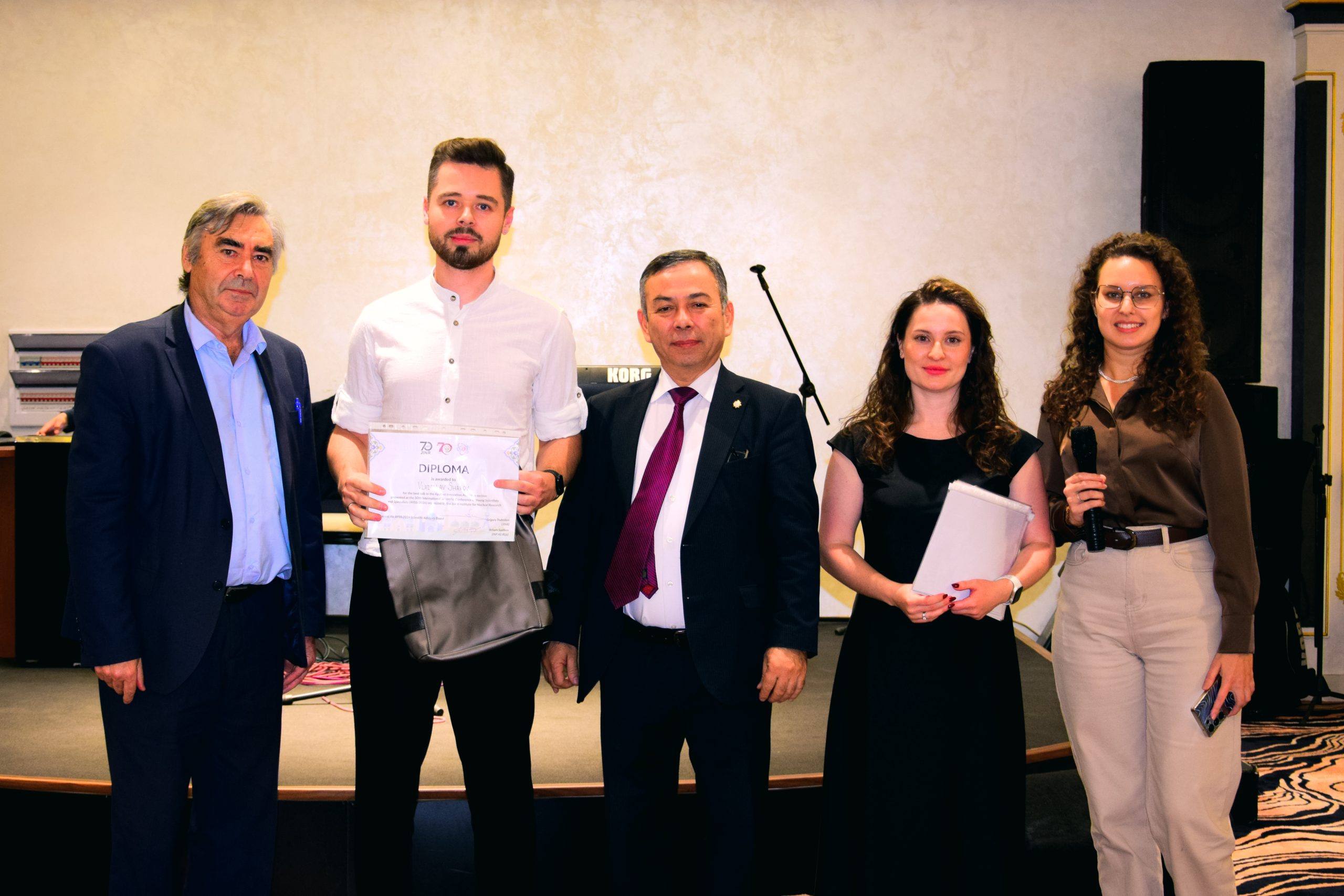 Vladislav Sharov, junior researcher at the Laboratory of Nuclear Problems at JINR (section: Applied Innovation Activities):
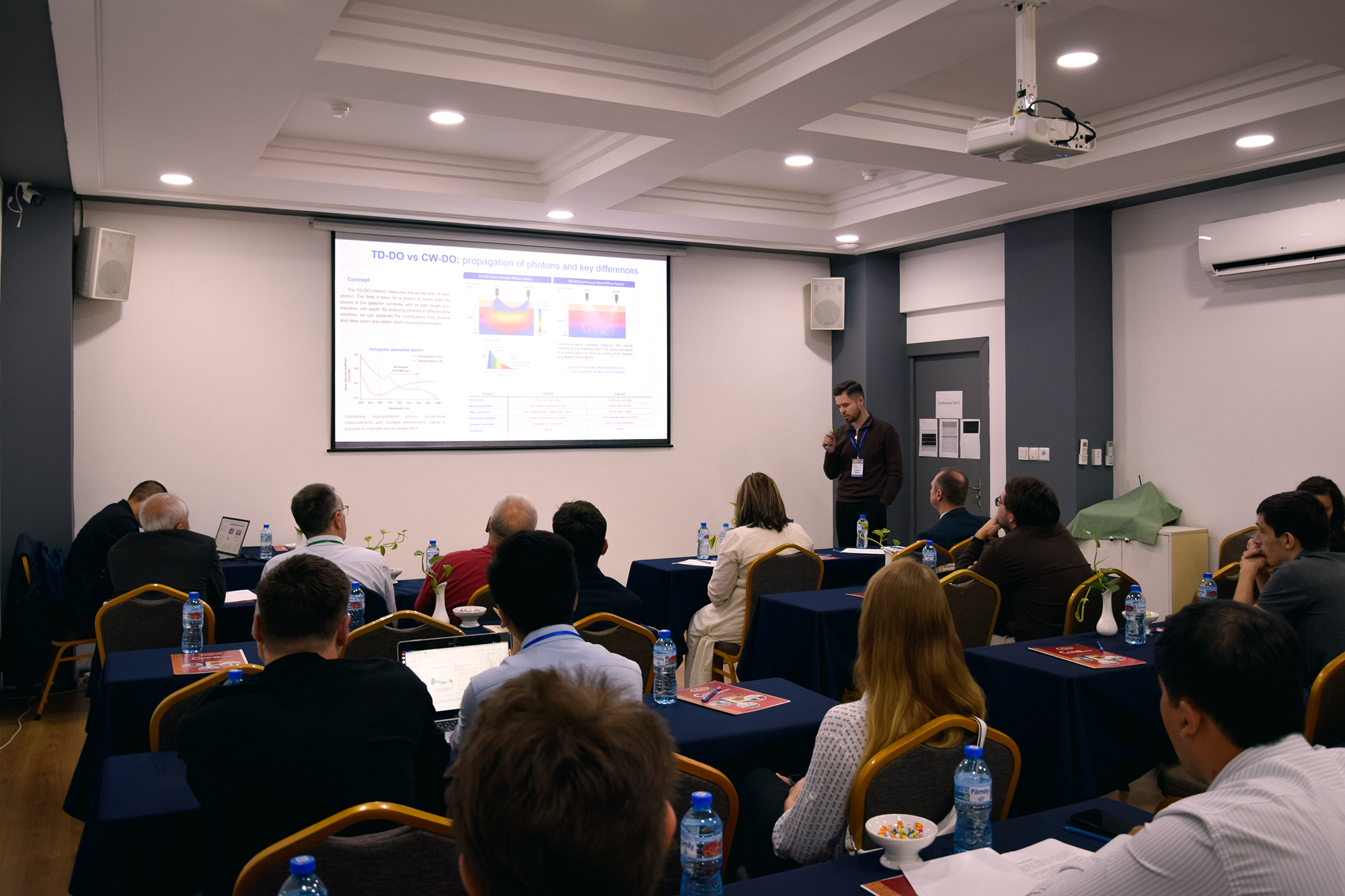
“My research activity is related to the development of a hardware-software platform for time-domain diffuse optics (TD-DO) designed for non-invasive study of biological tissues at various depths of up to several centimeters. The method is based on recording the photon time of flight through a scattering medium irradiated with picosecond laser pulses in the near-infrared range. Analysis of the photon time-of-flight distribution allows studying the optical properties of biological tissues at different depths. A promising application of TD-DO systems is non-invasive monitoring of brain tissue oxygenation and identification of areas with signs of ischemia. In addition to biomedical tasks, TD-DO systems can be used to analyze scattering materials: photon time-of-flight measurements allow their optical properties to be assessed, internal inhomogeneities to be identified, and the structure of the media to be studied”.
For the 30th time, the AYSS conference became a meeting point for talented early-career researchers from all over the world, once again confirming that JINR’s motto, “Science brings nations together”, rings true.
Regina Kozhina, Chair of the JINR AYSS Council and Co-chair of the AYSS-2026 Organizing Committee, commented, “This year the conference was especially significant, as it marked two important anniversaries at once: the 70th anniversary of the founding of the Joint Institute for Nuclear Research and the 70th anniversary of the Institute of Nuclear Physics of the Academy of Sciences of Uzbekistan. We sincerely thank JINR and INP for the opportunity to organize AYSS-2026 in Tashkent, and our Uzbek colleagues for their hospitality, warm welcome, and support. We hope that participants will remember their days in Tashkent fondly, and that the interesting scientific discussions and friendly atmosphere of the conference will inspire them to new achievements in science and joint projects!”.
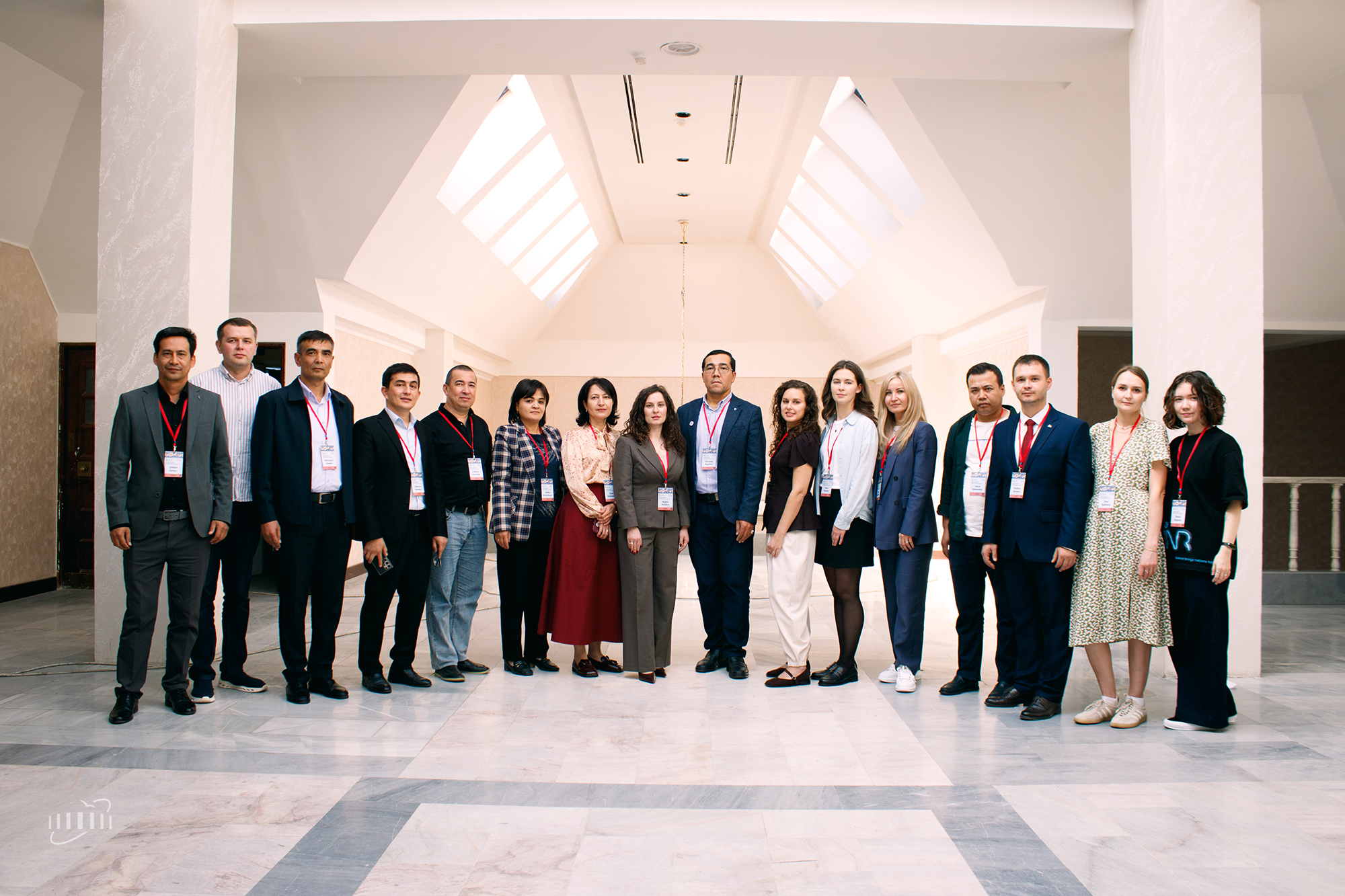
Photos © JINR Press Office, INP AS RUz