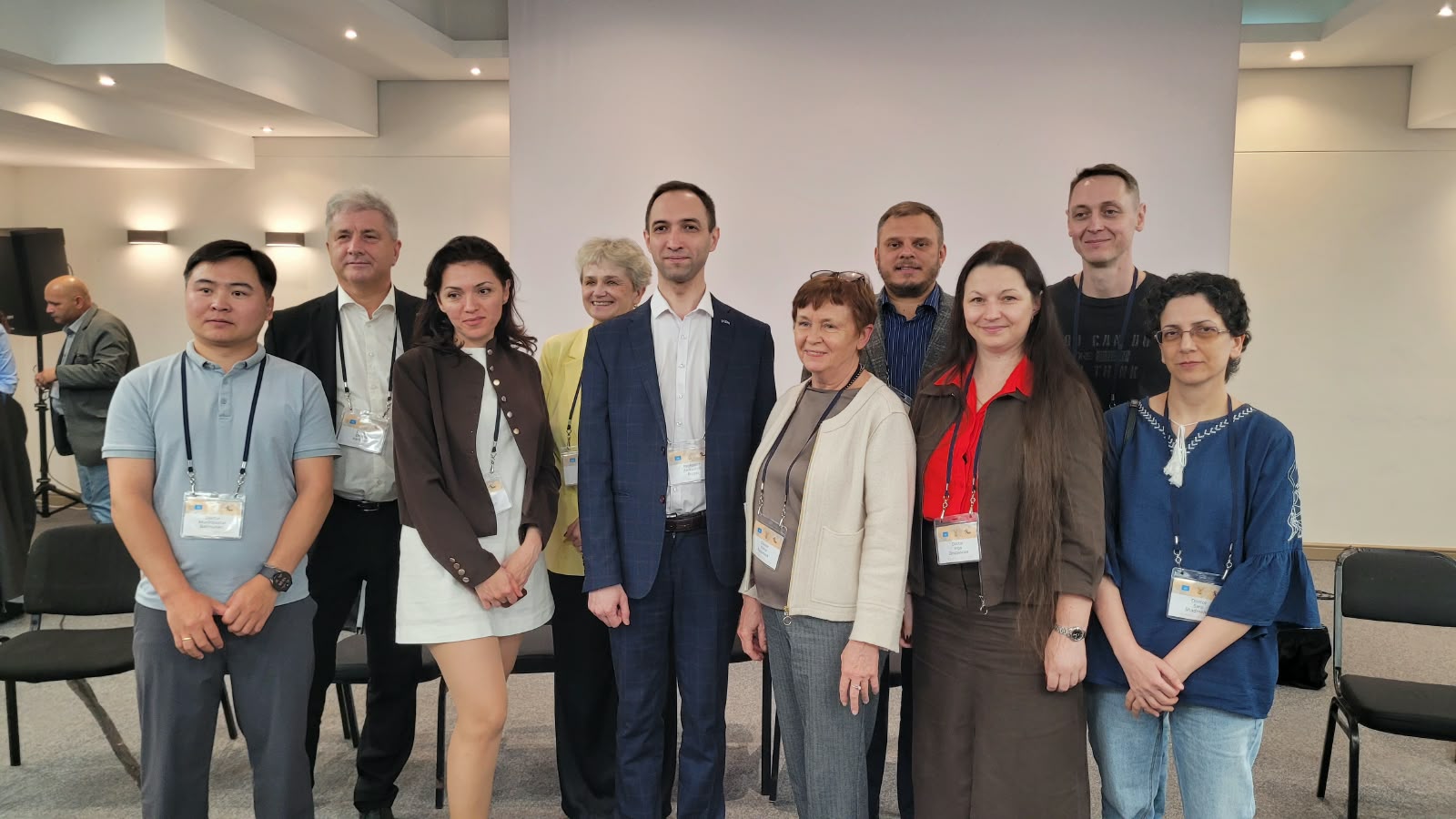
From 26 to 30 October 2026, the International School on Nuclear Methods and Applied Research in Environmental, Material and Life Sciences (NUMAR-Africa 2026) took place in Cape Town (Republic of South Africa). The event’s aim was to engage young specialists in the topics of joint studies of JINR and its South African partners. The event was organized by the Joint Institute for Nuclear Research together with the Department of Science, Technology and Innovation of South Africa and the NRF: iThemba LABS accelerator laboratory of the country’s National Research Foundation. The school was dedicated to the 70th JINR jubilee and the 20th anniversary of its prolific cooperation with South Africa.
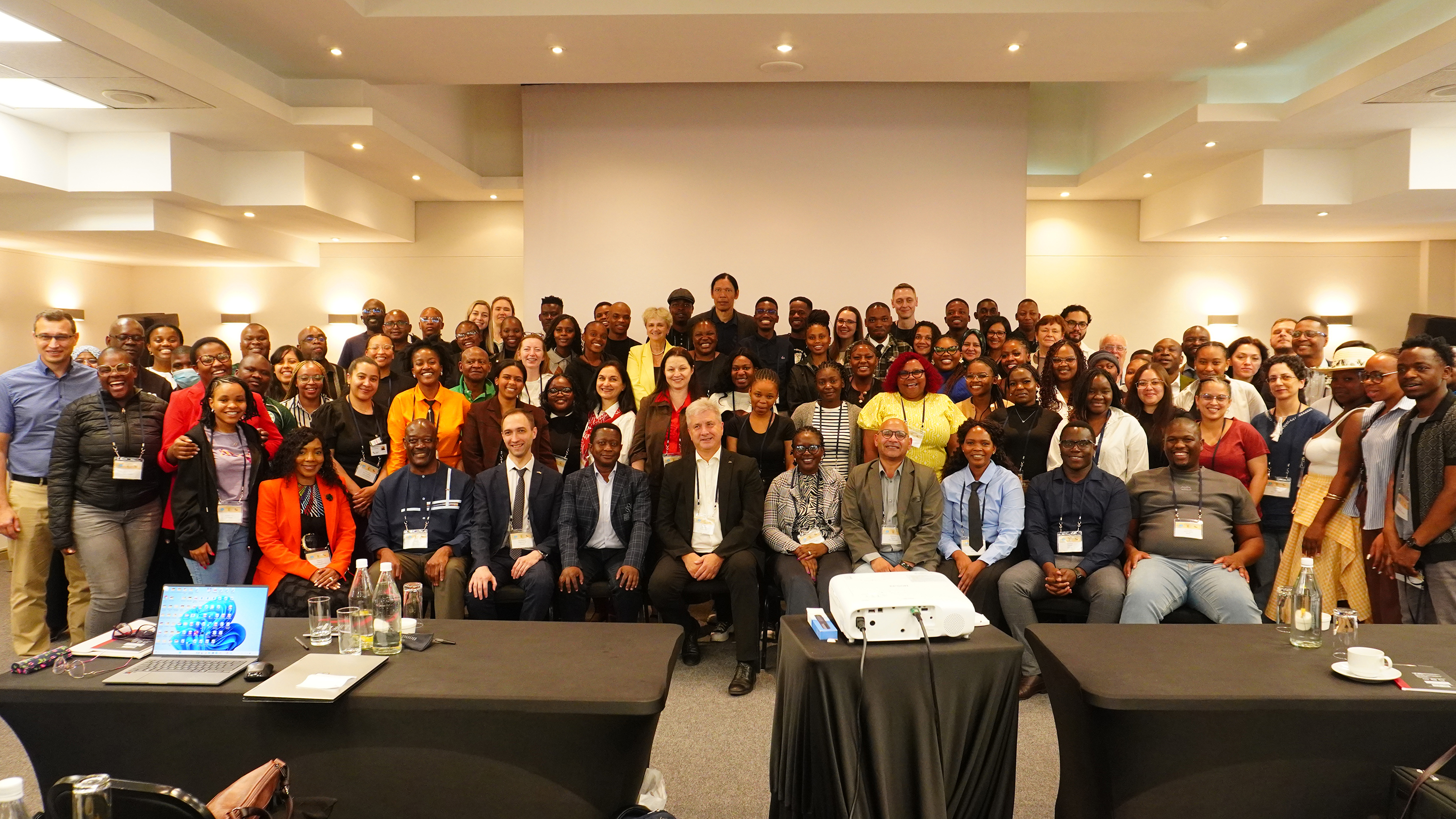
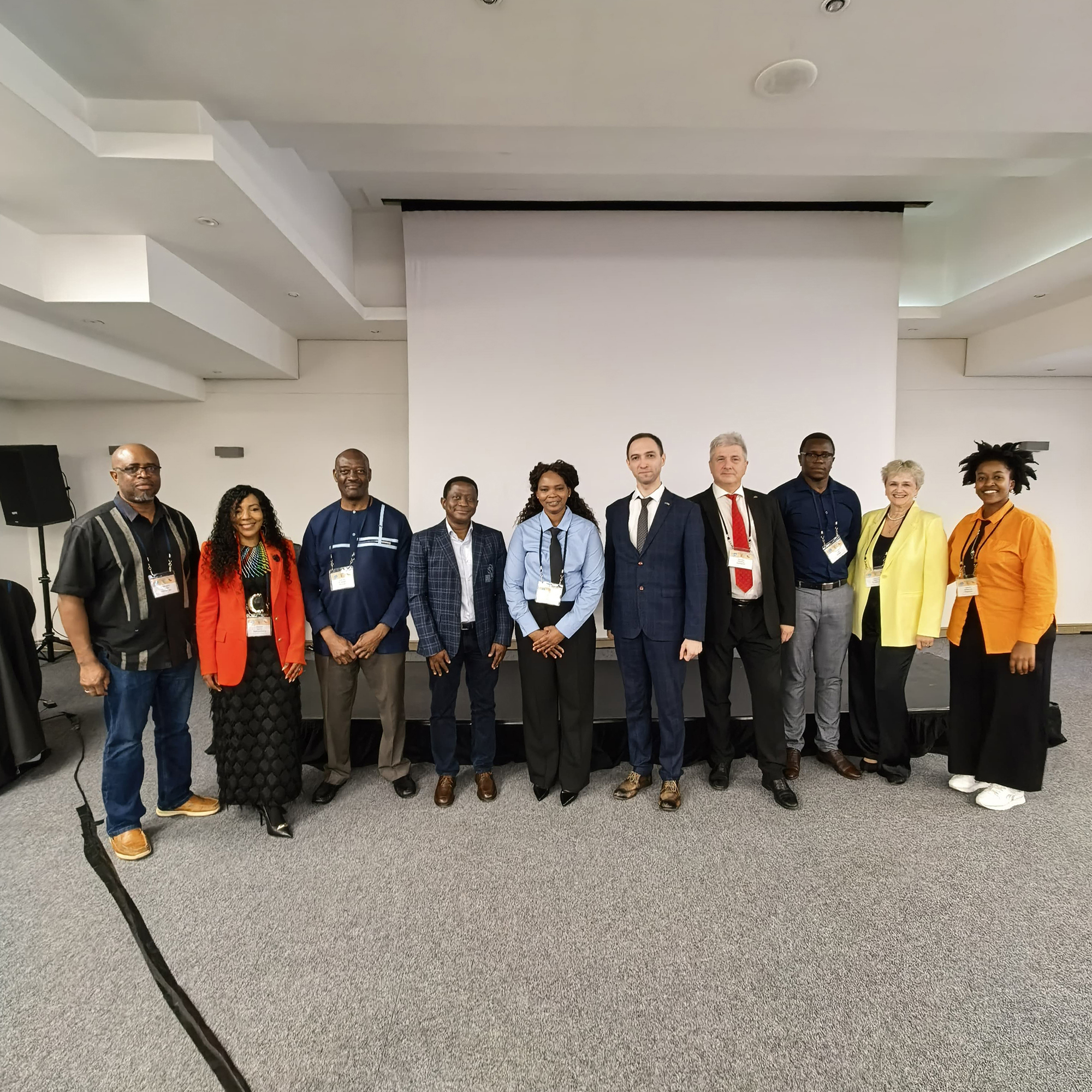
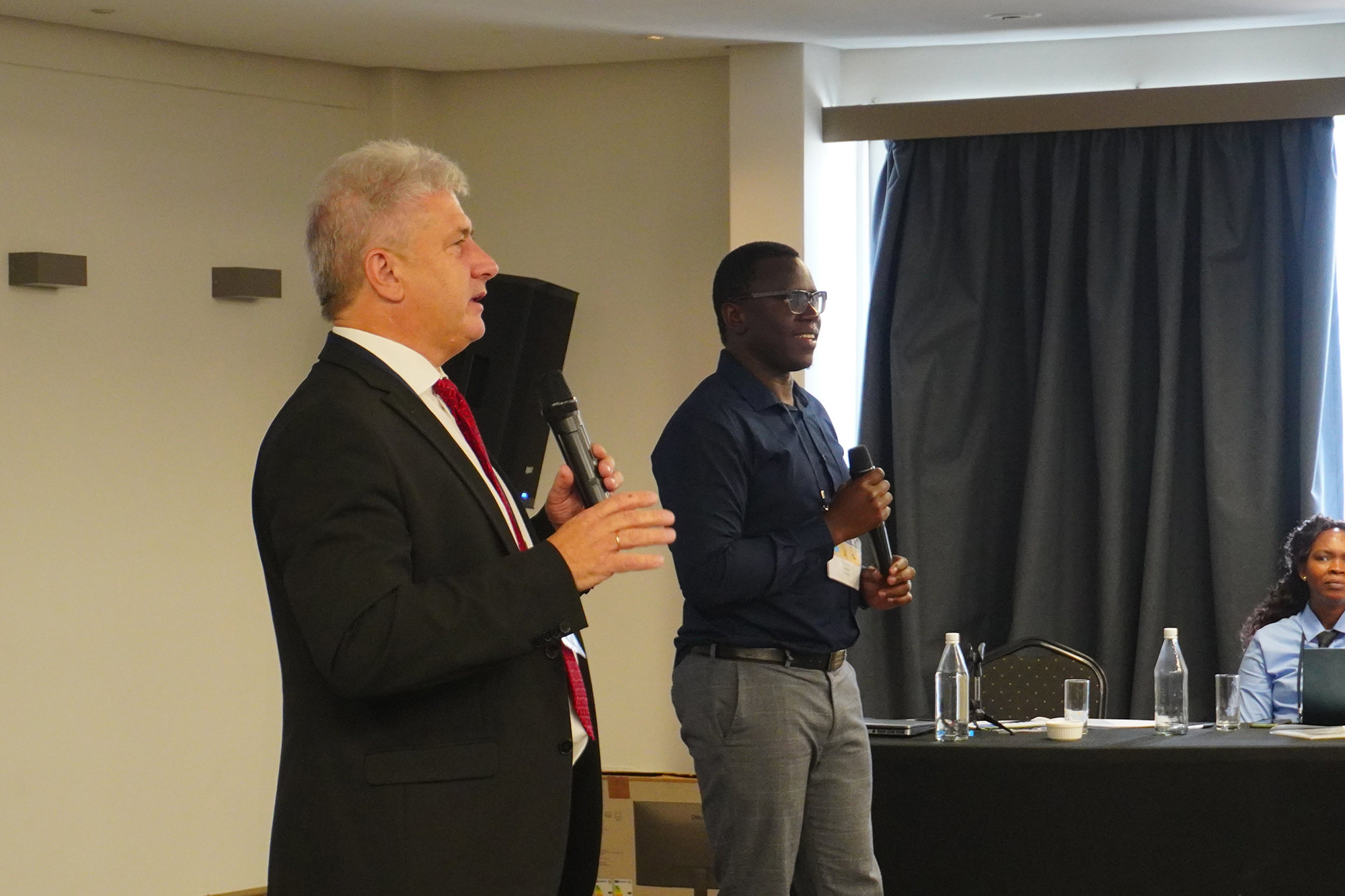
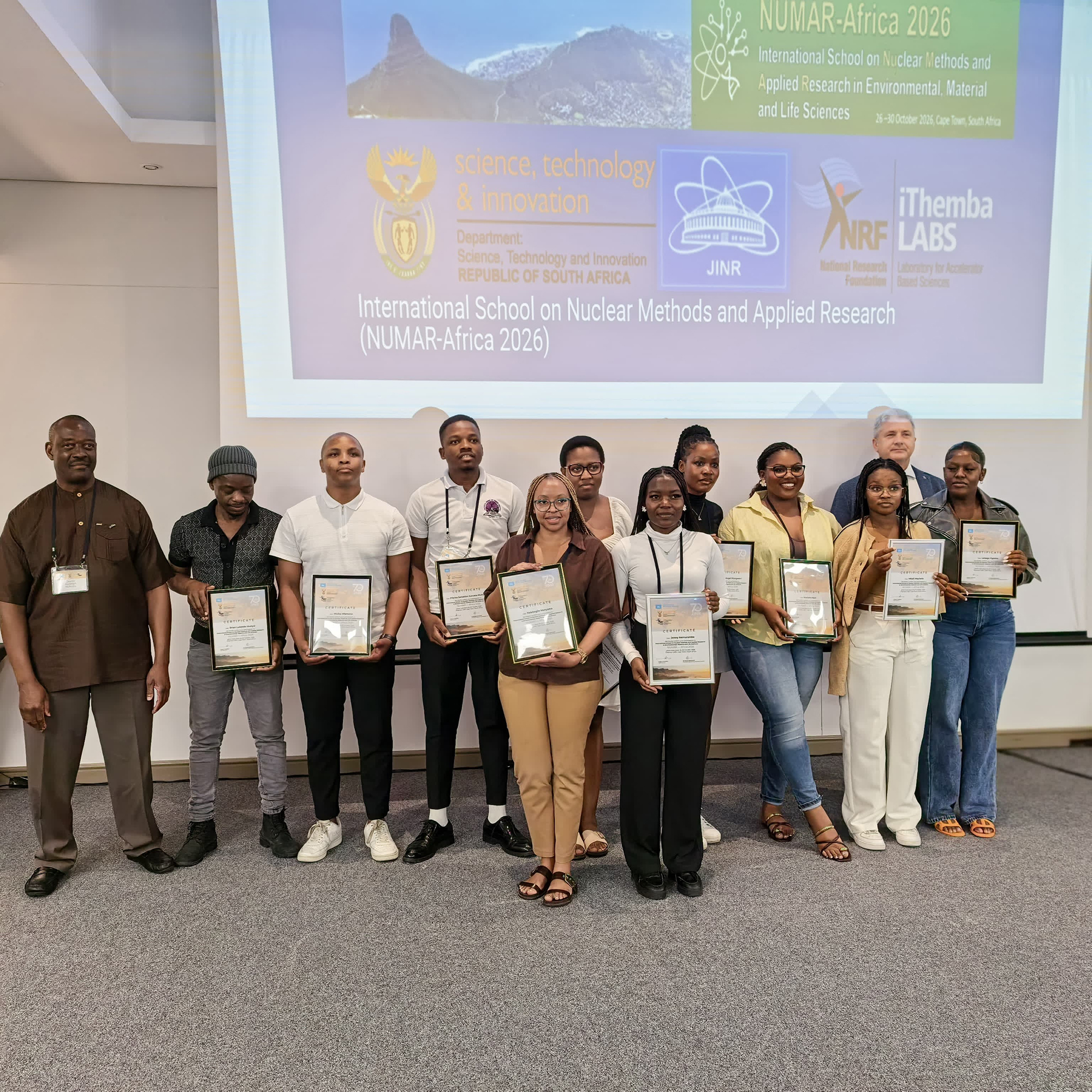
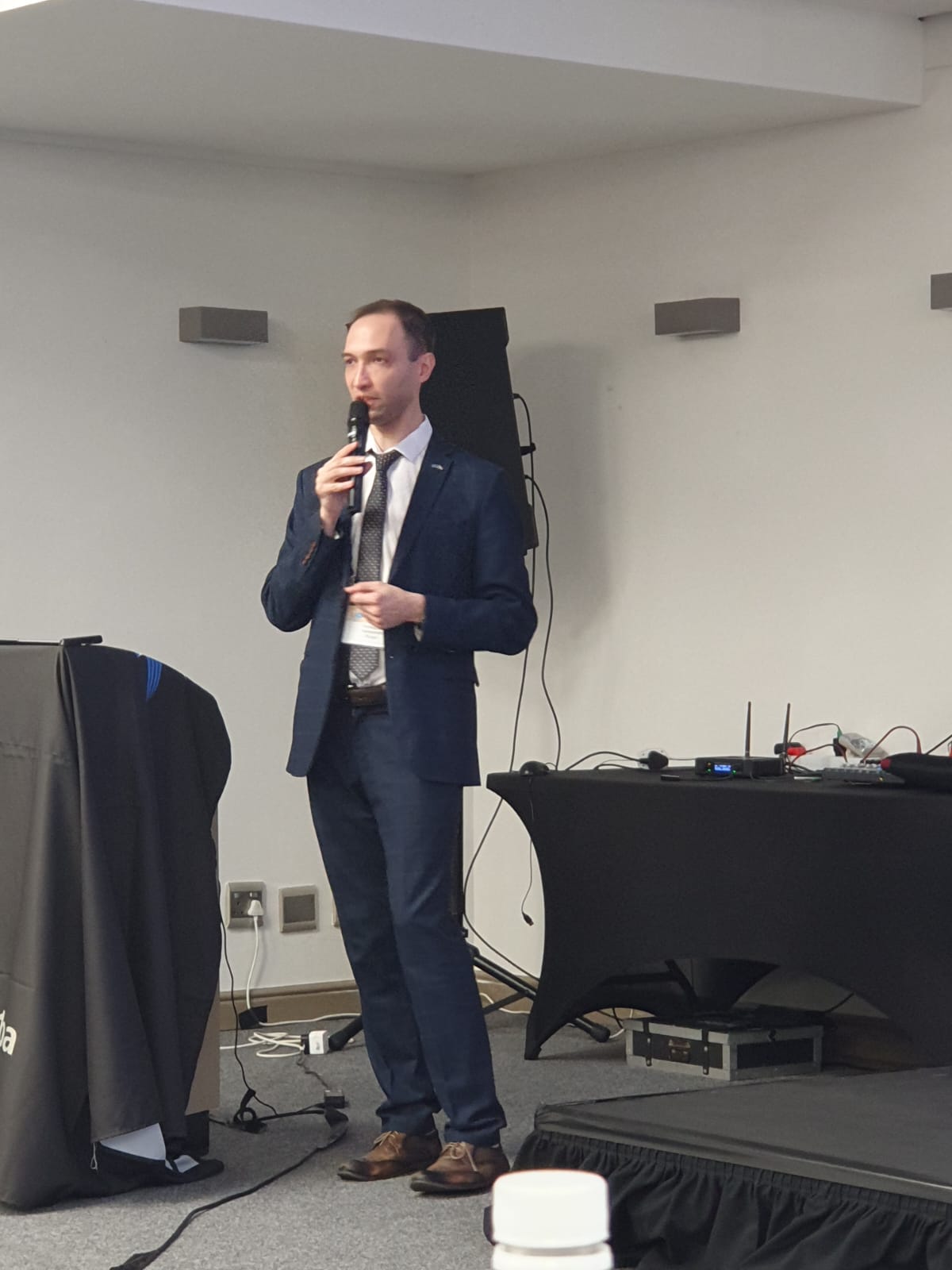
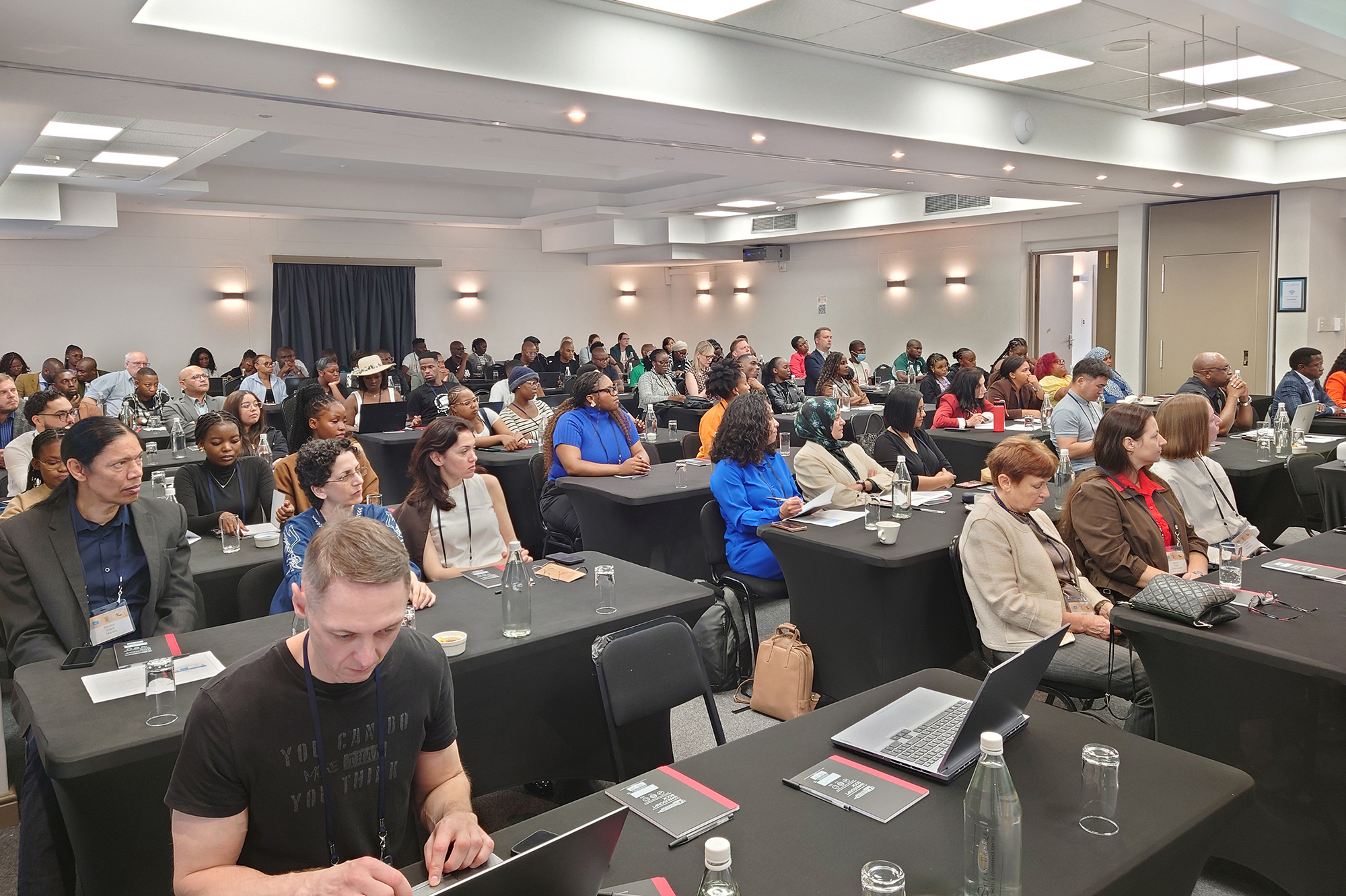
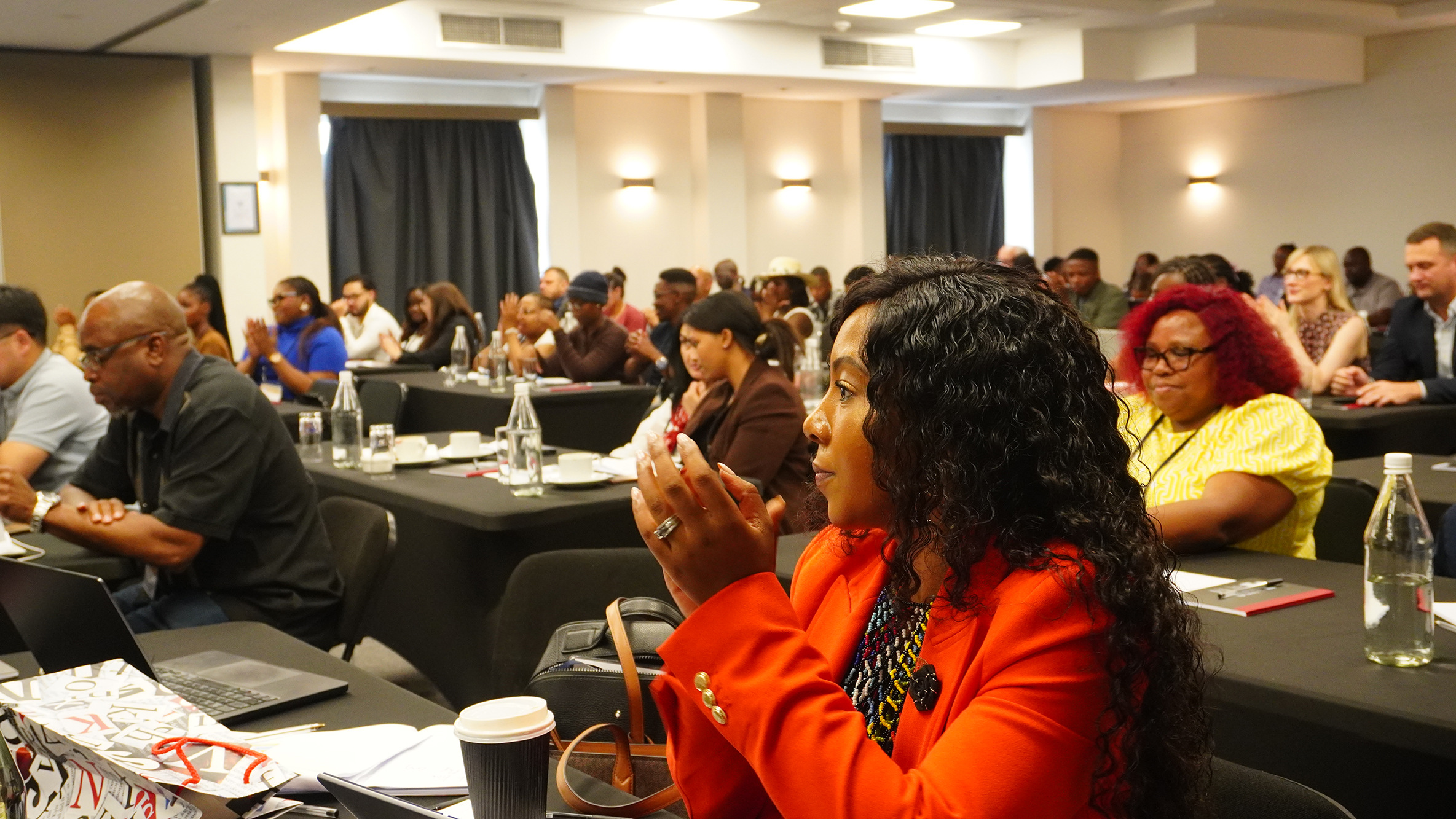
Around 60 undergraduates and postgraduates attended a series of lectures dedicated to life sciences, environmental sciences, and materials science and got introducted to the iThemba LABS accelerators and research infrastructure. The lecturers were scientists from the Institute’s laboratories and the JINR University Centre as well as from South African partner organizations. Researchers and students arrived at the event from 17 organizations across seven provinces of the Republic. The school gathered about 100 participants, including 14 JINR employees and 30 representatives of various scientific organizations.
At the opening ceremony, President and CEO of the Nuclear Medicine Research Infrastructure (NuMeRI) centre Mike Sathekge, iThemba LABS Deputy Managing Director for Research Rudolph Nchodu, head of the Joint Institute’s delegation, Director of the Laboratory of Radiation Biology at JINR Aleksander Bugay, and Director of the University Centre, person responsible for JINR–South Africa cooperation Dmitry Kamanin noted the importance of holding such events and developing mechanisms to attract students to science and joint projects implemented by JINR and South African research groups.
Dmitry Kamanin and Aleksander Bugay gave talks on JINR’s scientific programme, unique infrastructure, and student programmes. Lectures on life and environmental sciences covered the development of targeted alpha therapy and theranostics in nuclear medicine (Mike Sathekge, NuMeRI), methods of personalised dosimetry and imaging (Kamo Ramonaheng, NuMeRI), the main challenges of radiation biology and its application in space studies and radiation medicine (Peter du Plessis, iThemba LABS; Aleksander Bugay, LRB JINR), modern methods of radiation cytogenetics (Elena Nasonova, LRB JINR), the use of analytical methods in environmental research, radioecology, and nanotechnology (Inga Zinicovscaia, FLNP JINR), and the use of nuclear methods in agriculture (Motlalepula Tait, Botswana University of Agriculture and Natural Resources). In terms of materials science, the speakers talked about the experimental methods and research directions at the IBR-2 Reactor infrastructure (Sergey Kichanov, FLNP JINR) as well as accelerator technologies for modifying and producing new materials (Uliana Pinaeva, FLNR JINR). A part of the lectures was dedicated to the application of information technologies and artificial intelligence in life and environmental sciences (Alexander Uzhinsky, MLIT JINR), biomedical image processing (Sara Shadmehri, MLIT JINR), the results of behavioural experiments in neuroscience (Tatevik Bezhanyan, MLIT JINR), and the methods of modelling the biological effects of accelerated charged particles (Batmunkh Munkhbaatar, LRB JINR).
Alongside NUMAR-Africa school, members of the JINR delegation paid official visits to the University of Cape Town, NuMeRI, the research reactor and radiochemical laboratories of the South African Nuclear Energy Corporation (NECSA), and the Embassy of the Russian Federation in Pretoria. A joint meeting with the University of Limpopo took place to discuss personnel training issues.