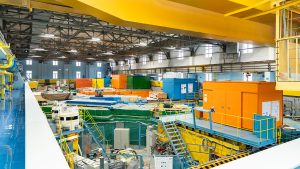
Scientists of the Laboratory of Neutron Physics at JINR and their colleagues from Institute of Archaeology of the Russian Academy of Sciences (IA RAS) and Egyptian Atomic Energy Authority (EAEA) used neutron activation analysis and machine learning algorithms to establish the exact origin and calculate the content of chemical elements in Russian medieval pottery. The results can serve as a basis for future geochemical studies and the development of new methods for classifying the found artefacts.
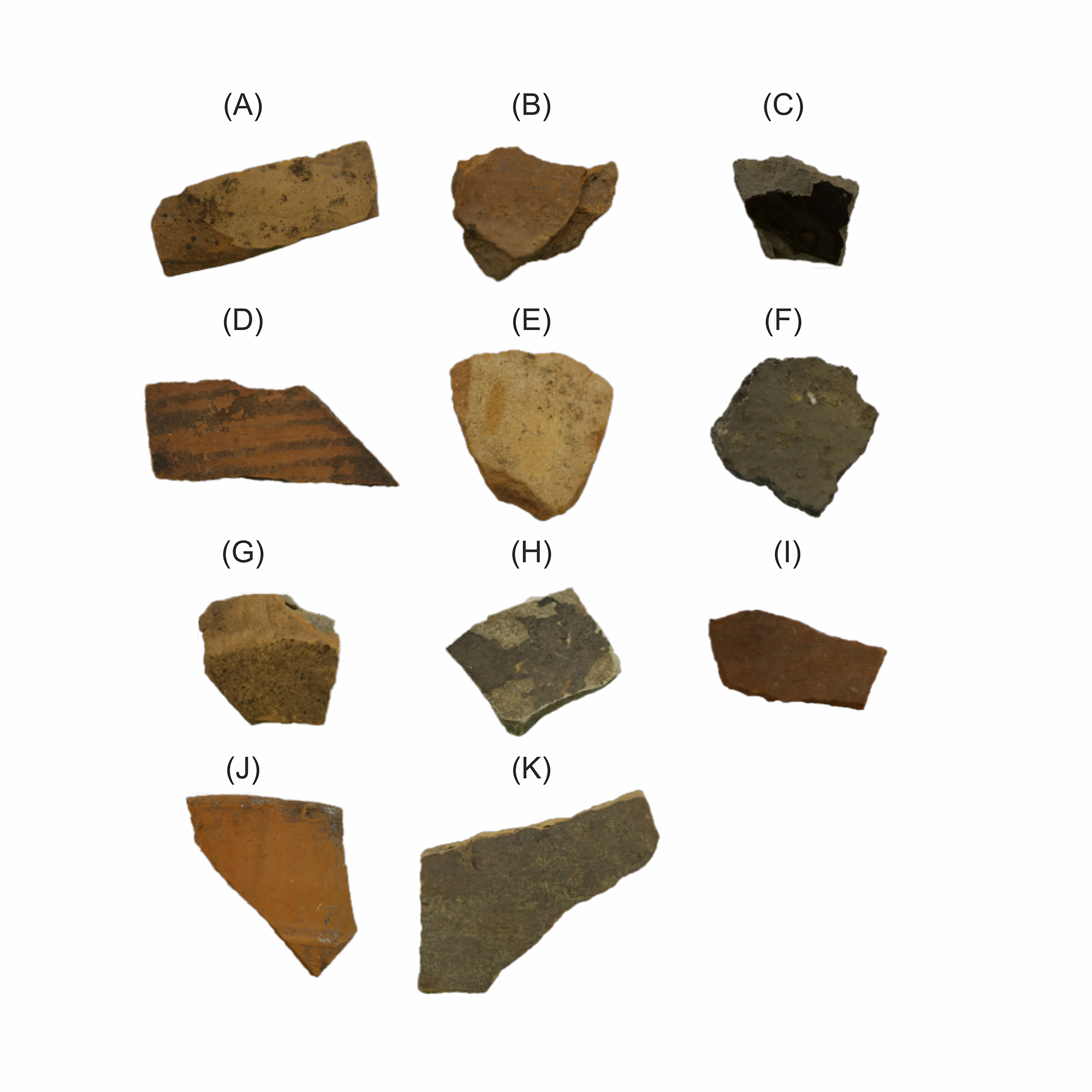 Pottery samples under study
Ceramics are considered to be one of the most informative classes of archaeological finds. The composition of clay and impurities preserves a unique geochemical “fingerprint” of the place of raw material extraction and reflects the technological features of ancient pottery. Precisely determining where the objects were produced allows reconstructing trade routes, as well as studying the processes of cultural exchange and the specifics of the organization of crafts in the Middle Ages.
Earlier rigorous quantitative studies of Russian ceramics origin are scarce due to the limited sample size of available materials and the lack of reference databases of artefacts’ geochemical background.
To solve this problem, specialists from FLNP JINR, IA RAS, and the Egyptian Atomic Energy Authority analysed 149 fragments of ceramics from the 13th–17th centuries. Among the objects studied were samples of pottery from the Moscow Kremlin, Tver, and the Selitrennoe settlement, handicraft ceramics from Bolgar (Bulgar) and Bilyar – the largest centres of medieval Volga Bulgaria – as well as artefacts from other regions. In particular, the scientists worked with fragments of Byzantine amphorae and ceramic products from the ancient state of Khorezm, located in Central Asia.
The scientists determined the elemental composition of the samples using instrumental neutron activation analysis (INAA) at the IBR-2 Pulsed Reactor at FLNP at JINR, as well as at other facilities using X-ray fluorescence analysis. The combination of these methods made it possible to detect concentrations of 29 chemical elements in each sample with high accuracy.
A distinctive feature of the study was the implementation of supervised machine learning algorithms: the support vector machine (SVM) method, the random forest (RF) algorithm, gradient boosting (GB), and multilayer perceptron (MLP), helping classify ceramic fragments with an uncertain place of origin based on their geochemical composition. The proposed approach’s stability was confirmed through independent control sample testing: the recognition accuracy reached 85–88%. In addition, the algorithms helped replenish the Bolgar ceramics databases with new verified samples.
An important result was the calculation of geochemical background values for 25 elements in Bolgar-type pottery. Using four independent statistical methods (IQR, MAD, CDF, and Bayesian inference using Markov chain Monte Carlo), physicists proved that the real background concentrations systematically exceed the usual arithmetic mean. The sole use of averaged values as a reference was proved to carry a high risk of error in interpreting the origin of archaeological artefacts.
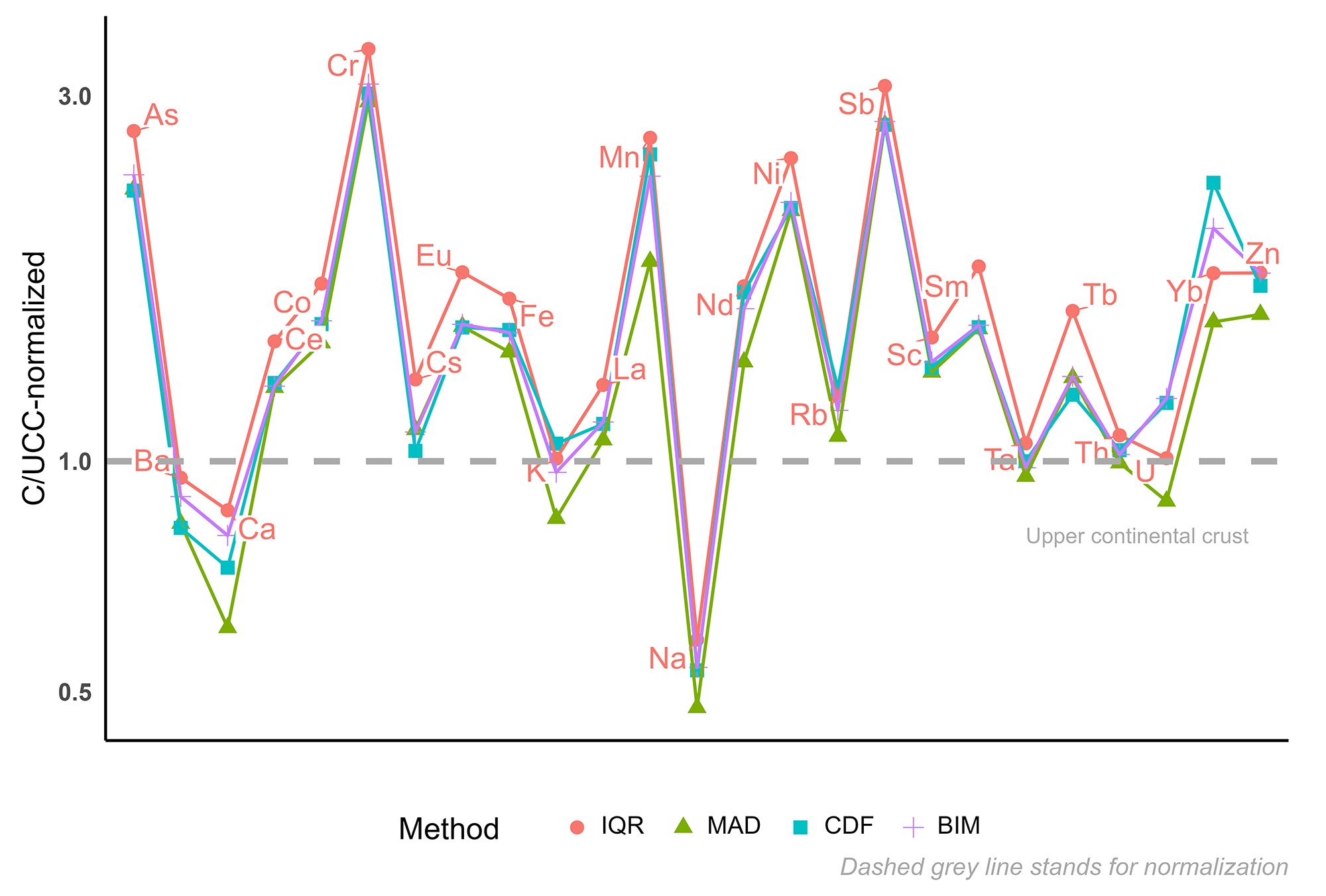 Spider plot shows the distribution patterns of the calculated background values with respect to the corresponding values from upper continental crust (UCC)
In addition, scientists found that chromium, antimony, manganese, arsenic, and nickel are reliable geochemical markers that separate Bolgar-type ceramics from products from other regions. These elements best reflect the specifics of the geological composition of local sources of clay raw materials and the characteristic traditions of medieval pottery workshops.
This work was the first in Russia to successfully combine the nuclear physics analysis method with machine learning to study the origin of ancient ceramics and calculate background values for Bolgar artefacts. The scientists proposed a new reproducible quantitative methodology for attributing archaeological finds. This approach will allow accurately determining where the discovered fragments were created and detailedly map trade route of medieval Russian cities.
“We plan to expand the data set by including additional ceramic groups and archaeological sites. This will help significantly complement the geochemical atlas of medieval Russian material culture”, an FLNP JINR leading researcher Wael Badawy said. “This work vividly demonstrates the enormous interdisciplinary possibilities that open up through the use of techniques combining nuclear physics, geochemistry, and the humanities”.
The article titled “Neutron activation analysis and machine learning models for elemental characterisation of archaeological pottery” is published in the European Physical Journal Plus. The study involved Wael Badawy (FLNP JINR/EAEA), Vladimir Koval (IA RAS), Maxim Bulavin (FLNP JINR), and Mohamed Soliman (EAEA).
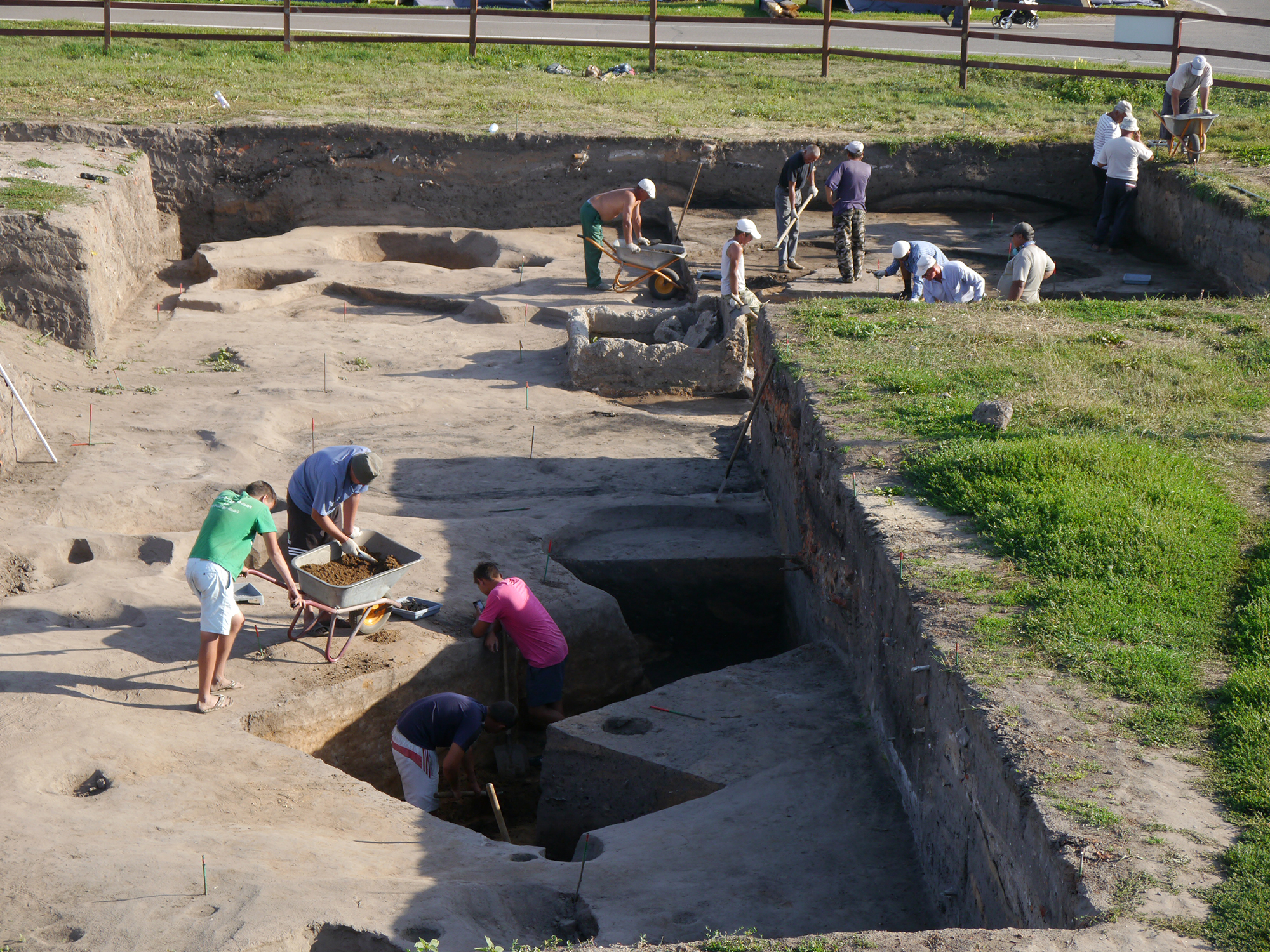
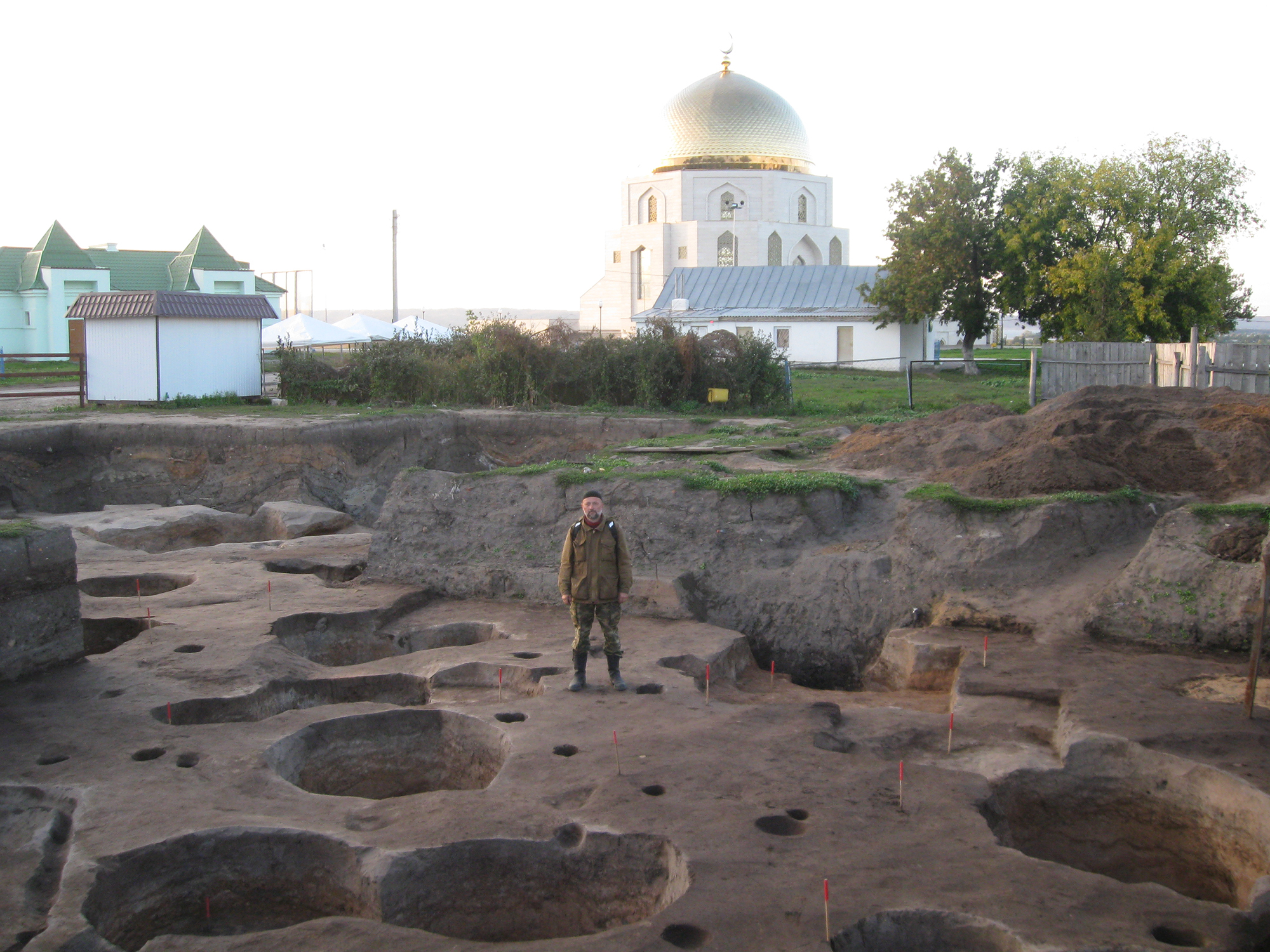
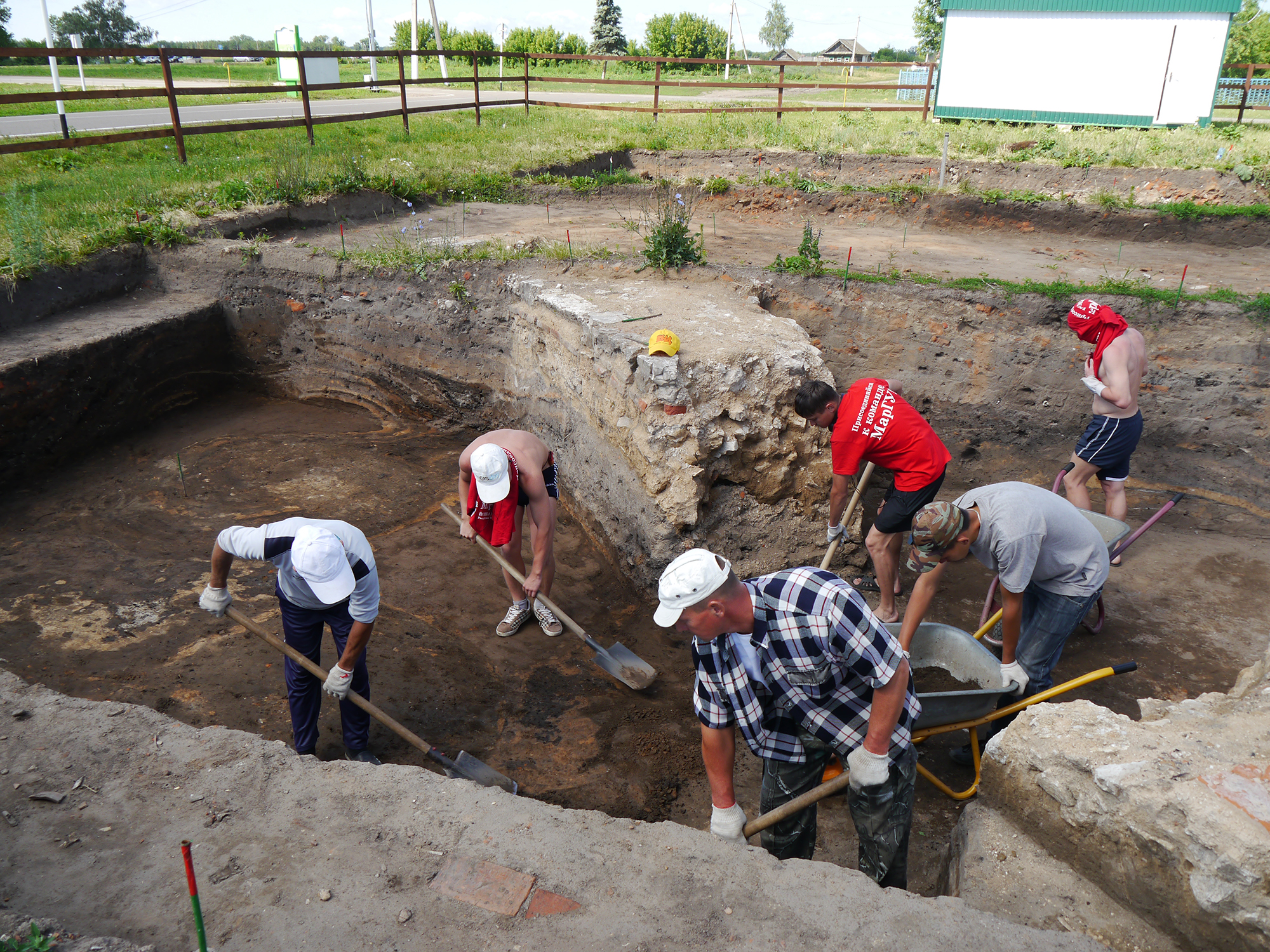
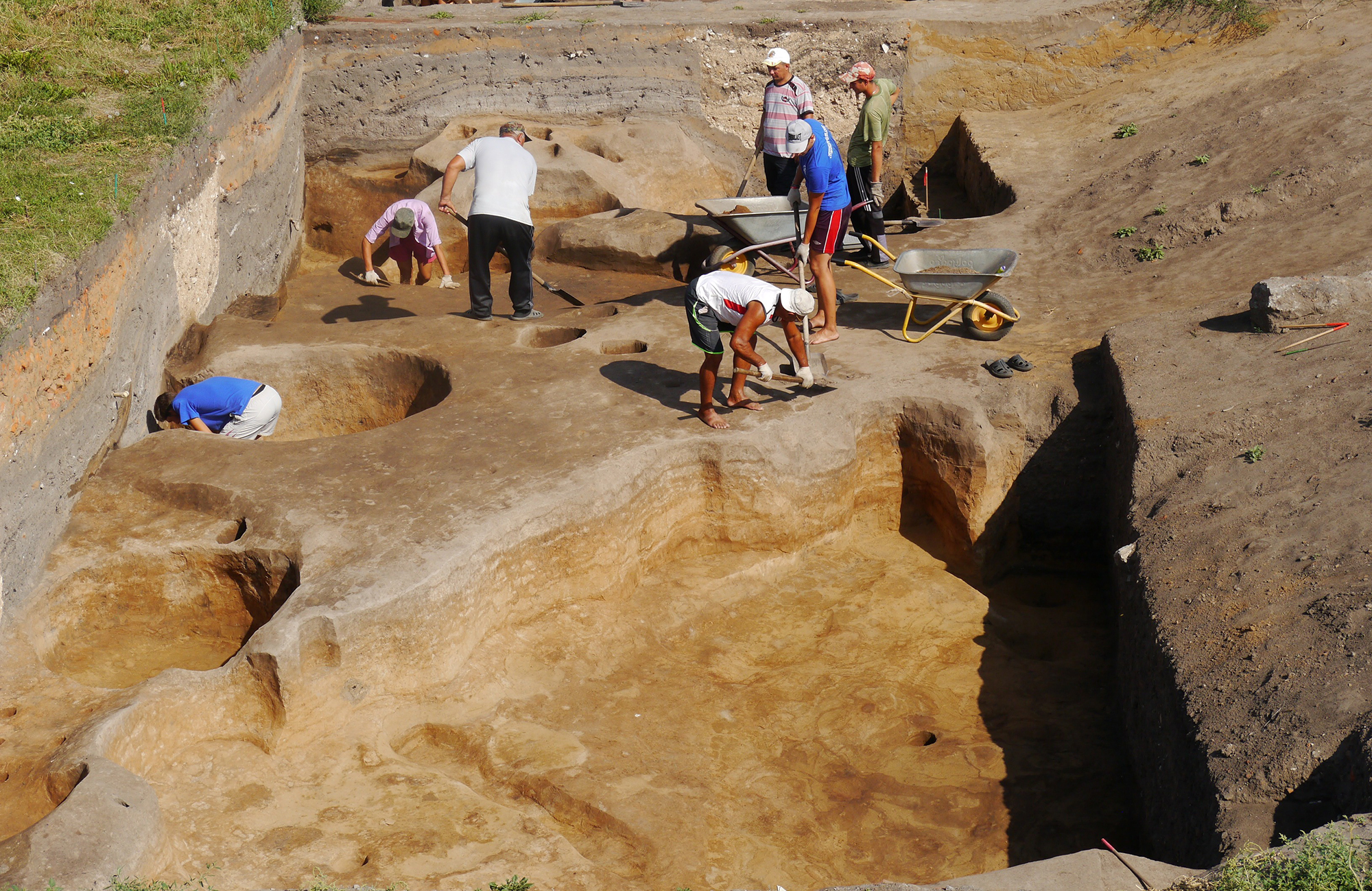 Photos from excavations on the territory of the Bolgar settlement (Tatarstan Rep., Russia). From the archive of Vladimir Koval.
Пресса