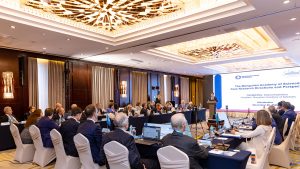
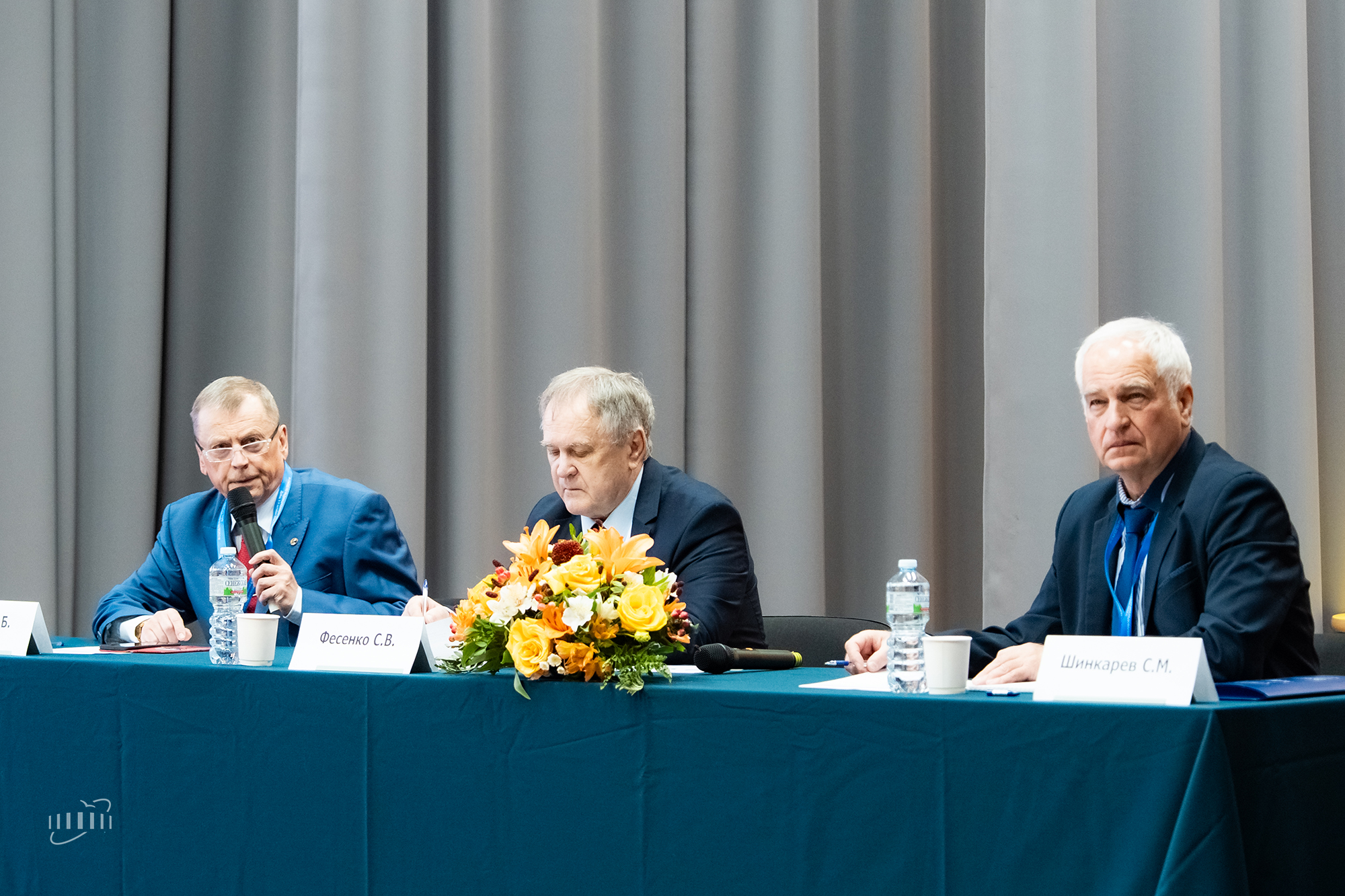
On 9 October 2026, the final event of the Ninth Congress on Radiation Research (Radiobiology, Radioecology, Radiation safety), a round table “Forty years since Chernobyl disaster: consequences and lessons”, took place in the conference hall of Dubna State University. Outstanding scientists in radioecology and radiation safety participated, including liquidators of the Chernobyl and Fukushima accidents, distinguished scientists of the Russian Federation, and IAEA experts.
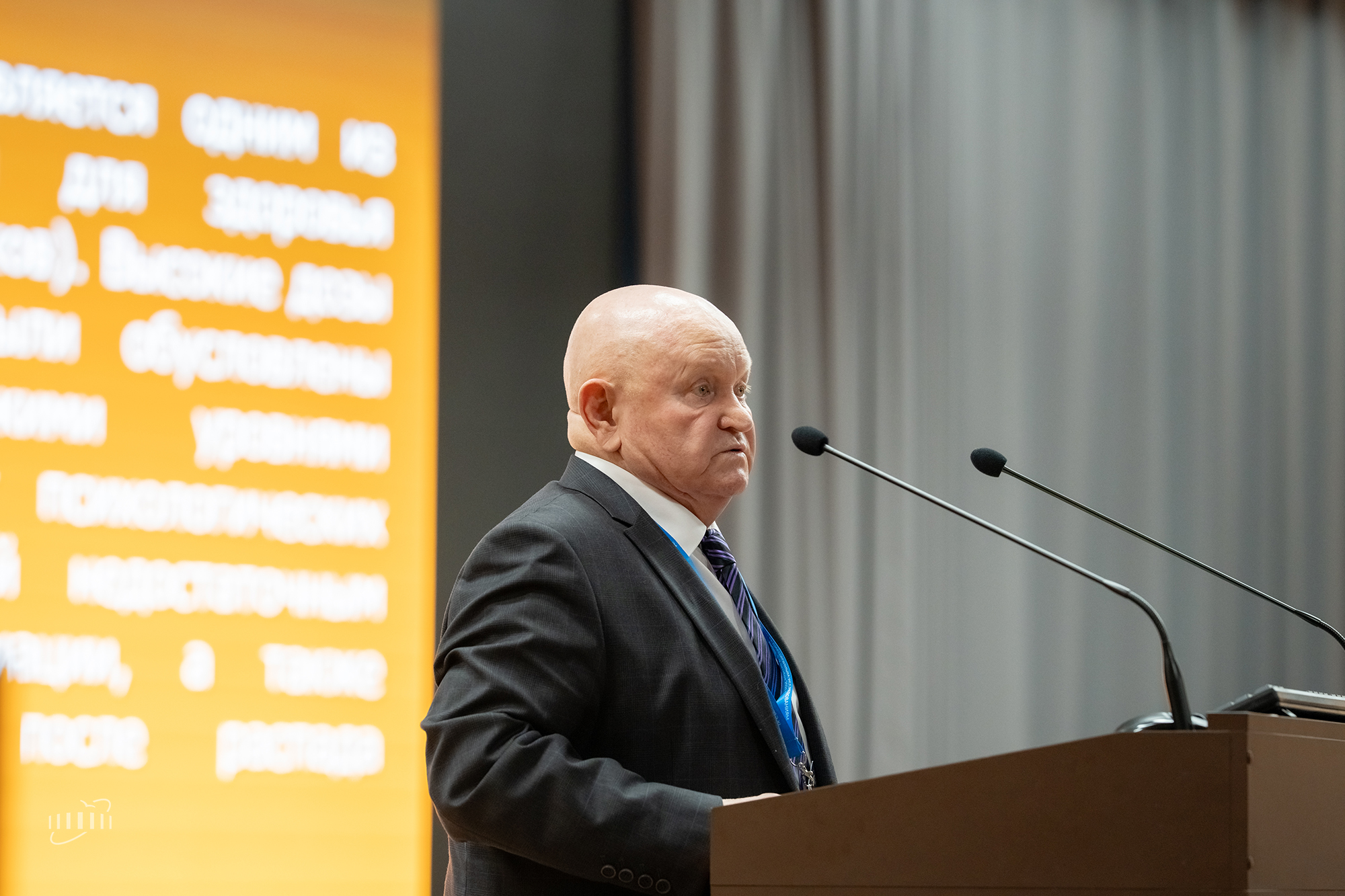
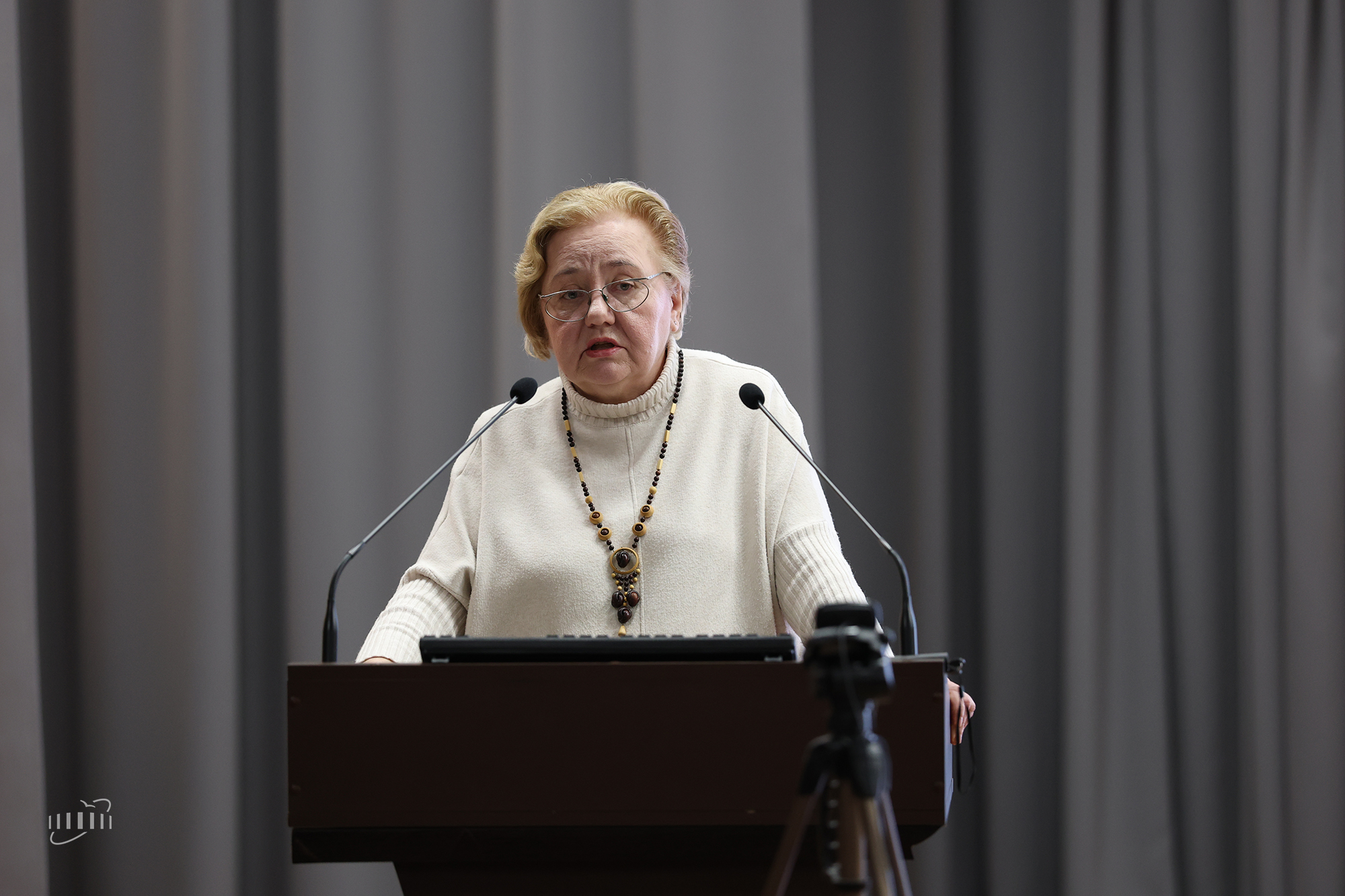
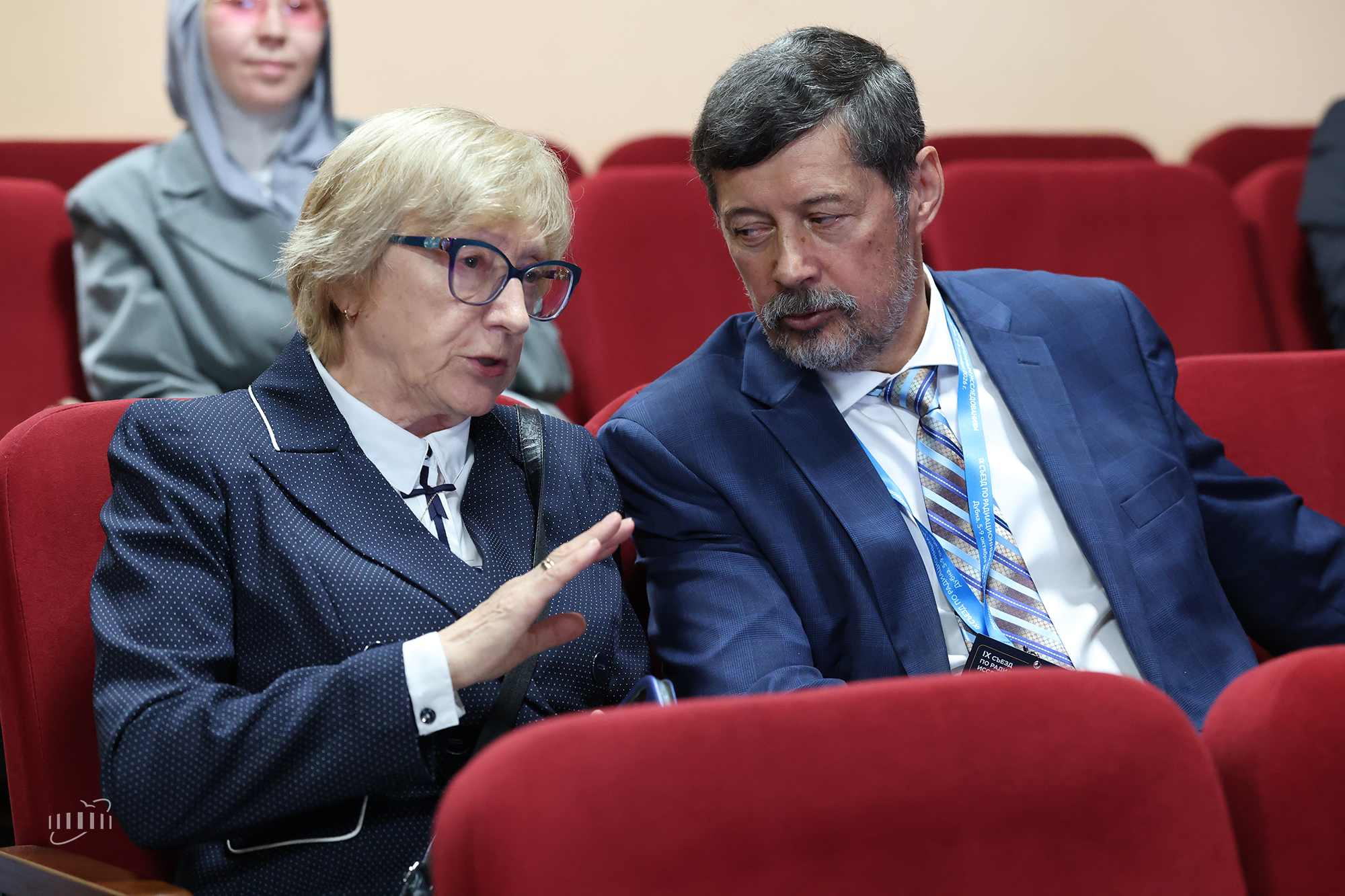
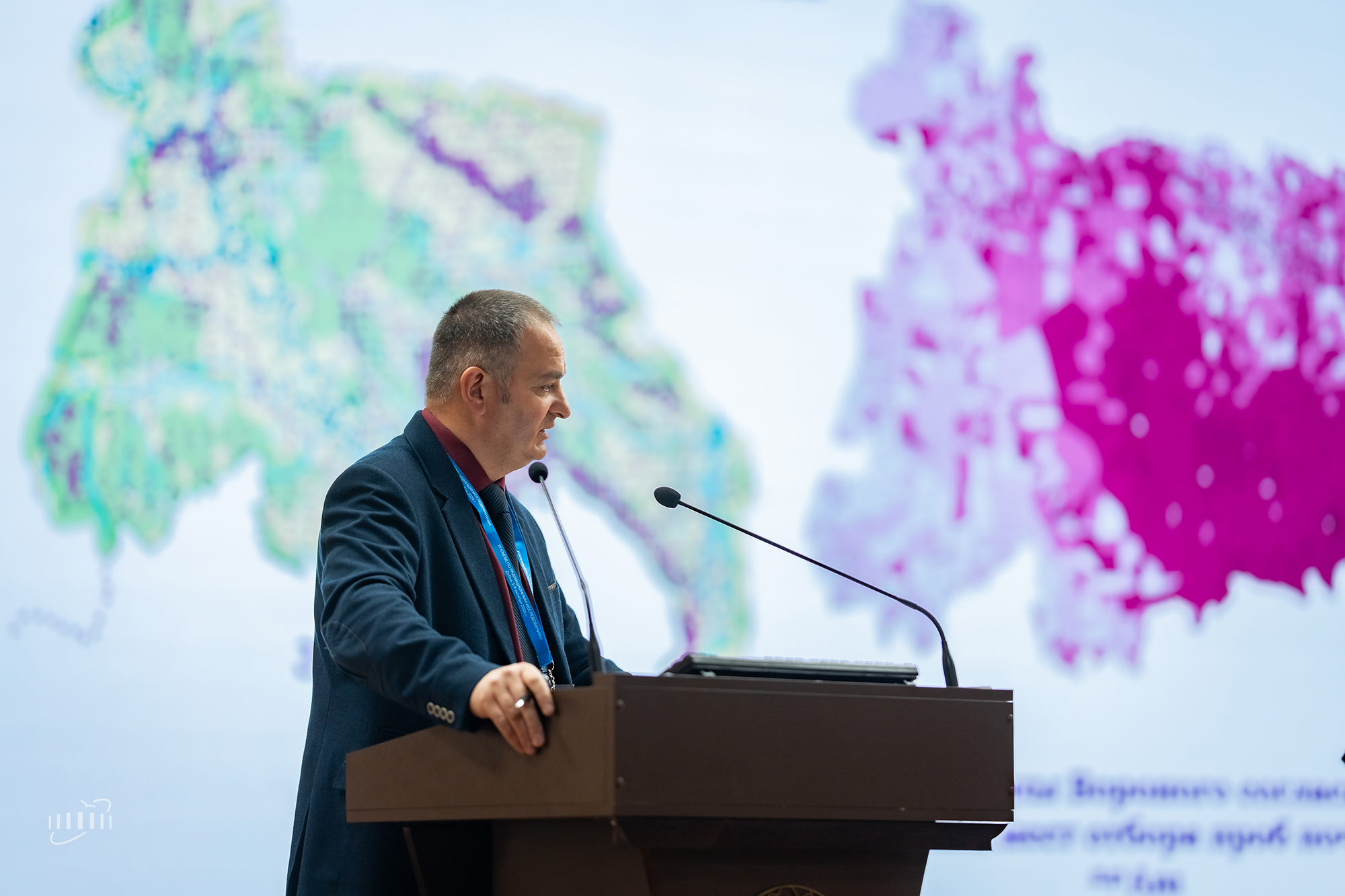
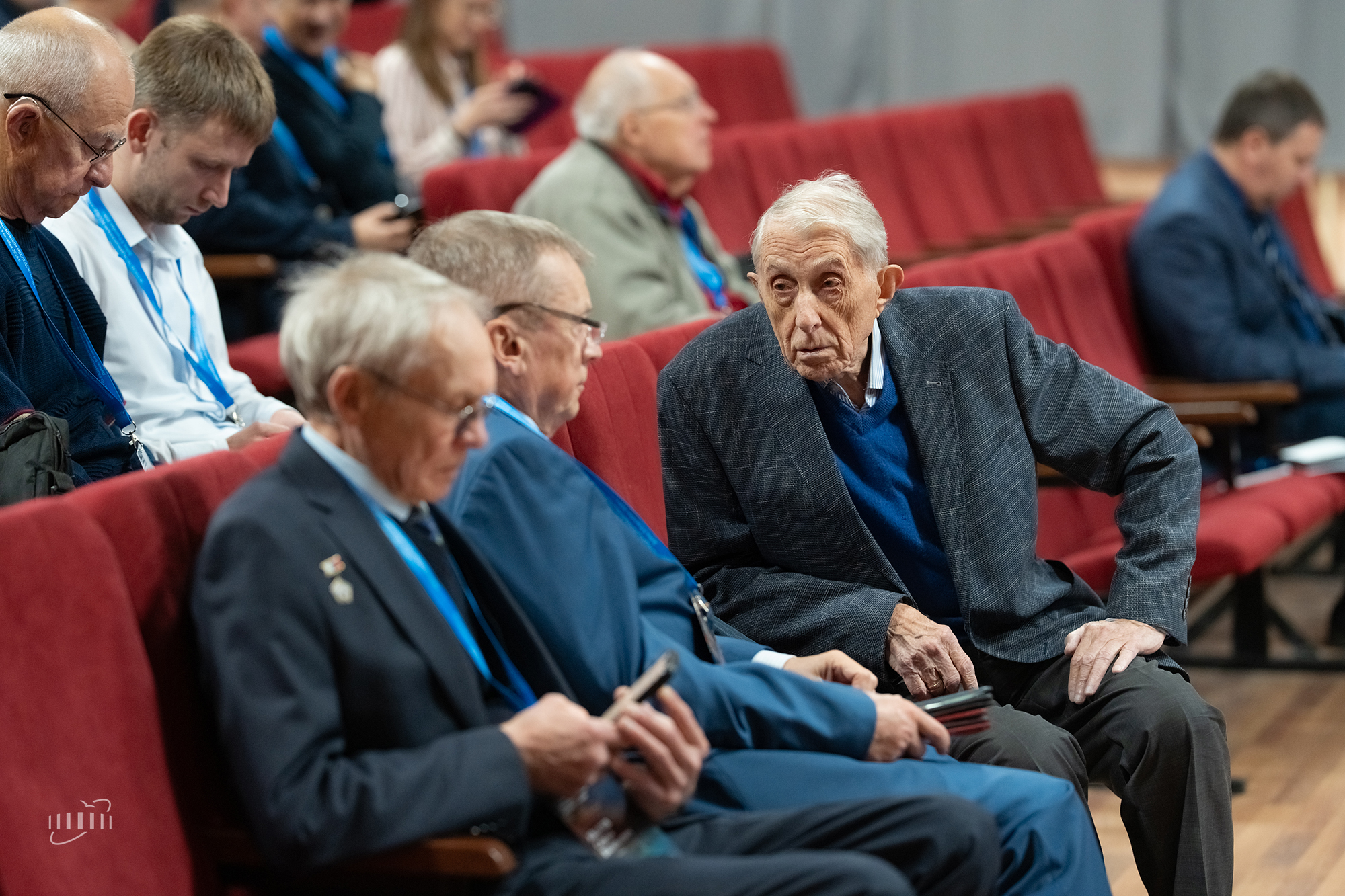
The Ninth Congress on Radiation Research is the largest event in this field in Russia in terms of participant number, organised jointly with the Joint Institute for Nuclear Research and including people from many parts of the world.
Opening the round table, Sergey Fesenko (Kurchatov Radiology and Agroecology Complex of the NRC “Kurchatov Institute”, IAEA) compared the environmental consequences of two major radiation accidents: Chernobyl (26 April 1986) and Fukushima (11 March 2011), in the clean-up of which he took part personally.
The two disasters differed significantly in both environmental conditions and the measures taken to eliminate their consequences. In Chernobyl, the radionuclide release was significantly higher; variable wind direction and precipitation played an important role. In Fukushima, the release of radionuclides into the environment was delayed, 80% settled in the ocean, and mountains served as an additional barrier to their spread. Unlike the case with the Chernobyl Nuclear Power Plant, the accident occurred before the active crop growth season, meaning it caused less damage to agriculture, which reduced the intake of radionuclides into the human diet. The area of the exclusion zone in Fukushima turned out to be 4 times smaller, the contaminated land – 20 times smaller.
Measures to deal with the aftermath in Japan, unlike the USSR in 1986, were taken without delay, and the criteria for implementing protective measures were much stricter, including, for example, the removal of the topsoil from affected land. Agriculture as a whole is the most vulnerable sector, where the most severe consequences of radiation disasters are observed, the speaker noted. For timely response to radiation accidents in the state, it is necessary to ensure a national policy in emergency response, an appropriate regulatory framework and competencies for the nuclear industry personnel, and in the case of an accident, to pay special attention to providing the population with products from clean areas.
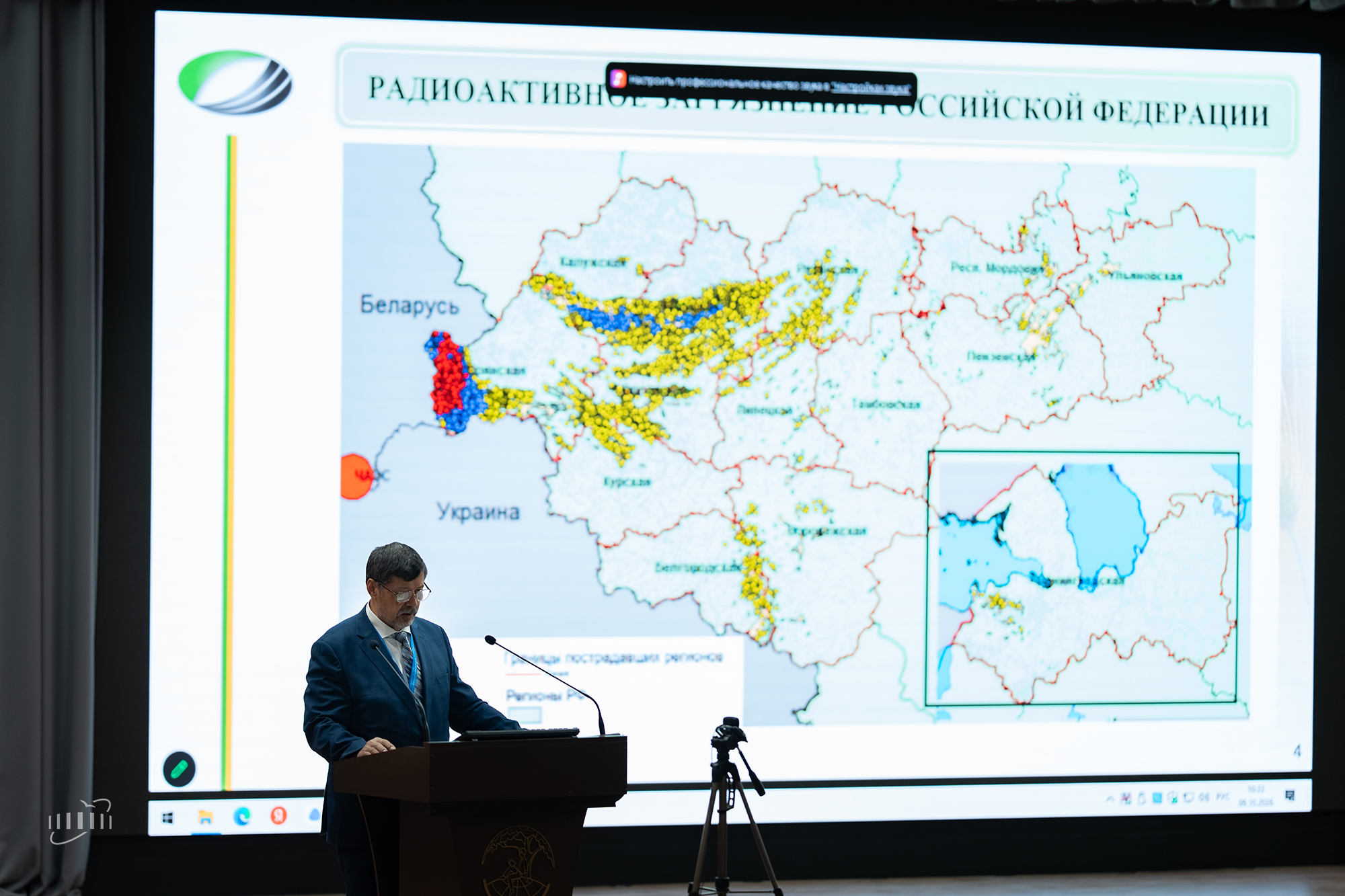
Sergey Voronov (Dokuchaev Soil Science Institute) studied the 40 years of experience in overcoming the consequences of the Chernobyl accident for agricultural and forest lands. The contamination mainly affected Ukraine, Belarus, and Russia, including 14 regions of the Russian Federation. He noted that the production and consumption of products with a high content of radionuclides became the main source of population exposure, therefore scientific organisations took on the role of ensuring the safe use of agricultural land in potentially contaminated areas. In particular, comprehensive decision-making systems for territory rehabilitation were developed at the All-Russian Scientific Research Institute of Radiology and Agroecology. Hundreds of thousands of hectares of agricultural and forest land were returned to use, however, monitoring of agricultural land pollution will continue for many years to come: some areas will remain outside of agricultural management for another 50–150 years.
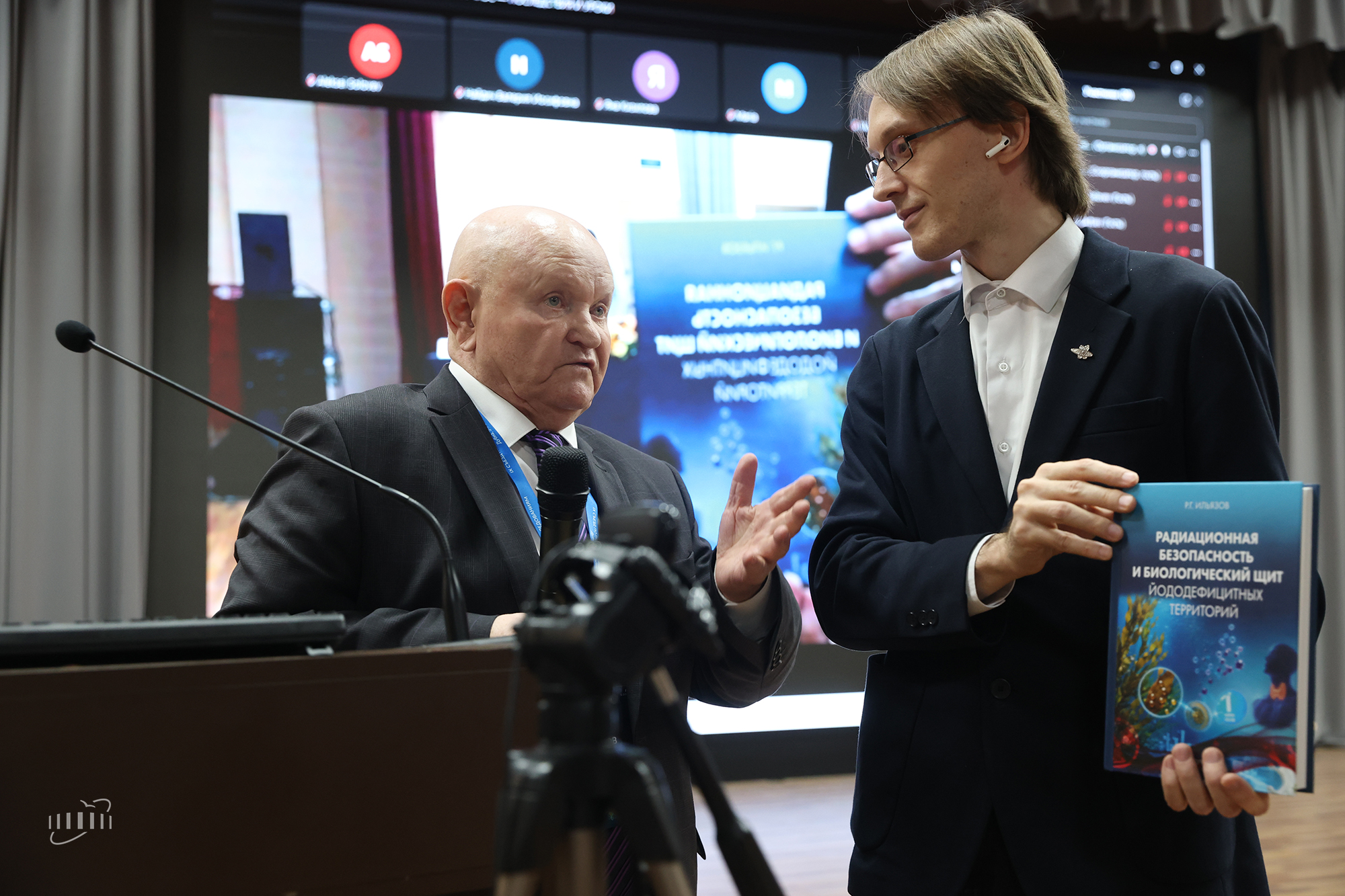
Robert Ilyazov (Liposomal Technologies Research Centre, IAEA), a recipient of the Order of Courage for his work in eliminating the consequences of the Chernobyl disaster, presented his new monograph “Radiation safety and the biological shield of iodine-deficient territories” to the participants of the round table. He noted that the problem of iodine deficiency isn’t solved worldwide and that thyroid cancer in children became one of the most severe effects of Chernobyl due to the consumption of milk with radioactive iodine. The speaker emphasised that the emergency use of iodine-containing preparations in the event of a radiation accident is not safe for health and can cause thyroiditis, therefore, the prevention of iodine deficiency in the body must be carried out throughout a person’s life. Preparations with this trace element are much better absorbed in organic form. “The new food security system is not built around a single product, but around a managed route for the supply of stable iodine”, Robert Ilyazov concluded. The scientist also concluded that one of the main lessons of Chernobyl was the underestimation of the significance of social factors and the need for systematic work with the population.
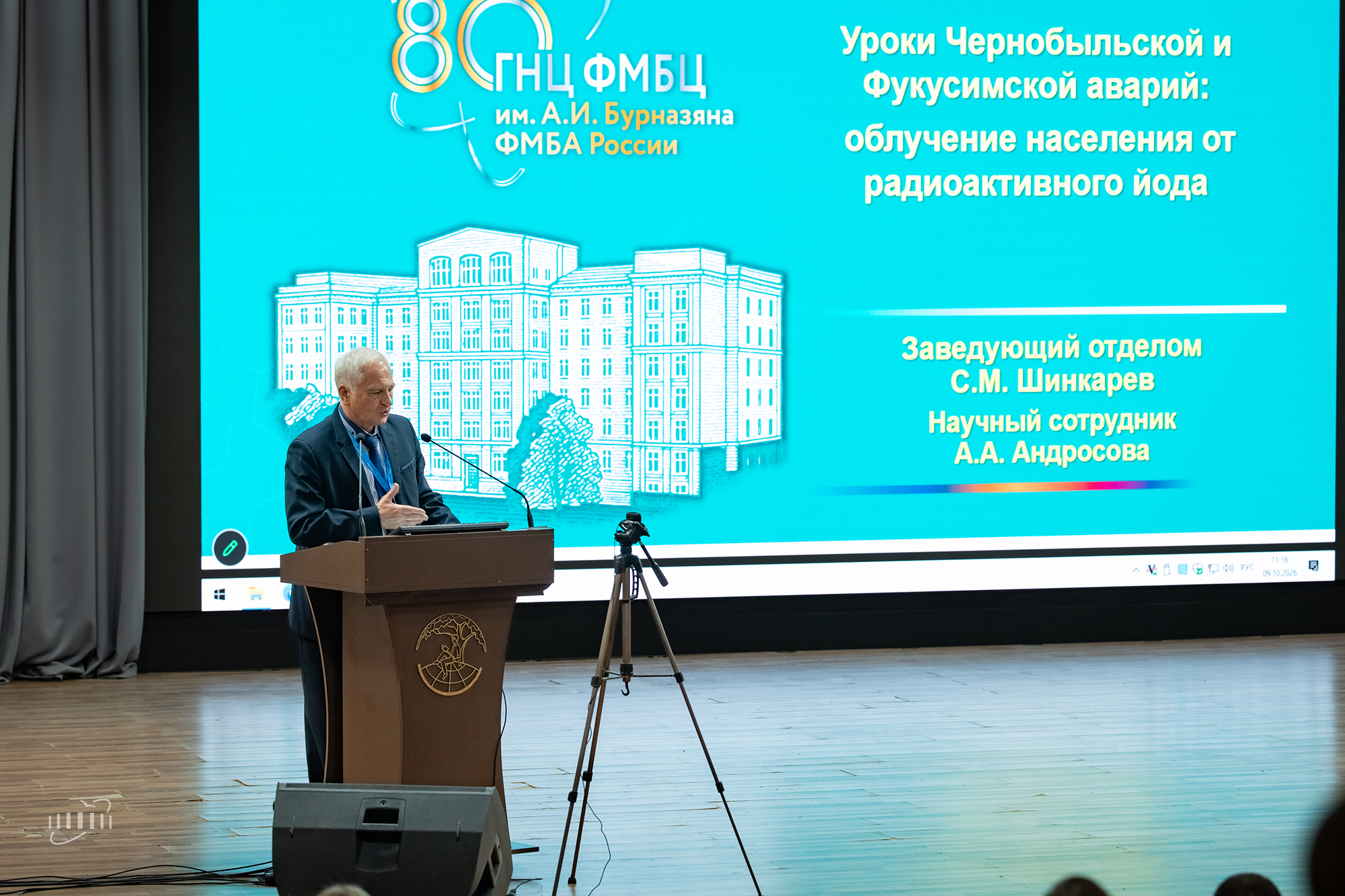
Sergey Shinkarev (Burnasyan Federal Medical Biophysical Centre) presented the results of the analysis of radiation doses to the population during the Chernobyl and Fukushima accidents. He noted that in 1986, the only significant change in cancer statistics was a sharp increase in thyroid cancer among children, particularly younger ones. In Chernobyl, the evacuation time for the population was missed and restrictions on food were not immediately introduced. In Fukushima, residents were immediately notified not to consume local produce, as a result of which the primary route of radiation exposure was the inhalation of radioactive particles. This reduced the severity of the consequences, as the oral dose is a hundred times greater than the inhaled dose.
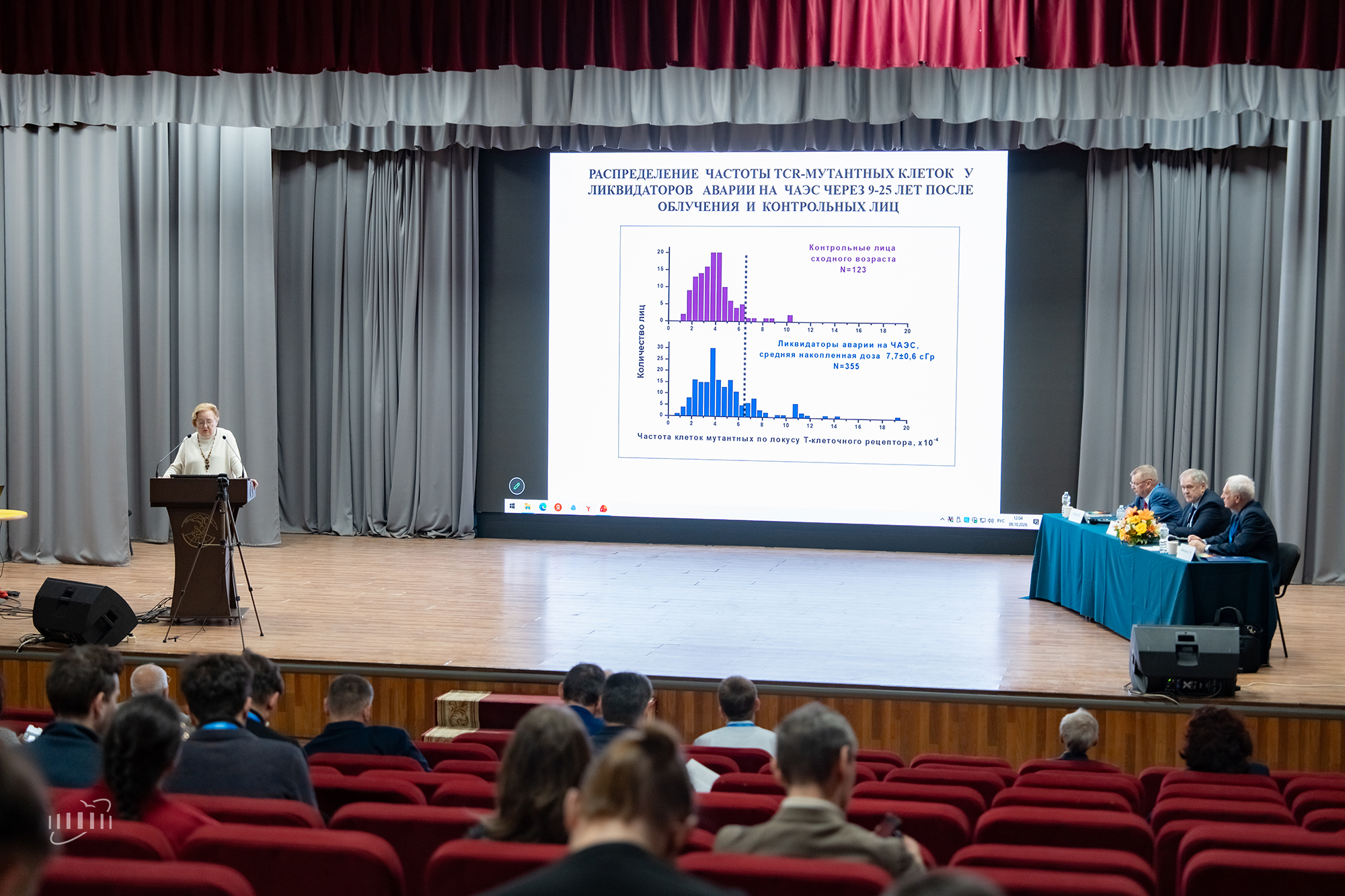
Irina Zamulaeva (Tsyb Medical Radiological Research Centre) presented an innovative method for studying somatic mutagenesis by the frequency of TCR-mutant cells in individuals affected by the Chernobyl accident. The participants in this study were divided into three age groups: those who received a dose of increased radiation prenatally, children under 18 years of age, and adults. Individuals irradiated in utero demonstrated the highest proportion of mutations, while the lowest proportion was observed in the oldest liquidators.
Speakers Maksim Kudin and Dmitry Garbaruk talked about their experience in conducting radiation monitoring of forest ecosystems in the exclusion zone of the Republic of Belarus, where the radiation situation of the lands of the world’s only Polesie State Radioecological Reserve, which covers the vicinity of 90 former settlements, is also closely monitored. Unique conditions were within this protected natural area for the restoration of flora and fauna.
Denis Lipatov (Lomonosov Moscow State University) showed an online presentation titled “Distribution of Cs-137 in soil of Novozybkov, Bryansk Region”. The main conclusion was that harmful radiation exposure persists in a number of areas due to insufficiently thorough reclamation work.
The results of the round table clearly highlighted the lessons learned from the event that, 40 years ago, divided the history of peaceful nuclear energy use into before and after. The recognition of past mistakes led to much smaller consequences, particularly after the accident at the Fukushima Daiichi Nuclear Power Plant. In the current difficult times, a re-evaluation of this historical experience is of considerable importance for preventing new industrial disasters.
Nowadays, nuclear energy is considered one of the tools for the sustainable development of humanity. In these environment, industry specialists must constantly improve protection systems and pay attention to employee training.