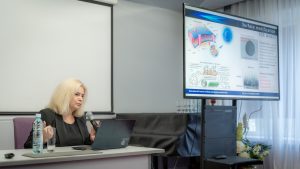
On 26 June 2026, the fourth Obninsk NEW 2026 International Youth Forum took place in Obninsk (Kaluga Region, Russia). The event brought together over 700 participants from 85 countries. Among the key events was a plenary session titled “Nuclear energy for the future of humanity: synergy of technologies, knowledge and partnerships”, moderated by Director of the Joint Institute for Nuclear Research, Academician of the Russian Academy of Sciences Grigory Trubnikov.
 Photos: Rosatom

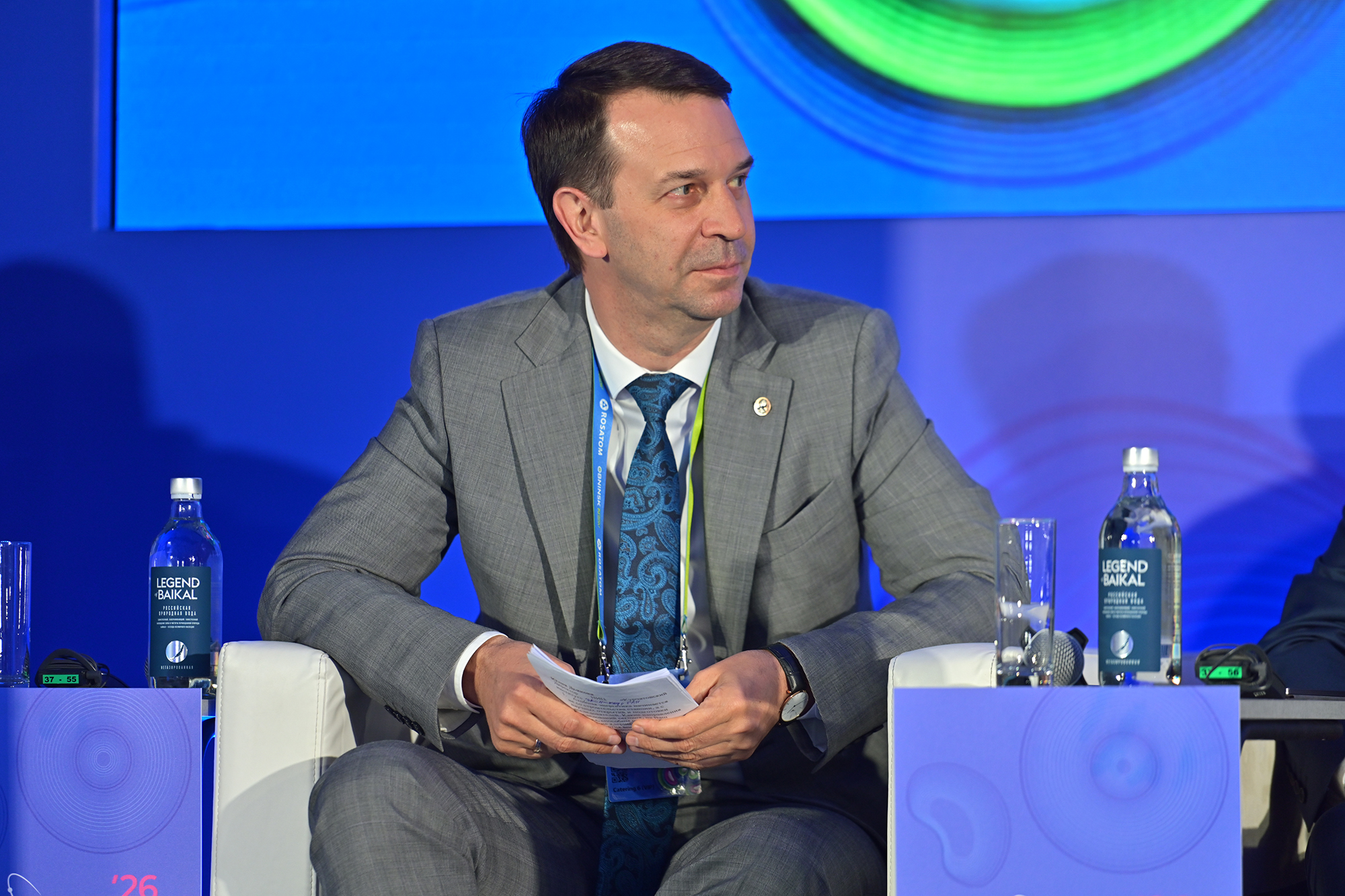
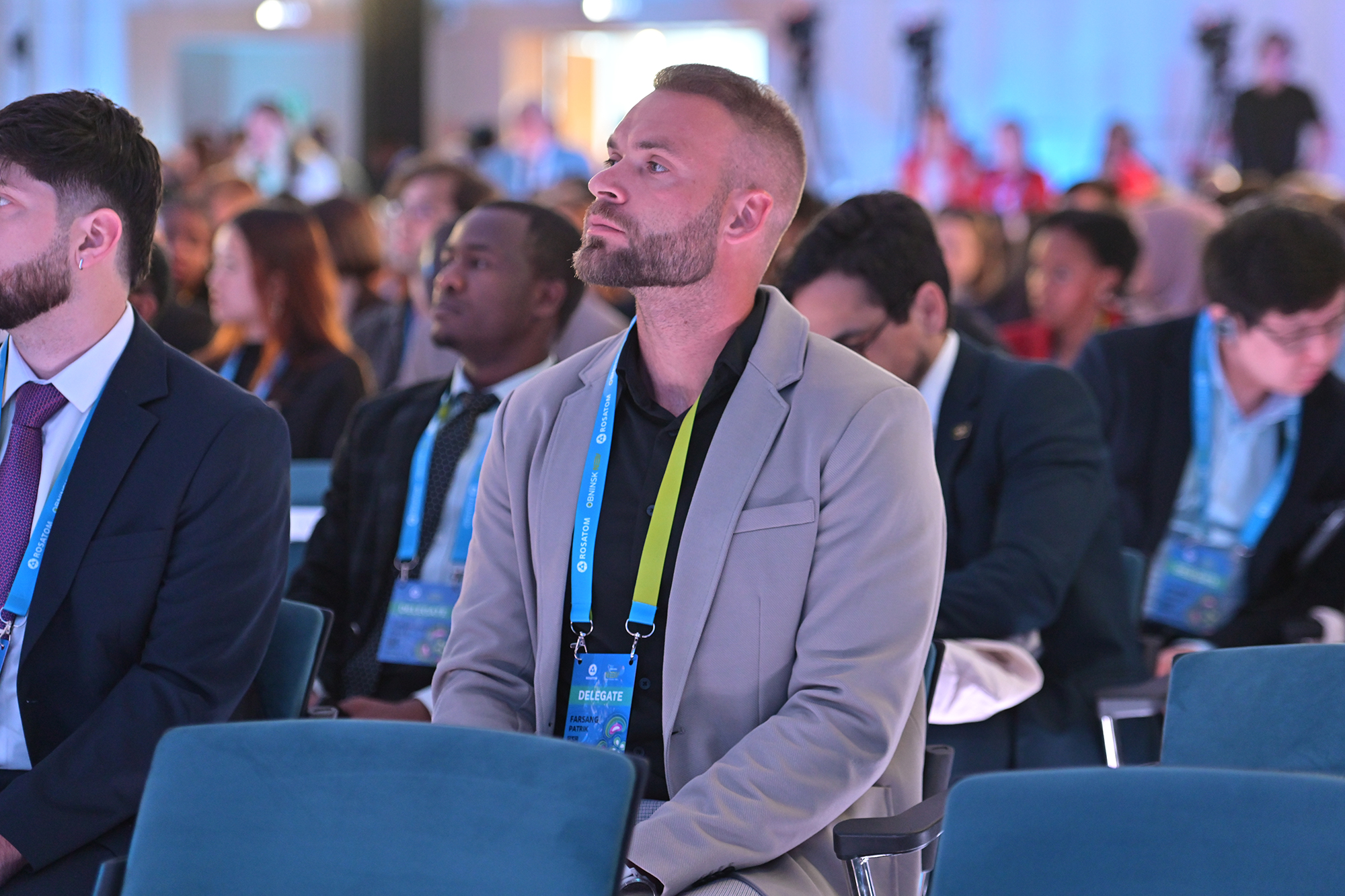
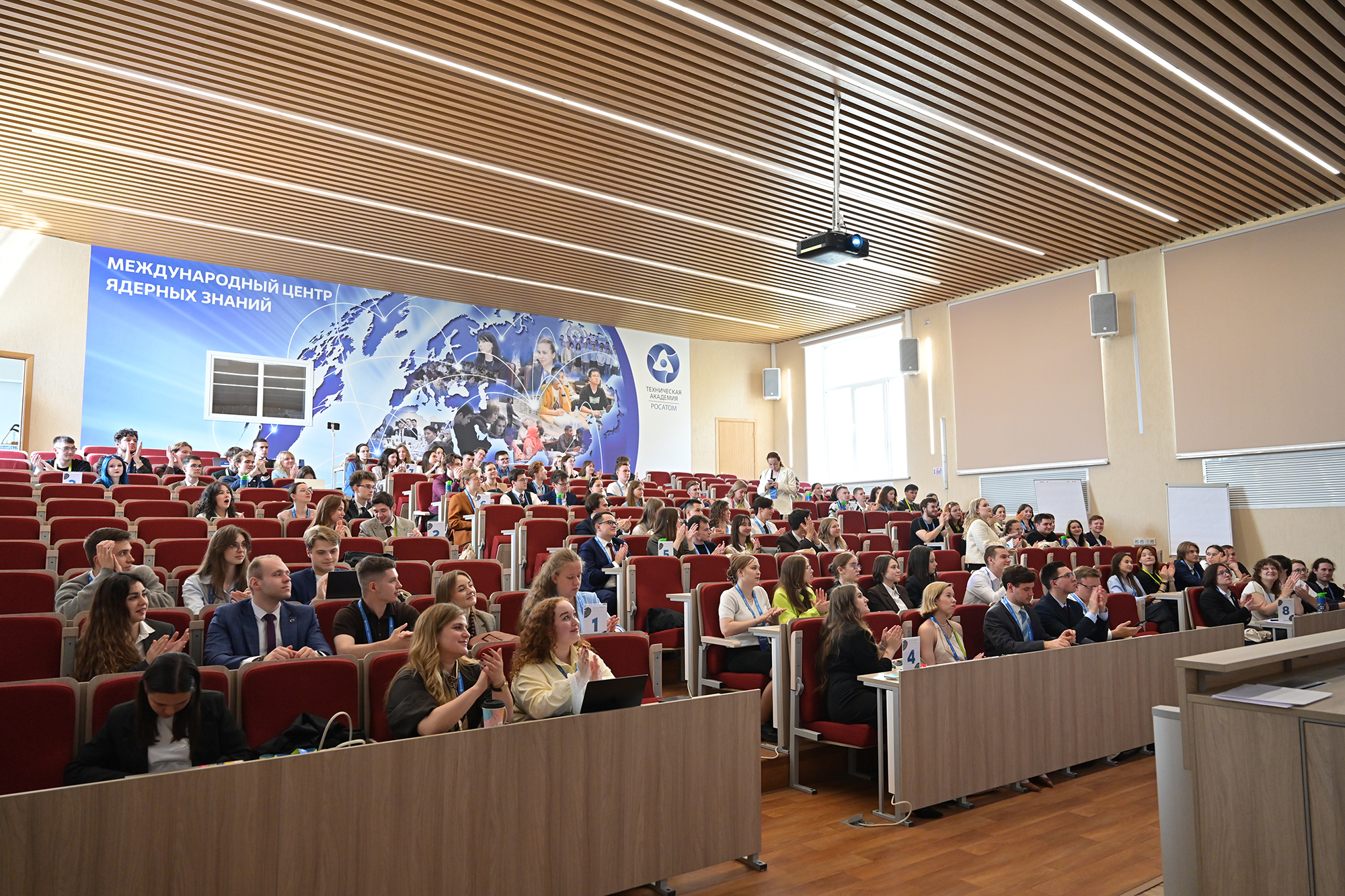
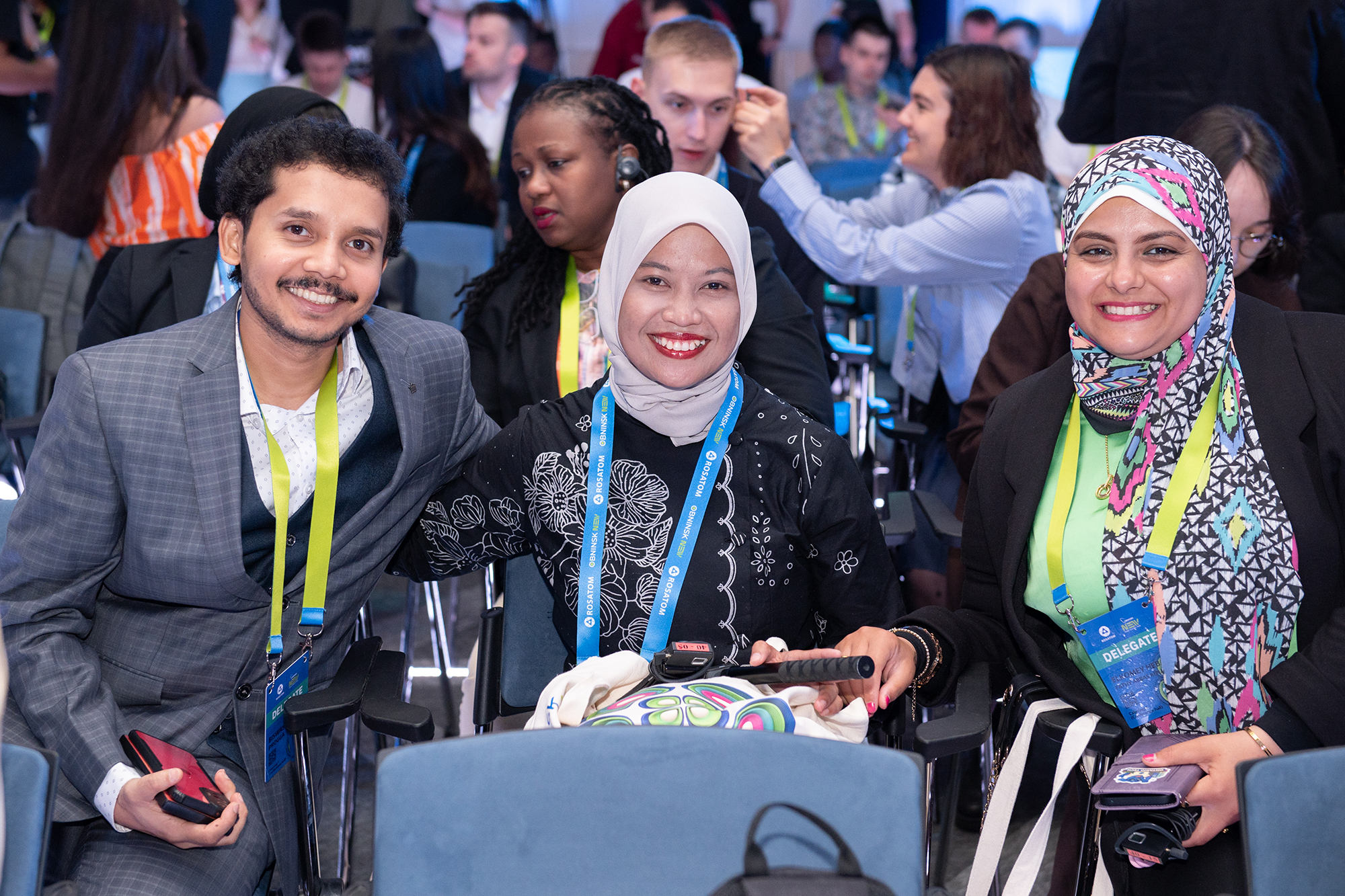
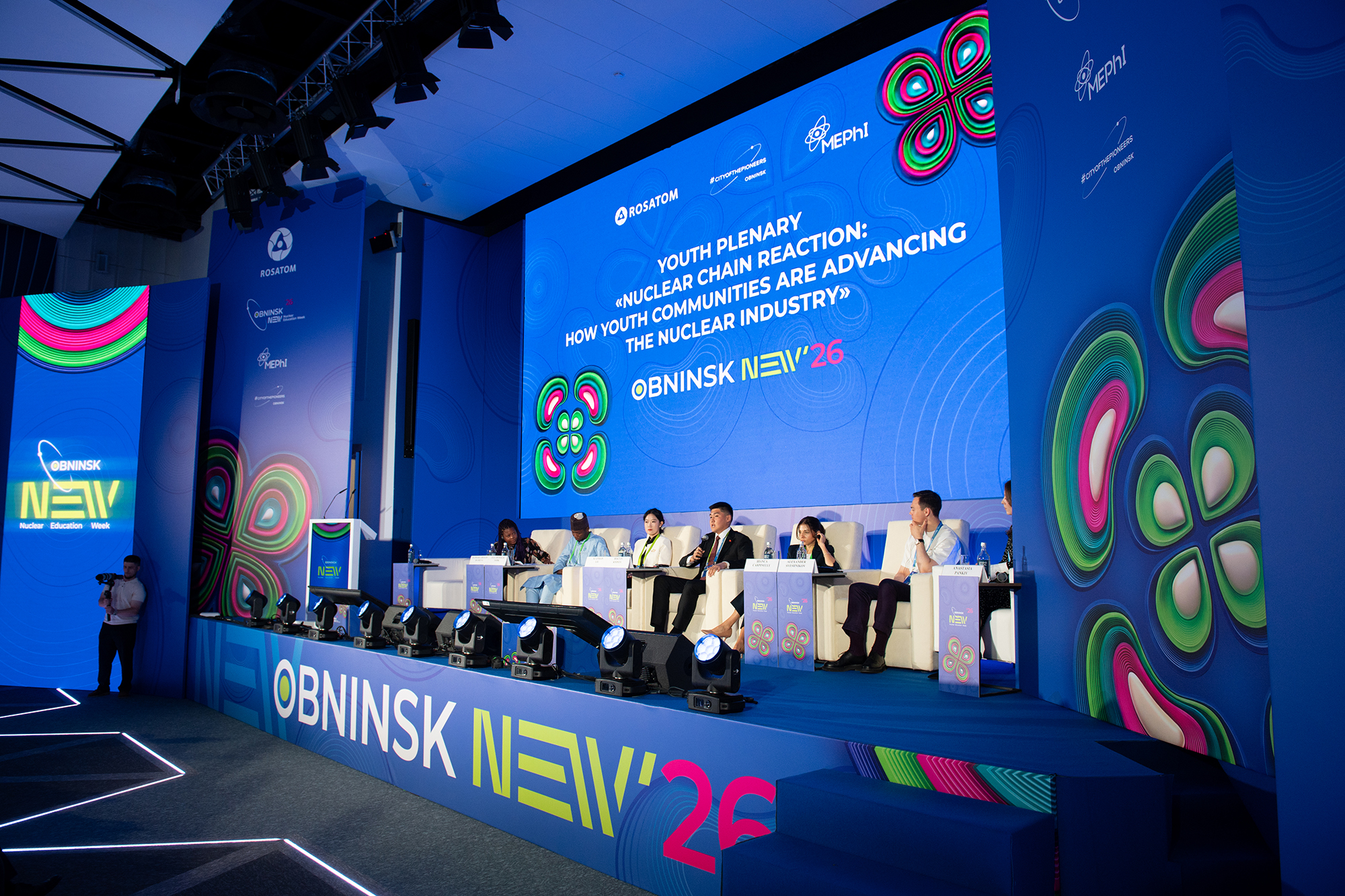
Obninsk NEW is a leading international platform for dialogue on key technologies, innovations, and education issues in the global nuclear industry. The forum is dedicated to the nuclear technologies of the future, including new materials and energy systems. The event was organized with the support of Rosatom State Corporation, the Kaluga Region Government, and the MEPhI National Research Nuclear University.
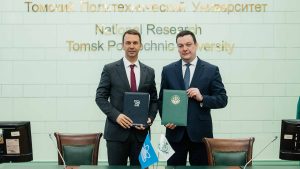
The programme included youth and expert discussions on the importance of professional communities for developing the global nuclear industry, the prospects of international educational projects, and new directions for technological collaboration. This year, particular attention was paid to training qualified personnel for global nuclear power industry. A key topic was the development of the Obninsk Tech international scientific and educational centre. On 26 June, Rosatom and the Rosatom Technical Academy signed an agreement aimed at further project development, including the training of at least 10 000 students and young specialists from all over the world by 2030.
Chair of the Government of the Russian Federation Mikhail Mishustin, International Atomic Energy Agency (IAEA) Director General Rafael Grossi, and World Nuclear Association Director General Sama Bilbao y León gave opening speeches emphasising the important role of youth in global nuclear power development. “It is an exciting time to be part of the nuclear energy sector. You are a representation of where the nuclear field is going”, Rafael Grossi said in his video address.
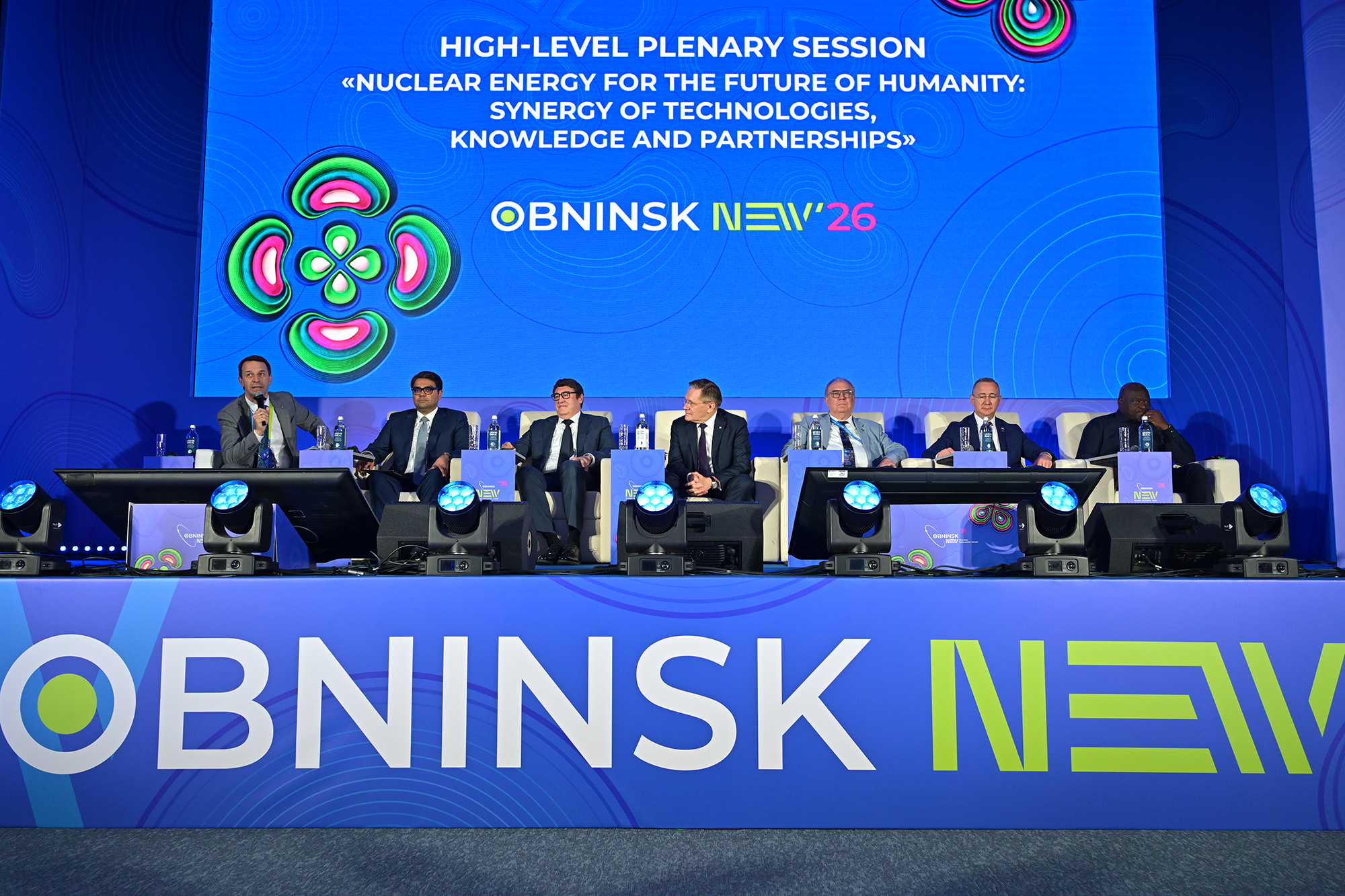
A high-level plenary session “Nuclear energy for the future of humanity: synergy of technologies, knowledge and partnerships” took place in the large conference hall of the Rosatom Technical Academy. Together with Grigory Trubnikov, it was attended by IAEA Deputy Director General, Head of the Department of Nuclear Energy Mikhail Chudakov, Rosatom State Corporation Director General Alexey Likhachev, Kaluga Region Governor Vladislav Shapsha, Chair of the Agency of the Republic of Kazakhstan for Atomic Energy Almasadam Sätqaliev, Director of the Atomic Energy Agency under the Cabinet of Ministers of the Republic of Uzbekistan Azim Akhmedkhadjaev, Energy Advisor to the Rwanda President, President of the Rwanda Atomic Energy Board Lassina Zerbo.
Grigory Trubnikov opened the session, highlighting the special significance of Obninsk as the world’s first nuclear power plant city and the first science city of the Russian Federation. He noted that the annual forum made Obninsk a centre of attraction for young people in nuclear science, largely due to the global growth of nuclear energy and nuclear physics technologies.
The discussions focused on issues related to open international cooperation, global competition and technological leadership in the nuclear industry, as well as the most in-demand competencies of young specialists in the new conditions.
Summarising the session, Grigory Trubnikov highlighted the need to establish unified approaches to the development of territories, on the basis of which new centres of nuclear technologies and personnel training can be formed. He noted the high potential of fundamental and applied studies and their direct link with the regions’ socioeconomic advancement. “Nuclear science and power form a culture of international partnership. The humanity’s future, to a large extent, belongs to nuclear energy and technology”, the JINR Director emphasised.