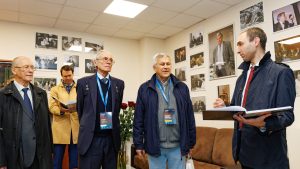
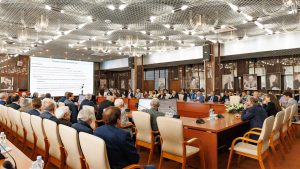
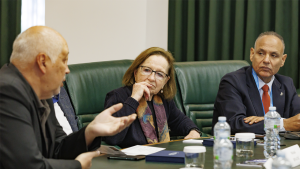
On 1–5 December 2025, a workshop of the Baikal international collaboration is taking place at the Joint Institute for Nuclear Research. The participants are discussing the progress of the deep underwater Baikal-GVD Neutrino Telescope, the latest data analysis results, and plans for the development of the experiment’s infrastructure.
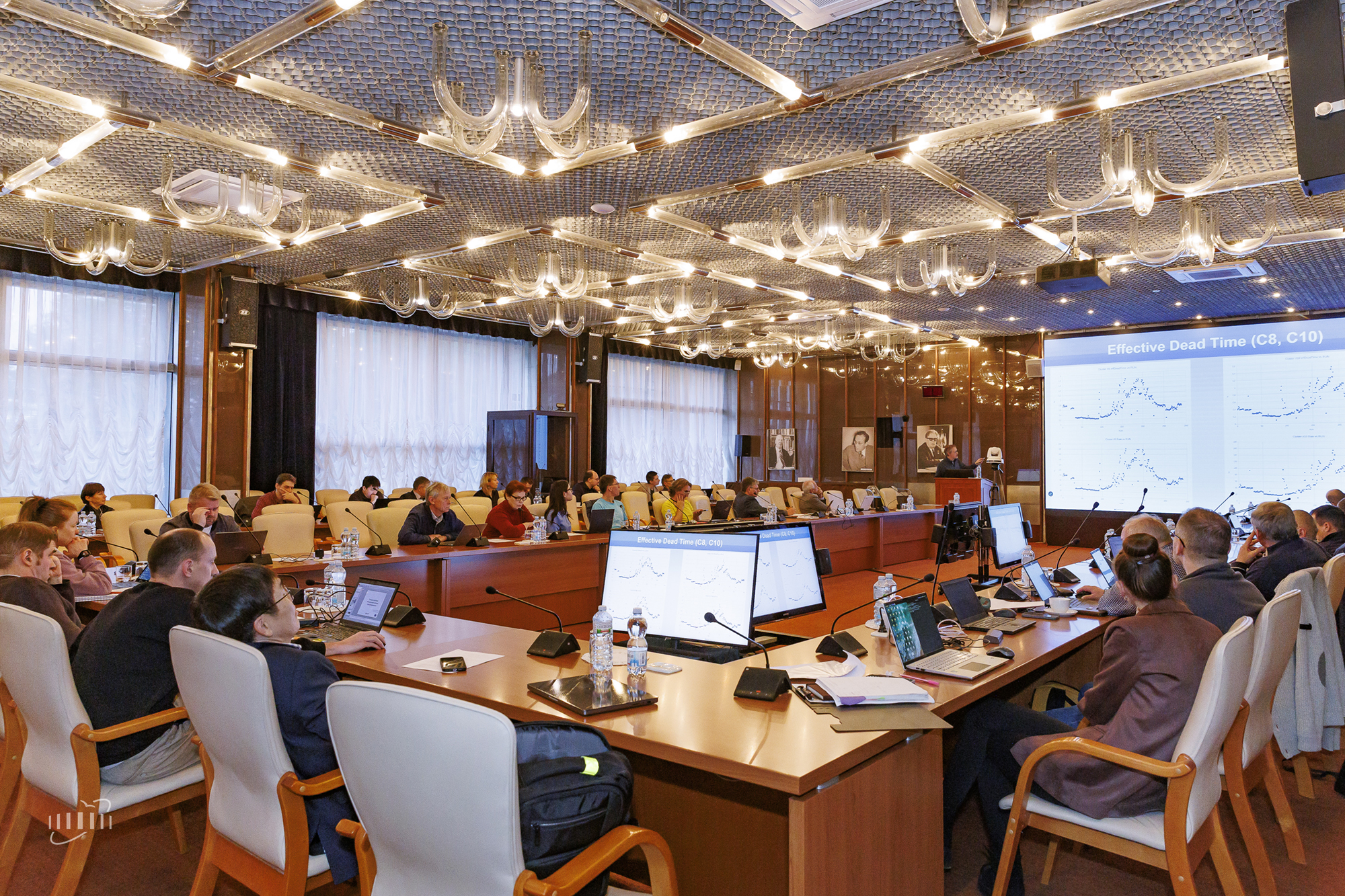
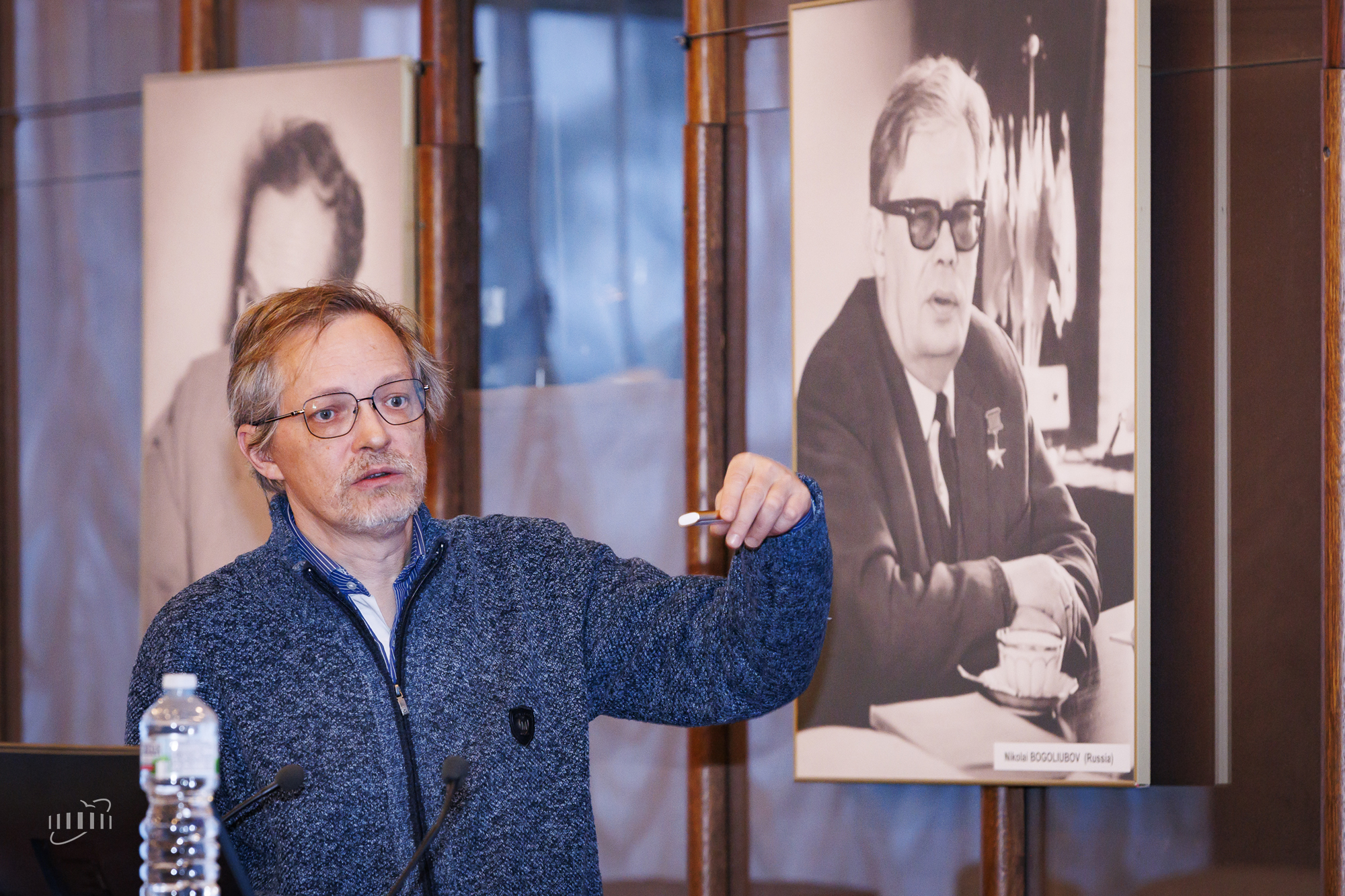
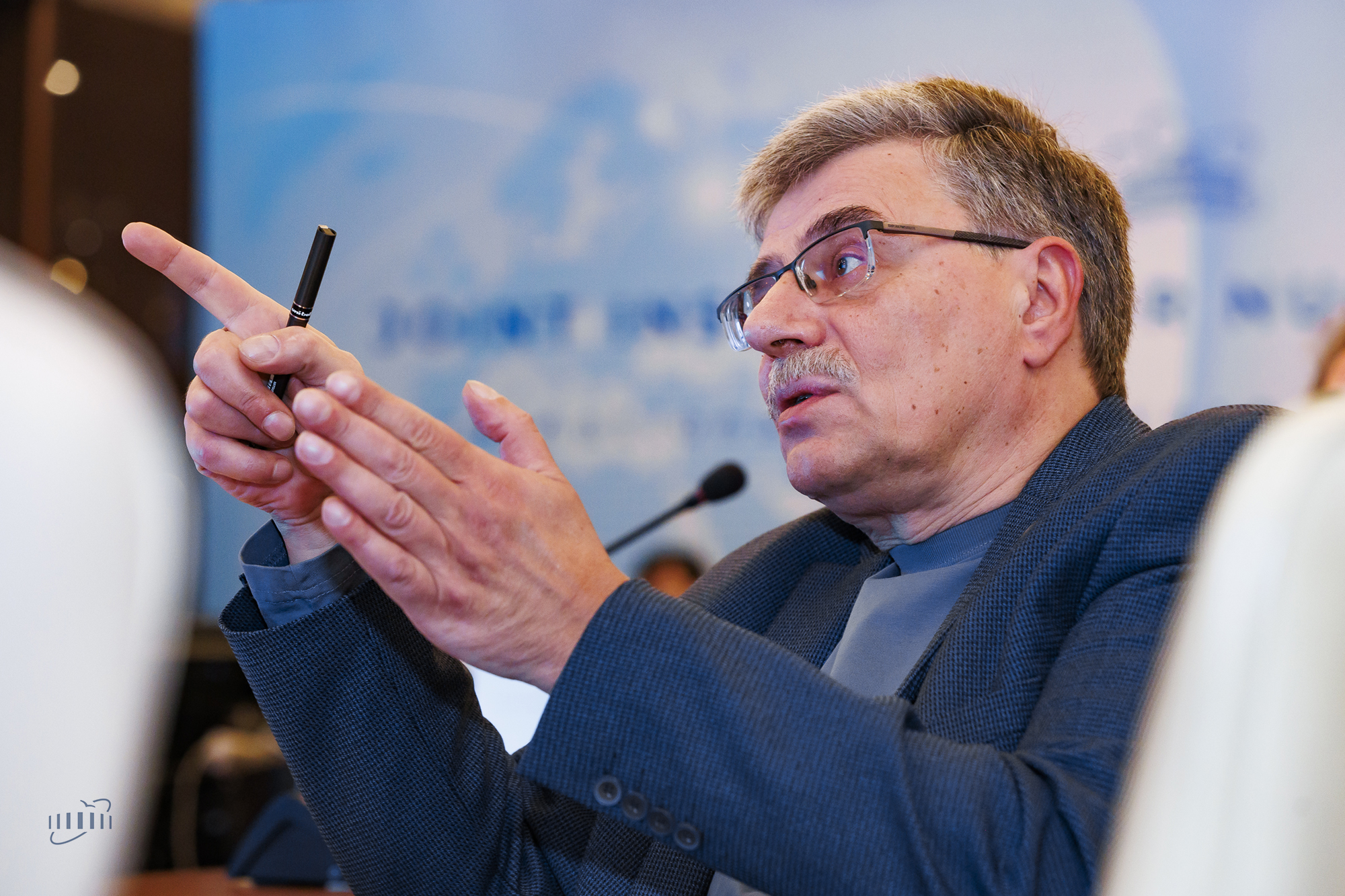
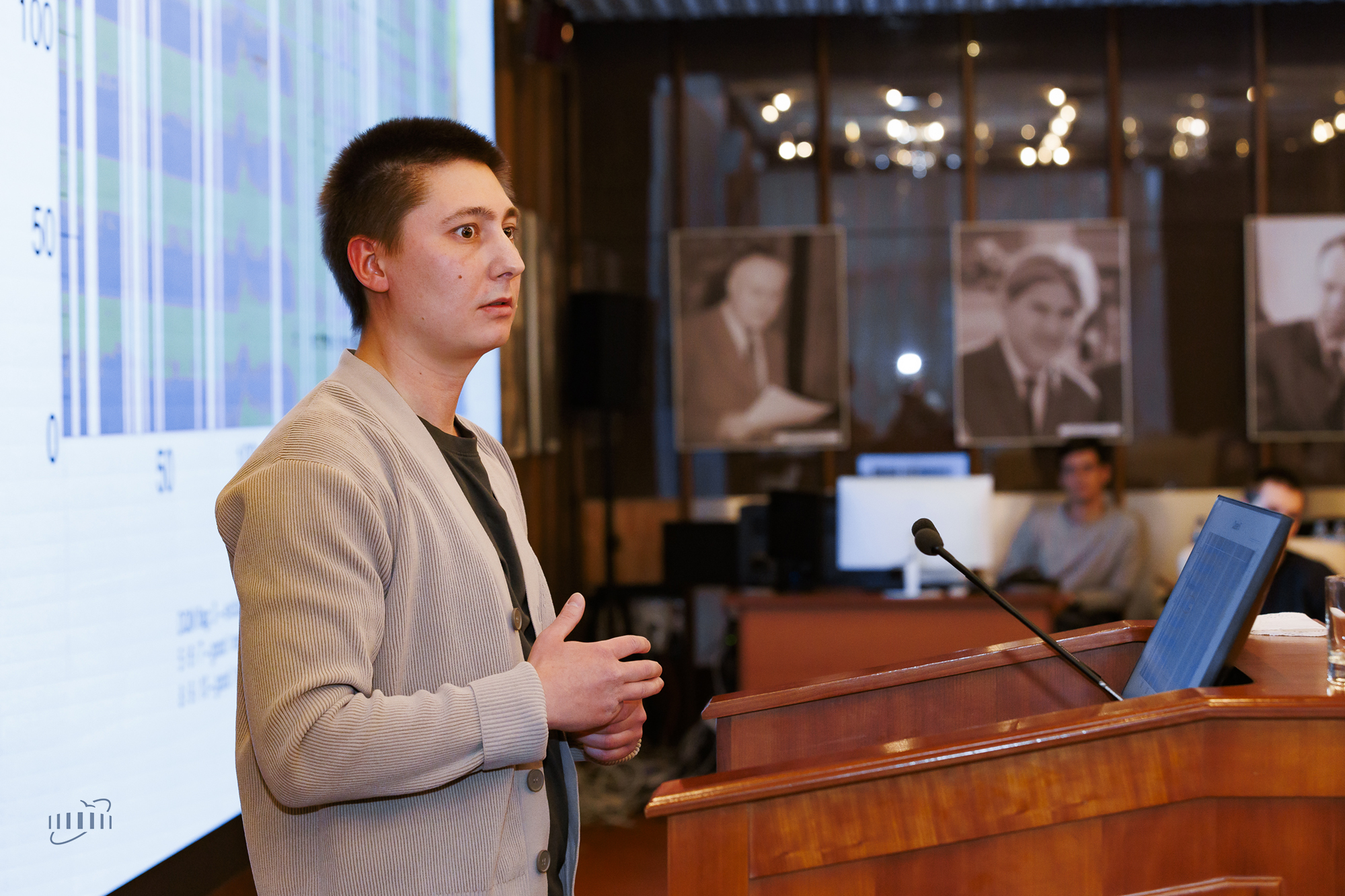
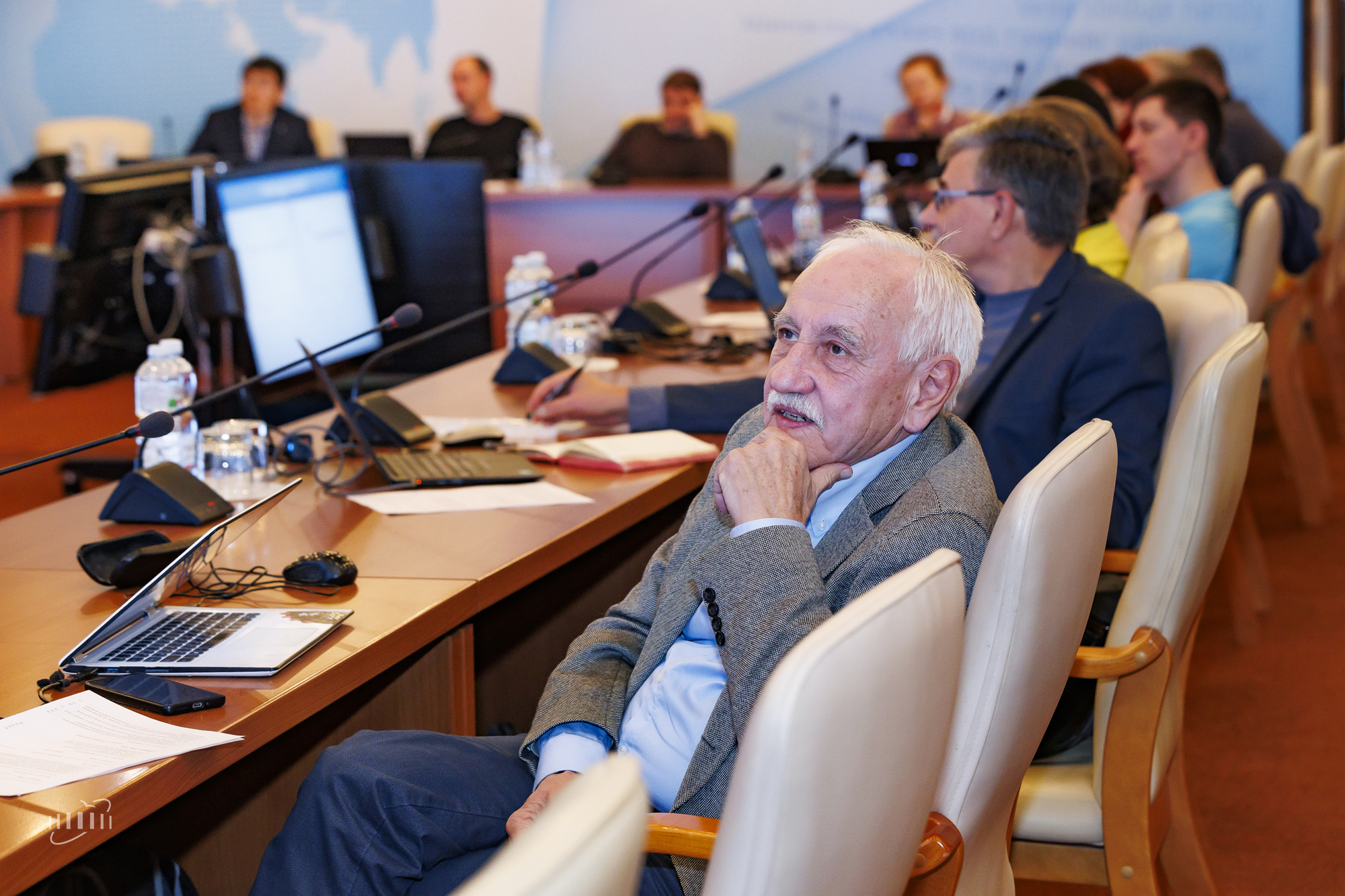
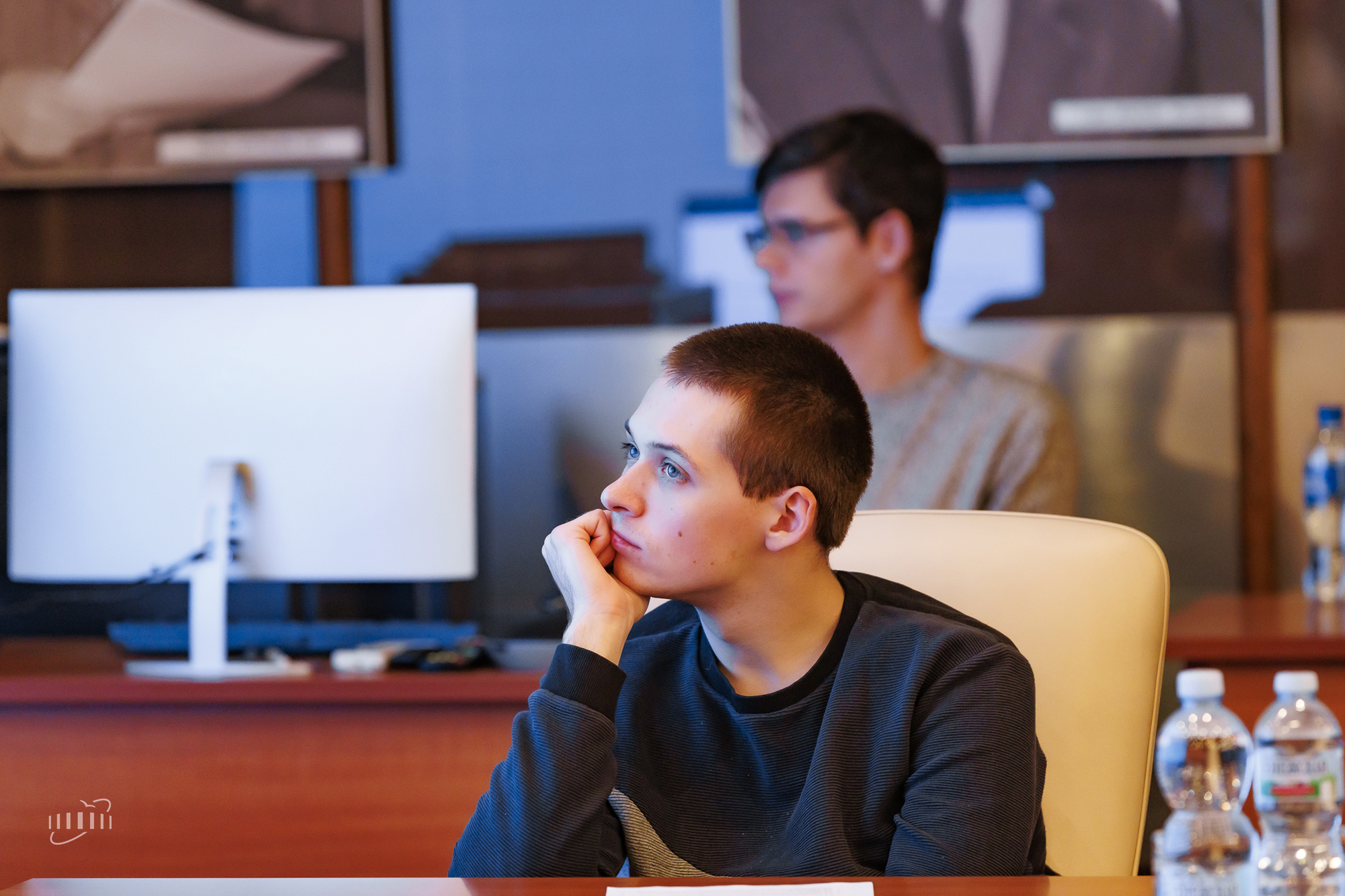
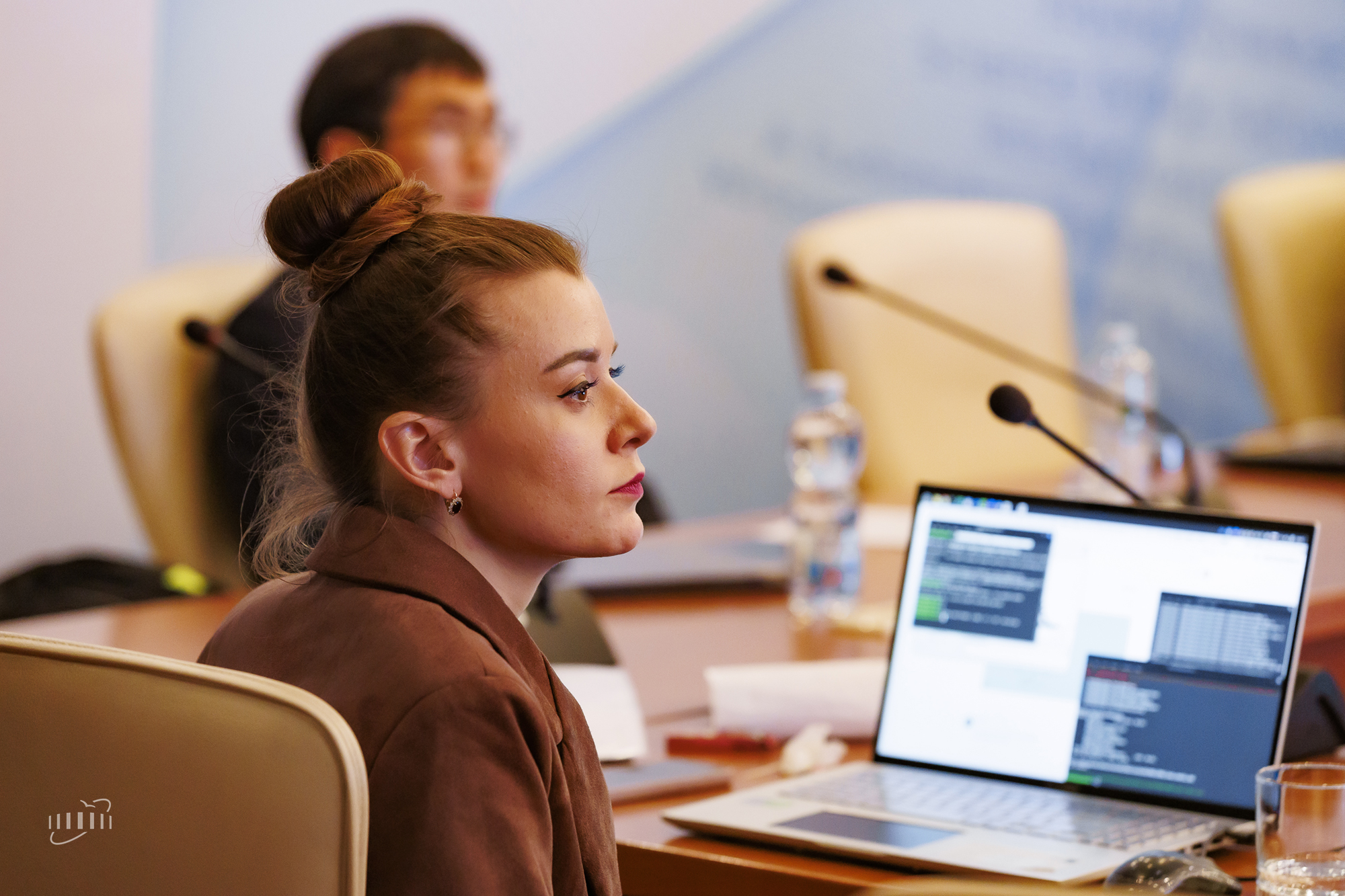
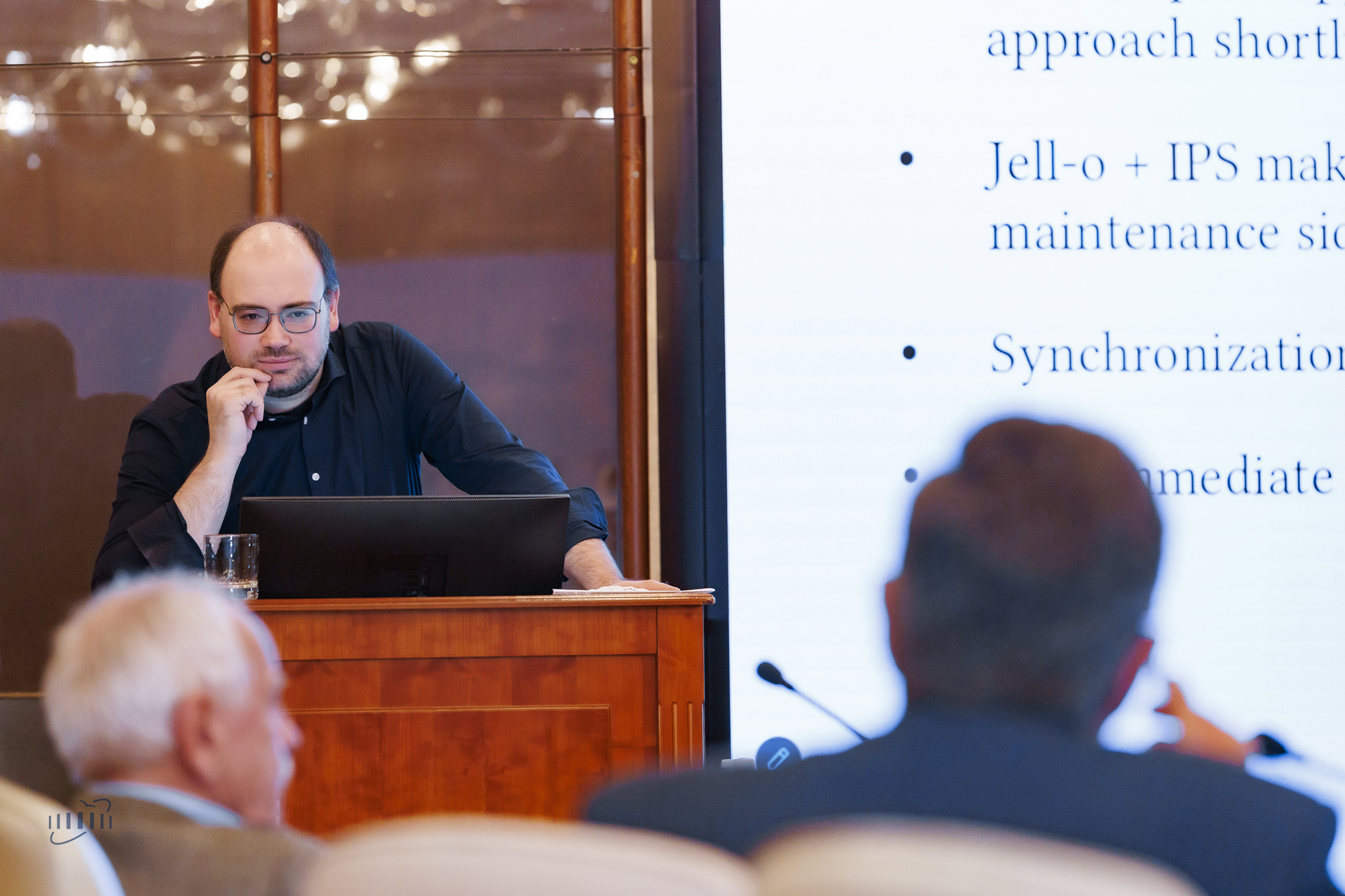

Opening the meeting, Director of the Laboratory of Nuclear Problems at JINR Evgeny Yakushev said that the project is close to reaching a volume of one cubic kilometre. This will result in large amounts of new data, and its analysis will require developing the collaboration. “Baikal-GVD is one of the flagship experiments of the Joint Institute. Its success depends on how actively we can attract new employees and provide comfortable working conditions”, the DLNP Director said. According to him, up to one hundred new specialists will be needed to develop the project in the next decade.
Evgeny Yakushev mentioned the acquisition of a land plot on the shore of Lake Baikal by the Institute. The Baikal Neutrino Centre, a modern complex for researchers to work and live in, is planned to be created on the new territory.
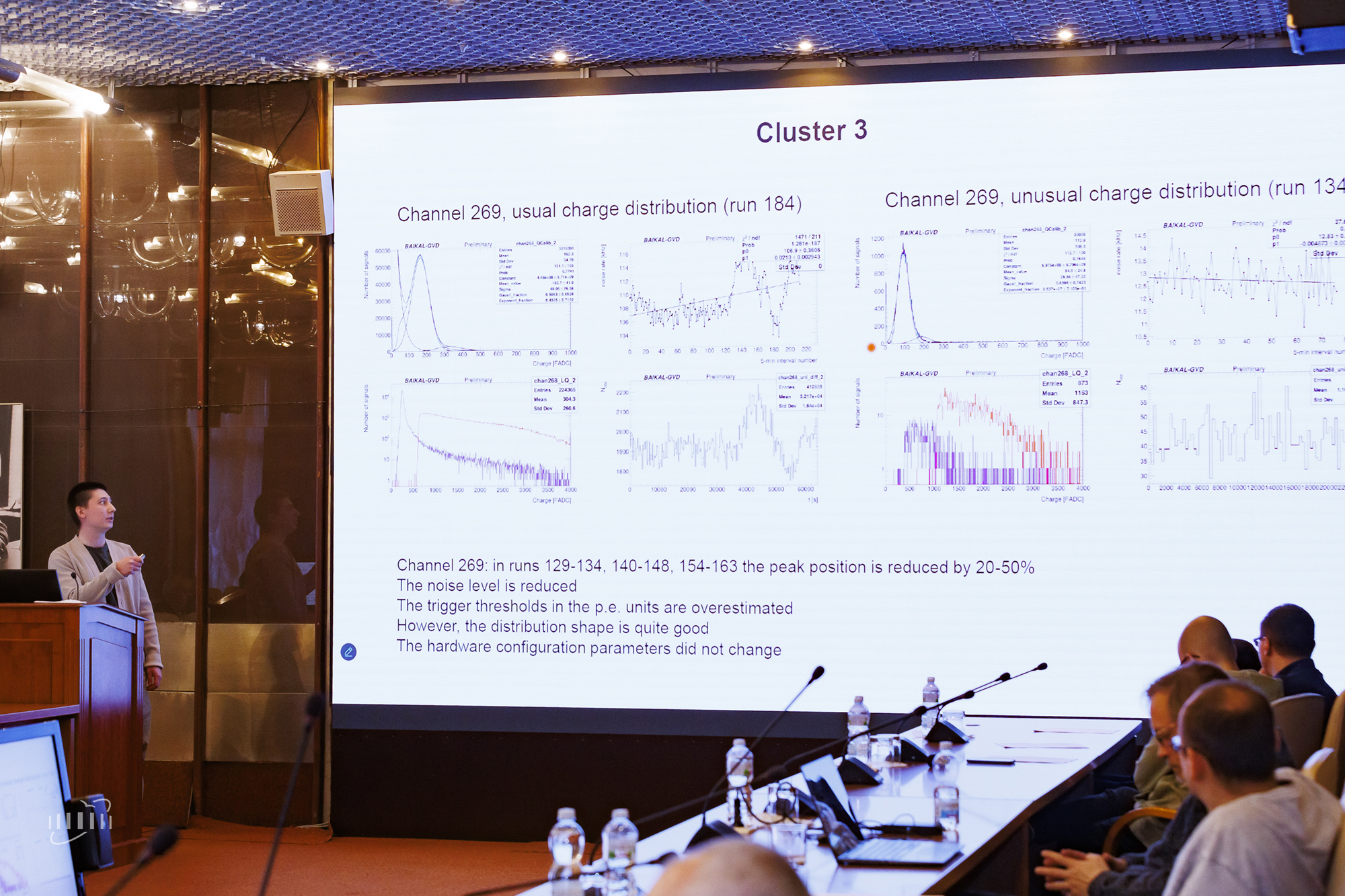
A DLNP JINR researcher Evgeny Pliskovsky spoke on the high stability of the detector. Despite the difficult weather conditions in the current season, the efficiency of the experimental facility remains at 95–97%.
More than 60 specialists are taking part in the workshop. The programme includes 55 scientific talks on the updated characteristics and calibration of the telescope, the development of optical modules and positioning systems, new methods of data analysis, etc.
Baikal-GVD (Baikal Gigaton Volume Detector) is the largest neutrino telescope in the Northern Hemisphere. Its main task is to detect and study the ultrahigh energy neutrino fluxes from astrophysical sources. The Institute for Nuclear Research of the Russian Academy of Sciences (INR RAS) and the Joint Institute for Nuclear Research play the leading roles in the construction of the experimental facility.