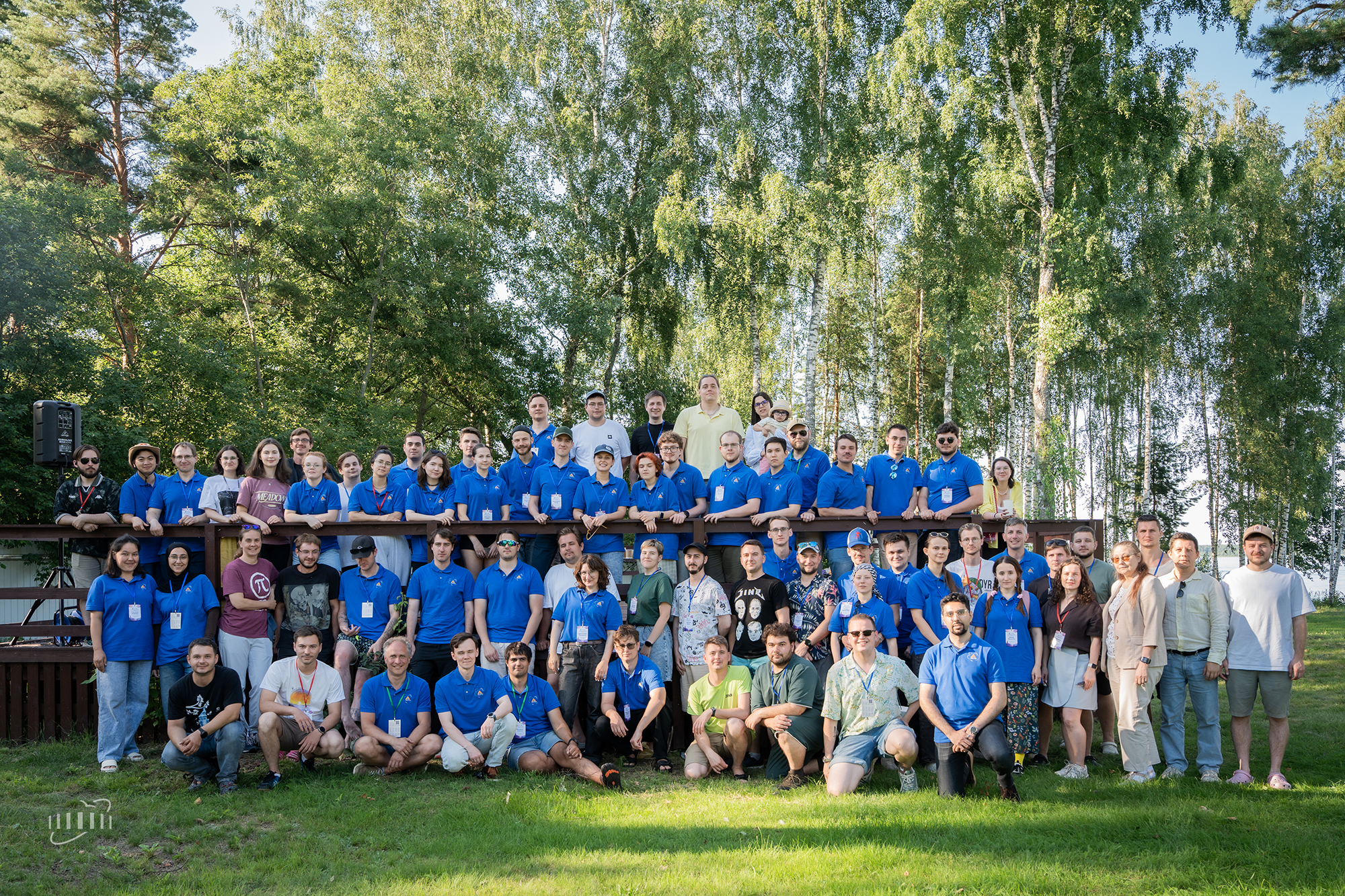
On 17–19 July 2026, the anniversary 30th Lipnya Summer Scientific School of Young Scientists and Specialists took place at the JINR Lipnya Tourist Resort. Representatives of the Joint Institute for Nuclear Research, as well as Russian universities and scientific centres, took part in the event organized by the Association of Young Scientists and Specialists (AYSS) of JINR.
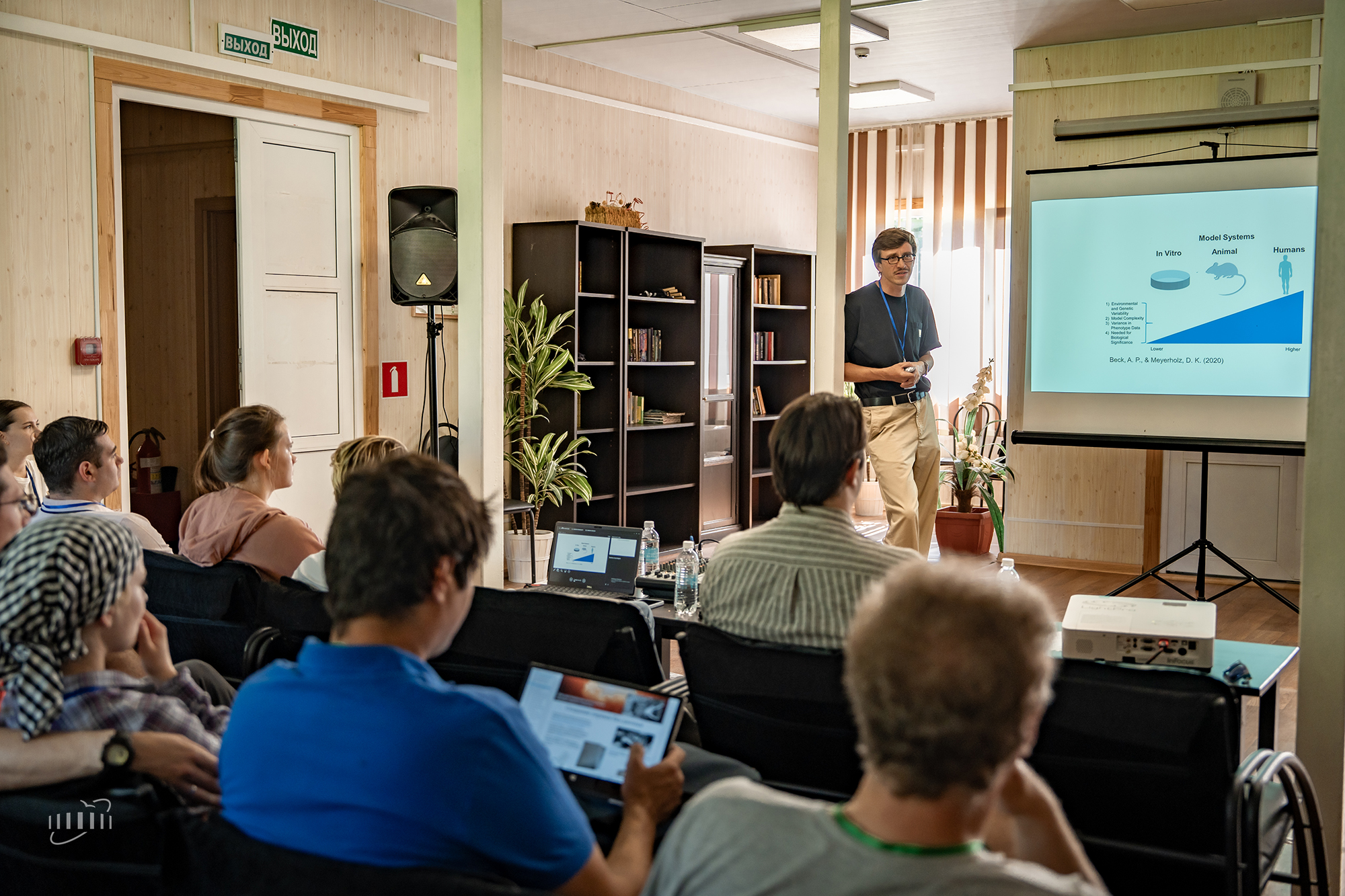
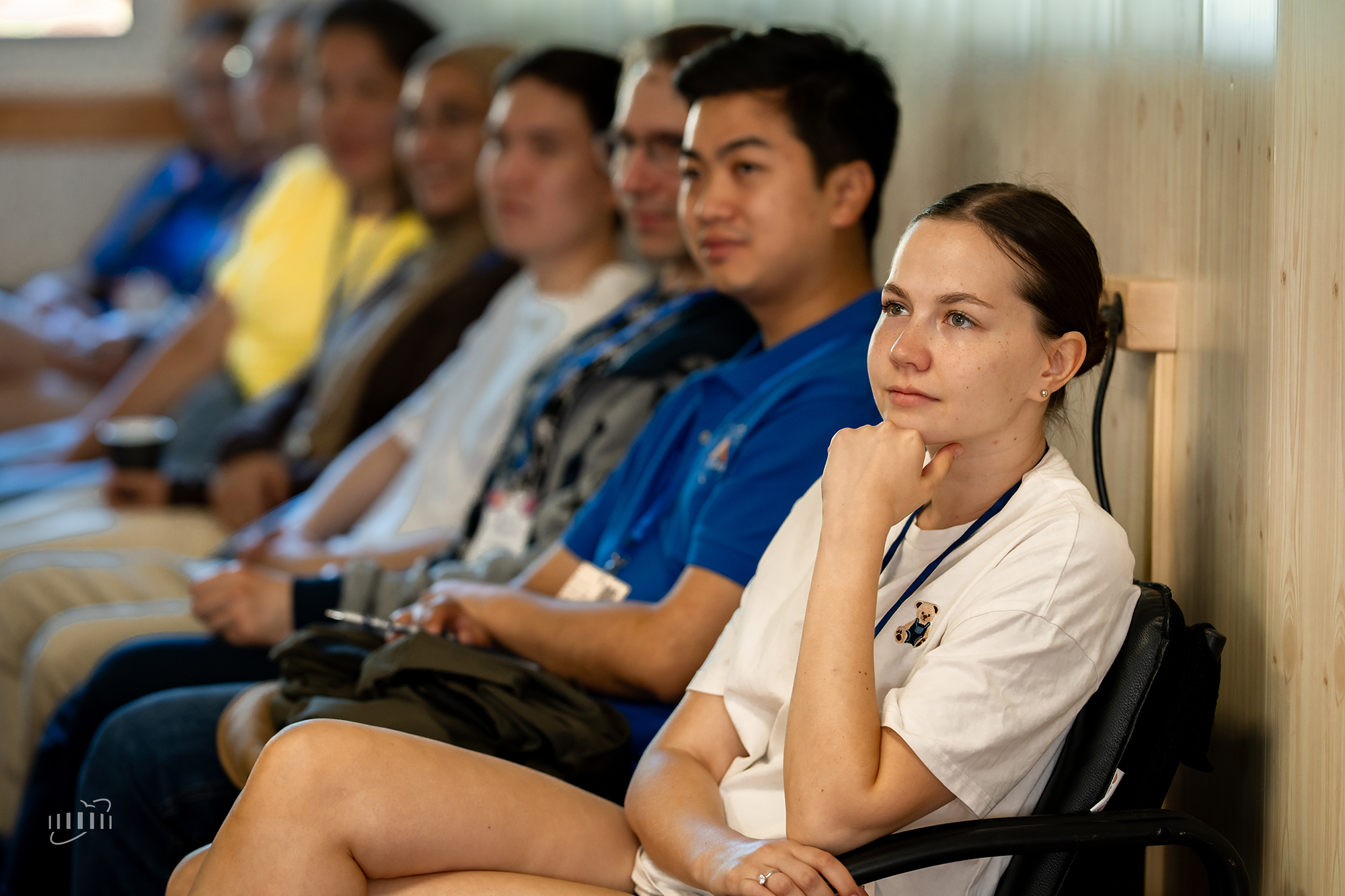
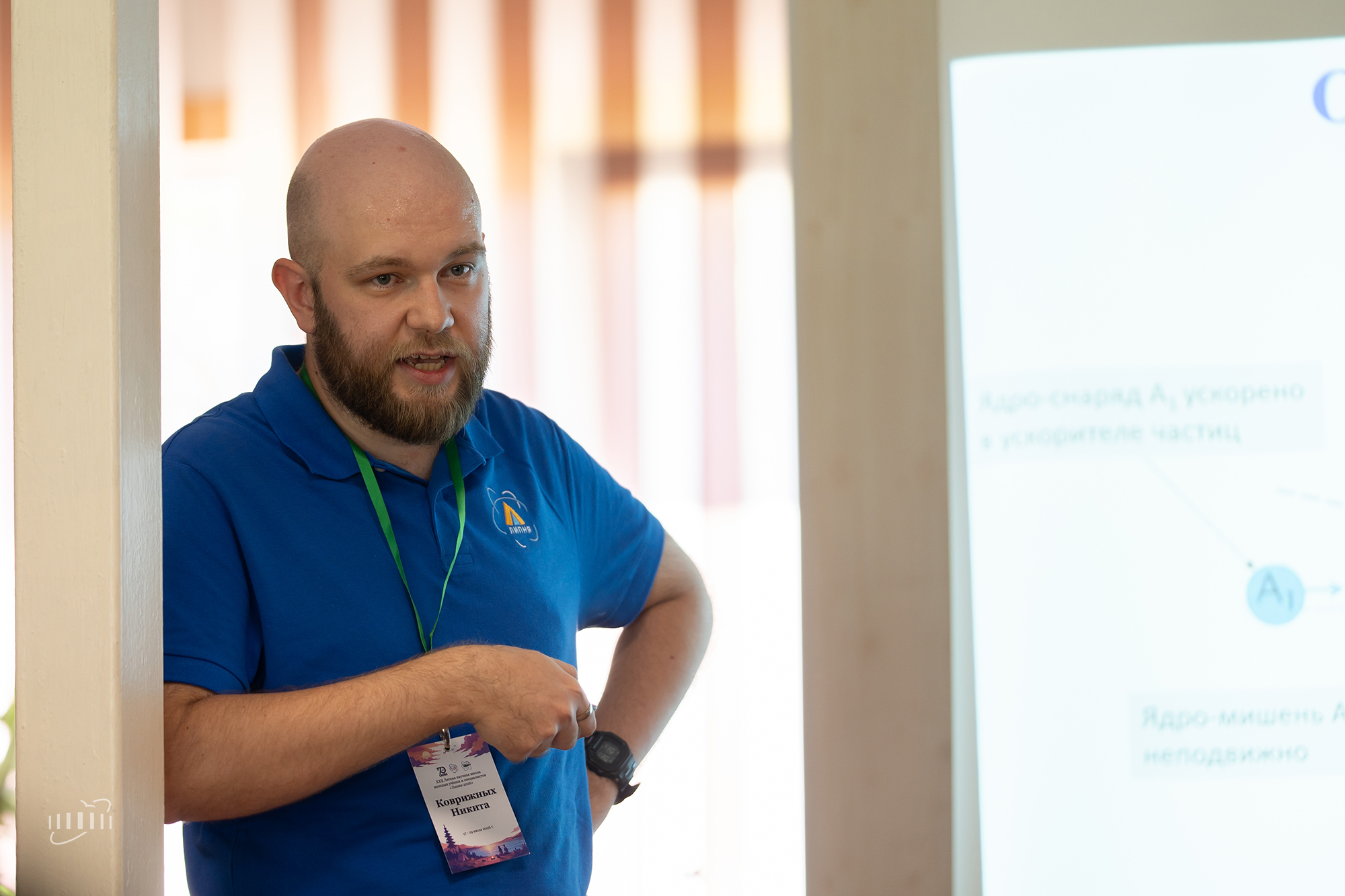
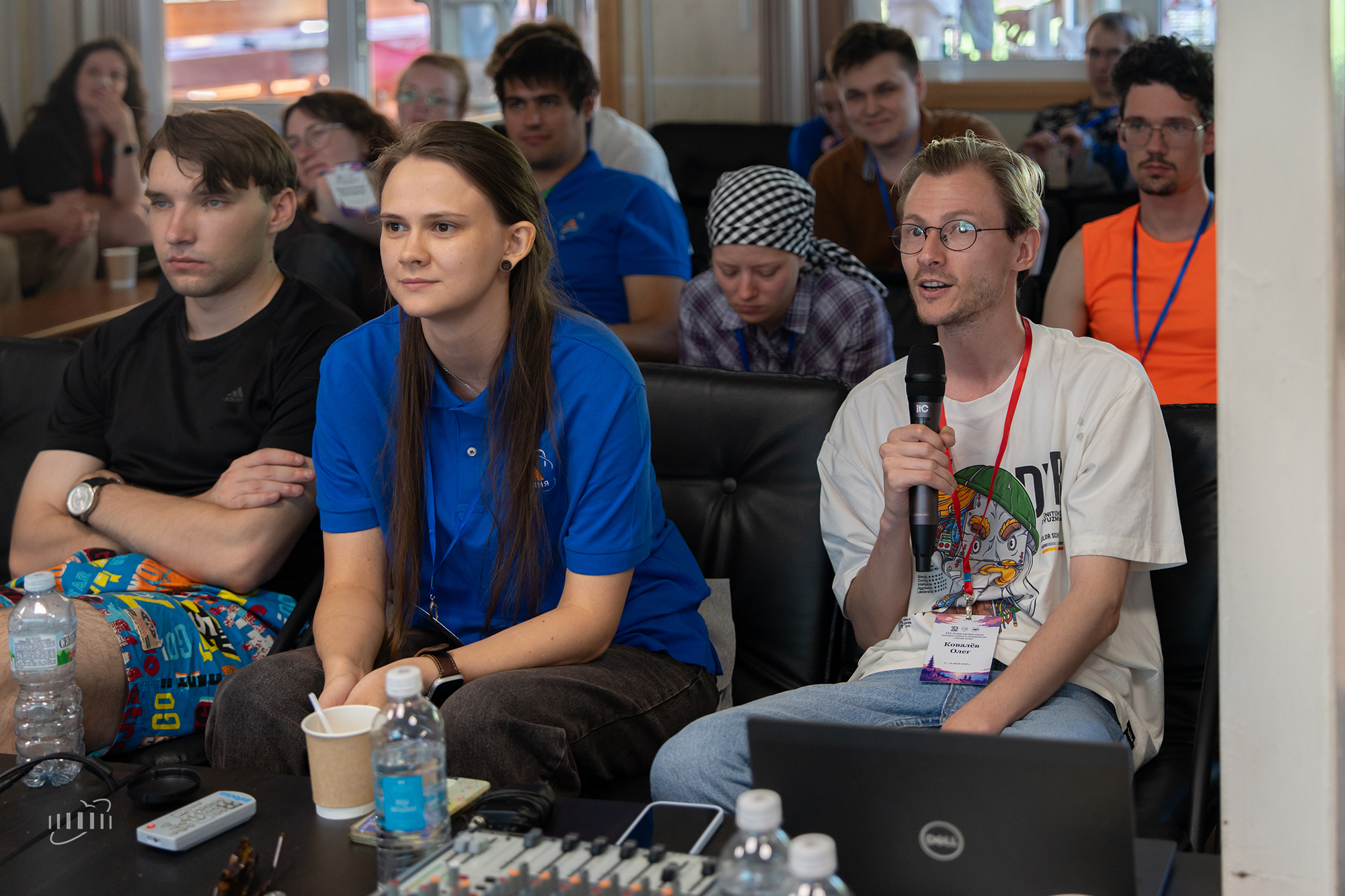
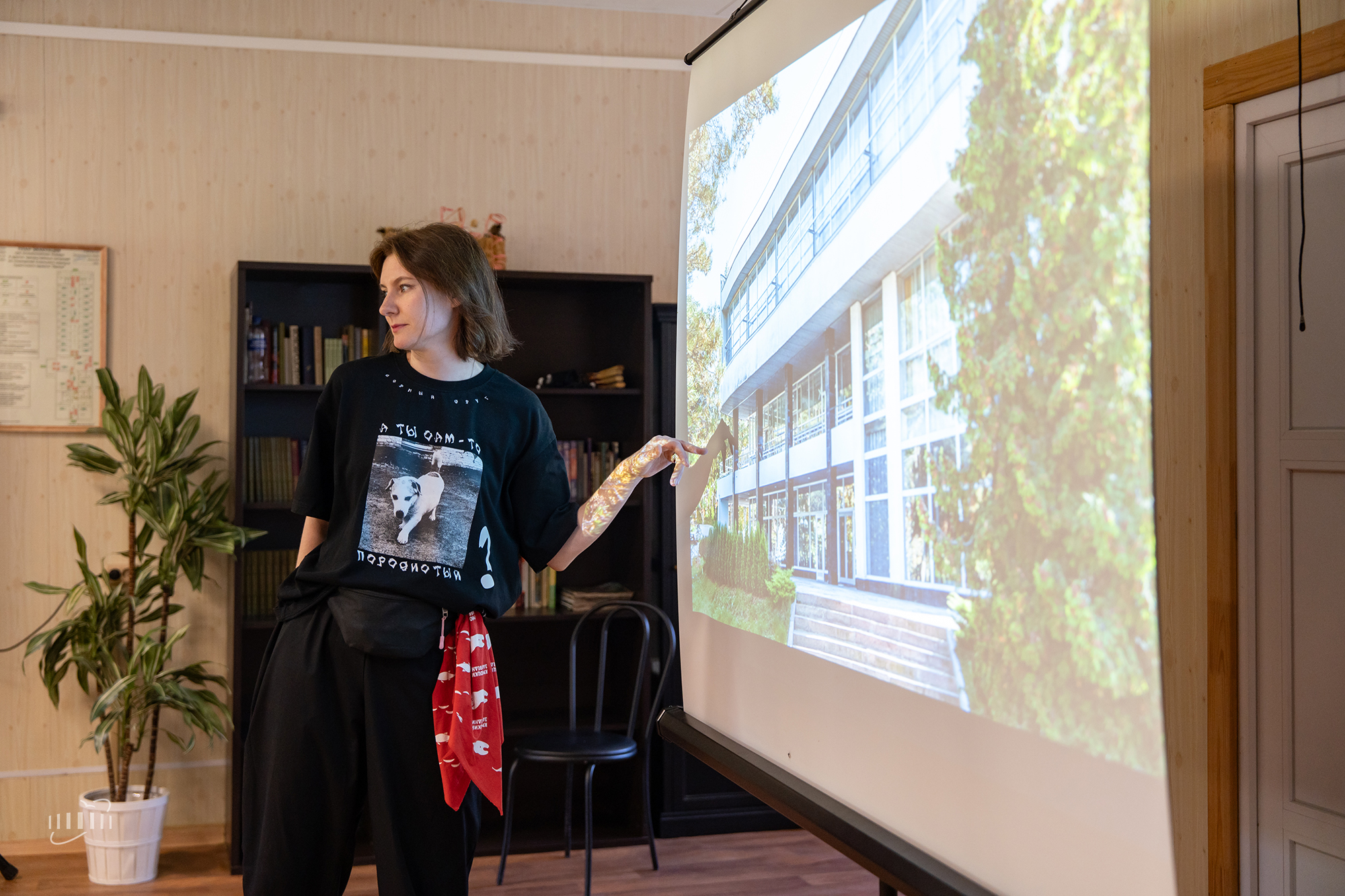
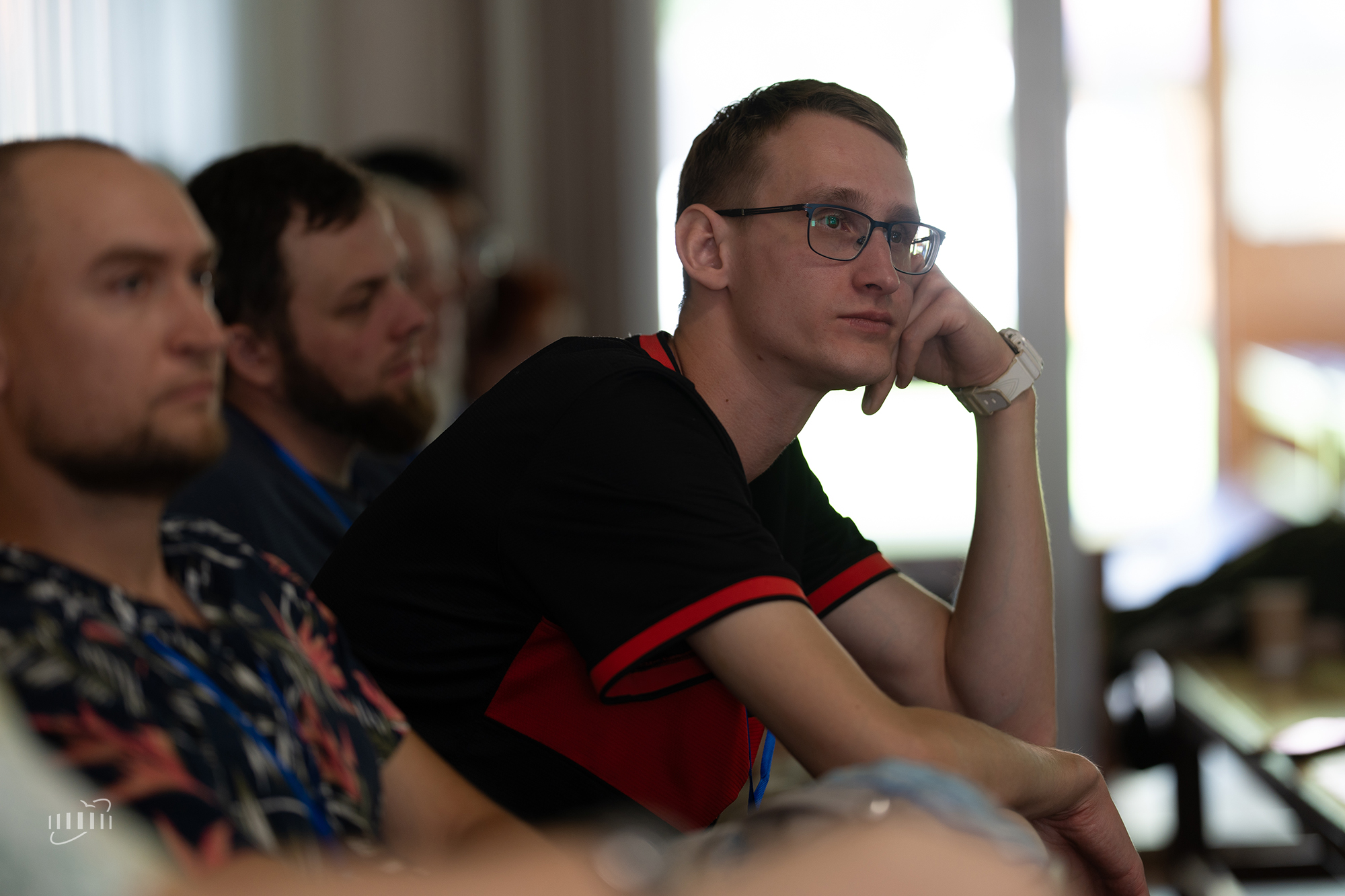
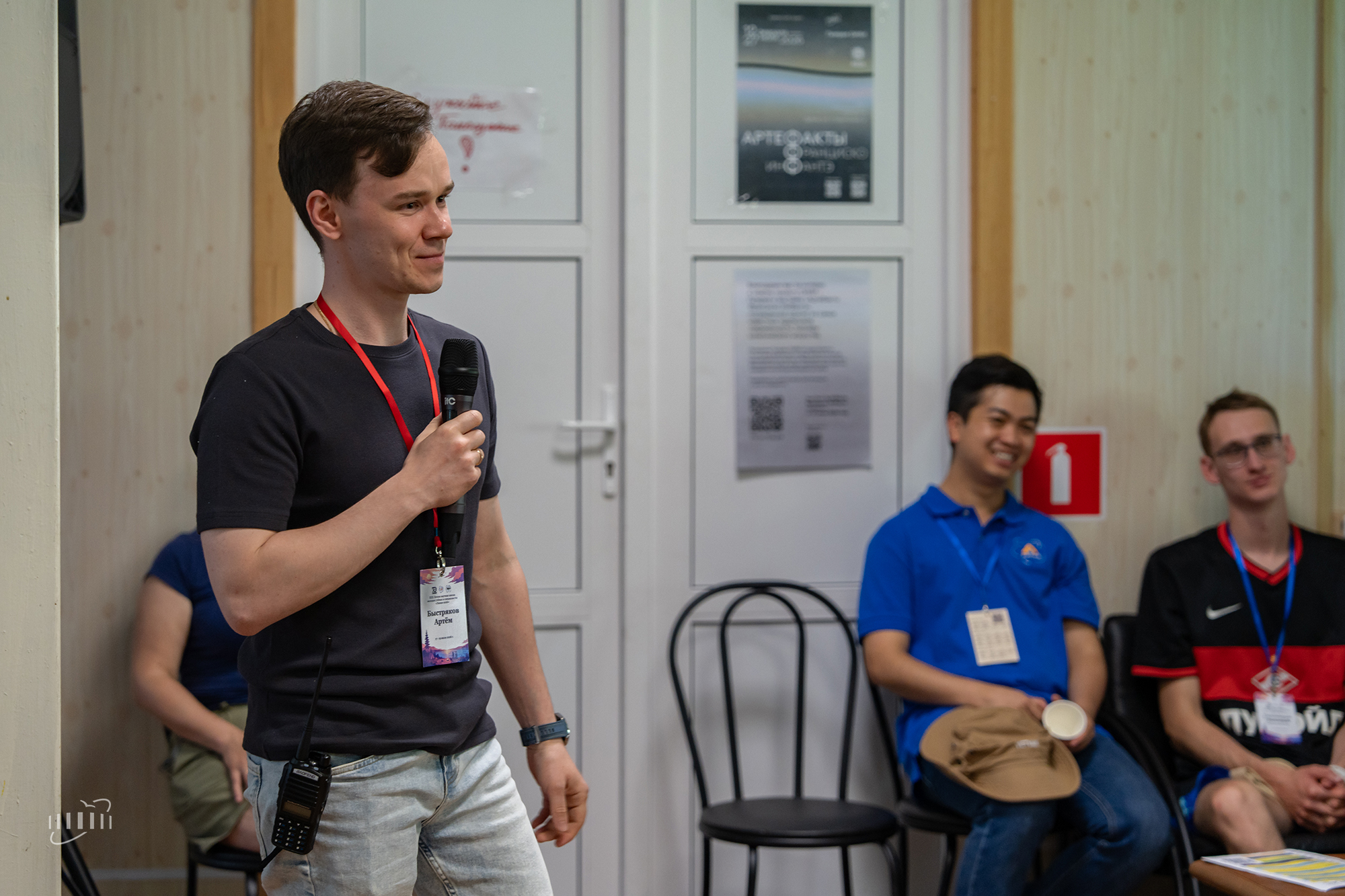
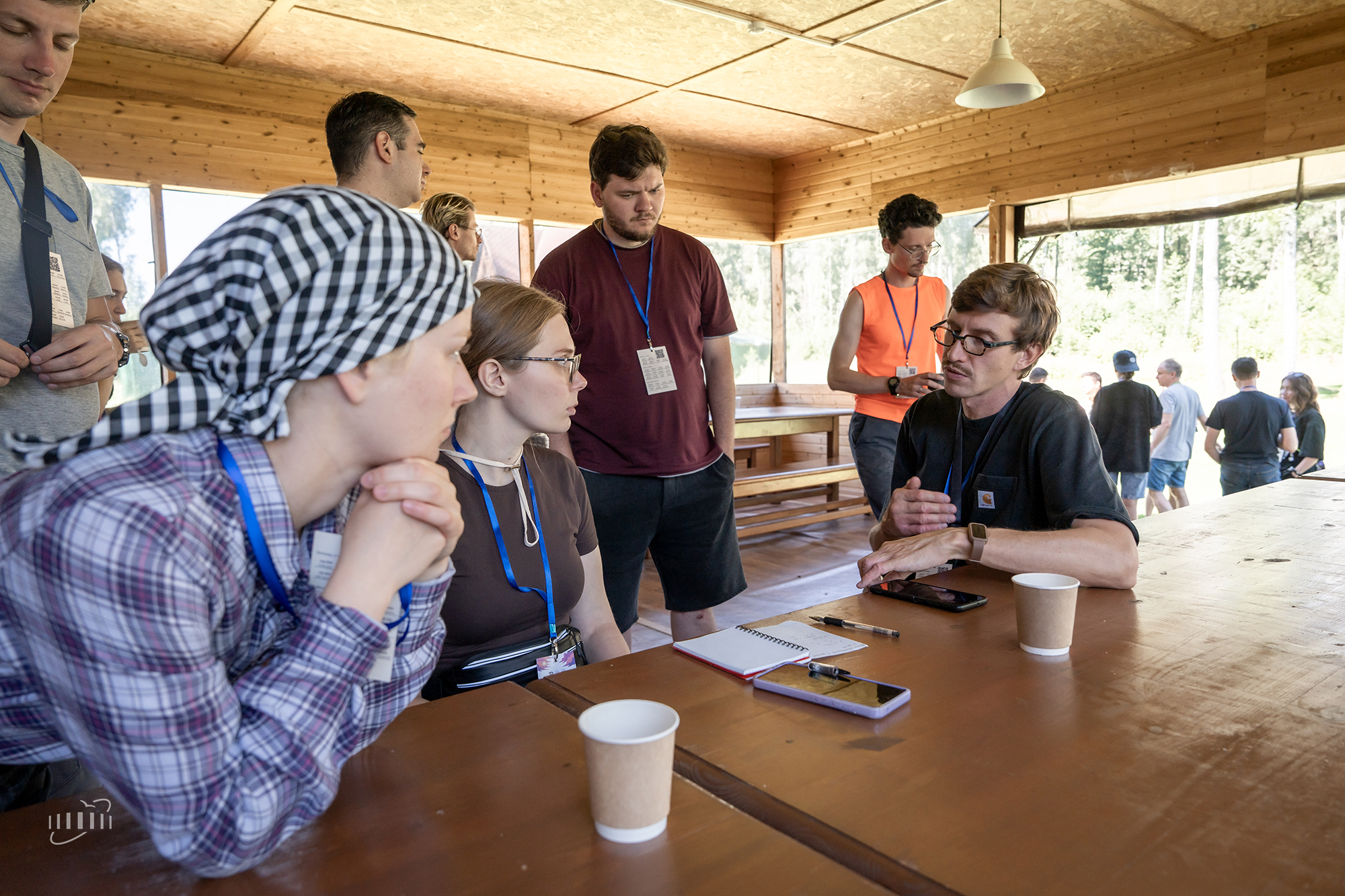
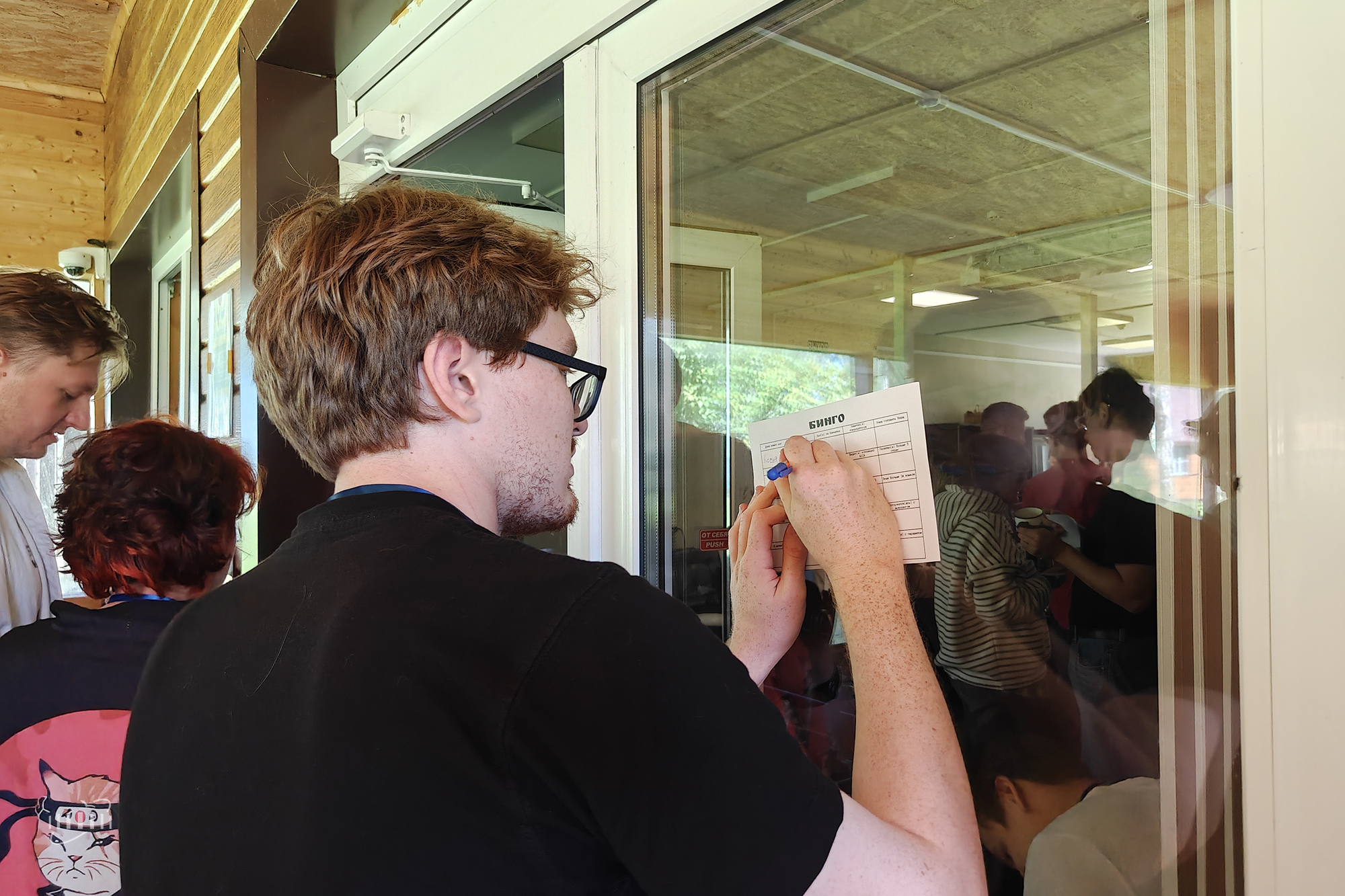
To help participants get into the swing of things from the first day, the organizers prepared a team-building programme. In the “icebreaker bingo” activity, the participants searched for peers who are fluent in several languages, who skydived or visited the Govorun Supercomputer at the Laboratory of Information Technologies at JINR. The simple yet effective format set the tone for the entire school and helped bring everyone closer together.
The scientific programme started with a lecture series dedicated to innovative R&D projects being implemented at the Joint Institute. Head of the Innovations and Intellectual Property Department Igor Lensky discussed JINR’s initiative to support promising developments. Then, talks on R&D projects were delivered by:
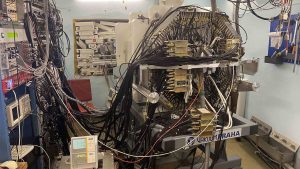
- Alexey Kuznetsov (Dzhelepov Laboratory of Nuclear Problems) — “DSTAR (Detection System for Tracking Angular Radiation) Muon Telescope”;
- Inga Zinicovscaia (Frank Laboratory of Neutron Physics) – “Testing neurotoxicity and evaluating the accumulation of contrast agents, nanoparticles, and other compounds on animal models in the TaaS (Testing as a Service) format”;
- Vladislav Rozhkov (Dzhelepov Laboratory of Nuclear Problems) – “Developing micro-OPECHT systems for precision visualisation in model biological experiments”;
- Ilya Vinogradov (Flerov Laboratory of Nuclear Reactions) – “Multifunctional preparatory system for tangential filtration”;
- Dmitry Ponkin (Veksler and Baldin Laboratory of High Energy Physics) – “Creating high-voltage power supplies and voltage commutators for experimental facilities”.
Dubna State University Rector Andrey Denikin presented the project of the International Park of Science and High Technologies in Dubna and spoke about the opportunities that the new city infrastructure can open for researchers, engineers, and technology companies.
Just as interesting were the second day’s lectures by JINR employees. A talk on experiments involving laboratory animals – mice and rats – was delivered by Head of the Radiation Physiology Sector of the Laboratory of Radiation Biology at JINR Iurii Severiukhin. Head of the FLNP Sector of Neutron-Nuclear Interaction Research Nikita Fedorov explained how nuclear databases are organized and why they are indispensable to modern nuclear physics. FLNR researcher Nikita Kovrizhnykh devoted his talk to the discovery and study of superheavy nuclei at the Joint Institute – one of the directions that made Dubna’s scientific school world-renowned. JINR Gallery Curator Lilia Uriadysheva commented on the new professional exhibition space in Dubna and discussed the importance of art to researchers. Her presentation emphasised that the ability to shift one’s perspective of the world is essential for scientists as well as artists.
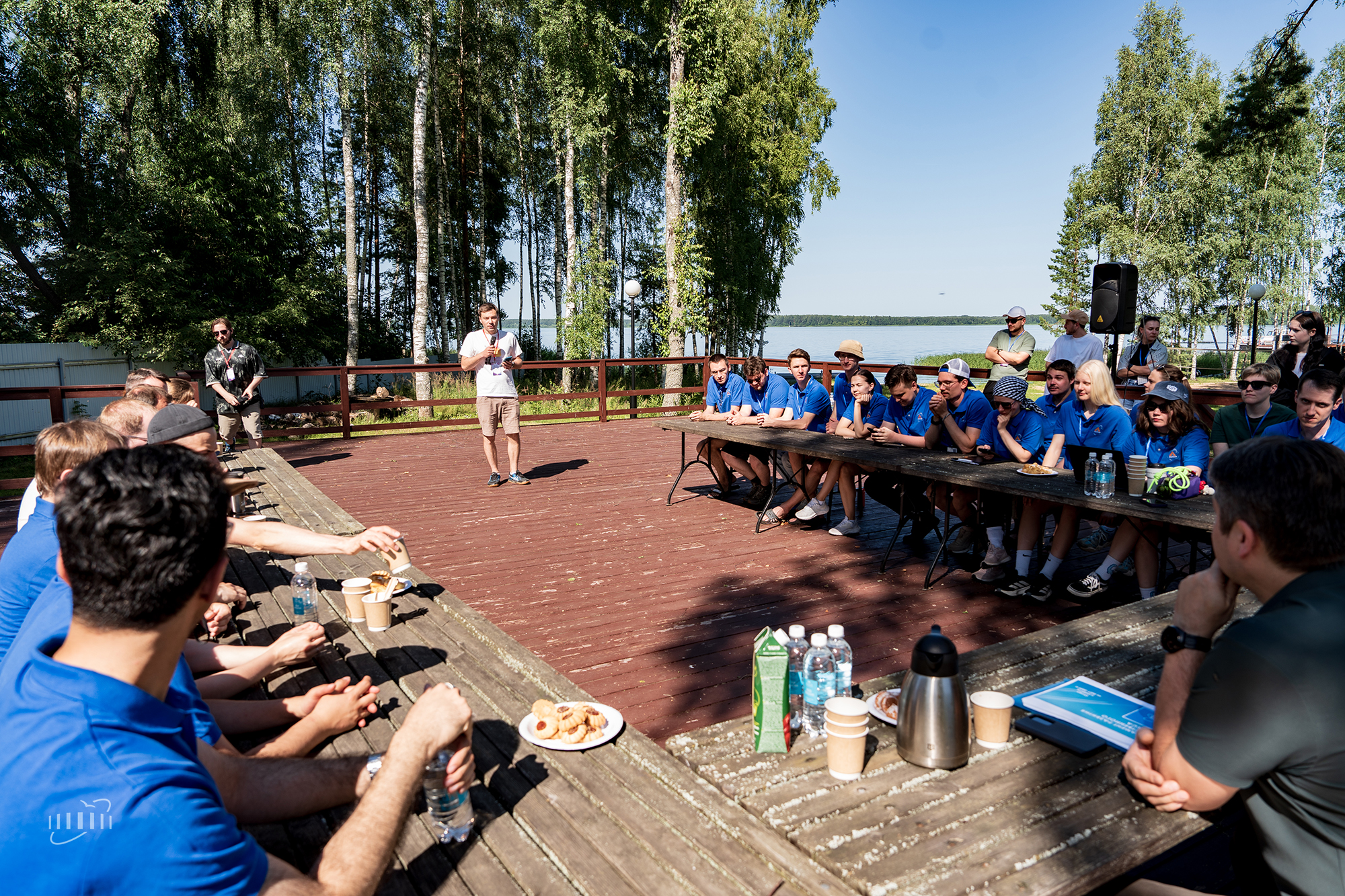
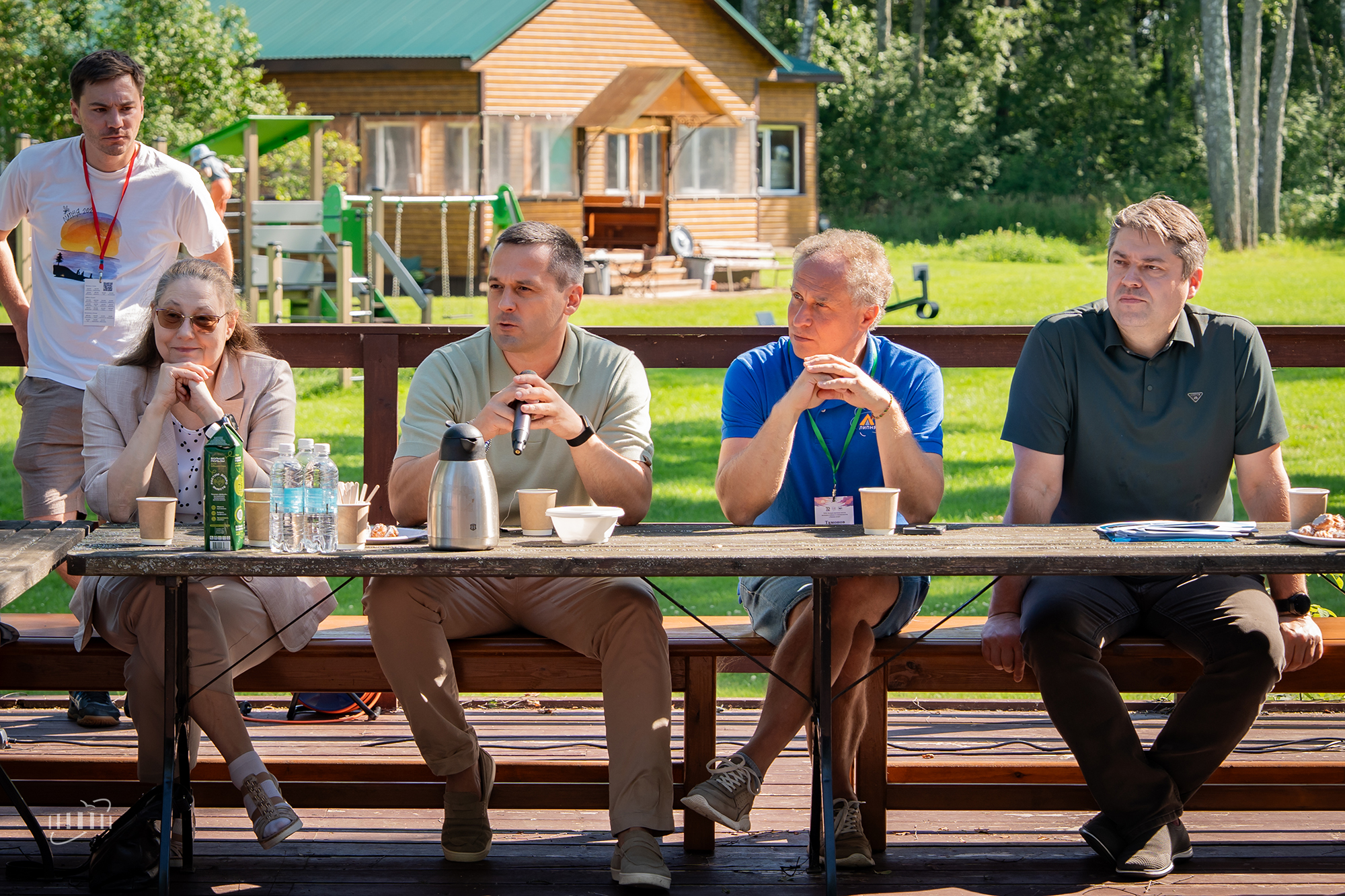
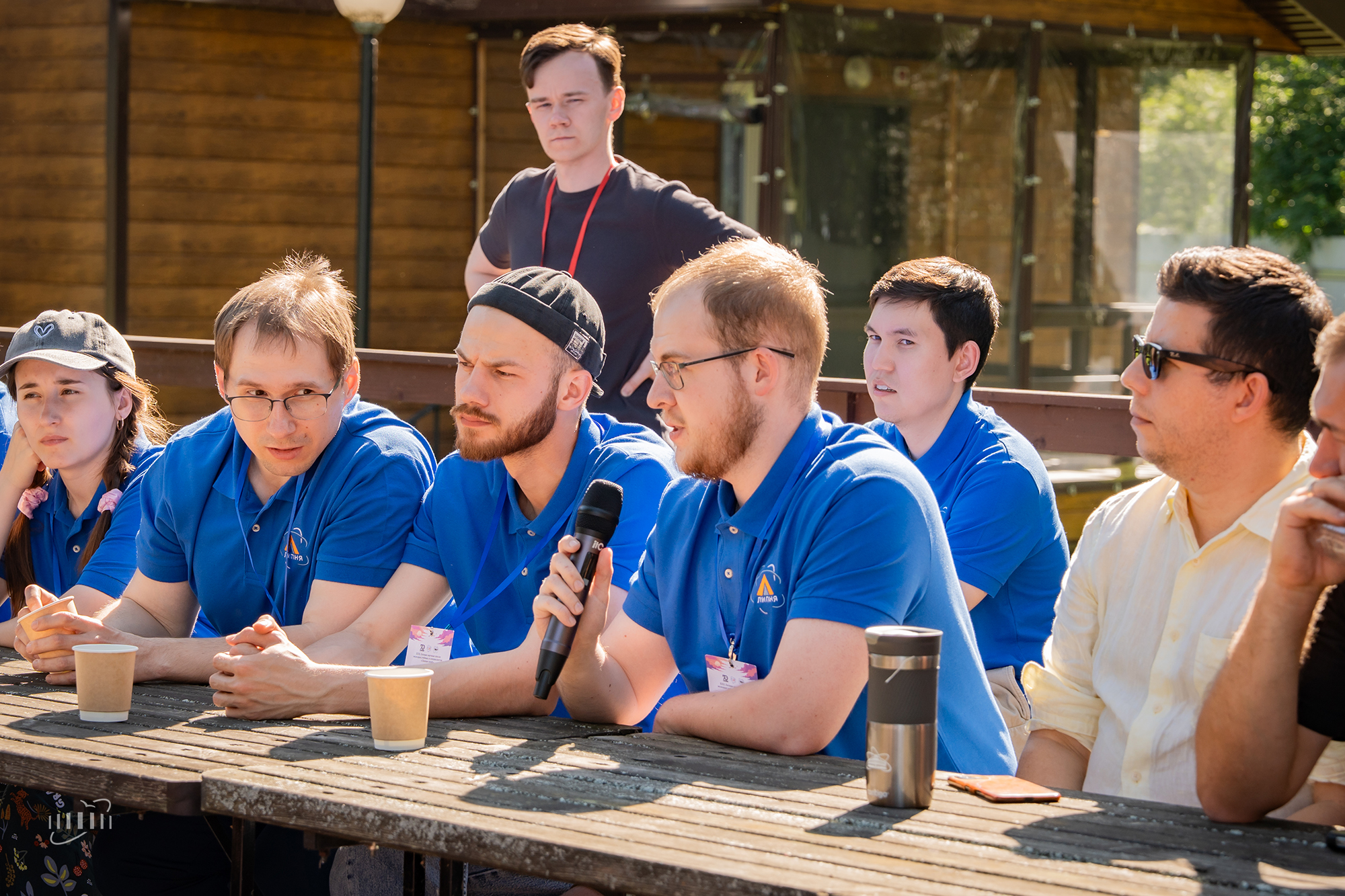
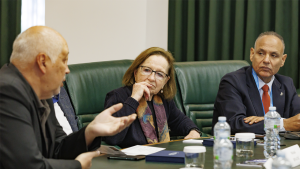
Оne of the central events was a roundtable discussion with JINR Directorate members and Dubna City District Head Maxim Tikhomirov. The Joint Institute was represented by JINR Vice-Director Elena Kolganova, Head of the JINR Social Infrastructure Management Office Andrey Tamonov, Head of the Property Complex Development Department Sergey Sokolov, and Head of the Human Resources and Records Management Department Alexander Verkheev. Young scientists and specialists asked over twenty questions about employment and opportunities for participation in JINR projects, career prospects, Dubna improvement, and the work of public transport. The open dialogue allowed not only to identify the most important problems, but also to hear the opinions of those responsible for the solutions.
On 19 July, speech and oratory coach, psychologist Oksana Pliskovskaya gave an interactive lecture on effective time planning, goal setting, and motivation in scientific work. This lecture was especially important for young researchers who have to combine conducting experiments, data processing, preparing publications, making talks at conferences, and other tasks.
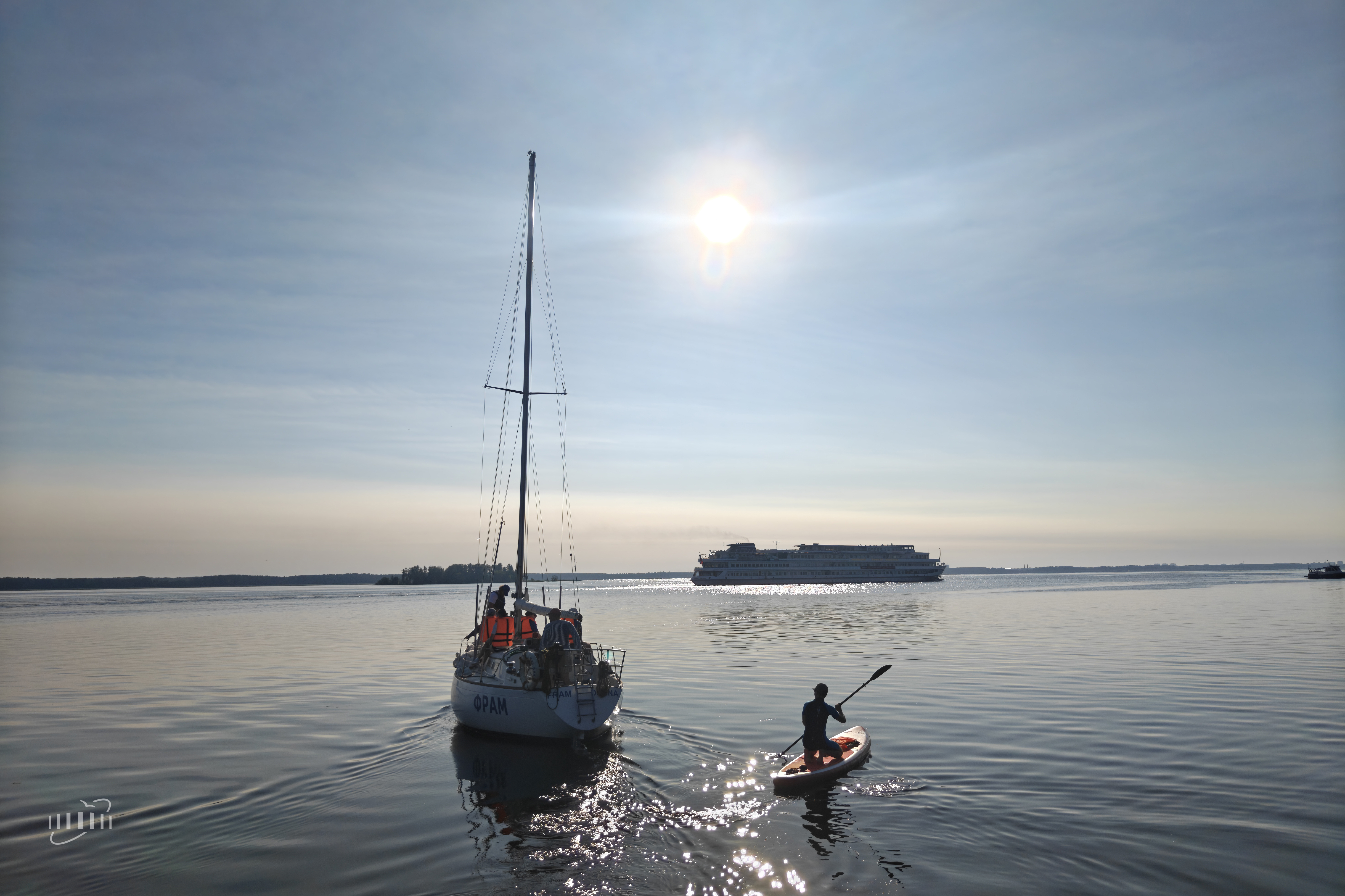
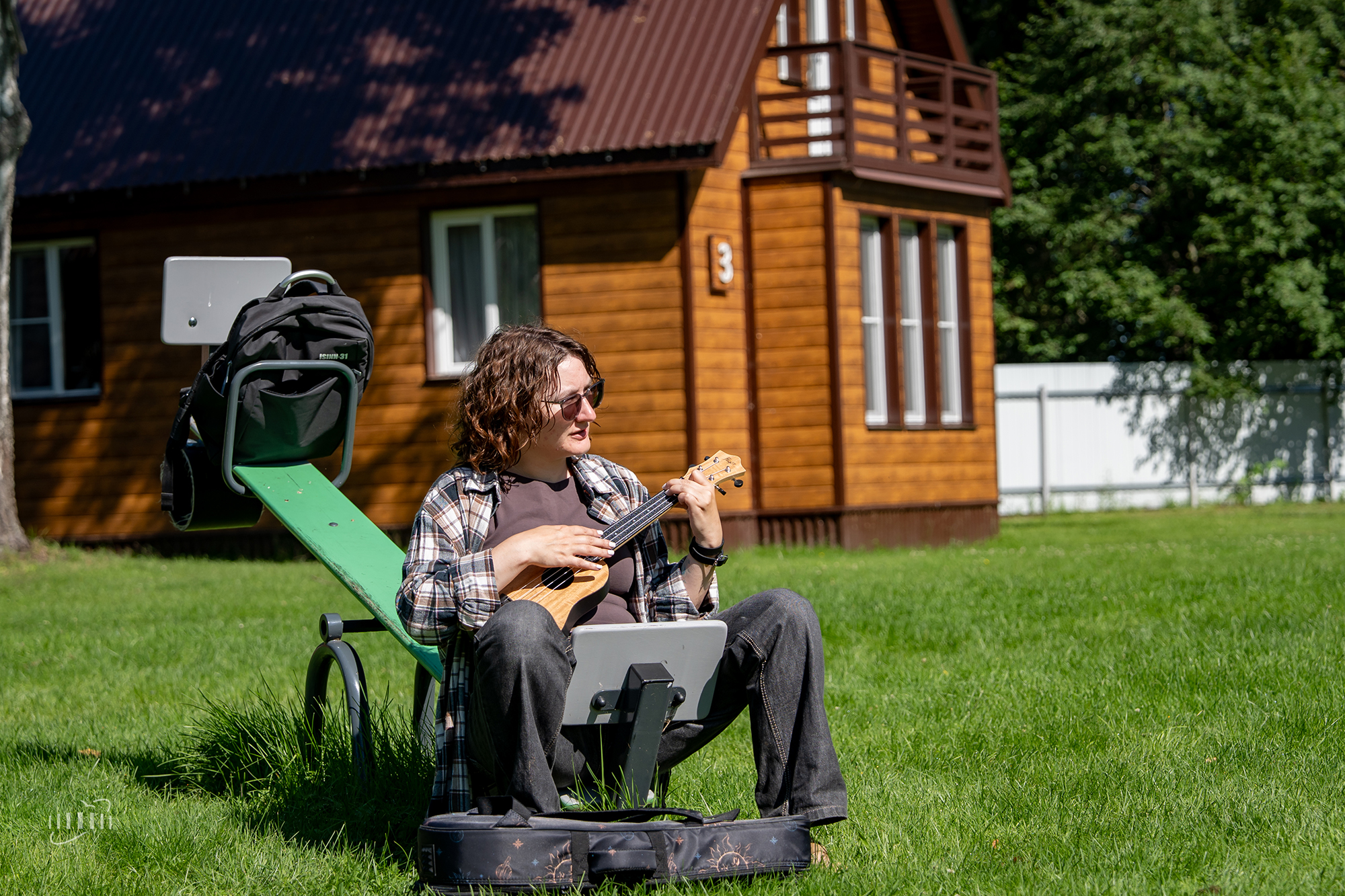
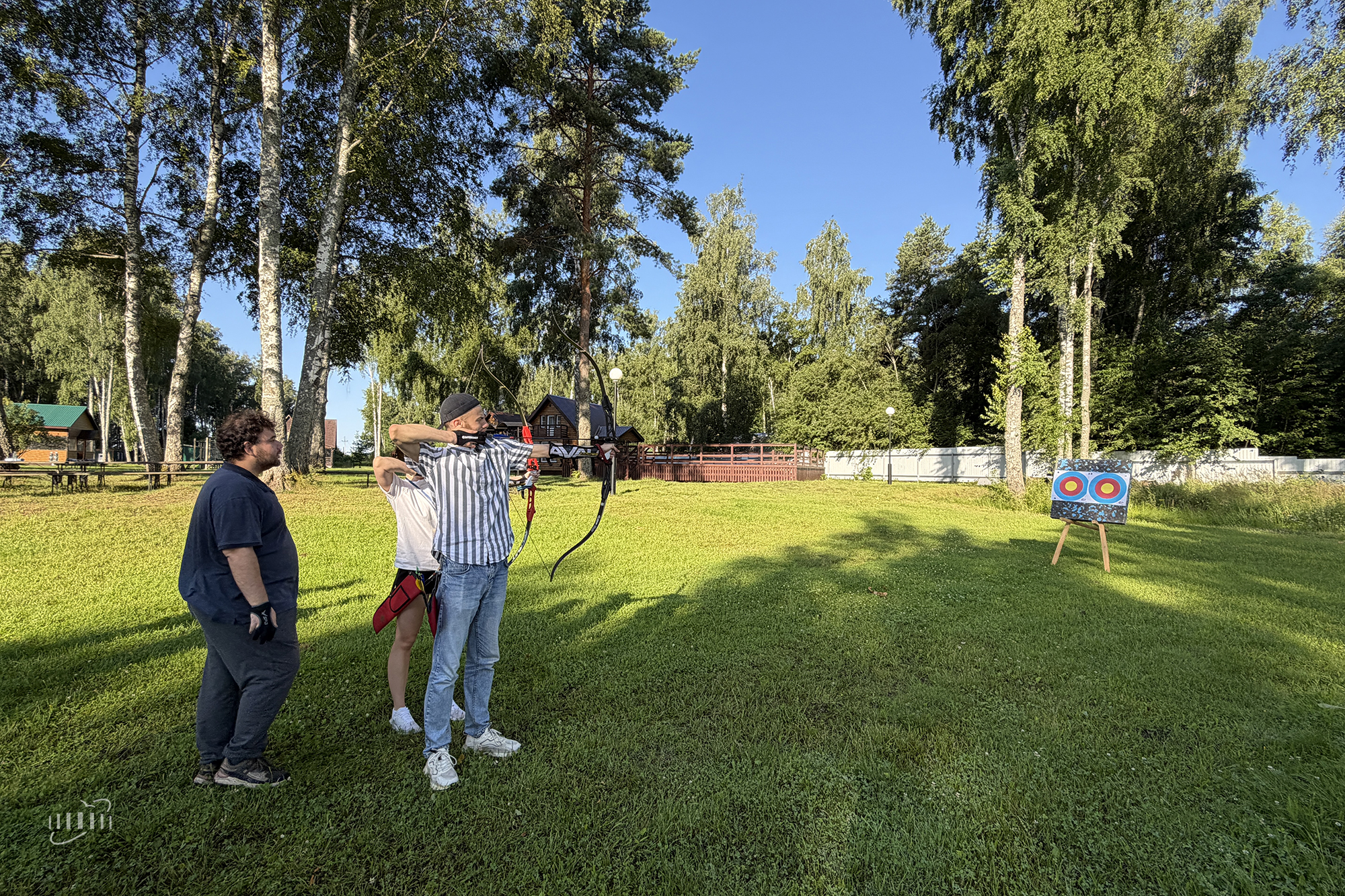
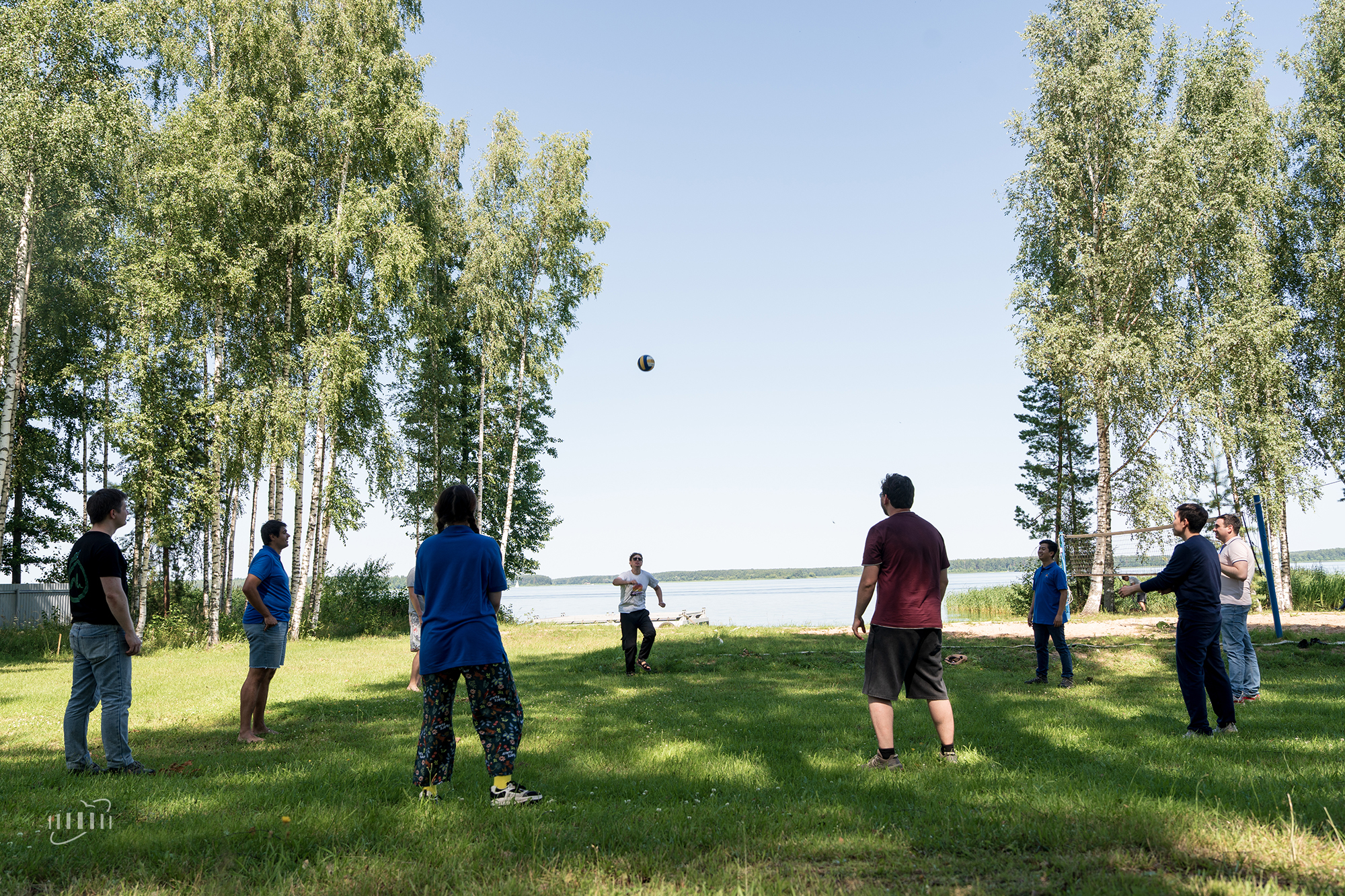
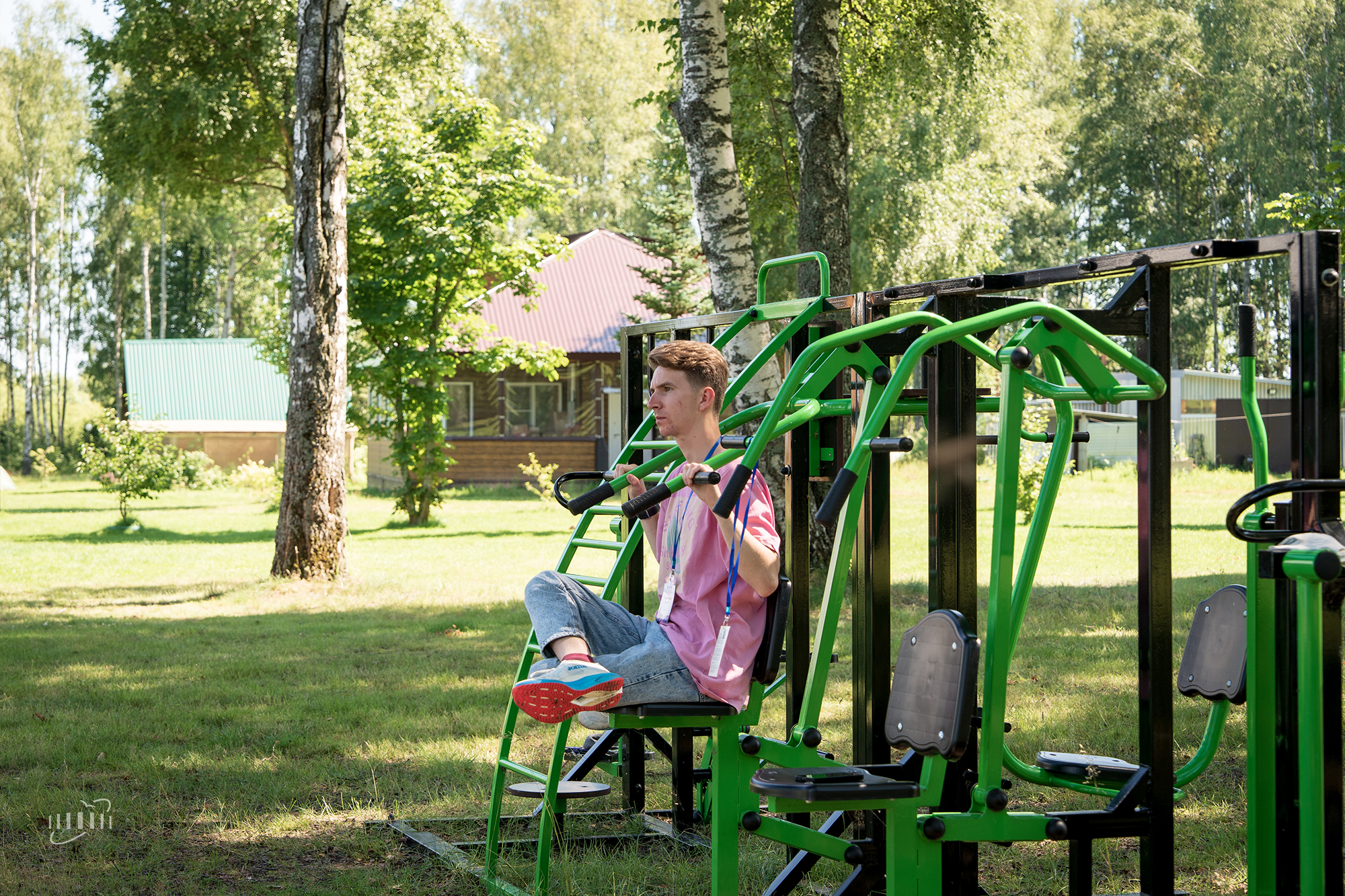
In addition to lectures, the school participants attended morning master classes in archery, SUP-boarding, and kayaking. In their free time, they did sports on exercise machines, played volleyball and board games. This year’s evening programme included What? Where? When? and The Weakest Link brain games. On the morning of the final day, some of the participants were able to join the crew of the Fram cruising yacht and sail through the Ivankovo Reservoir.
The results of the three days were summed up at the closing ceremony. In 2026, the school brought together 72 young scientists and specialists from all JINR laboratories, the National Research Nuclear University MEPhI, Skobeltsyn Institute of Nuclear Physics of the Moscow State University, Dubna State University, ITMO University, Plekhanov Russian University of Economics, Central University, Joint Institute for High Temperatures of the Russian Academy of Sciences, MEPhI Dimitrovgrad Institute of Engineering and Technology, and Protom Company.
Co-chair of the school’s organizing committee of the school, DLNP JINR researcher Artem Bystryakov noted that this year, the organizers managed to create a particularly meaningful scientific programme with an emphasis on R&D projects. “I am sure that the participants learned a lot of new things. We are particularly pleased with the professionalism of our lecturers: each is a storehouse of experience and scientific knowledge. It is thanks to such people that young specialists strive to get to Lipnya”, he stressed.
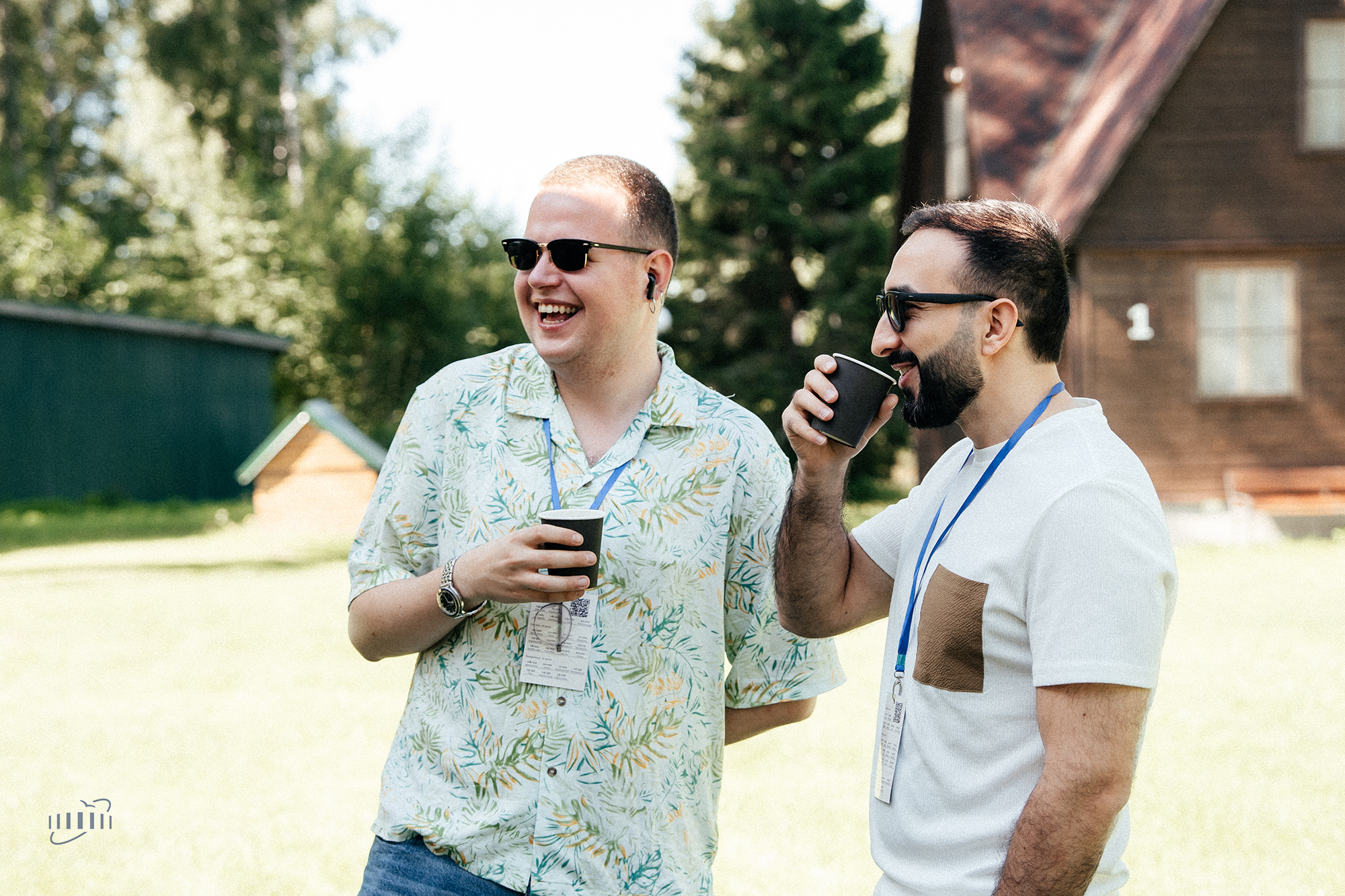
The participants spoke warmly about the school as well. First-year graduate student at the Institute of Nuclear Physics and Engineering of MEPhI Sofia Kobeleva visited Lipnya for the first time. She highly appreciated the combination of meaningful scientific lectures and informal activities. “It was very interesting for me to chat with colleagues from different JINR laboratories, discuss studies, and share experiences. The school left the most pleasant impressions, and I would love to come here again”, she said.
Engineer at the FLNR JINR Sector of the Synthesis and Properties of Superheavy Nuclei Ege Can Karanfil drew attention to the amazing atmosphere of the school and the openness of the participants to both professional and informal communication. “Everyone at Lipnya is more than friendly. Participants from different organizations communicate as if they have known each other for years. There is no way you could feel like a stranger: everyone tries to keep up the conversation, is always ready to help or just keep company. Even the language barrier isn’t an obstacle: if you don’t speak the same language, you still find a way to understand each other”, he commented.
Over the three decades of its history, the Lipnya Summer School has preserved a special atmosphere in which scientific dialogue is combined with open communication and a sense of unity. Here, young scientists and specialists not only get acquainted with the most important modern research and ask questions to lecturers, but also establish professional contacts, find like-minded people and future co-authors. The school remains an important platform for the interaction of talented young people who are passionate about science.