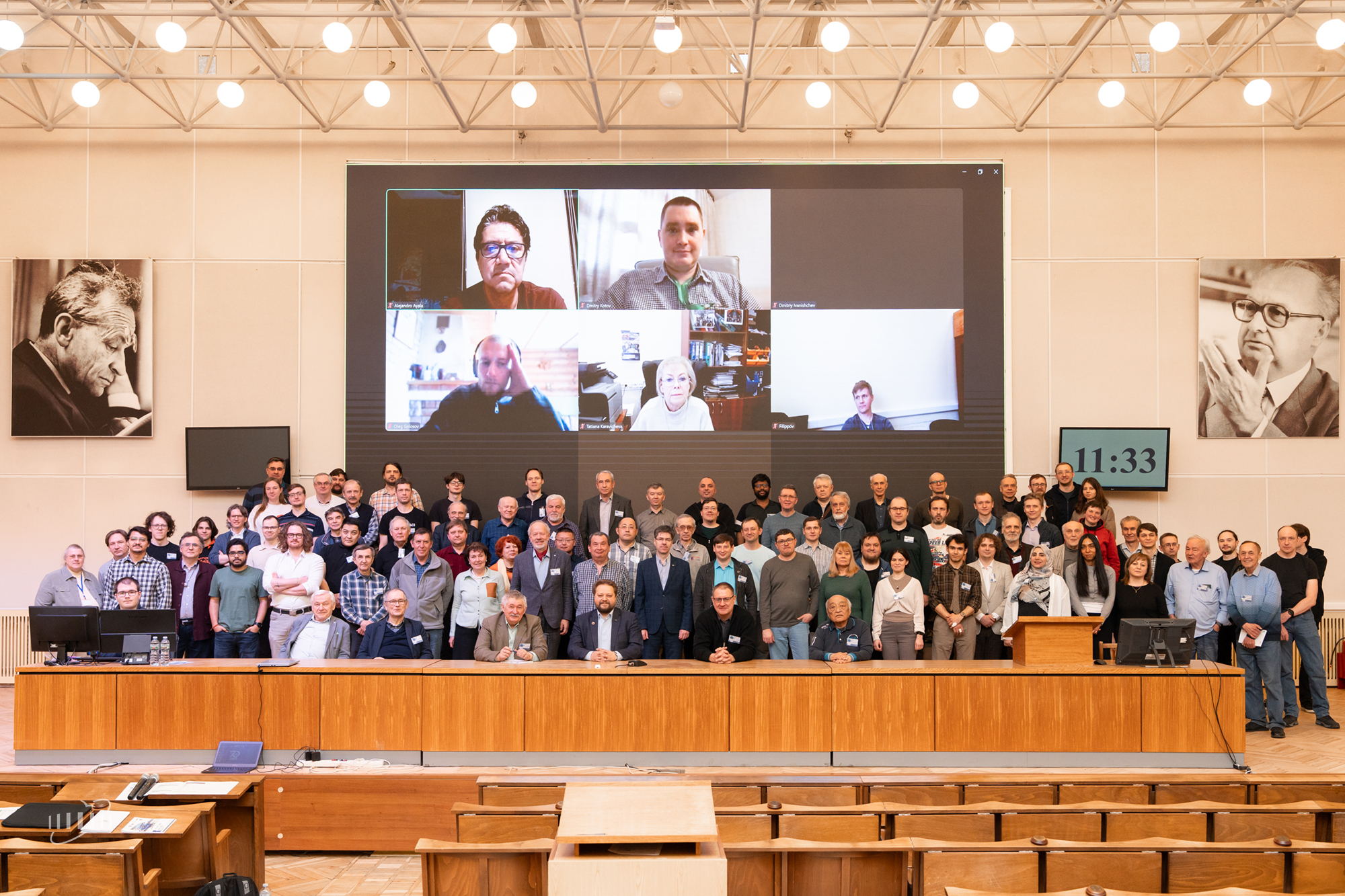
From 21 to 23 April 2026, the 17th meeting of the MPD (Multi-Purpose Detector) Collaboration is taking place at the Laboratory of High Energy Physics at JINR. Around 200 scientists from 11 countries are discussing the readiness of the NICA Accelerator Complex and the Multi-Purpose Detector for the collider’s next physics run. It is planned to install the experimental facility in the normal position at the MPD crossing point in October 2026.
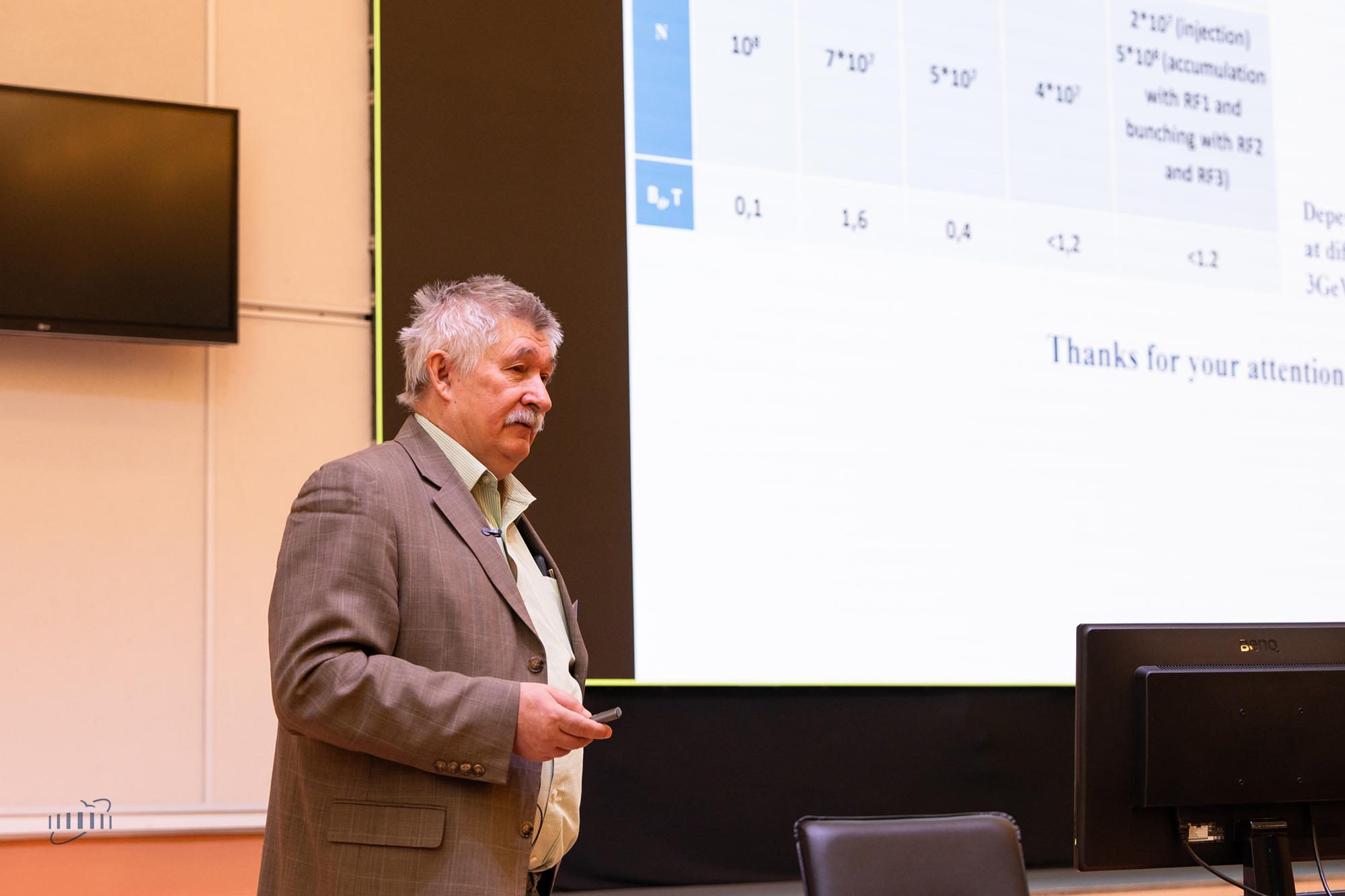
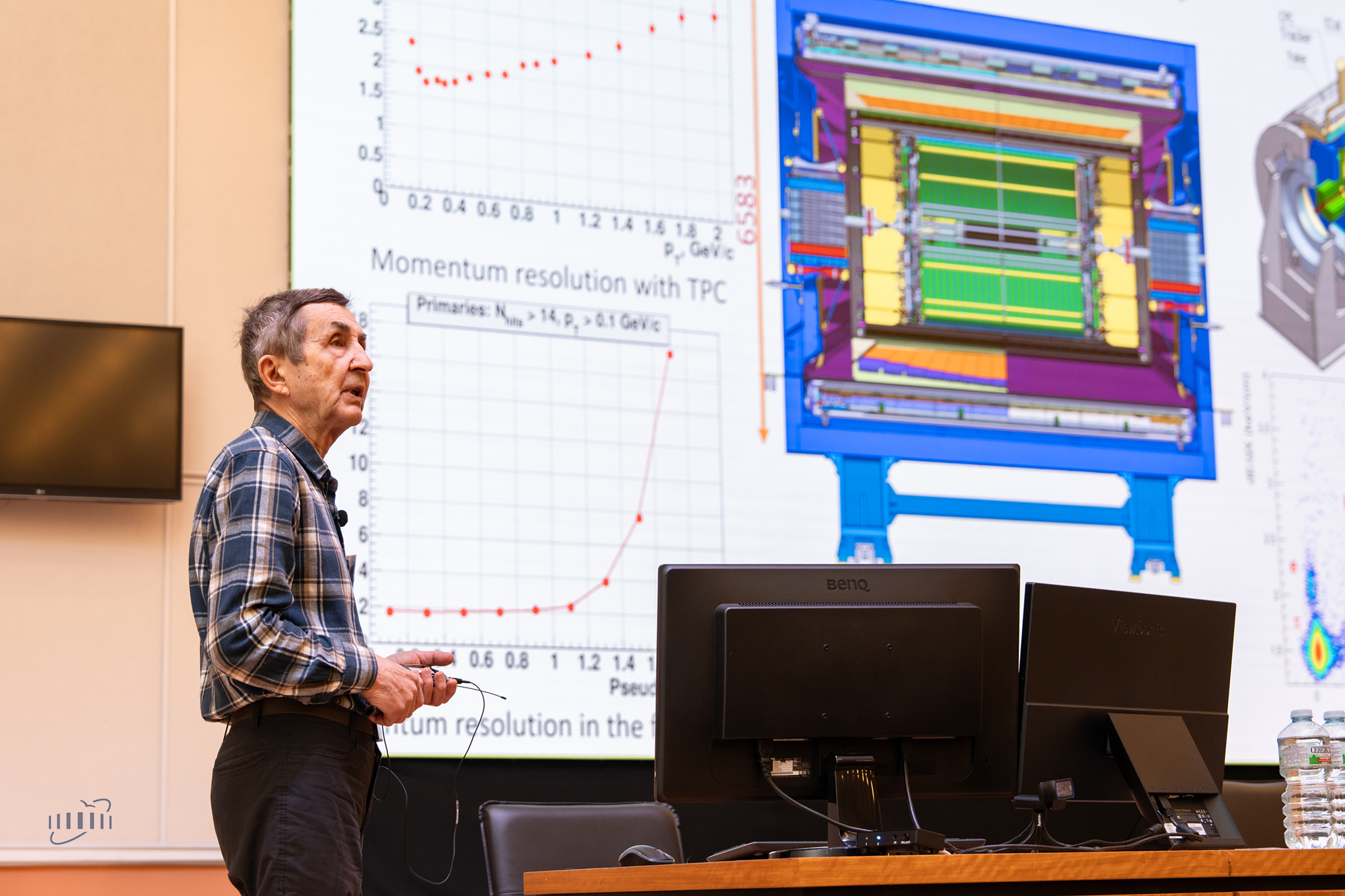
NICA Accelerator Complex Chief Engineer Evgeny Syresin gave the first talk, dedicated to the facility’s progress. In his presentation, he summarised the results of the first run lasting from March 2025 to April 2026.
An important result was the long-term circulation of 1.76 GeV/nucleon beams of xenon nuclei in the upper and lower rings of the collider. February 2026 marked the circulation of counter-rotating beams with the same revolution frequency of particle bunches in each ring and synchronisation of their passage at the meeting point – in the area of the MPD Detector. In addition, Evgeny Syresin highlighted the second physics run of the BM@N (Baryonic Matter at Nuclotron) Experiment, which resulted in 2.75 billion collected events. These achievements confirmed the stable operation of the accelerator complex’s key engineering systems.
The next NICA Run is planned to start in autumn 2026. Its main task will be increasing the intensity of the beam circulating the collider. To this end, VBLHEP specialists will carry out a set of preparatory activities at the Booster, Nuclotron, and collider. In the new run, the complex is expected to circulate of 2–2.5 GeV/nucleon xenon ion beams, with a luminosity of 1024–1025 cm −2 · s−1.
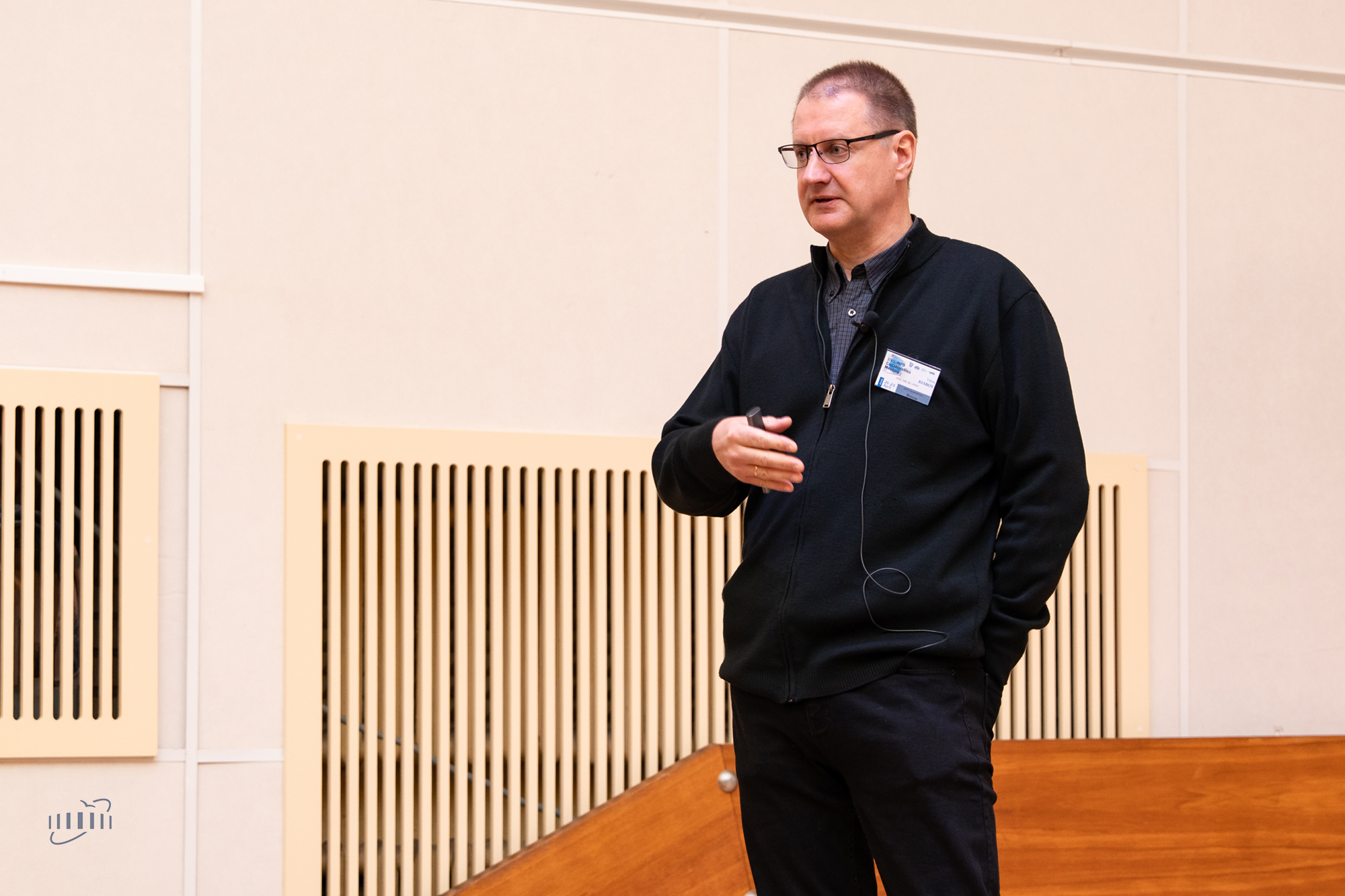
MPD Collaboration Spokesperson, VBLHEP JINR Chief Researcher Victor Riabov provided an updateon preparation of the Multi-Purpose Detector. One of the main achievements was the stable operation of the experimental facility’s superconducting magnet at the design field of 0.57 T. As the scientist noted, since February 2026, MPD’s magnet is fully ready for commissioning.
Active preparation of the internal detector subsystems continues. A force carbon fibre frame was installed in the magnet body, and modules of the electromagnetic calorimeter (ECAL) and time-of-flight system (TOF), already assembled and tested, will be installed in the near future. Significant progress was made on the central tracking detector – the time projection chamber (TPC). Assembly of the detector’s gas volume, as well as its testing for leaks and high voltage, successfully finished. During the meeting, the installation of 24 readout chambers (ROC) is nearing completion.
“Over the last six months, we have made significant progress in preparing the Multi-Purpose Detector for NICA’s beam run. By the end of October, we plan to install the facility to its normal position at the MPD crossing point”, Victor Riabov said. Furthermore, the international MPD Collaboration continues to implement a programme for modelling the experiment’s physics processes, both for the Collider Mode (MPD-CLD) and for the Fixed-Target Mode (MPD-FXT). Simultaneously, active preparation of the software and computing infrastructure for the upcoming launch and the first real data processing is underway.
Head of the MPD Experimental Department, Collaboration’s Technical Coordinator Vyacheslav Golovatuk presented an updated roadmap for the assembly and integration of the detector subsystems, outlining key 2026 work stages.
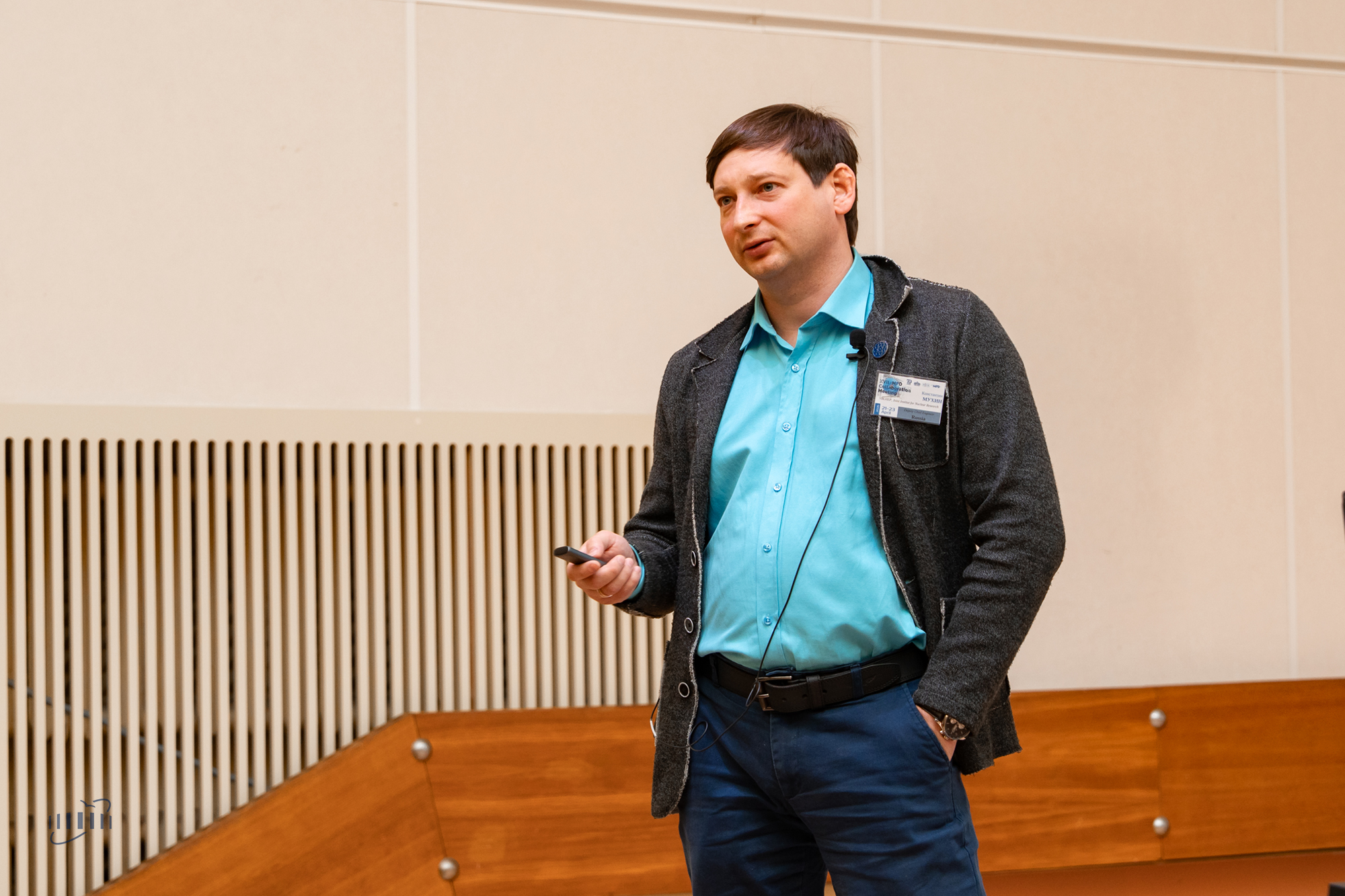
The event continued with a series of specialised talks. VBLHEP JINR Deputy Chief Engineer Konstantin Mukhin discussed the progress of MPD’s superconducting solenoid magnet. Head of the VBLHEP of Ion Collision Reconstruction Sector Oleg Rogachevsky made a presentation on the development of the MPD Experiment’s computing infrastructure. A Budker Institute of Nuclear Physics employee Yevgeny Antokhin detailed magnetic field measurements in the MPD Detector volume and presented a plan to continue the measurements in June 2026. The first day finished with a meeting of the MPD Institutional Board representatives.
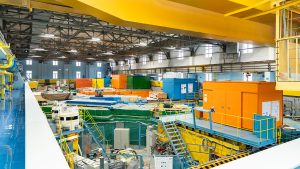
The 17th MPD Collaboration Meeting’s programme will include over 40 talks on various issues related to detector subsystem creation, computing infrastructure progress, and the experiment’s physics programme development. Upon arriving in Dubna on 22 April, participants visited the NICA Accelerator Complex and the experimental hall of the MPD Facility. The meeting results will be summarised during an open discussion on 23 April.