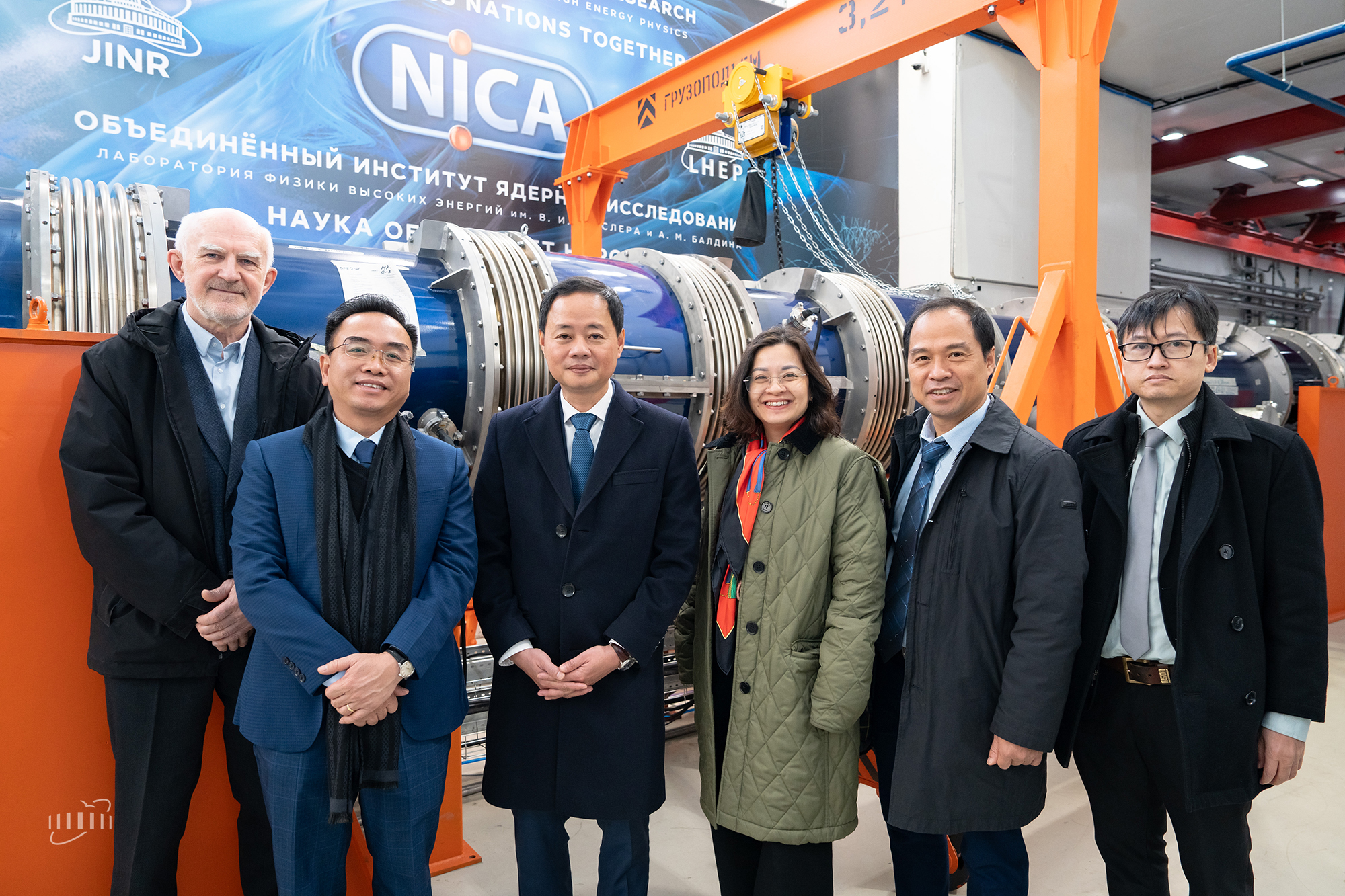
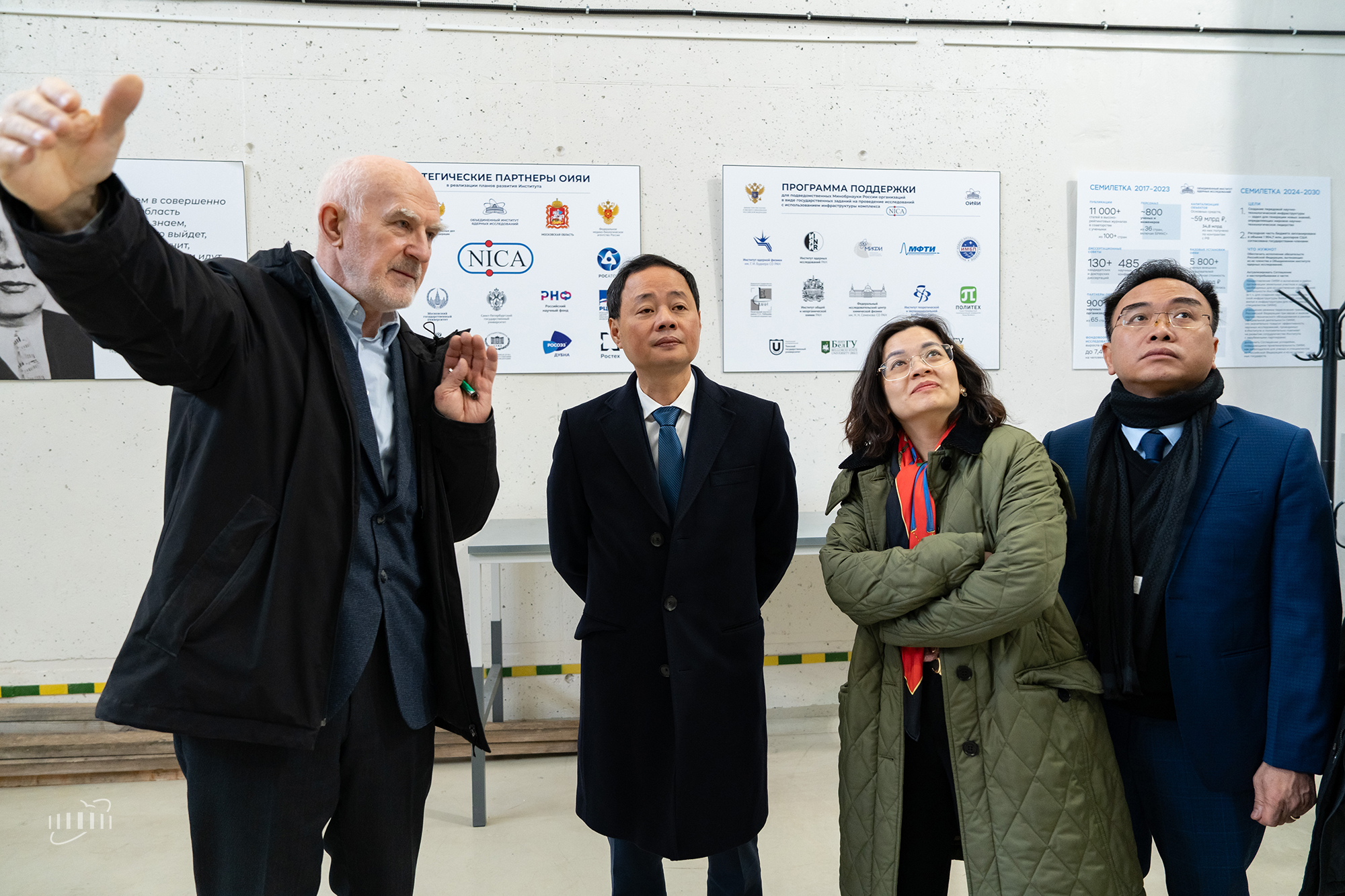
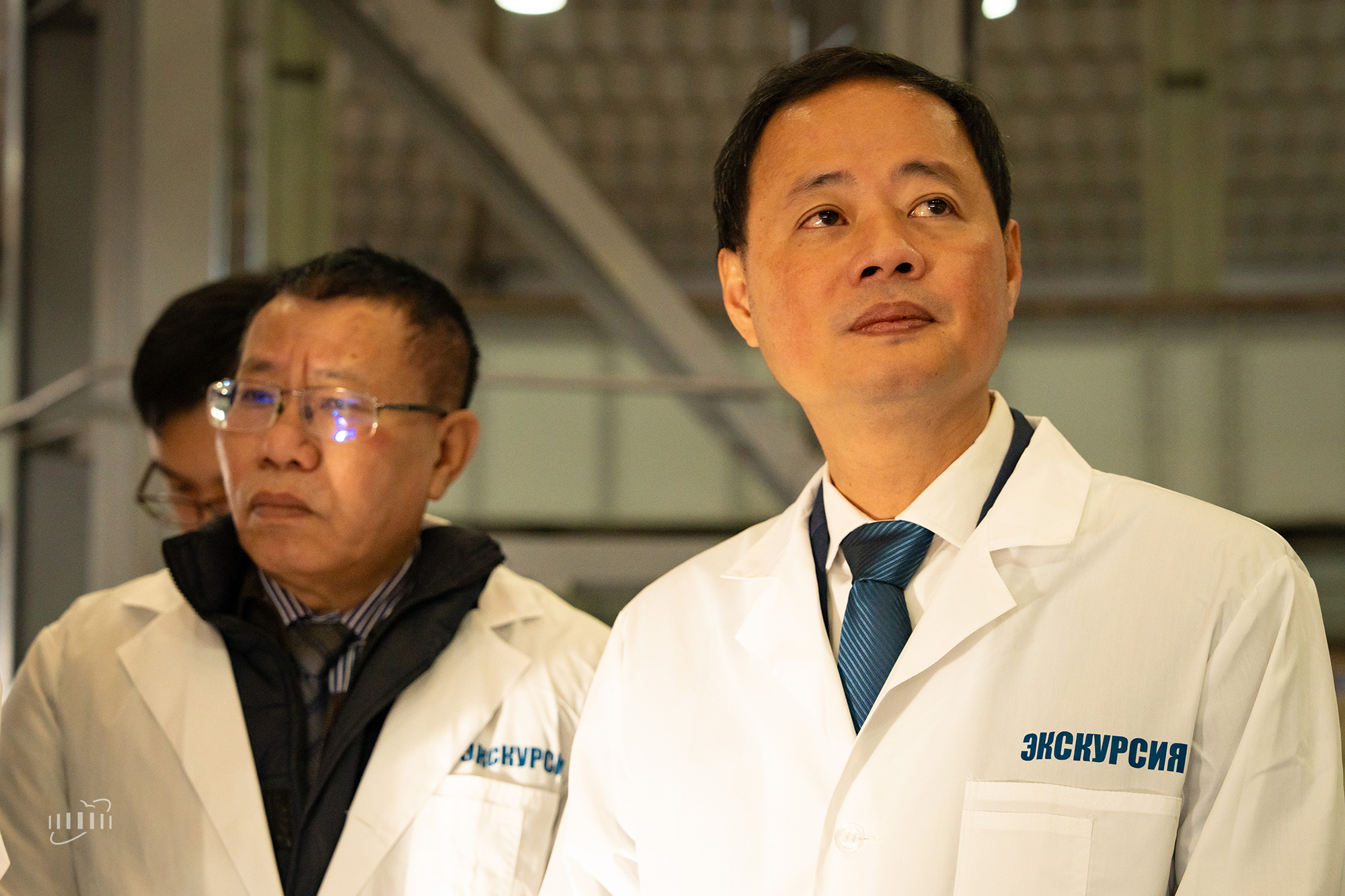
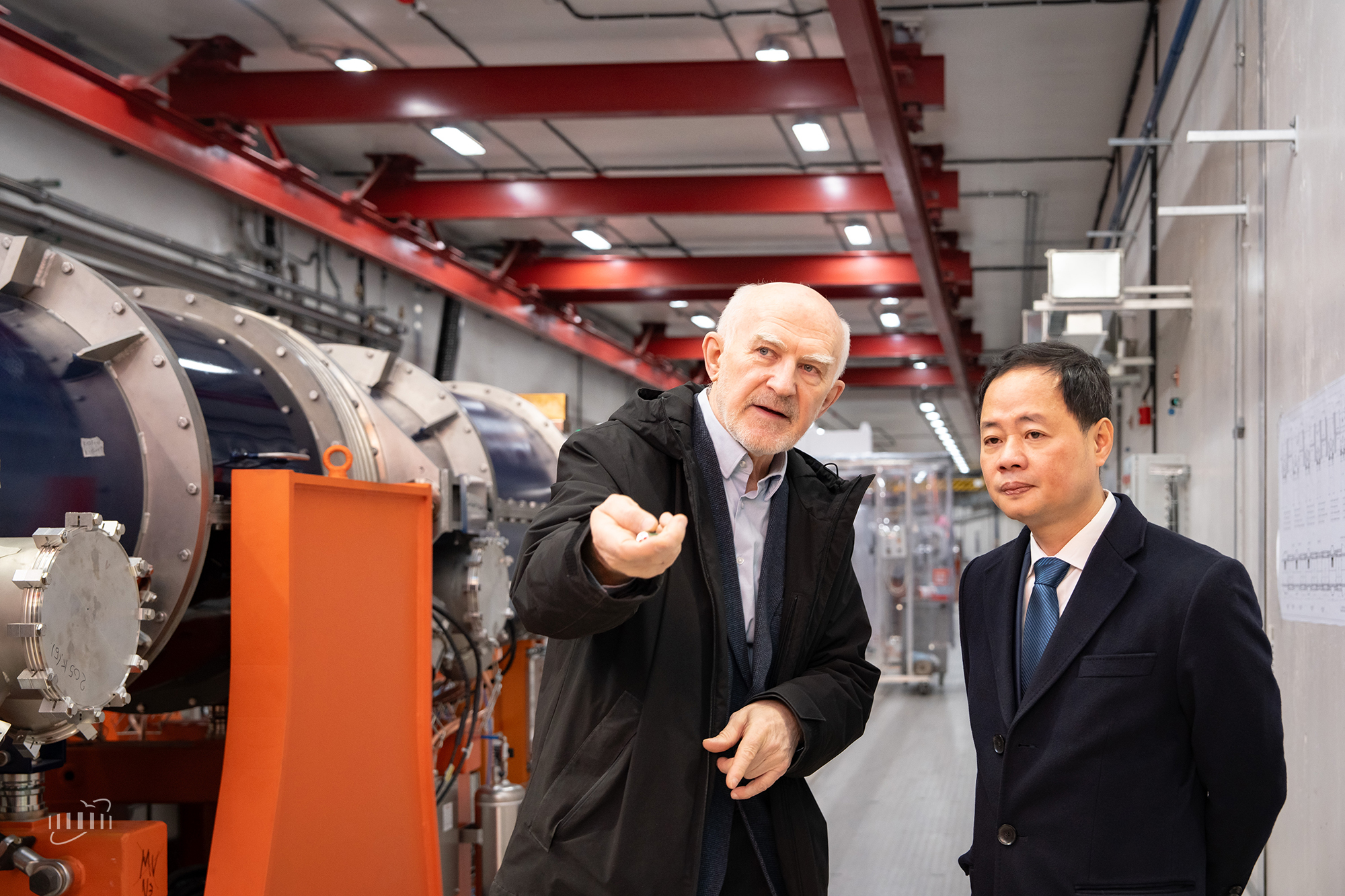
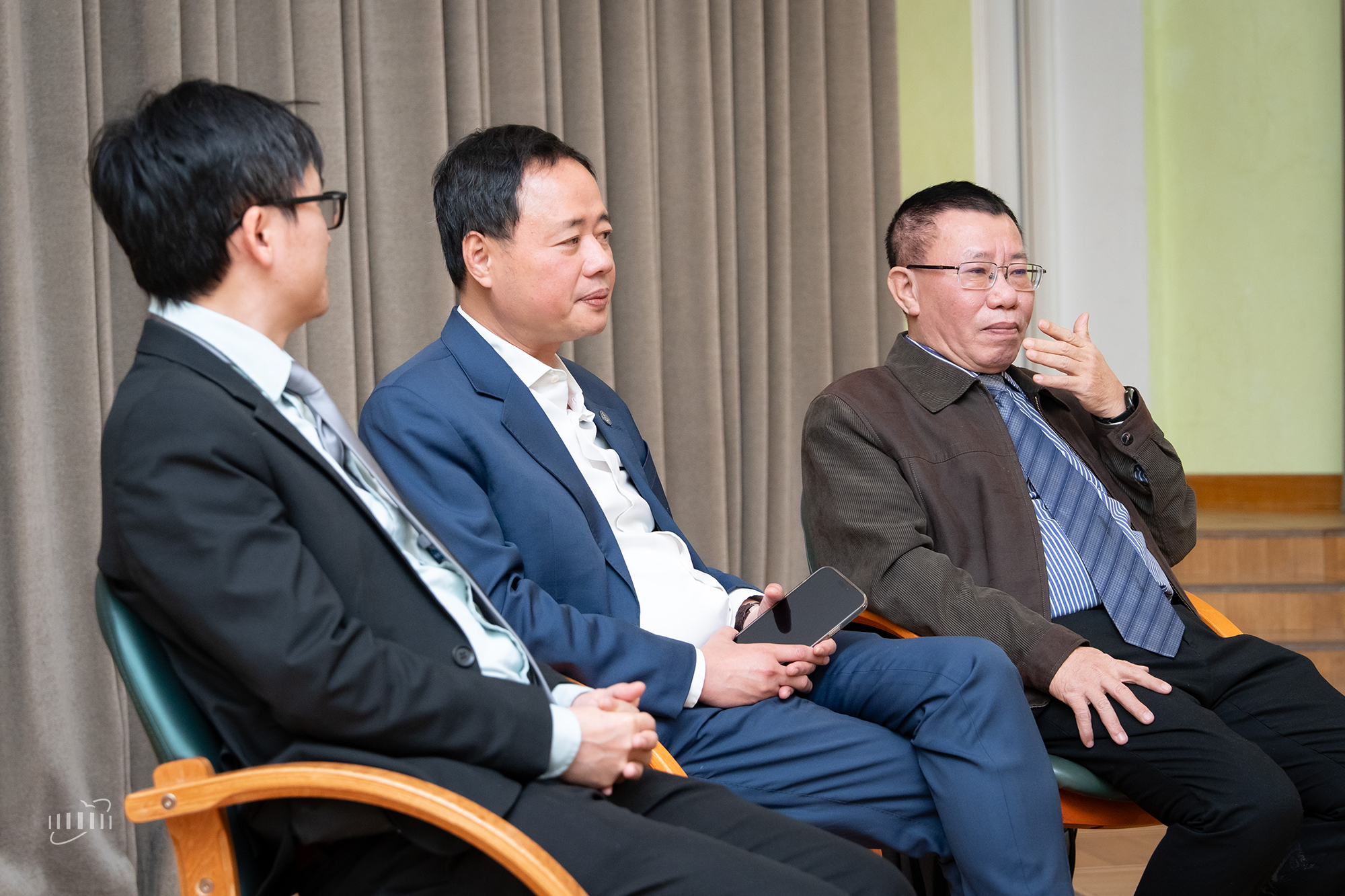
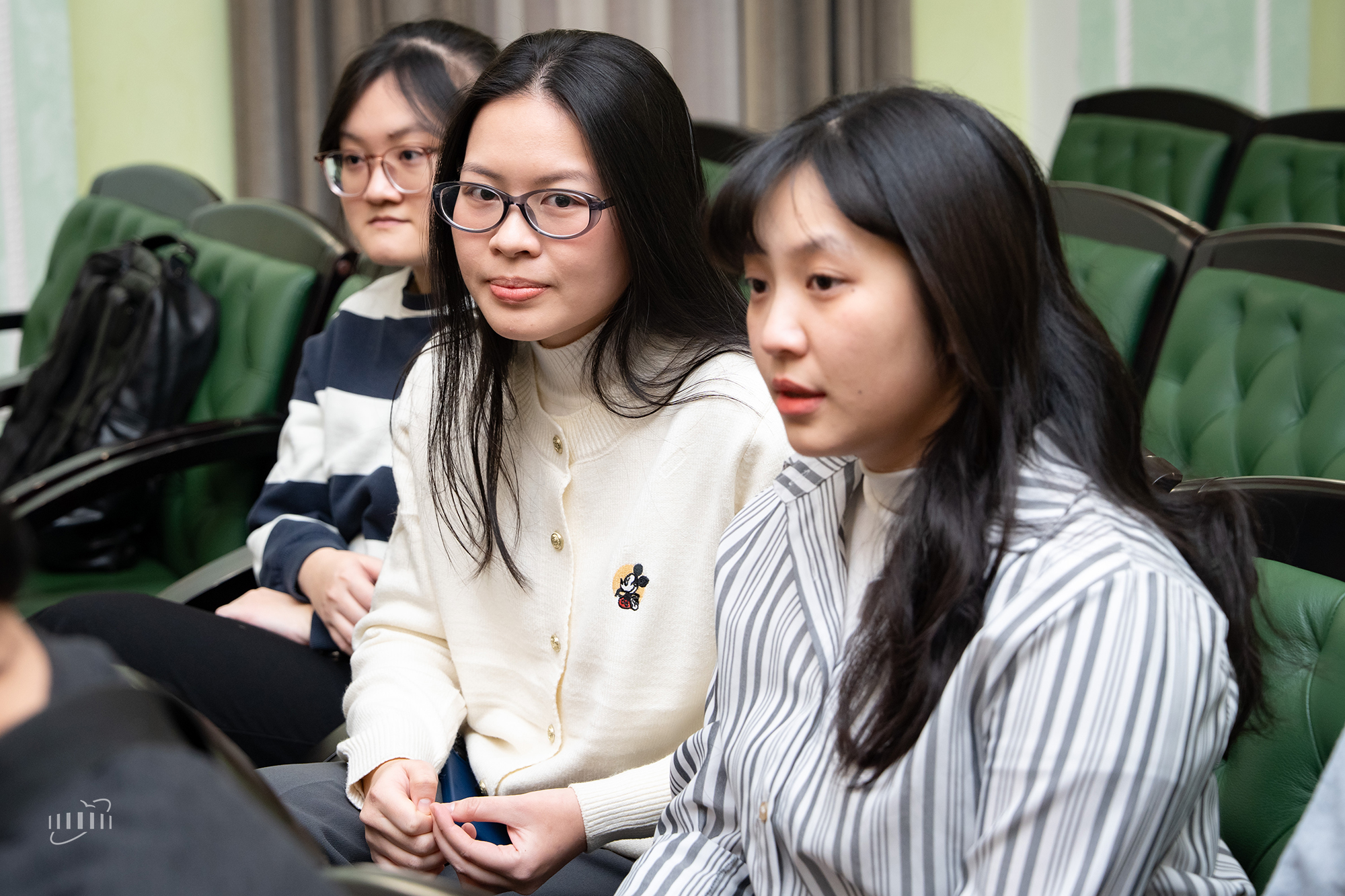
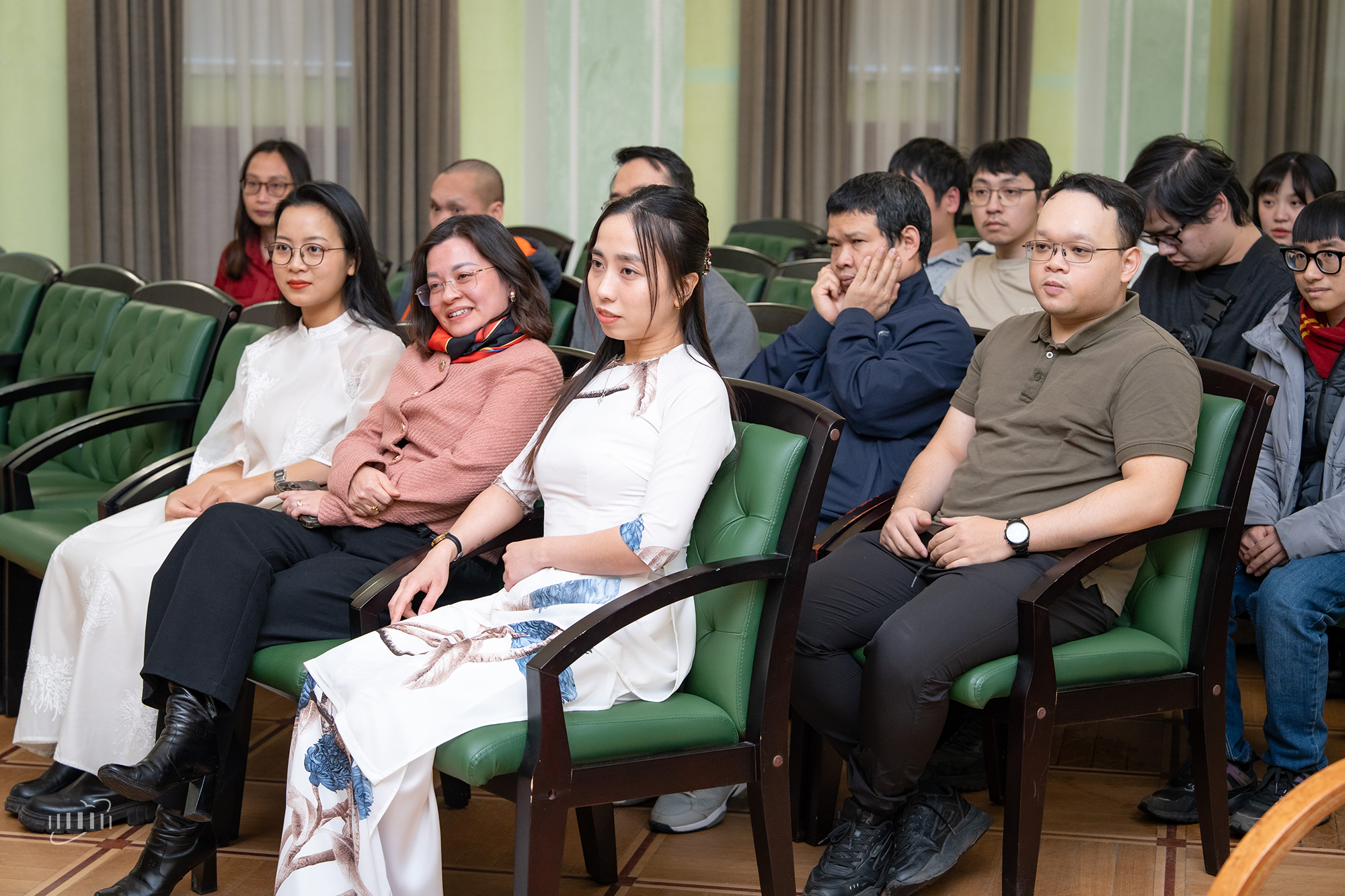
On 13 December 2025, a delegation of the Socialist Republic of Vietnam, headed by Vice President of the Vietnamese Academy of Sciences and Technologies (VAST) Tran Hong Thai, visited the Joint Institute for Nuclear Research to learn about its scientific infrastructure and studies. At a meeting with the Institute’s leadership, the parties discussed the cooperation development prospects.
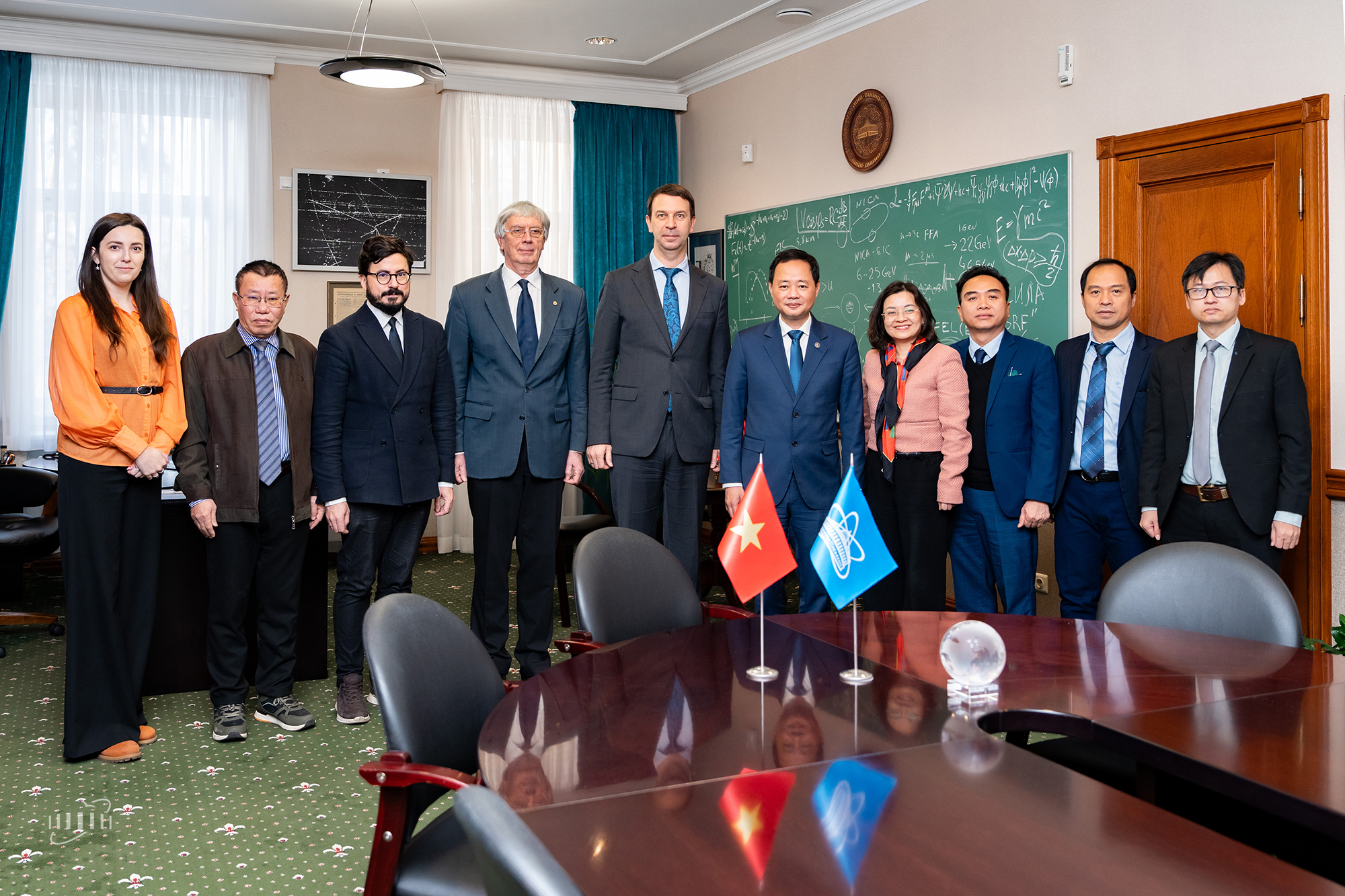
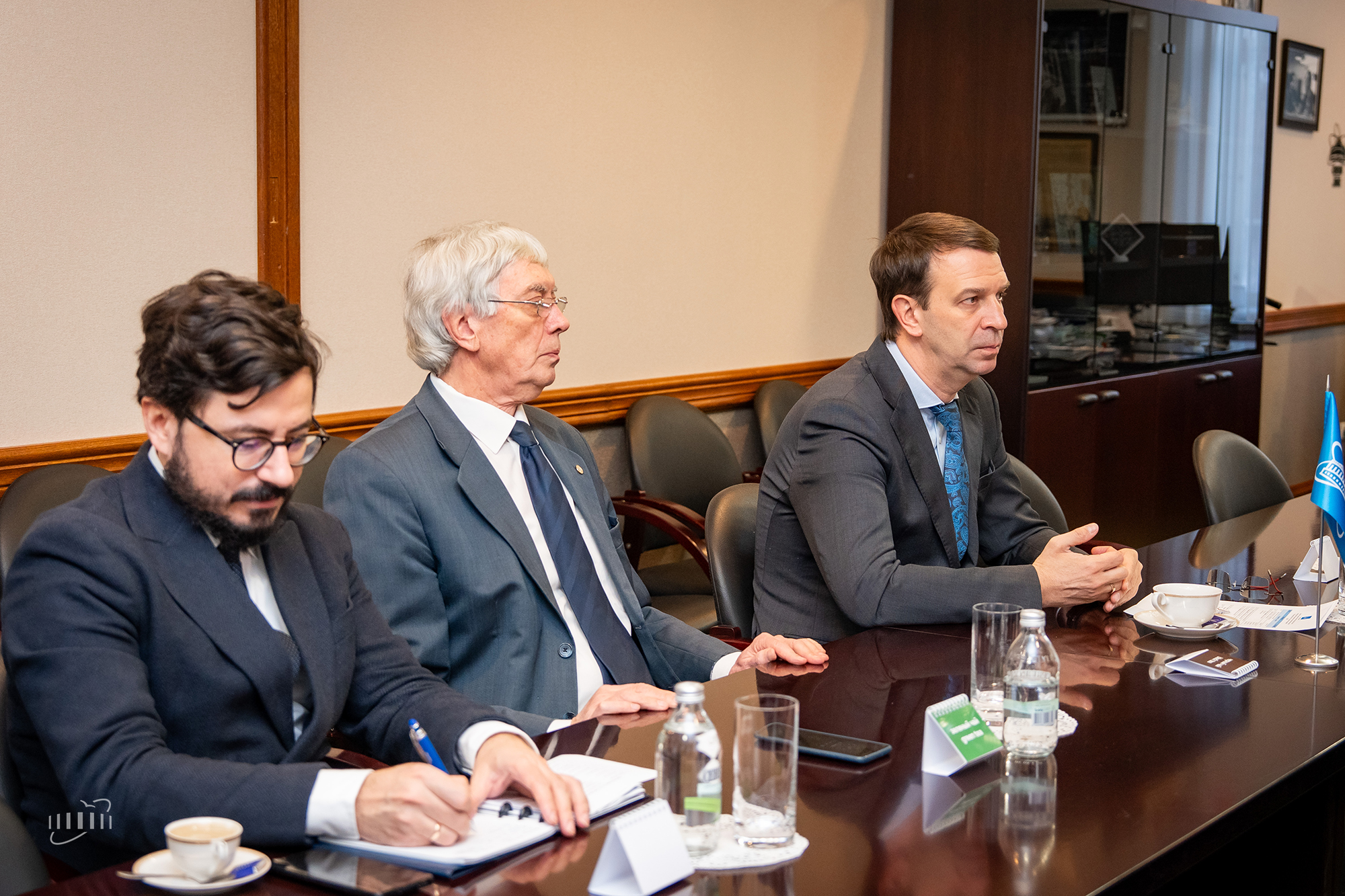
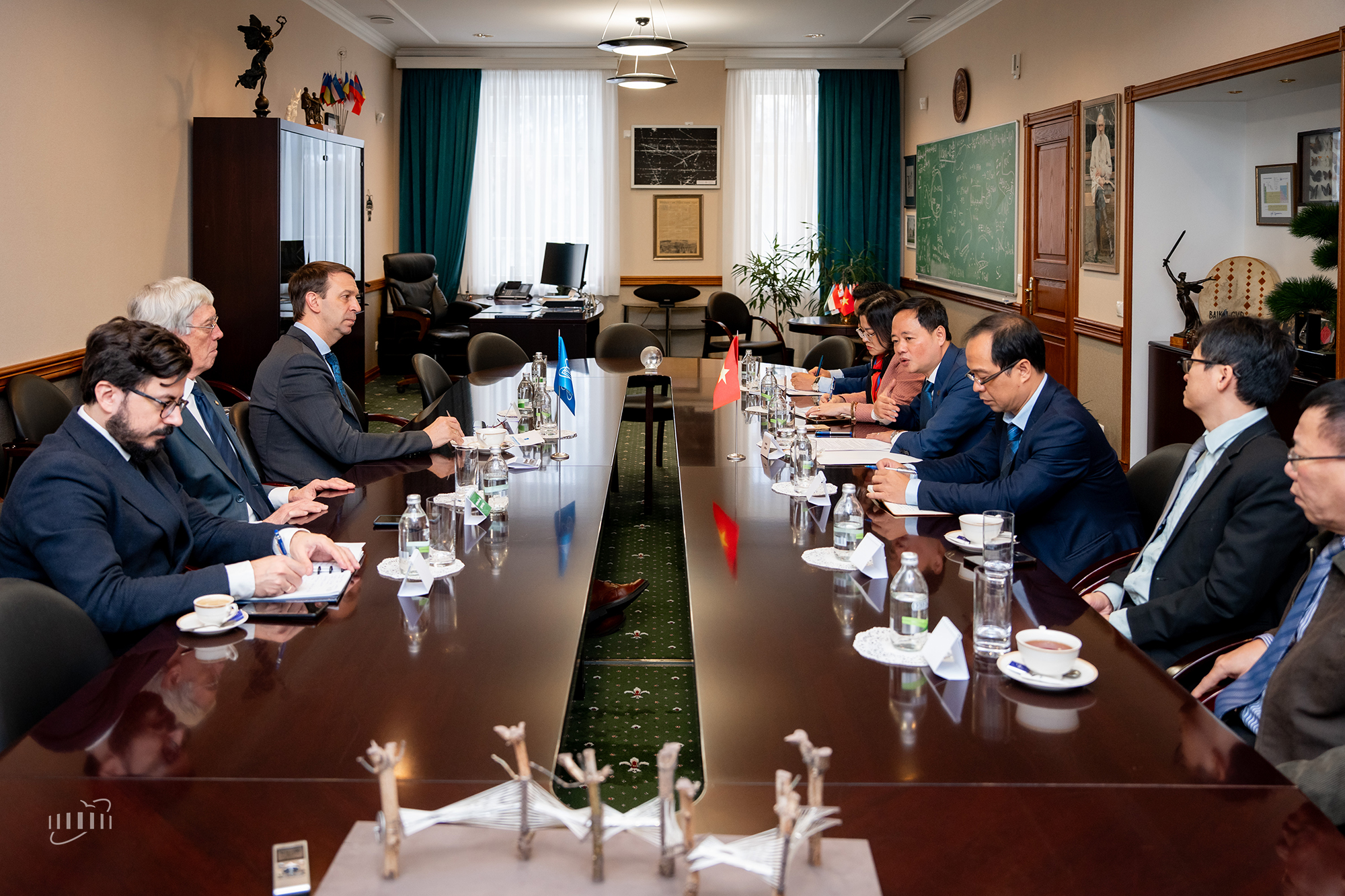
JINR Director, Academician of the Russian Academy of Sciences (RAS) Grigory Trubnikov emphasised the strategic importance of the partnership with the Republic and the steadily increasing number of Vietnamese specialists at JINR – the best confirmation of the strength of the parties’ international ties. He pointed out that the development of Vietnam’s atomic industry requires a comprehensive approach: both the introduction of advanced technologies and qualified personnel training, as well as fundamental and applied research. “JINR has everything necessary to become an important platform for the training of Vietnamese specialists and the implementation of joint projects”, the JINR Director said.
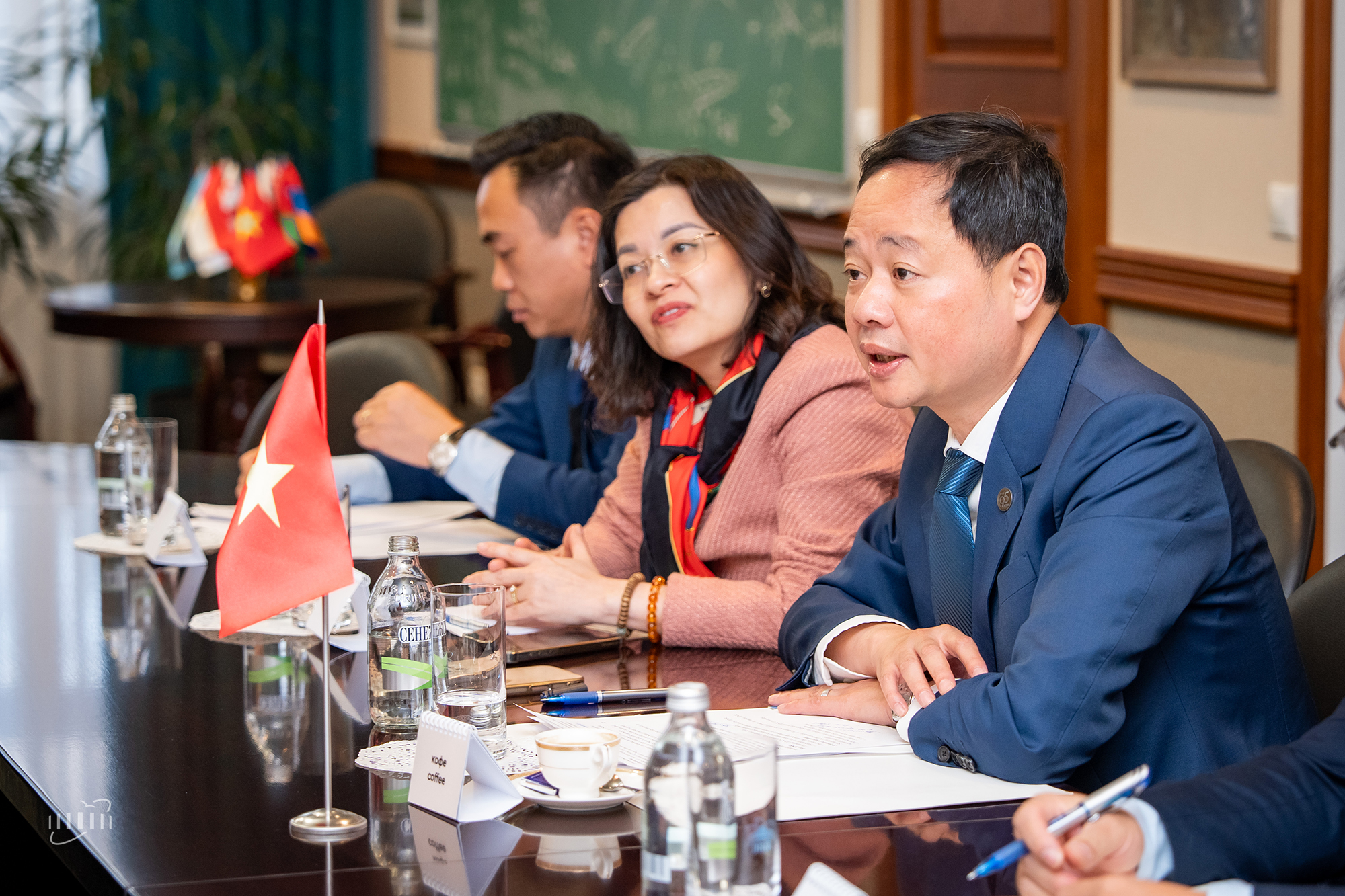
VAST Vice President Tran Hong Thai highly appreciated JINR’s international activities and confirmed the importance of Vietnam’s participation in the Institute’s work. He noted that cooperation should be aimed at solving unique scientific and technical tasks, particularly in medicine, ecology, and other areas. The Vietnamese academy’s Vice President particularly highlighted the necessity of forming a balanced personnel training system focusing on work with both students and experienced researchers. “Your support is extremely important for Vietnam to create the most effective model of the country’s scientific and technological development”, Tran Hong Thai emphasised.
JINR Director’s Special Representative for Cooperation with International and Russian Scientific Organizations, RAS Academician Boris Sharkov recounted his participation in the scientific and educational forum entitled “Russia–Vietnam: 75 years of cooperation” held on 11–13 December, in Moscow. At the event, he provided an overview of the history of the Institute’s partnership with Vietnam and new opportunities for joint work on major projects. “The JINR laboratories are interested in attracting an ever-increasing number of Vietnam specialists: our highly ambitious plans require well-trained personnel”, Boris Sharkov concluded.
One of the meeting’s participants, leading researcher at the Dzhelepov Laboratory of Nuclear Problems Le Hong Khiem characterised JINR as an optimal platform for the development of Vietnamese science. He noted that the Institute’s experimental facilities, particularly the NICA Accelerator Complex, open up unique opportunities for both fundamental and applied studies currently important for the Republic.
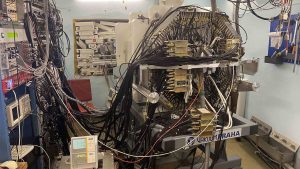
In addition, the researcher noted that Vietnamese specialists from JINR conducted three experiments over the last two years at the IREN (Intense REsonance Neutron source) Facility at FLNP and published 10 scientific papers. In 2026, the researchers plan active work at the LINAC-200 Linear Accelerator at DLNP at JINR. Further plans include using the applied stations of the ARIADNA Project at NICA.
“JINR is the best place for training highly qualified specialists and conducting advanced research on that cannot yet be carried out in Vietnam”, Le Hong Khiem emphasised. He expressed confidence that the productive work of Vietnamese scientific groups in Dubna will contribute not only to the growth in the number and quality of publications, but also to the development of science and technology in the country.
Grigory Trubnikov summarised the meeting’s results, expressing satisfaction with the established cooperation and thanking the Vietnam Academy of Science and Technology for supporting the Institute and the JINR–Vietnam Joint Coordination Committee. “Creeating new research infrastructure in the Republic together will advance to a new level the science of Vietnam, a JINR founding country with which we are connected by a rich history of cooperation. It is a great honour for the Institute to participate in such large-scale projects”, the JINR Director said.
In addition to VAST representatives, the delegation included employees of major Vietnamese scientific centres, such as the Institute of Oceanography, the Institute of Materials Science, the Institute of Biology, the Institute of Energy and Environmental Science and Technology, as well as diplomats from the Republic’s Embassy in Russia and Vietnamese students. The JINR side included Grigory Trubnikov, Boris Sharkov, and Deputy Head of the International Cooperation Department Irek Suleymanov.
In conclusion of the visit, the delegation toured the NICA Accelerator Complex at the Veksler and Baldin Laboratory of High Energy Physics and held a working meeting with the national group of Vietnam scientists working at JINR.