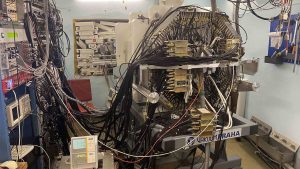
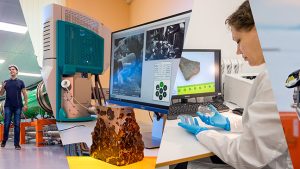
On 24–26 March 2026, a delegation of the Republic of Kazakhstan, headed by the Vice-Minister of Science and Higher Education of Kazakhstan Gulzat Kobenova, visited the Joint Institute for Nuclear Research. Representatives of Kazakhstan participated in a CP JINR session, the celebration of the Joint Institute’s 70th anniversary, and visited laboratories: VBLHEP, FLNR, FLNP, and MLIT.
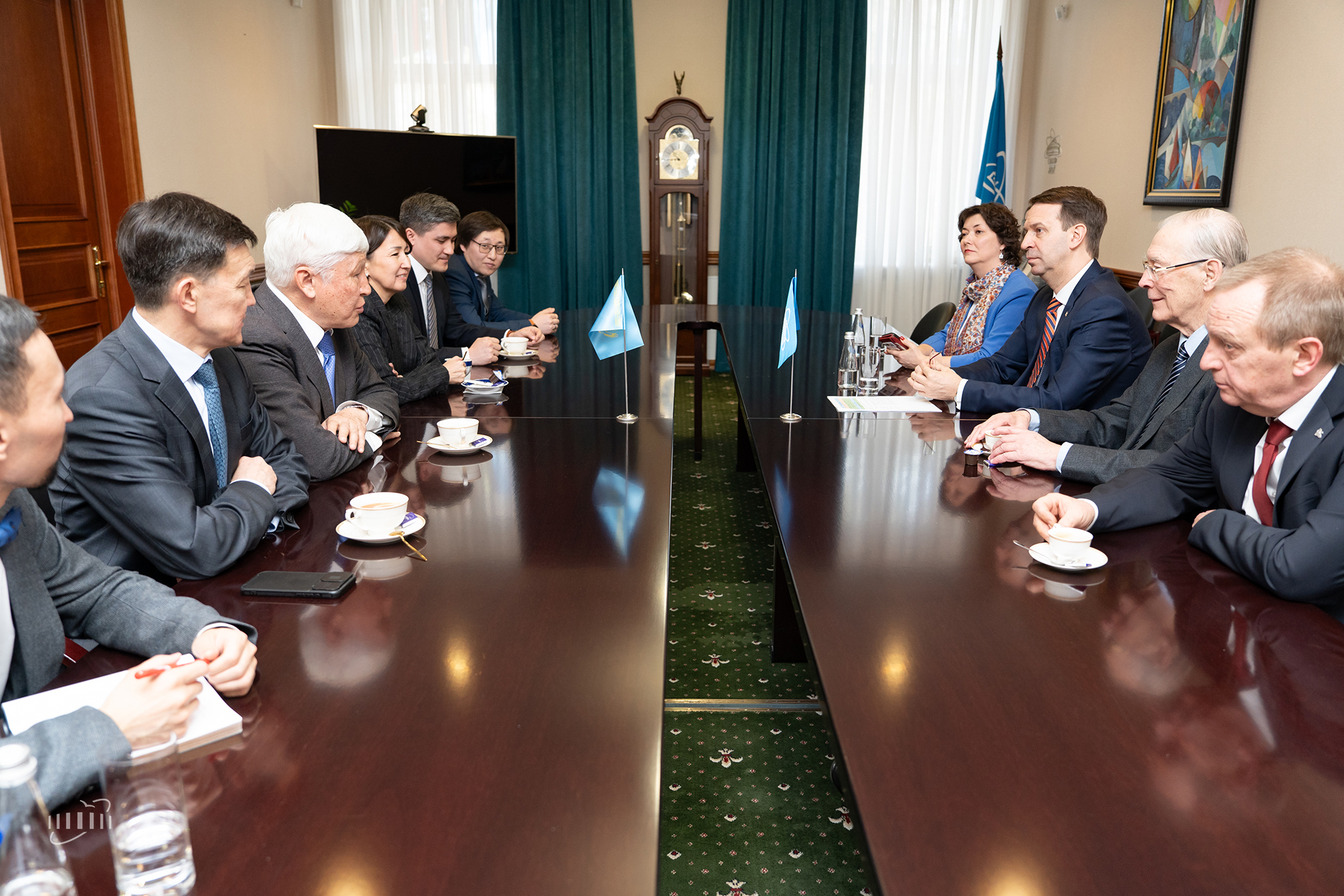
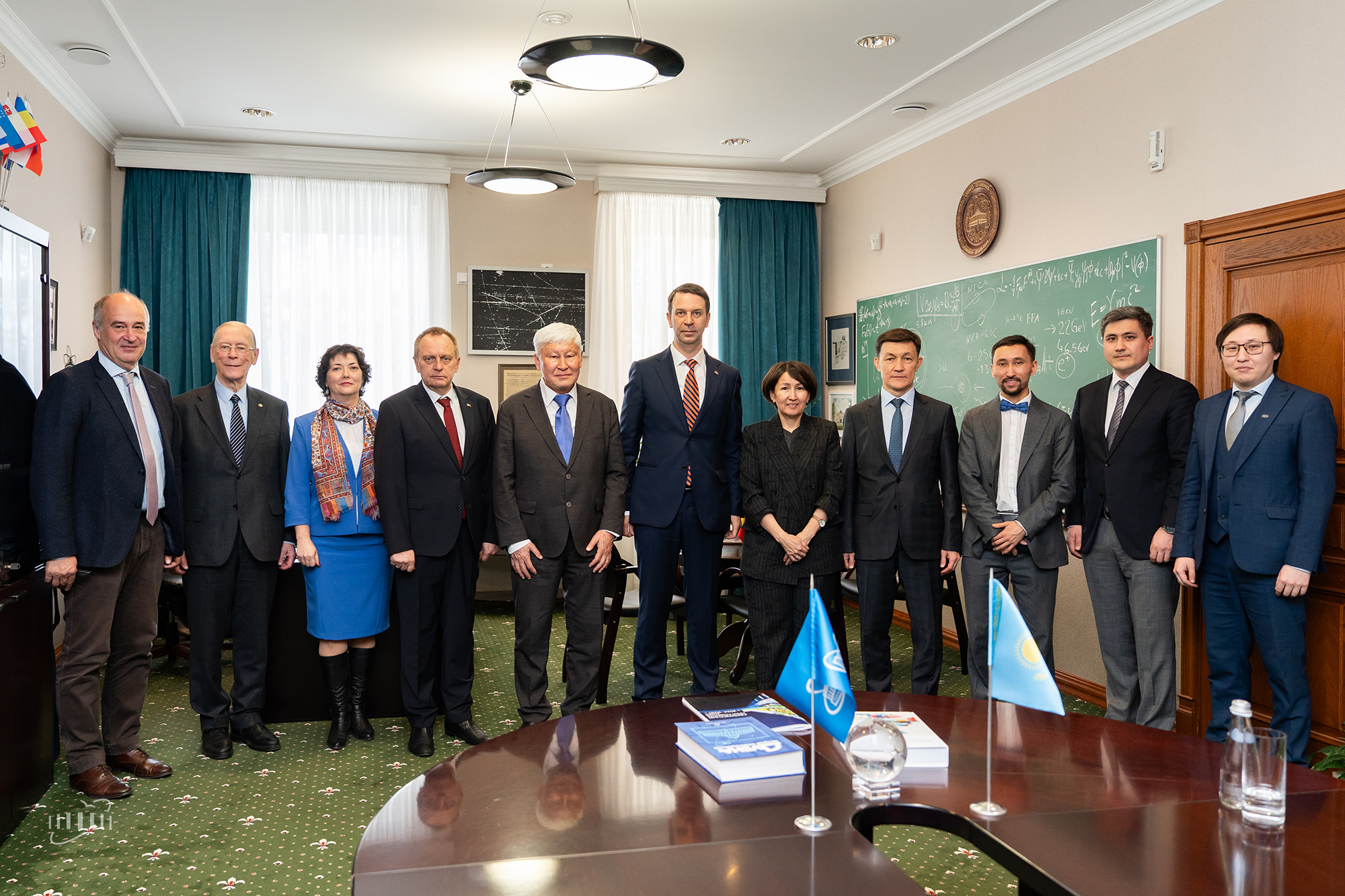
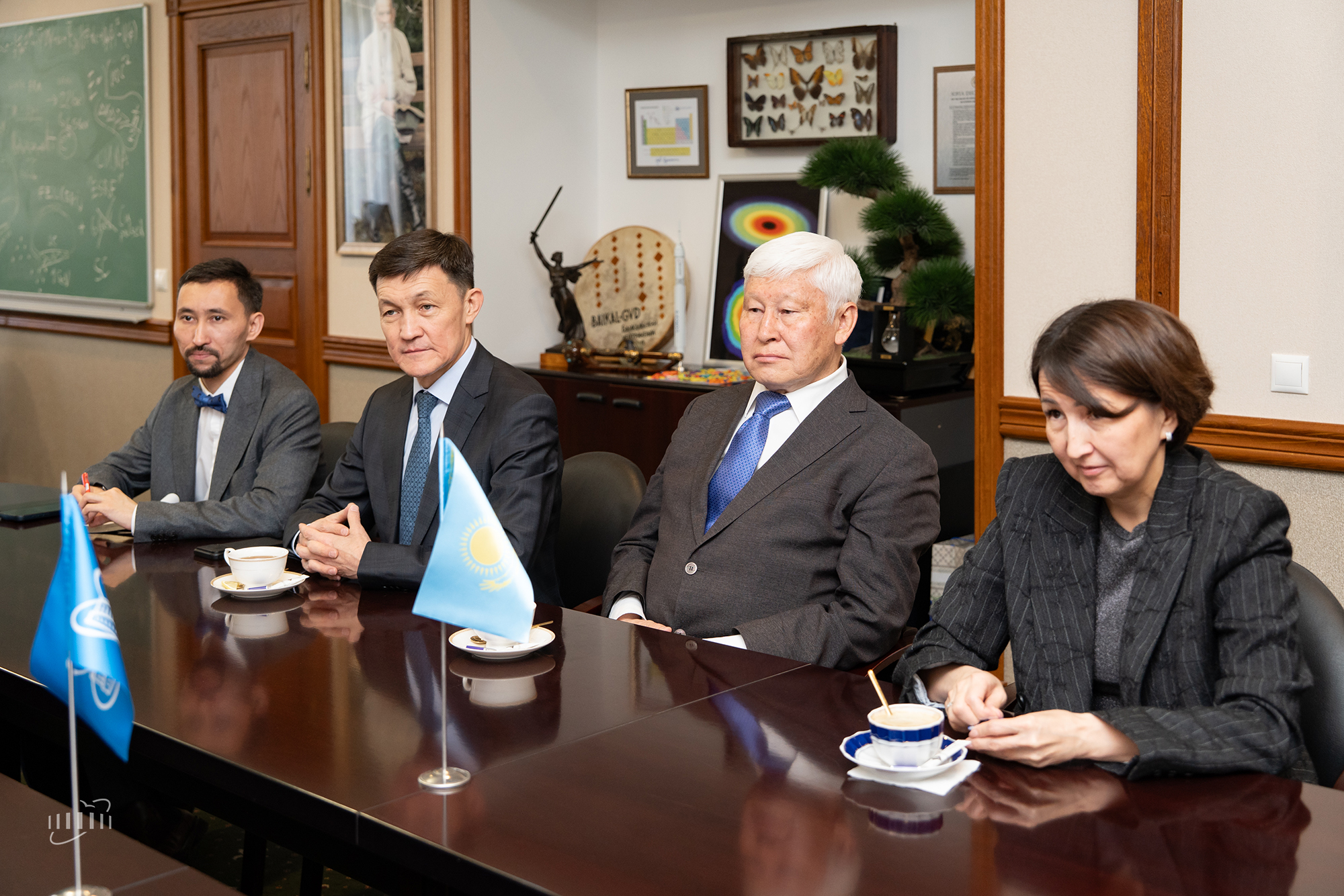
The delegation included the Plenipotentiary the Government of the Republic of Kazakhstan at JINR, General Director of the Institute of Nuclear Physics of the Agency of Kazakhstan for Atomic Energy (RSE INP) Sayabek Sakhiyev, Vice President of the National Academy of Sciences under the President of the Republic of Kazakhstan Askar Dzhumadildaev, Director of the Astana INP branch Daryn Borgekov, and Director of the INP Strategy and Sustainability Department Adilzhan Serikov.
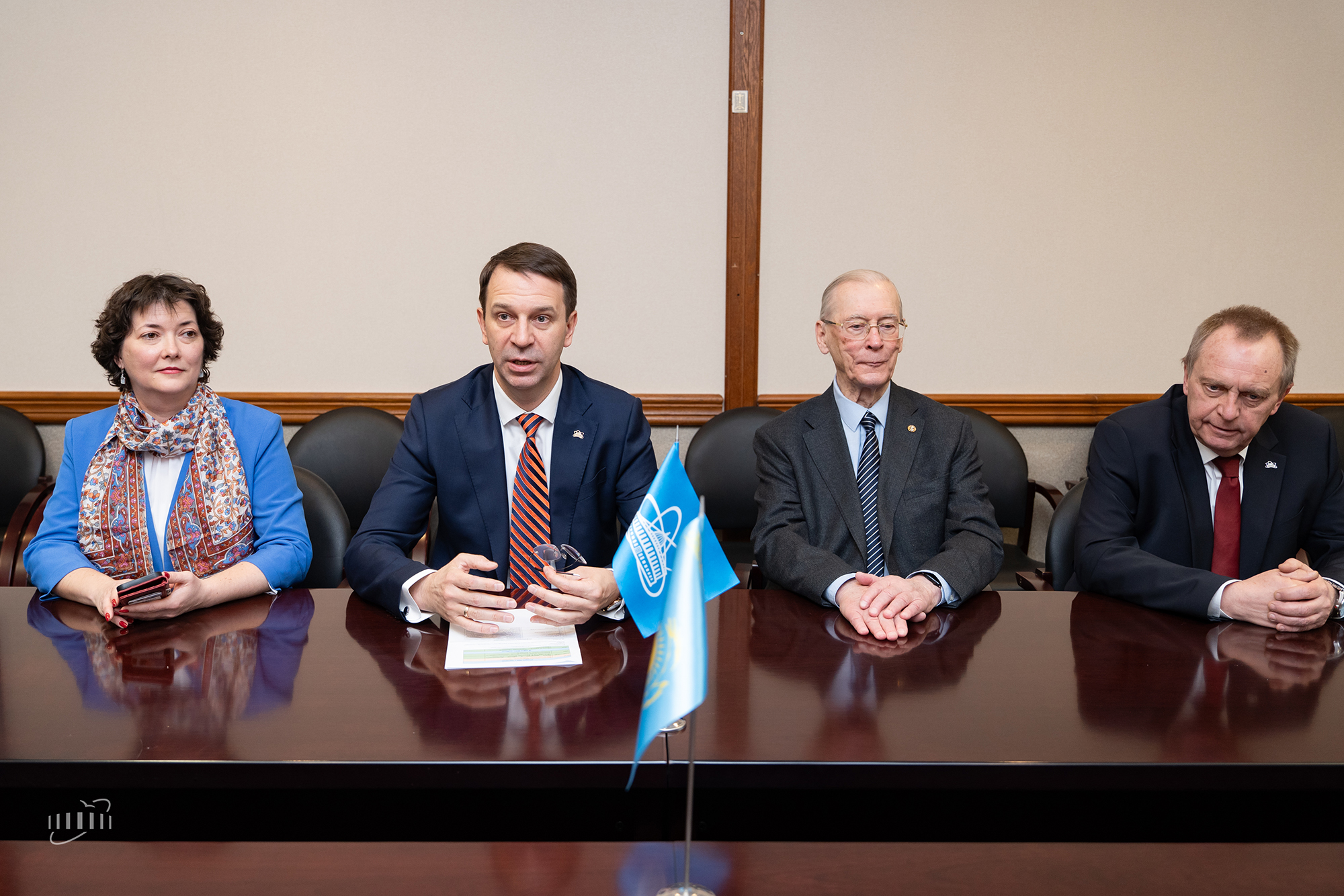
A meeting at the Institute’s directorate discussed the preparation of highly qualified personnel for the Republic, plans for the implementation of the project of a high-intensity ultracold neutron source at the WWR-K Research Reactor at the INP, and the participation of Kazakhstani colleagues in the work of the International Scientific Advisory Board of JINR’s peer-reviewed journal, Natural Science Review.
Director of the Joint Institute, Academician of the Russian Academy of Sciences Grigory Trubnikov expressed gratitude Kazakhstan’s side for its support and contribution to common projects and for its attention to the issue of training young specialists. He highlighted that around one hundred researchers from the Republic work at JINR. “In total, over the last 10-15 years, more than 300 citizens of Kazakhstan have worked in Dubna, defended their diplomas and dissertations, and returned to their country; some hold high government positions in the Ministry of Energy and in the Agency for Atomic Energy. We benefit each other, and our cooperation is indeed advantageous for both sides”, Grigory Trubnikov concluded. He emphasised that Kazakhstan has the opportunity to become a centre of competence in nuclear technologies for all of Central Asia.
Gulzat Kobenova expressed confidence that the JINR–Kazakhstan partnership, which has a rich 70-year history, has enormous potential for further development. She spoke about how human resources are now Kazakhstan’s greatest priority. In recent years, the Republic tripled its funding for science and doubled the number of educational grants. The Vice-Minister noted that Dubna’s experience will be useful in the country, since plans include creating science cities and science clusters, which will become centres for attracting investments and technologies. Askar Dzhumadildayev noted the multidisciplinary nature of JINR studies and expressed the intention to engage students majoring not only in nuclear physics, but also in other areas, particularly computational mathematics, in JINR activities.
The Institute’s representatives included JINR Scientific Leader Victor Matveev, Chief Scientific Secretary Sergey Nedelko, Head of the International Cooperation Department Otilia-Ana Culicov, Chair of the JINR Programme Advisory Committee for Nuclear Physics Valery Nesvizhevsky, and Head of the Kazakhstan National Group at JINR Yerzhan Mukhamedzhanov.