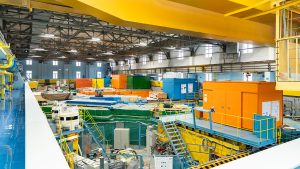
On 15 June 2026, the 64th meeting of the Programme Advisory Committee for Particle Physics (PAC PP) took place at the Joint Institute for Nuclear Research. The committee members discussed the progress of the implementation of the NICA Megascience Project, considered projects applying for prolongation, and heard reports on the scientific results of JINR groups in experiments at the Large Hadron Collider at CERN.
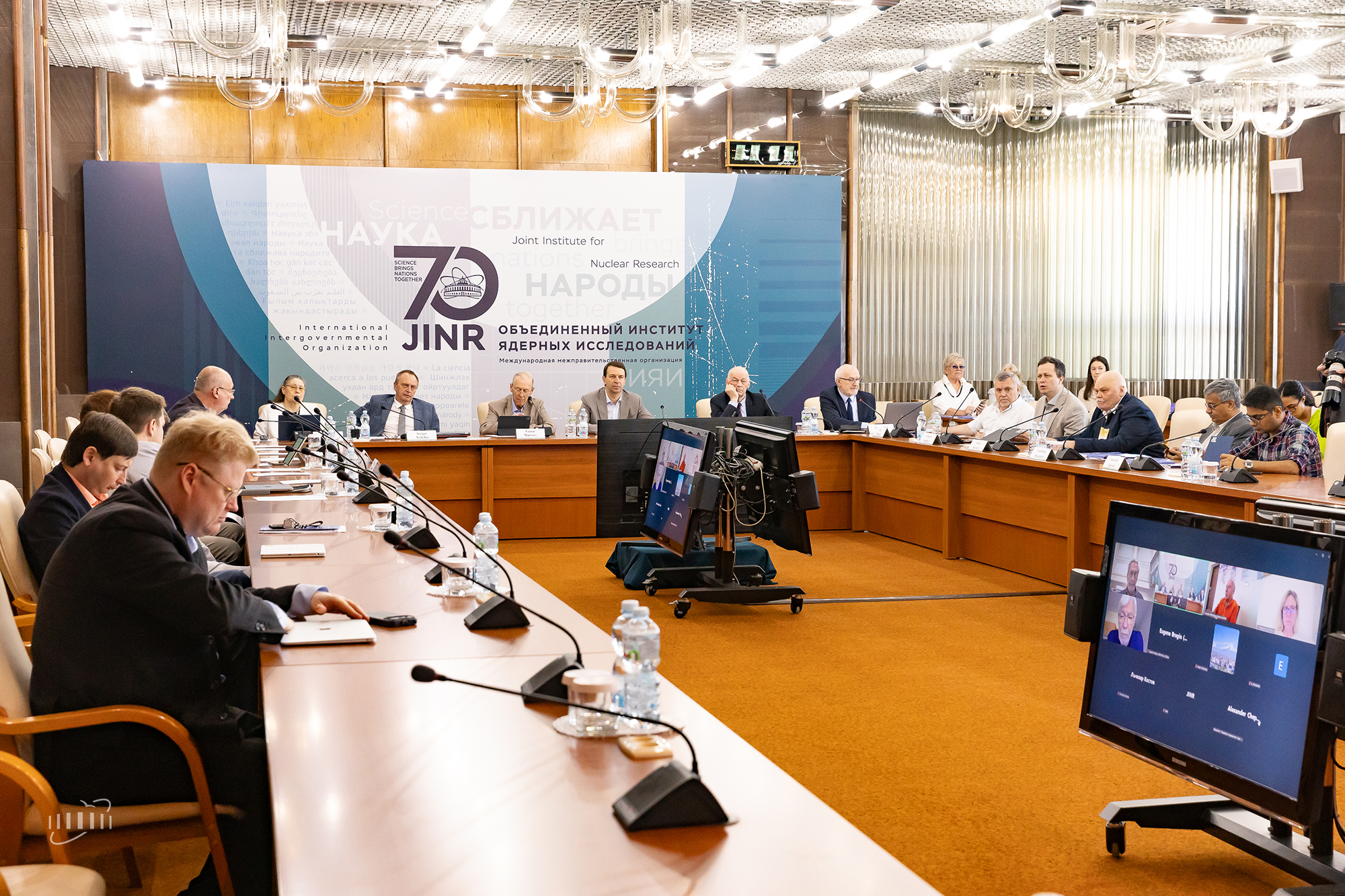
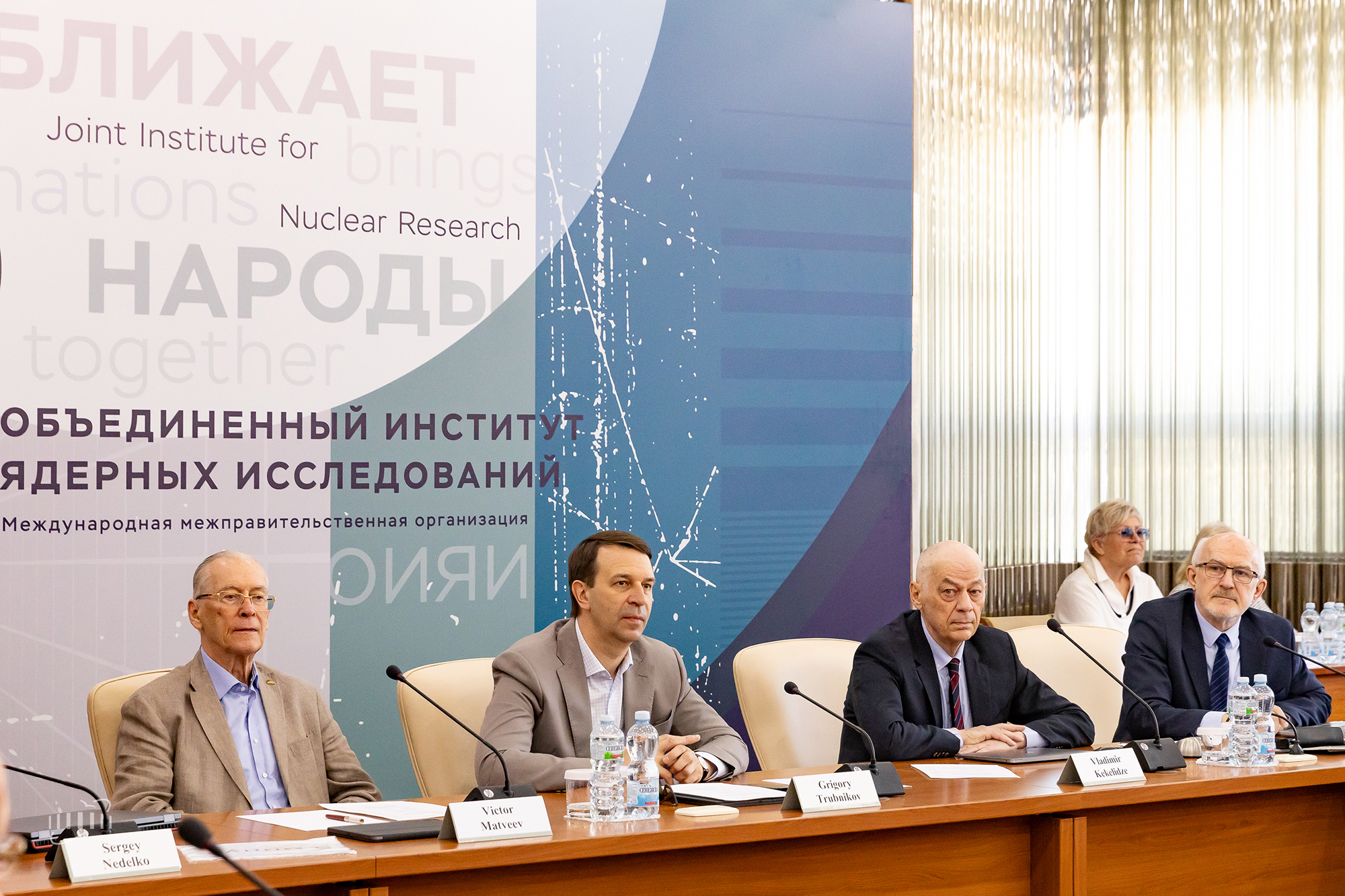
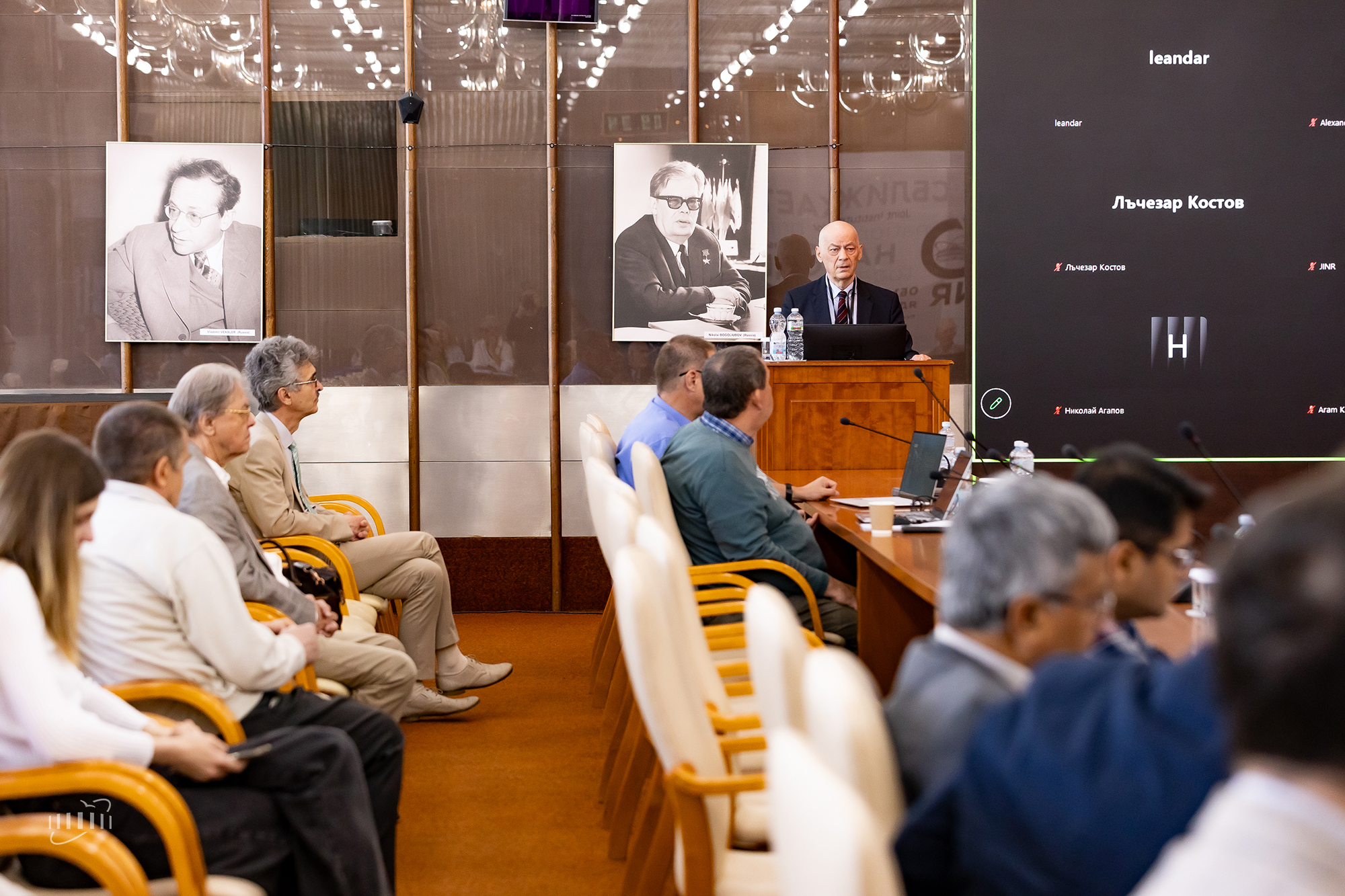
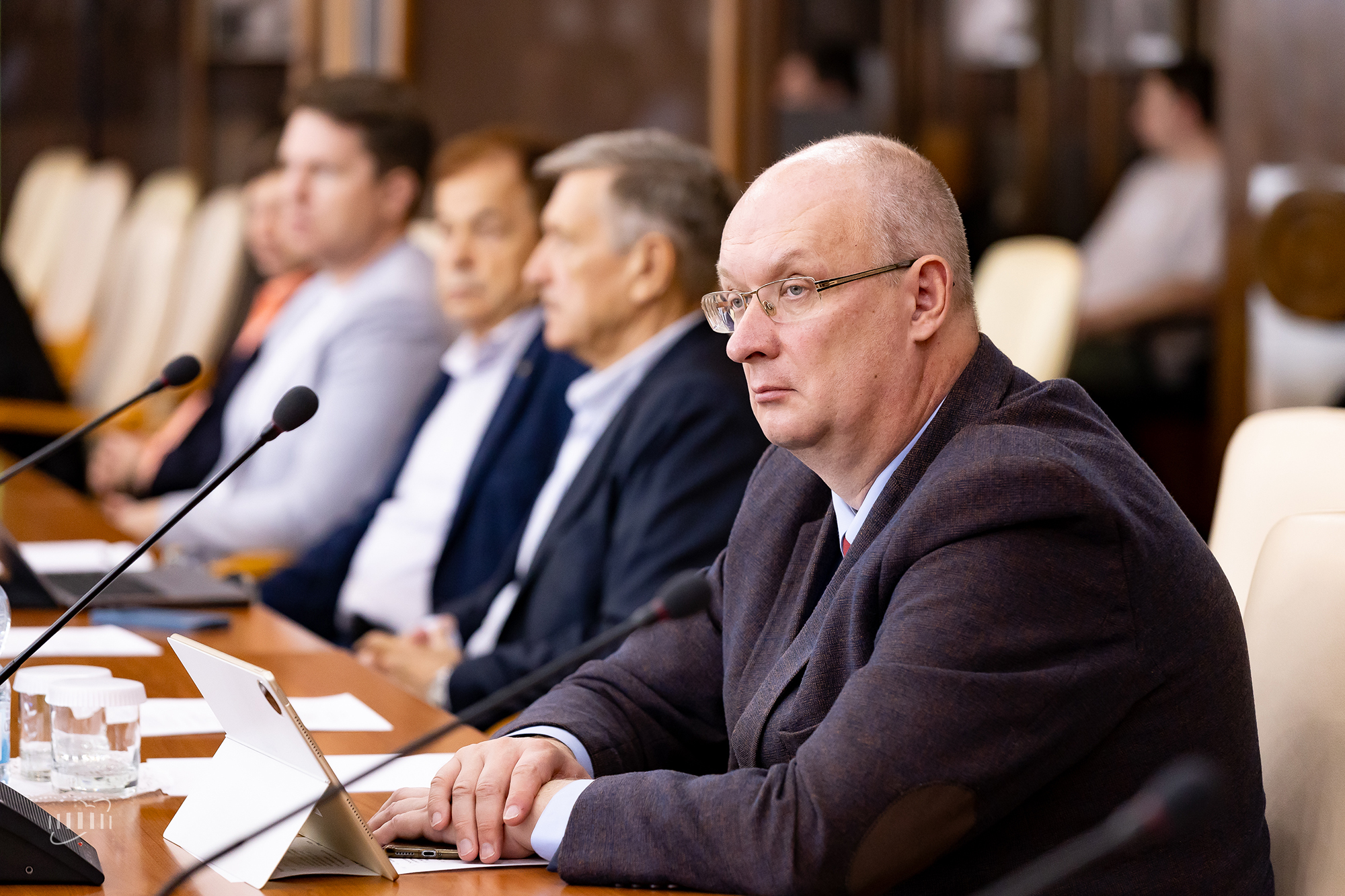
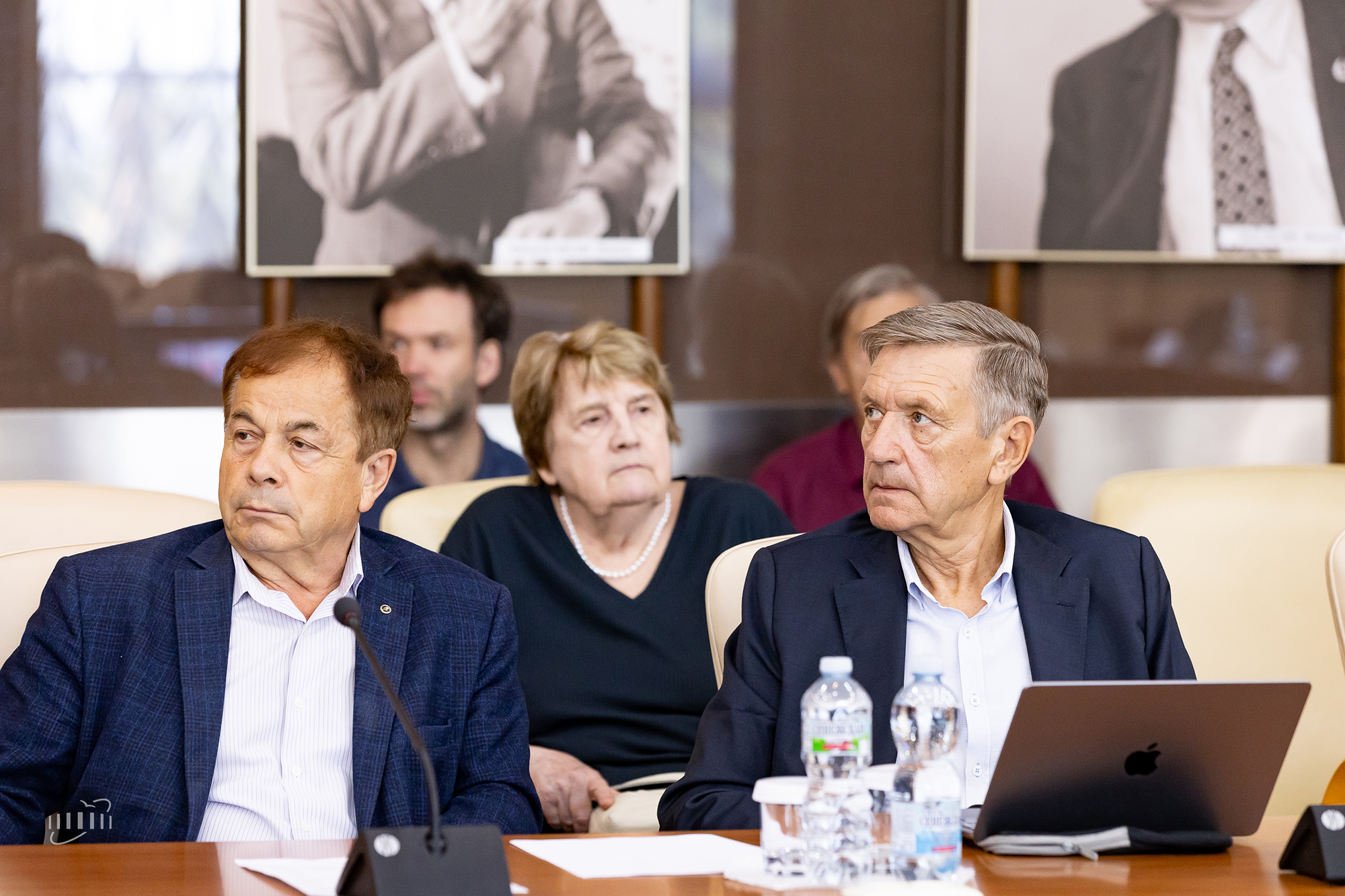
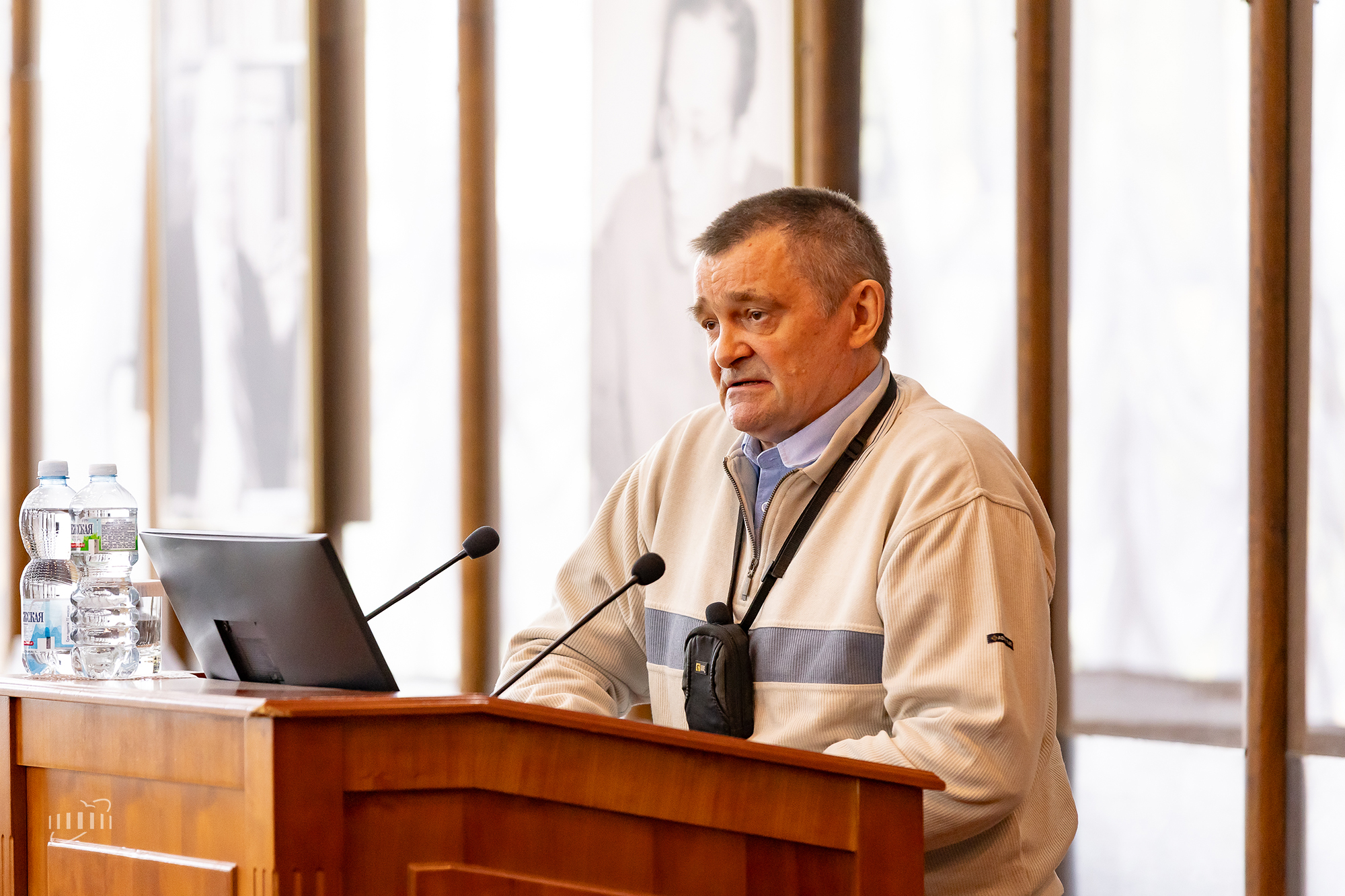
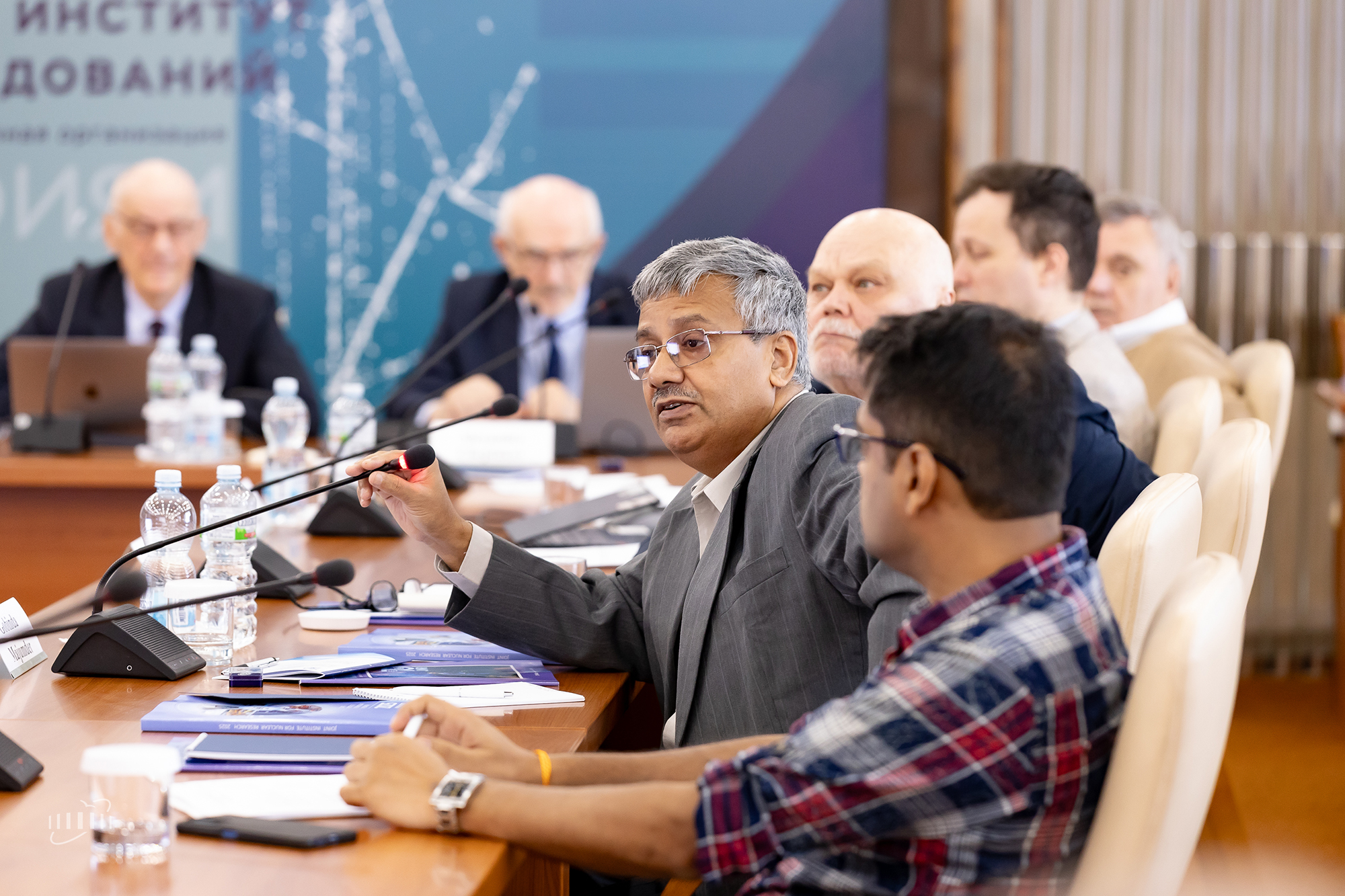
Chair of the PAC for Particle Physics Itzhak Tserruya opened the event with a talk on the implementation of the recommendations of the previous committee meeting. JINR Vice-Director, Academician of the Russian Academy of Sciences Vladimir Kekelidze informed the participants about the resolutions of the 139th session of the JINR Scientific Council, held in February 2026, and the key decisions of the Committee of Plenipotentiaries of the Governments of the JINR Members States, adopted in March.
The first presentation on the NICA Megascience Project was made by Deputy Head of the Accelerator Division of the Laboratory of High Energy Physics at JINR Anatoly Sidorin, discussing the latest results of the work of the NICA Accelerator Complex and plans regarding the project.
NICA’s Run 1 finished in April, having lasted for over a year. The scientist highlighted the successful completion of all the main tasks. The main achievement of the VBLHEP JINR specialists was the stable circulation of xenon beams in each of the NICA Collider’s rings. This was made possible by a wide range of works, including the commissioning of the complex’s cryogenic supply system to its design capacity, optimisation of the operational modes of the KRION Ion Source and the LUTI Linear Accelerator, as well as the adjustment of the synchronisation system of the entire injection complex.
Speaking about the preparation for the next run, scheduled for autumn, Anatoly Sidorin noted the ongoing modernisation of the key elements of the NICA Accelerator Complex: the Booster, the Nuclotron, the collider, and the beam transport channel. “Our main goal is to ensure efficient beam accumulation in the collider, increase its intensity, and achieve a luminosity level that can be confidently registered by detectors”, he emphasised.
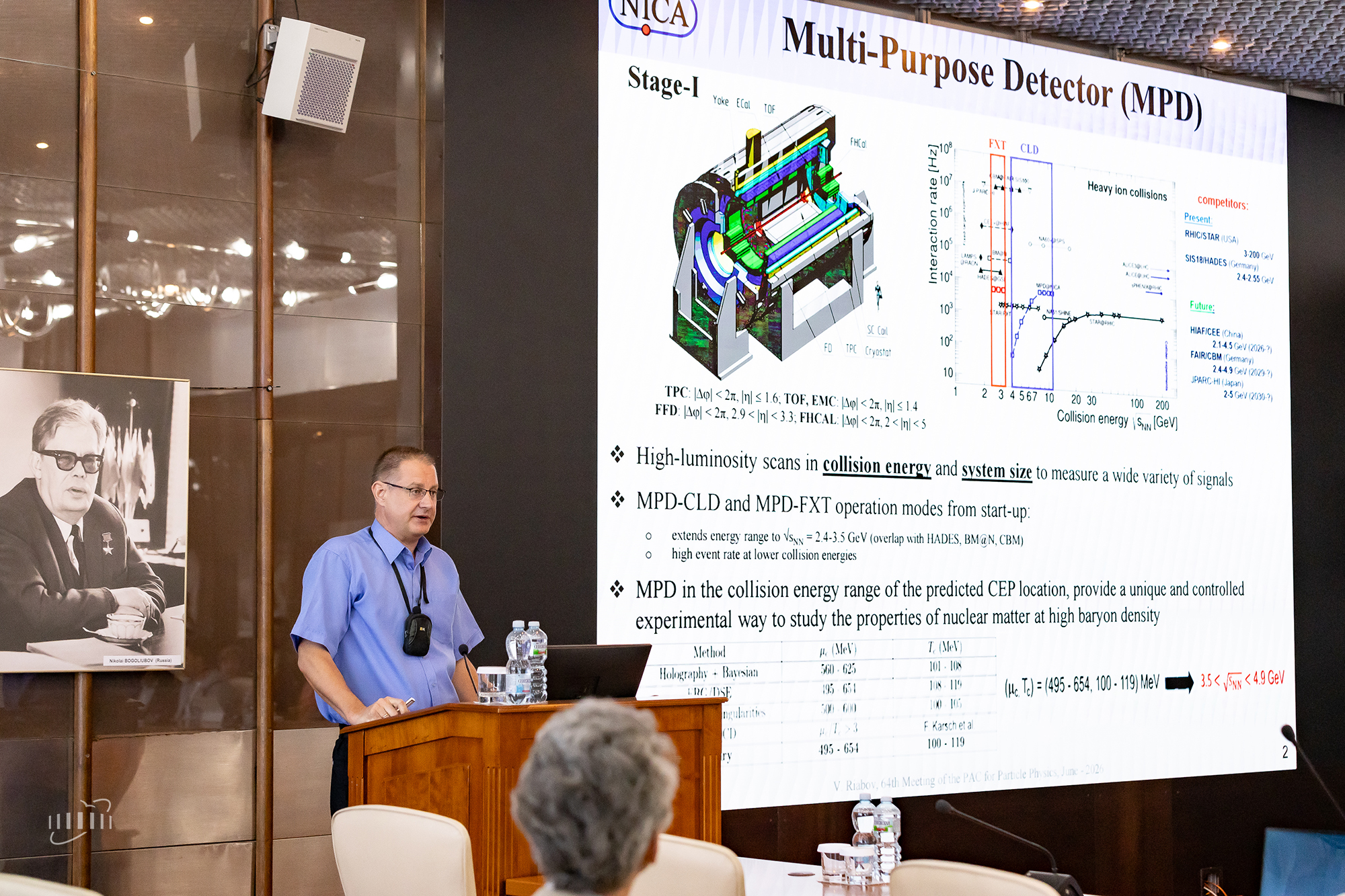
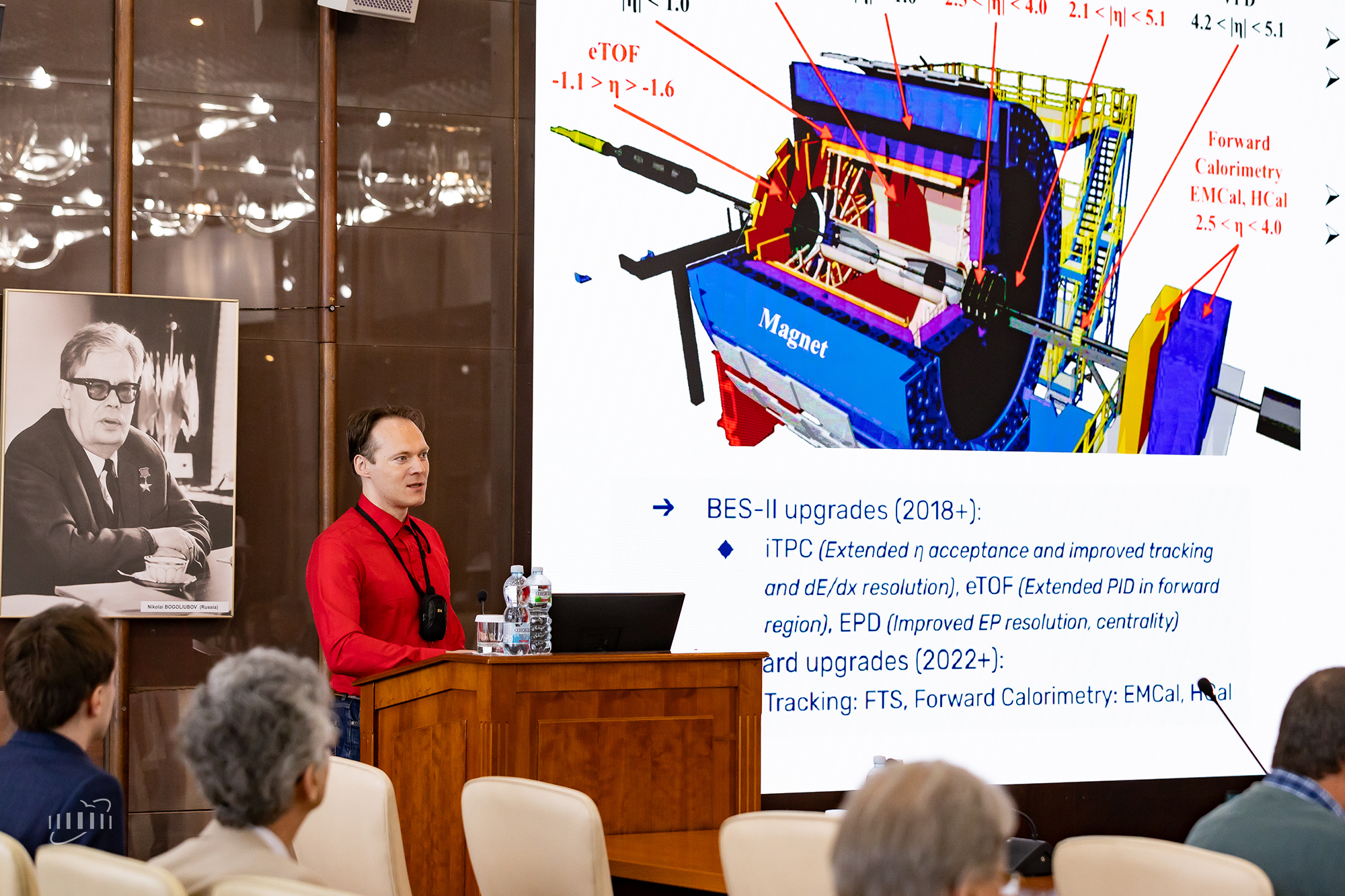
Chief Researcher of the VBLHEP JINR Elementary Particle Identification Sector, MPD Collaboration Spokesperson Victor Riabov provided an update on the Multi-Purpose Detector. He noted significant progress in assembling the experimental facility. The most important achievement was the full commissioning of the detector’s superconducting magnet with the maximum design field of 0.57 T. The installation of key subsystems is currently underway: more than 80 % of the electromagnetic calorimeter modules and more than half of the time-of-flight system modules are installed. In addition, the detector’s gas volume is fully assembled, and the successfully tested time projection chamber will be installed in the magnet in August. The collaboration’s main task is to move the fully assembled detector to the MPD interaction point by the end of October 2026 for preparation for the next NICA Collider xenon nucleus beam run.
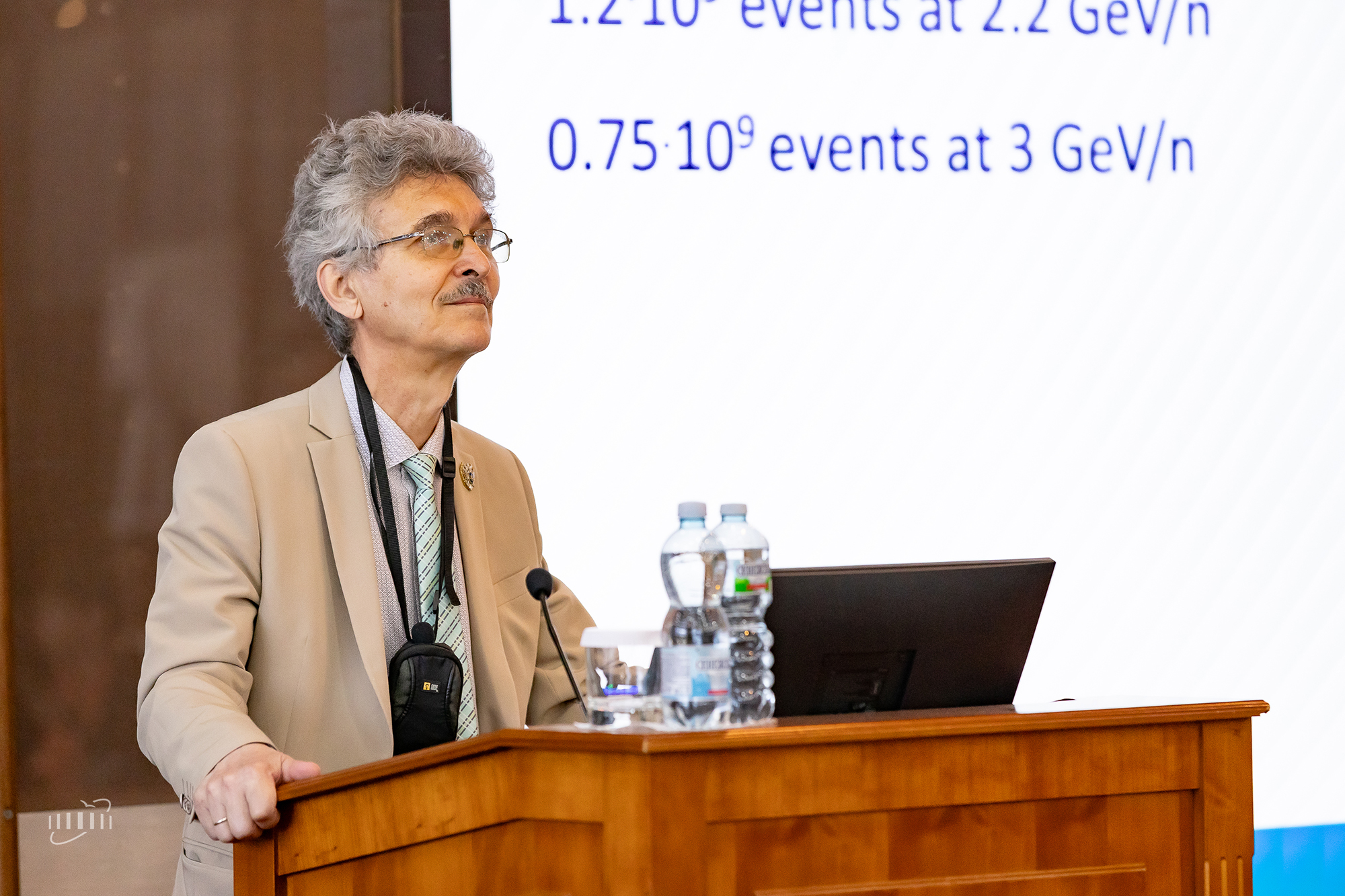
Head of the VBLHEP JINR Scientific and Experimental Department of Baryonic Matter at Nuclotron Mikhail Kapishin discussed the implementation of the BM@N (Baryonic Matter at Nuclotron) Experiment. The scientist presented the ninth physics run, which recorded 2.75 billion events during the interactions of a xenon beam with a tin target at 1.6, 2.2, and 3 GeV per nucleon. According to him, the subsystems of the experimental facility demonstrated effective particle identification. Collaboration members are already actively analysing the data obtained. At the same time, specialists continue studying the processes of the birth of hyperons, mesons, and light nuclear fragments in Xe+CsI interactions, as well as the formation of protons and deuterons, using the results of the previous, eighth BM@N run.
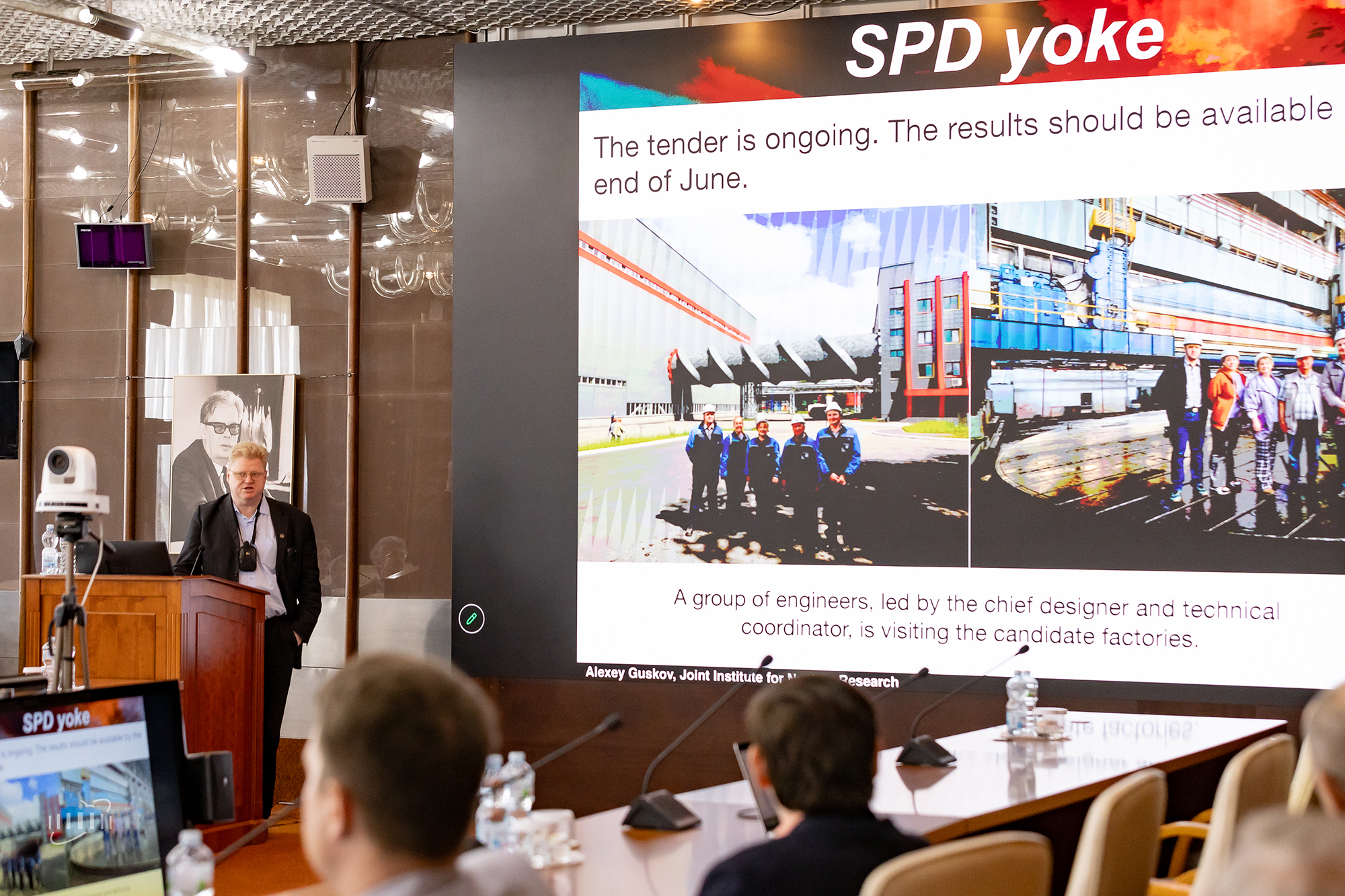



Deputy Director of the Laboratory of Nuclear Problems at JINR, SPD Co-Spokesperson Alexey Guskov presented a talk on the Spin Physics Detector at the NICA Collider. All the efforts of the international team of scientists and engineers are focused on creating the experimental facility and the necessary infrastructure for the experiment’s first phase. Alexey Guskov confirmed that in the coming months, it is planned to conclude a contract for the manufacture of a thousand-tonne magnet yoke, a key element of the detector. Technical documentation for a superconducting magnet is being prepared together with colleagues from the Budker Institute of Nuclear Physics. In addition, there is progress in the development of infrastructure for the SPD cryogenic system, along with detector subsystems. The manufactured prototypes of beam-beam counters and zero degree calorimeters will be installed at the SPD interaction point during the next NICA Collider run. “This will not just be detector tests for us. This will be an opportunity to study background conditions, estimate luminosity, and provide JINR accelerators with a reliable tool for observing collisions”, Alexey Guskov emphasised.
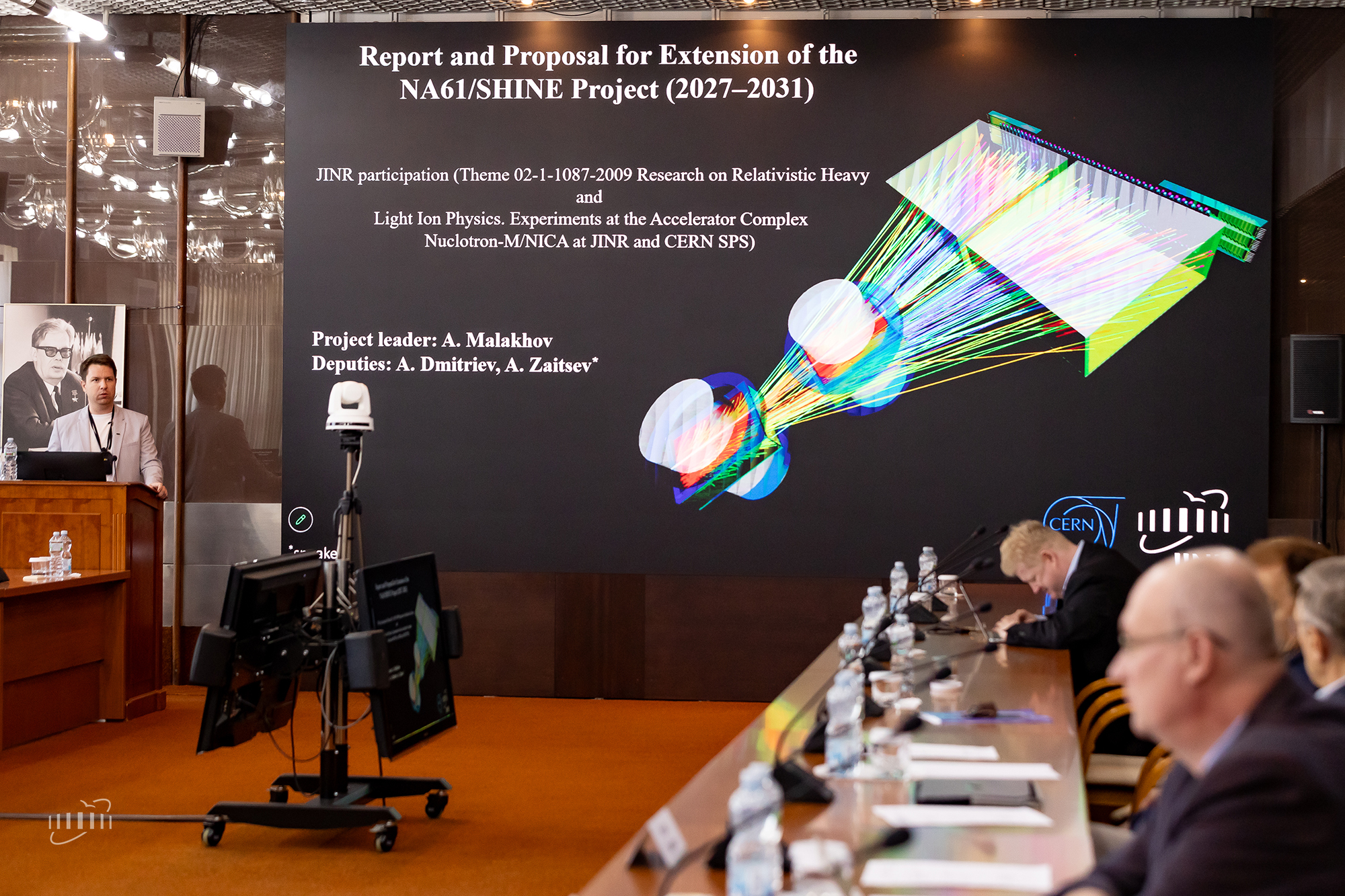
A significant part of the 64th PAC PP meeting programme was devoted to reviewing reports on the participation of JINR research teams in external projects, the implementation period of which ends in 2026. After hearing and comprehensively discussing talks by the scientific group representatives, the committee members highly appreciated the results achieved and the significant contribution of the Joint Institute’s specialists. PAC members recommended prolonging JINR’s participation in the international NA61/SHINE, NA64, STAR, AMBER, JUNO, and TAIGA Experiments, as well as continuing work on the “Methods, algorithms, and software for modelling physical systems, mathematical processing, and analysis of experimental data” project. The committee called on the teams of physicists involved in the NA61/SHINE and STAR Projects to prepare suggestions for their participation in NICA experiments.
Another key topic on the meeting’s agenda was reports on the scientific results obtained by the Joint Institute’s teams in experiments at the Large Hadron Collider at CERN. Boris Batyunya (ALICE), Ivan Yeletskikh (ATLAS), and Vladimir Karjavine (CMS) spoke about the contribution of JINR groups.
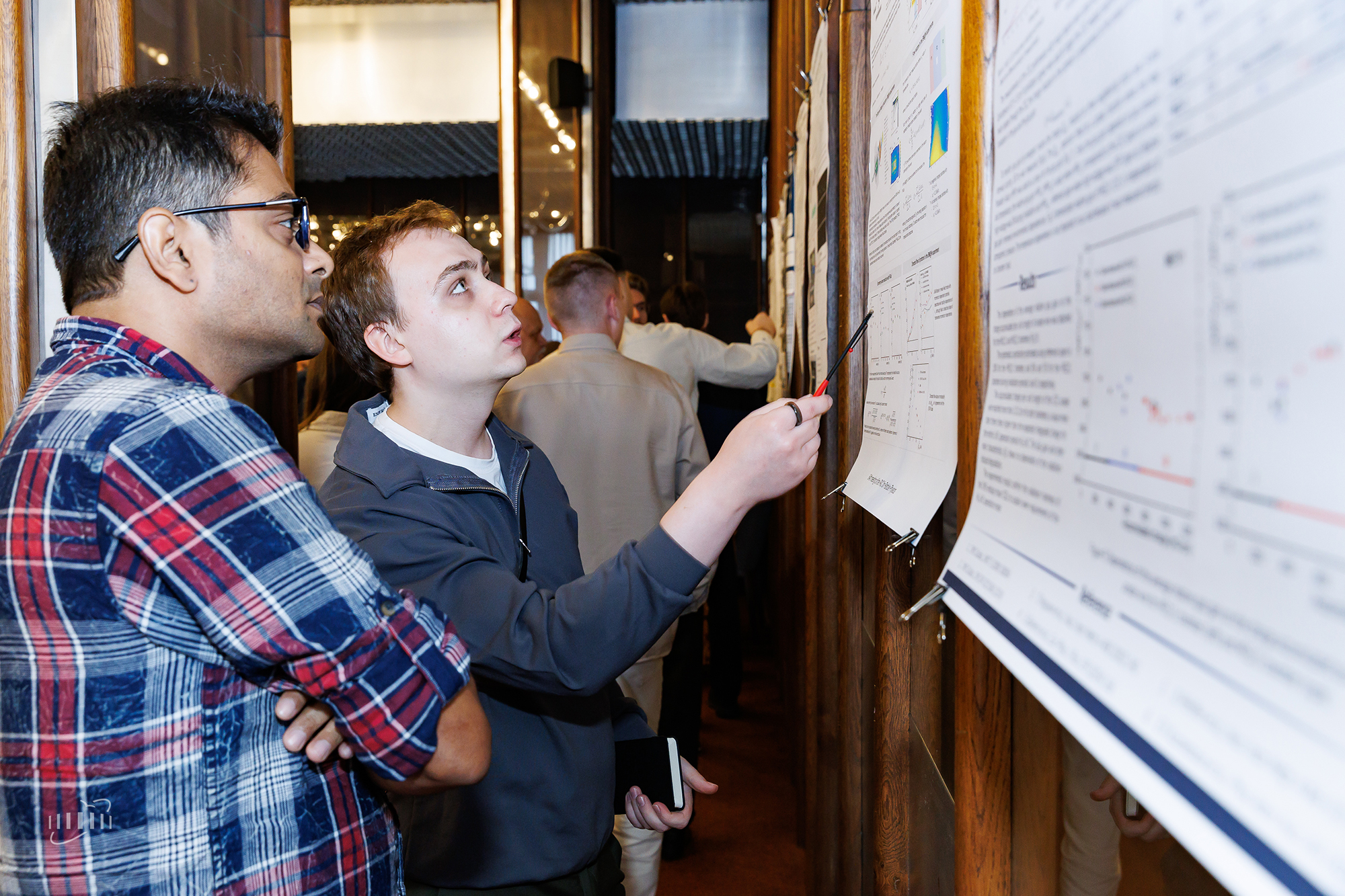
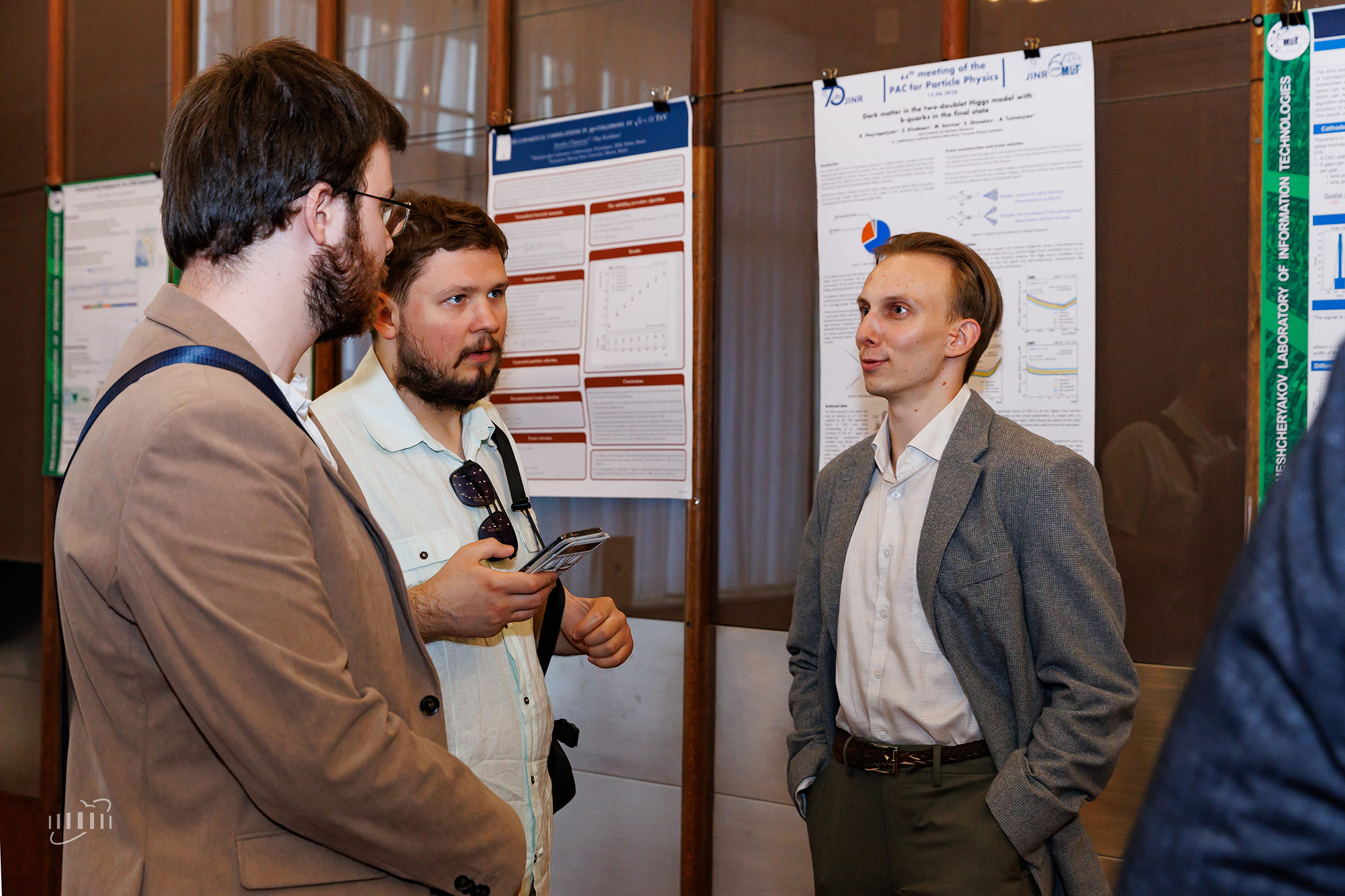
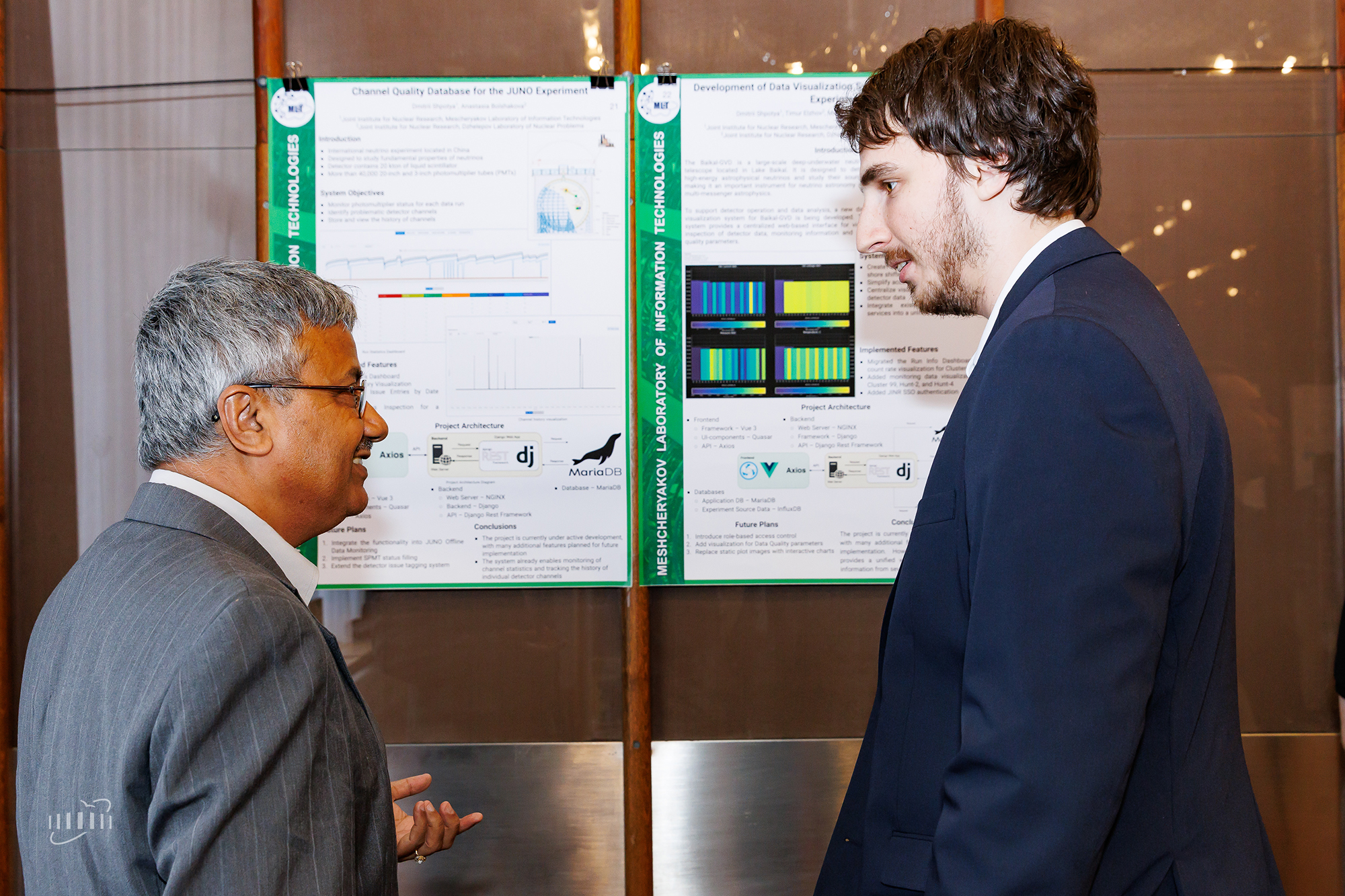
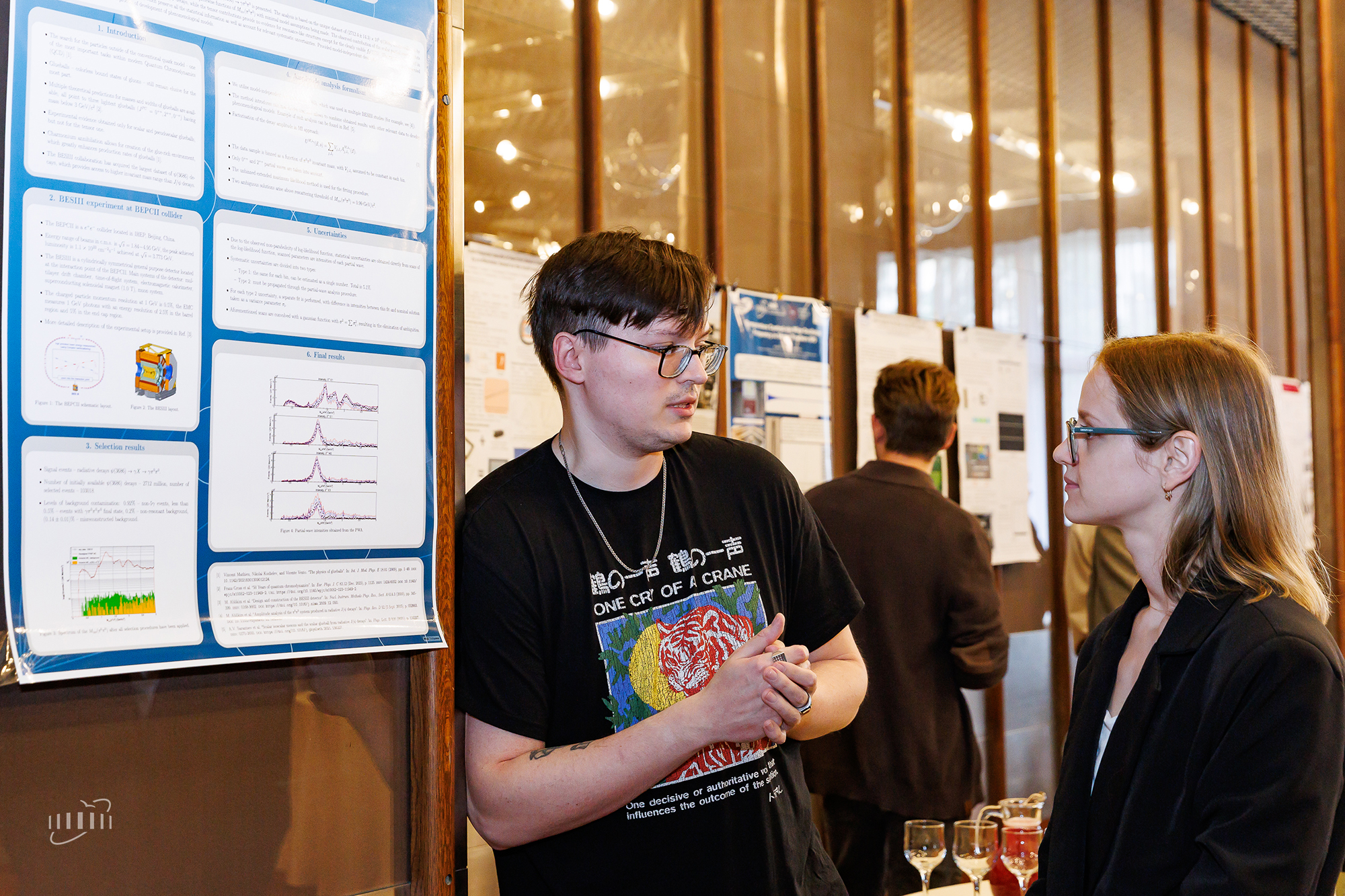
A competition of poster presentations of young scientists on particle physics studies took place as part of the PAC meeting. The winner is a VBLHEP junior researcher Mikhail Mamaev with a presentation titled “Directed flow of protons in Xe+CsI collisions at the beam energy of 3.8A GeV with the BM@N Experiment”. This work will be presented at the 140th session of the JINR Scientific Council in September.
At the end of the 64th meeting of the Programme Advisory Committee for Particle Physics, the PAC members met with the Institute’s Directorate at a closed session. The committee’s work resulted in the adoption of official recommendations and the formation of the agenda for the next meeting.