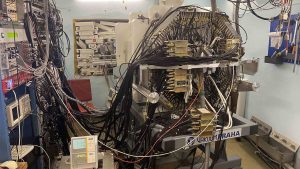
From 20 to 24 July 2026, the Institute of High Energy Physics (IHEP CAS) in Beijing hosted the 28th international meeting of the JUNO (Jiangmen Underground Neutrino Observatory) Collaboration. Scientists from the Joint Institute were engaged in the project from the very beginning. JINR representatives included eleven employees of the Laboratory of Nuclear Problems and three research interns of the Laboratory of Information Technologies. The latter made presentations on developing various monitoring and control systems for the experiment.
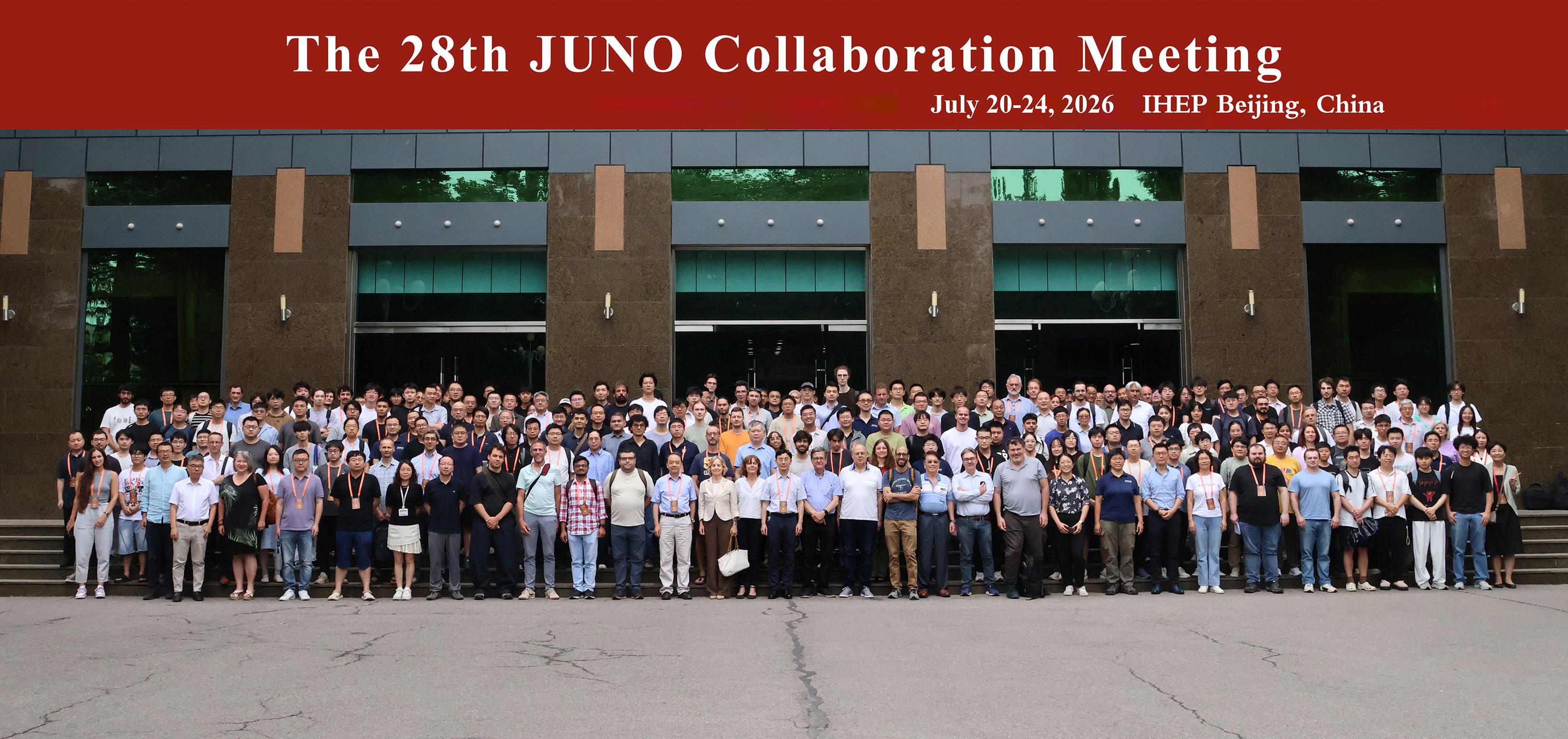
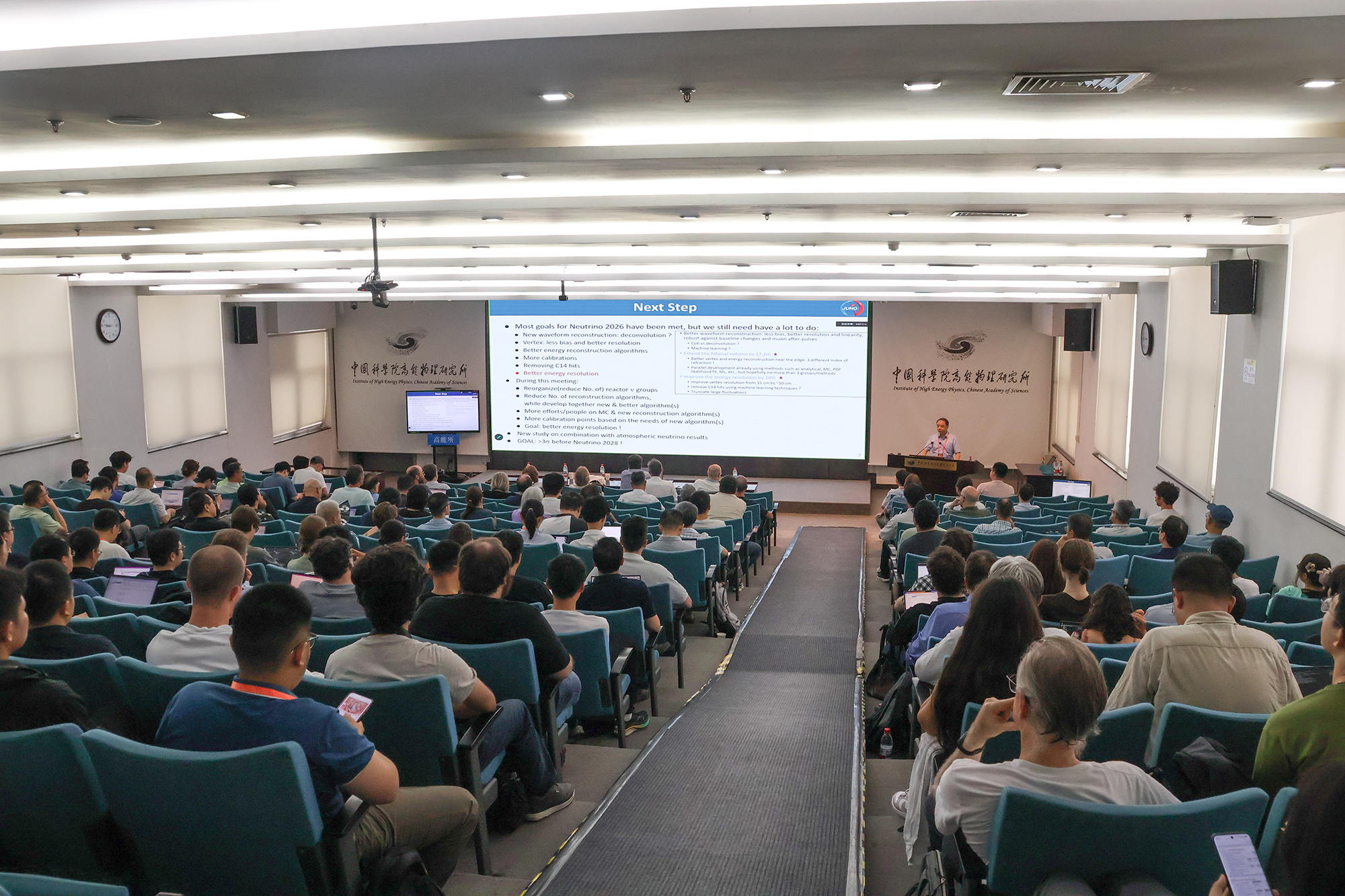
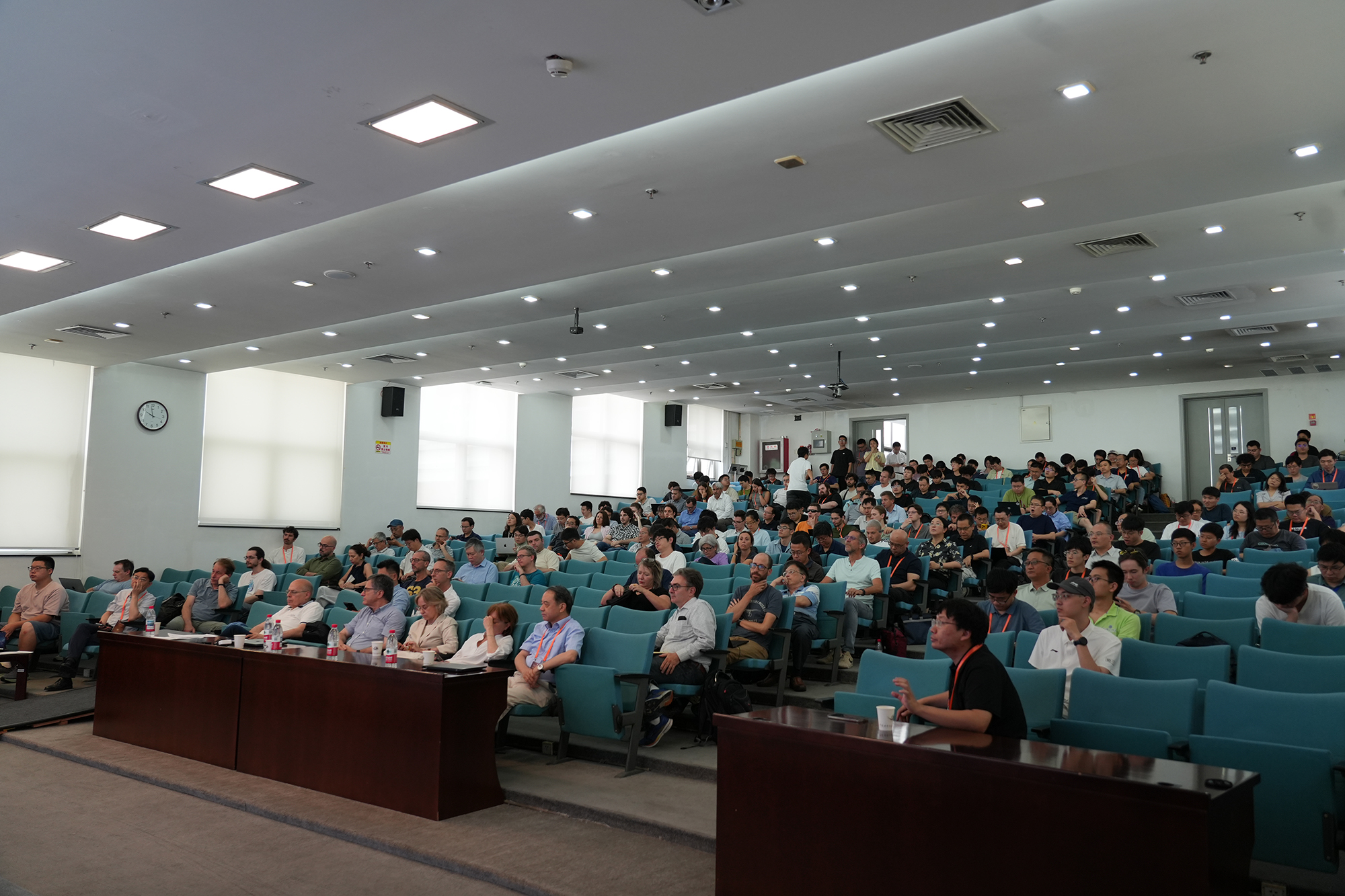
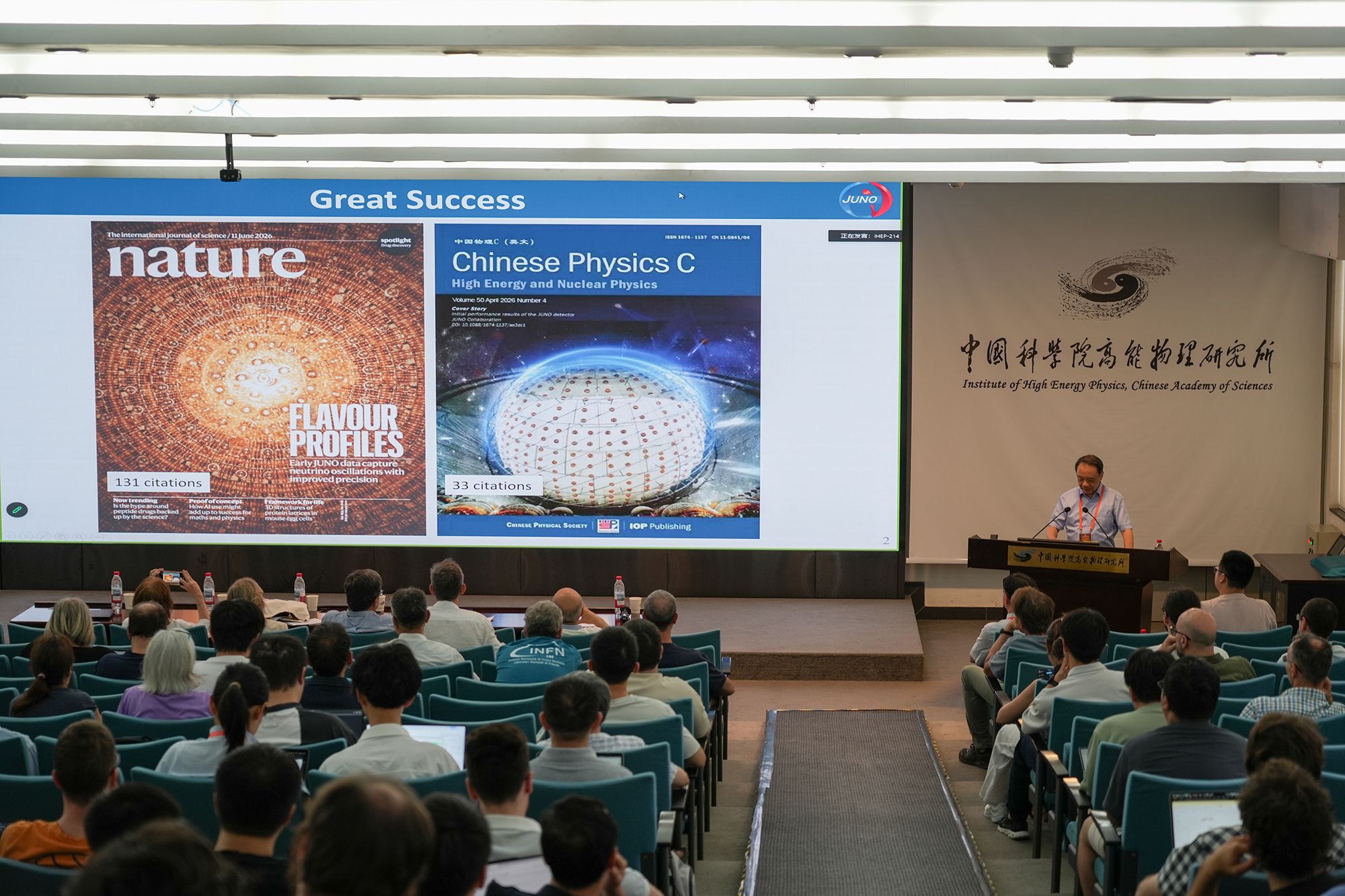
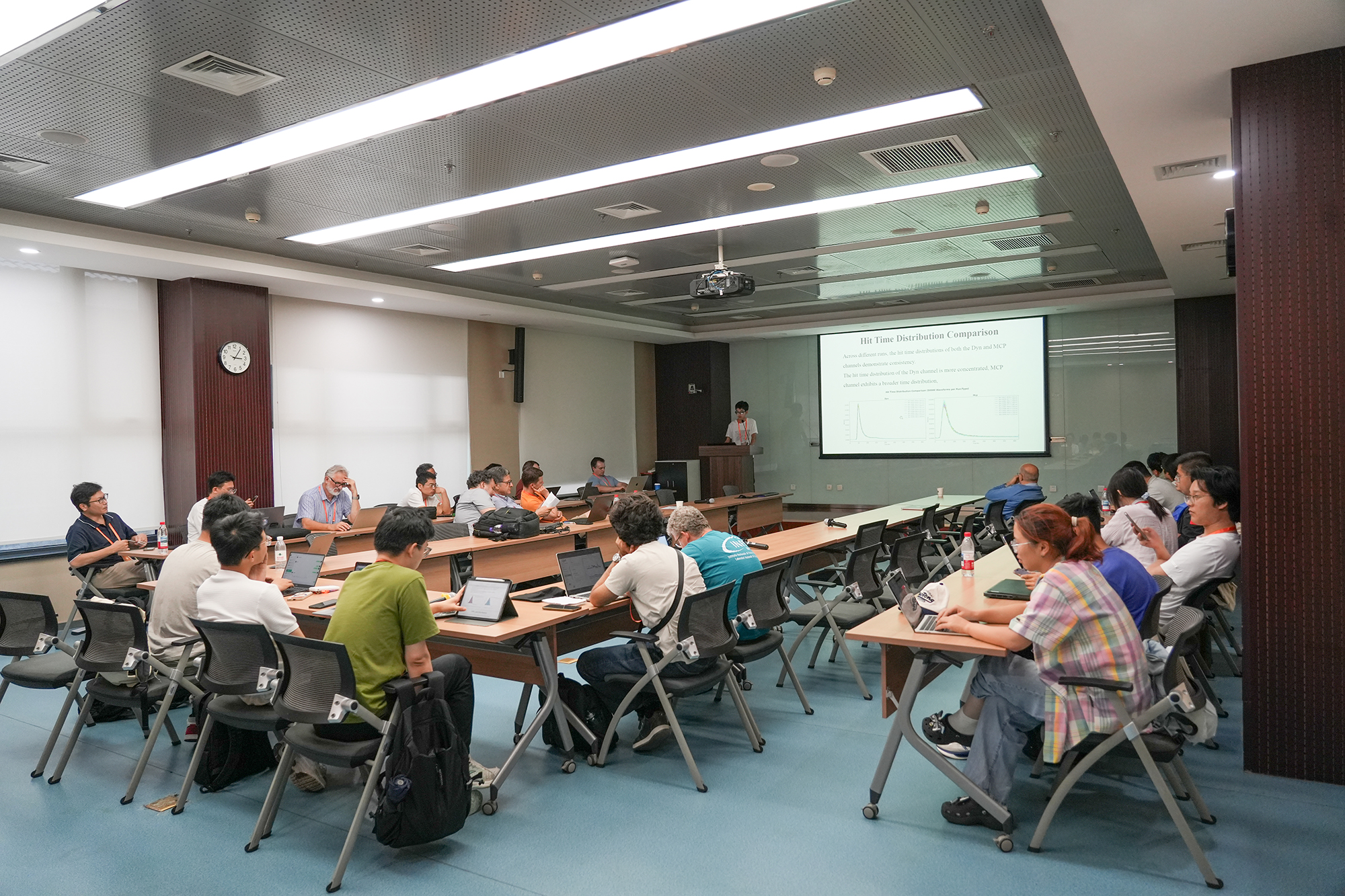
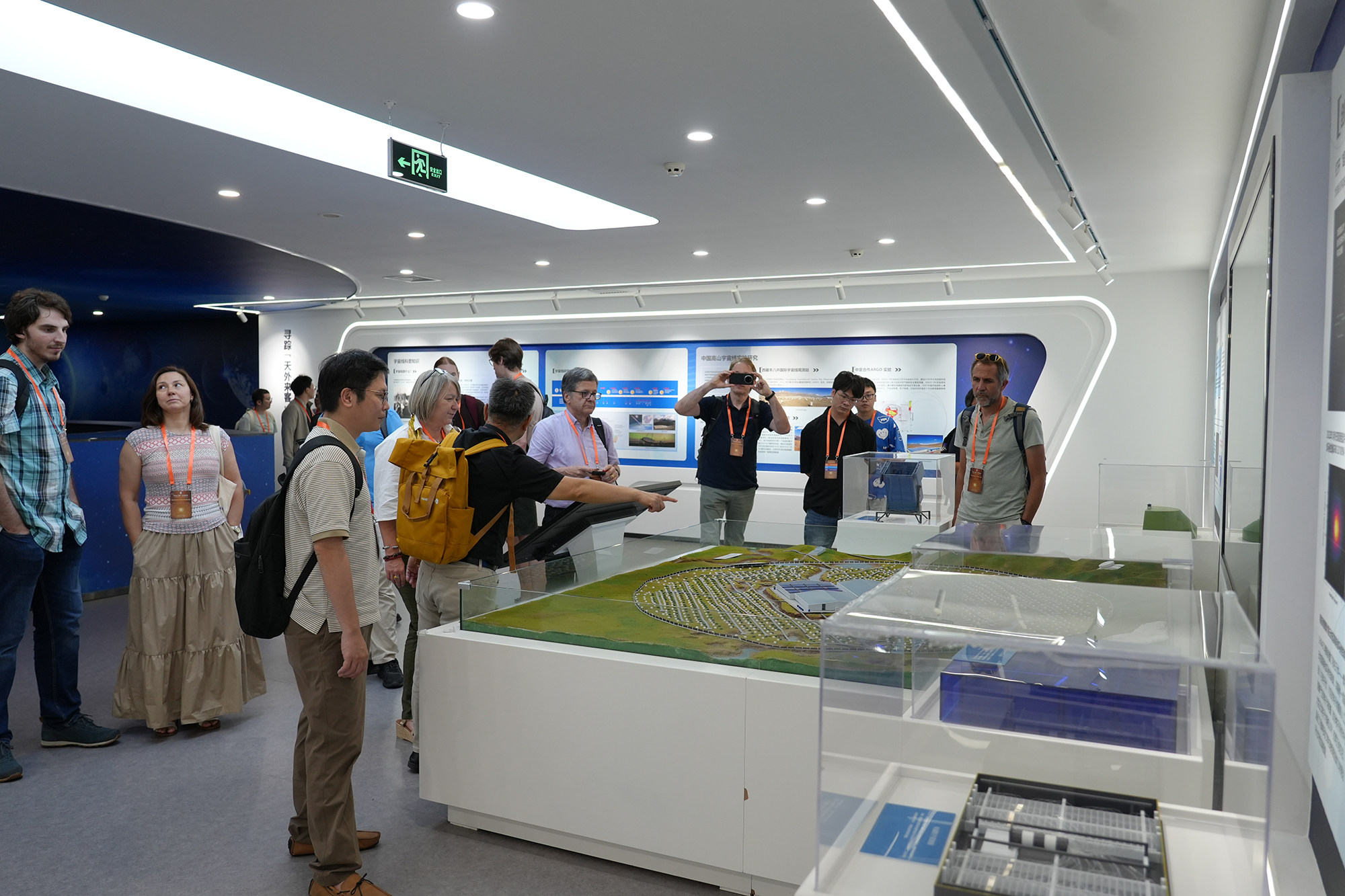
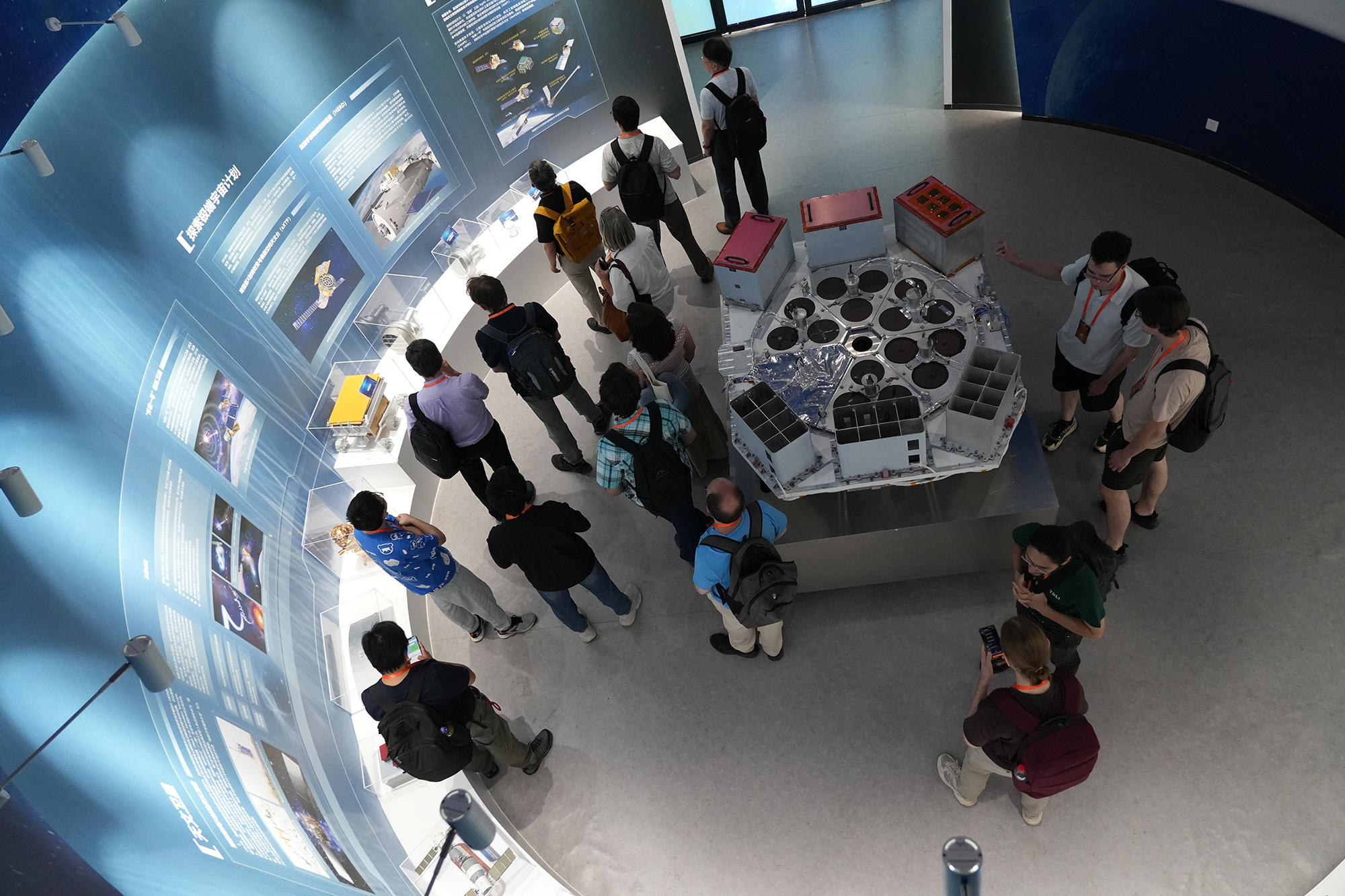
The meeting participants discussed the progress and performance indicators of the JUNO Detector, scheduled data intake and processing (including the planning of computing resource utilisation), and requirements for future physics results and publications.
The first experimental result, based on a 59-day data collection, was presented in November 2025. The Δm²₂₁ and sin²θ₁₂ neutrino oscillation parameters were measured with record precision. A new result, including data collected over 207 days, was discussed at the Neutrino 2026 conference in July. In addition to refining the values of Δm²₂₁ and sin²θ₁₂, JUNO measured |Δm²₃₁| with record precision. The collaboration’s result indicates a preference for the normal ordering (m₁ < m₂ < m₃) at 2.3σ.
The data spectrum indicates a significant contribution to the total signal from geoneutrinos – neutrinos from the Earth’s crust and mantle. JUNO’s geoneutrino statistics already exceed the world’s total for all the time of research on the topic.
Background information
The main goal of the JUNO Experiment is to determine the neutrino mass ordering. Thanks to the enormous size of the liquid scintillation detector and the high precision of energy measurement, the experiment opens wide opportunities for studies – from precision measurements of the lepton sector mixing parameters of the Standard Model, the registration of geoneutrinos, and observations of neutrinos from supernovae to the search for New Physics, including proton decay.
Based DLNP and MLIT JINR materials, photo by IHEP CAS and meeting participants