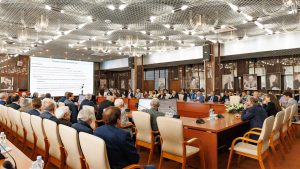
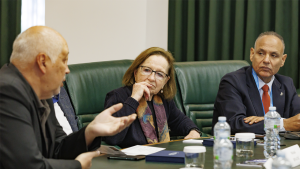
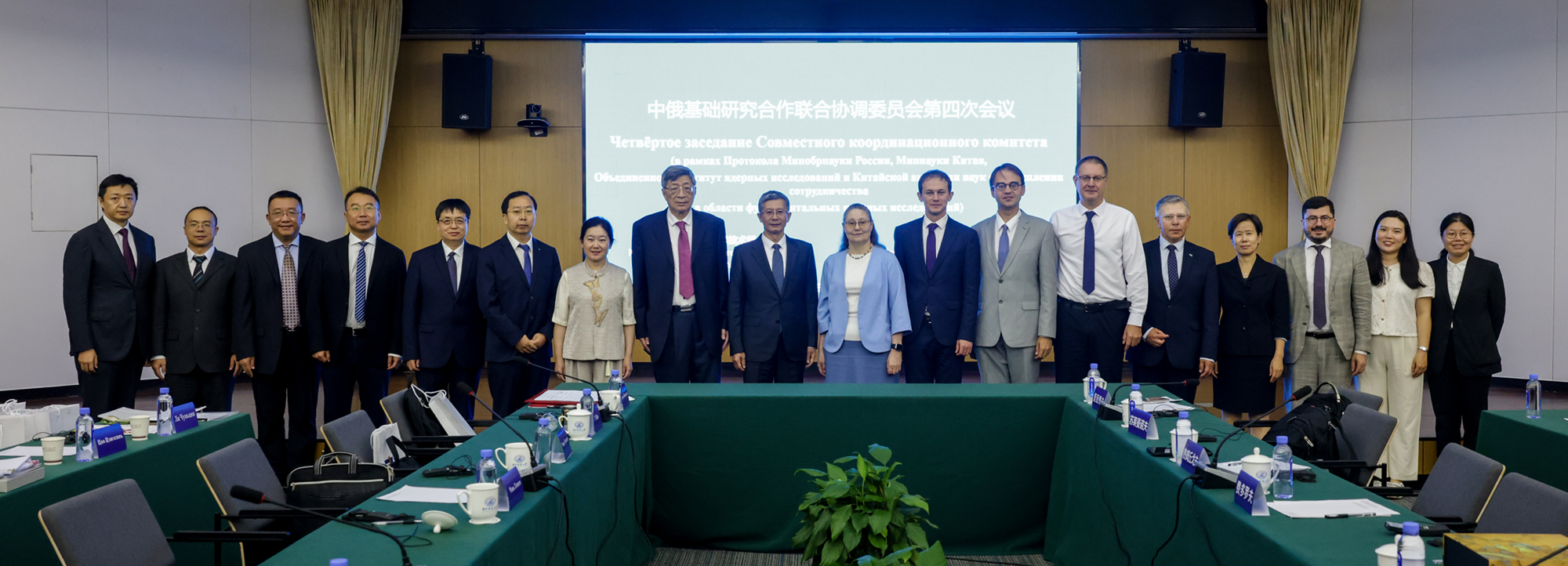
On 27 August 2026, in Wuhan (People’s Republic of China), a JINR delegation participated in the fourth meeting of the Joint Coordination Committee, held according to the Protocol on Strengthening Cooperation in Basic Research signed by the Russian Ministry of Science and Higher Education, the Ministry of Science and Technology of China, JINR, and the Chinese Academy of Sciences (CAS). In addition, the Institute’s representatives took part in the 30th meeting of the Subcommission on Scientific and Technical Cooperation of the Russian-Chinese Commission for the Preparation of Regular Meetings of Heads of Government.
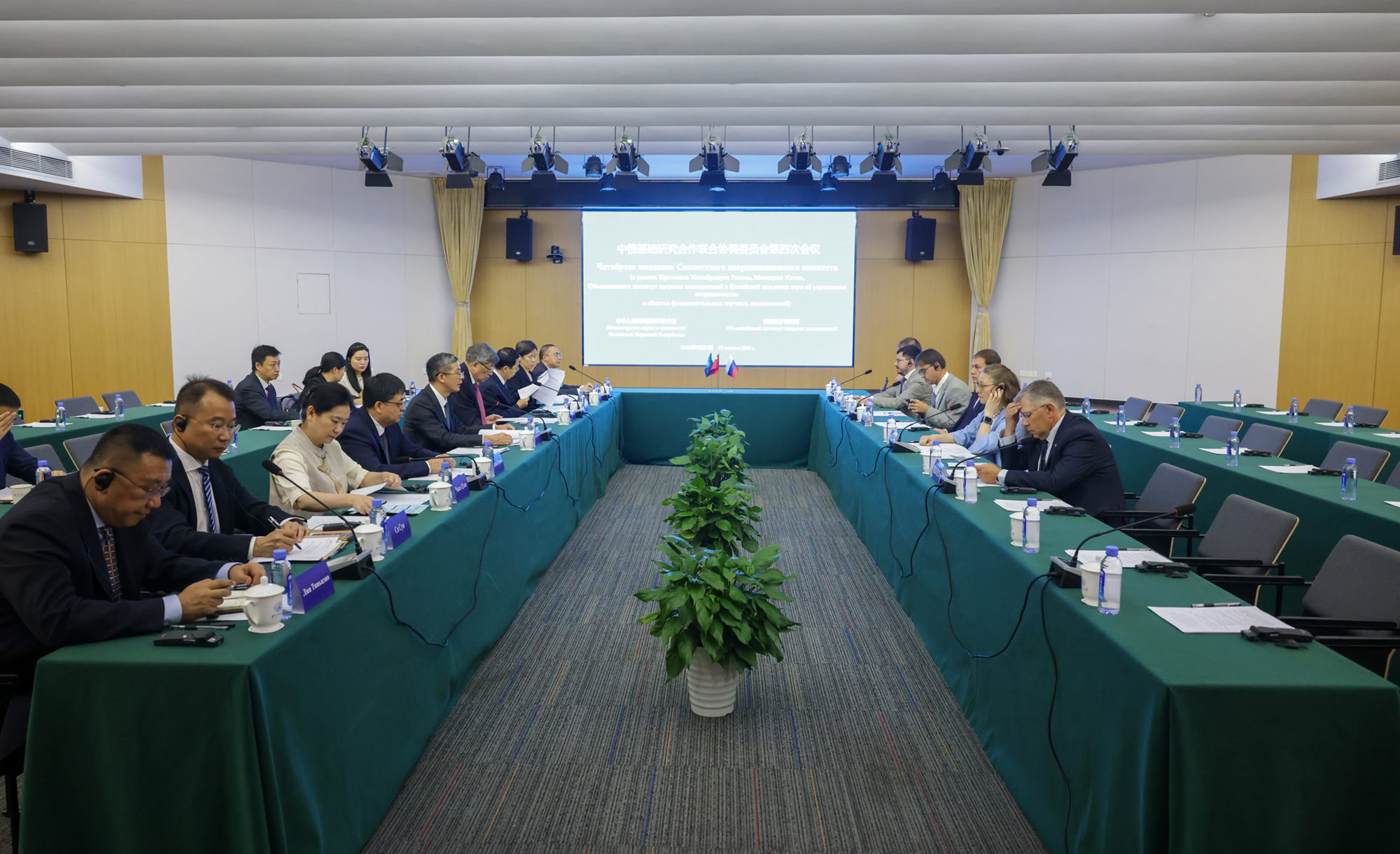
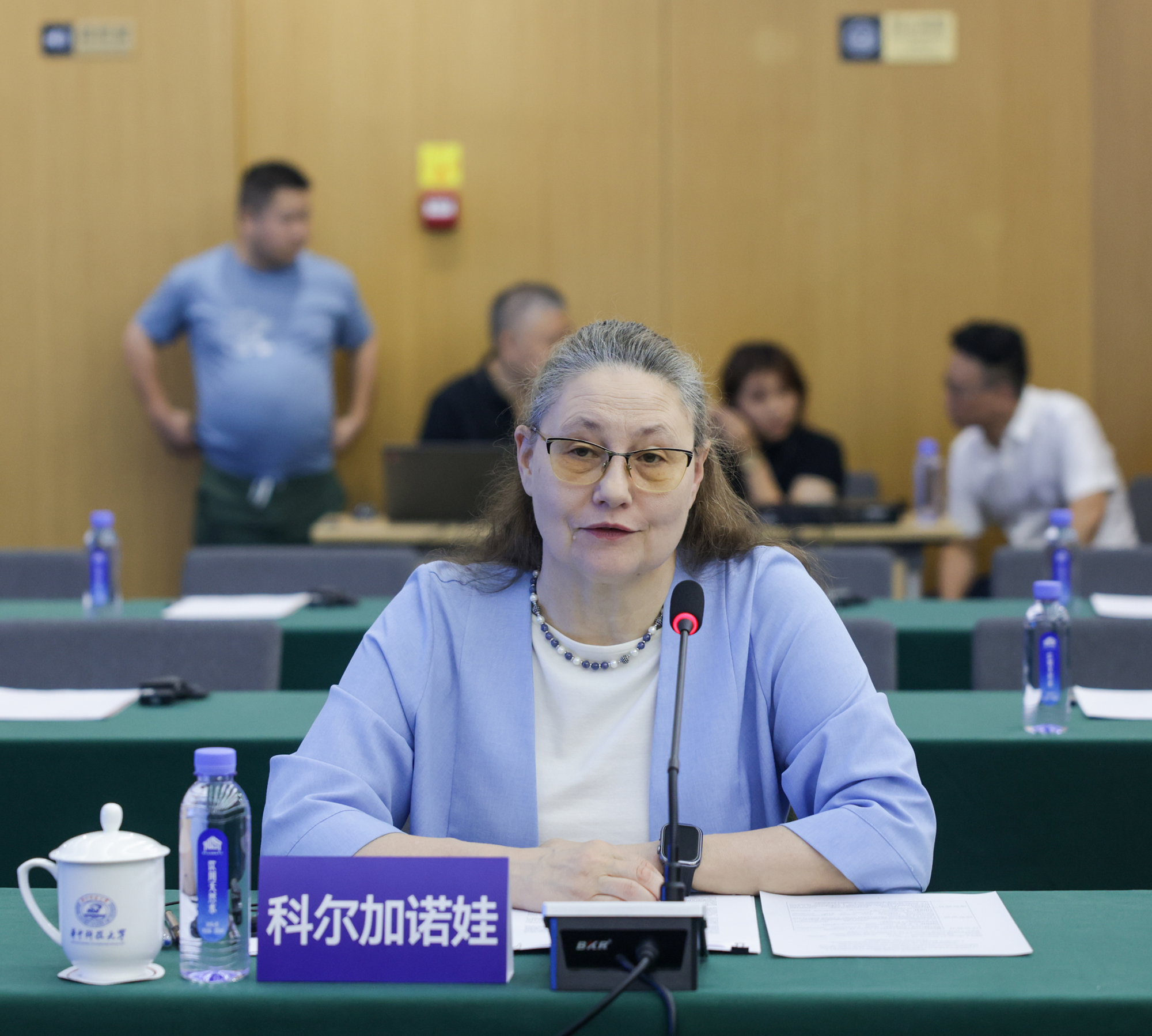
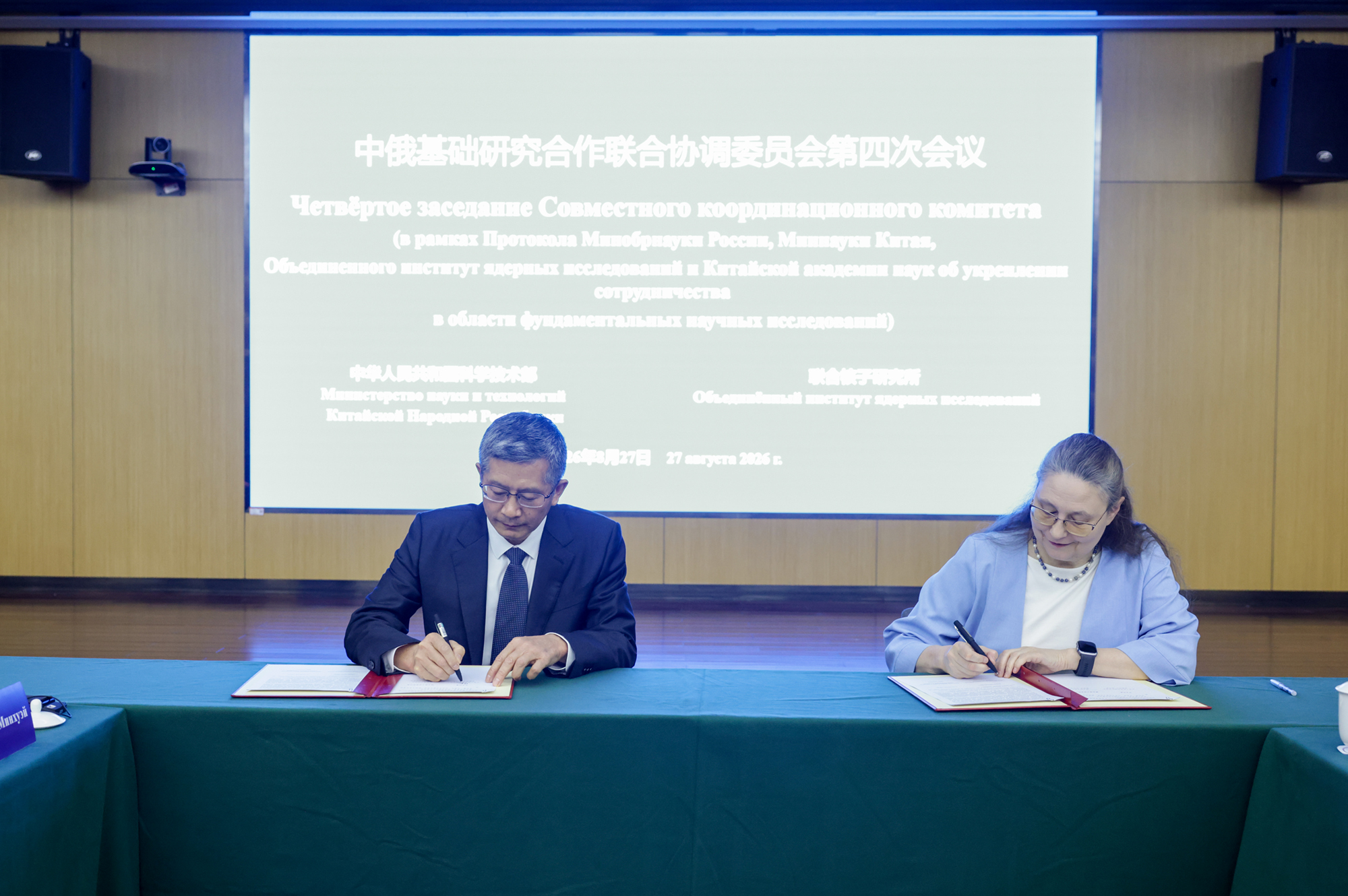
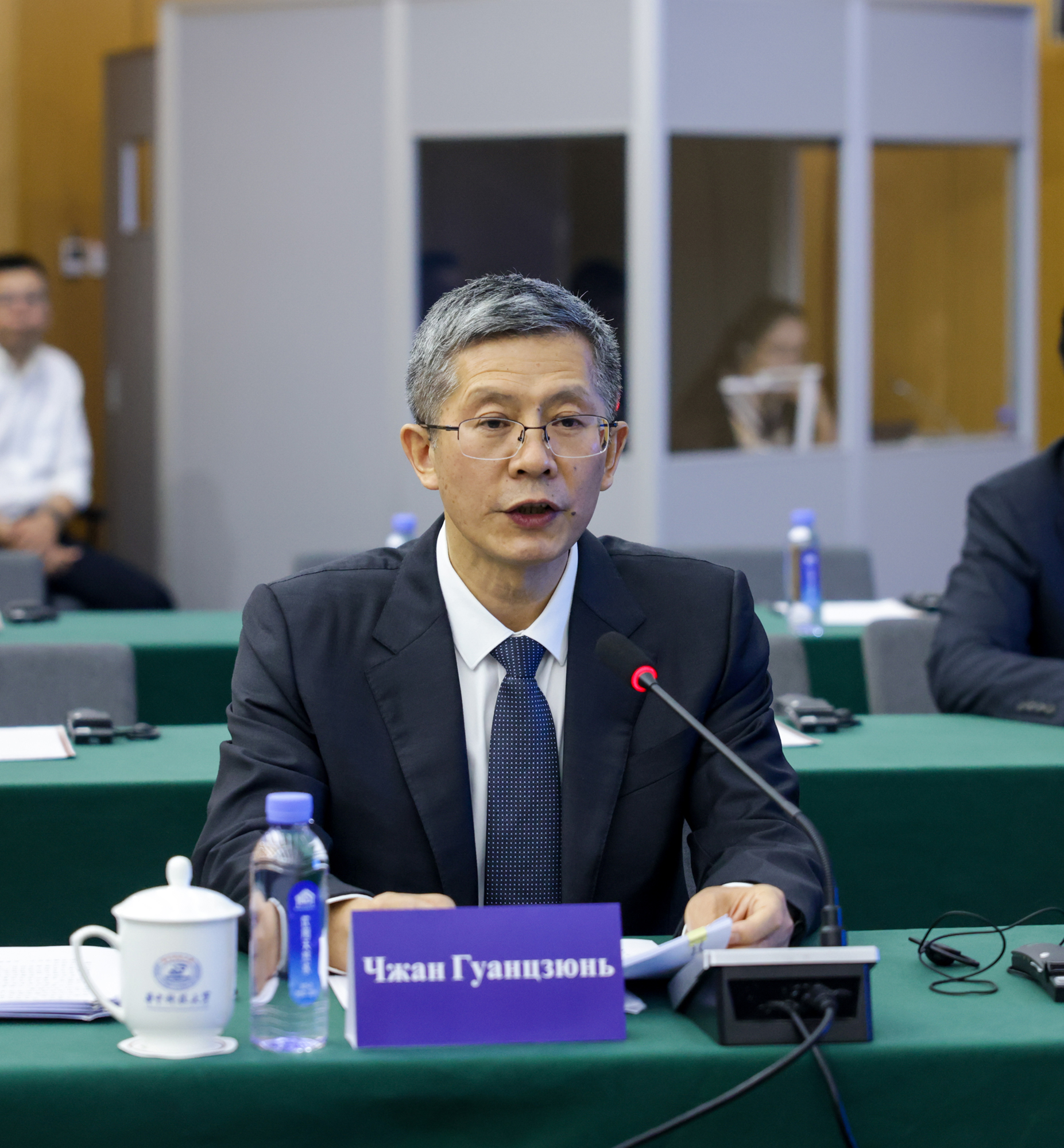
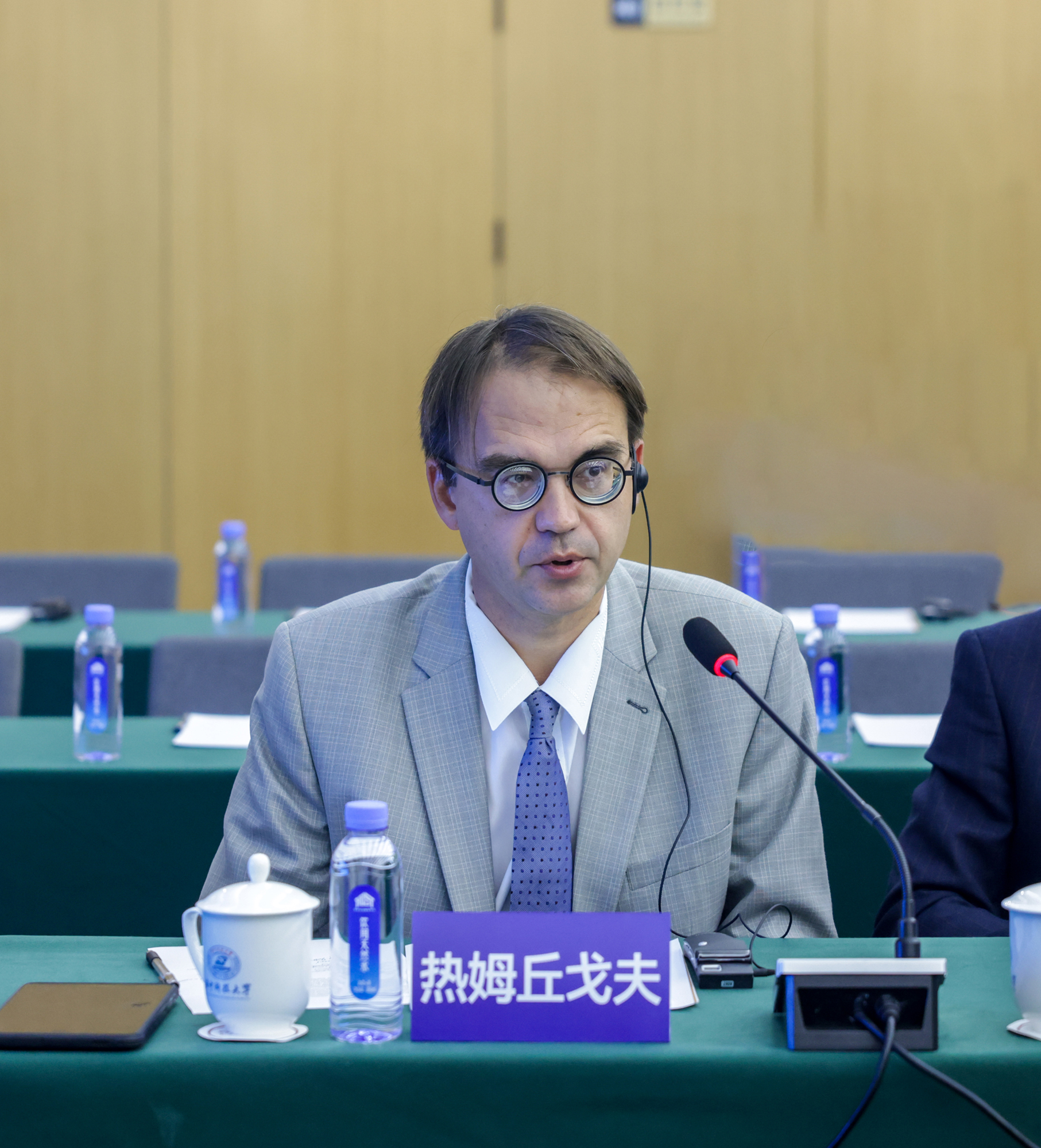
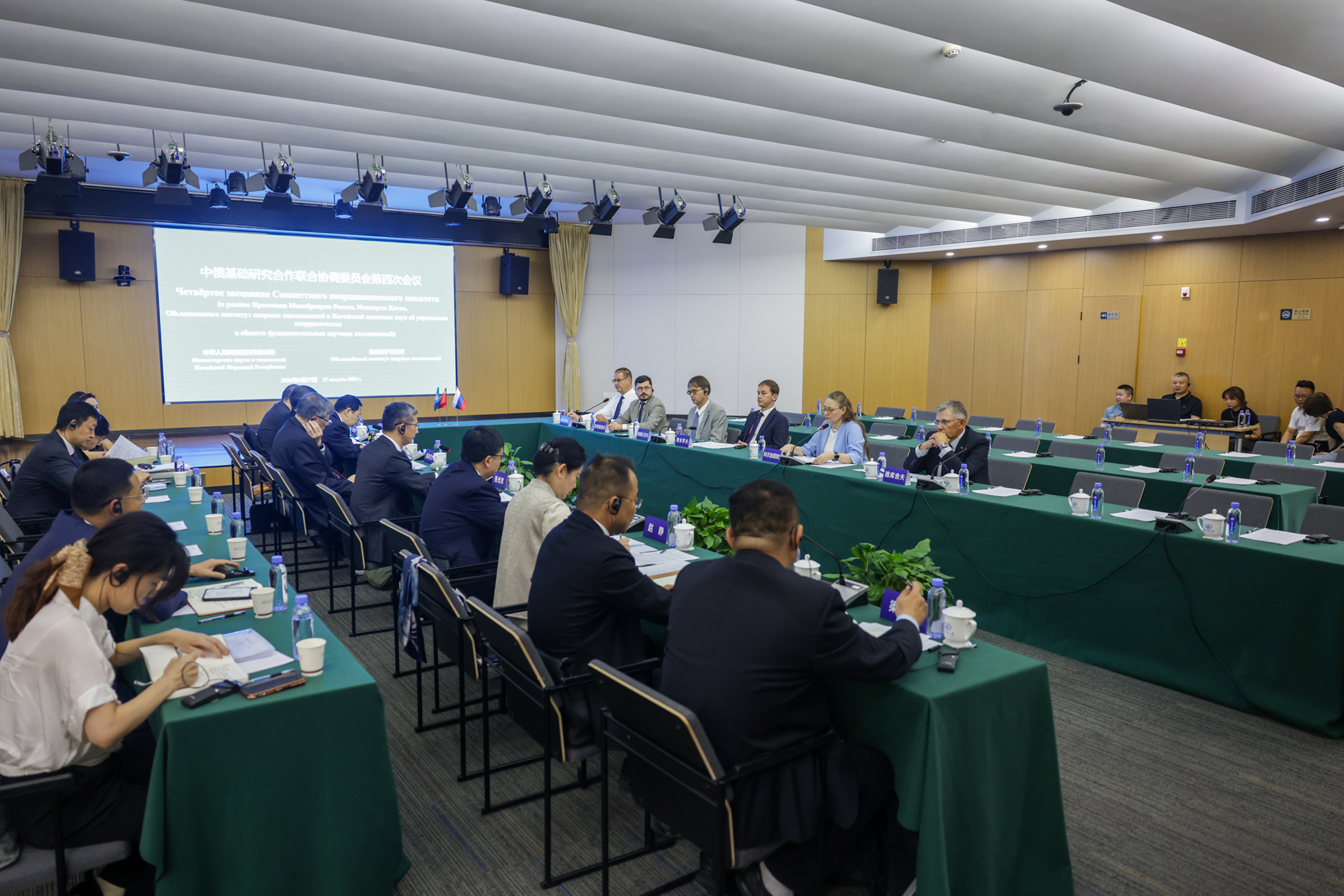
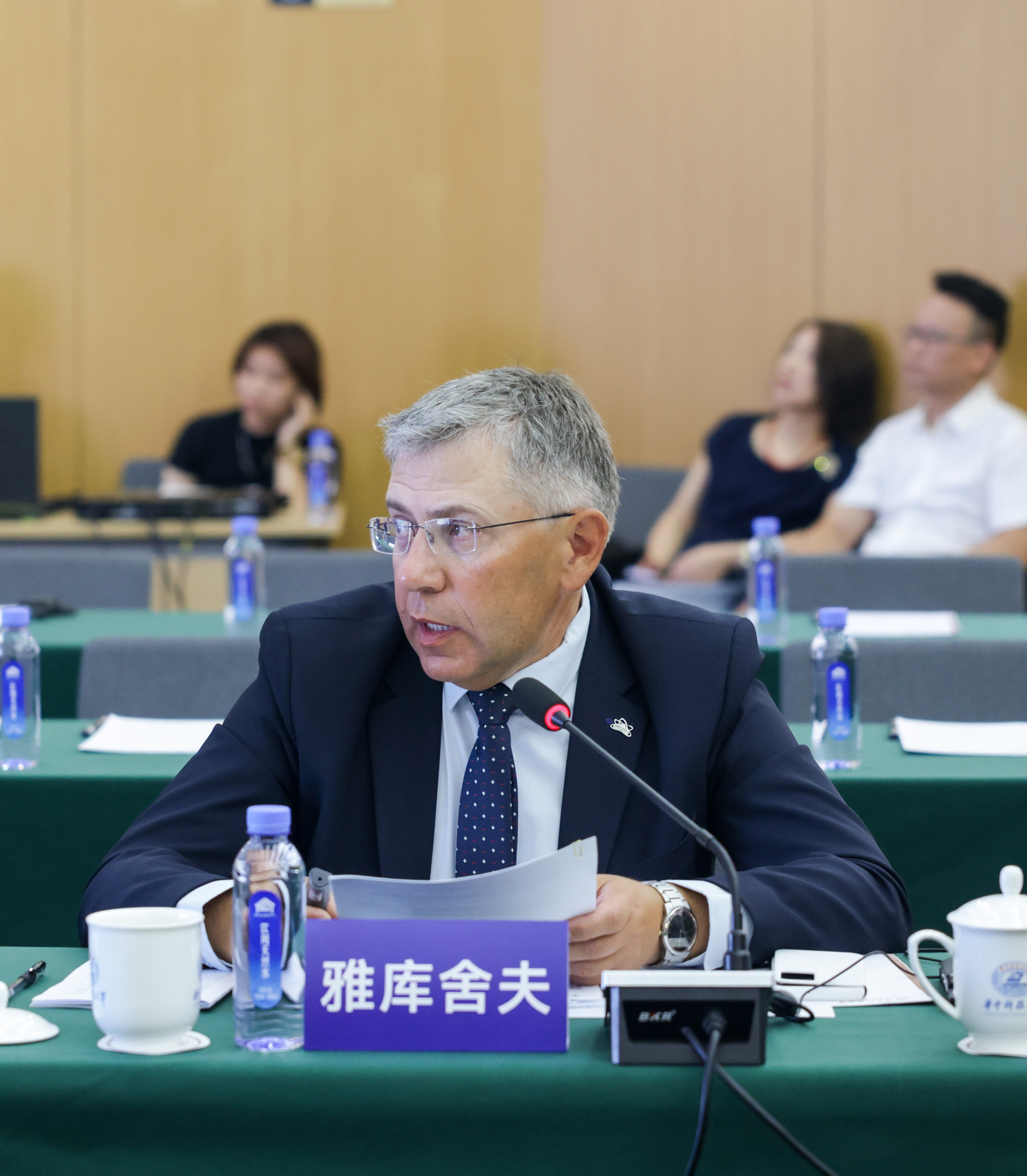
Vice-Director of the Joint Institute for Nuclear Research Elena Kolganova and Vice Minister of Science and Technology of the People’s Republic of China Zhang Guangjun co-chaired the event. In attendance were representatives of the Russia‘s Ministry of Science and Higher Education. Topping the agenda were updates on 15 joint projects implemented by JINR and Chinese scientific centres, as well as cooperation development prospects.
Elena Kolganova gave a welcome speech, emphasising that the collaboration’s scale and rapid progress indicate the successful implementation of the quadrilateral protocol. In particular, the Institute’s Vice-Director highlighted that the Chinese side greatly contributed to executing the agreement between JINR and the Ministry of Science and Technology of China on the Republic’s participation in building and operating the NICA Accelerator Complex. She noted an important milestone reached on 12 February 2026 – the stable circulation of counter-rotating beams in the collider’s storage rings. Russian President Vladimir Putin highlighted cooperation with the country as part the NICA Project during his visit to PRC and meeting with President of the People’s Republic of China Xi Jinping in June.
The meeting programme included a report on the work of the Expert Working Group (EWG) by EWG Co-chair, Head of the CSNS Project at the Institute of High Energy Physics, CAS Academician Chen Hesheng and EWG Secretary, JINR Deputy Chief Scientific Secretary Alexey Zhemchugov. In addition, JINR employees Evgeny Yakushev and Victor Riabov, as well as Chinese researchers Huang Minghui and Lian Tianqiao, presented scientific reports on four joint projects. Committee members noted the world-class results and the parties’ dedication to actively advancing joint studies and fostering academic exchange – a solid foundation for stable long-term cooperation in fundamental research. JINR and China achieved significant results in the joint construction of superconducting equipment for heavy ion accelerators, superheavy element synthesis, neutron scattering technologies and applications, as well as in the neutrino telescope construction. In addition to these areas, the Committee anticipates deeper collaboration in theoretical physics. The participants emphasised the necessity of tackling the current logistical issues and creating a direct internet connection channel between JINR and IHEP CAS.
Another topic was China’s possible participation in developing the Baikal-GVD Deep Underwater Cubic-Kilometre Neutrino Telescope and building a similar 30-cubic-kilometre HUNT Telescope at Baikal. The Committee concluded that the construction of such a facility is a complex yet achievable task, the successful implementation of which will significantly expand our knowledge of the Universe, and called for a preliminary study of the cooperation mechanism and an assessment of possible project implementation risks. Regarding cooperation prospects, proposals were voiced to involve the joint projects of the JINR Member States’ scientific centres – both research and educational – to the current JINR–China partnership. The Committee believes that this approach will foster a broader, more effective, constantly improving academic cooperation and benefit a wide range of scientific organizations of the participating countries.
In conclusion, the Institute’s Vice-Director emphasised the quick progress of the China–JINR cooperation. At the same time, she noted, JINR intends to expand the partnership with the People’s Republic of China not only by using its own scientific infrastructure, but also in projects of the Chinese side in particle, nuclear, and condensed matter physics, including JINR’s participation in experiments at the Circular Electron Positron Collider, the STCF Electron-Positron Collider, and the electron-ion collider at the HIAF Complex.
“This year marks the 70th JINR anniversary, and we are grateful for the contribution of the People’s Republic of China which stood at the cradle of our Institute. JINR will continue to promote the advancement of international scientific and technical cooperation between Russia and China; we ask for support for further initiatives in this sphere. We hope that the rapid development and growing quality of our cooperation will pave the way to China joining the JINR family”, Elena Kolganova concluded.
The fifth meeting of the JINR–China Joint Coordination Committee will take place in 2027, in the Russian Federation.
The photos were provided by China’s Ministry of Science and Technology