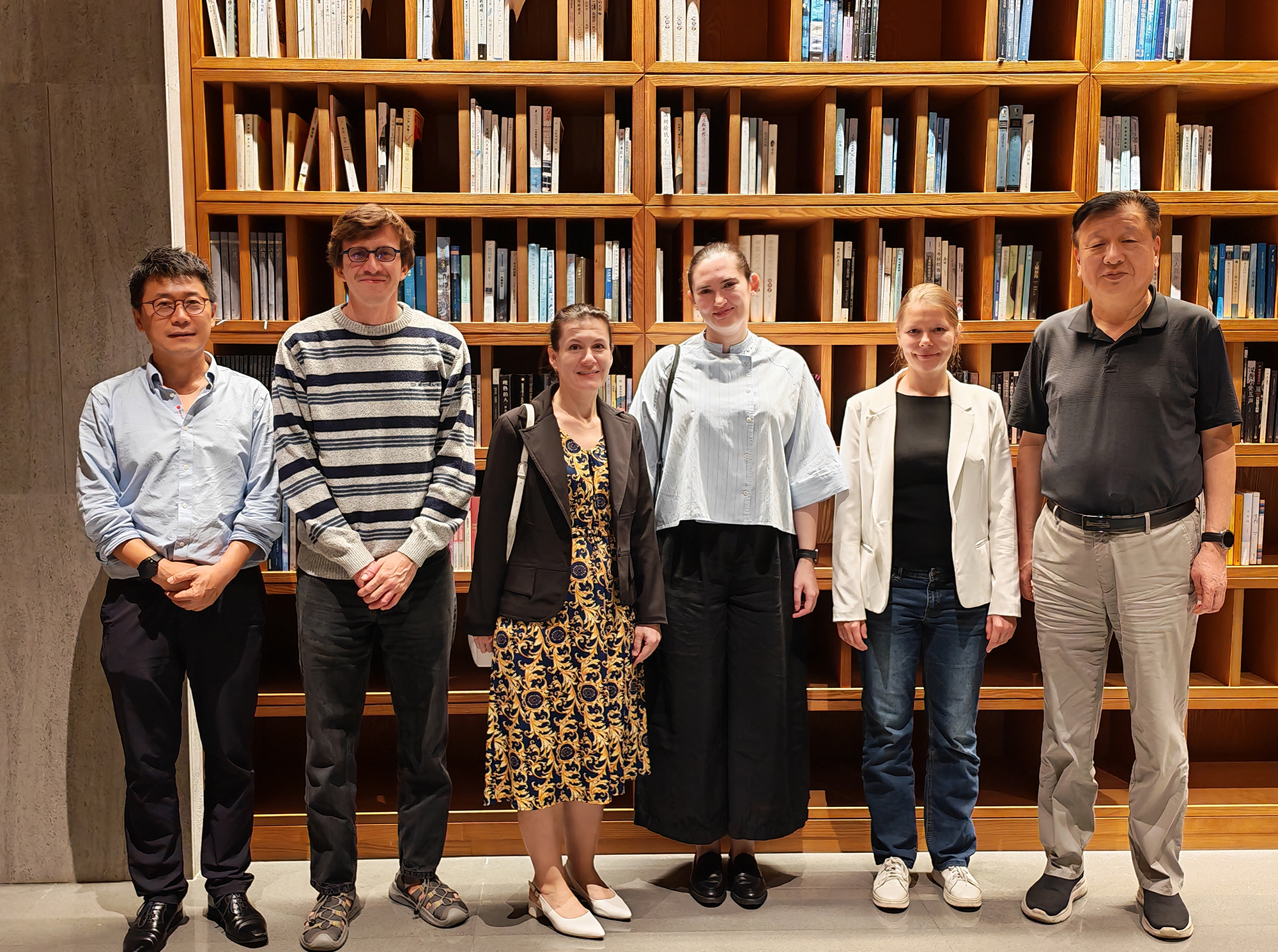
From 23 to 24 October 2026, China hosted an international symposium – the 6th Global Forum on Medical Physics Education. Talks were delivered by JINR representatives: researcher at the Sector of Molecular Genetics of the Cell of the Laboratory of Nuclear Problems Alena Yakhnenko and Head of the Radiation Physiology Sector of the Laboratory of Radiation Biology Yuri Severiukhin. The participation of JINR employees allowed presenting to the international community the latest research results in radiobiology and outlining prospects for the application of Dsup protective protein.
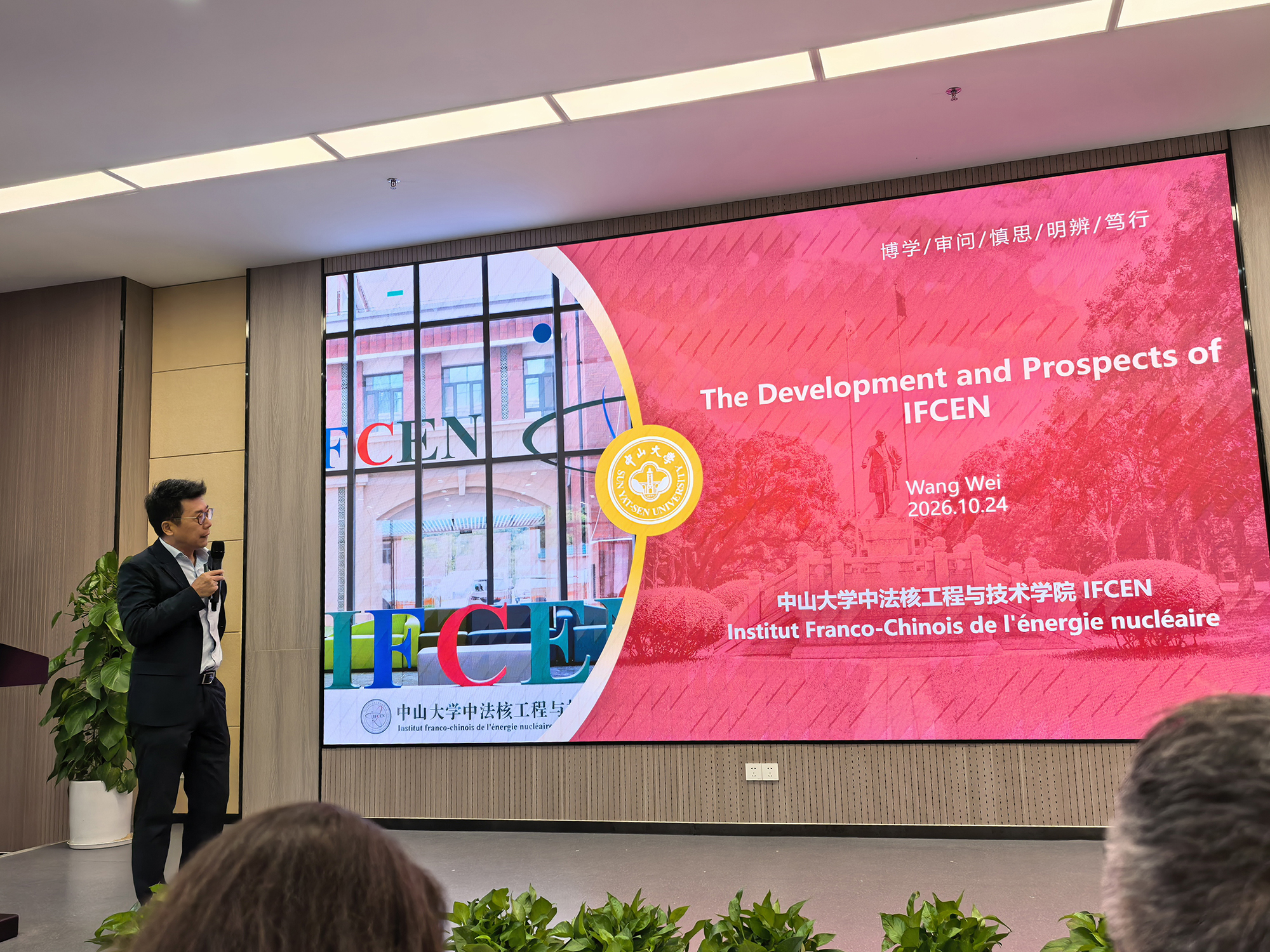
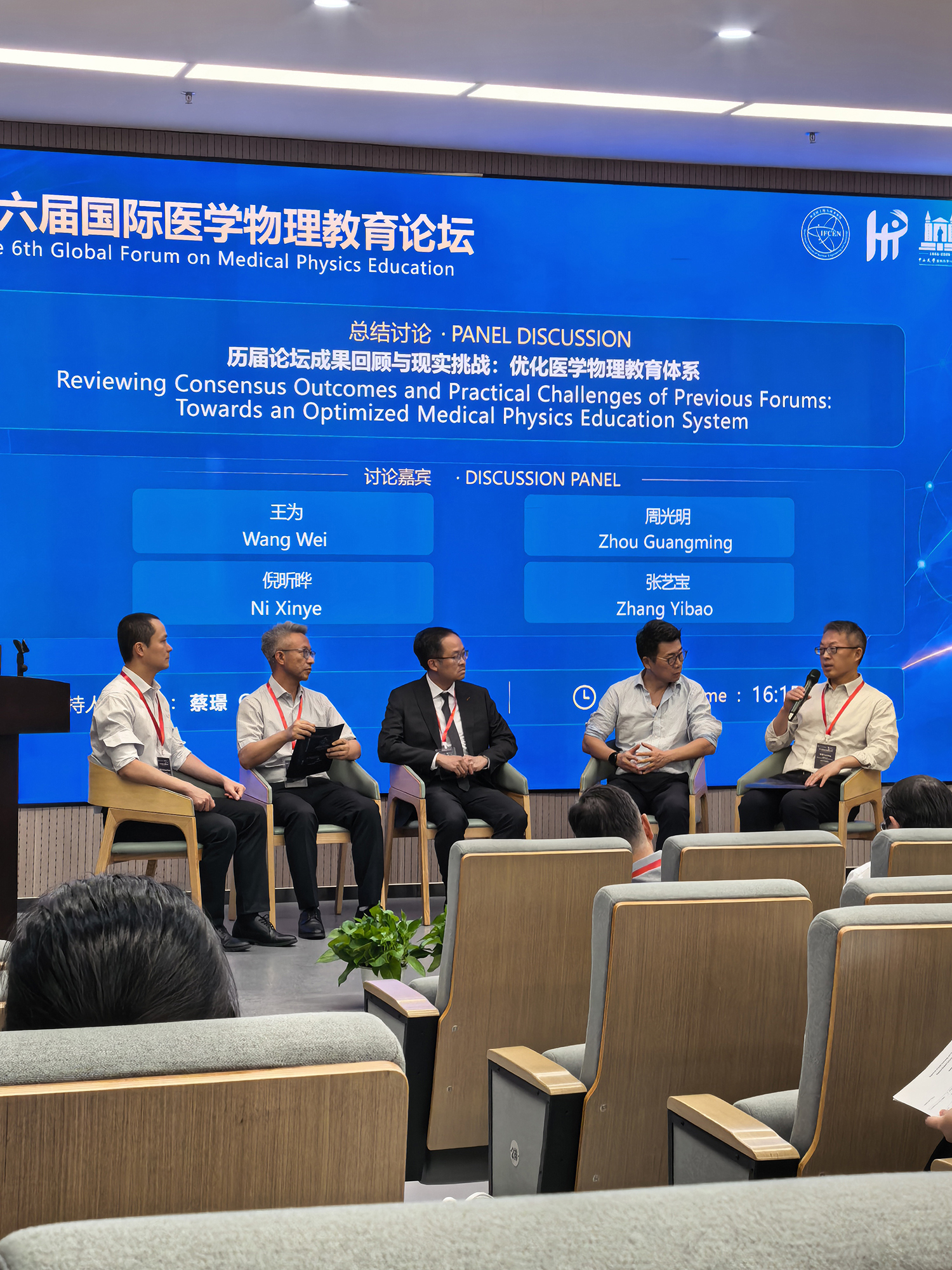
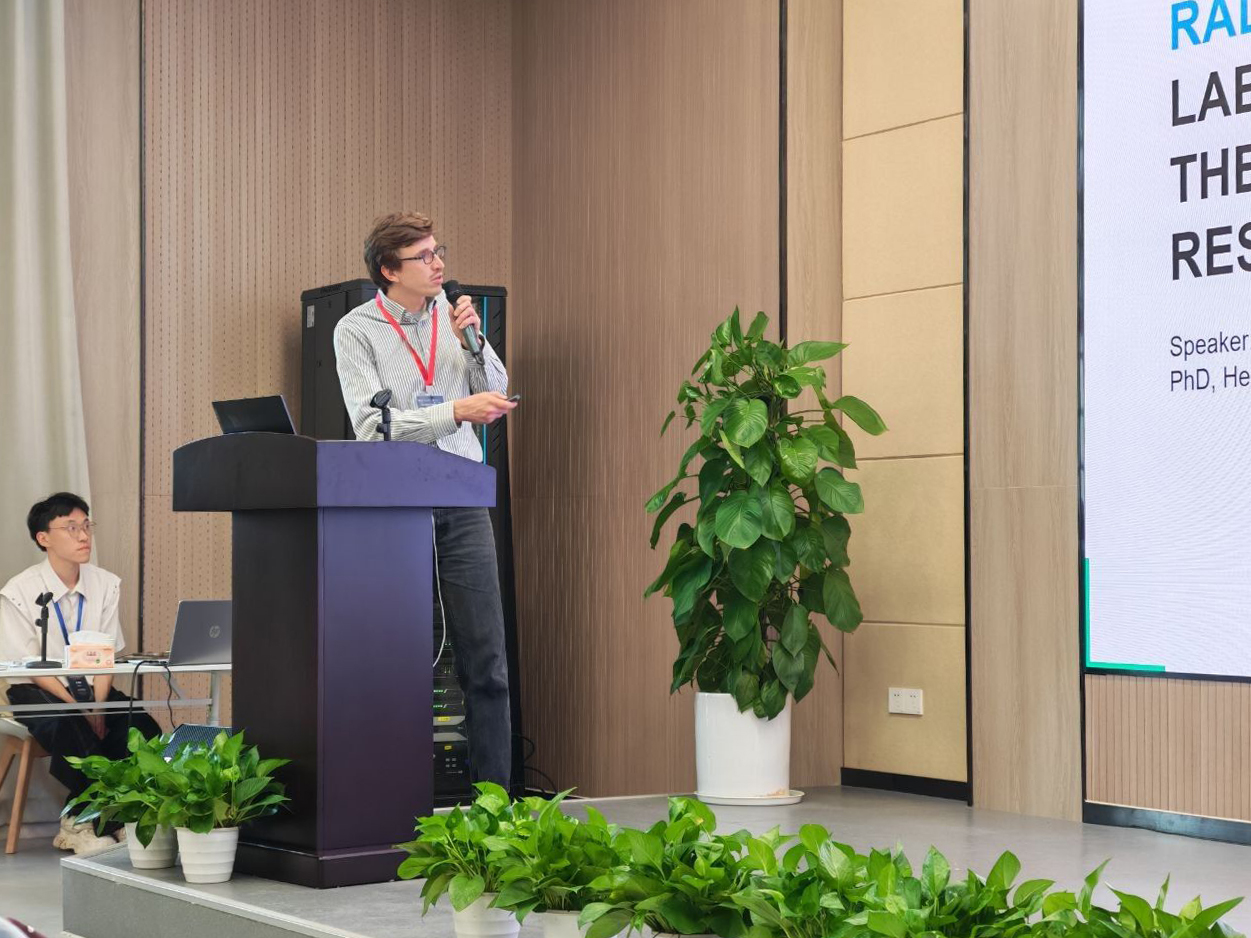
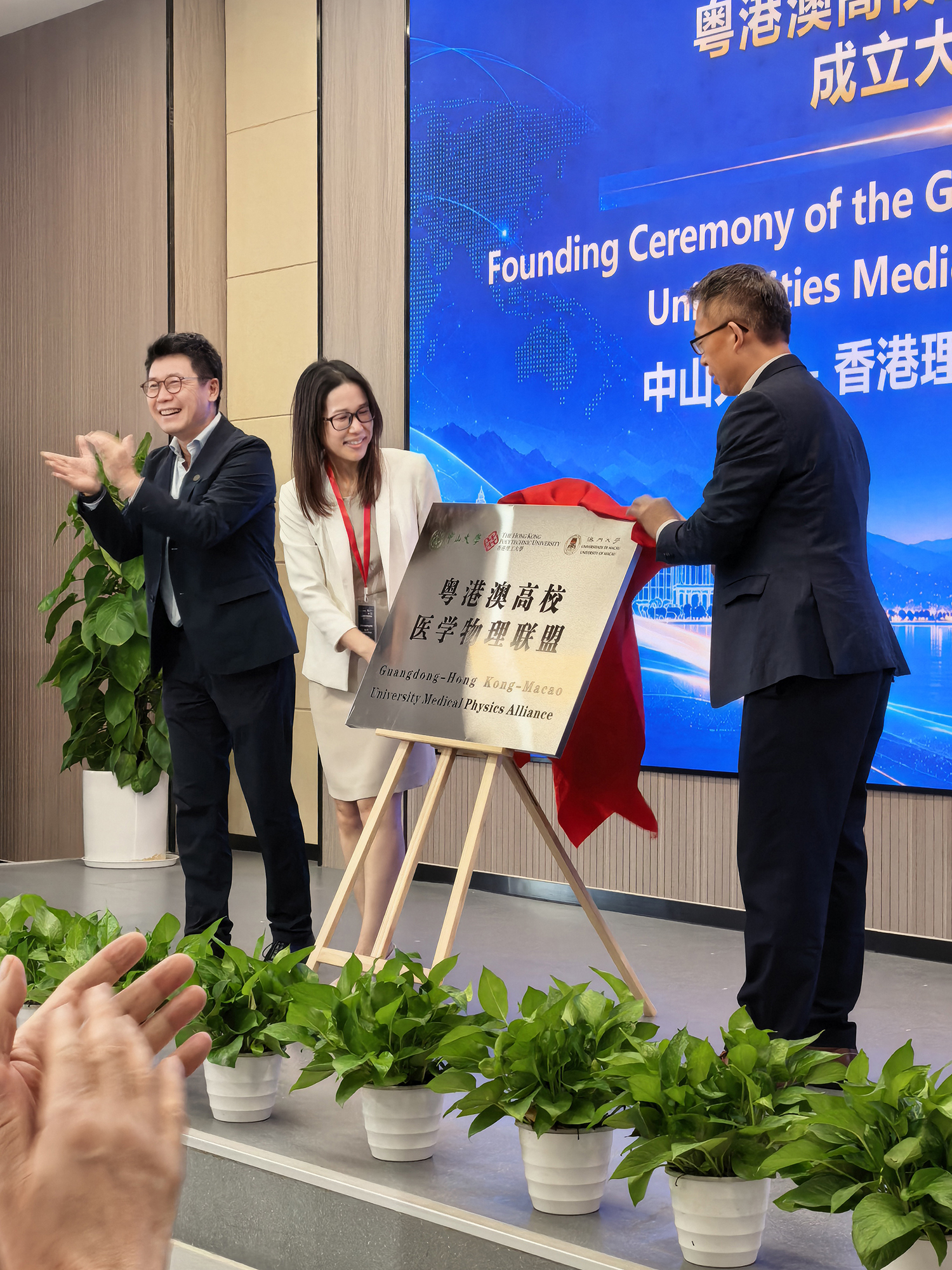
Dedicated to the establishment of the Medical Physics Alliance in the Guangdong–Hong Kong–Macao Greater Bay Area, the event aimed to serve as a high-level international academic platform meeting advanced standards and modern educational needs. The programme included a wide range of topics: from the issues of certification of medical physicists and educational programmes to specific ion and proton therapy studies, reflecting the agenda of the modern international professional community in the field.
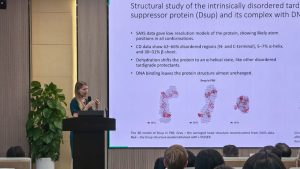
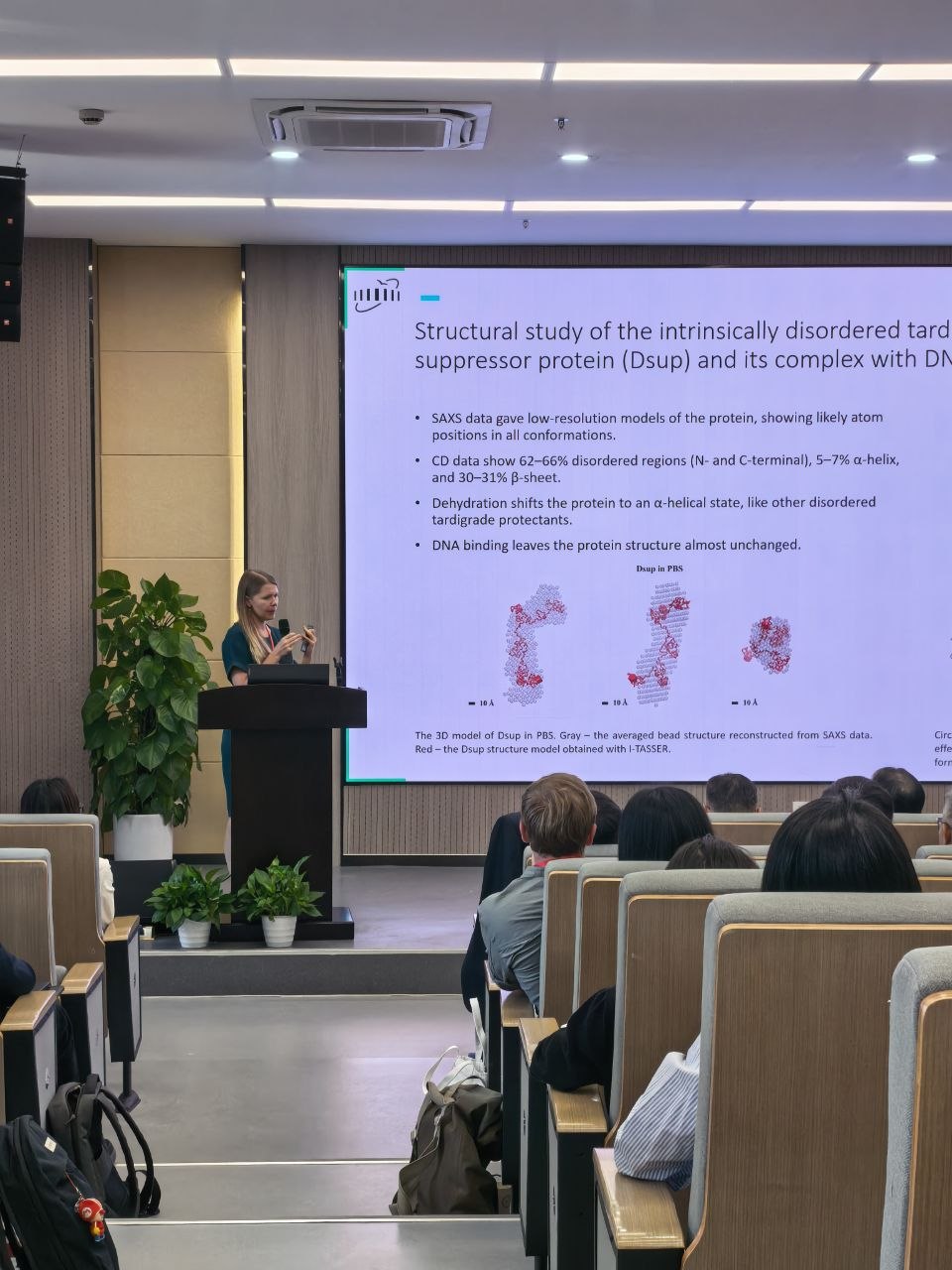
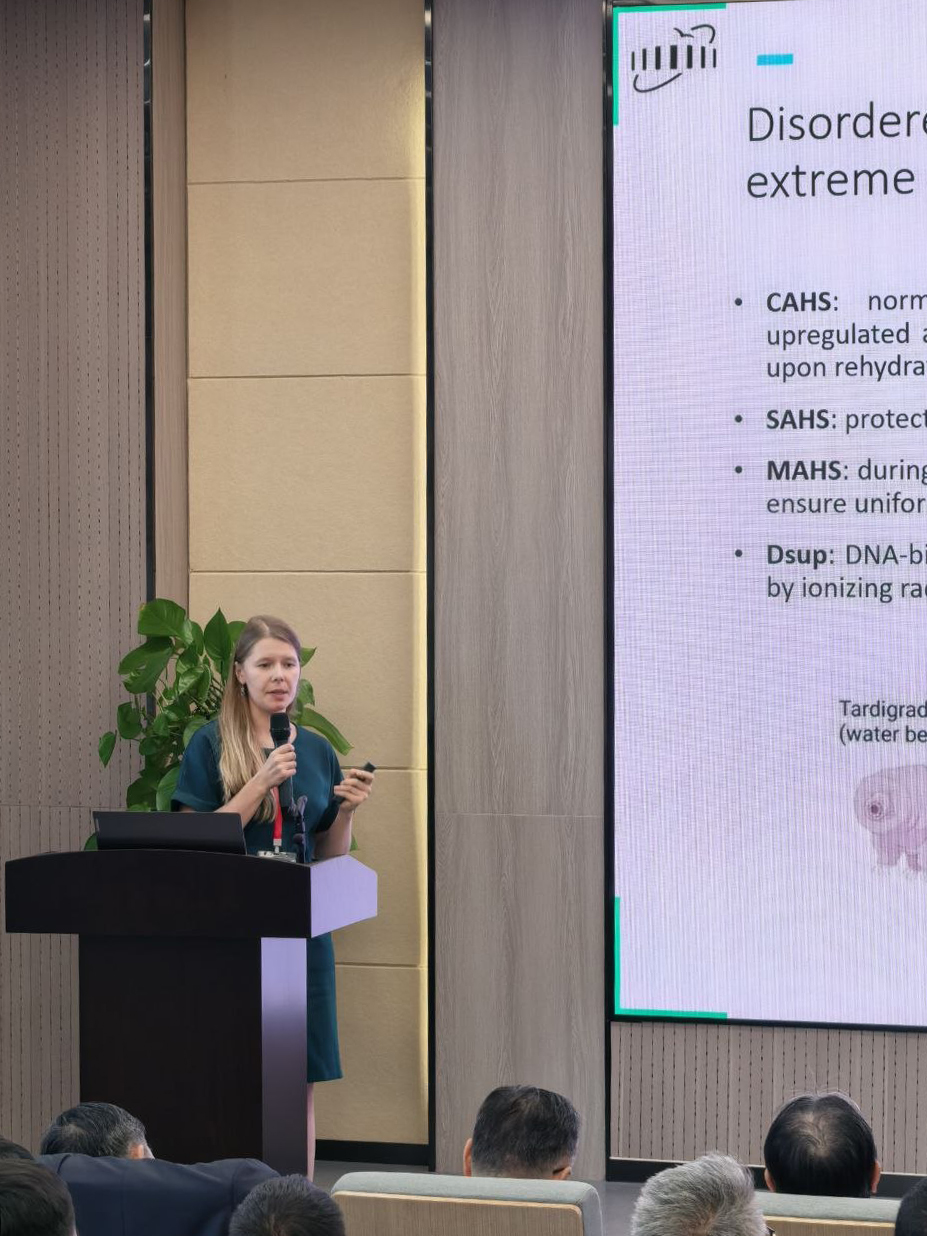
Alena Yakhnenko gave a plenary talk “Radioprotectors and radiosensitisers based on DNA-binding proteins” at a session on the issues of modern medical physics and radiobiology. She presented the research results of the DLNP JINR Sector of Molecular Genetics of the Cell related to the unique Dsup protein discovered in tardigrade (Tardigrada) – microscopic animals known for their phenomenal resistance to extreme conditions. The structural features of the Dsup protein and its radioprotective properties were discussed. The Dsup protein can enhance resistance to ionising irradiation both of the whole organism, as demonstrated on the model of the D. melanogaster fruit fly, and of individual tissues and cells, for example, for the defence of healthy tissues during proton therapy. It was proposed to study the application of Dsup as a radiosensitiser in boron neutron capture therapy.
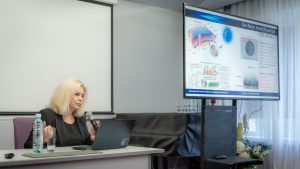
Yuri Severiukhin’s presentation was devoted to research conducted at the Laboratory of Radiation Biology at JINR. LRB JINR is implementing a broad programme of radiobiological research. Scientists are studying how ionising irradiation affects different levels of biological organisation, from molecules to the whole organism. Key directions of the employees’ works are the DNA damage and repair mechanisms, the effect of radiation on animal behaviour, its connection with neurodegenerative diseases, assessment of radiation risks for astronauts and those working in mixed radiation fields as well as the development of methods to improve the efficiency of radiation and radionuclide cancer therapy. In addition, the audience, which included many medical physics majors, learned about his experience in managing projects as part of the JINR University Centre’s student programmes.