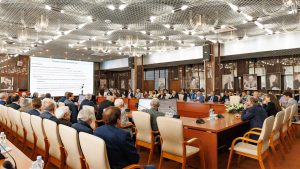
The 33rd “Mathematics. Computer. Education” (MCE) international conference co-organized by the Joint Institute for Nuclear Research is taking place at Dubna State University from 26 to 31 January 2026. 240 representatives of leading scientific and educational centres of Russia, as well as of Azerbaijan, Algeria, China, and Kazakhstan are participating in the sections, both in-person and remotely.
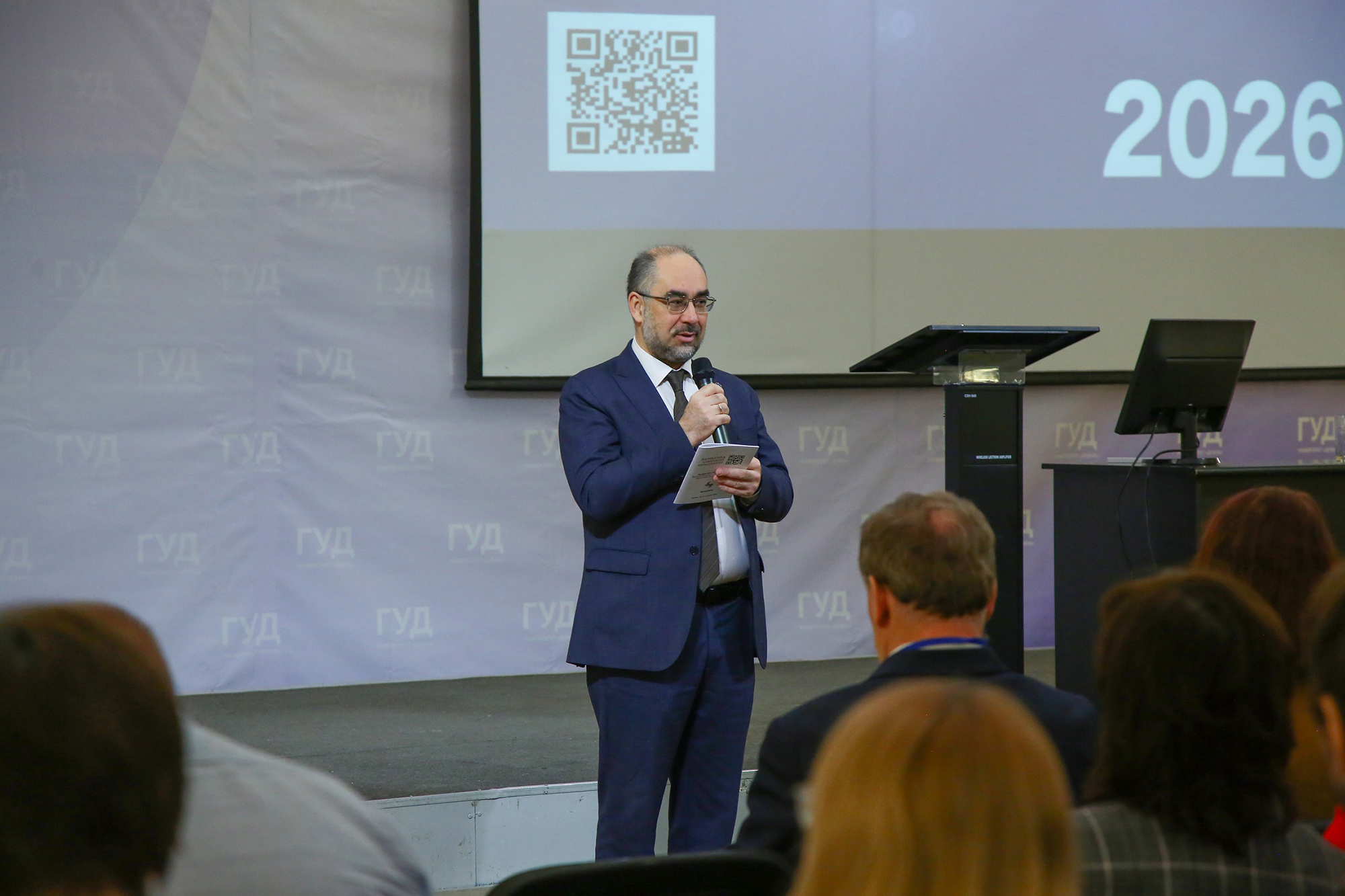 Photo: Yulia Tsepilova
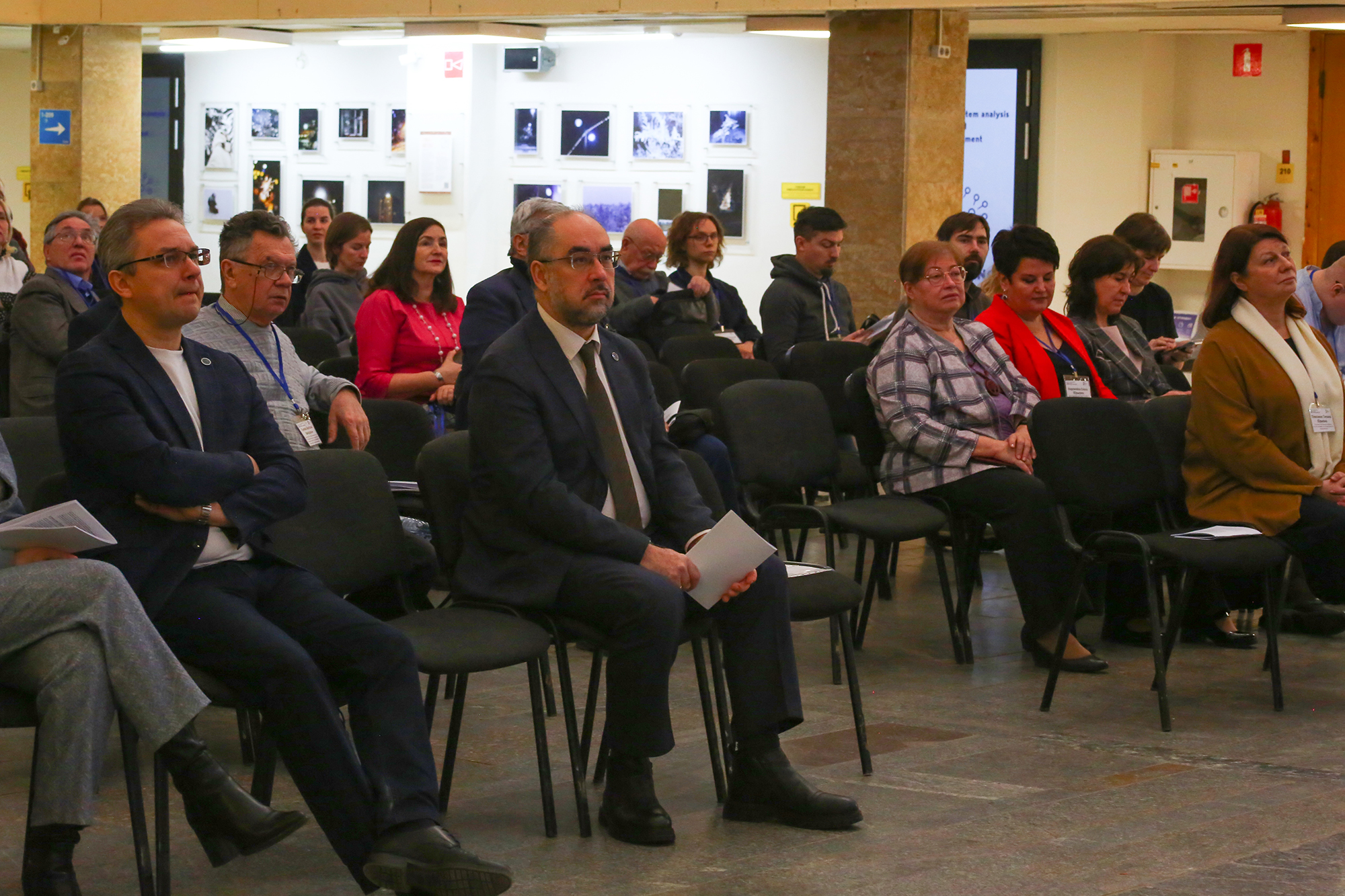
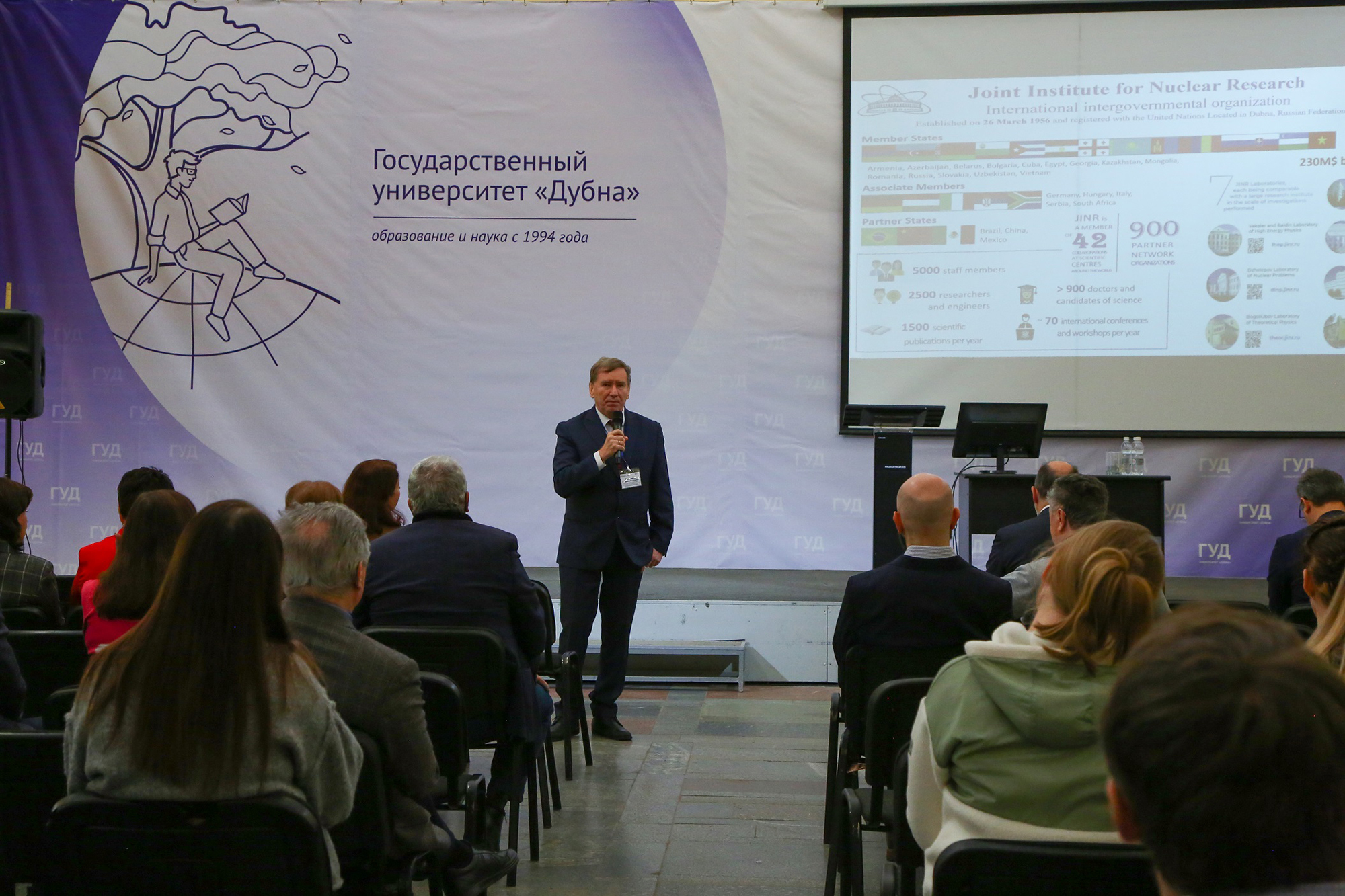
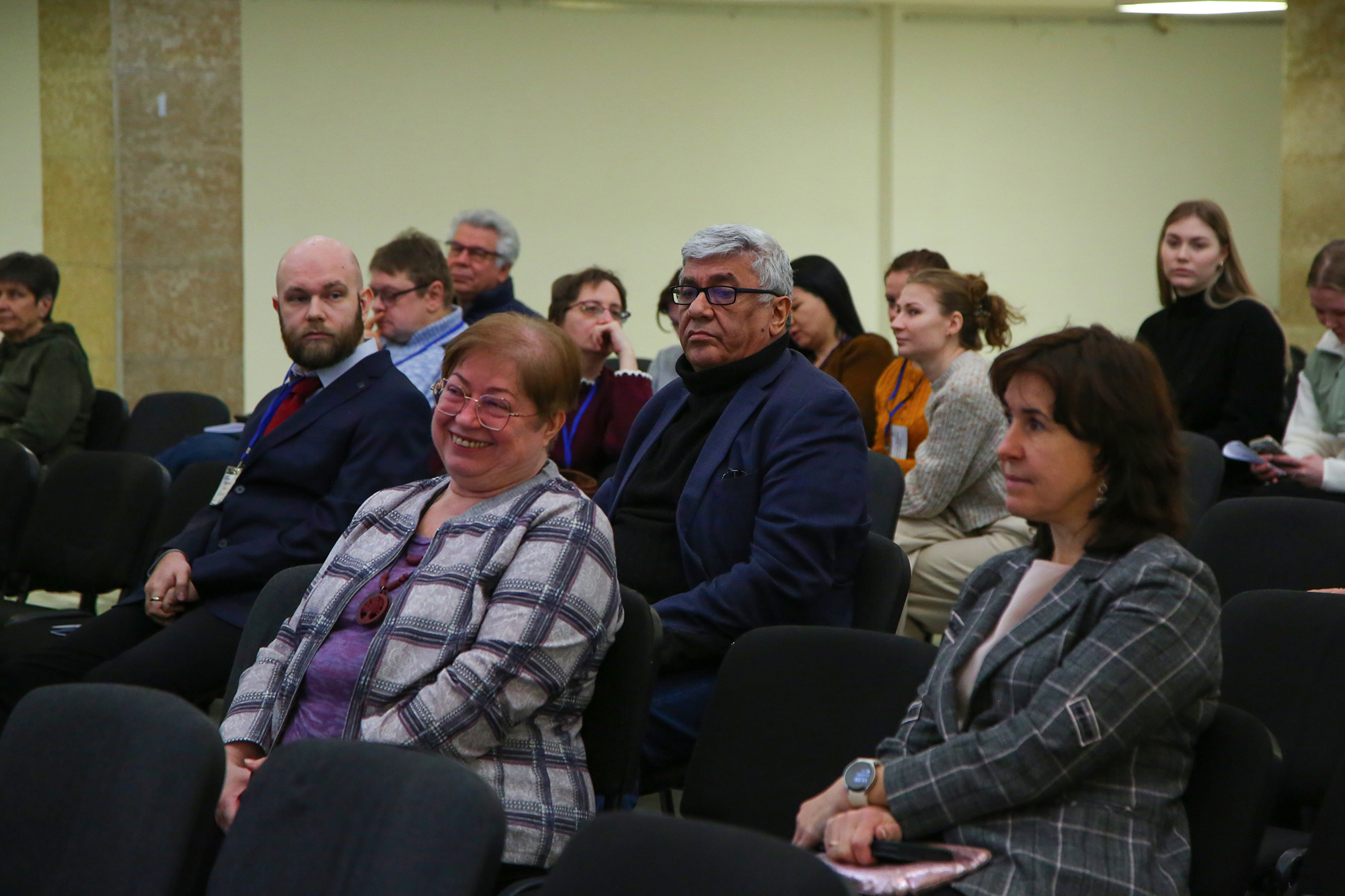
The event’s key feature is interdisciplinarity. The participants will discuss mathematics, biology, economics, educational and information technologies, social processes, medicine, literature, museology, and many other areas.
“Dubna University biannually serves as the conference’s venue. It is always a great pleasure and honour for us to see you at the university, to have interesting and stimulating discussions with you, and hear about your new results and plans”, University Rector Andrey Denikin noted in his welcome address. Scientific Leader of the Laboratory of Information Technologies at JINR, MCE Organizing Committee Co-chair Vladimir Korenkov spoke at the opening ceremony as well.
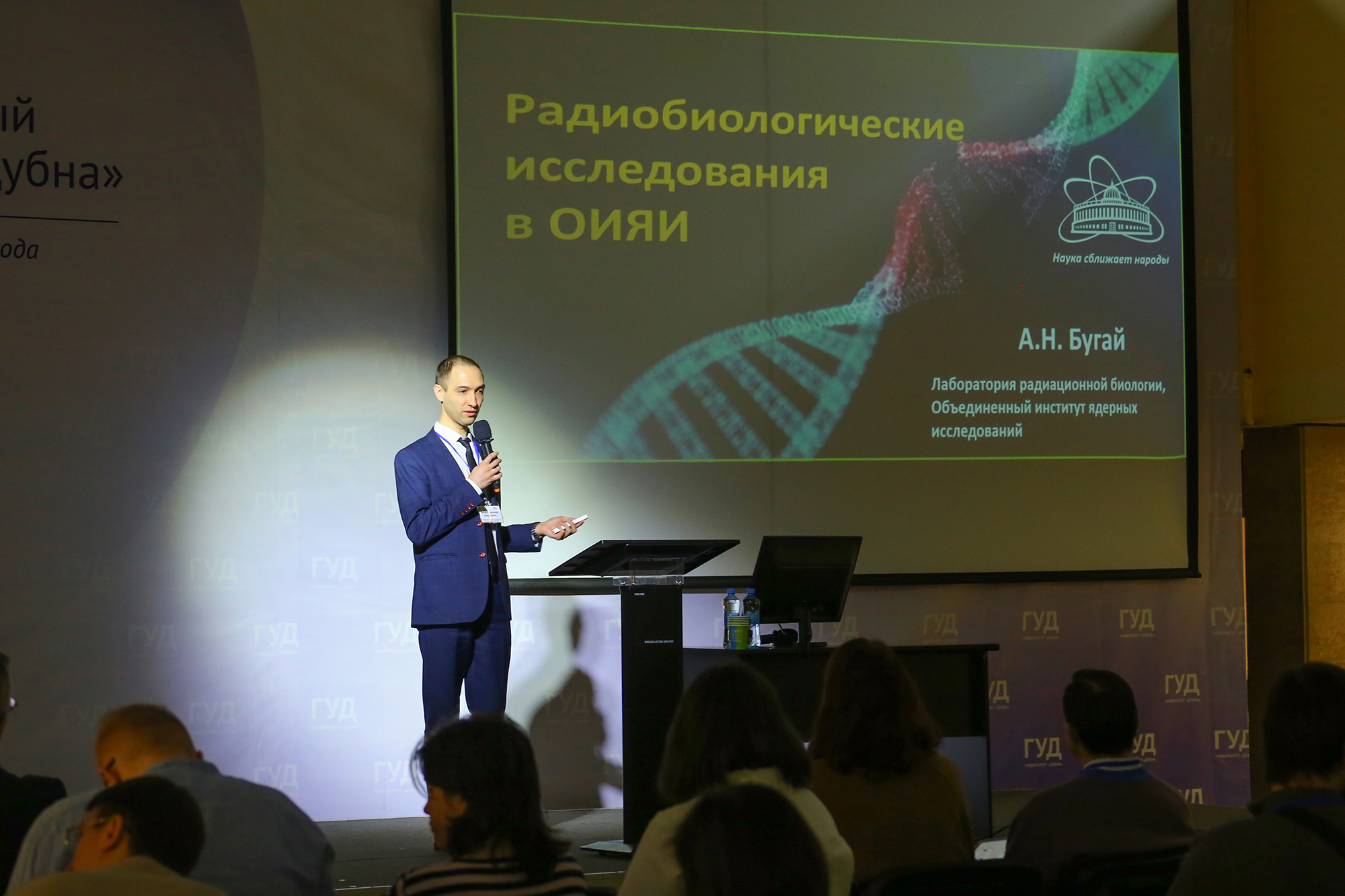
On the first day’s plenary meeting, the Institute’s employees gave talks on the NICA Megascience Project, the Superheavy Element Factory, the JINR neutron programme, digital technologies and intelligent data analysis in large scientific projects, and a new-generation explainable artificial intelligence, XAI 2.0: Petr Parfenov (VBLHEP), Nikita Kovrizhnykh (FLNR) and Liudmila Kolupaeva (DLNP), as well as Vladimir Korenkov and Yuri Trofimov (MLIT). On Tuesday, 27 January, LRB JINR Director Aleksander Bugay provided an overview of the Institue’s radiobiology studies. On 28 January, JINR University Centre Leading Methodist Petr Shirkov will make a presentation entitled “Modern problems of education and technological sovereignty”.
Among the conference organizers are Lomonosov Moscow State University, the Pushchino Scientific Centre for Biological Research of the Russian Academy of Sciences (RAS), the RAS Institute of Cell Biophysics, the RAS Keldysh Institute of Applied Mathematics, the Joint Institute for Nuclear Research, Dubna State University, and others.
The detailed programme and links for online participation are available on the event’s website before the start of the sections’ work.
Based on materials of the Dubna State University press office