On 20–22 May 2026, the Joint Institute for Nuclear Research hosted a stage of the Regional School of Russia and the International Atomic Energy Agency (IAEA), dedicated to the operation and use of research reactors in the Russian Federation. In Dubna, young specialists from Africa, the Middle East, Asia, and Eastern Europe not only studied the features of modern neutron sources, but also got introduced to JINR’s scientific infrastructure.
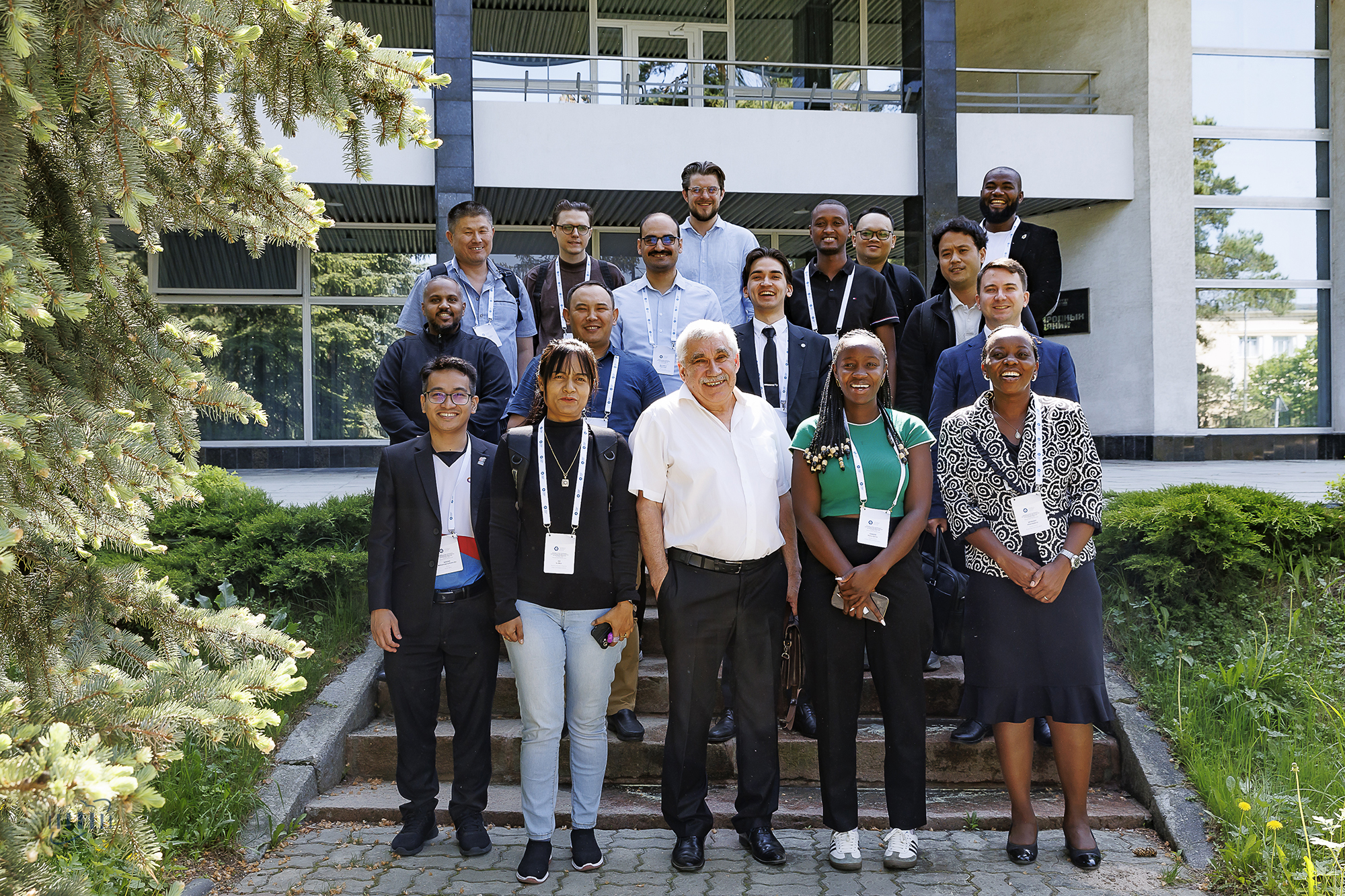
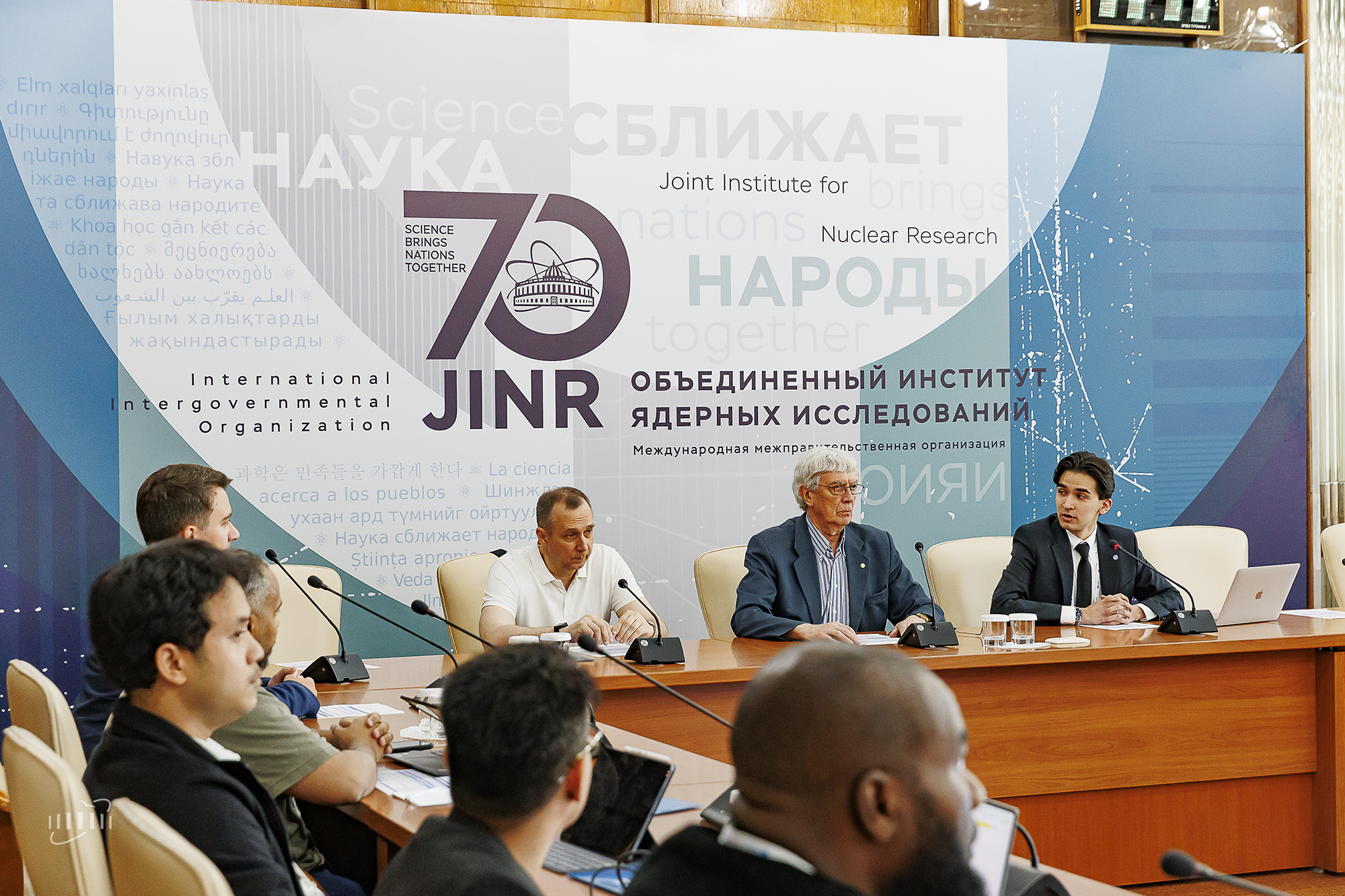
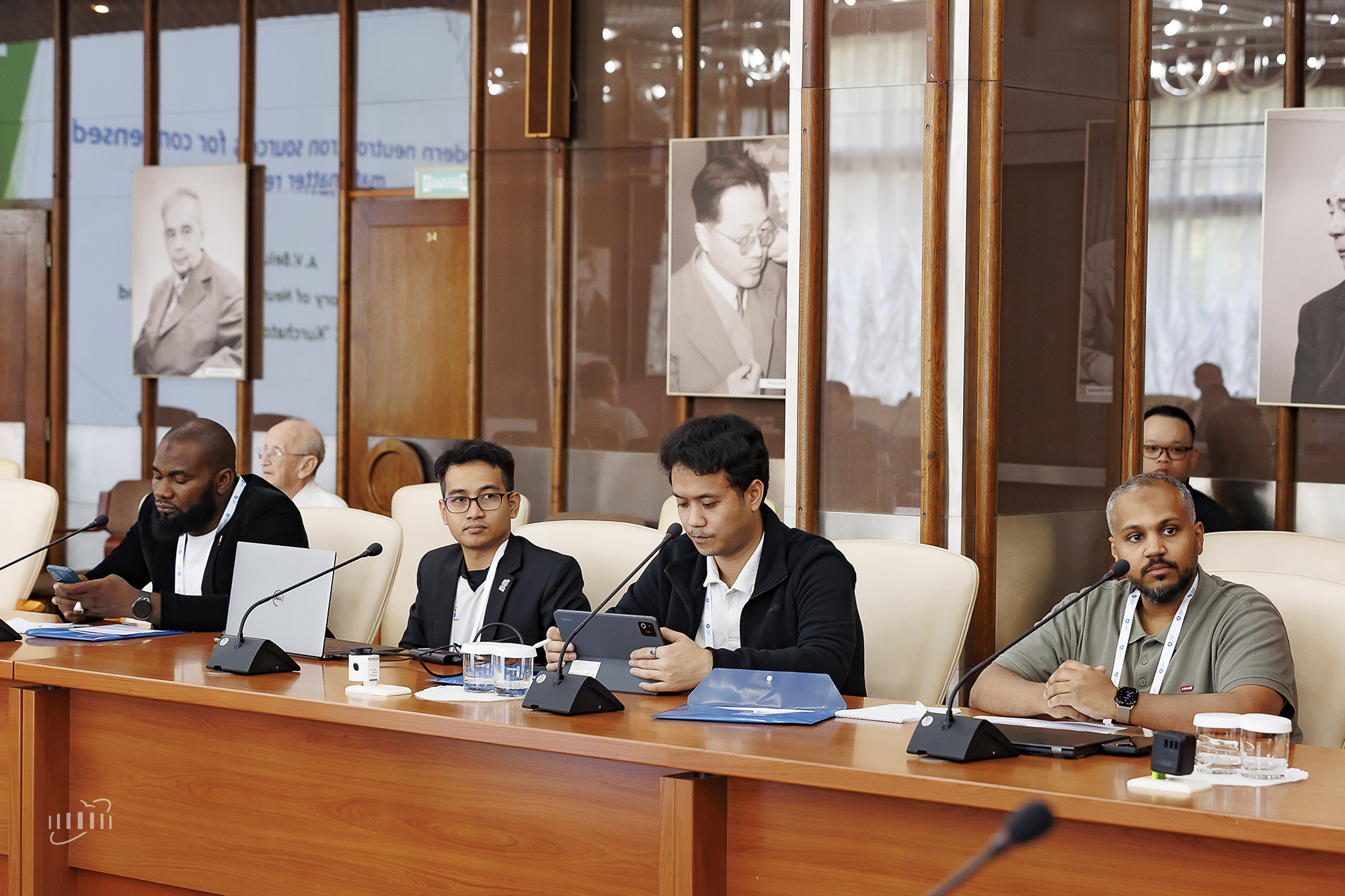
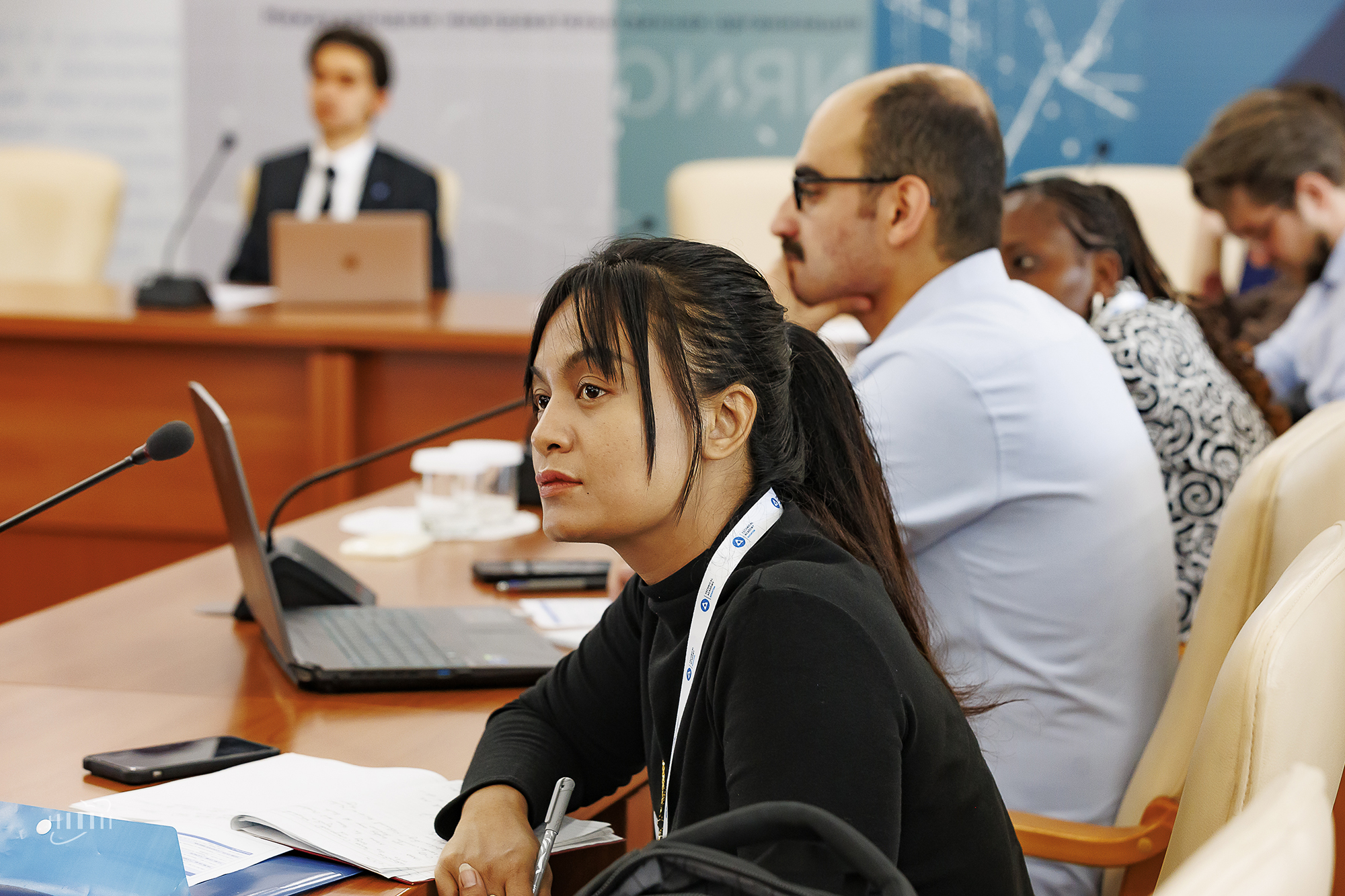
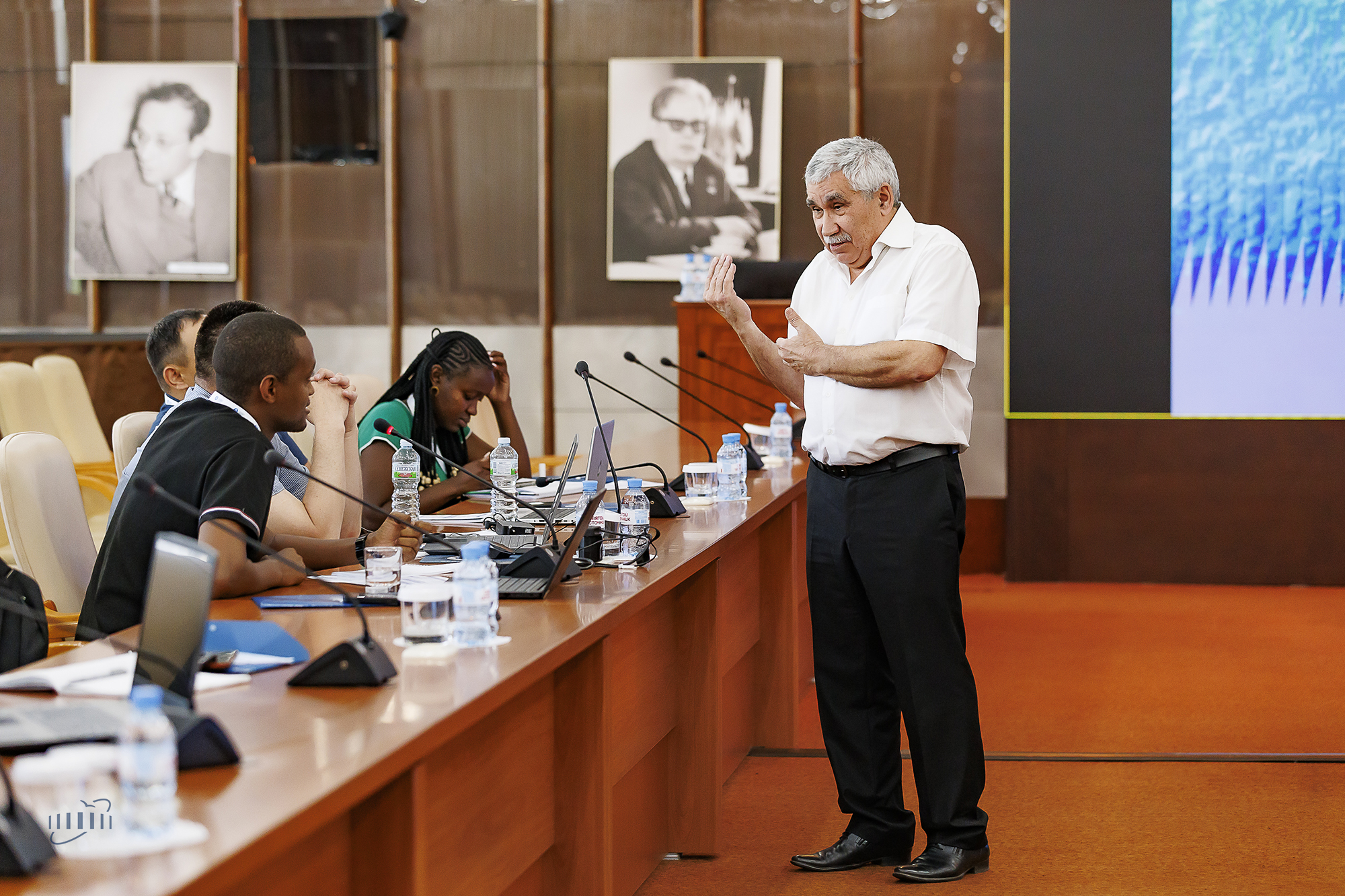
The school aimed to expand the research competencies of participants from the IAEA Member States. Its programme included specialised seminars, hands-on classes, and group discussions on reactor facility development. The topics covered areas from the application of nuclear technologies in fundamental studies to radioisotope production, medical radiology, and radiation safety.
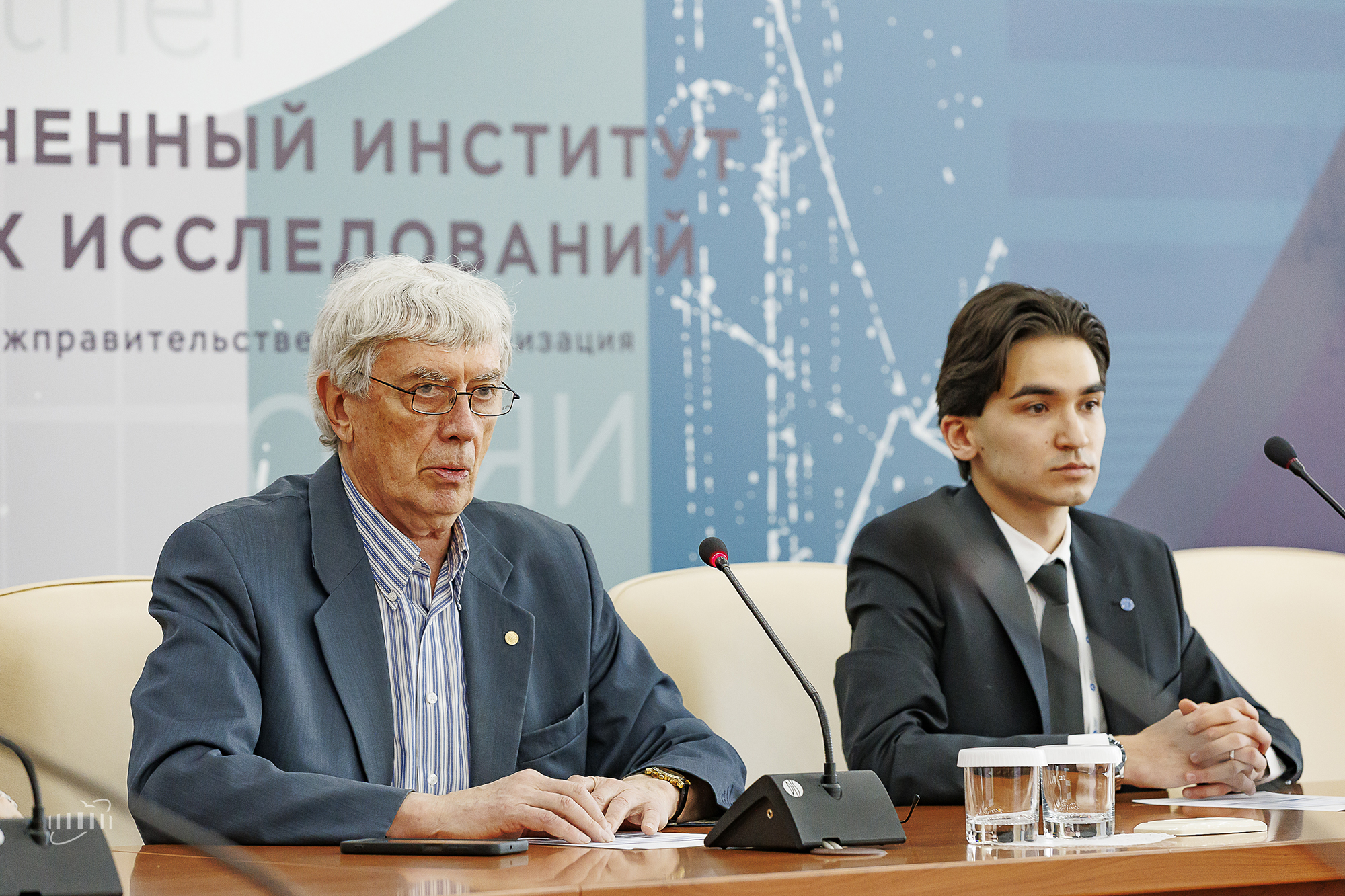
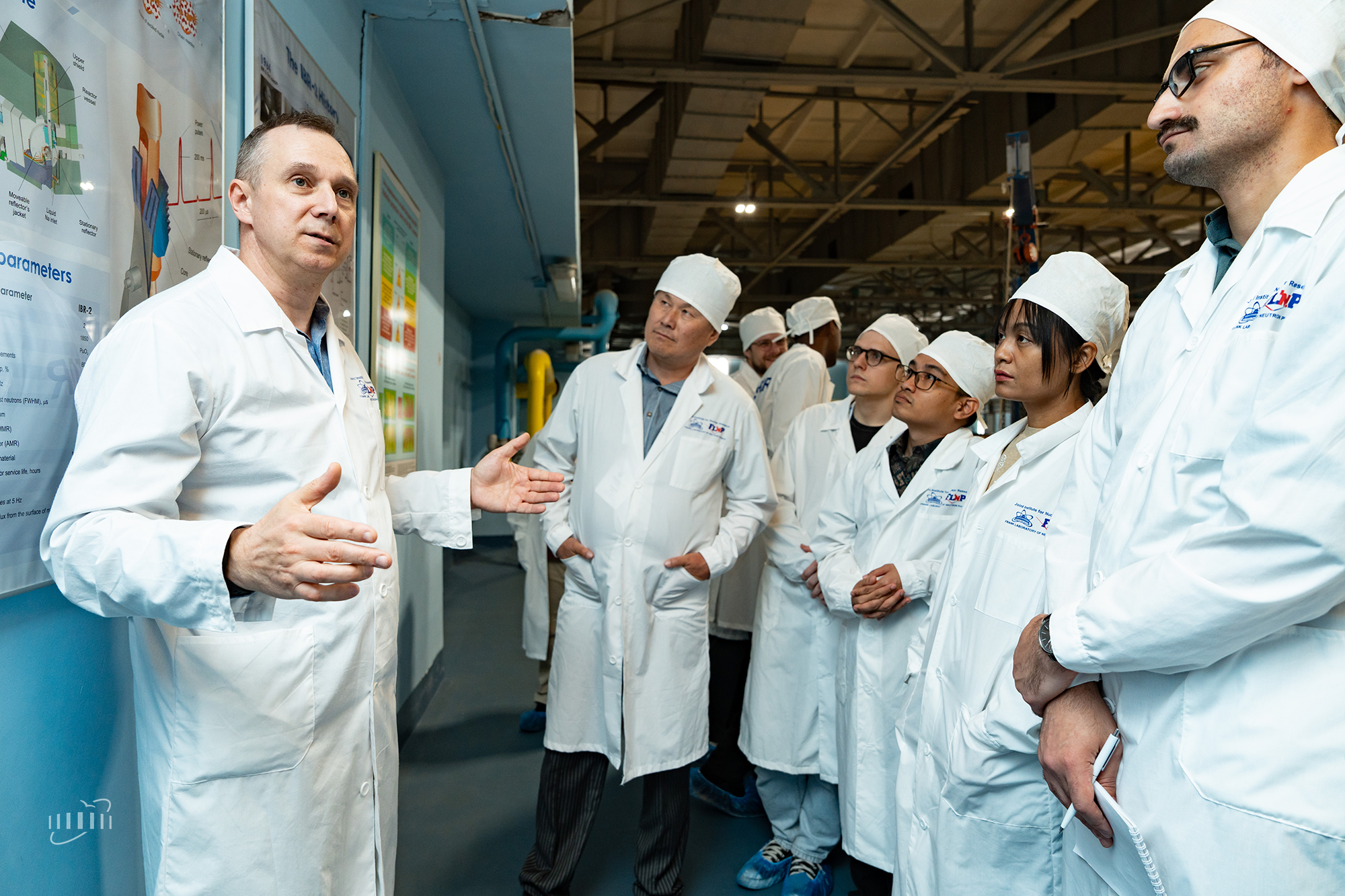
The lectures were preceded by a welcome speech by Special Representative of the JINR Director for Cooperation with International and Russian Scientific Organizations, Academician of the Russian Academy of Sciences (RAS) Boris Sharkov. He highlighted the special legal status of the Joint Institute as an international intergovernmental organization and drew the attention of young specialists to the unique objects of the JINR scientific infrastructure that they were to visit during the school: the IBR-2 Pulsed Research Reactor and its spectrometer complex, the NICA Megascience Project, and the LINAC-200 Linear Electron Accelerator.
“This event is an excellent example of the collaboration between the Joint Institute for Nuclear Research, the Rosatom Technical Academy, and the International Atomic Energy Agency. Current agreements between JINR and these organizations provide for expertise exchange, educational activities, and the general development of research competencies”, Boris Sharkov emphasised. “It is a pleasure to see these trilateral agreements yield results such as a research reactor school stage being held in Dubna”.
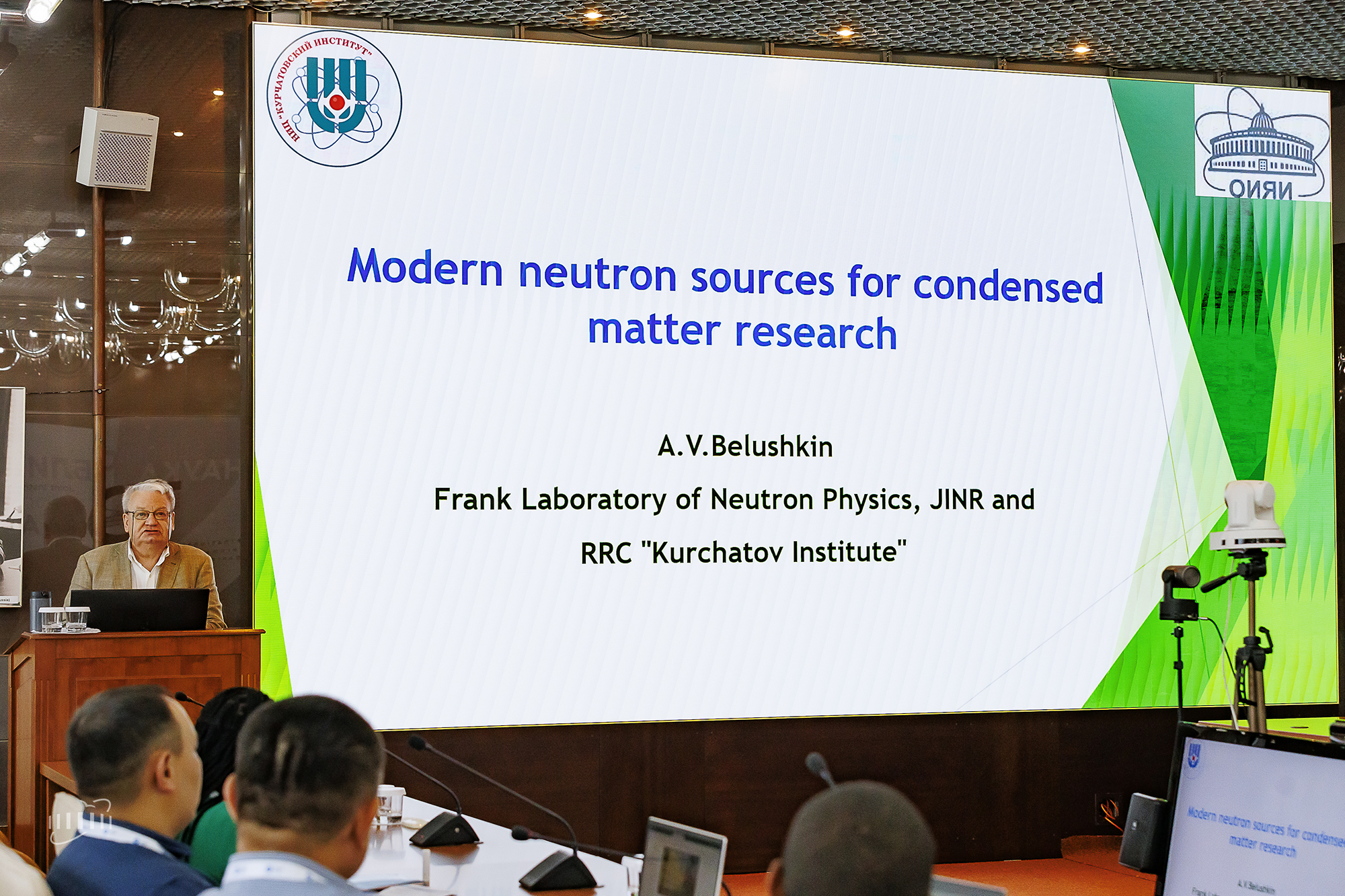
Head of the Division of Condensed Matter Research and Development at the Laboratory of Neutron Physics at JINR, RAS Corresponding Member Aleksander Belushkin gave the first scientific talk. In his overview of modern neutron sources, the speaker detailed the physics of the processes used to obtain neutrons – nuclear fission reactions and spallation reactions – using the examples of global facilities.
An FLNP JINR leading researcher Mikhail Kiselev made a presentation on reactor sources of neutrons. The scientist chronicled the development of these experimental facilities and discussed the IBR-2 Reactor’s great research capabilities.
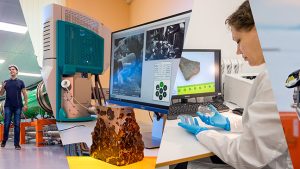
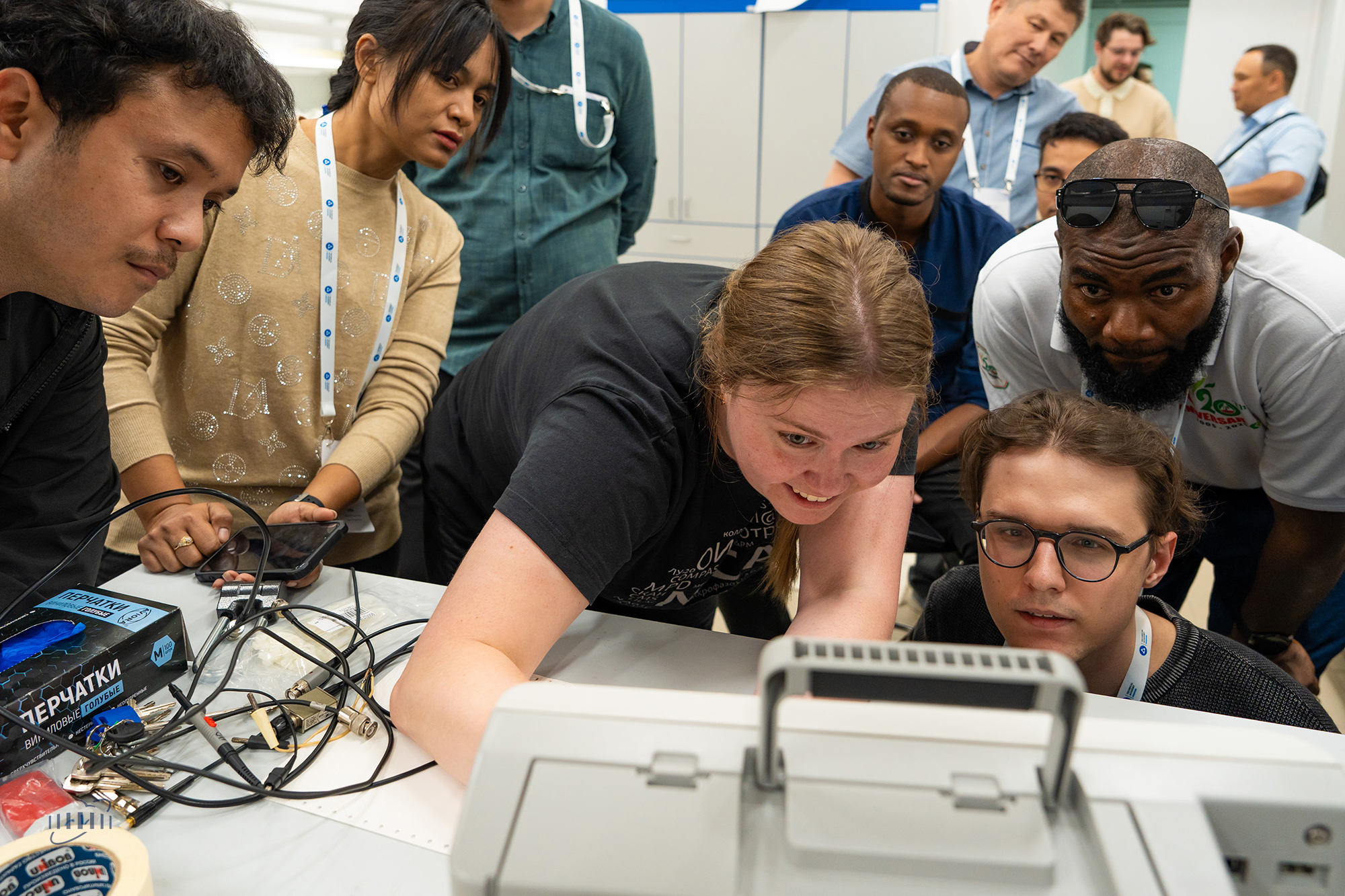
In the afternoon, the school’s programme continued with a detailed discussion of neutron applications. FLNP JINR Sector Head Inga Zinicovscaia сommented on the use of the neutron activation analysis (NAA) method in solving environmental problems. A lecture on the specifics of the work and applications of portable neutron generators was given by VBLHEP JINR Chief Researcher Mikhail Sapozhnikov. Head of the FLNP JINR Department of Interdisciplinary Research of Cultural Heritage Sites Andrey Dmitriev conducted a workshop at the Laboratory of Neutron Physics for the school participants to get acquainted with approaches to sample preparation, irradiation, removal, and methods of spectrometric information processing.
On 21 May, the young specialists took part in an equally rich programme. The morning session started with a presentation by Head of the JINR Radiation Safety Department Stepan Shirkov on the specifics of radiation protection and environmental monitoring at JINR research infrastructure facilities. Then Director of the JINR University Centre Dmitry Kamanin spoke about the Institute’s experience in developing multilateral international scientific cooperation. An FLNP JINR junior researcher Mariia Petrova conducted a workshop on measuring radiation levels using gas detectors.
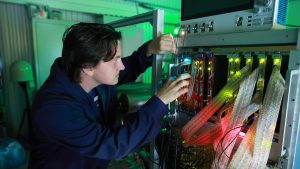
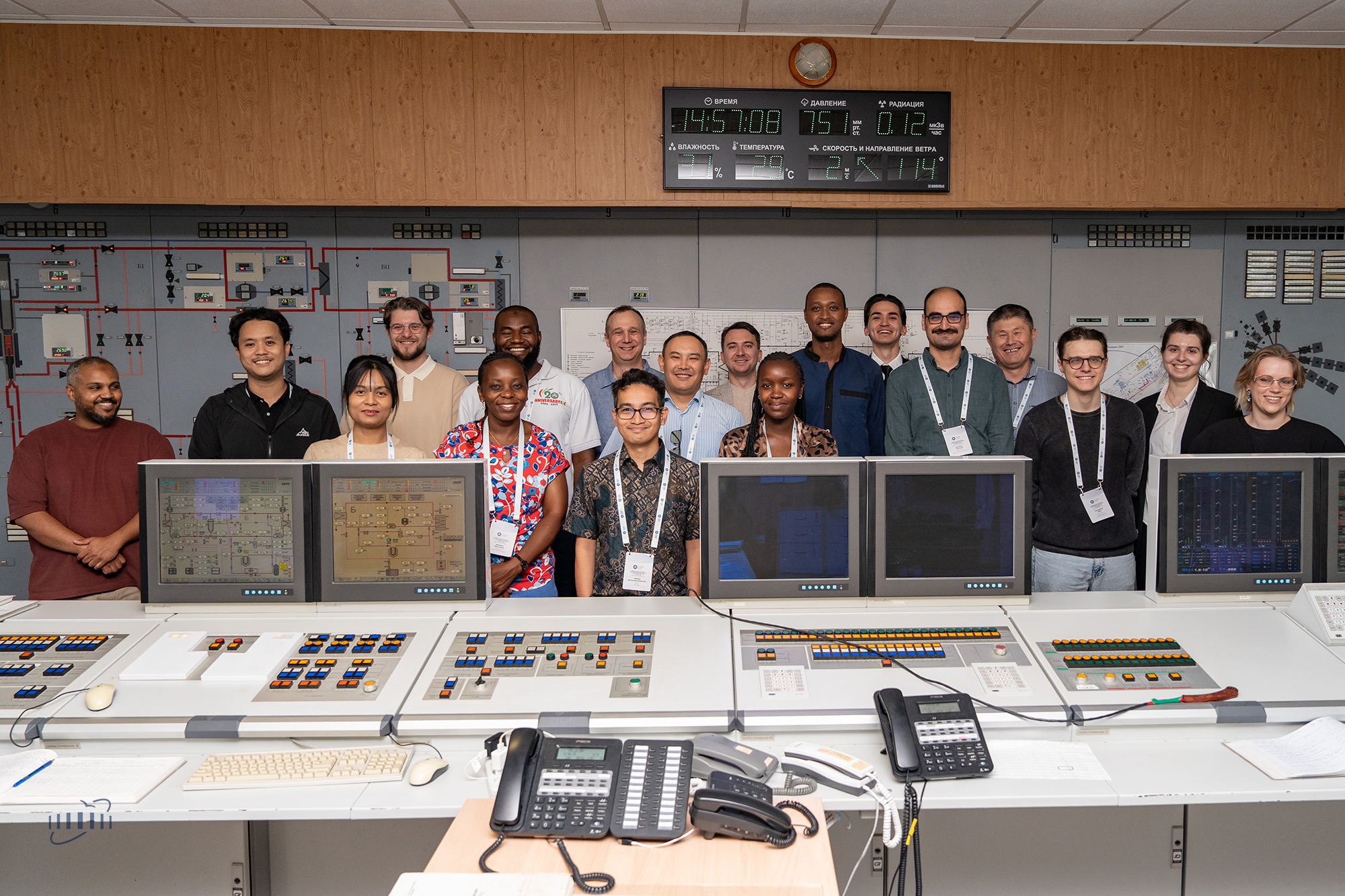
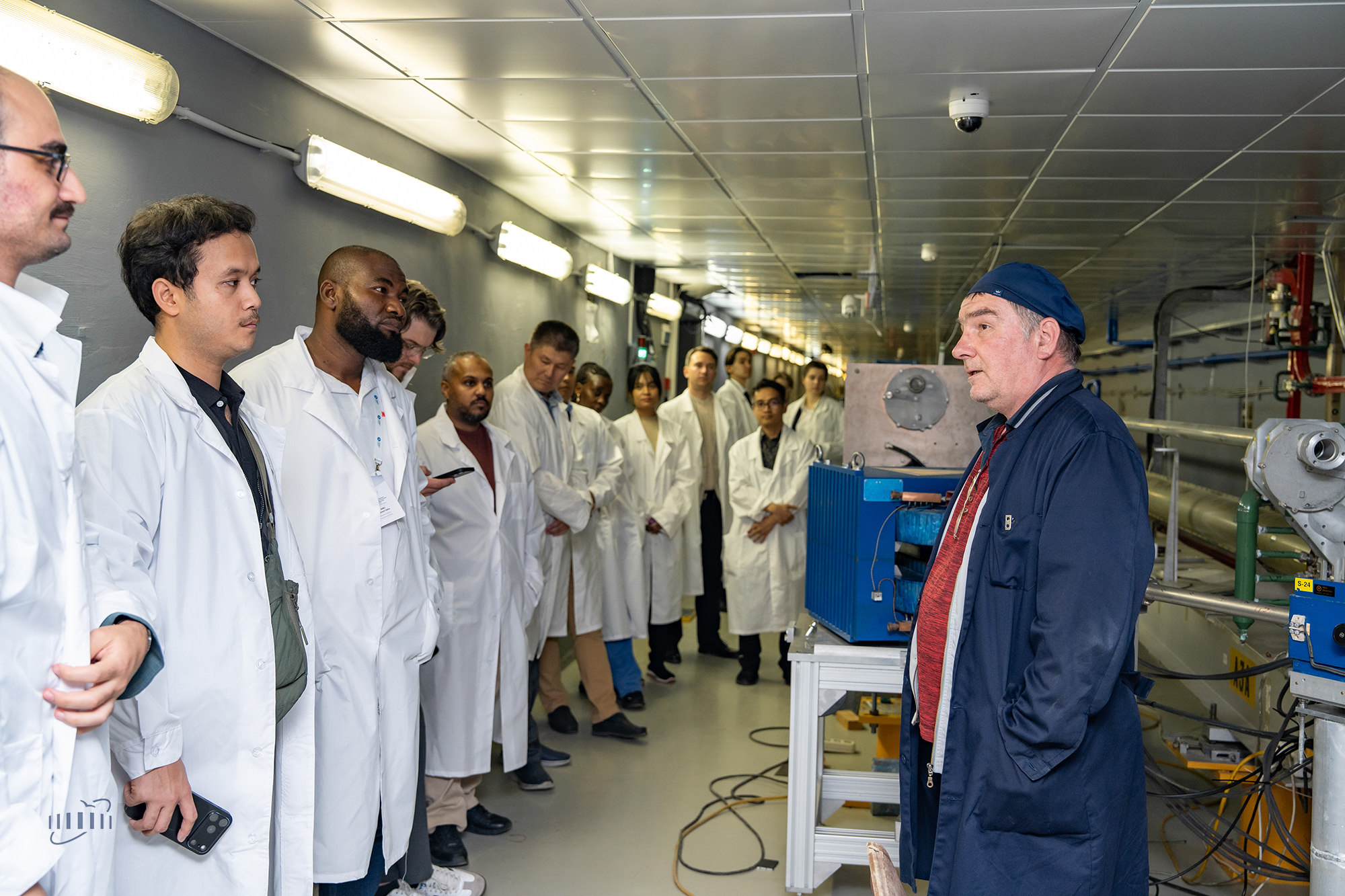
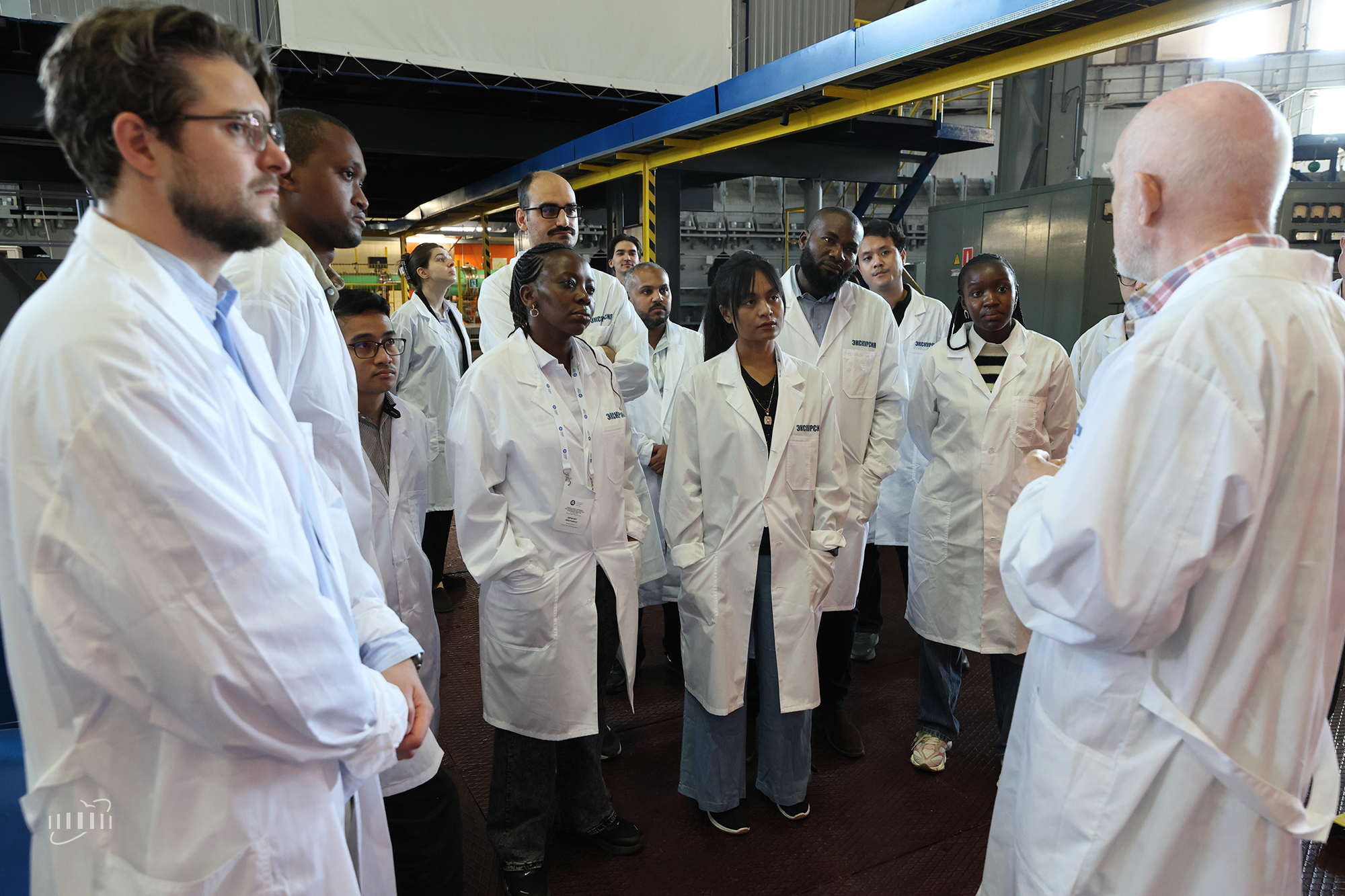
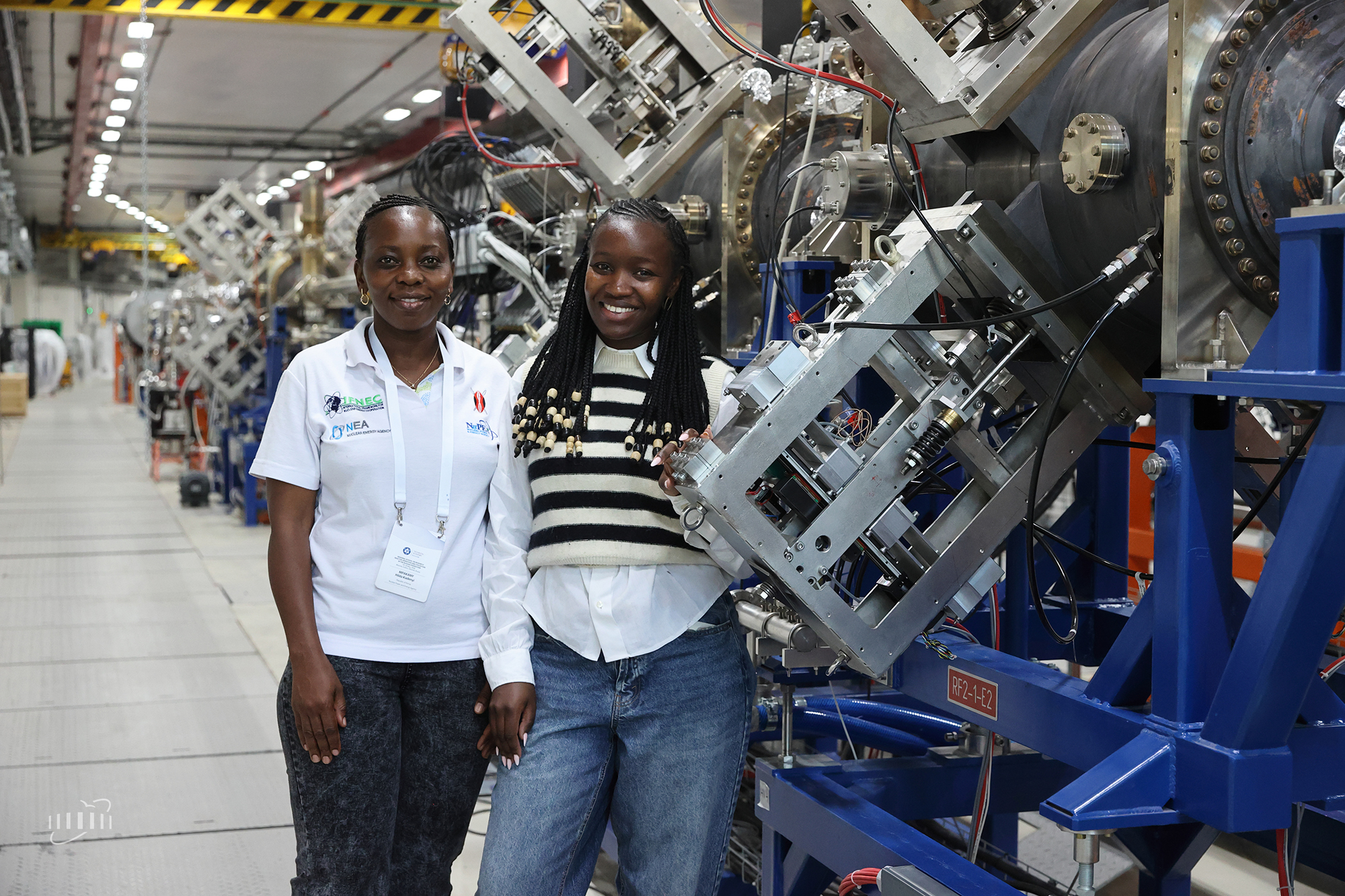
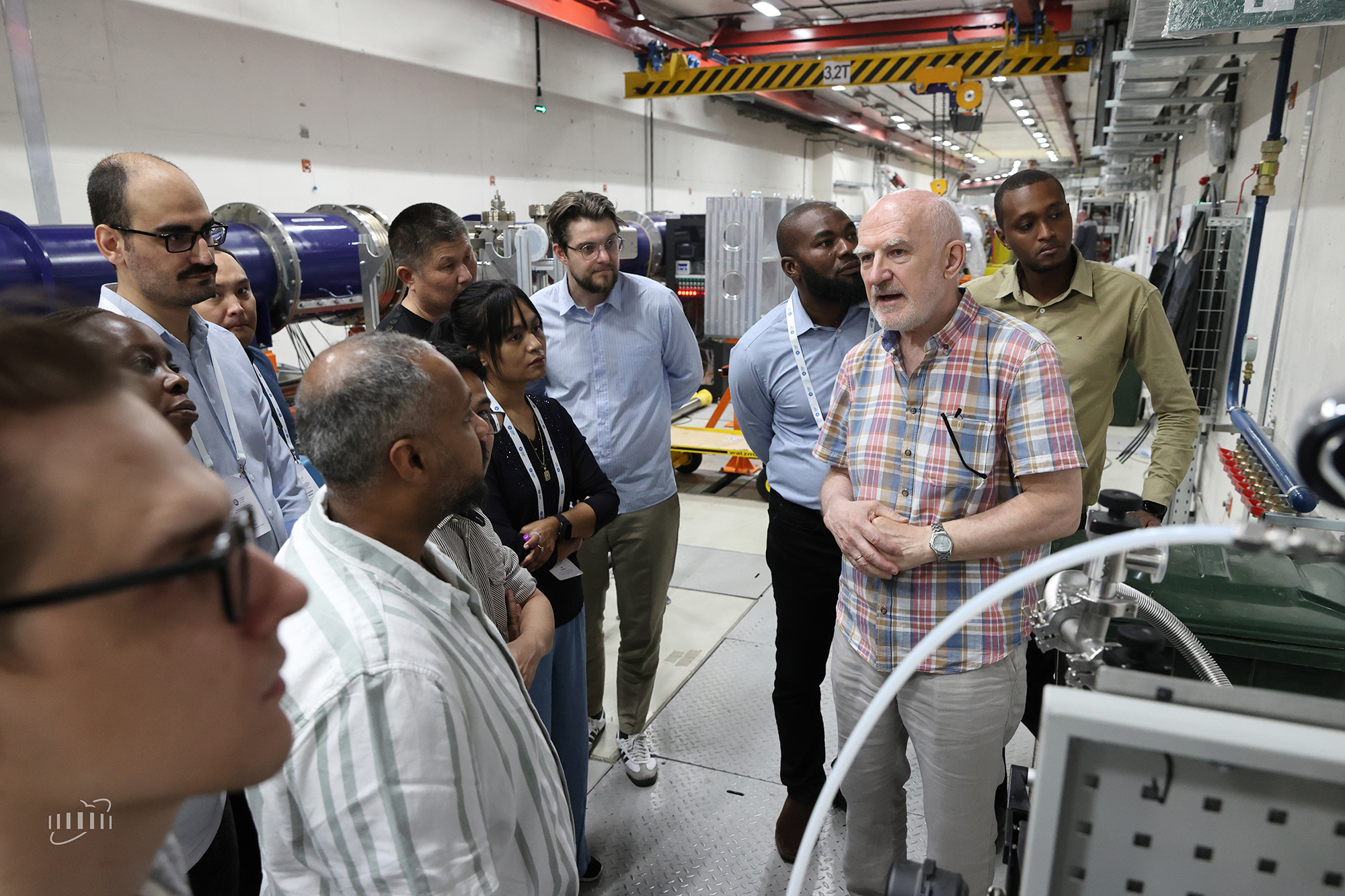
An important part of the visit to Dubna was the technical tours of the Institute’s main facilities. The school participants visited the Laboratory of Neutron Physics, where they got acquainted with the IBR-2 Research Reactor, and the hall of the LINAC-200 Linear Accelerator at the Laboratory of Nuclear Problems.
The JINR programme concluded on 22 May with an excursion to the site of the NICA Accelerator Complex at the Laboratory of High Energy Physics. The next stages of the regional research reactor school will take place in Obninsk and Moscow.
Director for International Cooperation of the Rosatom Technical Academy Victor Mazepov commented on the event: “This is the third research reactor school conducted jointly with with the IAEA. The 2026 event discusses on the experience of operating and using research reactors in the Russian Federation. Over the years, the school has proved its relevance as an effective international platform for professional experience exchange, and we continue to witness strong interest from participants from different countries. The school’s positive results and the programme’s practical value confirm the importance of further developing this practice in other countries”.
Background information:
The Rosatom Technical Academy is a modern international multidisciplinary nuclear industry personnel training centre. Since 2019, the organization is an IAEA Collaboration Centre. In October 2024, the Technical Academy extended the agreement and became the first and only centre cooperating with the IAEA in five areas at once: nuclear energy, nuclear safety, nuclear sciences and their applications, small modular reactors, nuclear medicine, and radiopharmaceuticals. Over the years of joint work under the agreement with the Agency, more than 80 international events were held, attended by over 1500 students from around the world.