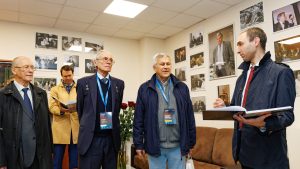
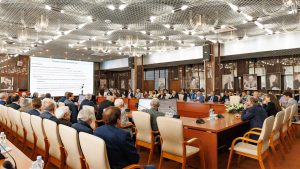
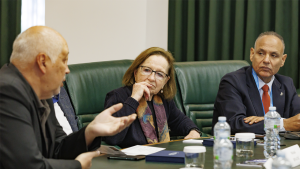
On 14 May 2026, the Chinese Scientists in Dubna symposium took place at the Institute for the History of Natural Sciences (IHNS CAS) in Beijing. The event was dedicated to the 70th anniversary of the Joint Institute for Nuclear Research and the long-standing scientific cooperation between China and Dubna.
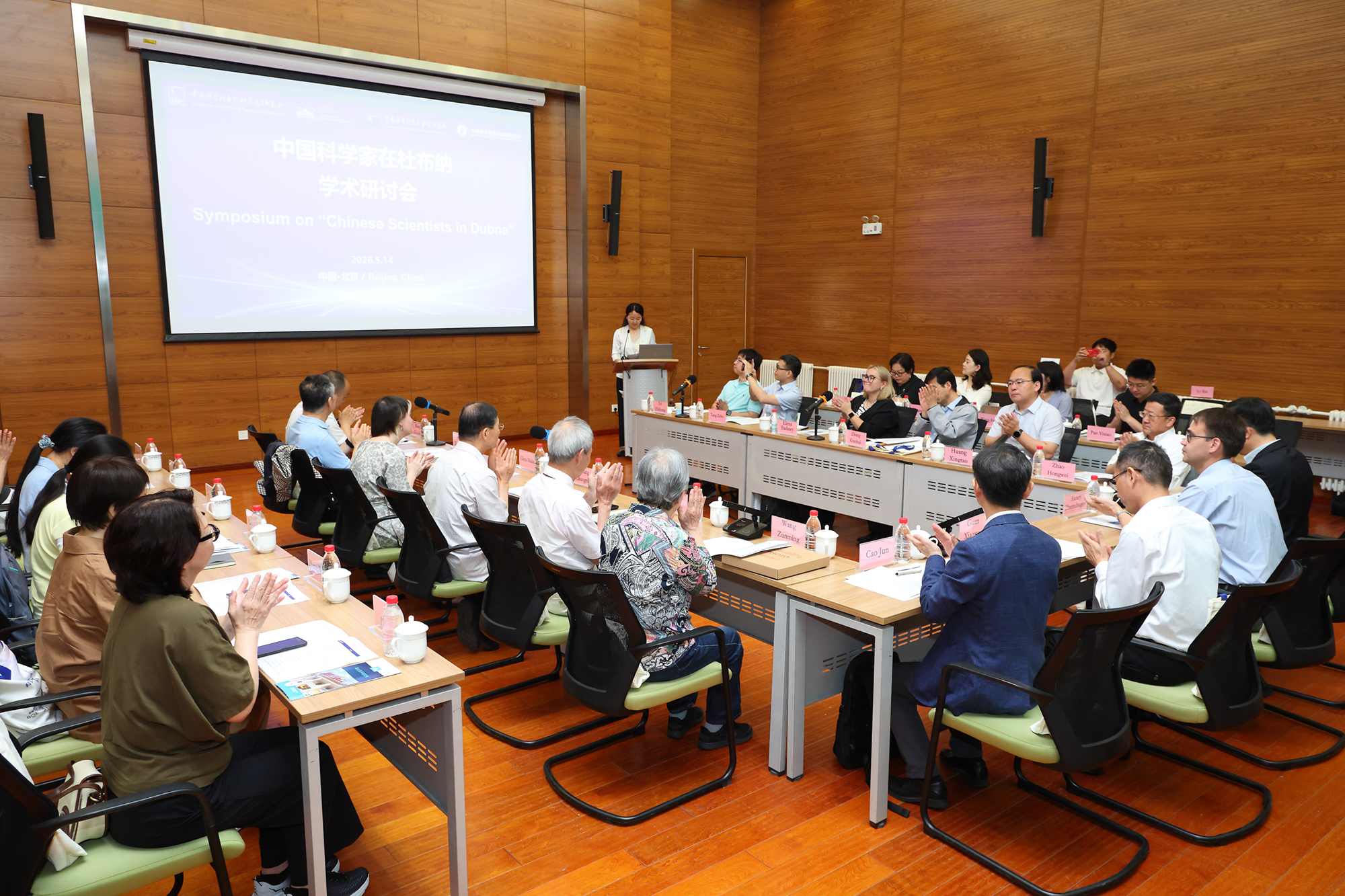 Photo © Press Office of the Institute for the History of Natural Sciences (IHNS CAS)
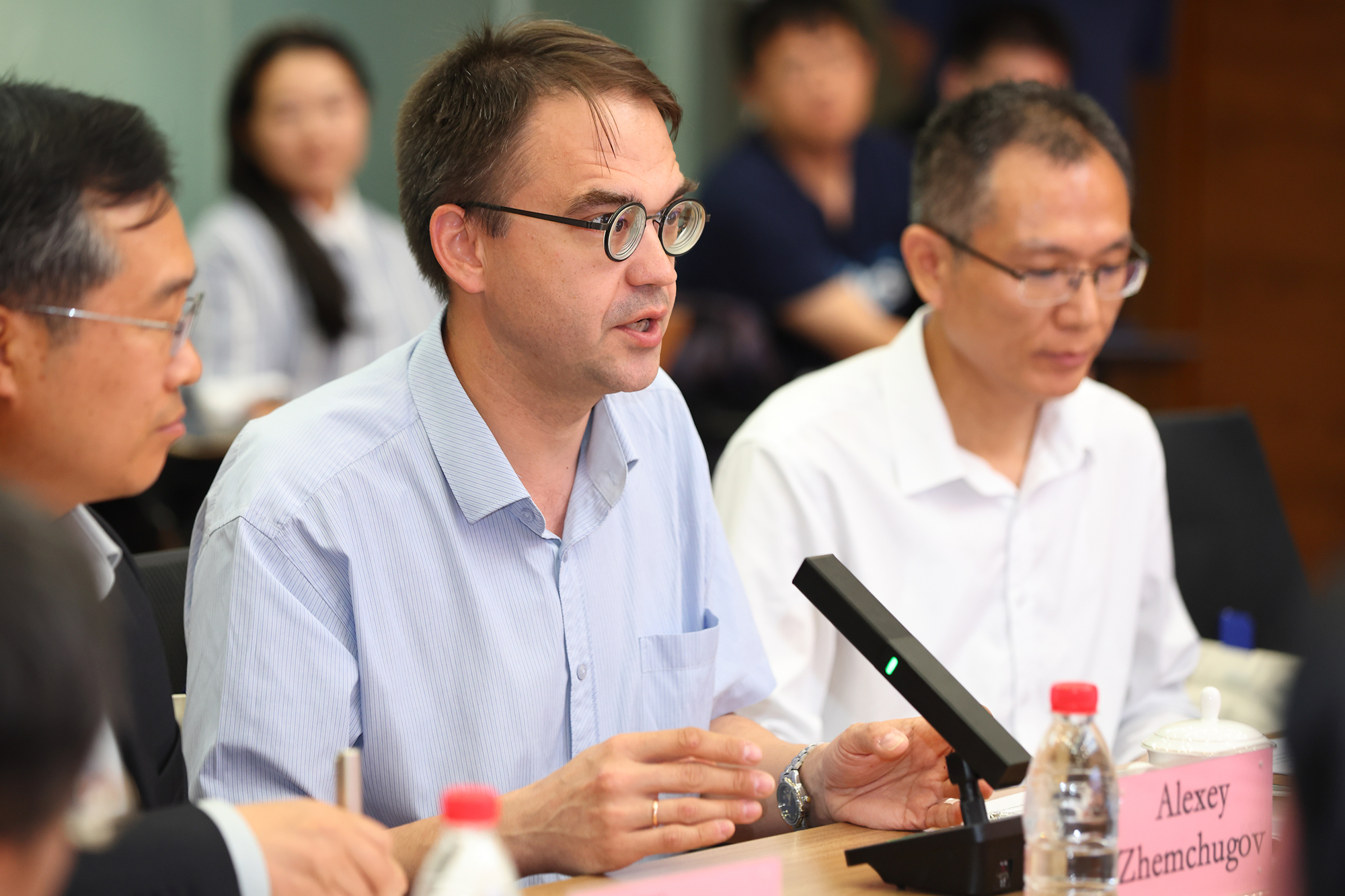

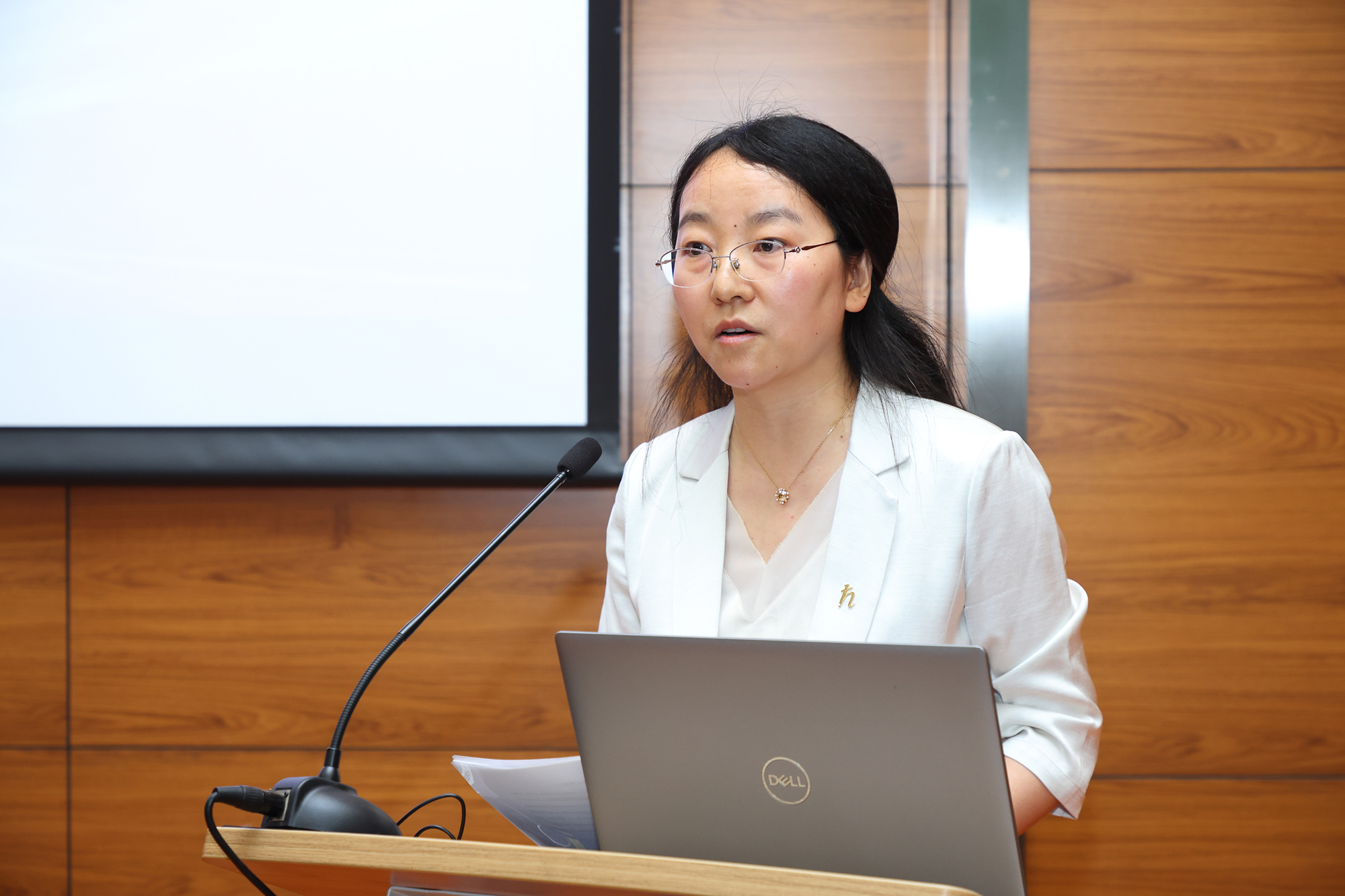
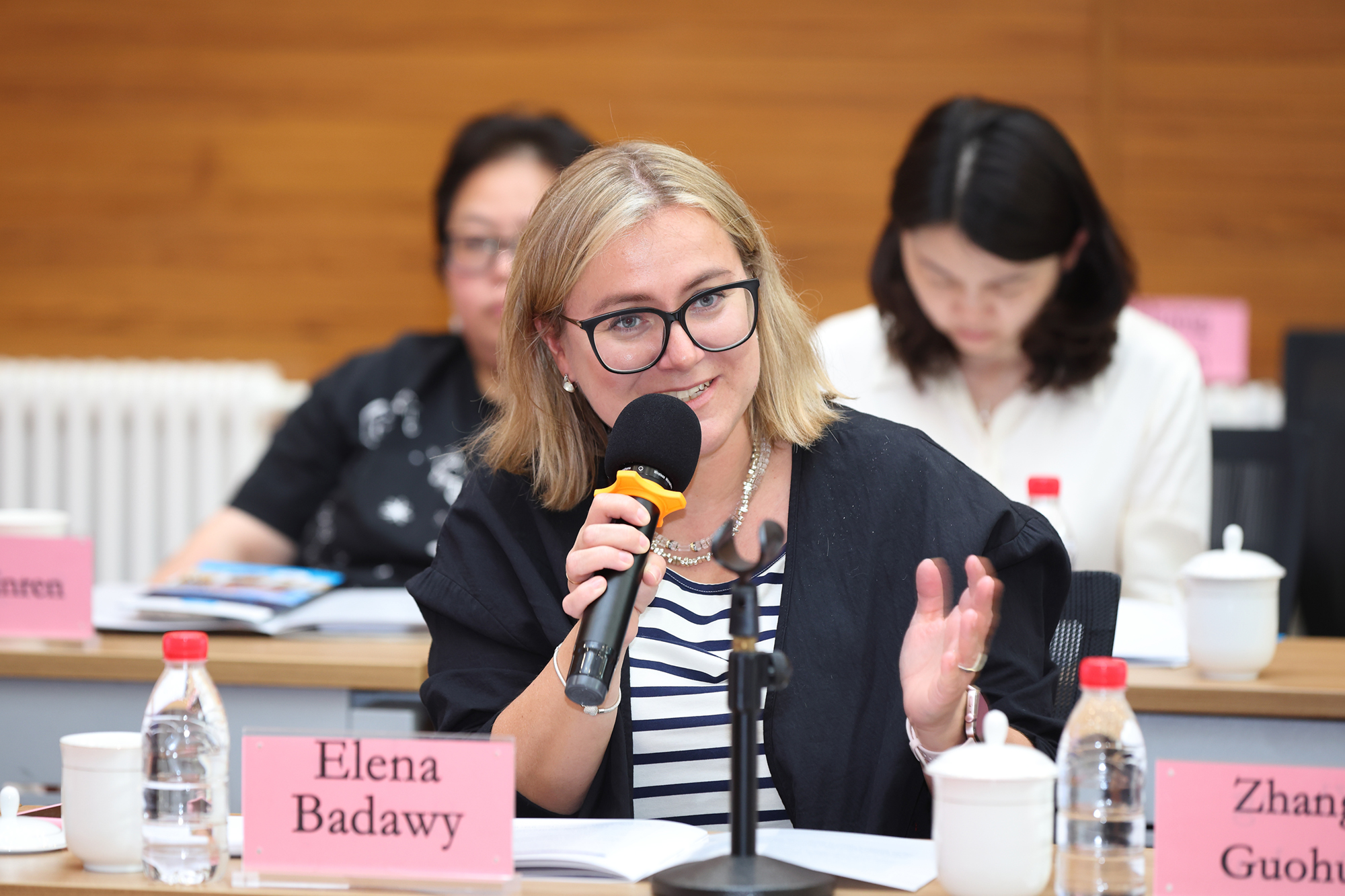
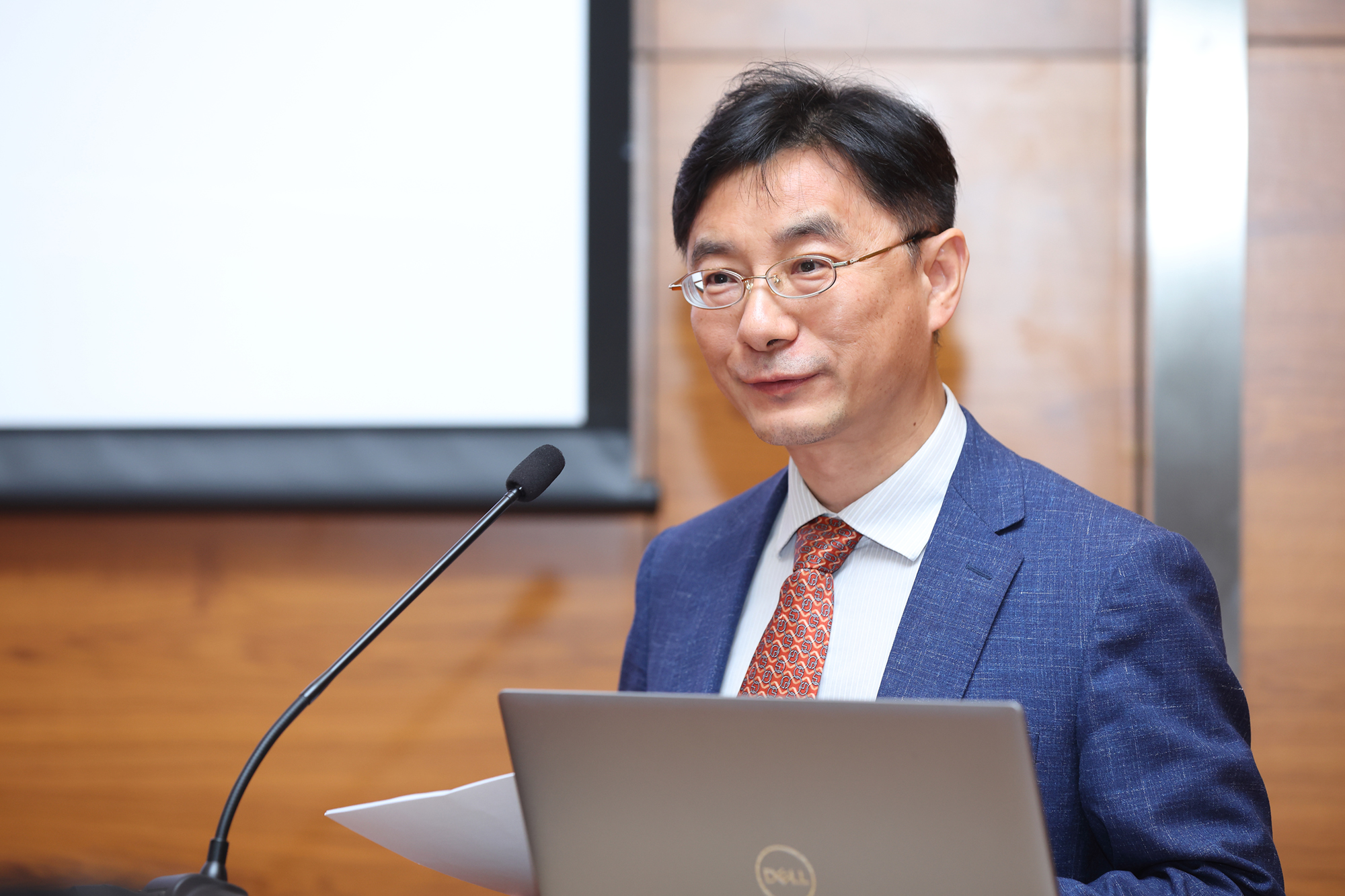
Representatives of JINR and institutes of the Chinese Academy of Sciences (CAS) participated in the symposium. Among the speakers from the JINR delegation were Deputy Chief Scientific Secretary Alexey Zhemchugov, Deputy Head of the International Cooperation Department Elena Badawy, and JINR Historical Archive Head, researcher at the Museum of the History of Science and Technology Elena Malaya.
Professor Liu Jinyan (IHNS CAS) opened the event, expressing hope for the further expansion of cooperation between JINR and Chinese scientific centres. Then, speeches were made by leaders of three institutes of the Chinese Academy of Sciences: IHNS Deputy Director Guan Xiaowu, Director of the Institute of High Energy Physics Cao Jun, and Director of the Institute of Theoretical Physics Zhou Shan-Gui.
Two plenary lectures were the key part of the programme. Alexey Zhemchugov provided an overview of the Joint Institute’s history, and Academician Zhao Hongwei shared his memories of working at the Laboratory of Nuclear Reactions in 1992–1995, accompanying them with a detailed account of JINR’s collaboration with the Institute of Modern Physics of the Chinese Academy of Sciences. The symposium organizer, Professor Liu Jinyan, demonstrated a documentary film featuring interviews with Chinese scientists who had worked in Dubna. During the meeting, many attendees shared their memories of working at JINR as well.
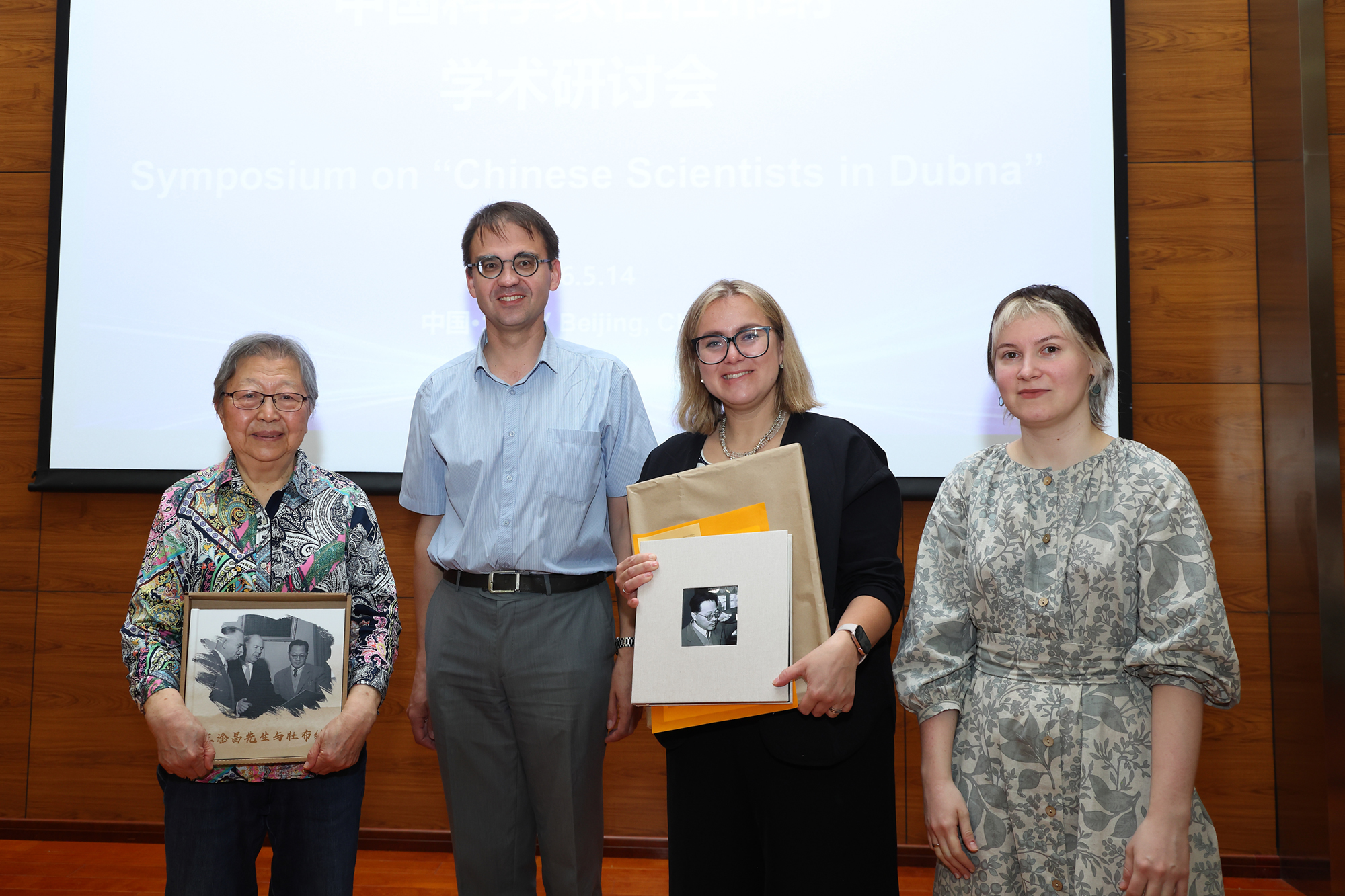
A distinguished guest of the symposium was a daughter of the outstanding Chinese physicist Wang Ganchang, who worked in Dubna in 1956–1960 and served as a JINR Vice-Director from 1959 to 1960. In 1960, Wang Ganchang’s research group discovered a new particle – the antisigma-minus-hyperon –using the synchrophasotron. His daughter Wang Zunming and granddaughter Li Moyan donated an album with unique photographs taken during Wang Ganchang’s two trips to Dubna: in the 1950s and in 1989 to the Joint Institute’s Historical Archive. The JINR delegation made a reciprocal gift to the Chinese side – photographs of the scientist and his group from the Institute’s archive. In addition, the family received a copy of the protocol of the 1959 JINR Committee of Plenipotentiaries, at which Wang Ganchang was elected Vice-Director, and a watercolour synchrophasotron painting by Dubna artist Natalia Kotomina.
After the symposium, Wang Ganchang’s family shared their memories of the scientist, and the IHNS CAS employees discussed plans for joint studies in science history with JINR representatives. In addition, the parties considered the possibility of publishing a Russian edition of the book about the life and work of Chinese scientists in Dubna, presented to the JINR delegation.