On 6 July 2026, Science and Technology Park Belgrade hosted the opening of the Days of the Joint Institute for Nuclear Research in Serbia. The event brought together leading scientists, representatives from national ministries, employees of innovation centres, research organizations, and educational institutions to discuss the prospects for developing international partnerships.
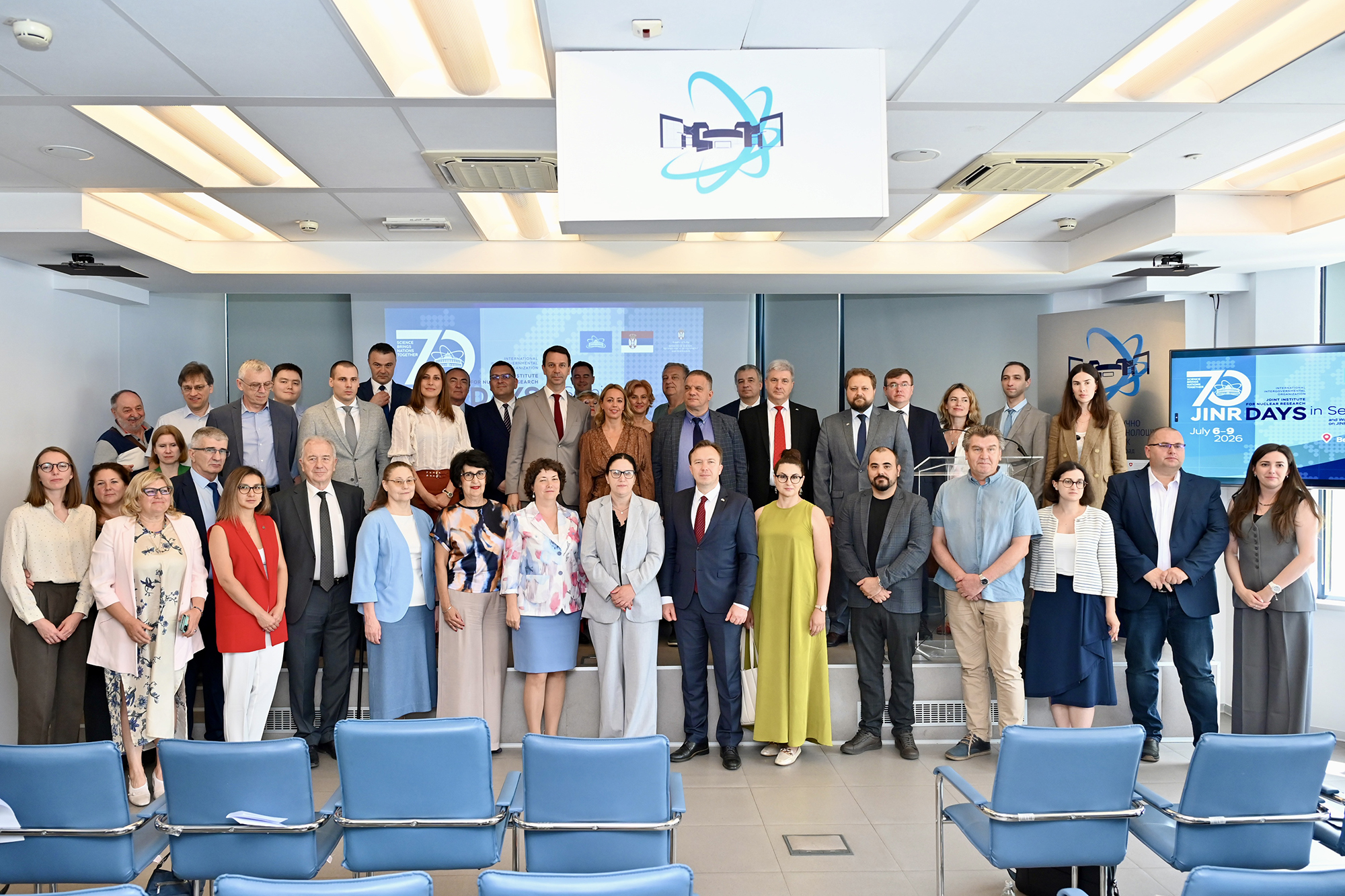 Photos by: Zoran Petrović / Ministry of Science, Technological Development, and Innovation of the Republic of Serbia
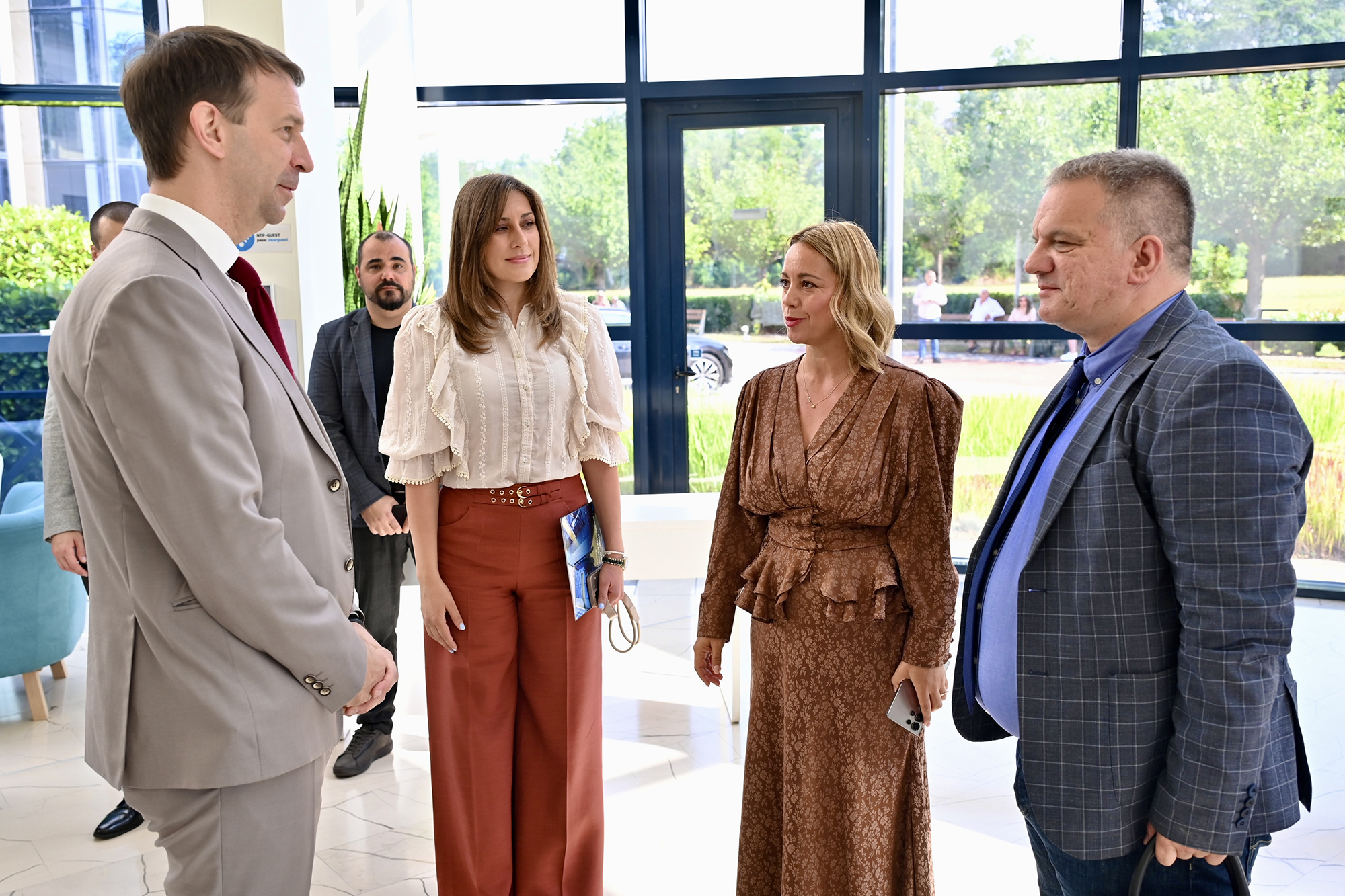
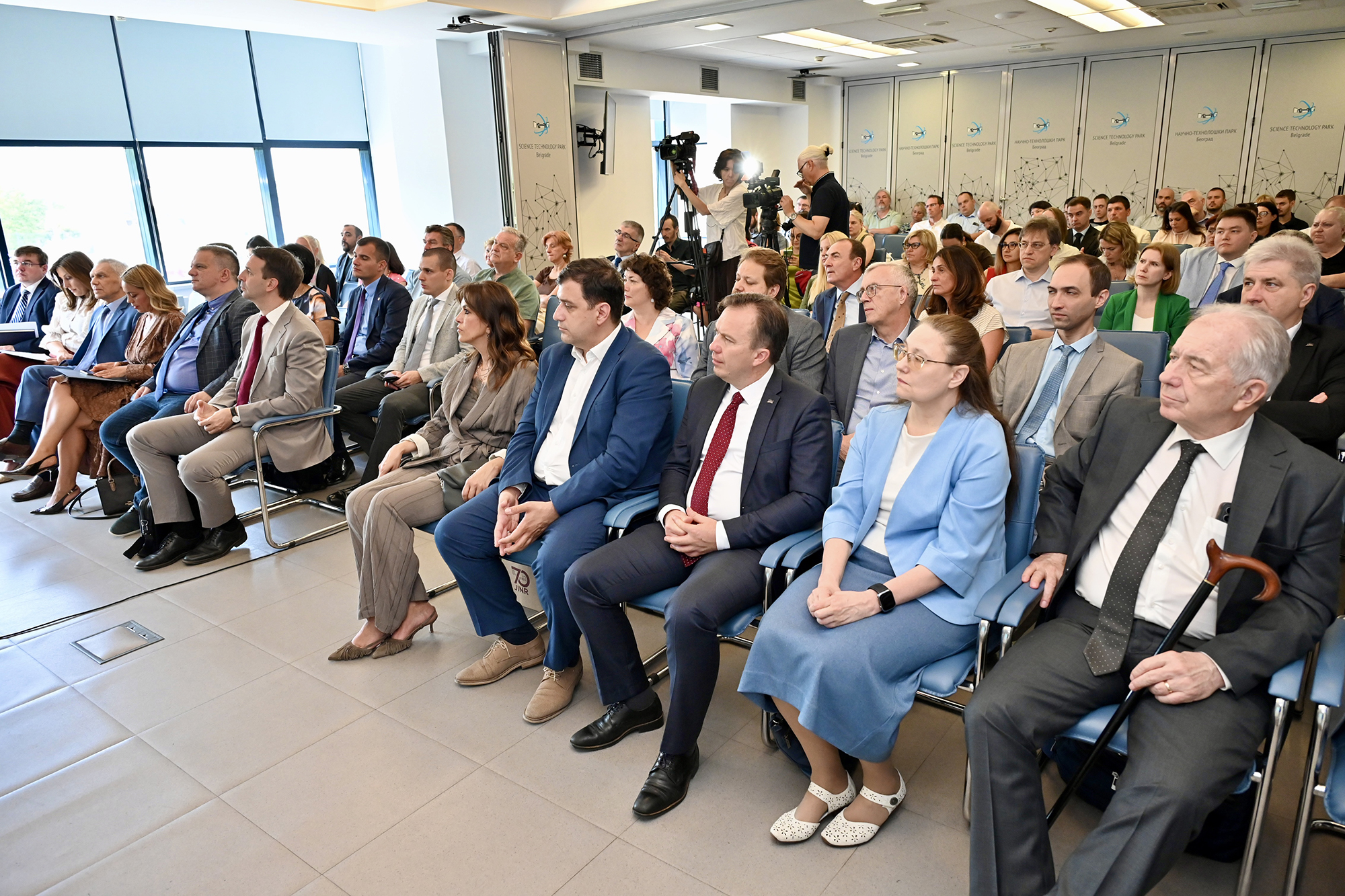
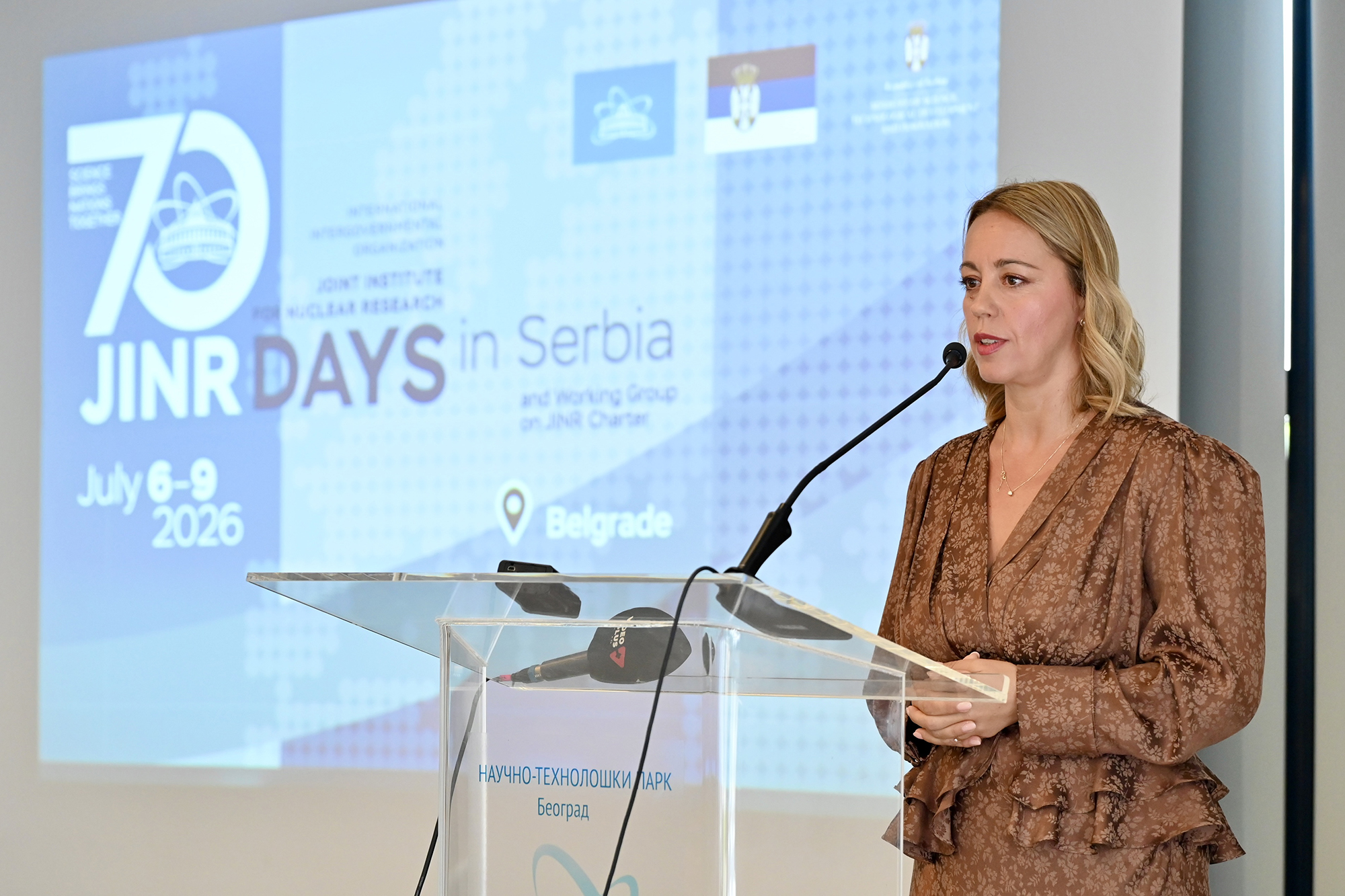
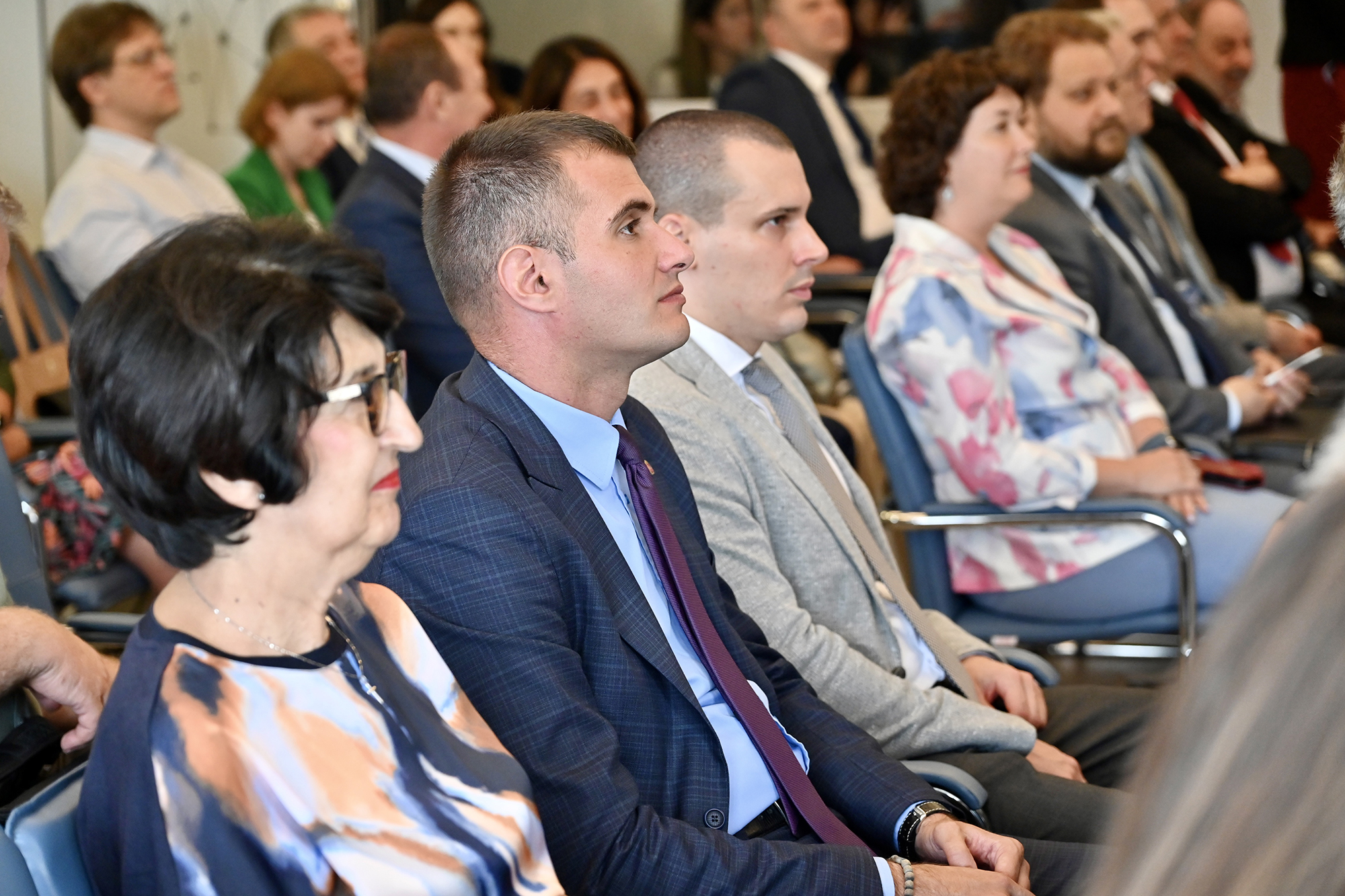
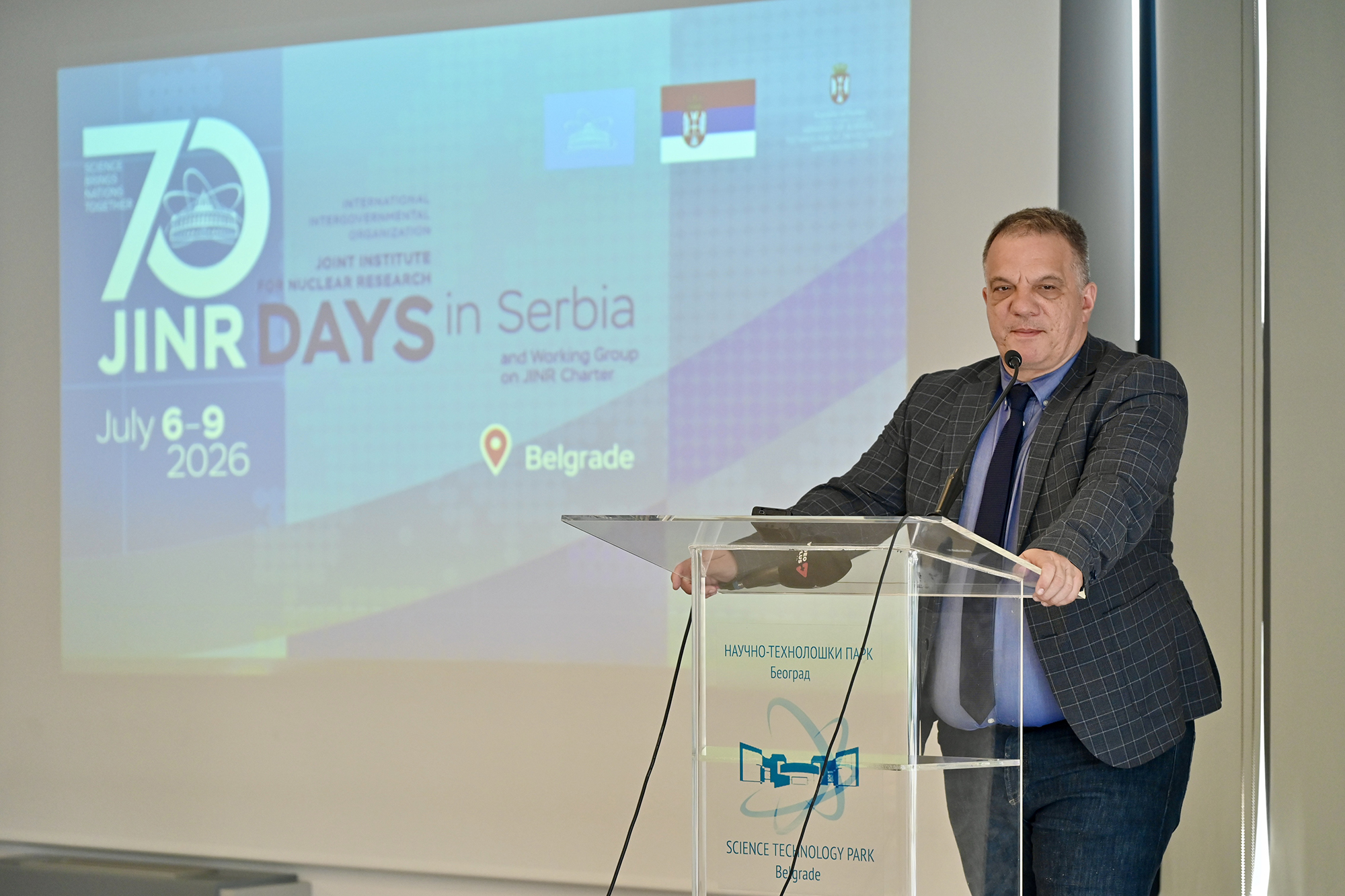
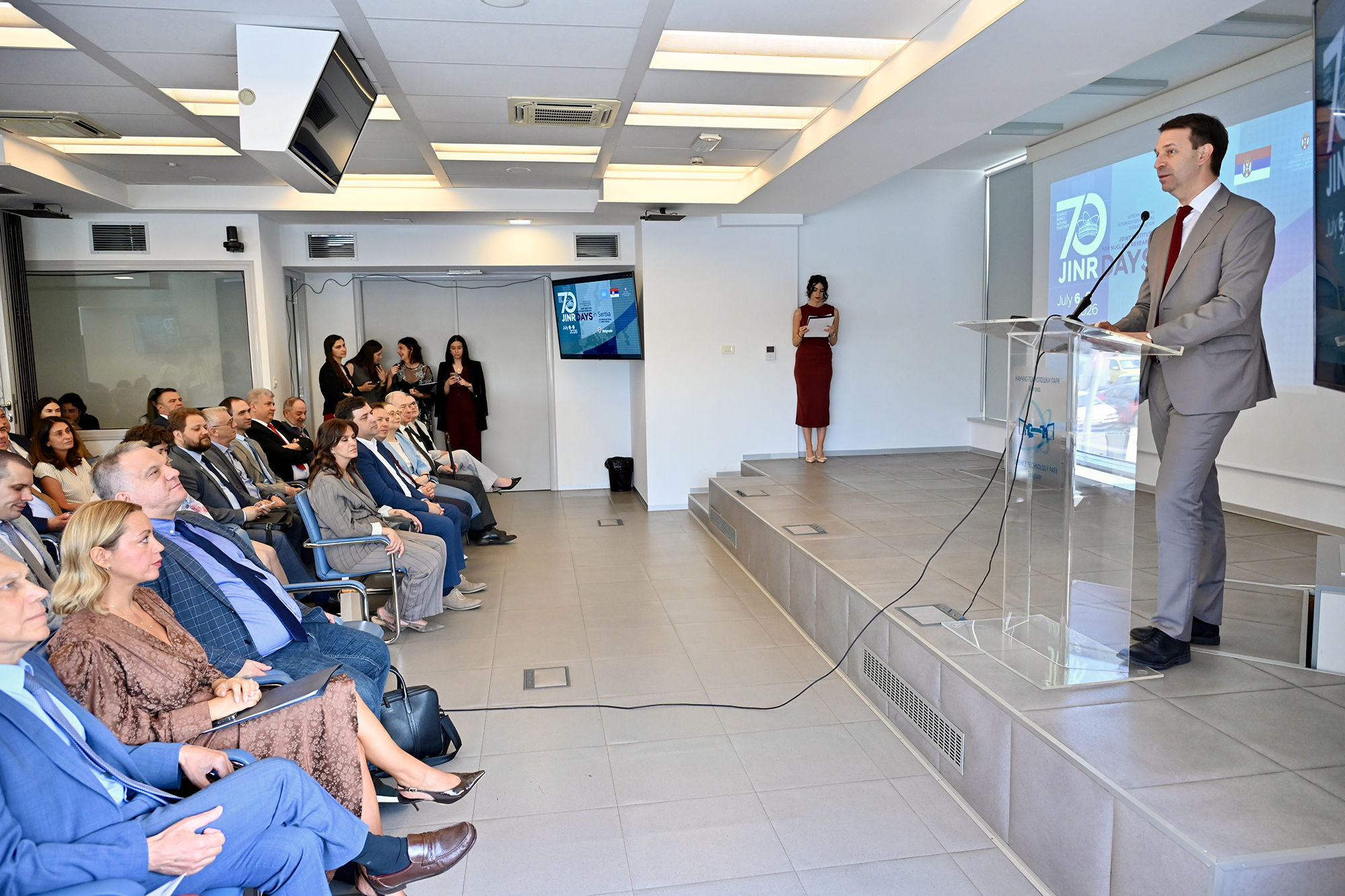
The official programme began with an opening ceremony. State Secretary of the Ministry of Science, Technological Development, and Innovation of the Republic of Serbia Marija Gnjatović and Minister of Education Dejan Vuk Stanković welcomed the participants on behalf of the receiving party.
In her speech, Marija Gnjatović outlined Serbia’s main strategic goal in cooperation with the Joint Institute: the accession of Serbia – currently an Associate Member – to full JINR membership. In her opinion, this step will allow taking national research and technology to a new, competitive level.
“After my recent visit to Dubna, I became aware that our scientific community must make wider use of JINR’s amazing research infrastructure and colossal expertise”, Marija Gnjatović emphasised. “If we want to engage in cutting-edge research, we need to make stronger connections with leading international centres. And I am convinced that the Institute in Dubna is one of the best partners in the world for solving this task”.
In turn, Dejan Vuk Stanković announced his ministry’s priorities in terms of developing cooperation with JINR. He proposed to focus on two key areas of joint work: expanding academic mobility programmes and advancing effective knowledge transfer by creating collaborative educational programmes for leading Serbian universities.
In his speech, JINR Director, Academician of the Russian Academy of Sciences Grigory Trubnikov noted the strategic nature of the long-term partnership currently involving 11 leading Serbian universities and scientific centres. He emphasised that the parties’ joint activities include cutting-edge studies: from nuclear medicine and radiation materials science to conducting experiments at the NICA Complex and the Superheavy Element Factory.
“Today’s event is a testament to our strong friendship, profound mutual respect, and shared commitment to expanding scientific partnership”, Grigory Trubnikov said. “Holding the JINR Days in Serbia is intended not only to review our achievements, but also to inspire talented young people from Serbia to engage in advanced research. Currently, the Institute and Serbia are implementing about 50 joint projects, and I believe that by the end of this week, there will be new prospective initiatives”.
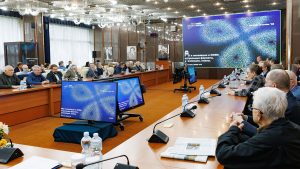
At the plenary session entitled “Serbia and JINR – 20 years of cooperation and future perspectives”, Grigory Trubnikov detailed the opportunities of the research infrastructure and the implementation of flagship projects of the Institute.
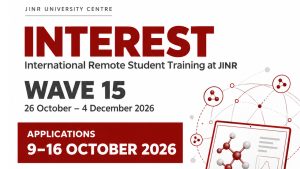
In his speech, he specified the practical results of JINR’s partnership with Serbian organizations. Since 2007, scientists from Serbia and Dubna have published more than 3300 joint papers. In addition, since 2014, 64 students have participated in the international programmes of the JINR University Centre (ISP, INTEREST, and START), and 24 Serbian specialists have undergone the JEMS internships for administrative and scientific personnel.
In conclusion, the JINR Director highlighted clear progress in bilateral relations, including an increased number of mutual visits of delegations. According to Grigory Trubnikov, this tendency demonstrates the deep interest of the parties in implementing joint initiatives aimed at deepening scientific and technological cooperation.
After that, State Secretary of the Ministry of Science Marija Gnjatović made a presentation on Serbia’s scientific and innovation ecosystem. She emphasised that thanks to the work of more than 20 thousand researchers, the expanding network of national science and technology parks and the developing infrastructure, the country is now at a stage of rapid technological growth. The State Secretary drew the audience’s attention to the implementation of a comprehensive programme – SAIGE (Serbia Accelerating Innovation and Growth Entrepreneurship), aimed at modernising research institutes and accelerating the commercialisation of technologies. With such a dynamic ecosystem, Serbia is ready to offer its partners relevant solutions that will contribute to the development of science and innovations, as well as to the successful implementation of joint projects.
The event programme continued with thematic panel sessions. At the “Nuclear technologies and energy applications” discussion, representatives of the Joint Institute spoke about modern accelerator facilities, superconducting magnetic energy storage devices, lithium-ion batteries, as well as the TANGRA International Research Project. At a session dedicated to materials science, the specialists discussed the application of reactor and accelerator methods to the study and modification of materials. During a nuclear medicine and biomedicine meeting, the JINR scientists gave talks on research into radiobiology, radiochemistry, and the application of IT technologies in life sciences.
The first working day’s results were summarised at the round table titled “New areas of cooperation between Serbia and JINR” with the participation of the Joint Institute’s management and representatives of the republic’s leading research centres. The parties analysed the results of joint projects in recent years and discussed in detail programmes for the development of human resources and mechanisms for attracting youth to fundamental science.
The JINR Days in Serbia will last until 9 July. On 7 July, the Joint Institute’s delegation will hold a series of bilateral working meetings with the heads of national agencies and research centres of the republic.