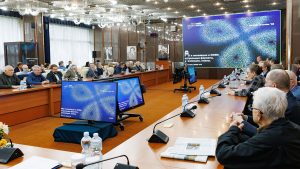
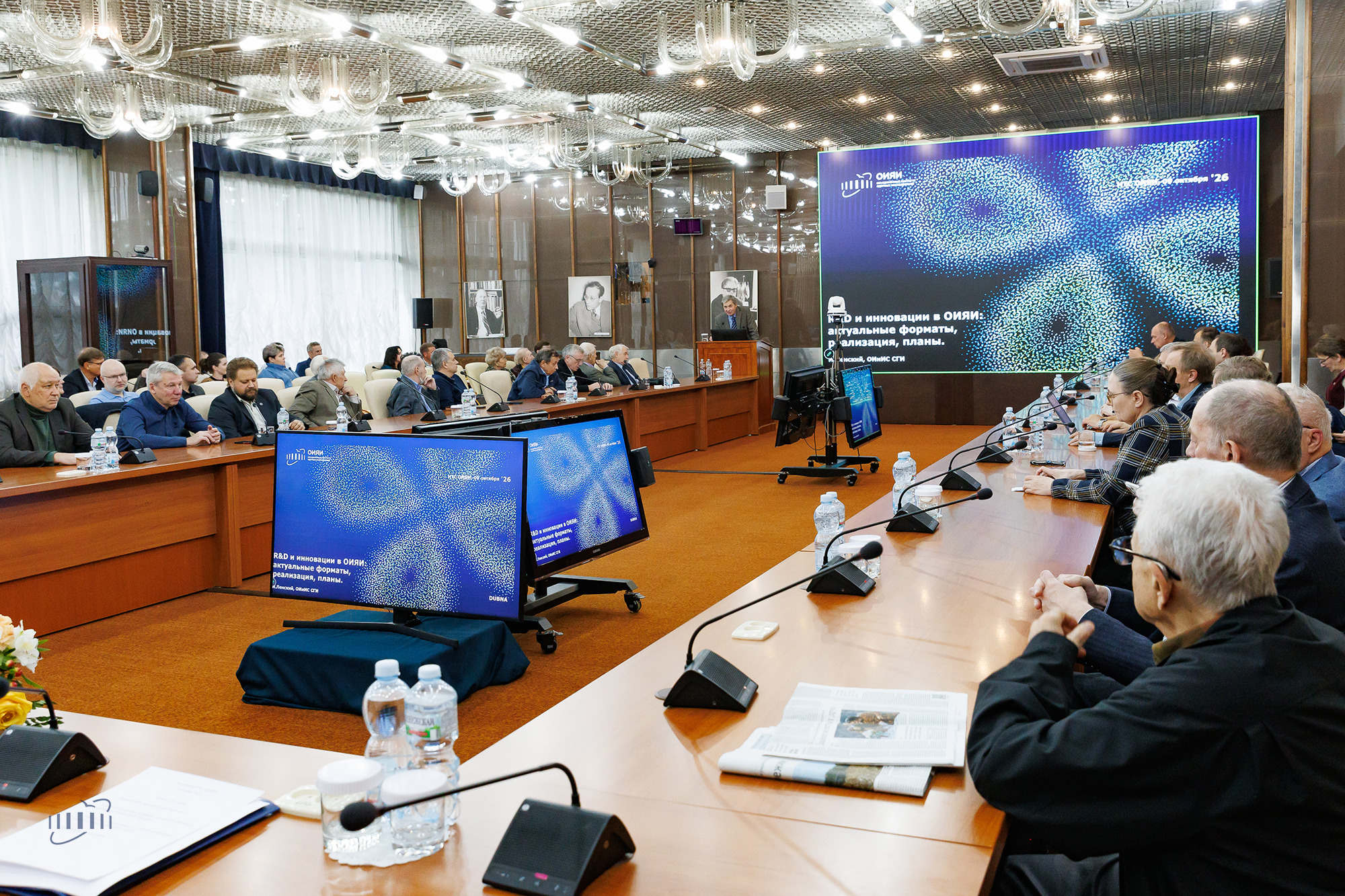
On 9 October 2026, the JINR International Conference Centre hosted a meeting of the Science and Technology Council of the Joint Institute for Nuclear Research. The STC members discussed the development of R&D projects as well as applied studies using accelerated ion beams at the Flerov Laboratory of Nuclear Reactions.
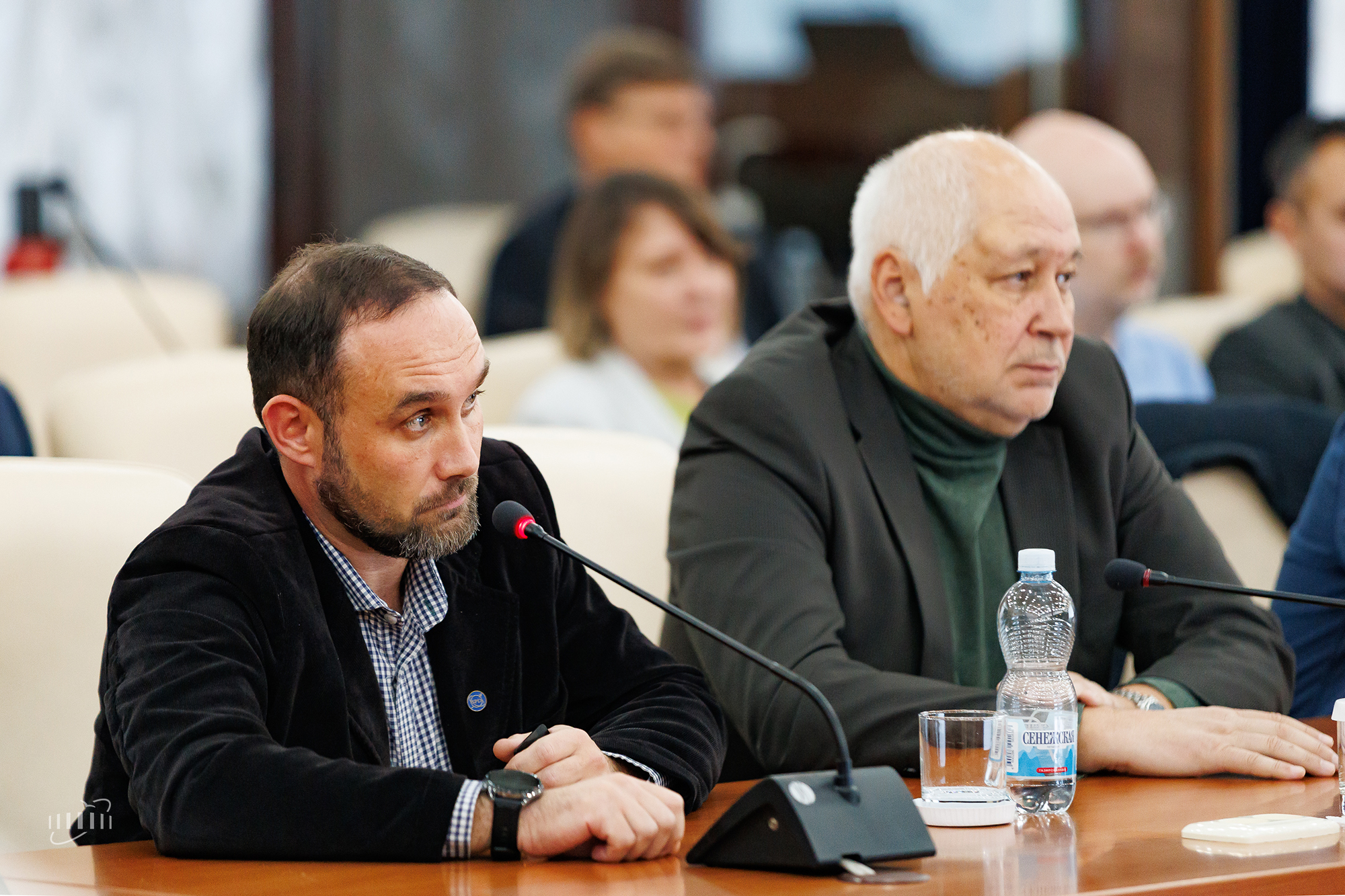
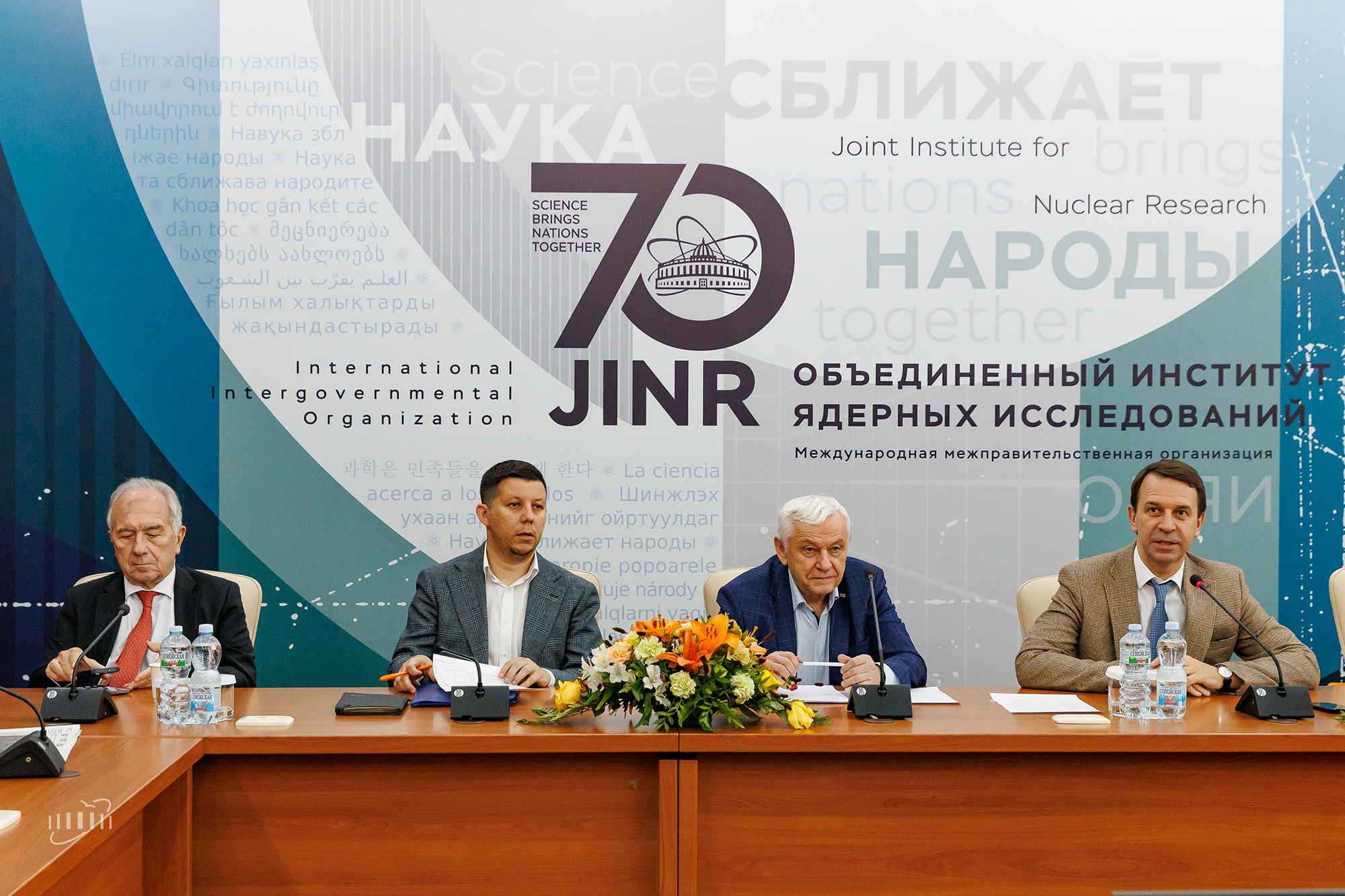
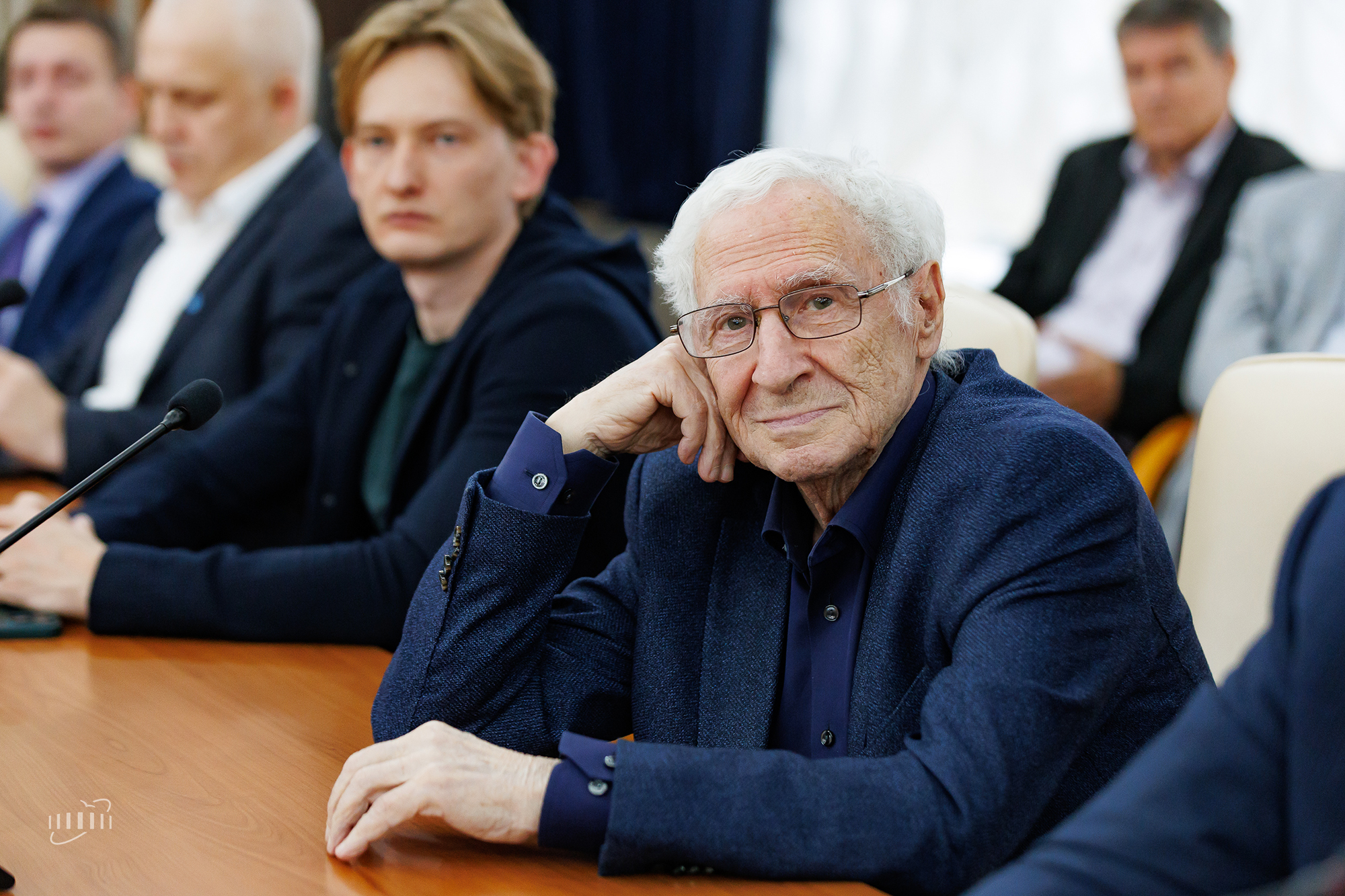
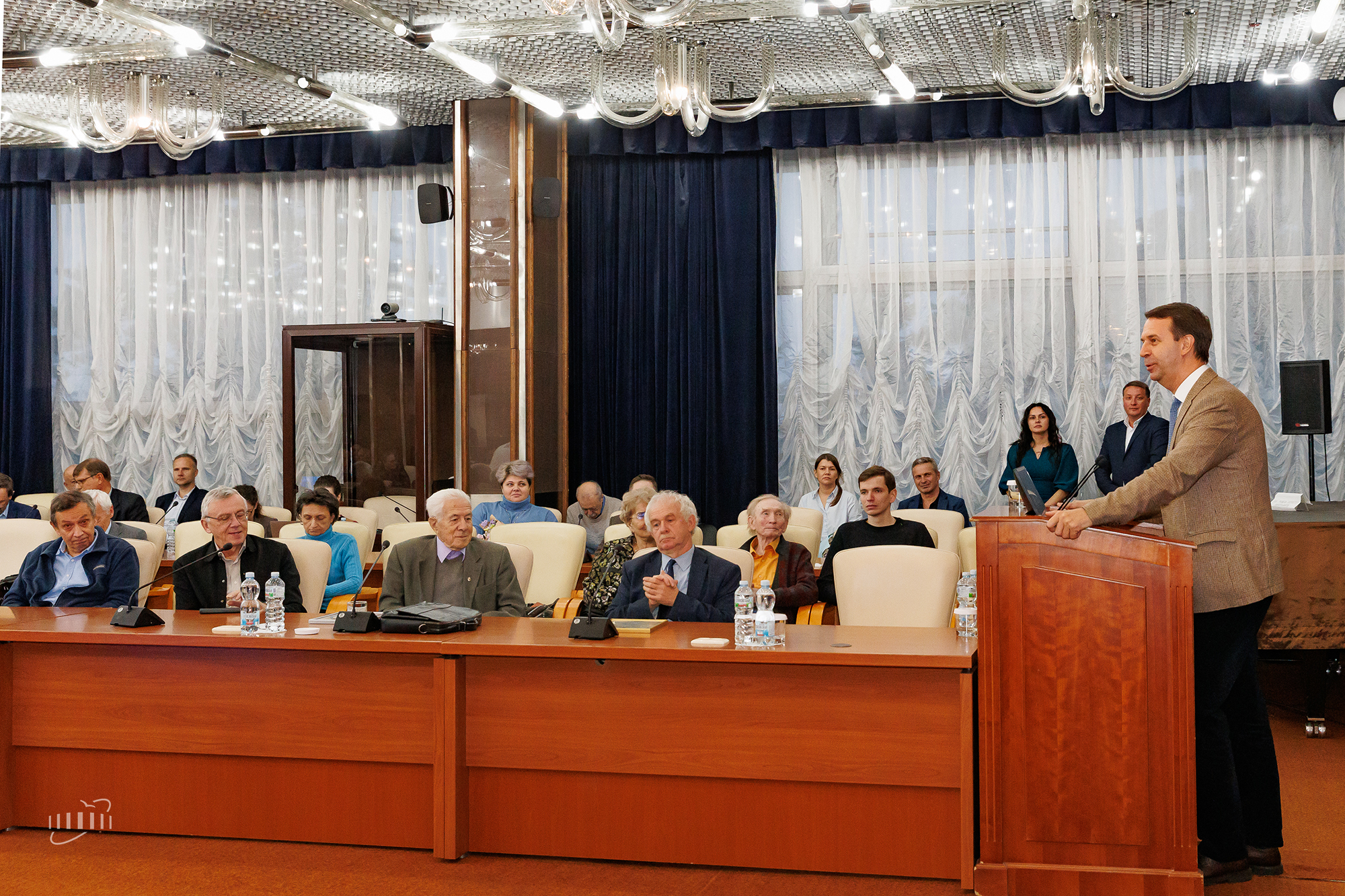

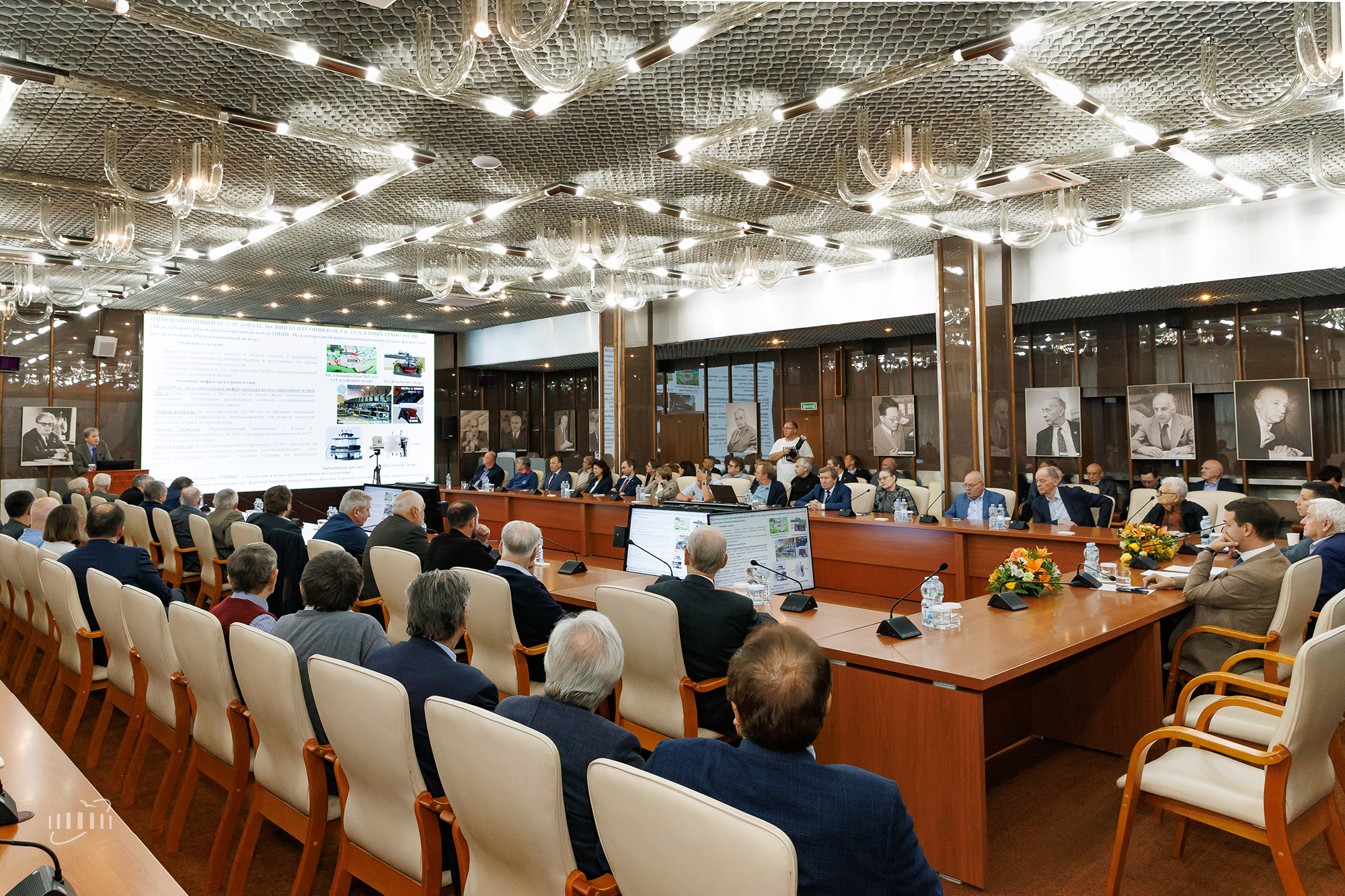
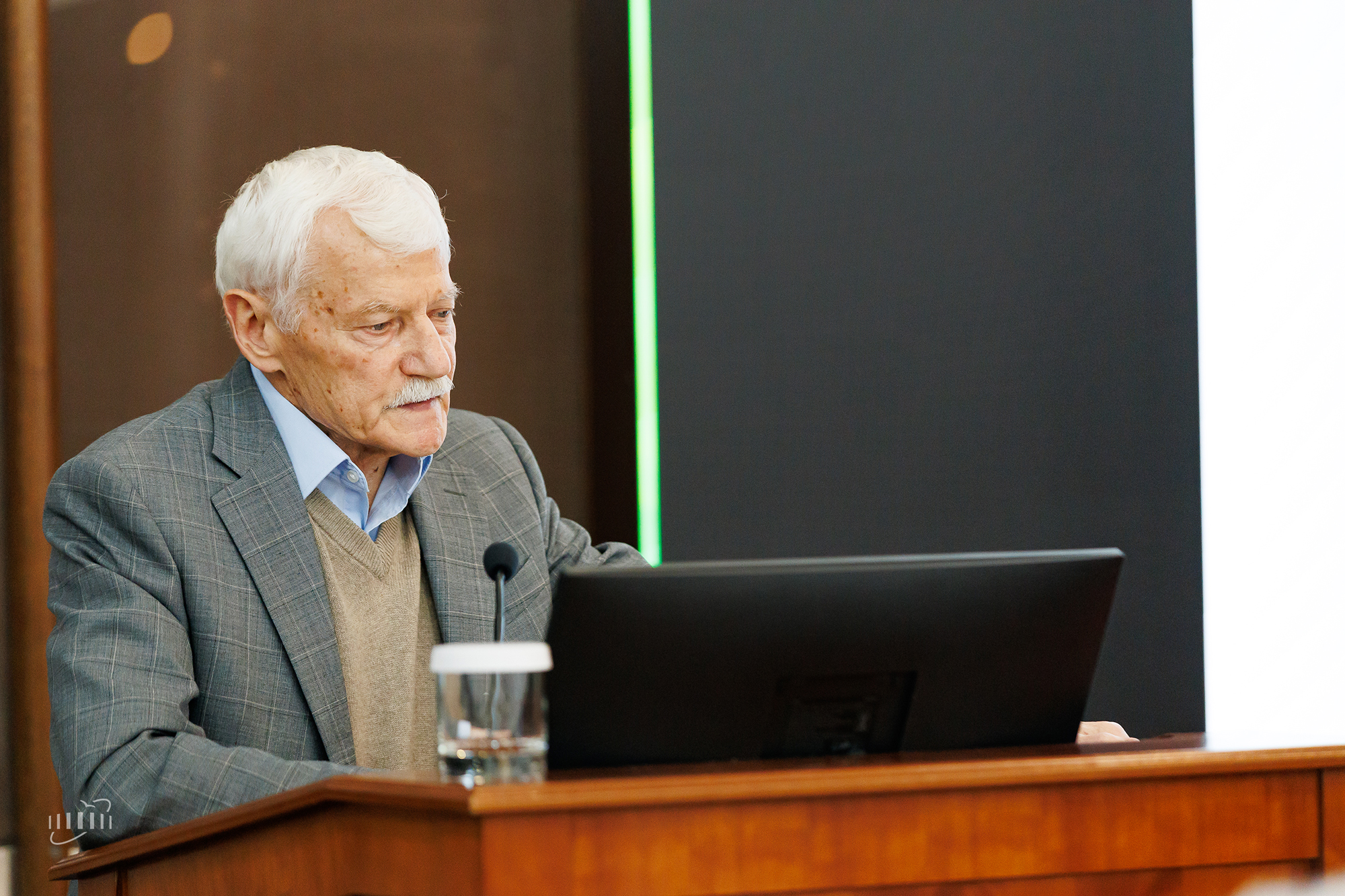
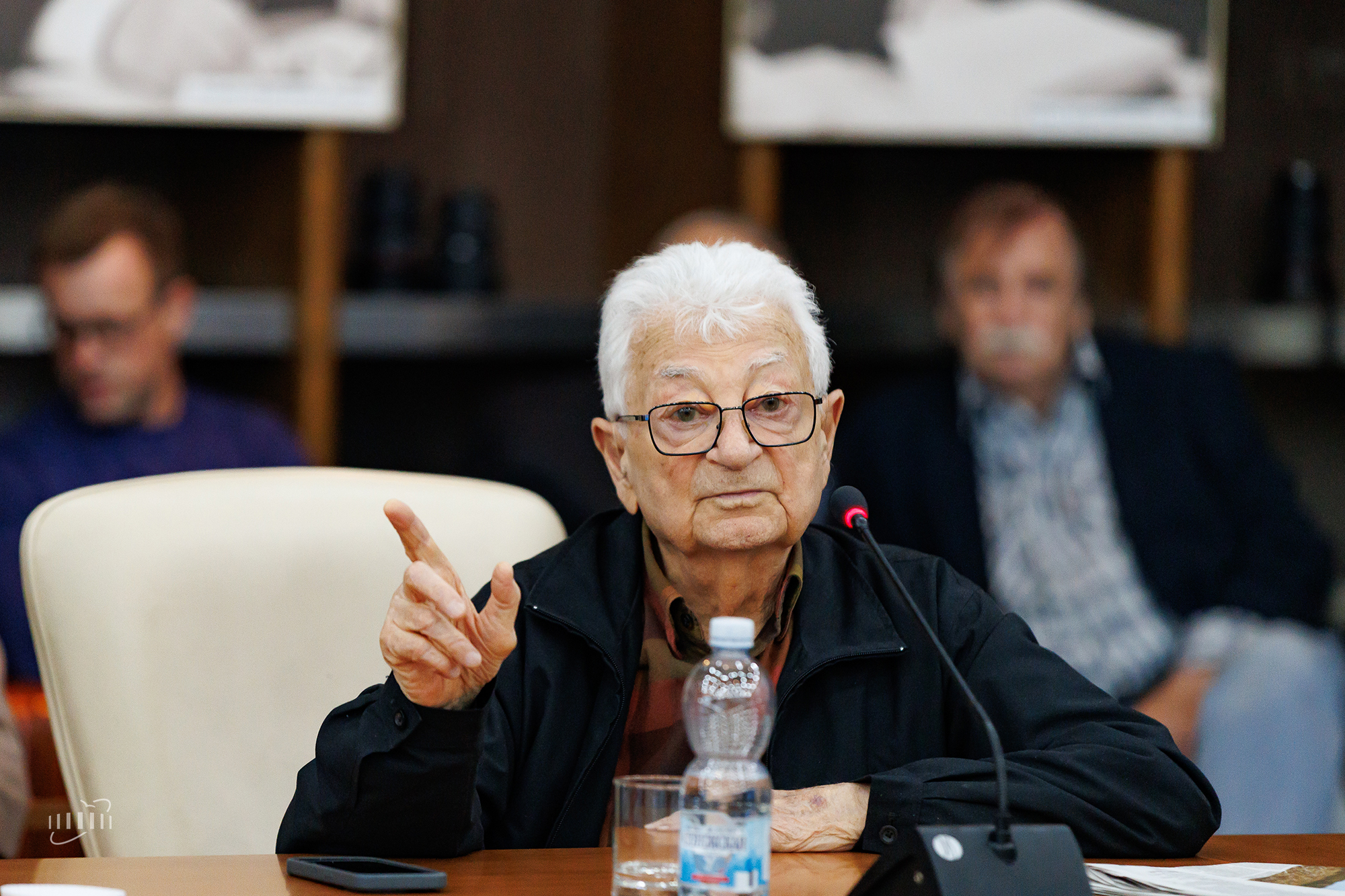
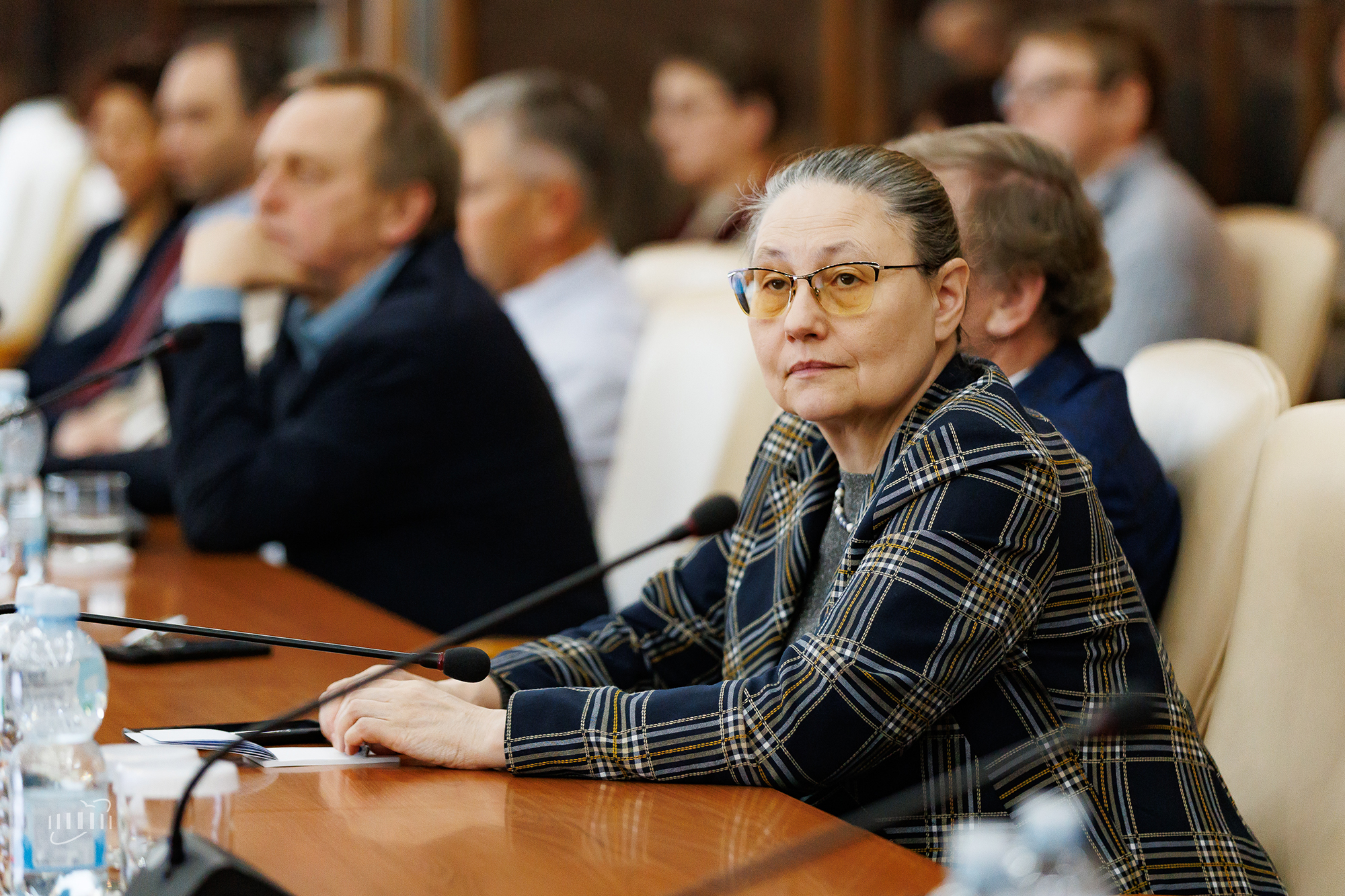
JINR Director, Academician of the Russian Academy of Sciences Grigory Trubnikov opened the meeting, introducing the new Chair of the Science and Technology Council – Chief Researcher of the Laboratory of High Energy Physics Richard Lednicky. The head of the Institute emphasised that Professor Lednicky’s professional stature in the JINR team will ensure the council’s effective work.
In his speech, Richard Lednicky thanked his colleagues for their trust and urged them to actively participate in shaping the agenda by openly raising the most pressing issues. He reminded that the STC is the principal Advisory Body of the Institute’s Directorate, organically complementing the work of the Scientific Council and focusing primarily on internal scientific, technical, and personnel agenda.
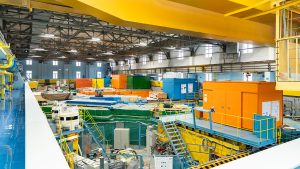
Next, Grigory Trubnikov provided an overview of the Institute’s key advancements in research and technology. In summer 2026, the first krypton ion beam was accelerated at the DC-140 Cyclotron at FLNR. This specialised facility with unique beam parameters is intended for a wide range of applied tasks requiring heavy ions. Studies into solid-state physics, radiation materials science, and surface modification of materials will be conducted at the DC-140, in addition to the production of track membranes.
Run 2 started at the NICA Complex. The main task is to increase heavy ion beam intensity. The Multi-Purpose Detector will be used for the first time in its basic configuration. Plans include installing it in the normal position at the collision point in November.
Grigory Trubnikov reminded the participants about a new initiative to form a comprehensive programme in radiochemistry and radiobiology. Following the results of the 140th session of the JINR Scientific Council, this proposal received a lively response and support. In January 2027, a draft of the programme will be presented at meetings of the Programme Advisory Committees.
In regard to fundamental studies, the JINR Director provided an update on an experiment to synthesise element 119. Data collection is underway according to plan, with the experiment already achieving a higher level of sensitivity than initially envisaged.
Significant attention was paid to international cooperation. Following a JINR delegation’s recent visits to Vietnam, Armenia, and Georgia, the countries demonstrated a high interest in developing fundamental science, and the younger citizens expressed a growing enthusiasm for joint research projects.
Head of the Innovations and Intellectual Property Department Igor Lensky commented on the implementation of R&D projects at JINR. He presented the concept of an International Innovation Centre for Nuclear Physics Research at the Institute. This structure will serve as an effective platform for joint work with the Member States and industrial partners. As part of inter-laboratory projects, the centre will unite key infrastructure facilities: user stations of the ARIADNA Collaboration at the NICA Complex, the new DC-140 Cyclotron as well as projects of the future radiochemical complex and the MSC-230 Medical Proton Accelerator.
Igor Lensky highlighted the JINR R&D activities competition. The successful launch and results of its first wave in 2025 attracted significant interest from young scientists and engineers of the Institute. According to a preliminary survey, at least 15 new teams are ready to join the next competition. The project proved effective as a tool for creating innovative products in demand at and outside the Institute and developing the potential of a new generation of R&D project leaders.
Head of the FLNR JINR Centre of Applied Physics Pavel Apel presented the results of the “Applied research using beams of accelerated heavy ions” workshop held in June 2026. The unique accelerator facilities of the Laboratory of Nuclear Reactions allow for the precise modification of the structure of polymer films and the creation of track membranes with a given pore geometry based on them. This technology opens wide opportunities for rapidly detecting viruses, creating temporary prosthetics for severe burn wounds in medicine, and using the membranes as effective filters in biotechnology, pharmaceuticals, and laboratory diagnostics. Another prominent topic was the application of heavy ion beams in the radiation testing of electronic components of spacecraft.
In conclusion of his presentation, Pavel Apel noted that the great interest of physicists, biologists, chemists, and specialists in the space industry contributed to forming new partnerships and holding an active interdisciplinary dialogue.
Following an established tradition, the Science and Technology Council meeting finished with a ceremony of awarding JINR employees for outstanding achievements in science and many years of dedicated work. Chief Researcher of the Laboratory of Neutron Physics Evgeny Shabalin and FLNR Chief Technical Specialist Georgy Gulbekyan received the title “Honorary worker of science and high technologies of the Russian Federation”. The Honorary Employee of JINR title was confered to Deputy Director of the Laboratory of Information Technologies Ochbadrakh Chuluunbaatar.