On 24–25 September 2026, the 140th session of the Scientific Council of the Joint Institute for Nuclear Research took place at the International Conference Centre. The participants discussed the results of JINR’s work in 2026 and future plans. Following the session, the JINR Topical Plan for 2027 was approved.
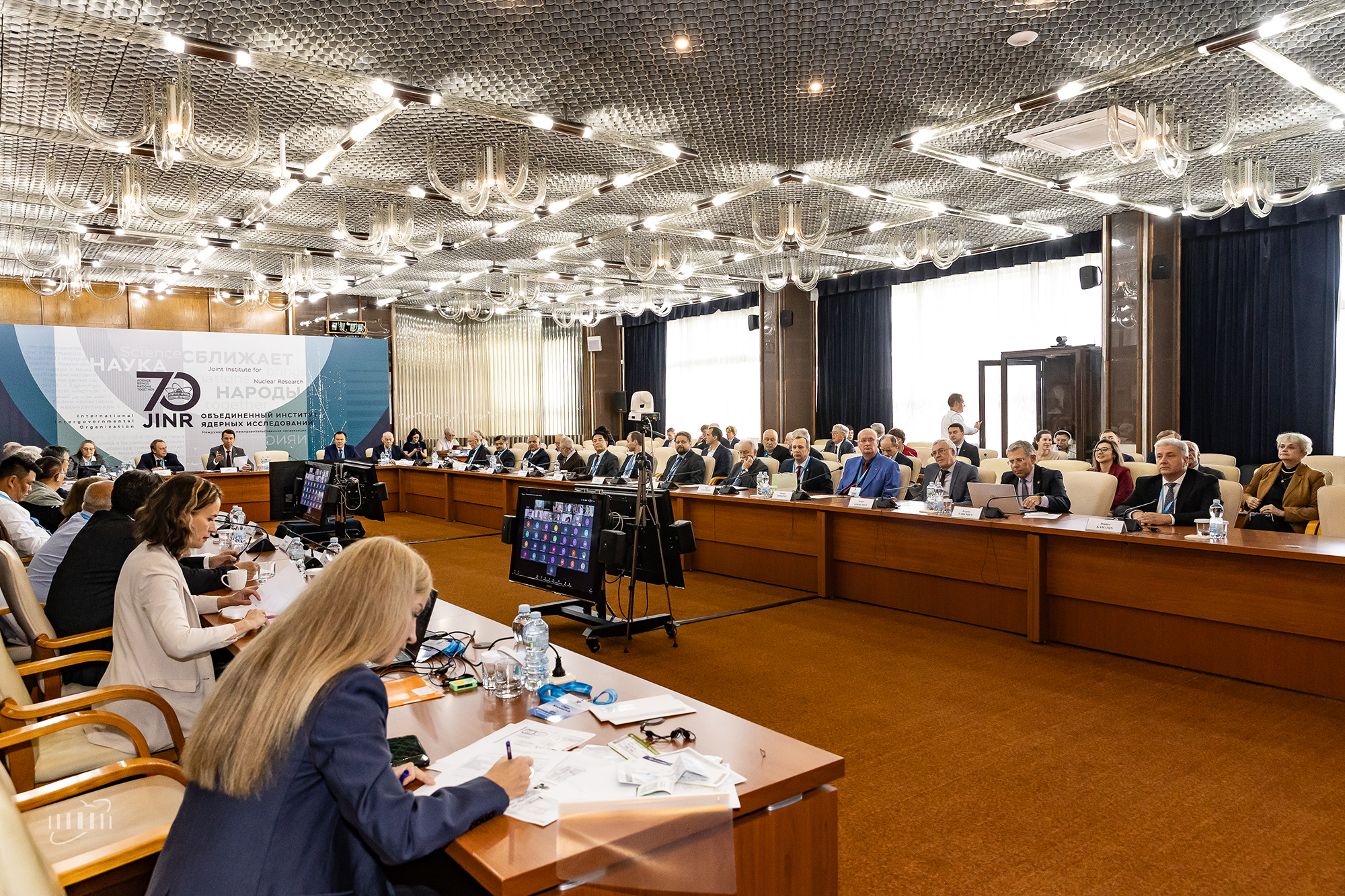
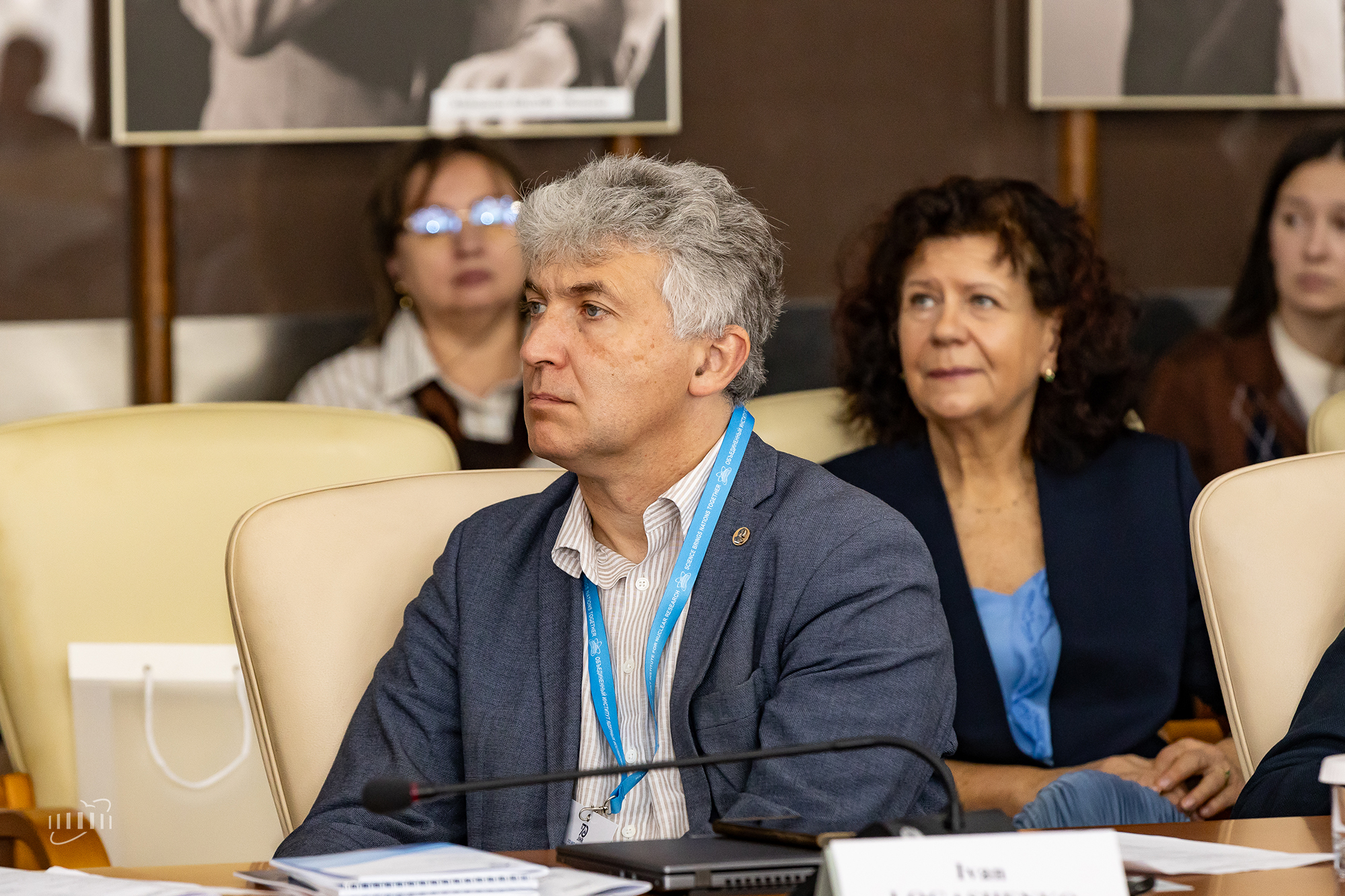
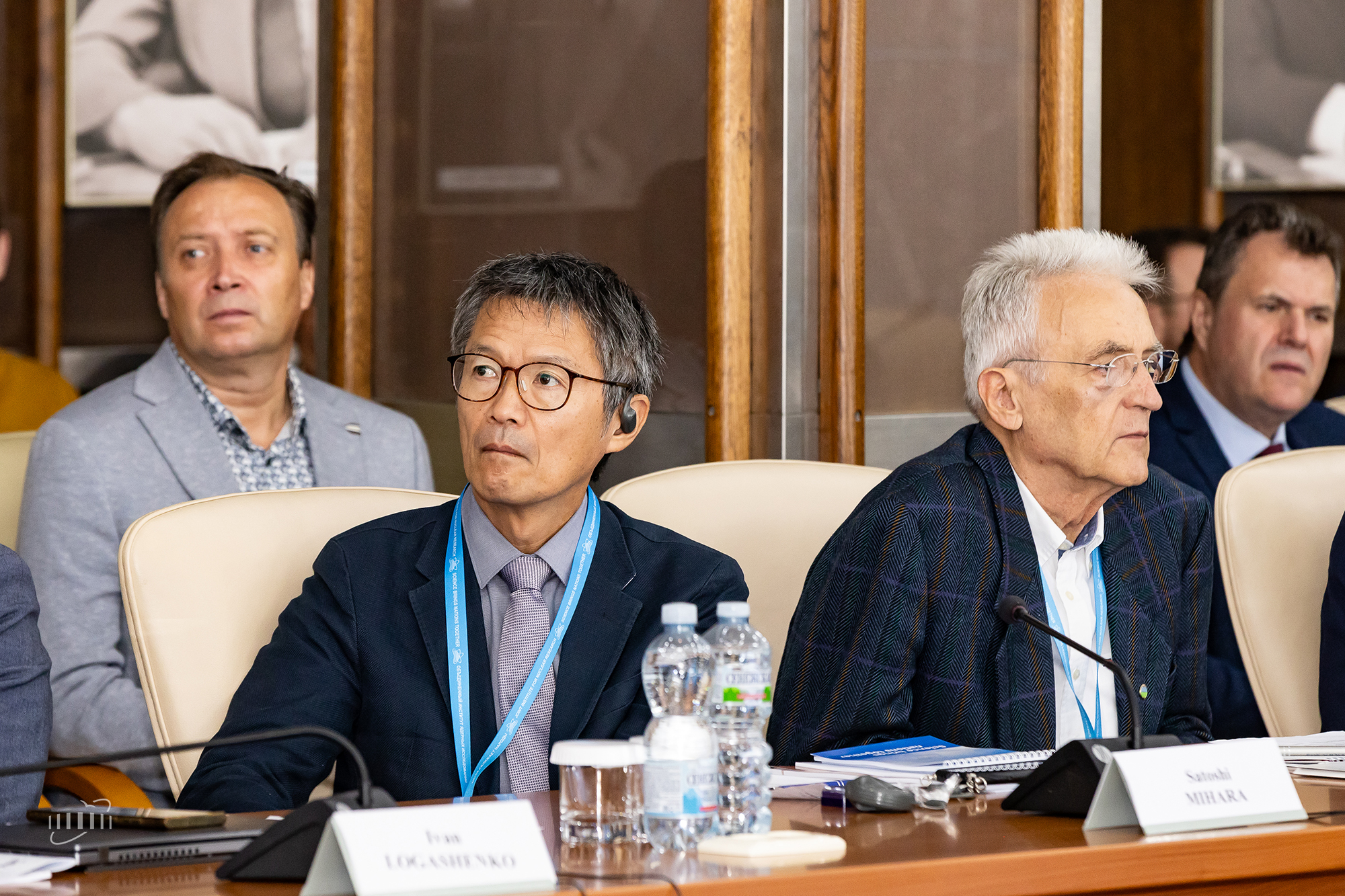
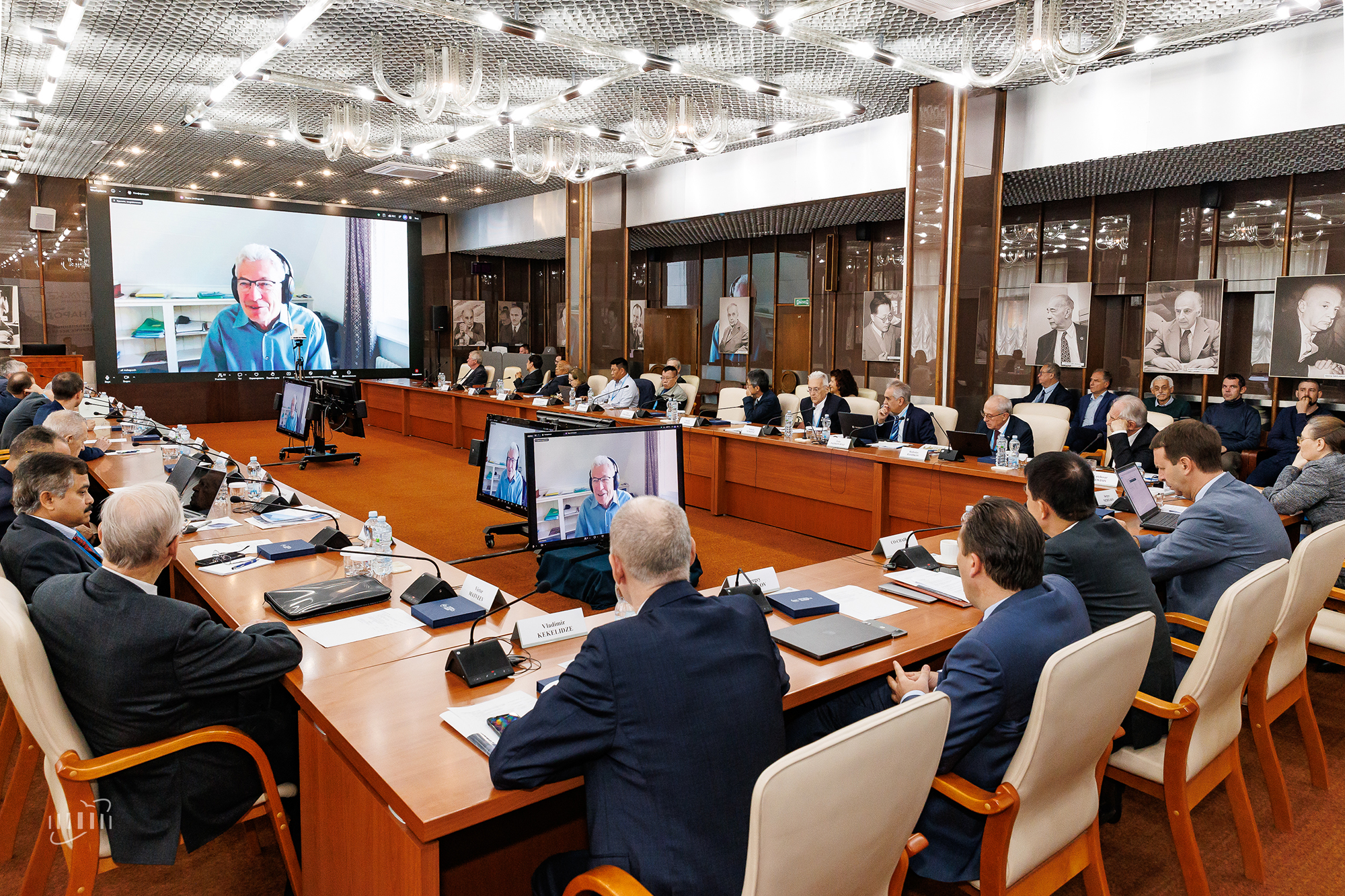
The event began with a moment of silence in memory of outstanding researchers, organizers of scientific activities, members of the JINR Scientific Council Sergey Maksimenko (Institute of Nuclear Problems, Belarusian State University, Belarus) and Vladimir Voevodin (Research Computing Centre, Moscow State University, Russia). Council Chair, JINR Director Grigory Trubnikov noted their merits and significant contribution to the development of the Institute.
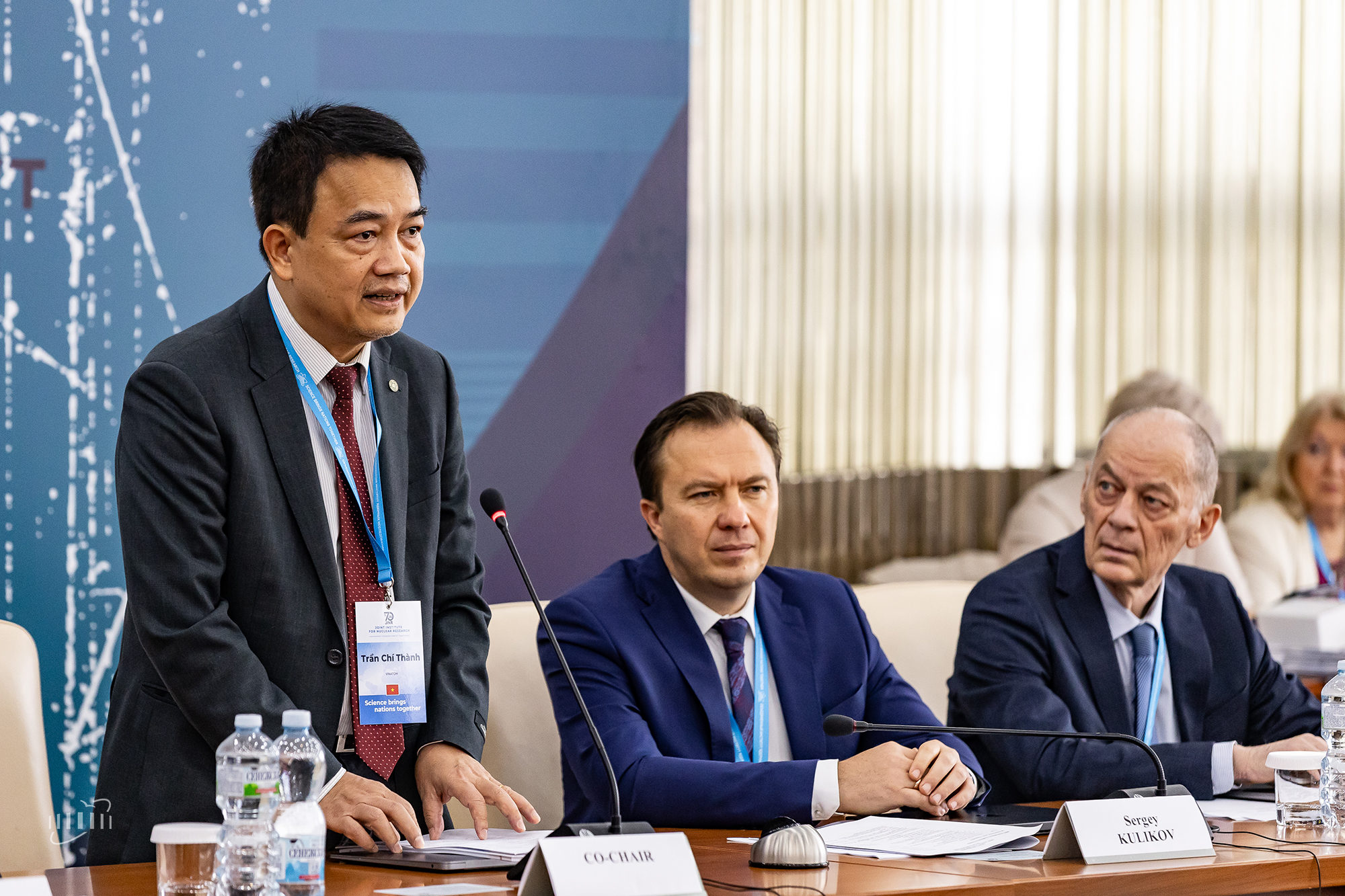
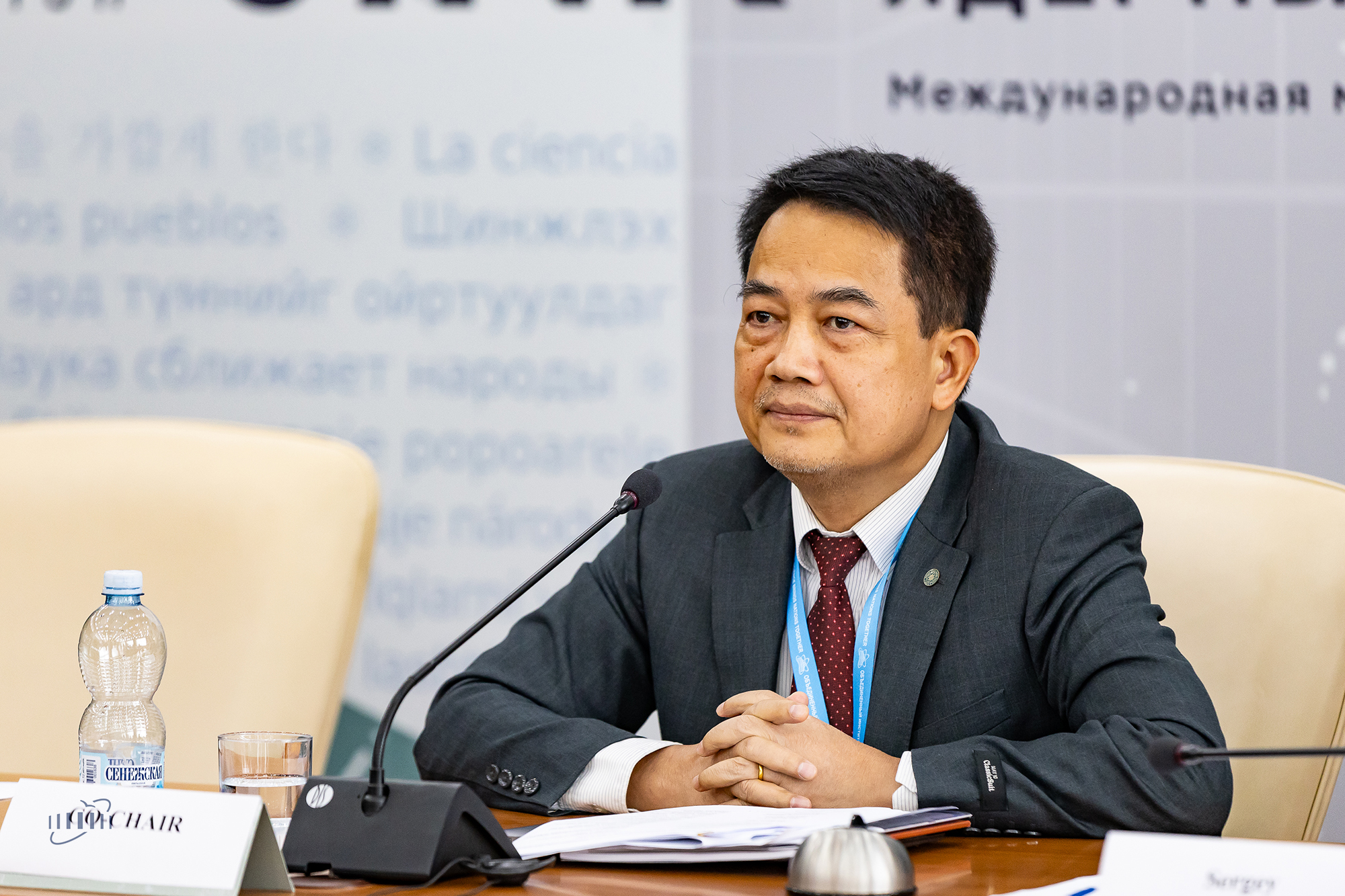
At the beginning of the session, members of the Scientific Council approved a new co-chair. President of the Vietnam Atomic Energy Institute (VINATOM) Trần Chí Thành took the post for a term of three years. The Scientific Council expressed deep gratitude to Academician of the National Academy of Sciences of Belarus Sergei Kilin for many years of fruitful work as a Co-chair.
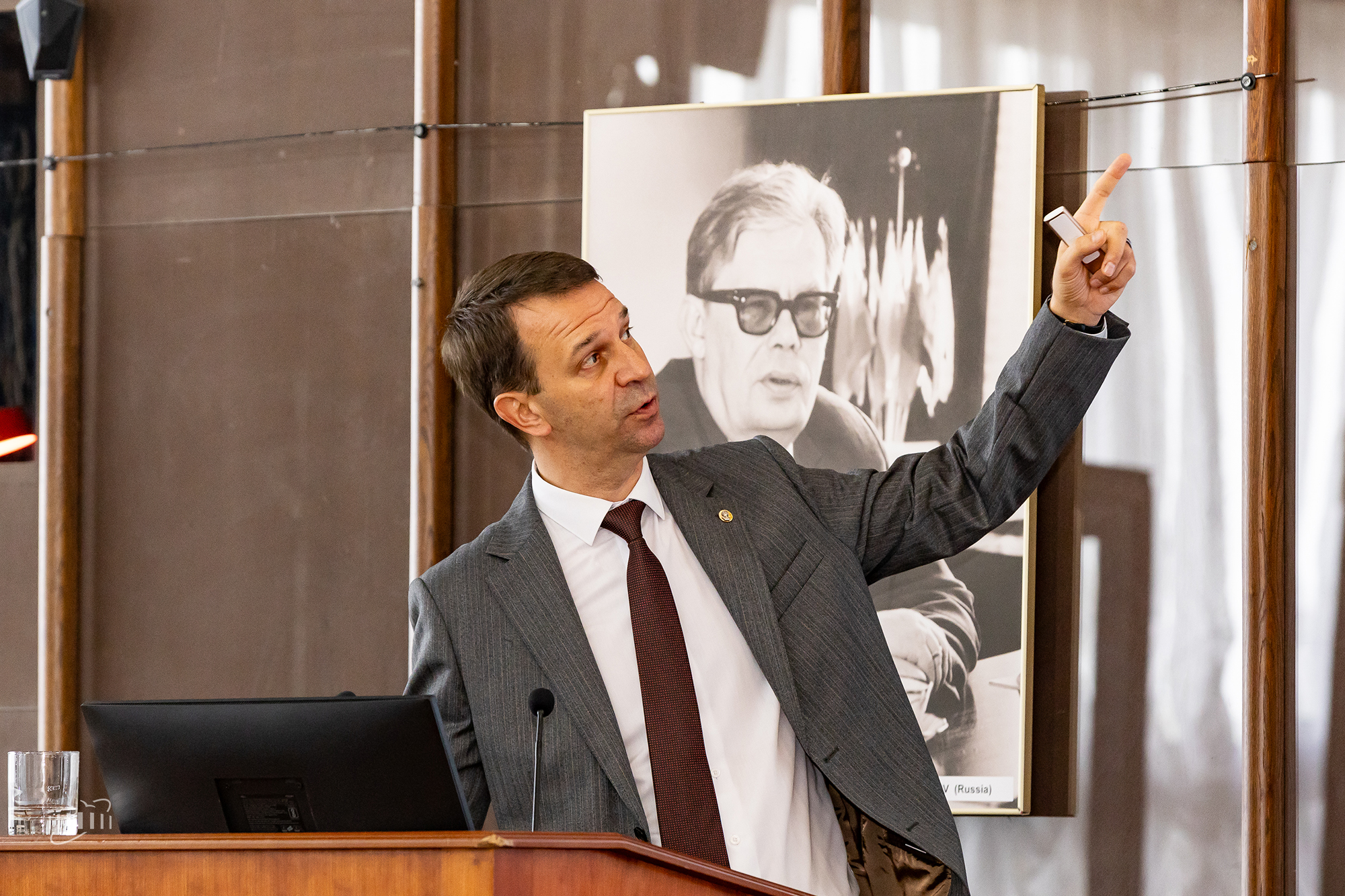
Director of the Joint Institute for Nuclear Research, Academician of the Russian Academy of Sciences Grigory Trubnikov provided a comprehensive overview of the latest events at JINR. In the anniversary year, a special role is assigned to strengthening the Joint Institute as an international intergovernmental organization – the key topic of the first part of his speech.
In 2026, JINR concluded a number of important agreements, including those with the Latin American Centre for Physics (CLAF) and Japan’s High Energy Accelerator Research Organization (KEK). The Institute organizes scientific conferences and schools, holds JINR Days in Member States and Partner Countries. All these events are aimed at popularising science and developing international research cooperation.
In the second part of the talk, the Director reviewed the main research results of the JINR laboratories in 2026:
- Laboratory of High Energy Physics: simultaneous circulation and collision of xenon ion beams in the collider were achieved in Run 1 of the NICA Accelerator Complex. Mapping of the MPD solenoid’s magnetic field was successfully completed. The first physical MPD run is expected by the end of 2026;
- Laboratory of Nuclear Reactions: an experiment to synthesise element 119 in the 50Ti + 249Bk reaction is underway at the SHE Factory. The first beam of krypton ions was obtained during the commissioning of the now operating DC-140 Accelerator Complex;
- Laboratory of Nuclear Problems: two new clusters of the Baikal-GVD Deep Underwater Telescope were deployed during the winter expedition. For the first time in the world, the rare beta decay of the 96Zr isotope was experimentally detected. The first stage of the DANSS Experiment to search for sterile neutrinos finished at the Kalinin Nuclear Power Plant;
- Laboratory of Neutron Physics: the IBR-2 User Programme attracted 267 new users. Cross-sections of the emission of γ-quanta were measured for the first time for 20 elements at the TANGRA Facility. FLNP specialists are developing the concept of a new pulsed neutron source;
- Laboratory of Information Technologies: a large-scale upgrade of data storage systems and computing nodes of the JINR MICC Tier-1 and Tier-2 Centres was carried out. MLIT resources were used to analyse of BM@N data and ensure the successful operation of the Tier-1 Centre utilised by the international JUNO Experiment;
- Laboratory of Theoretical Physics: interesting results were obtained in quantum field theory, particle physics, nuclear theory, and condensed matter physics. For his series of works on higher-spin theory, young BLTP researcher Nikita Zaigraev received a medal of the Russian Academy of Sciences;
- Laboratory of Radiation Biology: the first radiobiological experiments using extracted heavy ion beams were conducted at the ARIADNA Stations of the NICA Complex; new methods of targeted radionuclide therapy are being developed in collaboration with medical centres.
Grigory Trubnikov presented an initiative to create a new radiochemical research complex in Dubna. The project is aimed at developing advanced infrastructure for nuclear spectroscopy and synthesising new-generation radiopharmaceuticals.
“This initiative was introduced at the request of our Member States calling for wider practical applications of fundamental science”, Grigory Trubnikov commented. “In this regard, our main advantage is our multidisciplinary research conducted with the full utilisation of the Institute’s experimental facilities”.
In conclusion of his speech, the JINR Director highlighted the upcoming International Conference on the Fundamental Properties of Matter, which will take place in Dubna on 11–16 May 2027. In addition, he announced that applications are now invited for the position of the Director of the Laboratory of Theoretical Physics. The election will take place in September 2027.
In the afternoon, the Scientific Council members heard talks by the Chairs of the Programme Advisory Committees. Itzhak Tserruya, Valery Nesvizhevsky, and Dénes Lajos Nagy presented the recommendations adopted at the summer meetings of the committees on particle, nuclear, and condensed matter physics.
The first day’s programme finished with presentations by young JINR scientists whose talks were recognised as the best at the PAC meetings.
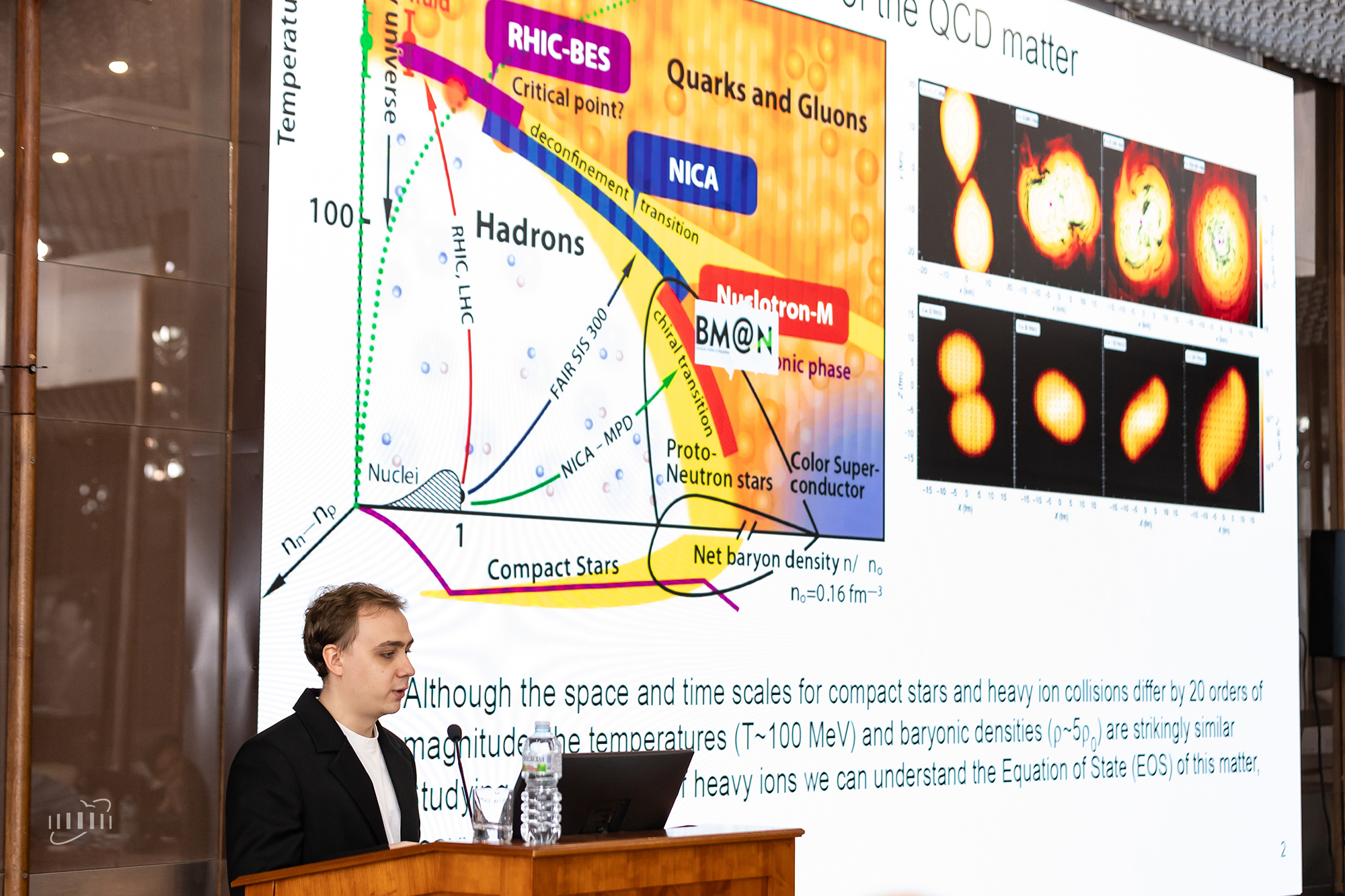
- Mikhail Mamaev (VBLHEP JINR) – “Directed flow of protons in Xe + CsI collisions at the beam energy of 3.8 A GeV with the BM@N Experiment”;
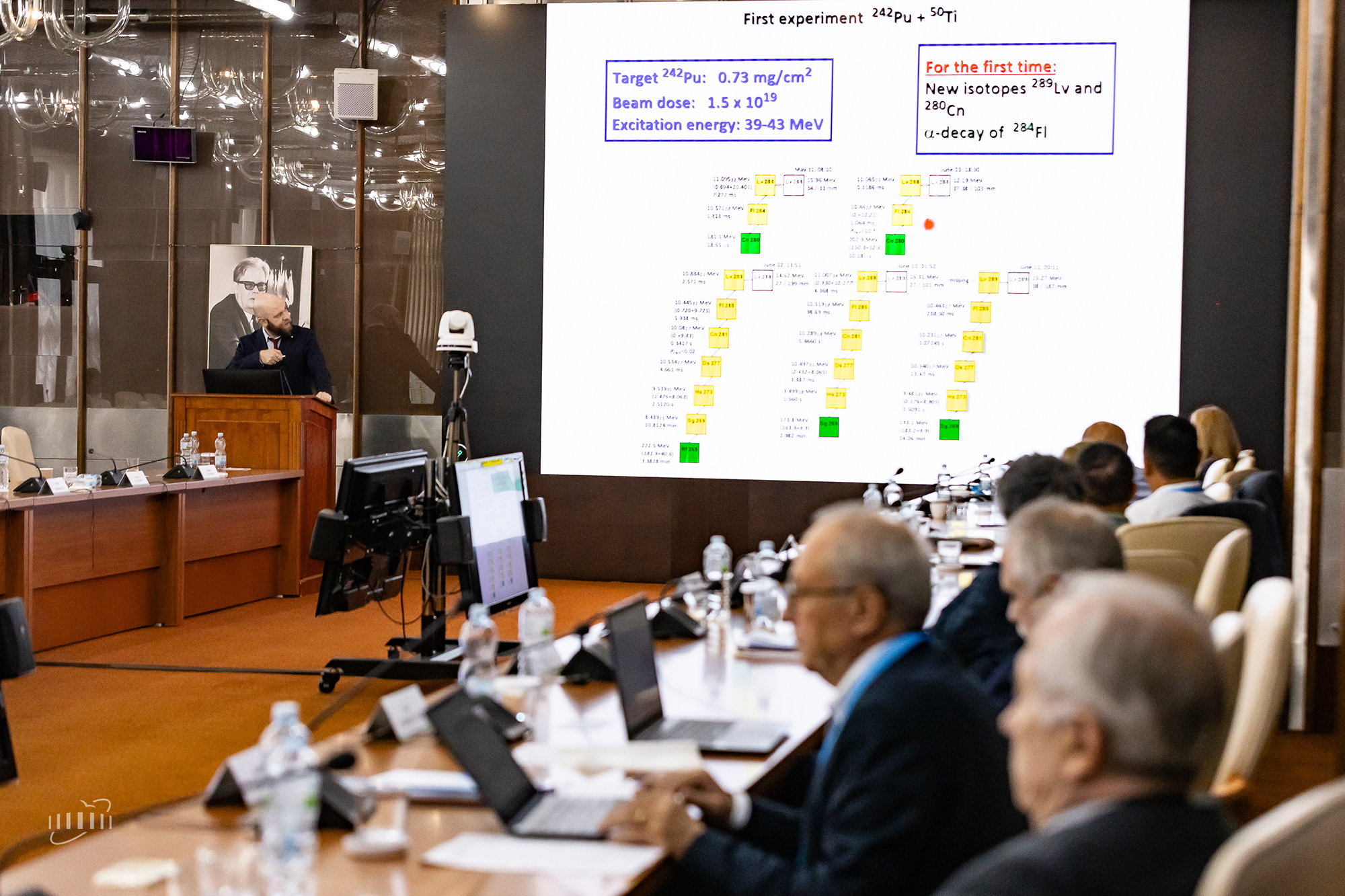
- Nikita Kovrizhnykh (FLNR JINR) – “Recent investigations of the 238U+54Cr, 242Pu+50Ti, and 237Np+48Ca reactions at the SHE Factory”;
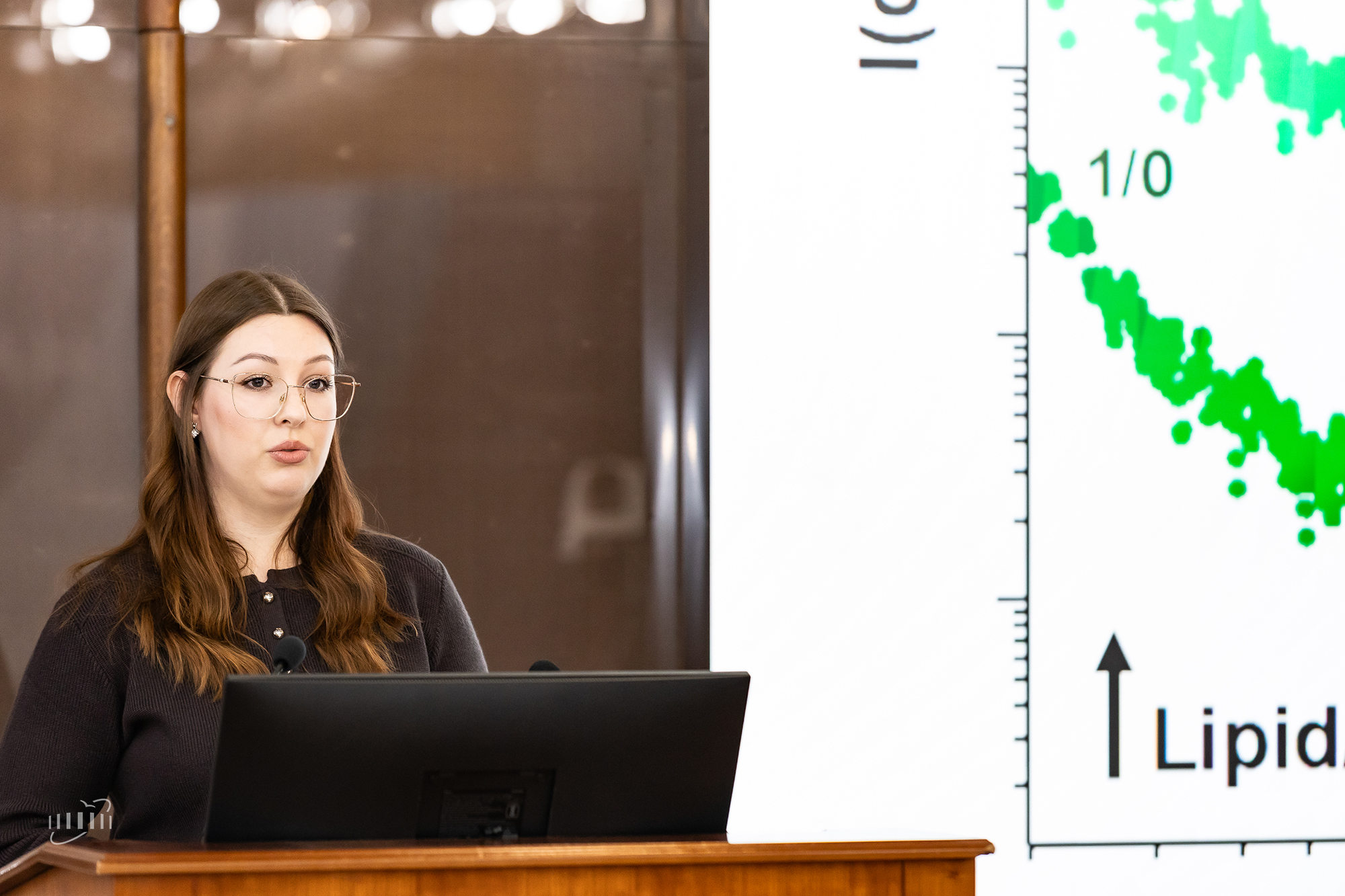
- Marina Naumenko (FLNP JINR) – “Small-angle X-ray scattering (SAXS) and complementary methods in the characterisation of liposomal delivery systems for bioactive isothiocyanates”.
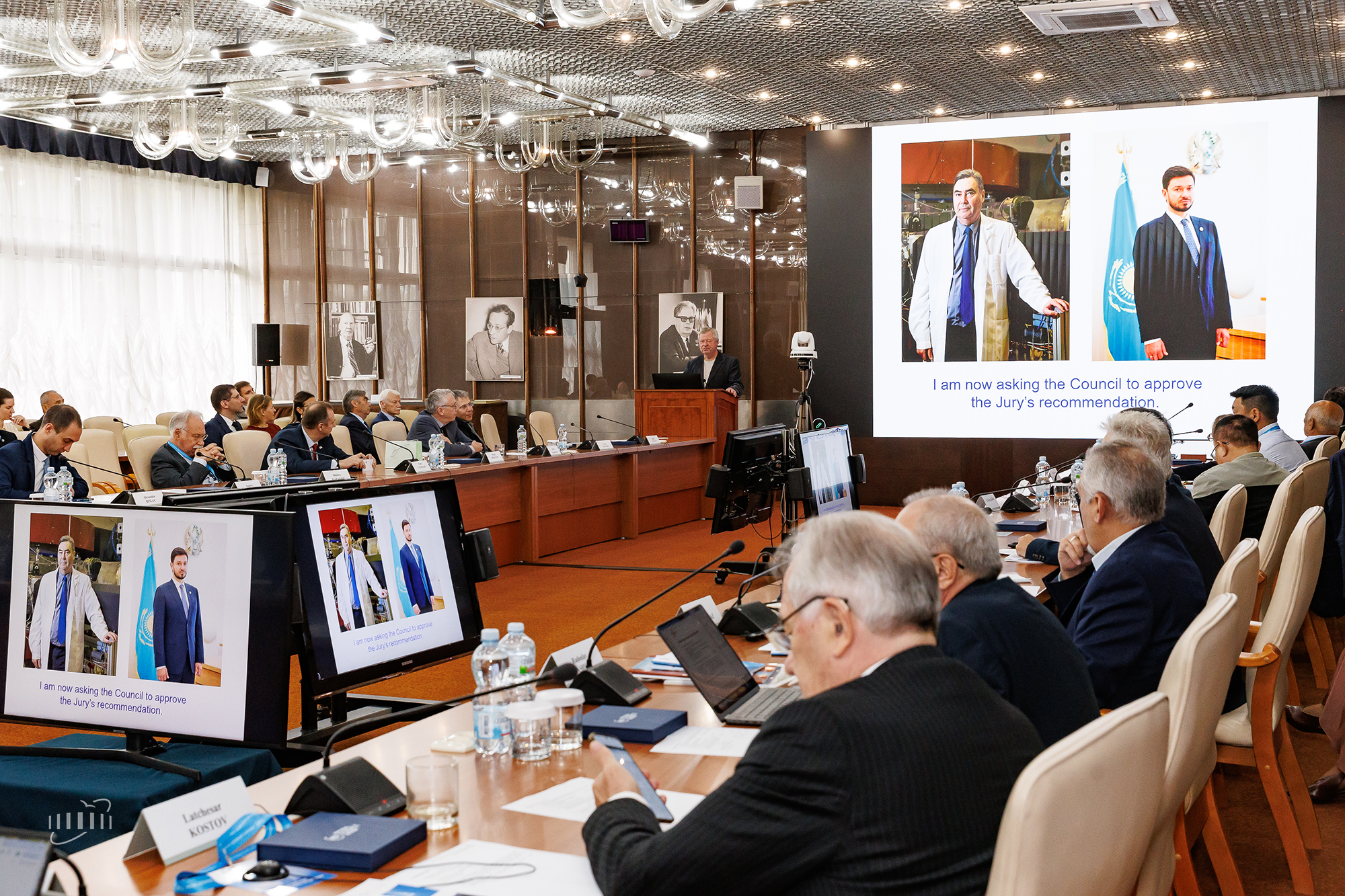

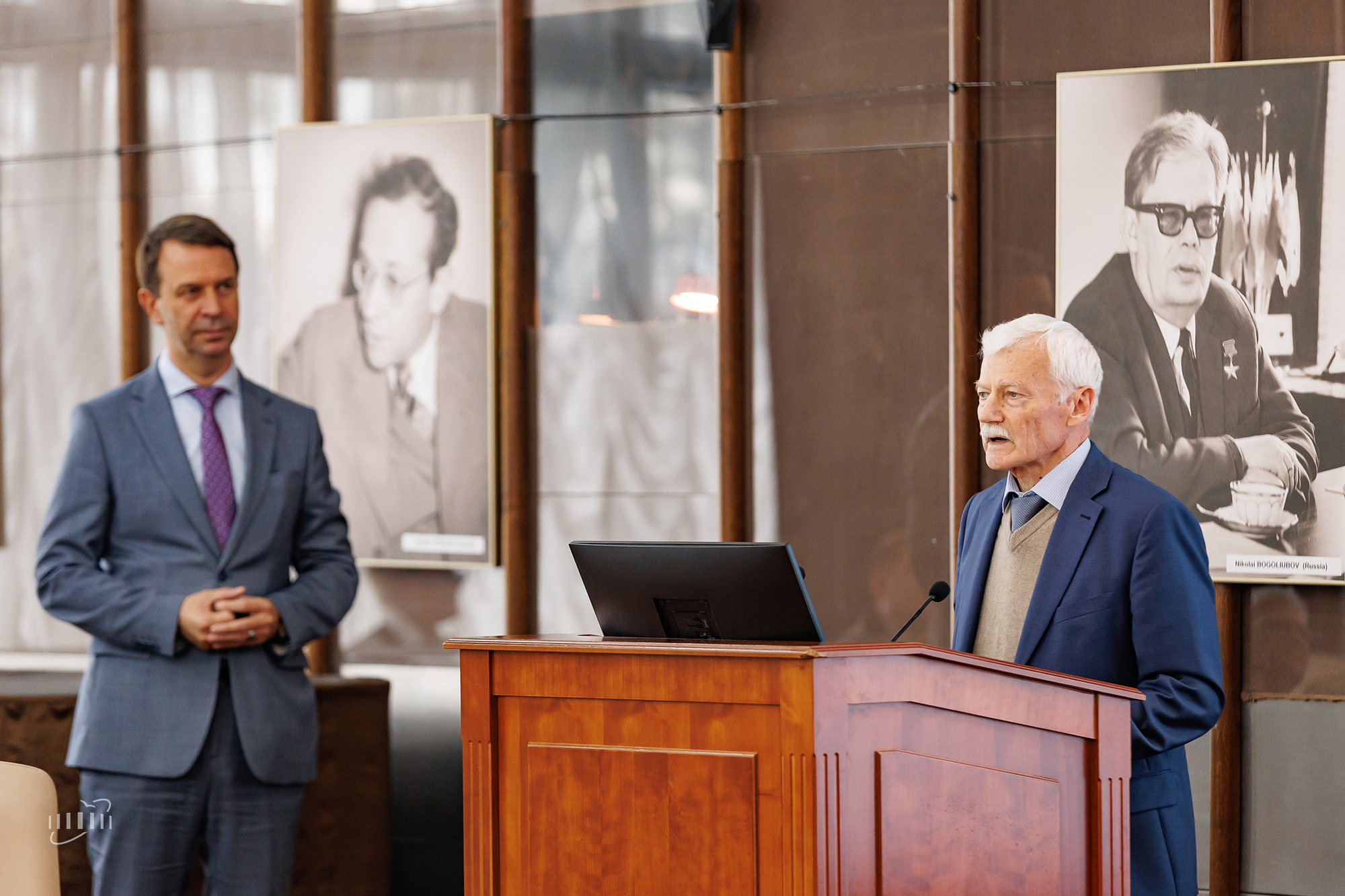
On 25 September, outstanding theoretical physicist, 2025 Bruno Pontecorvo Prize laureate Mikhail Shaposhnikov opened the Scientific Council session. He presented a detailed scientific talk “From neutrino oscillations to the origin of matter and dark matter”.
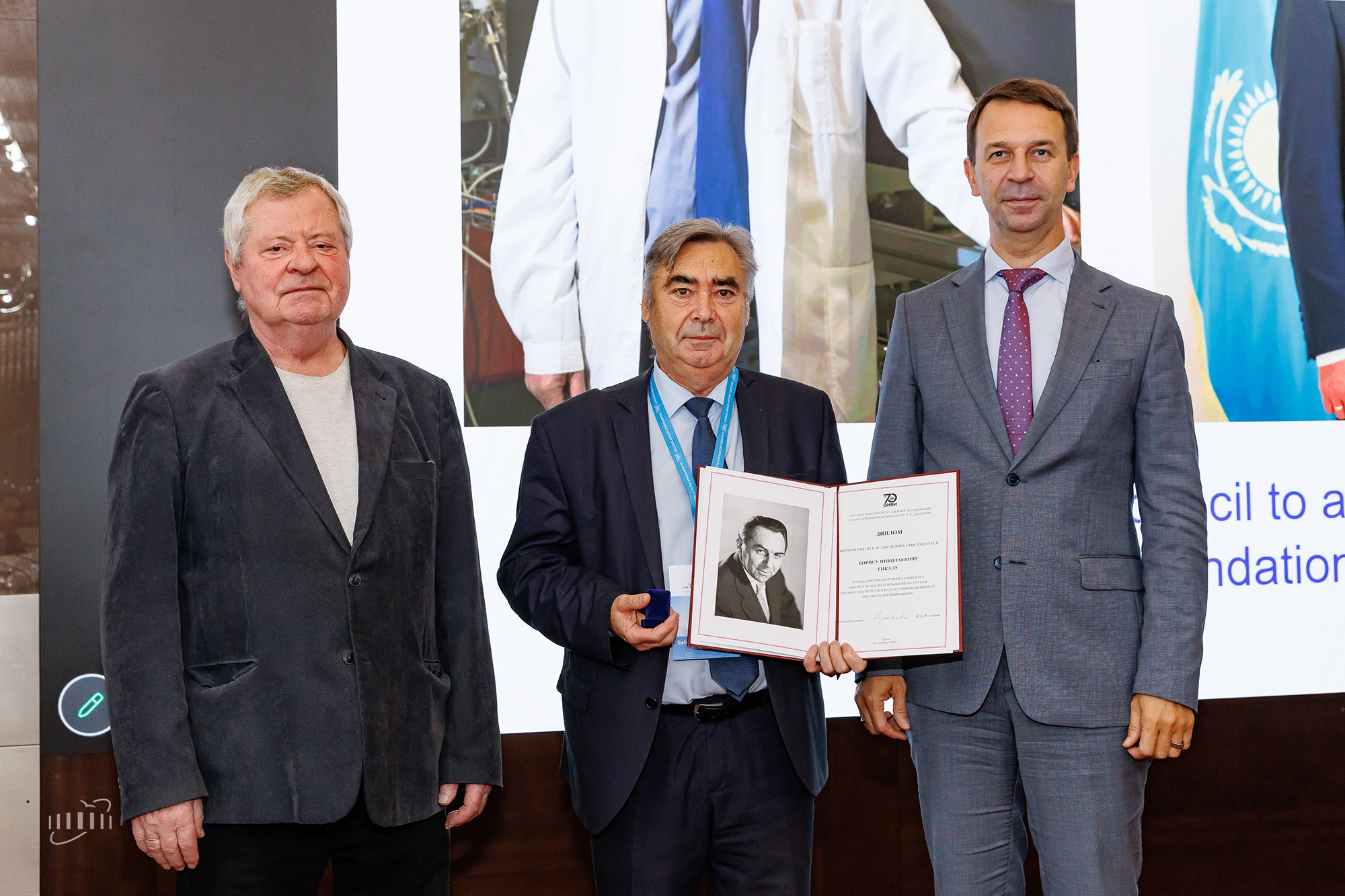
Then, DLNP JINR Directorate Advisor Nikolay Rusakovitch announced the Dzhelepov Prize laureates. JINR Chief Engineer Boris Gikal and Director of the Department of Science and Innovation of the Agency of the Republic of Kazakhstan for Atomic Energy Maxim Zdorovets were awarded for their contributions to the creation of the DC-60 Accelerator Complex and the development of a research centre at the Astana Branch of the Institute of Nuclear Physics of Kazakhstan.
“This award is very special for me, as it is inextricably linked with a project that has united Kazakhstan and JINR for more than twenty years. The DC-60 Complex is one of the brightest examples of what the Joint Institute can give to a Member State”, Maxim Zdorovets noted.
FLNR JINR Scientific Leader Yuri Oganessian put forward a recommendation to award the Flerov Prize to Head of the FLNR JINR Centre of Applied Physics Pavel Apel for his outstanding contribution to the advancement of applied nuclear physics.
“I am greatly honoured to receive this high award, and I share it with the people I have worked with for many years”, Pavel Apel emphasised. “The Flerov Laboratory of Nuclear Reactions is a truly exceptional place, and I am immensely grateful for the recognition of our joint efforts”.
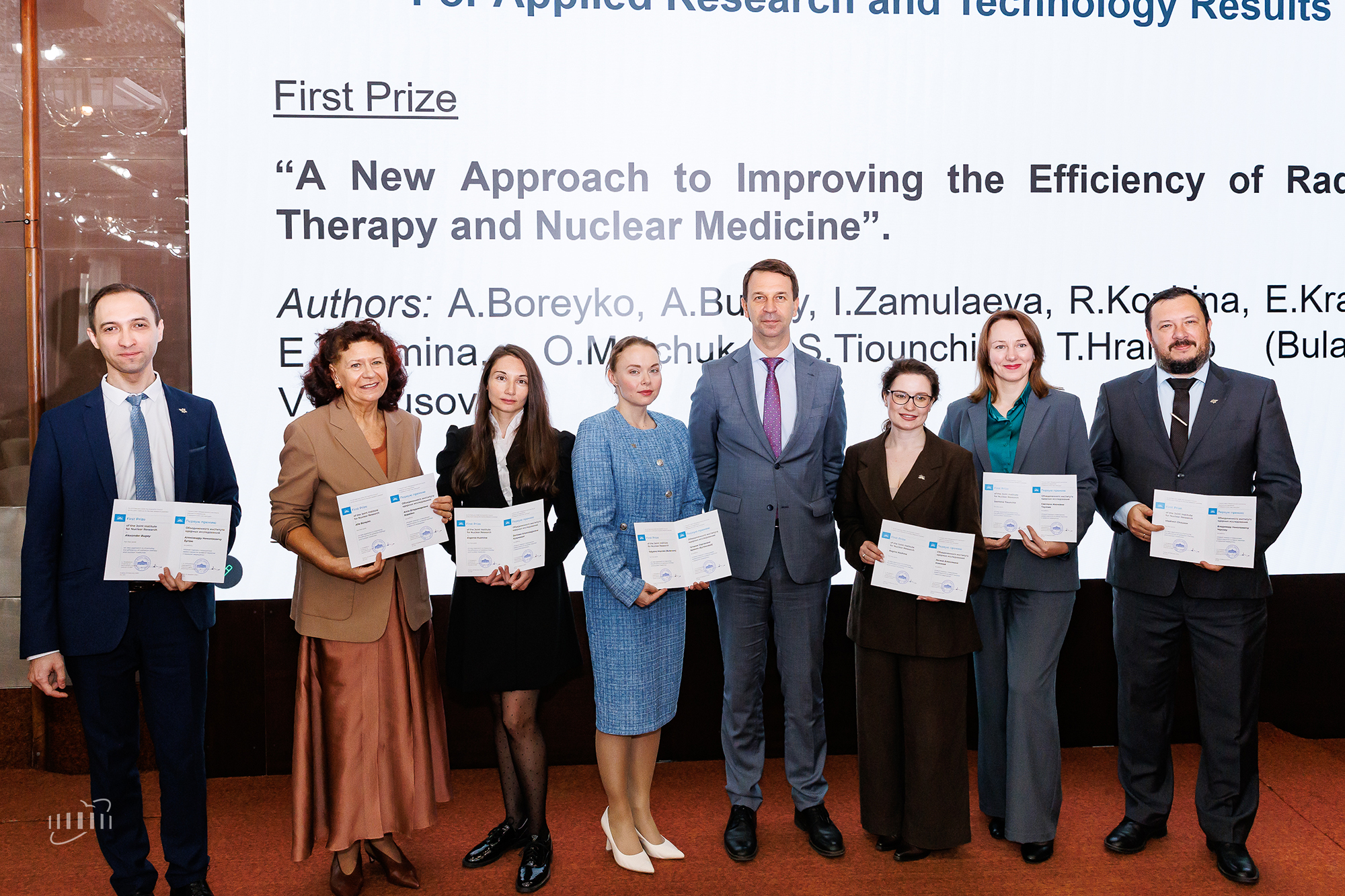
Grigory Trubnikov presented diplomas to the 2025 JINR Prize laureates awarded for the best applied scientific, methodological, and technical research.
The meeting concluded with a general discussion and the adoption of a final resolution. The 141st session of the Scientific Council of the Joint Institute for Nuclear Research will take place in February 2027.