The programme of the Days of the Joint Institute for Nuclear Research in the Socialist Republic of Viet Nam continued on 15–16 September 2026 with a series of events marking the country’s 70th anniversary as a JINR Member State as well as working meetings in Hanoi and Nha Trang. The two-day agenda focused on the participation of Vietnamese scientists in new joint projects, the development of national research infrastructure, and the training of a new generation of scientific and engineering personnel. Earlier, Hanoi hosted the opening ceremony of the first JINR Information Centre in Southeast Asia.
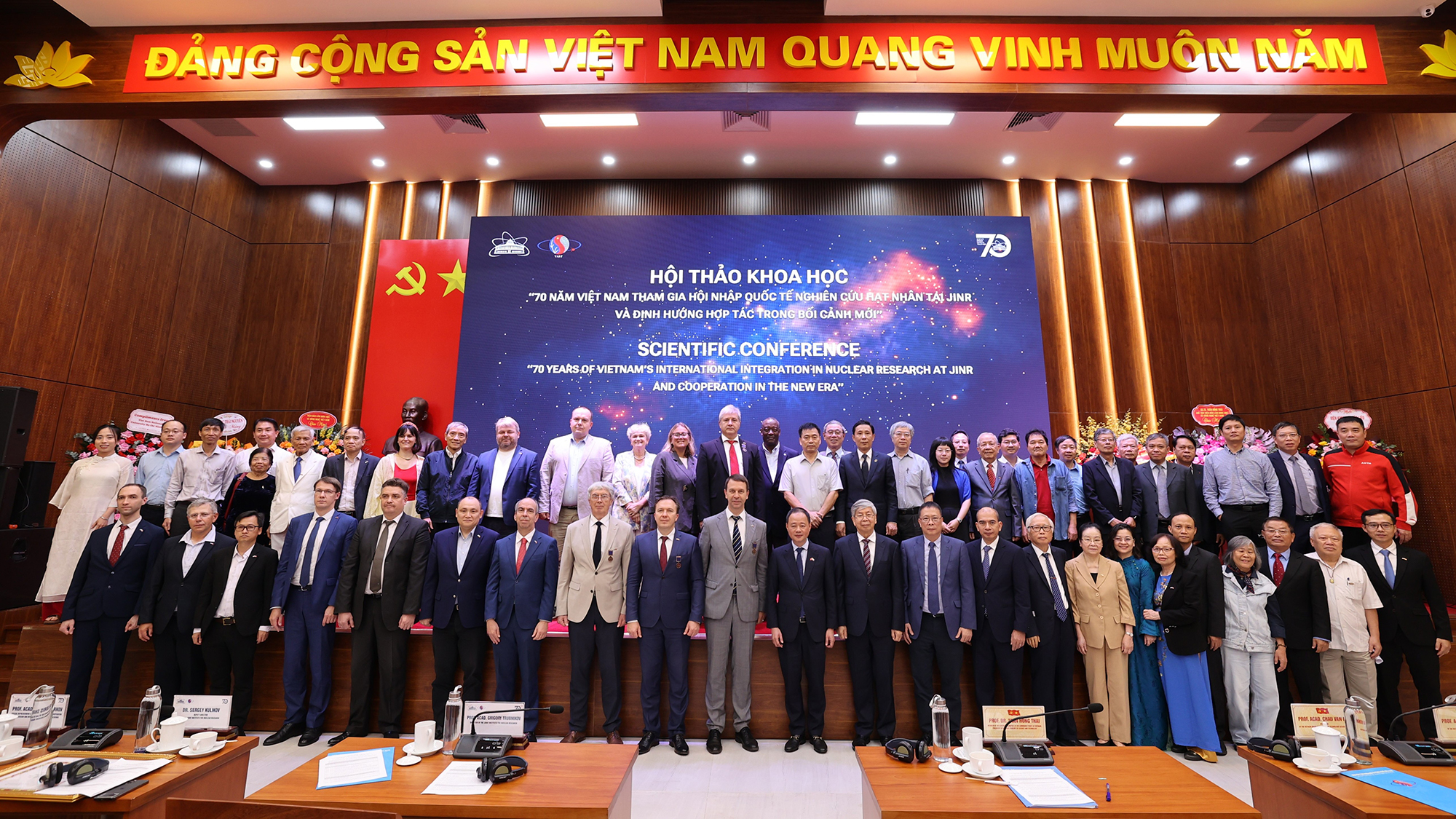 Photo: Vietnam Academy of Science and Technology
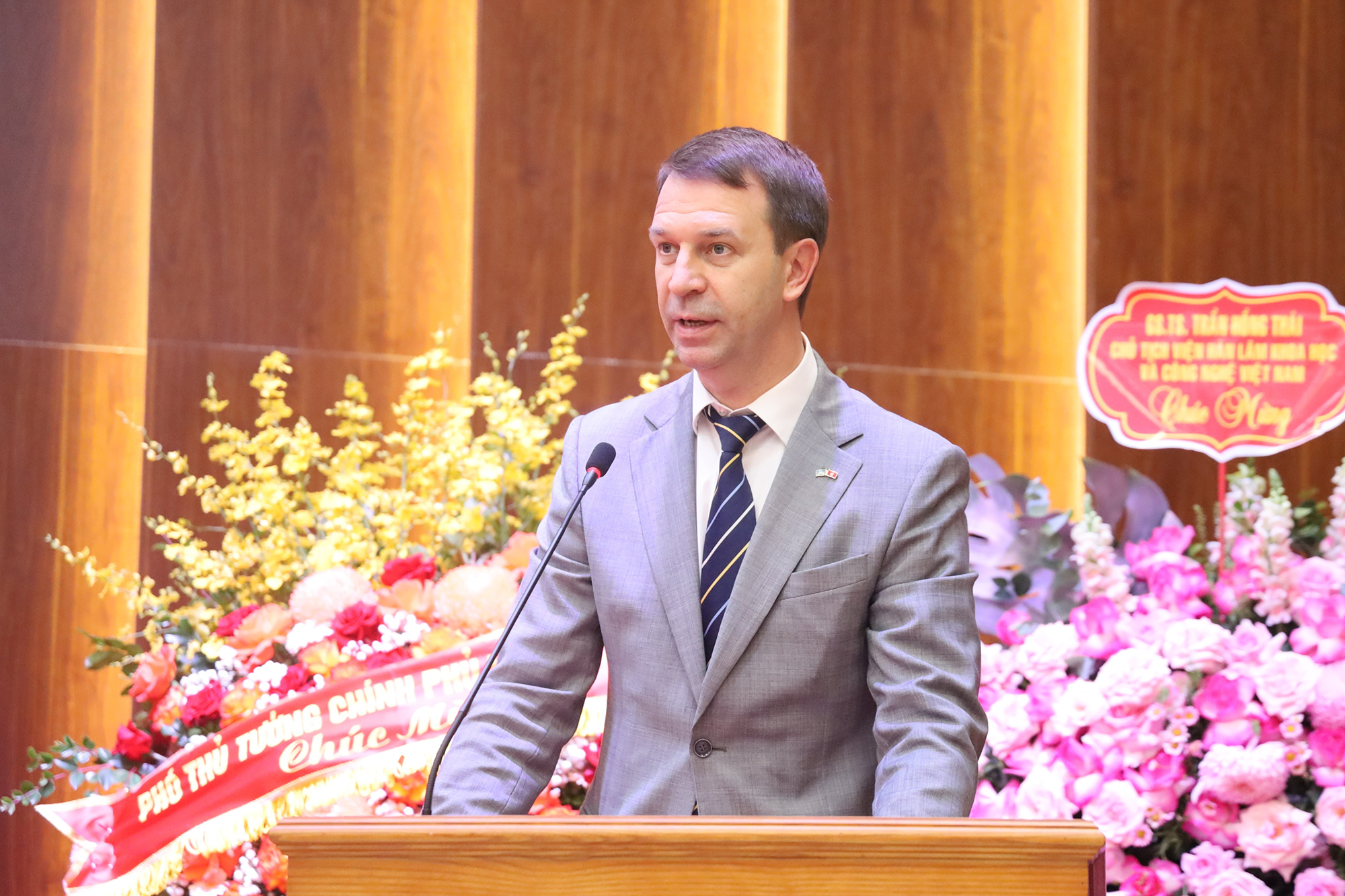
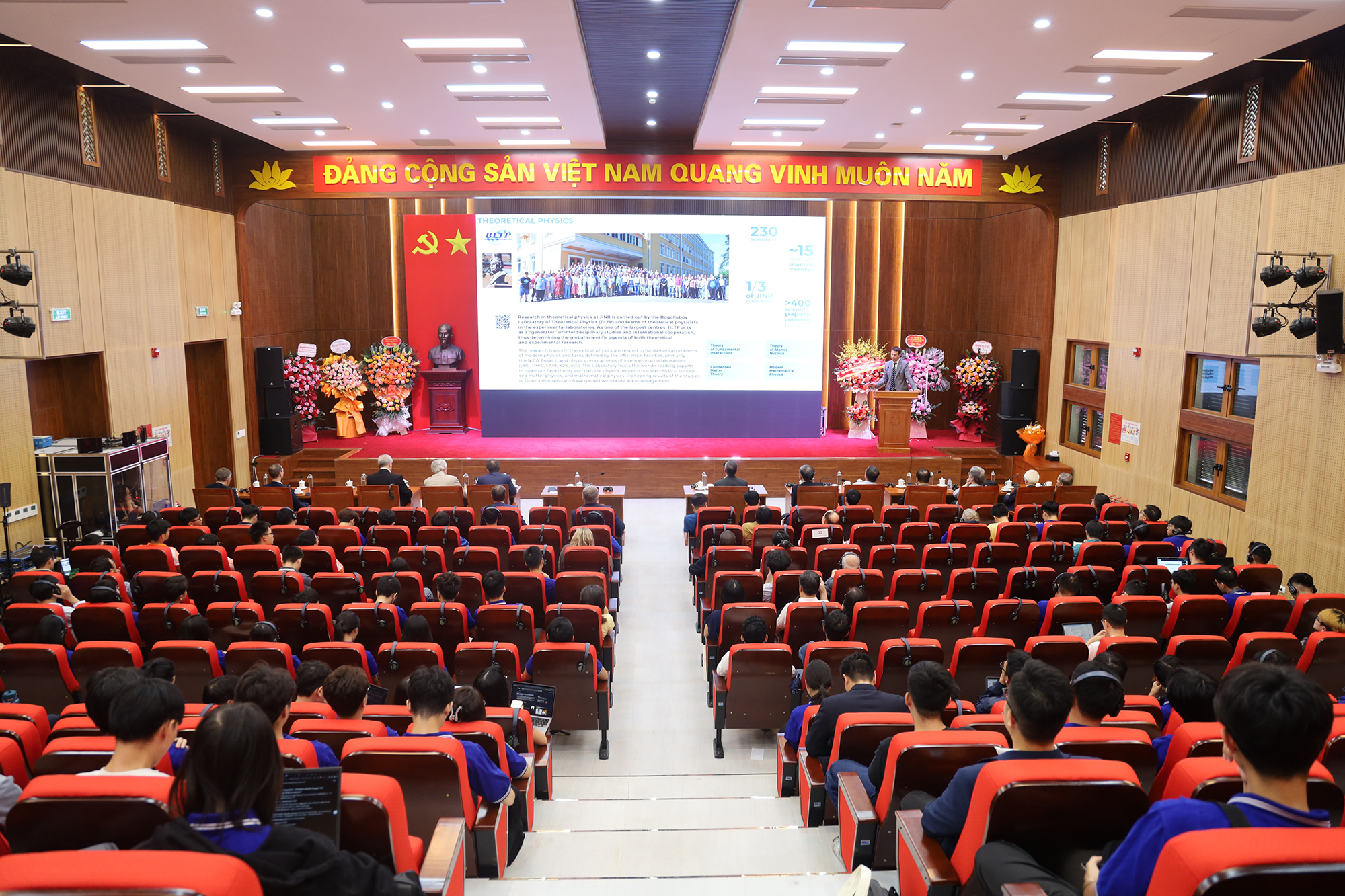
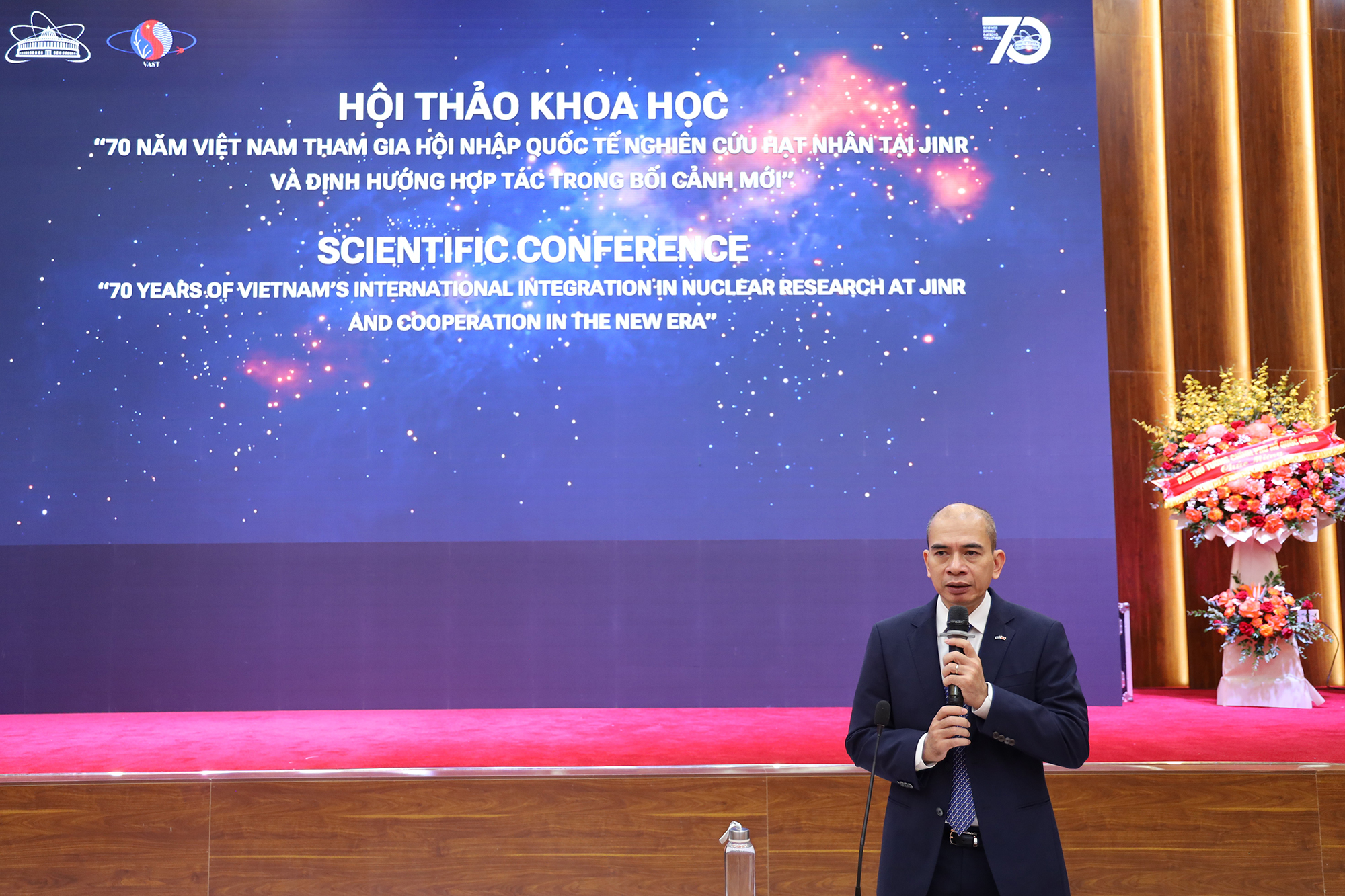
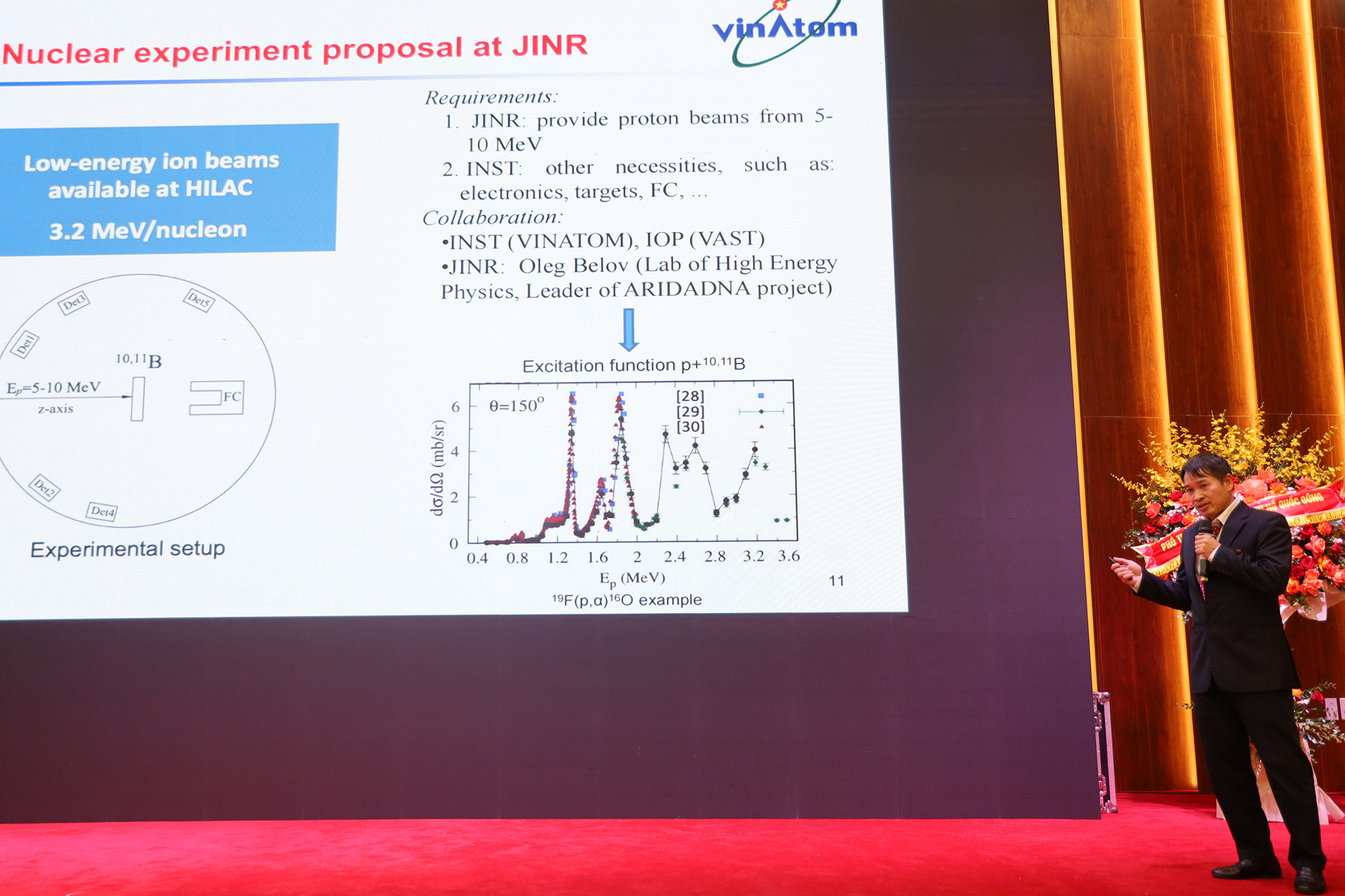
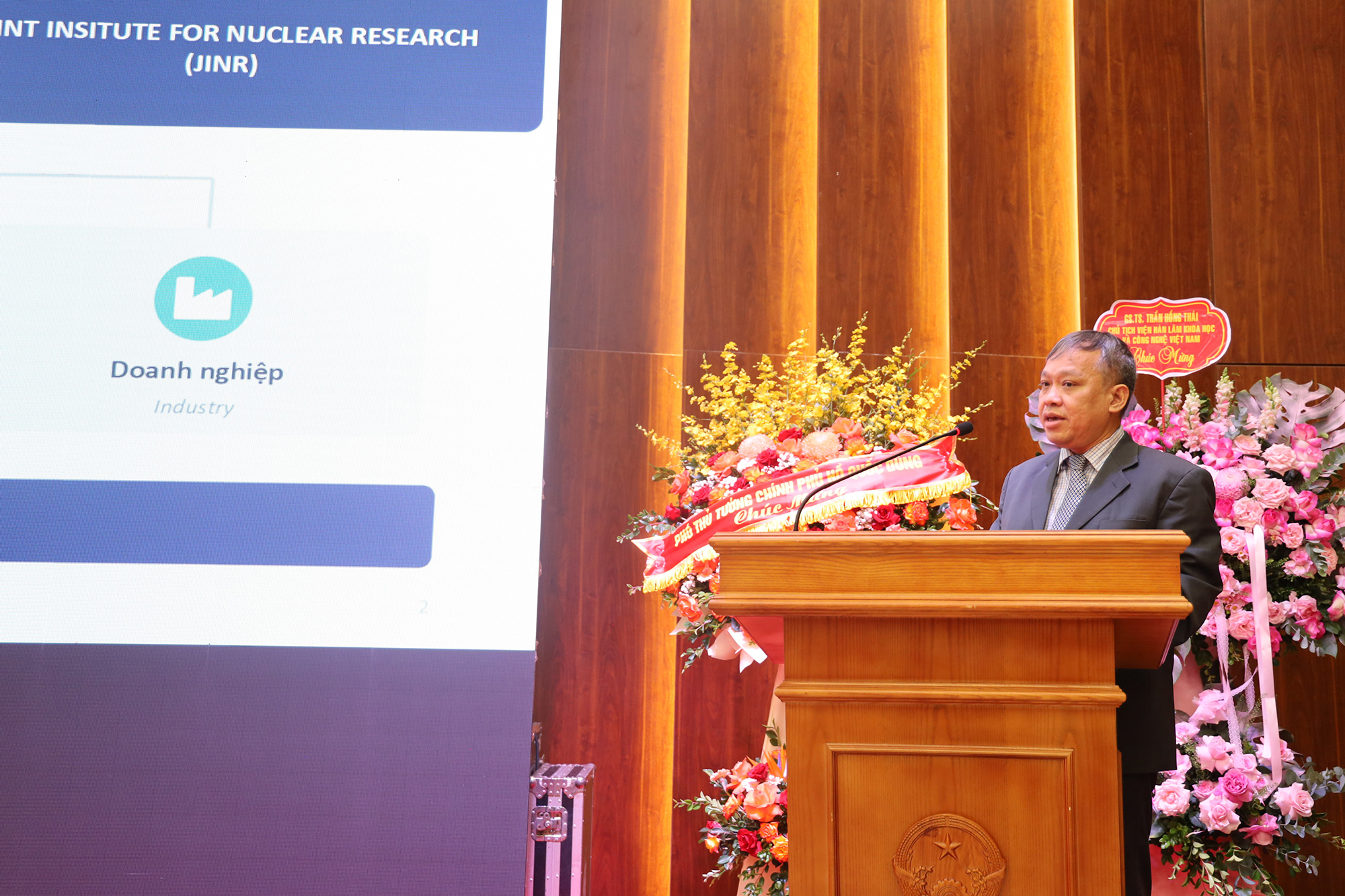
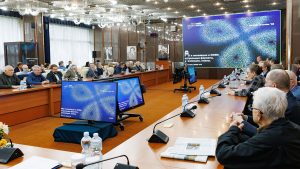
On 15 September, the leadership of JINR and the Vietnam Academy of Science and Technology (VAST) as well as representatives of Vietnam’s Ministry of Science and Technology, the Vietnam Atomic Energy Institute (VINATOM), government agencies, and leading universities took part in an anniversary session at the VAST Institute of Physics (IOP VAST).
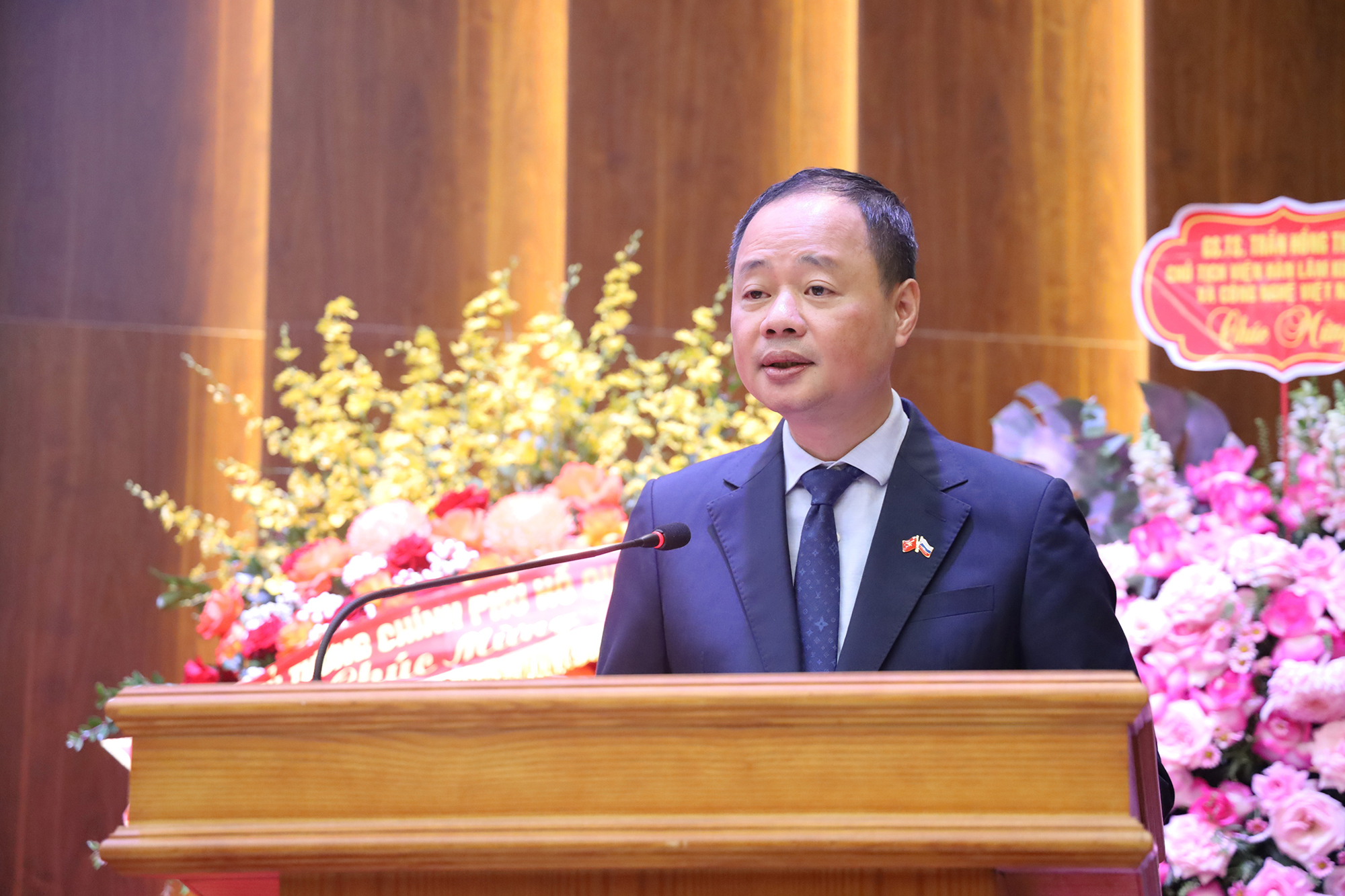
At the opening ceremony, VAST President, Professor Tran Hong Thai expressed gratitude to generations of scientists from all JINR Member States, who consistently supported the Institute over the seven decades. In addition, he noted the outstanding researchers, including Nguyen Dinh Tu, Nguyen Van Hieu, and many others who worked in Dubna and greatly contributed to global fundamental science.
“The true value of international cooperation lies not only in the results obtained today, but also in the research potential that we are developing for tomorrow”, Professor Tran Hong Thai emphasised. “We expect a wider engagement of Vietnam in JINR’s studies: the organization of teams of leading scientists and new valuable experience for solving complex research tasks”.
In his speech, Director of the Joint Institute for Nuclear Research, Academician of the Russian Academy of Sciences (RAS) Grigory Trubnikov highlighted the active participation of Vietnamese specialists in the implementation of JINR’s multifarious research programme. He noted that today, one of the main cooperation development factors are Vietnam’s large-scale infrastructure initiatives, particularly the design of a research reactor and a large accelerator complex. The development of these advanced facilities requires the expedited training of highly qualified engineers and scientists.
“As we look back on our shared 70-year history, we have every reason to be optimistic about the prospects for further interaction between Vietnam and JINR”, Grigory Trubnikov summarised. “Our common determination to direct efforts and resources to the development of the human capital is a reliable direct investment in Vietnam’s young generation. Which means it is an investment in the future of the the Republic’s national science and technology and the entire international academic community”.
As part of the event, a ceremony took place to award commemorative medals to representatives of the Vietnam Academy of Science and Technology and the Joint Institute for Nuclear Research for significant contribution to the development of research and international cooperation. JINR delegation members who received the medal included: JINR Director Grigory Trubnikov, Director’s Special Representative for Cooperation with International and Russian Scientific Organizations, RAS Academician Boris Sharkov , Vice-Director Sergey Kulikov, University Centre Director Dmitry Kamanin, and other representatives of the Institute’s leadership.
The subsequent scientific conference chaired by Plenipotentiary of Vietnam to JINR Professor Tran Tuan Anh focused on the mechanisms of international scientific and technical integration, human resources for high-tech industries, and the development of the Republic’s atomic energy. Experts from Vietnam’s Central Policy and Strategy Commission, Ministry of Science and Technology, the Vietnam National University, Hanoi, and VINATOM made presentations.
The daytime programme continued with open lectures: Grigory Trubnikov discussed the key challenges of modern nuclear physics, and Deputy Head of the Division of Scientific and Methodological Research and Innovation of the Laboratory of High Energy Physics at JINR Oleg Belov gave a talk on the programme of applied studies at the NICA Complex. At a thematic session, IOP VAST researchers and JINR scientists from Vietnam gave talks on the implementation of joint projects, including the NICA Megascience Project.
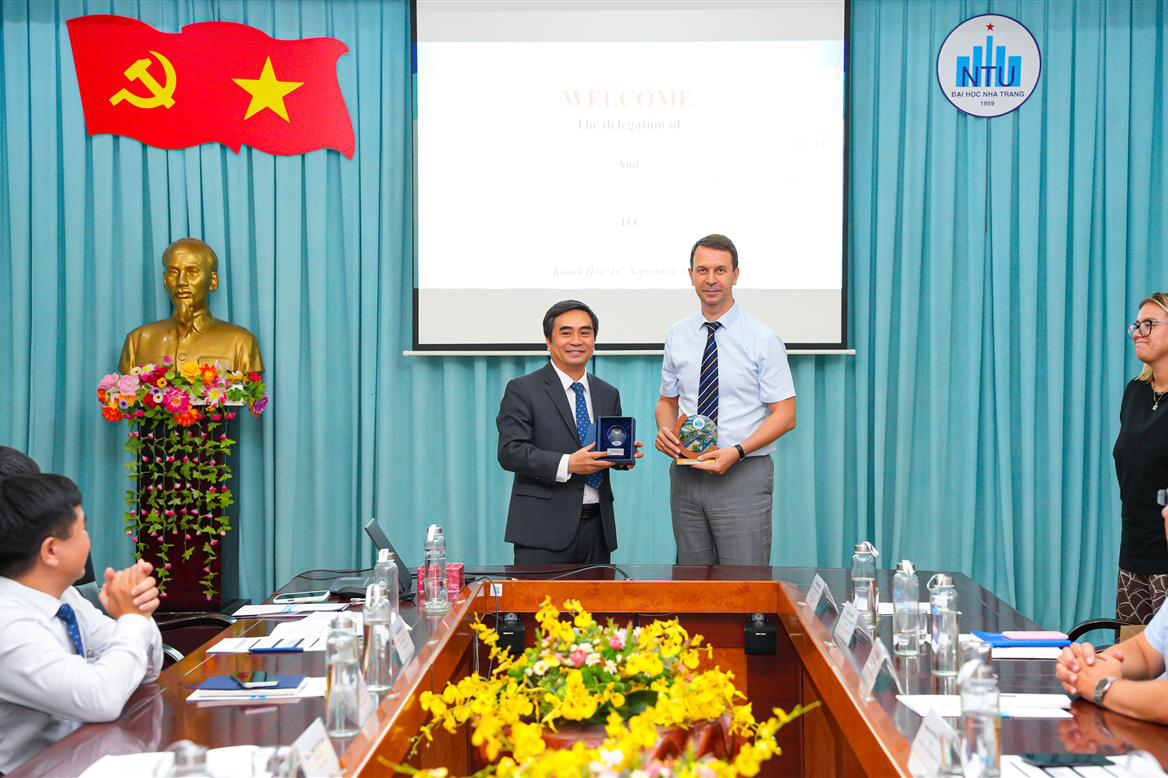 Photo: Nha Trang University
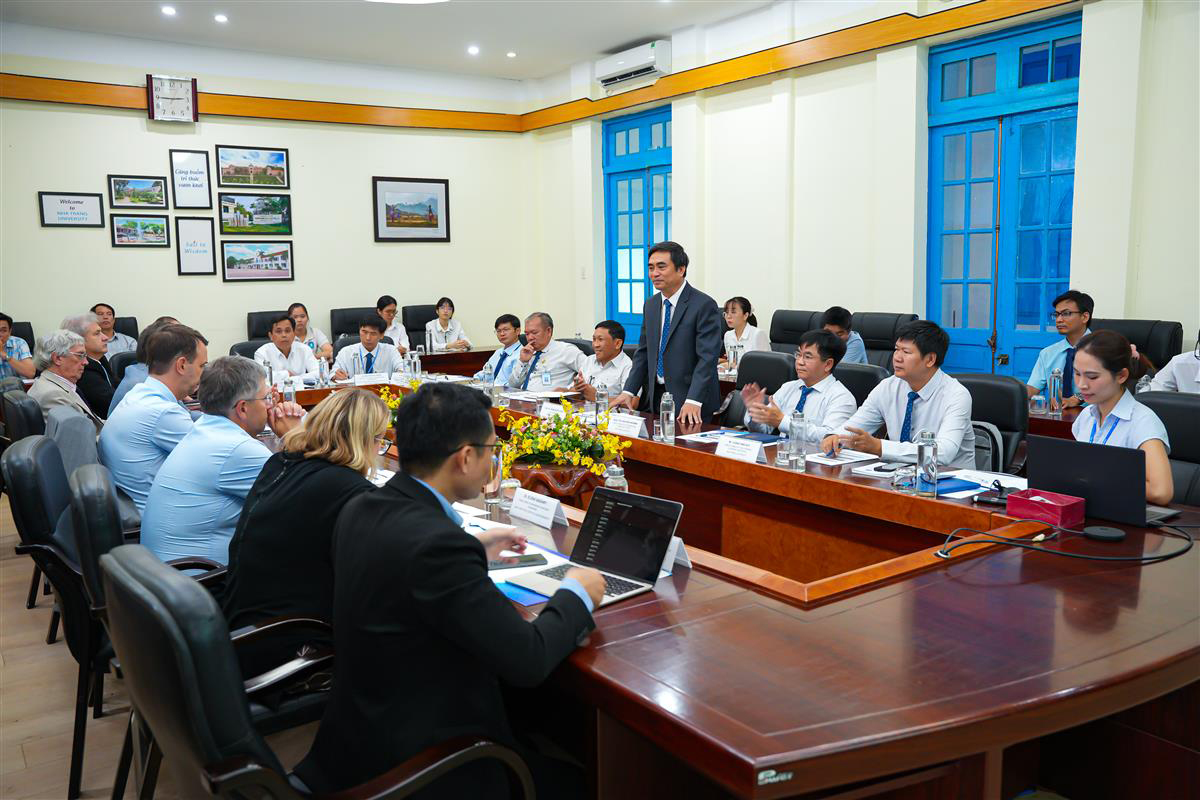
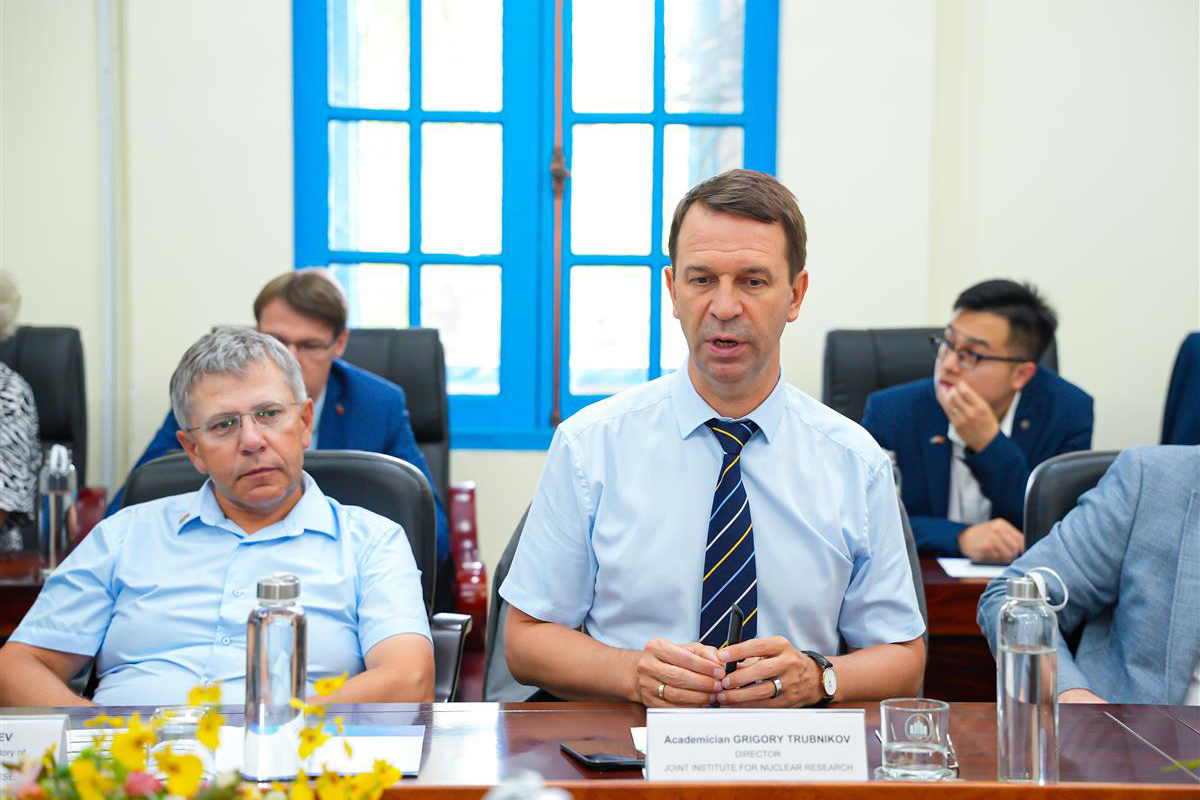
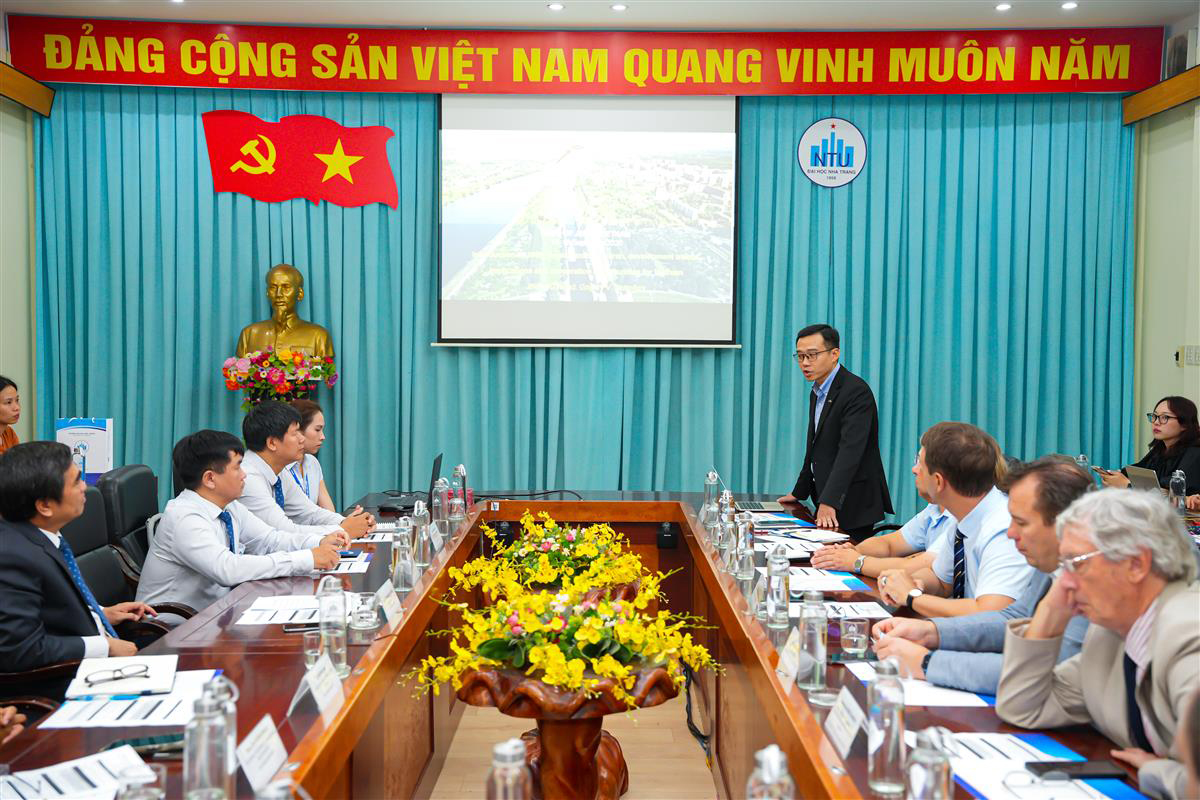
On 16 September, the delegation of the Joint Institute arrived in the city of Nha Trang to participate in working meetings at profile academic and educational centres in the south of the country. The first item on the agenda was a visit to the VAST Institute of Oceanography, where the parties discussed prospects for partnership in applying nuclear physics methods to marine studies and ecological monitoring of the marine environment.
In the second half of the day, an extended meeting on collaboration with Nha Trang University (NTU) took place. In terms of the planned construction of regional nuclear power plants, Khanh Hoa province considers NTU a potential platform for training engineering and technical personnel.
JINR representatives gave talks on different topics. UC Director Dmitry Kamanin presented the Institute’s capabilities in postgraduate training, internships, and the development of joint programmes with the universities of Member States and Partner Countries. LRB JINR Director Aleksander Bugay discussed the effects of ionising irradiation on living organisms, radiation safety, and biomedical applications. Oleg Belov provided an overwied of the prospects of life sciences research conducted using the heavy ion beams of the NICA Complex. JINR Vice-Director Sergey Kulikov introduced the colleagues to the applications of neutron radiation at the IBR-2 Pulsed Reactor: from materials science to marine ecosystem analysis.
The JINR Days in Vietnam once again confirmed the interest of the Vietnamese academic community in the Joint Institute for Nuclear Research as a key international partner and defined the guidelines of joint work in the coming years.
Пресса