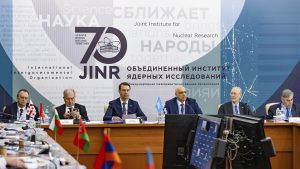
On 19–20 January 2026, the 62nd meeting of the JINR Programme Advisory Committee for Condensed Matter Physics took place at the International Conference Centre. The PAC members discussed the resumption of the user programme at the IBR-2 Reactor, along with the progress and prospects for upgrading the reactor’s spectrometer complex.
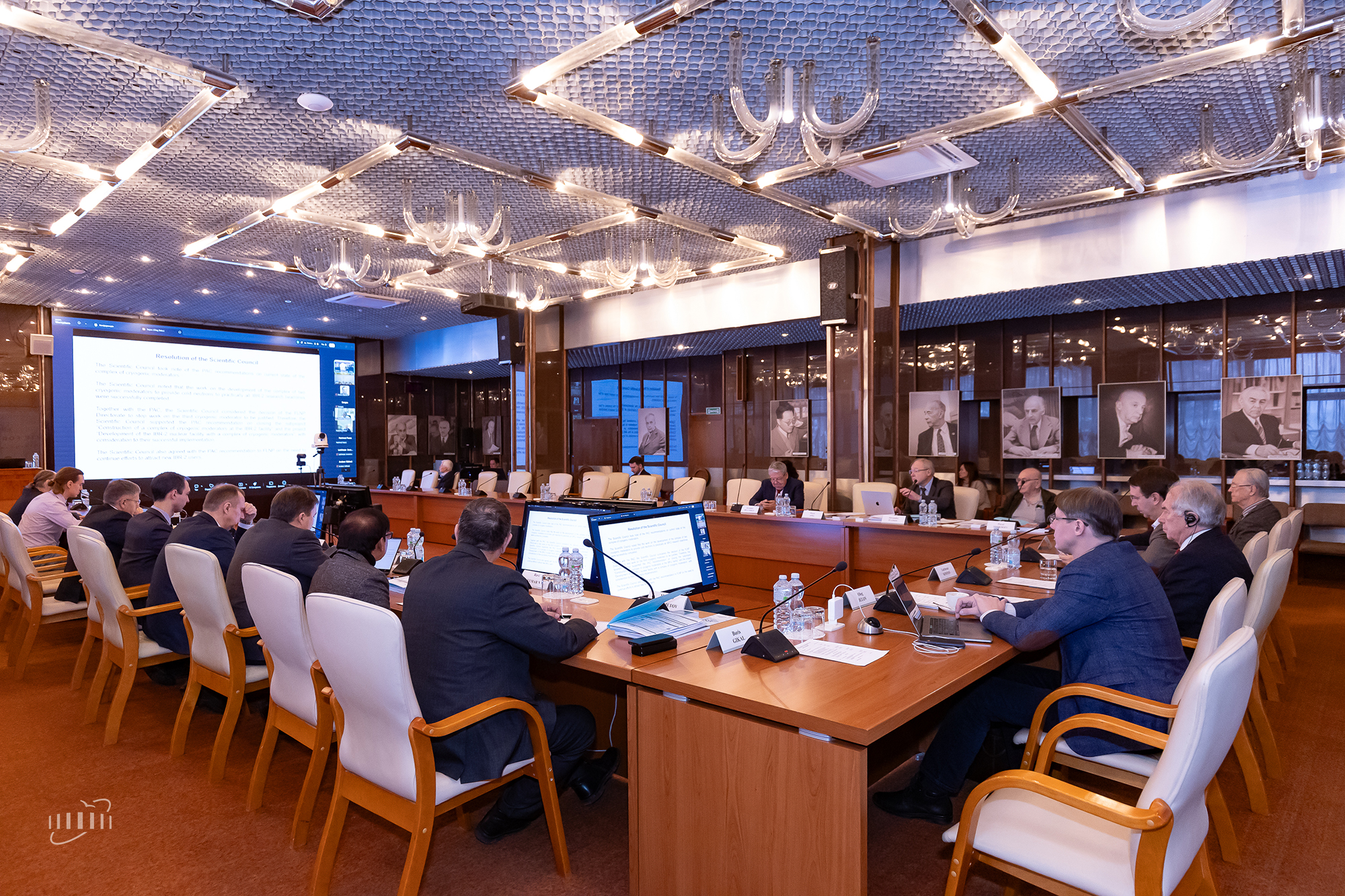
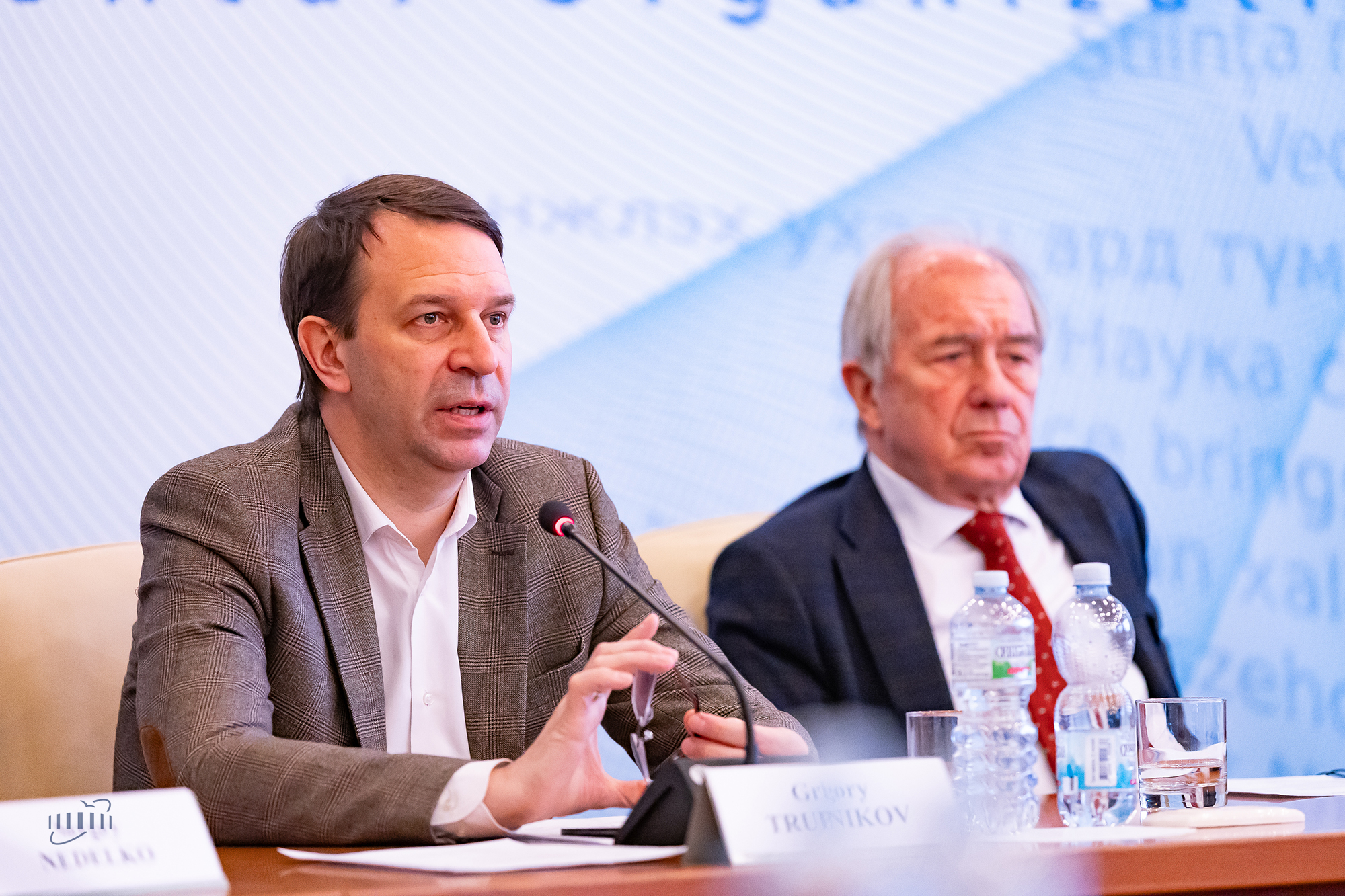
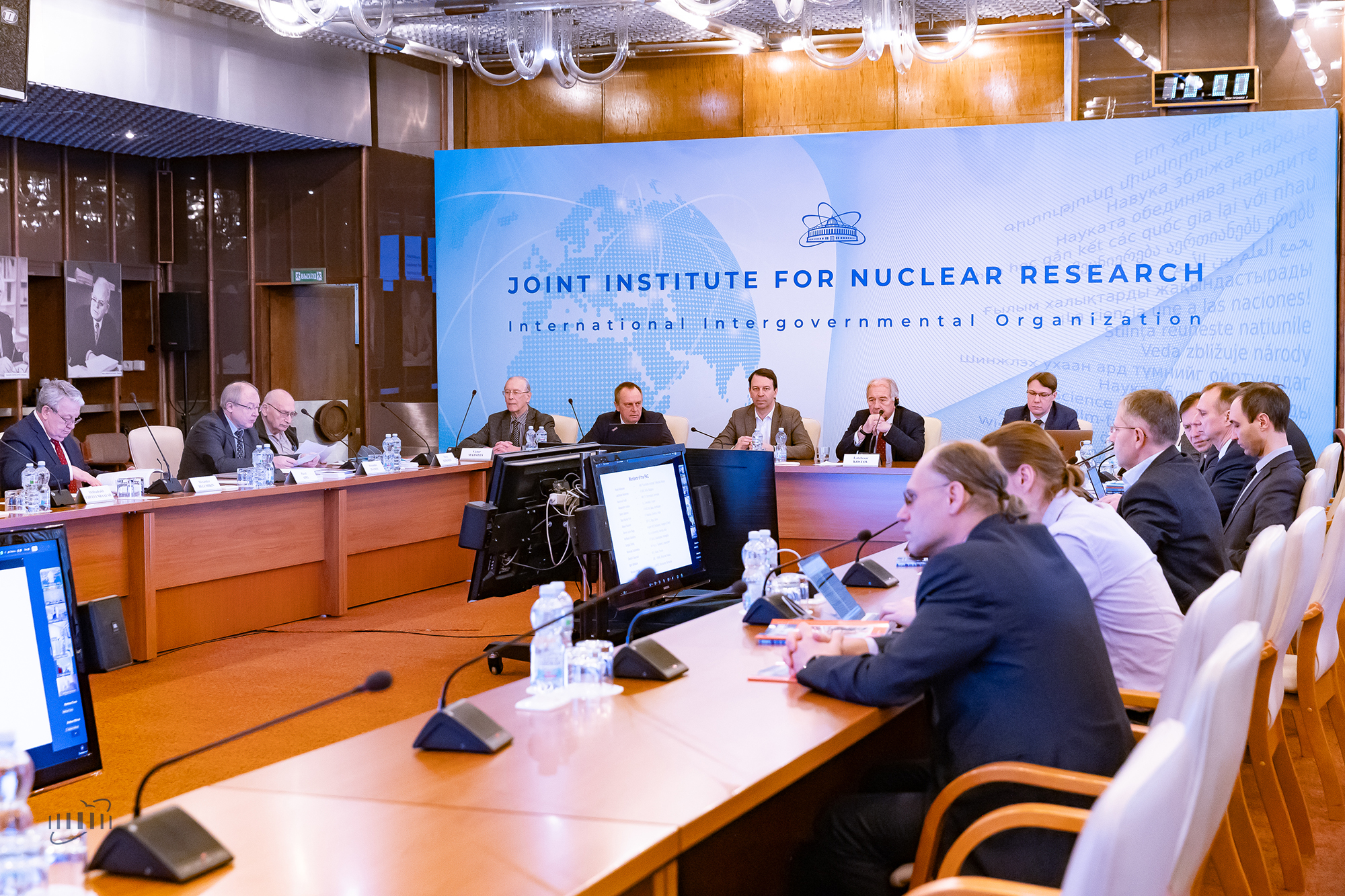
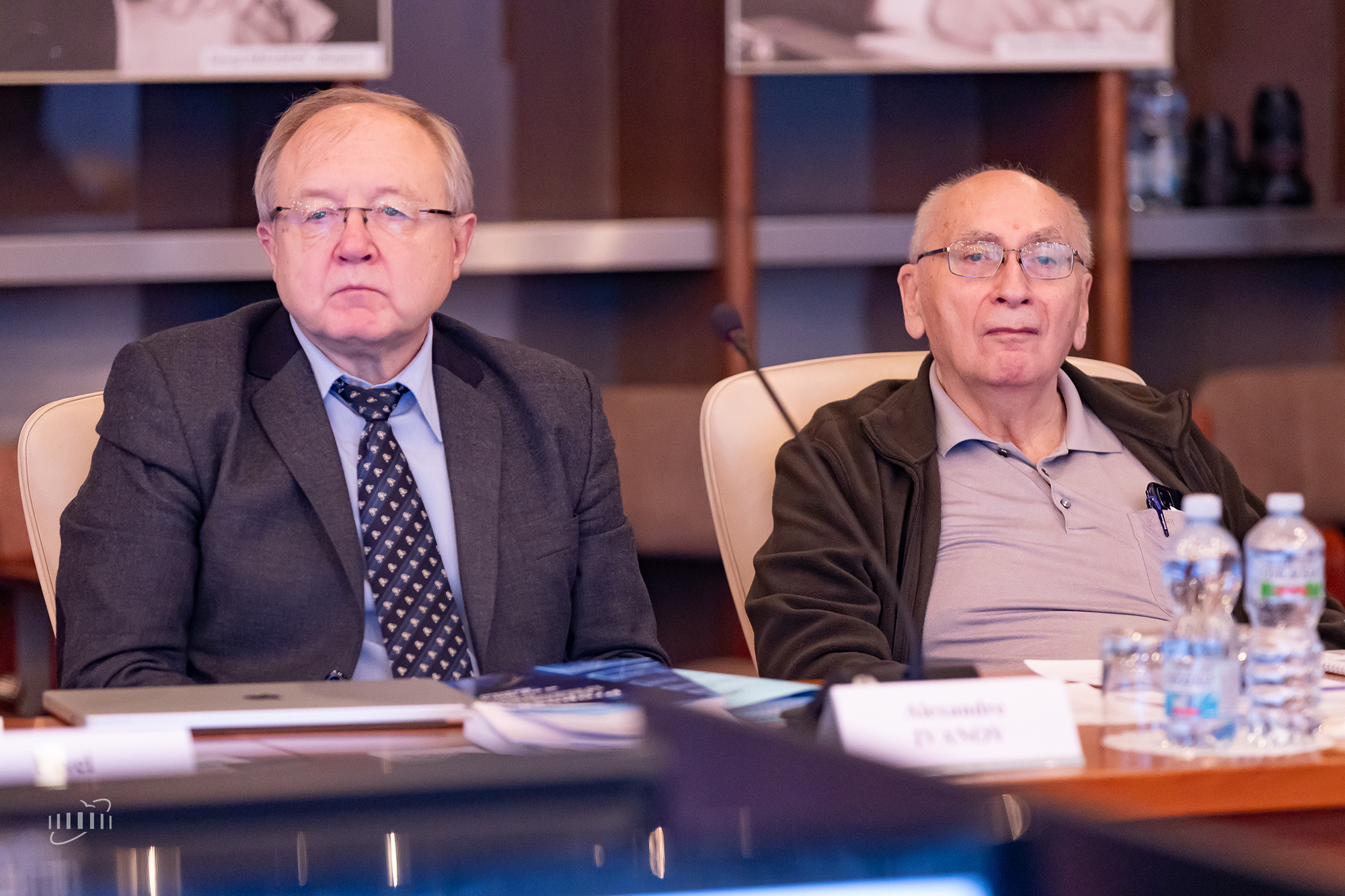
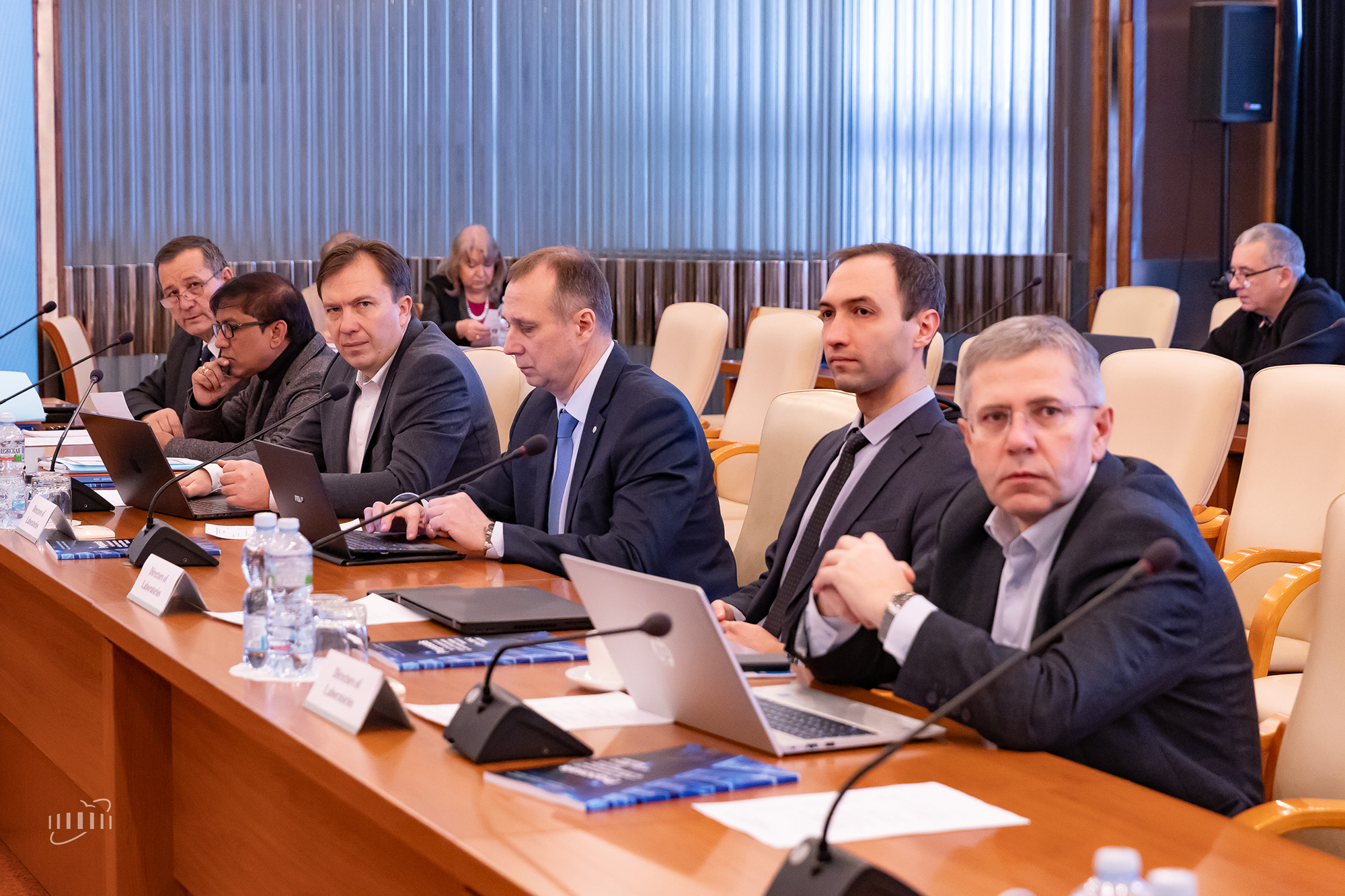
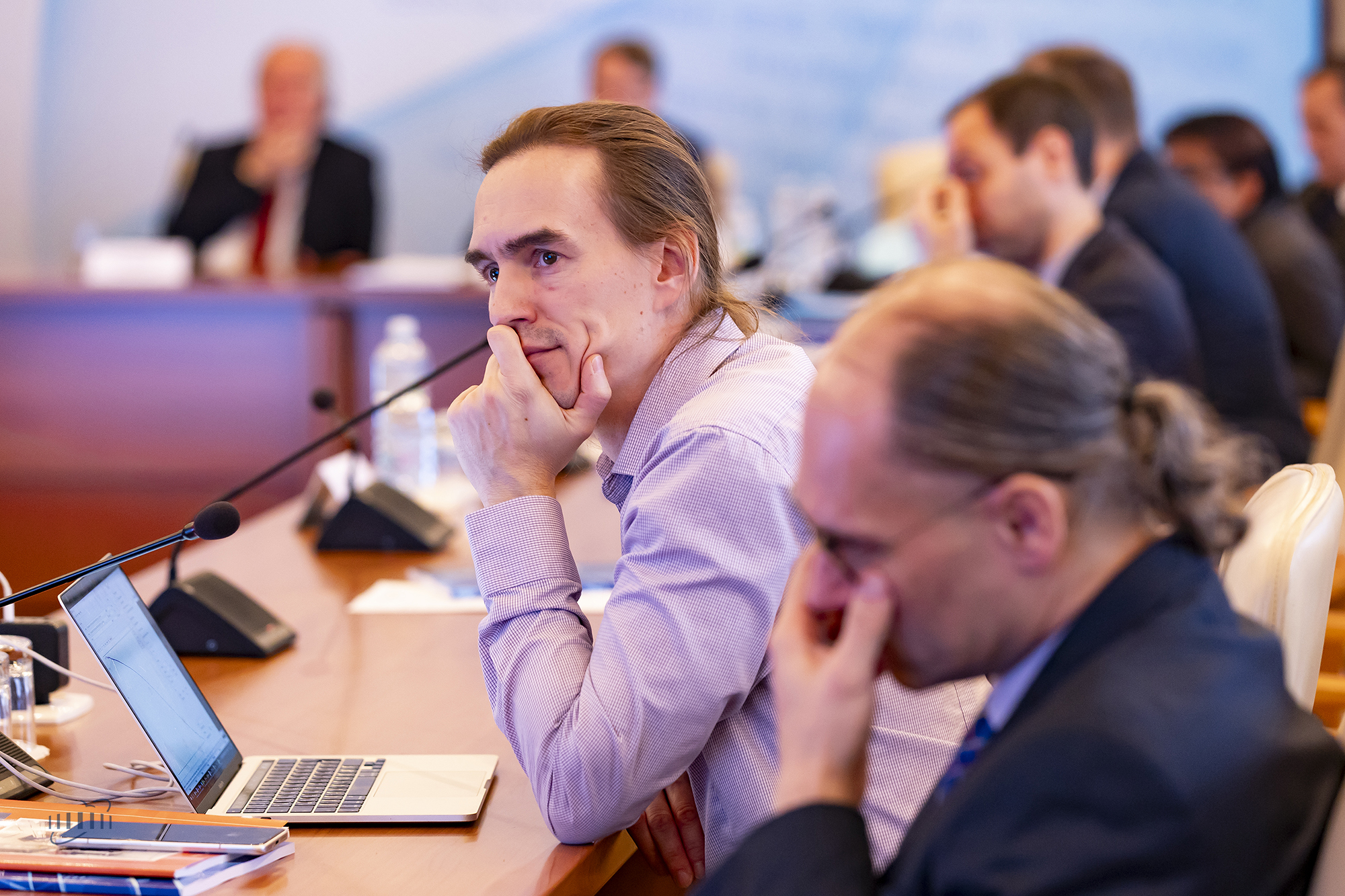
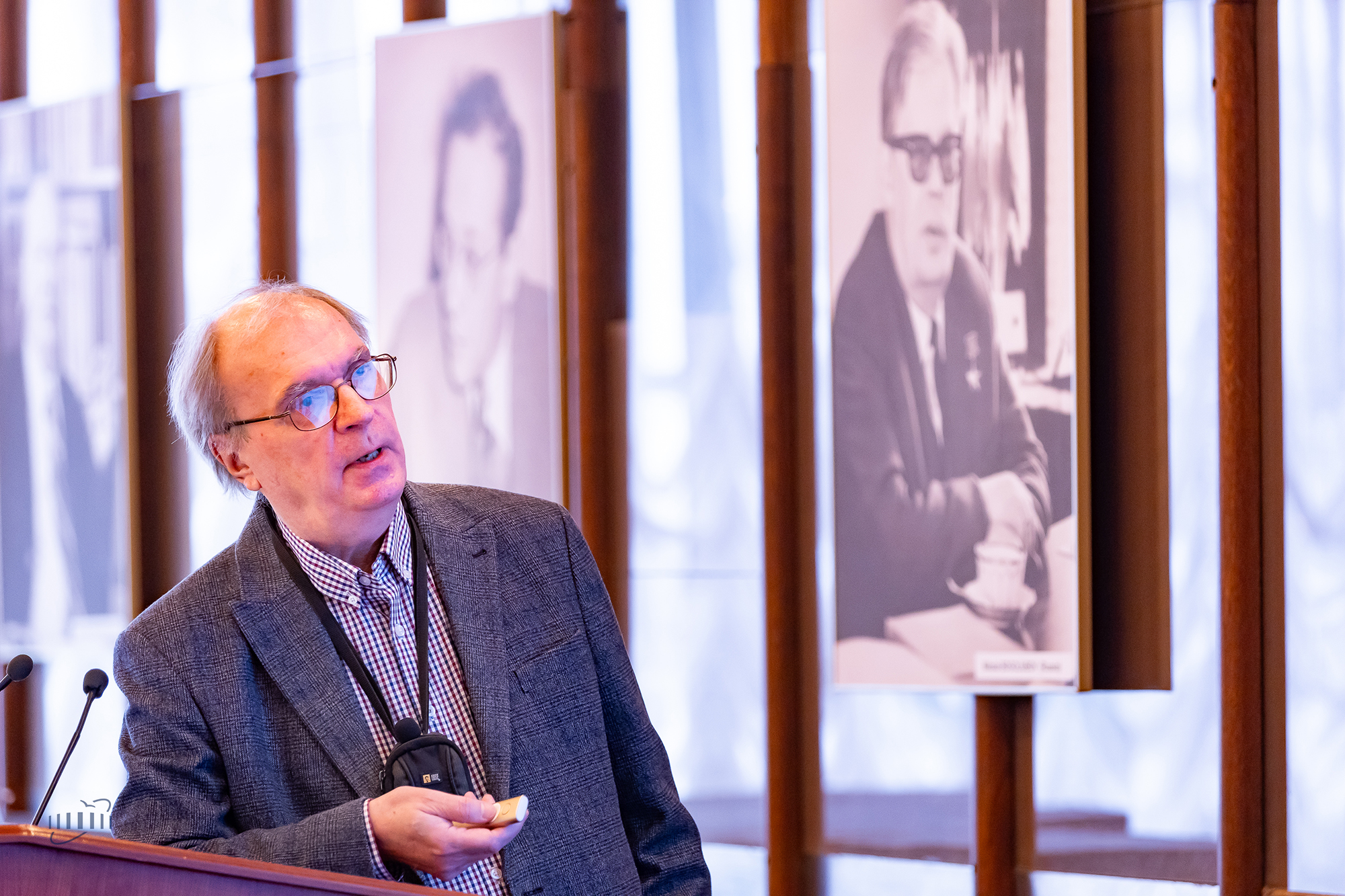
At the beginning of the event, Committee Chair, Professor Dénes Lajos Nagy gave a talk on the implementation of the previous PAC CMP meeting recommendations. JINR Vice-Director Latchesar Kostov discussed the decisions of the JINR Scientific Council (September 2025) and the Committee of Plenipotentiaries of the Governments of the JINR Member States (December 2025).
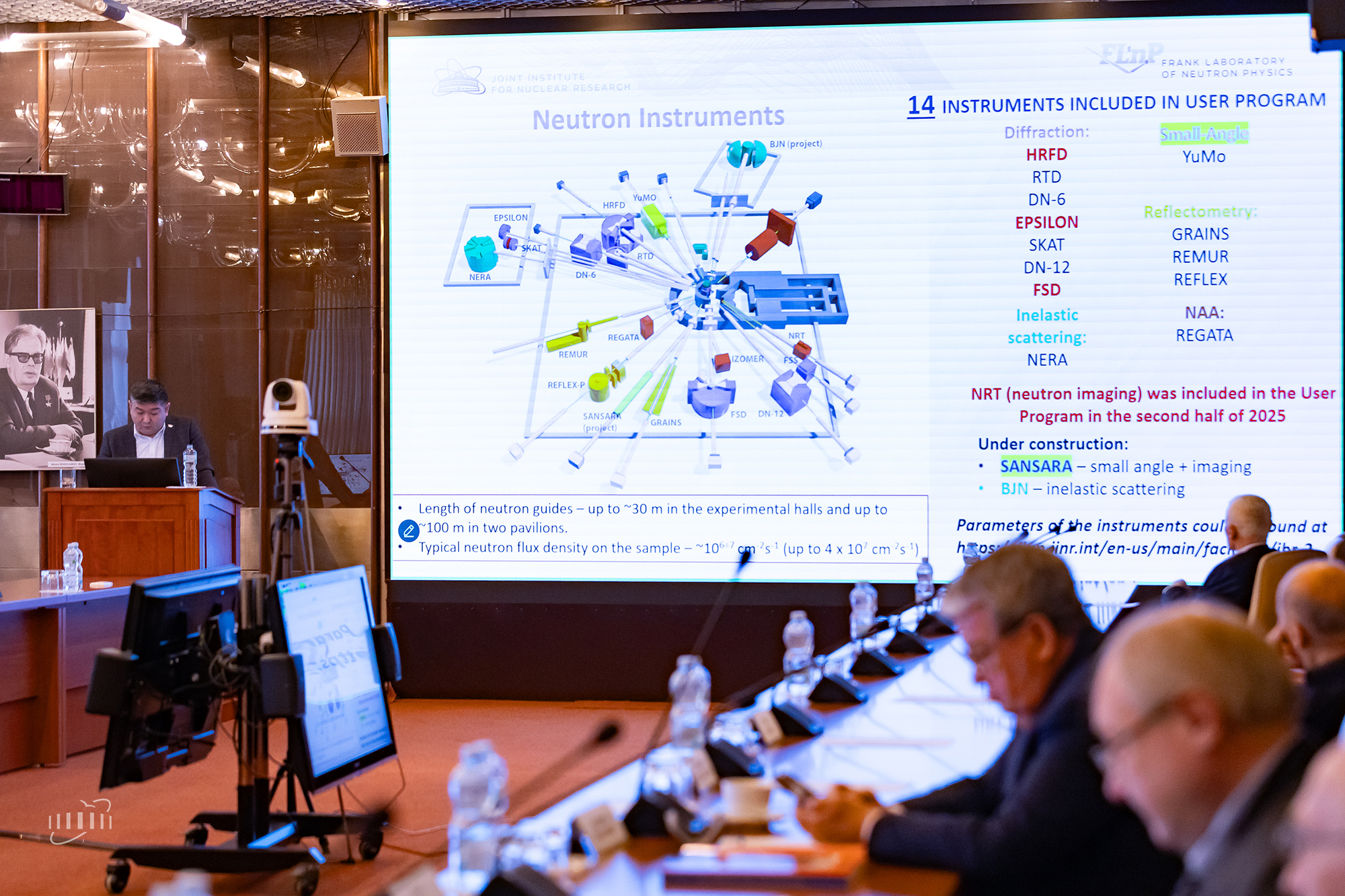
Deputy Director of the Laboratory of Neutron Physics at JINR Bagdaulet Mukhametuly presented the first results of the resumption of the international user programme at FLNP’s IBR-2 Reactor after the three-year shutdown. The spring IBR-2 operation cycle primarily consisted of test experiments aimed at verifying the operability of various spectrometer systems and refining their current technical characteristics. Some scientific experiments were conducted as well, which accelerated the attraction of new users to the programme. In autumn 2025, 114 applications for experiments were submitted. Experts approved 101 applications sent by scientists from Armenia, Belarus, China, Egypt, the Russian Federation, South Africa, and other countries. The YuMO, RTD, DN-12, REGATA, and REMUR Facilities were the most in demand among external users. These results demonstrated the successful return of IBR-2 as JINR’s key tool for neutron research. Work continues to expand the range of available methods in the FLNP user programme, strengthen international cooperation, and prepare for accepting applications for experiments in spring 2026.
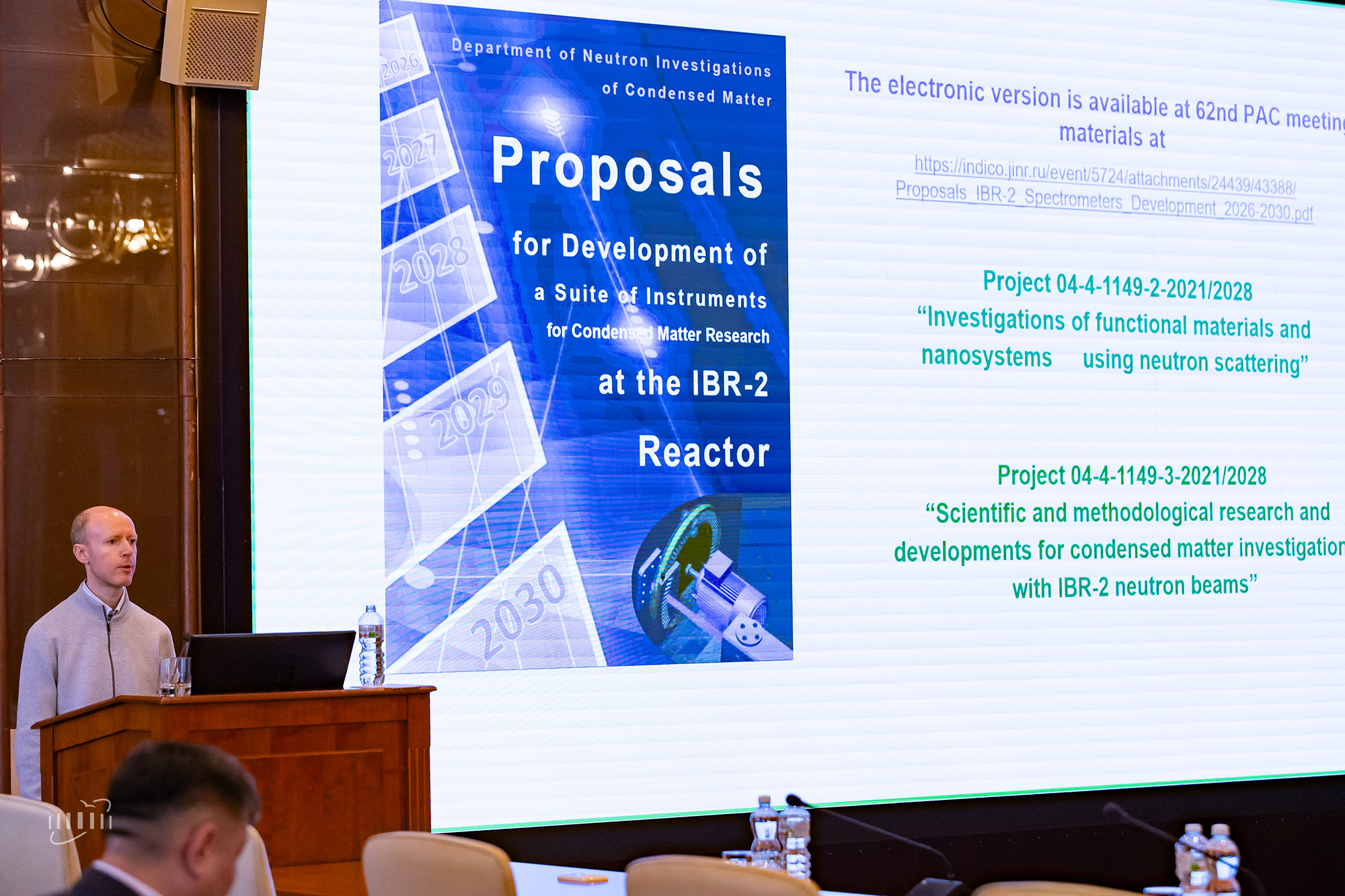
Head of an FLNP Department Denis Kozlenko presented plans for the development of the IBR-2 Reactor’s spectrometer complex in 2026-2030. He spoke about the modernisation of existing spectrometers and the creation of new facilities. Today, the IBR-2 Reactor’s spectrometer complex includes 14 instruments for condensed matter studies: 8 diffractometers, 3 reflectometers, a small-angle scattering spectrometer, an inelastic scattering spectrometer, and a neutron radiography and tomography spectrometer.
The priority area in terms of upgrading the IBR-2 spectrometer complex is the development and construction of two facilities. The first is the BJN, an inelastic scattering spectrometer in inverse geometry. Due to the focusing geometry and large solid angle of its analyser, the intensity of neutrons detected on it is expected to be more than 200 times higher than that of the current NERA Inelastic Scattering Spectrometer, which will significantly expand the experimental capabilities and increase the number of research directions in the dynamics and vibrational properties of condensed media. The creation of a small-angle scattering and imaging spectrometer in basic configuration is nearing completion. This facility will be complementary to the existing ones, YuMO and the NRT, and will expand the opportunities for research in life sciences, such as biology, biophysics, archaeology, materials science, etc. In addition, plans include upgrading existing instruments: modernising their elements and sample environment systems to improve technical parameters and expand experimental capabilities.

The progress and development of the BJN Instrument was highlighted by an FLNP leading researcher Evgeny Goremychkin. The spectrometer will have high luminosity due to the large area (~3.2 m2) of the energy analyser based on highly oriented pyrolytic graphite. At the moment, work is underway to create a neutron guide system and interrupters that will suppress the background of delayed neutrons. Specialists made a model of a spectrometer analyser with graphite plates, covering the entire range of scattering angles. The results of systematic measurements with the BJN analyser prototype fully confirm the correctness of computer simulations of the spectrometer.
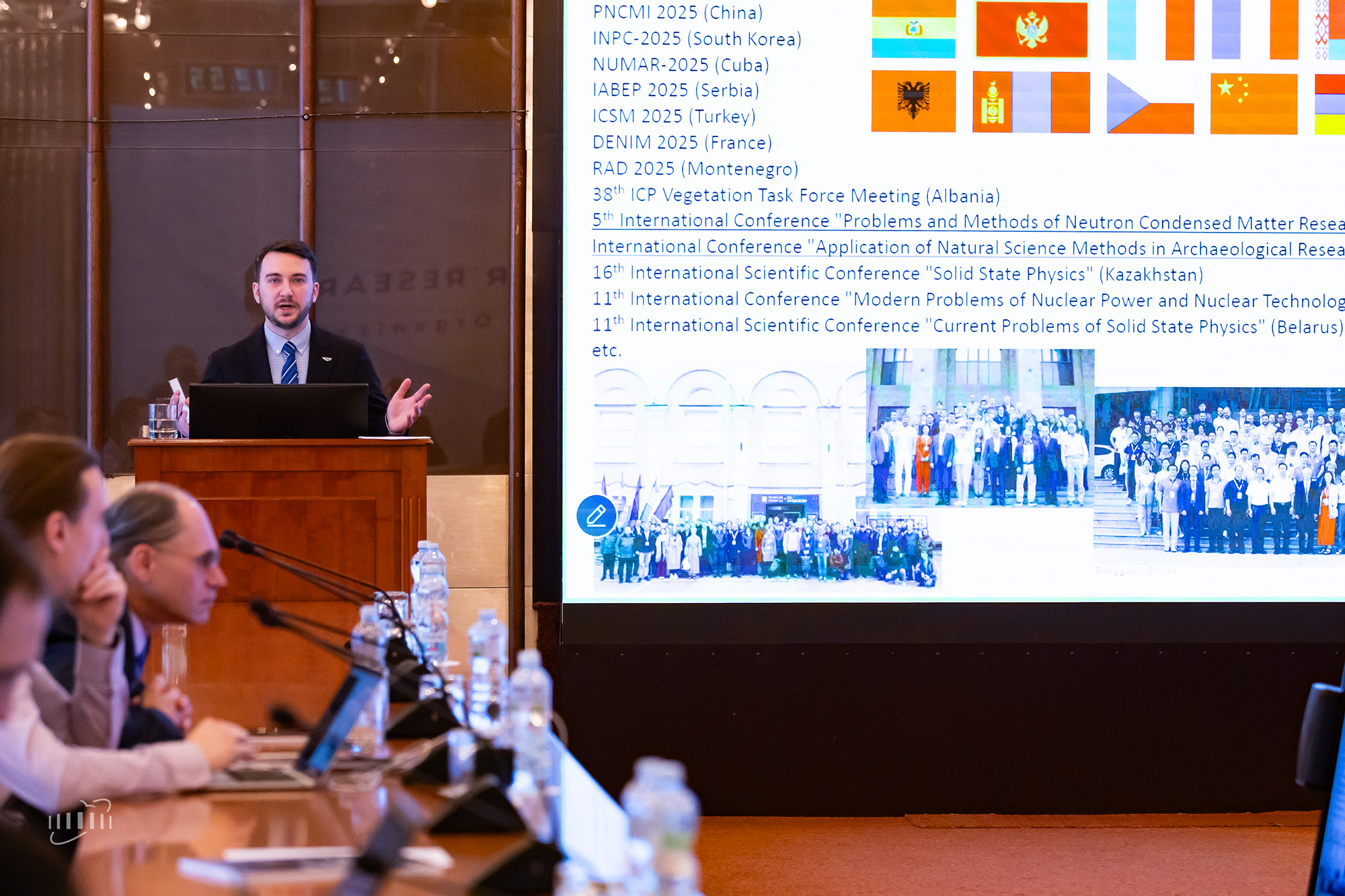
FLNP Scientific Secretary Alexander Nezvanov presented the results of the laboratory’s activities in organizing and participating in international conferences in 2025. The laboratory employees took part in more than 100 scientific events in 24 countries, including the Member and Partner States of the Institute. This resulted in a significant increase in external users of the IBR-2 tools from these countries. Plans for 2026 include holding the annual 32nd International Seminar on the Interaction of Neutrons with Nuclei (ISINN-32, Dubna) and the Condensed Matter Research at the IBR-2 Reactor international conference dedicated to the 70th anniversary of the Institute and the 90th anniversary of Yuri Ostanevich (CMR@IBR2-2026, Dubna). As part of the latter, a meeting of FLNP users will take place for the first time since 2022.
The scientific programme of the first day included talks by JINR employees, “A rigorous theory of diffraction by bulk and surface-relief gratings” (Maxim Zakharov, FLNP) and “Tardigrade Dsup protein as a basis for developing radioprotectors” (Mikhail Zarubin, DLNP).
The second day of the event started with a meeting of the PAC members with the JINR Directorate. Nguyen Vu Minh Trung delivered a scientific talk on positron annihilation spectroscopy at DLNP. Young scientists from FLNP, BLTP, and DLNP at JINR presented 19 brief overviews of their research results. FLNP employees took first places in the competition of presentations by young scientists:
- Evgenii Kolupaev (“Development of reflectometric techniques in oscillating magnetic fields on the REMUR Polarised Neutron Spectrometer”),
- Polina Kobchikova (“Interatomic machine learning potentials for molecular crystals of flexible organic compounds”),
- Polina Gergelezhiu (“Vibrational spectroscopy of ibuprofen, experimental features, and DFT calculation”).
Evgenii Kolupaev’s talk is recommended for presentation at the 139th session of the JINR Scientific Council. An FLNP junior researcher Bulat Bakirov was awarded a diploma for winning the presentation competition at the previous PAC CMP meeting.