Year’s results summarised at JINR STC
News, 26 December 2025
On 24 December 2025, the JINR Science and Technology Council held a meeting at the International Conference Centre. The STC members heard and discussed a talk on behalf of the Directorate, presented by JINR Director, Academician of the Russian Academy of Sciences Grigory Trubnikov. The Institute’s employees received departmental awards.
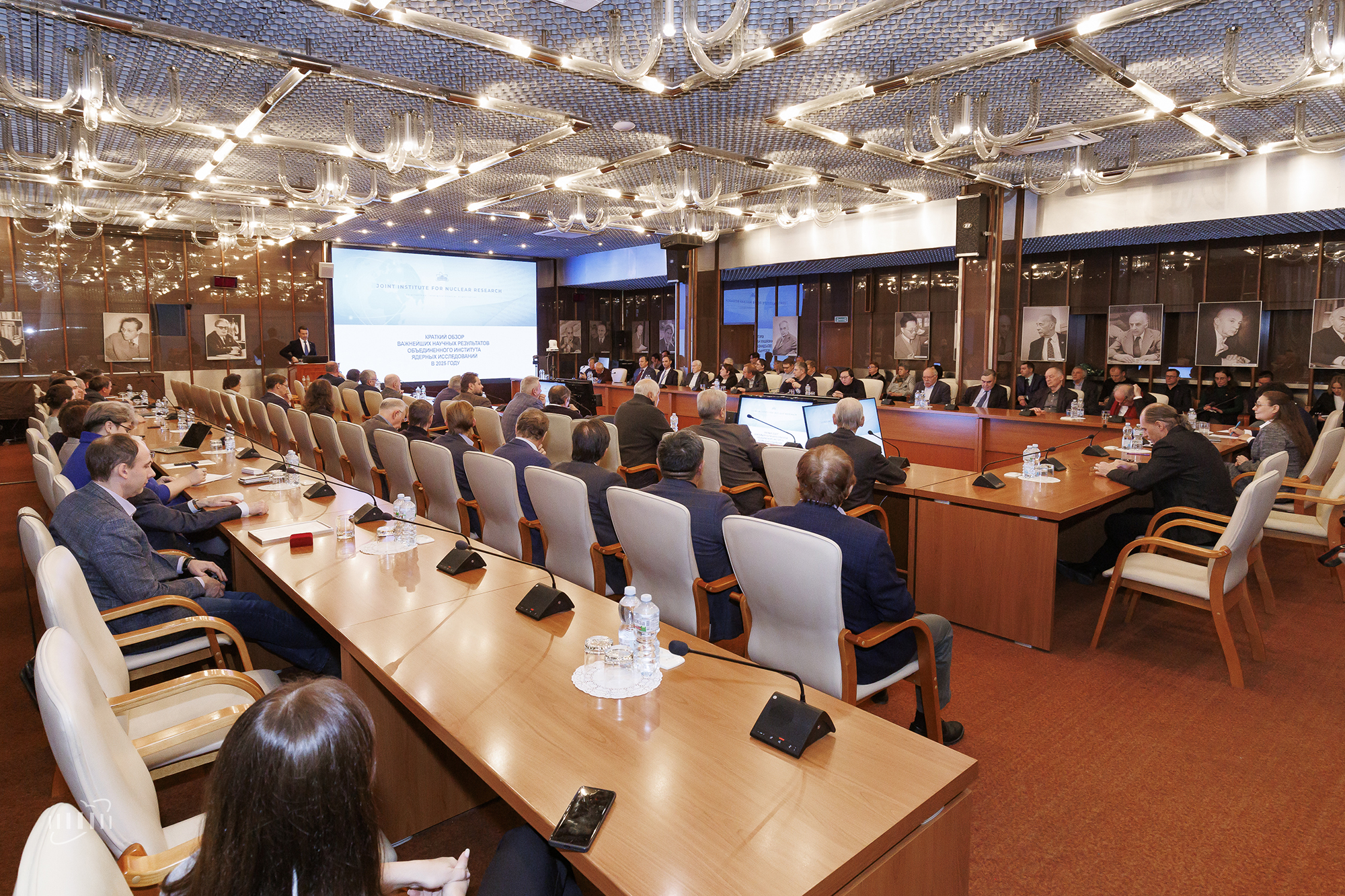
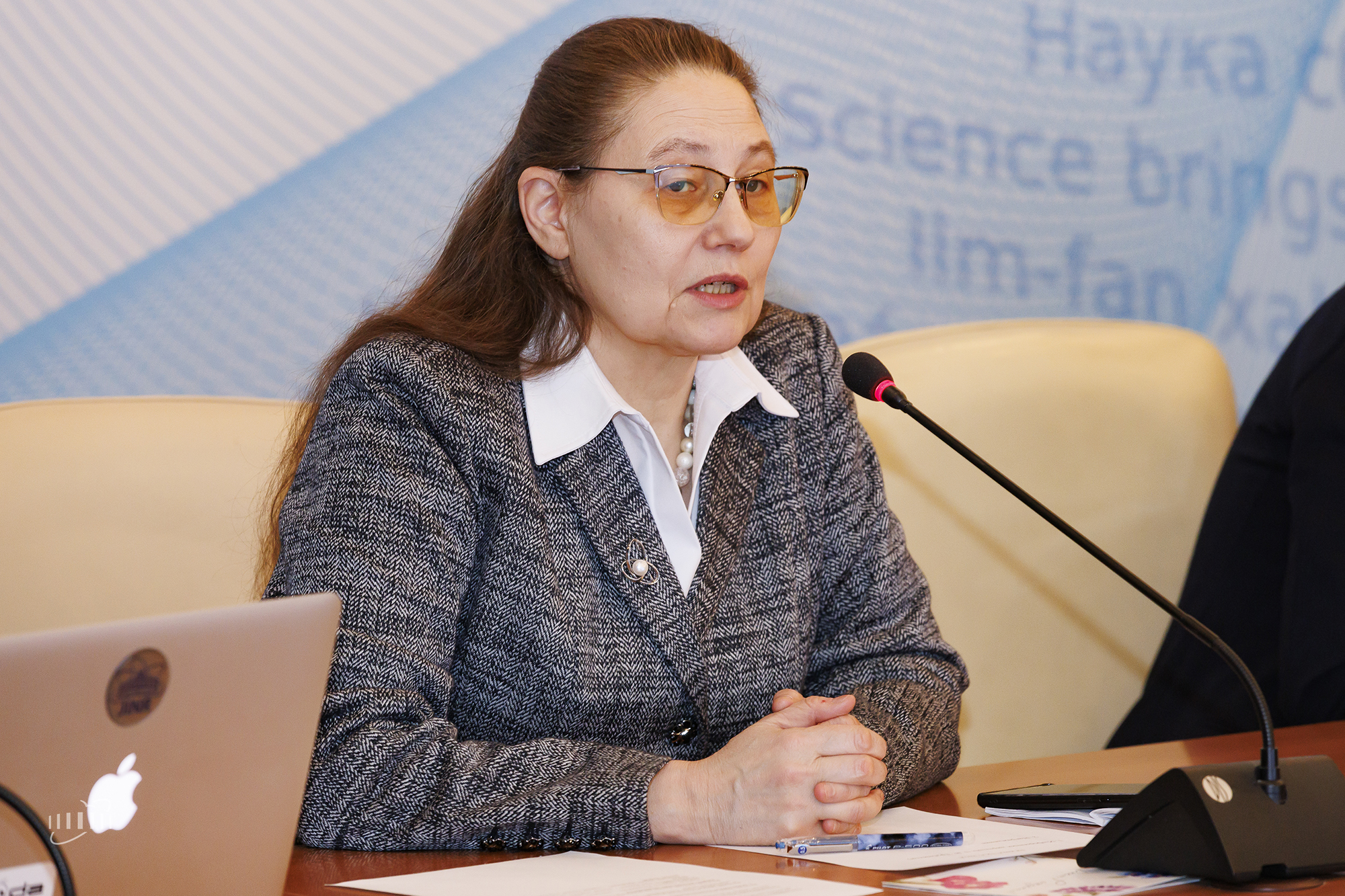
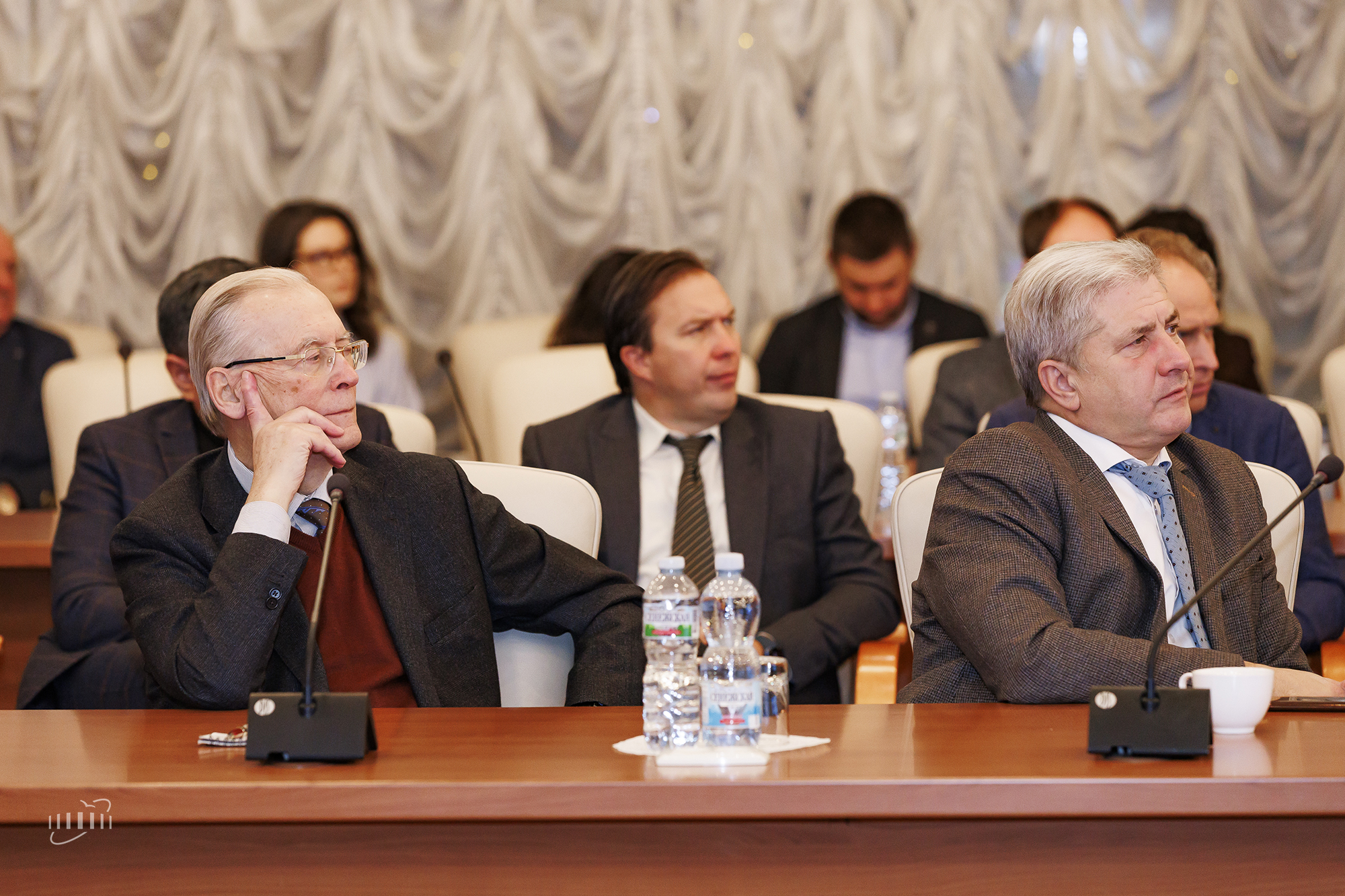
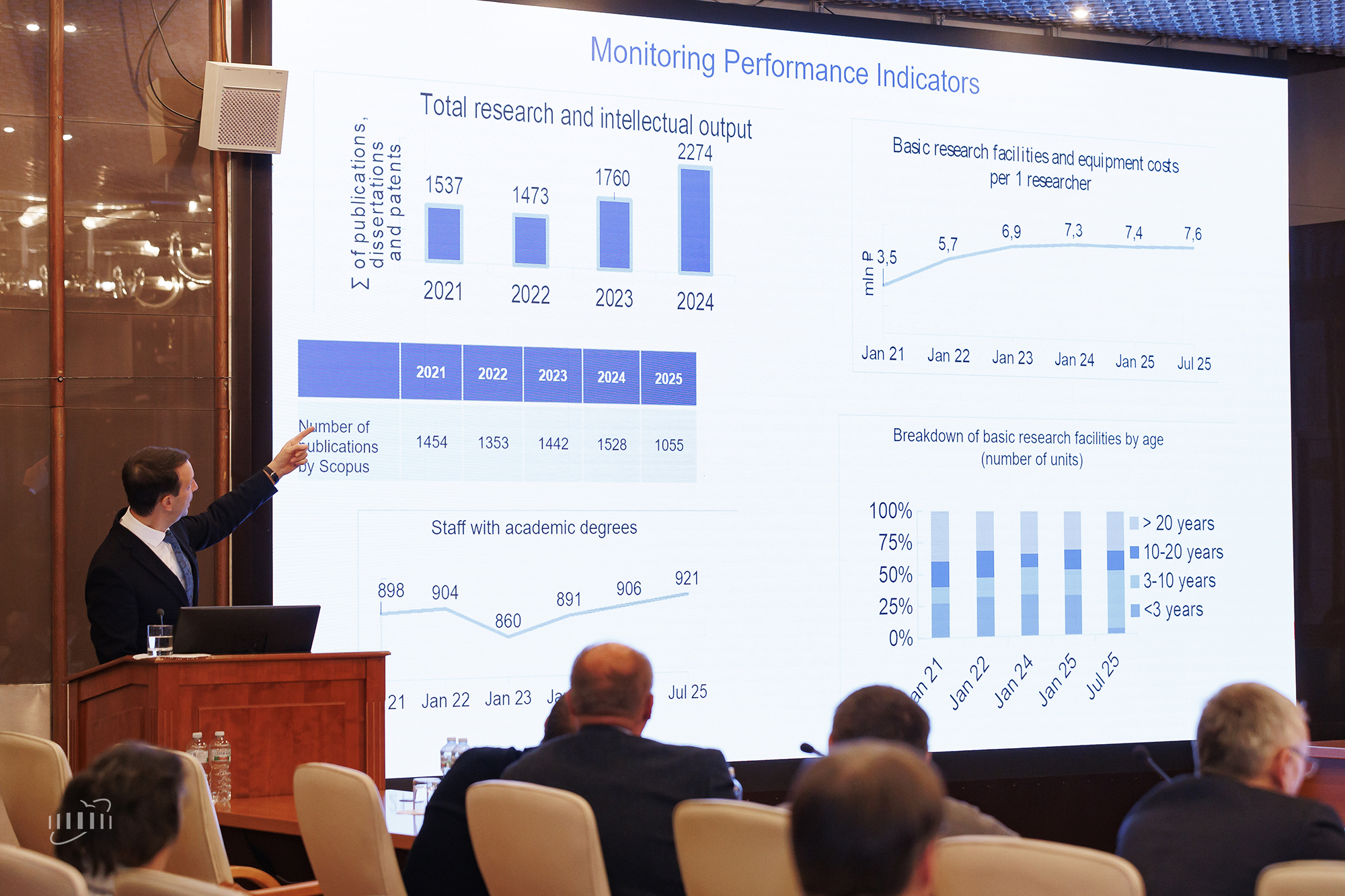
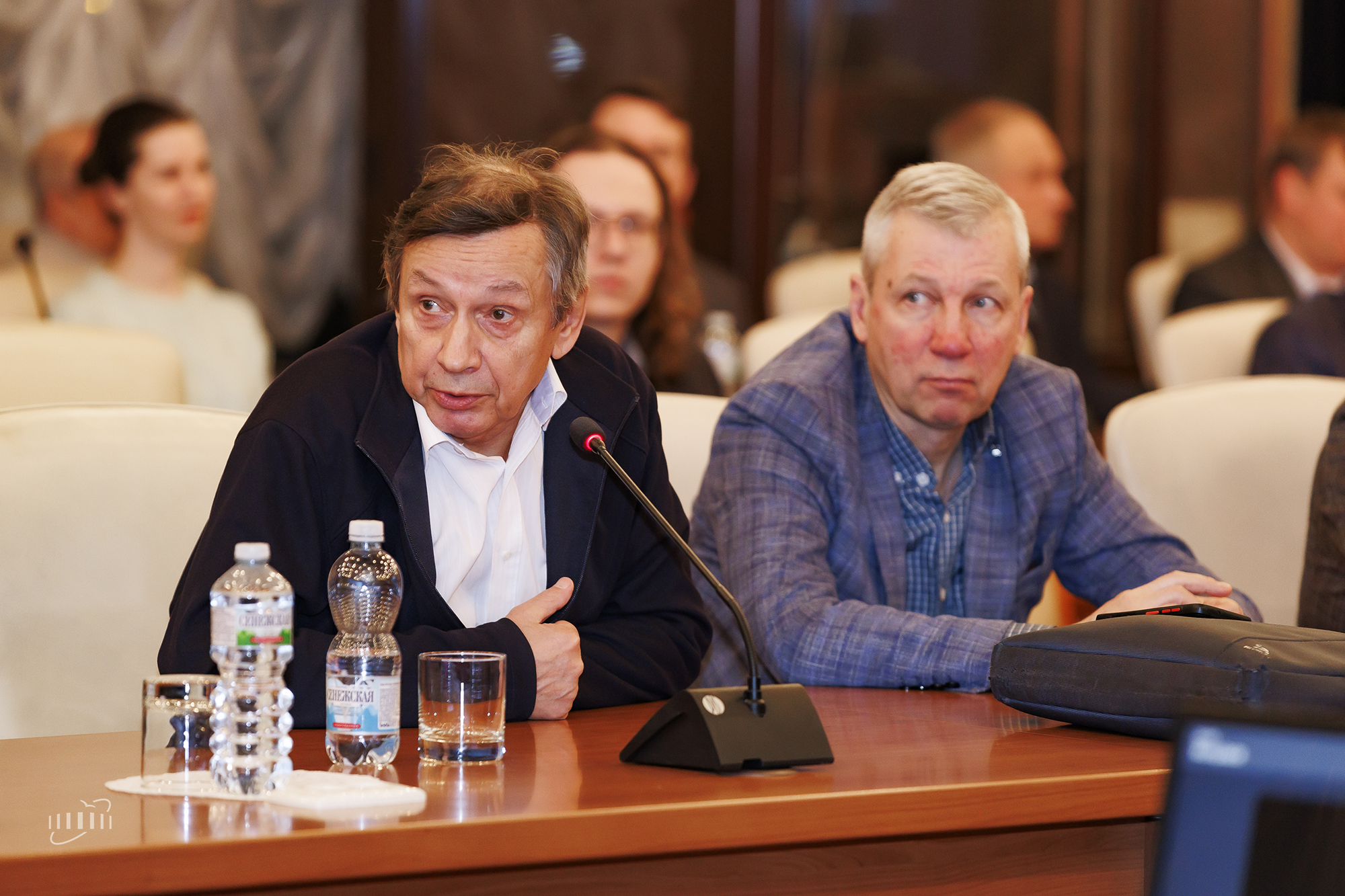
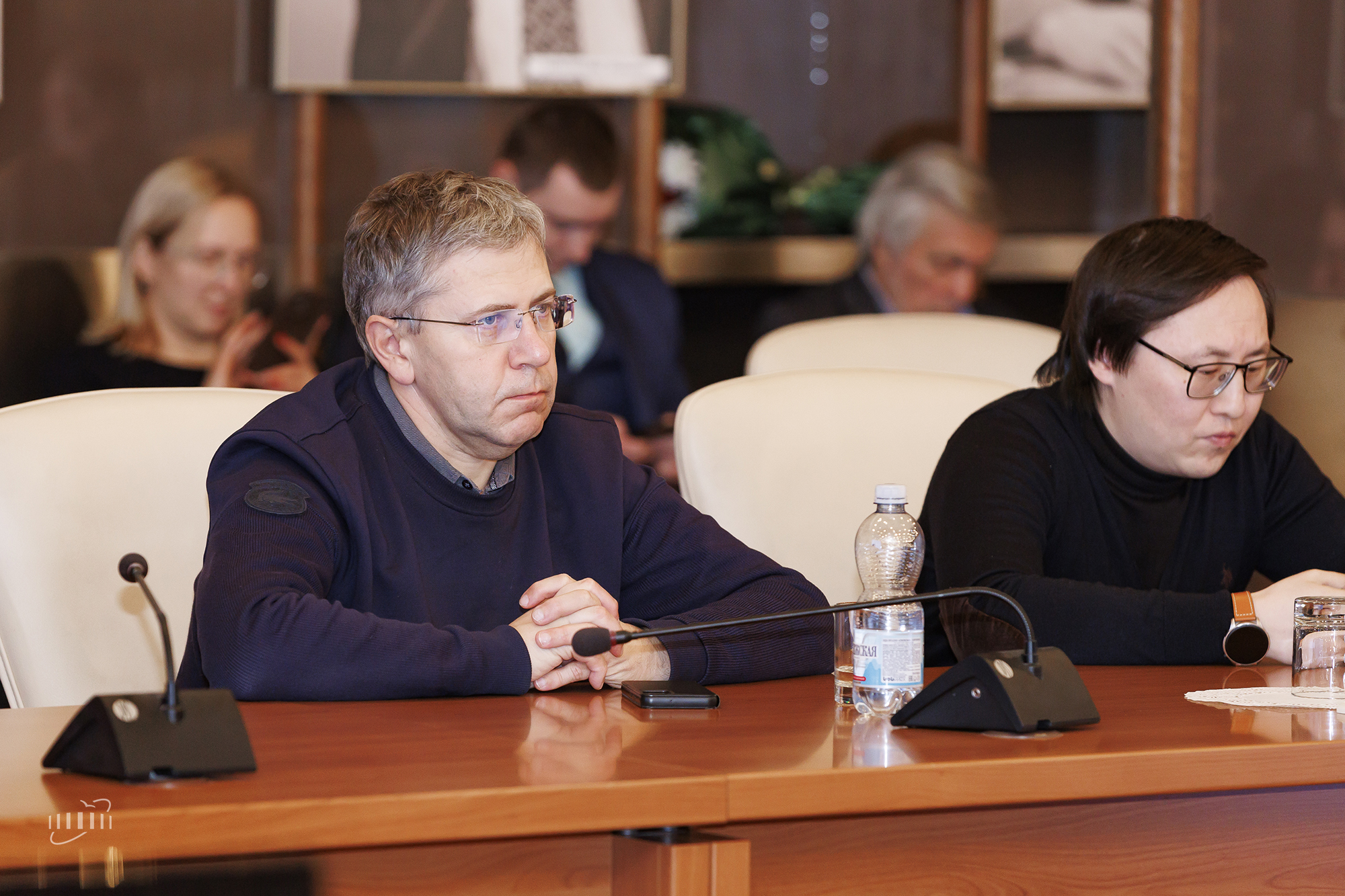
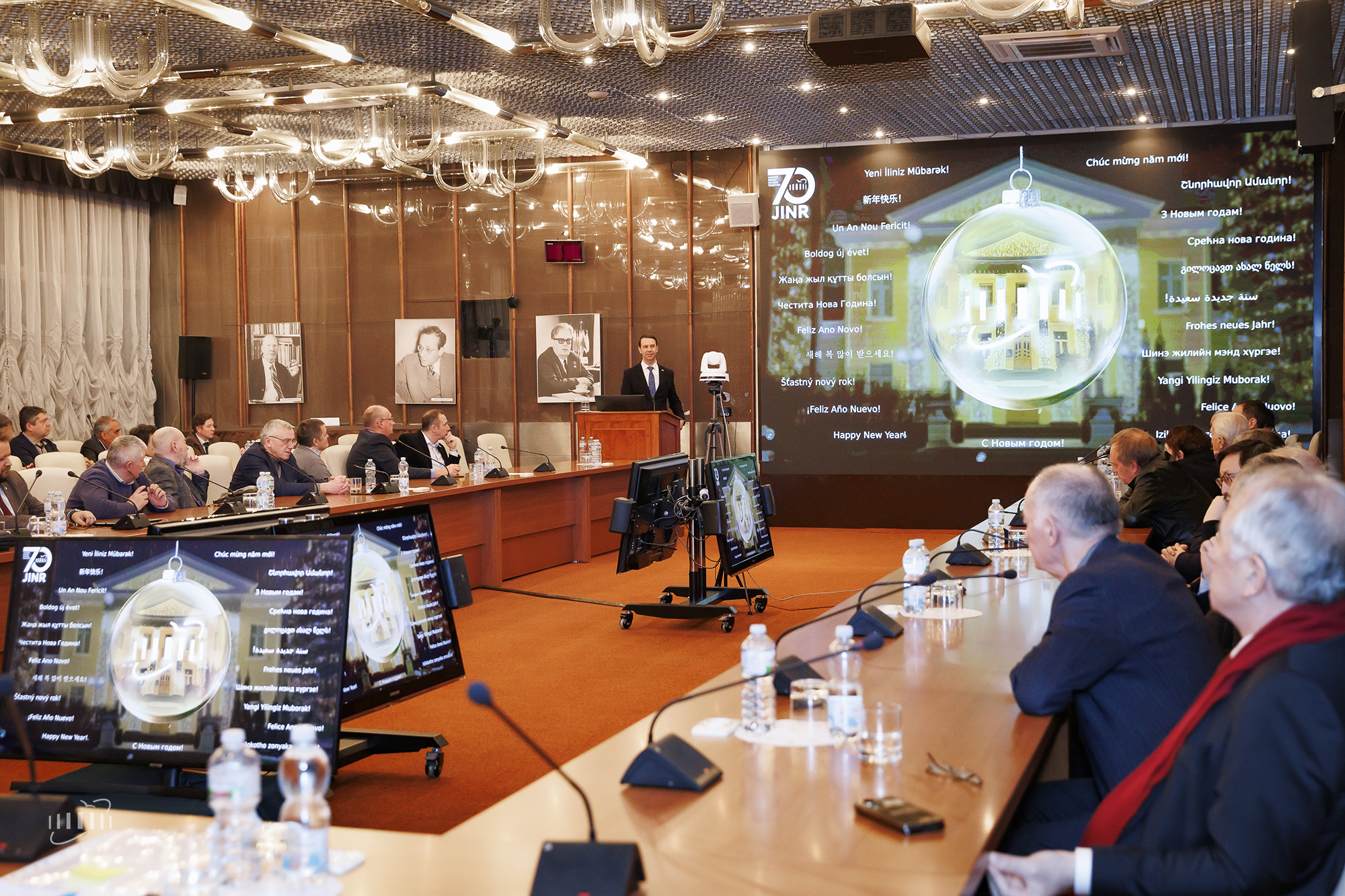
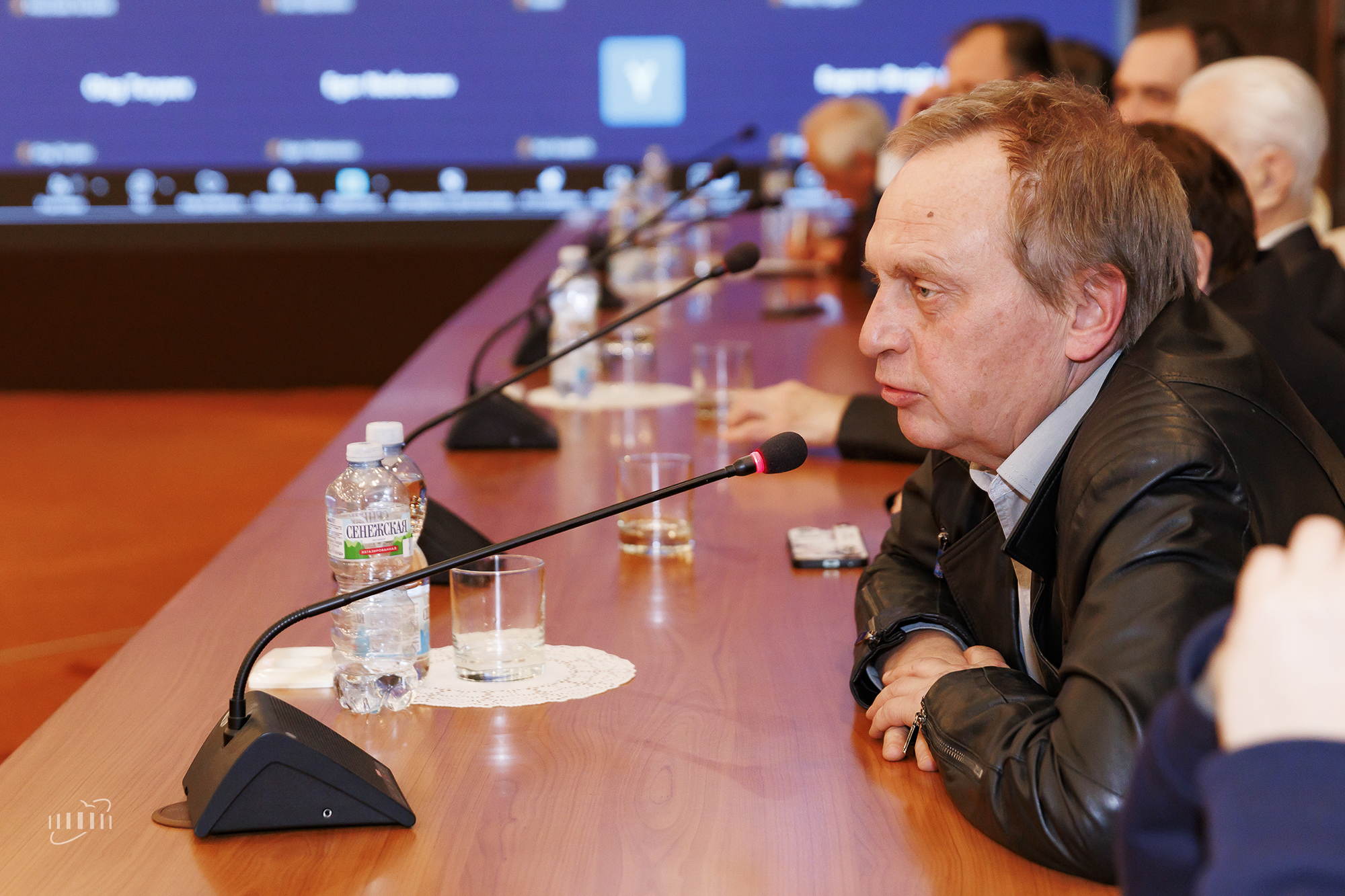
Science and Technology Council Chair Elena Kolganova opened the event. She listed the topics of this year’s 9 online and on-site JINR STC meetings: attracting personnel, developing the Institute’s social infrastructure, nominating employees to be honoured with the Russian Government awards and to be appointed members of the Russian Academy of Sciences, and organizing events dedicated to the 70th JINR anniversary. As a result of the STC members discussing JINR’s radiation biology scientific programme, an interlaboratory council was established for this field of study.
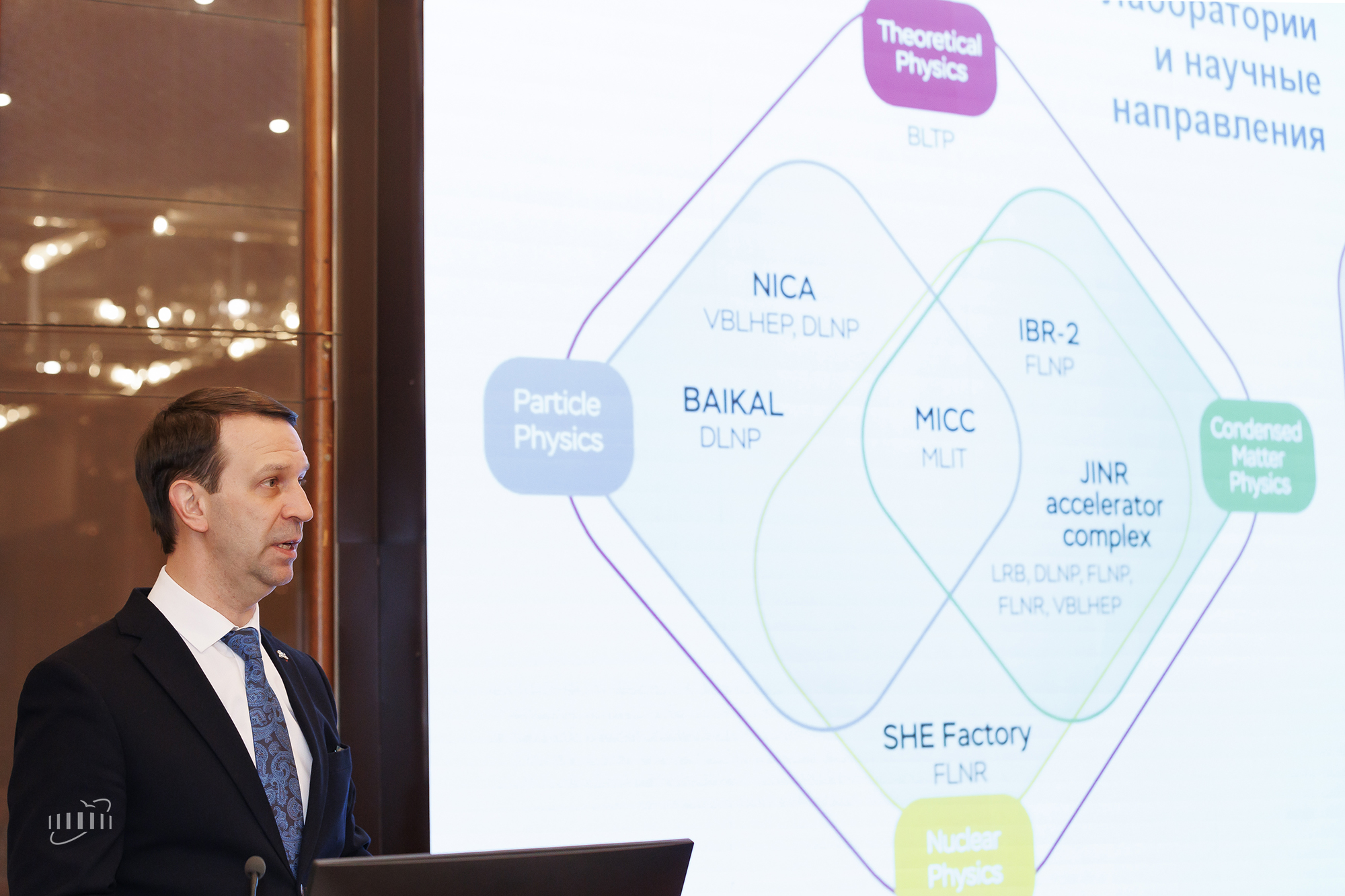
Grigory Trubnikov presented the most important events in the Institute’s life in recent months and provided a brief overview of the main scientific results of 2025 in each of the seven JINR laboratories, highlighting published articles on all areas of research conducted in them, including works prepared in international teams.
The JINR Director spoke about plans for the development of the Baikal-GVD Neutrino Telescope and scientific results in international neutrino experiment collaborations. He highlighted the JUNO Neutrino Experiment launched in China this year. The JINR employees participated in the creation of detectors and equipment, along with data analysis. Their contribution was noted at a JUNO Collaboration Meeting.
Thanks to the optimisation of the injection system, the intensity of the circulating beam increased by almost seven times at the NICA Accelerator Complex. “This is the most important step for ensuring the experiments’ required luminosity,” the JINR Director said. On 18 December, the first beam of particles – heavy xenon ions – was injected into the collider. The next task is to circulate beams in the upper and lower rings of the facility.
In 2025, 820 students from more than 20 countries completed internships and educational programmes at the Institute. Schools in Russian and English continue to invite physics teachers. The UC employees are working a physics textbook for schoolchildren. The English without Borders event contributed to the revival of the atmosphere of the multinational city of science.
In December, for the first time, a JINR team participated in the International Conference on Cooperation in Science and Technology attended by prime ministers of the countries of the Commonwealth of Independent States. As part of the presented project, the importance of developing megascience facilities in the CIS was demonstrated. In the talk, the team noted JINR’s experience in creating neutron spectrometers at reactors in Kazakhstan and Uzbekistan. In addition, the Director congratulated the recipients of the 2025 JINR Prizes for young scientists and specialists.
The Institute currently employs 1225 researchers, 24% of whom come from the JINR Member and Partner States, including China, India, and South Africa. “Even more representatives of Member States will be joining not only the cohort of researchers, but also various levels of management,” Grigory Trubnikov said. The JINR Director stressed that one of the key tasks for the Institute’s Directorate in the coming years will be to train a new generation of leaders – heads of research teams and departments.
The Director of the Institute noted the successes in budgetary and economic policy: an increase in material costs for scientific projects and an improvement in the performance of production units in 2025. Over the past five years, the number of procurement requests increased by one and a half times, and the processing time reduced from 12 to 8-9 days. In 2025, the number of scientific visits to the Institute increased significantly, and the number of JINR mentions in the media is growing.
JINR’s journal, Natural Science Review, published four issues this year and proved its relevance. In the five years since the resumption of their work, the JINR Dissertation Councils organized more than 130 defenses.
The JINR Director stressed that several key tasks in science and education that will be solved in the coming years. It is planned to refuel the IBR-2 Reactor in order to extend its service life until 2040. The Nuclotron will be modernised; in 2025, specialists started prototyping high-temperature superconducting magnets for this purpose.
JINR is developing cooperation with the Member States to create their scientific infrastructure: a source of cold neutrons at the WWR-K Reactor in Kazakhstan and a cyclotron and reactor laboratory in Vietnam.
In partnership with the Ministry of Science and Higher Education of the Russian Federation, the government of the Moscow Region, the Dubna Special Economic Zone, and Dubna State University, it is planned to create an International Science and Technology Park that will reduce the “distance” between acquiring knowledge, training specialists, developing new technologies, and creating high-tech products. It is planned to build a proton therapy centre based on the MSC-230 Superconducting Cyclotron on the territory of the city jointly with the Federal Medical and Biological Agency of Russia.
“The main achievement of our team is the close collaboration between the laboratories of the Institute. All JINR scientific projects involve several laboratories. Such deep synergy is our key strategic direction,” Grigory Trubnikov emphasised. He highlighted the independent international scientific expertise as another strong point of the Institute. In recent years, representatives of new countries joined the Scientific Council, Programme Advisory Committees, and cooperation as part of the JINR Topical Plan.
At the end of the talk, Grigory Trubnikov expressed gratitude to all employees of the Institute, noting the favourable work climate at JINR. “I feel really comfortable and satisfied working here. I really enjoy it due to the wonderful atmosphere that we all create together. In this regard, I consider it my duty to express my personal gratitude to the entire team with whom I have had the honour to cooperate over the past five years and to all employees of the Institute,” the JINR Director concluded.
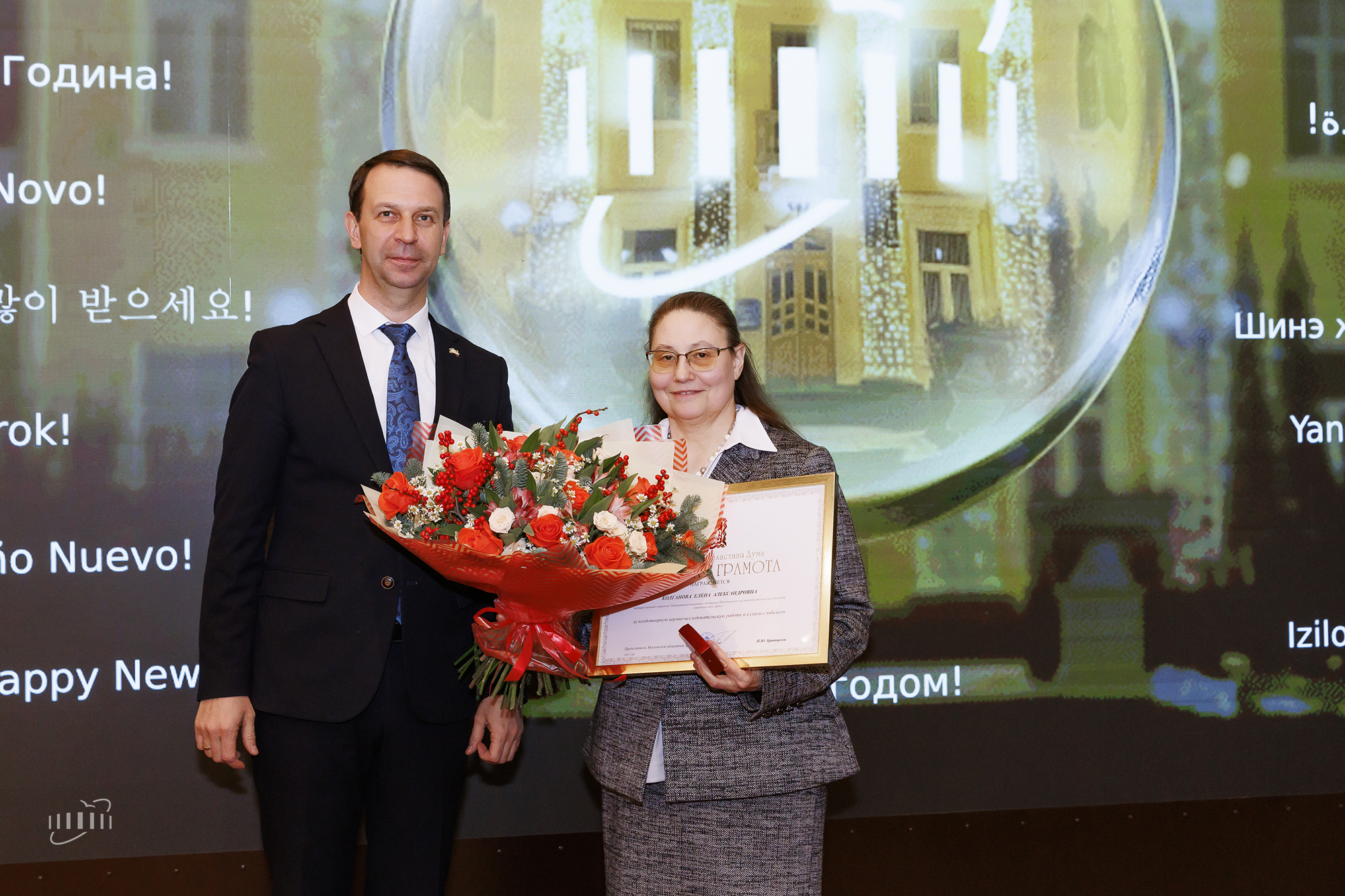
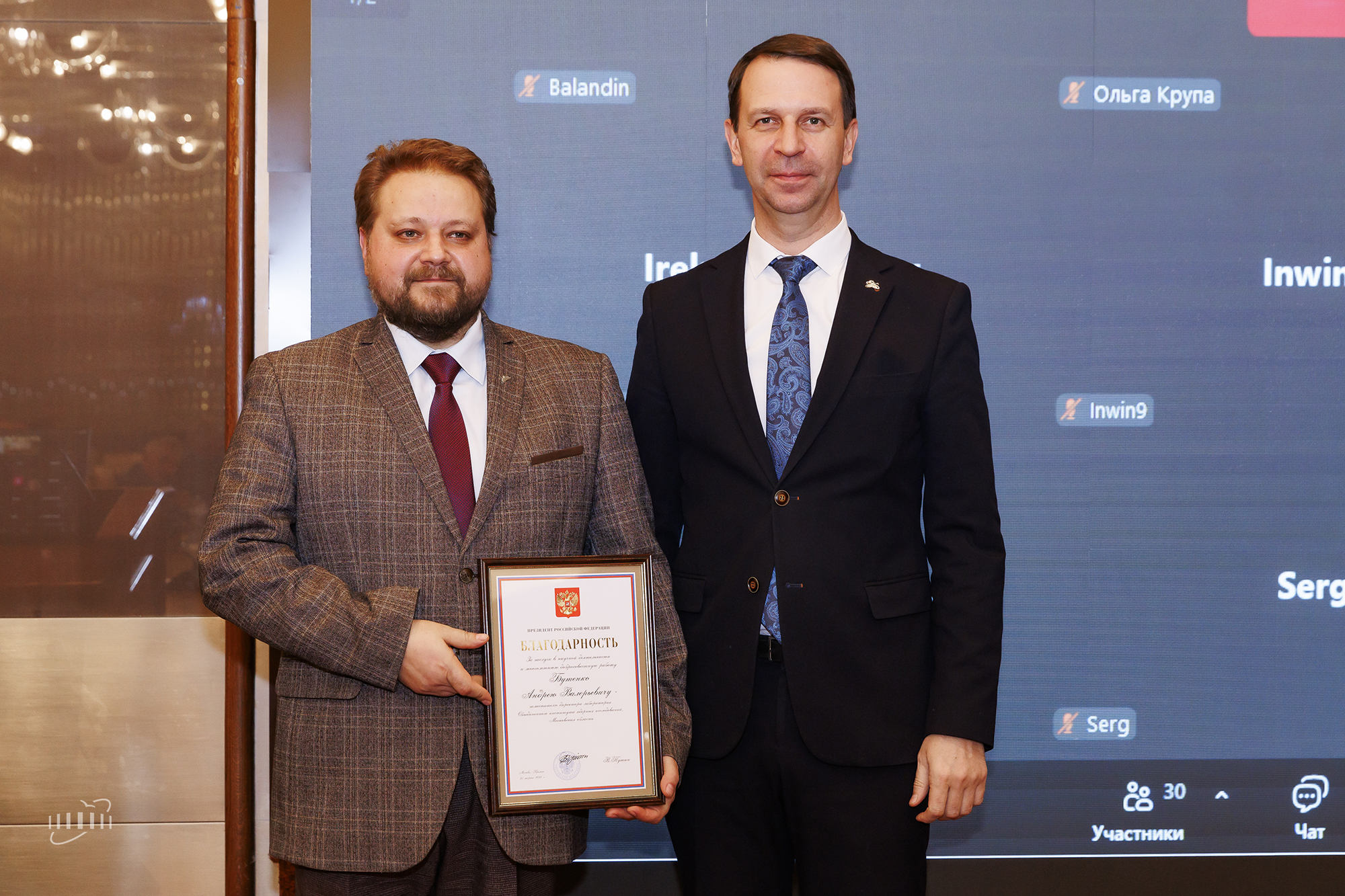
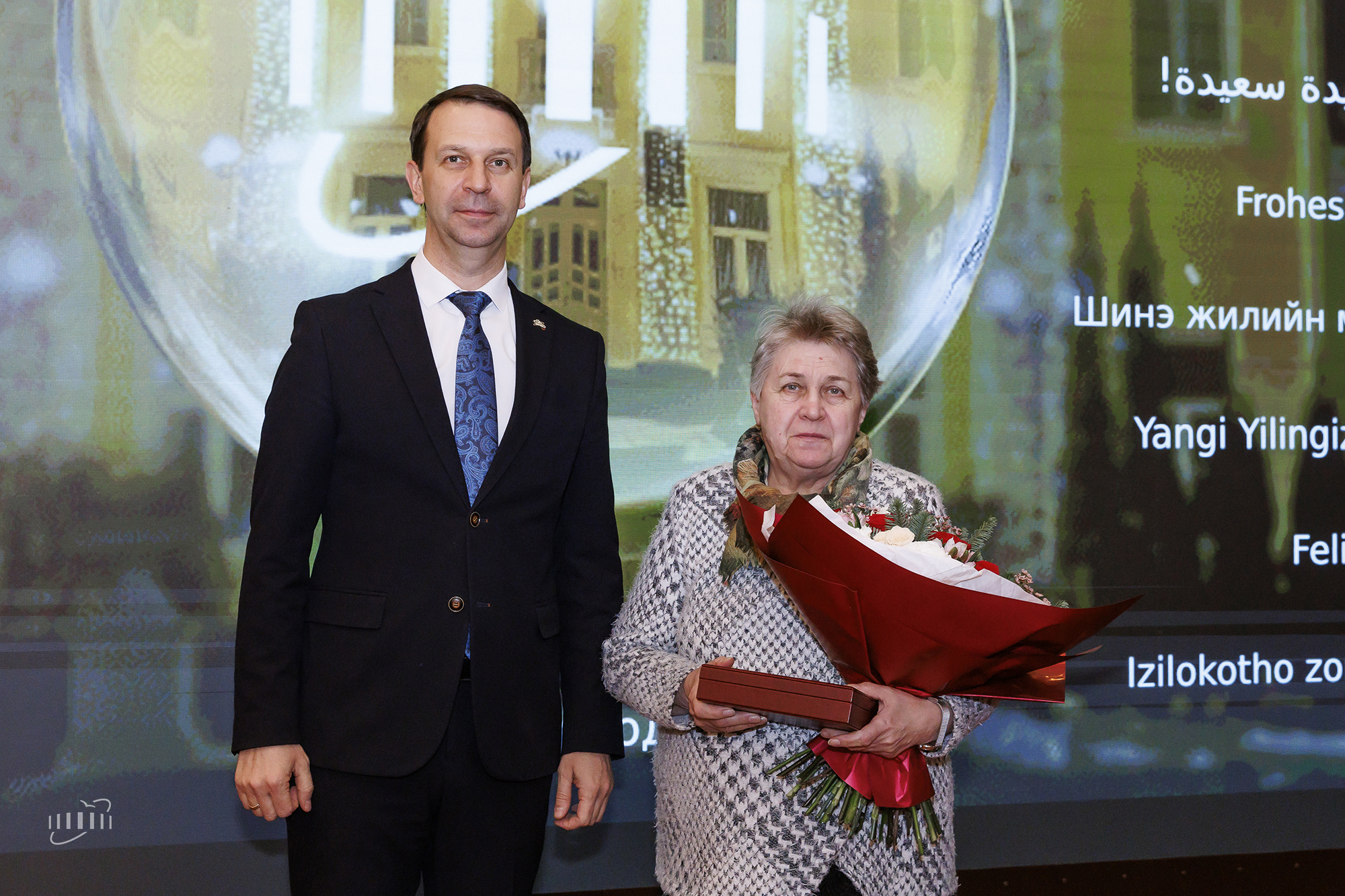
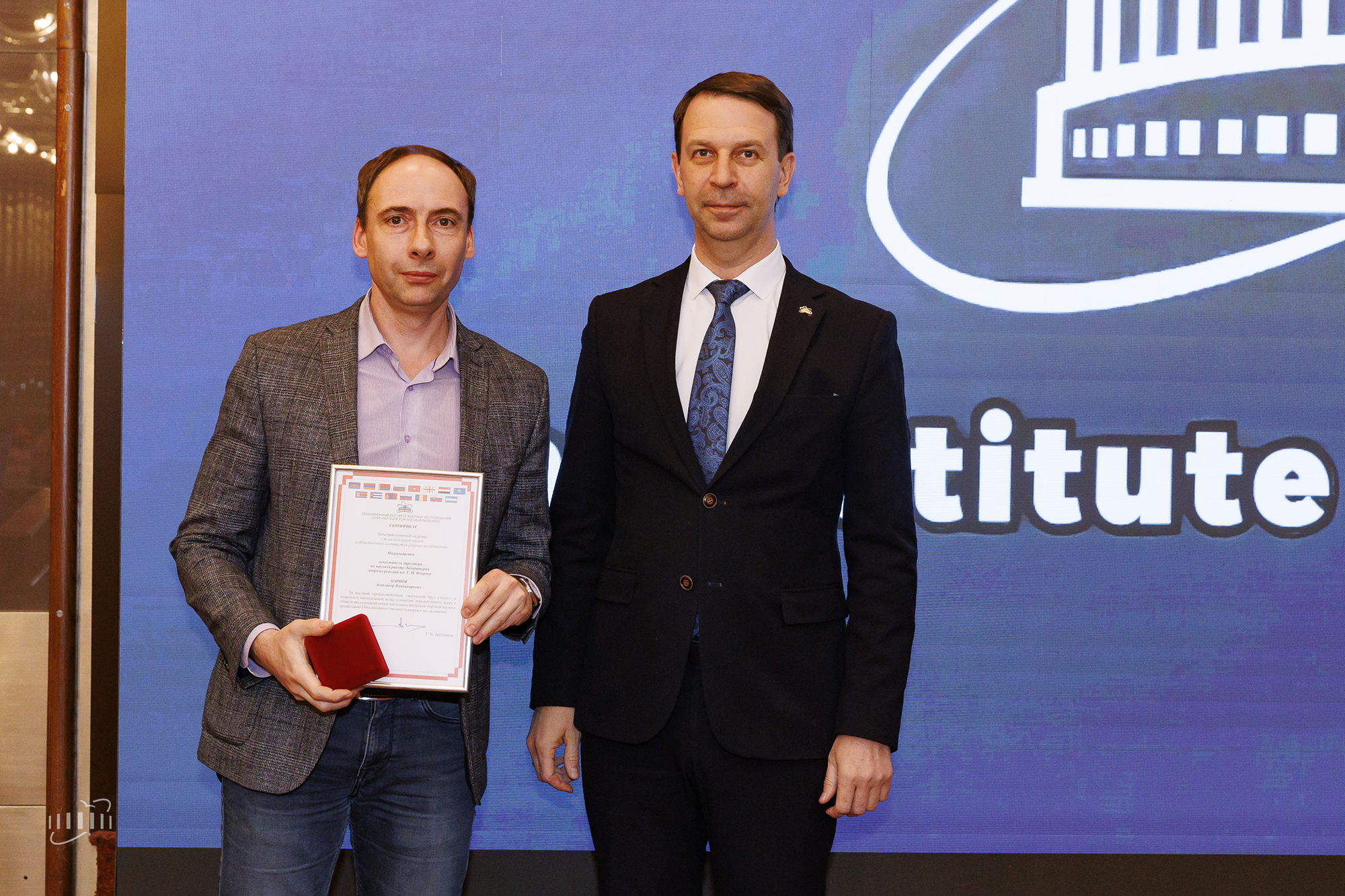
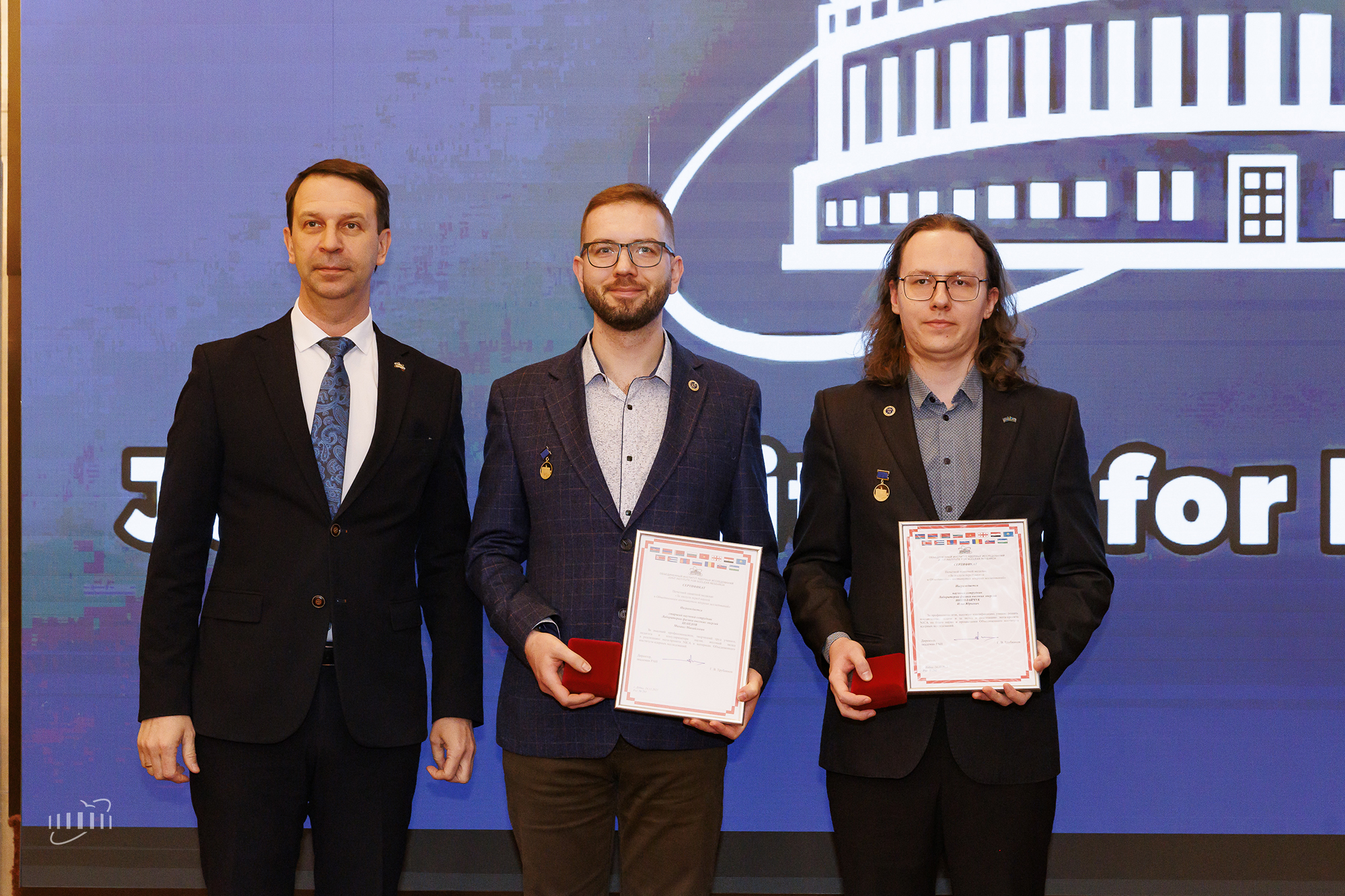
Grigory Trubnikov awarded the Institute’s employees.
- Acting Director of the Laboratory of High Energy Physics Andrey Butenko was honoured with the Gratitude of the Government of the Russian Federation.
- Deputy Head of the Legal Department Liudmila Boriskina received the Honoured Lawyer of the Moscow Region title.
- A leading researcher at the Laboratory of Theoretical Physics Elena Kolganova was awarded a certificate of honour from the Moscow Region Duma.
- JINR’s Commemorative Honorary Medals were given to Deputy Director for Scientific Work of the Laboratory of Nuclear Reactions Alexander Karpov and holders of Russian Government Awards in science and technology Mikhail Shandov and Ilia Nikolaichuk.