JINR STC: development of Institute’s radiation biology programme
News, 04 June 2025
On 2 June 2025, a meeting of the JINR Science and Technology Council took place at the JINR International Conference Centre (ICC). The key topic was the Institute’s radiation biology research programme, in which LRB JINR, three DLNP JINR sectors, and users of the ARIADNA Collaboration at the NICA Accelerator Complex are involved. The JINR Director’s presentation highlighted the Institute’s key international cooperation efforts, along with the construction of large scientific infrastructure and community facilities. Sixteen JINR employees received honorary titles and awards.
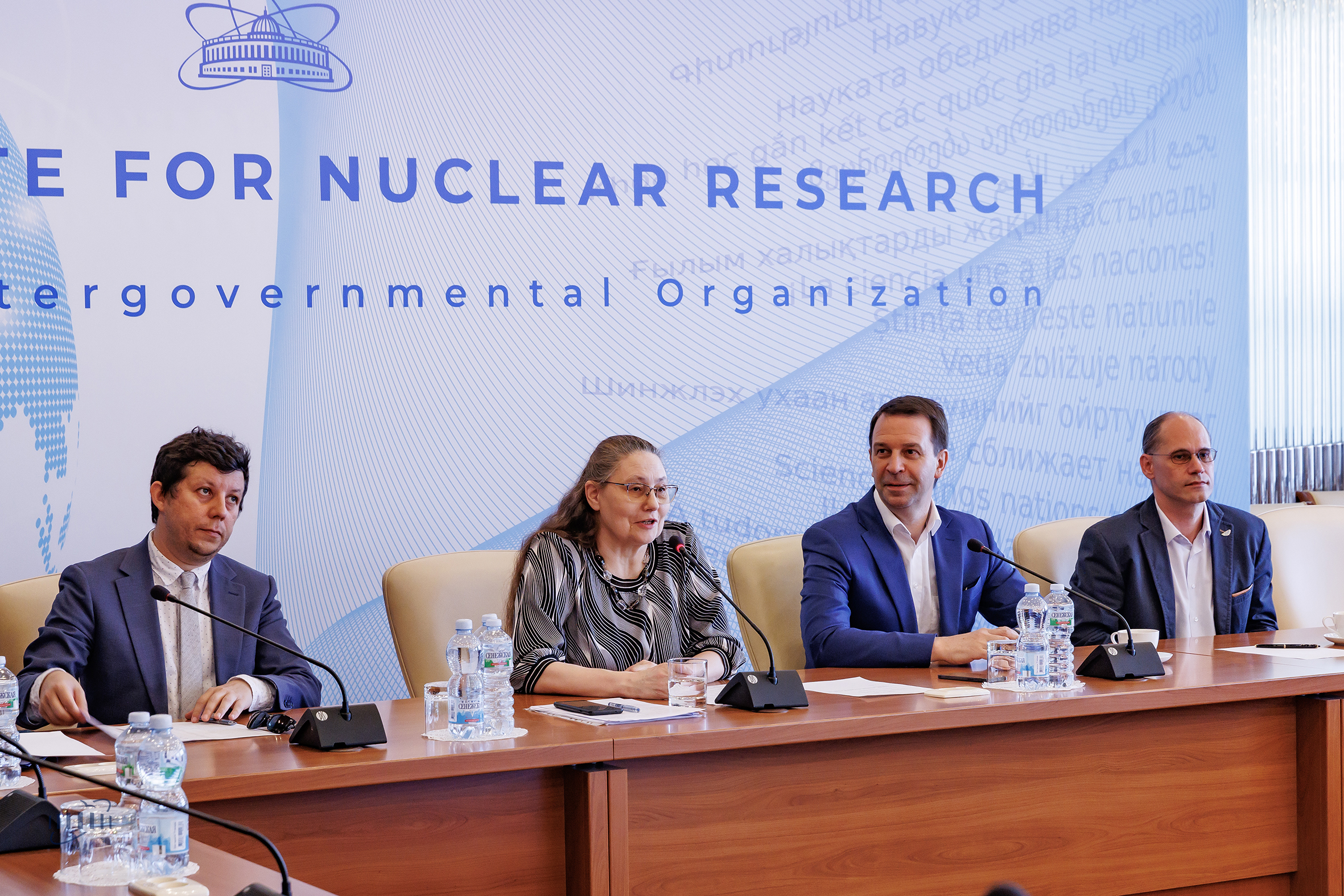

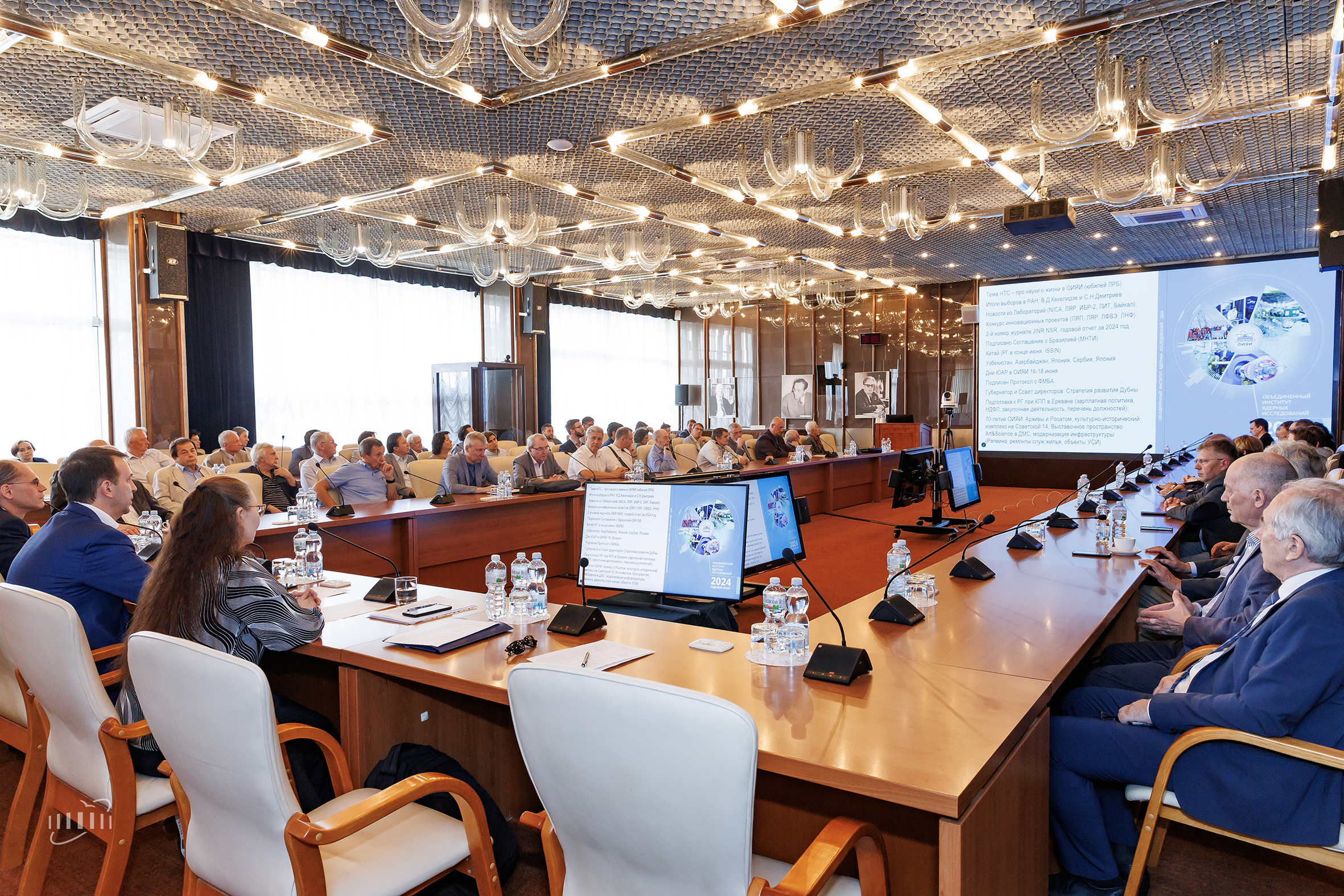
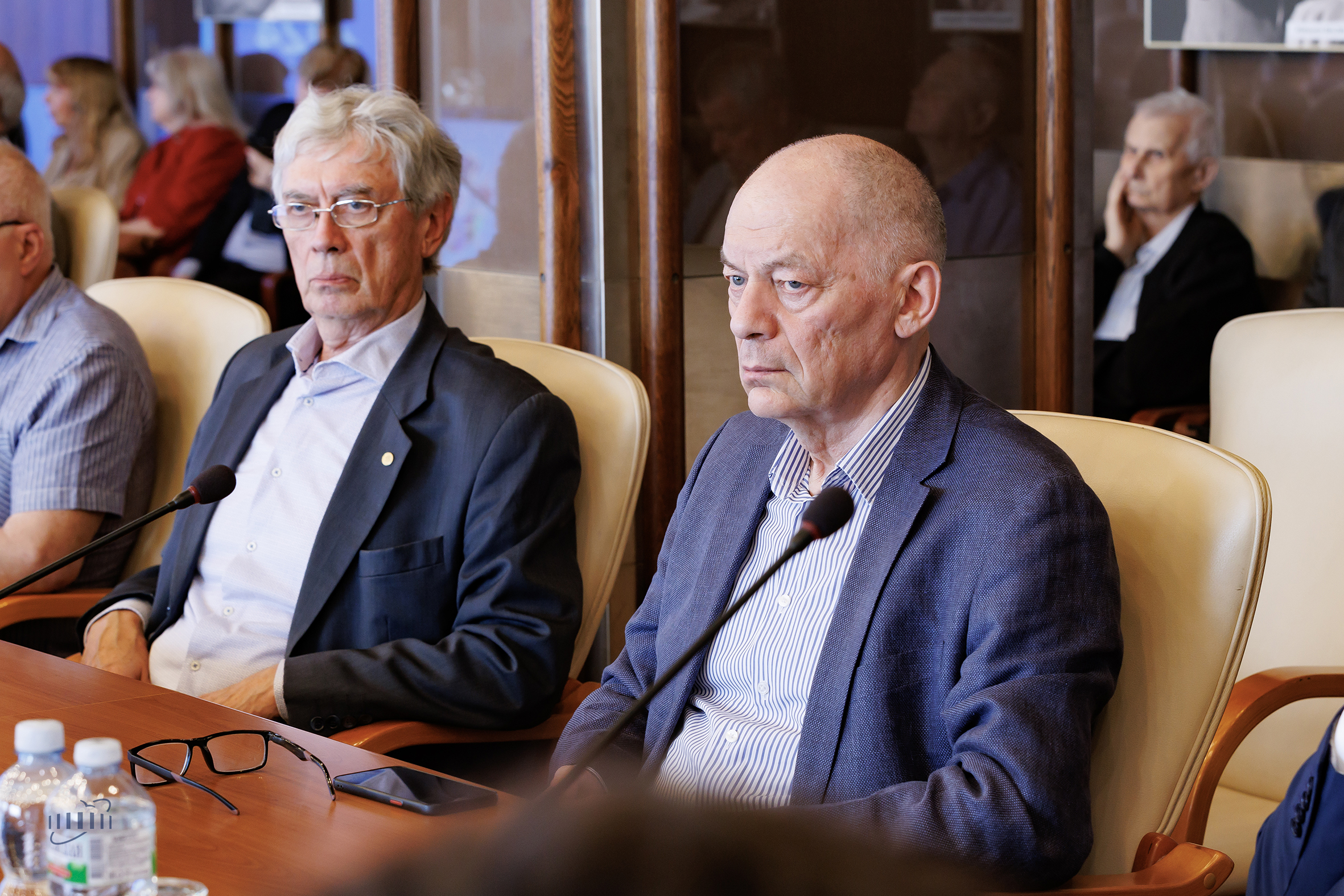
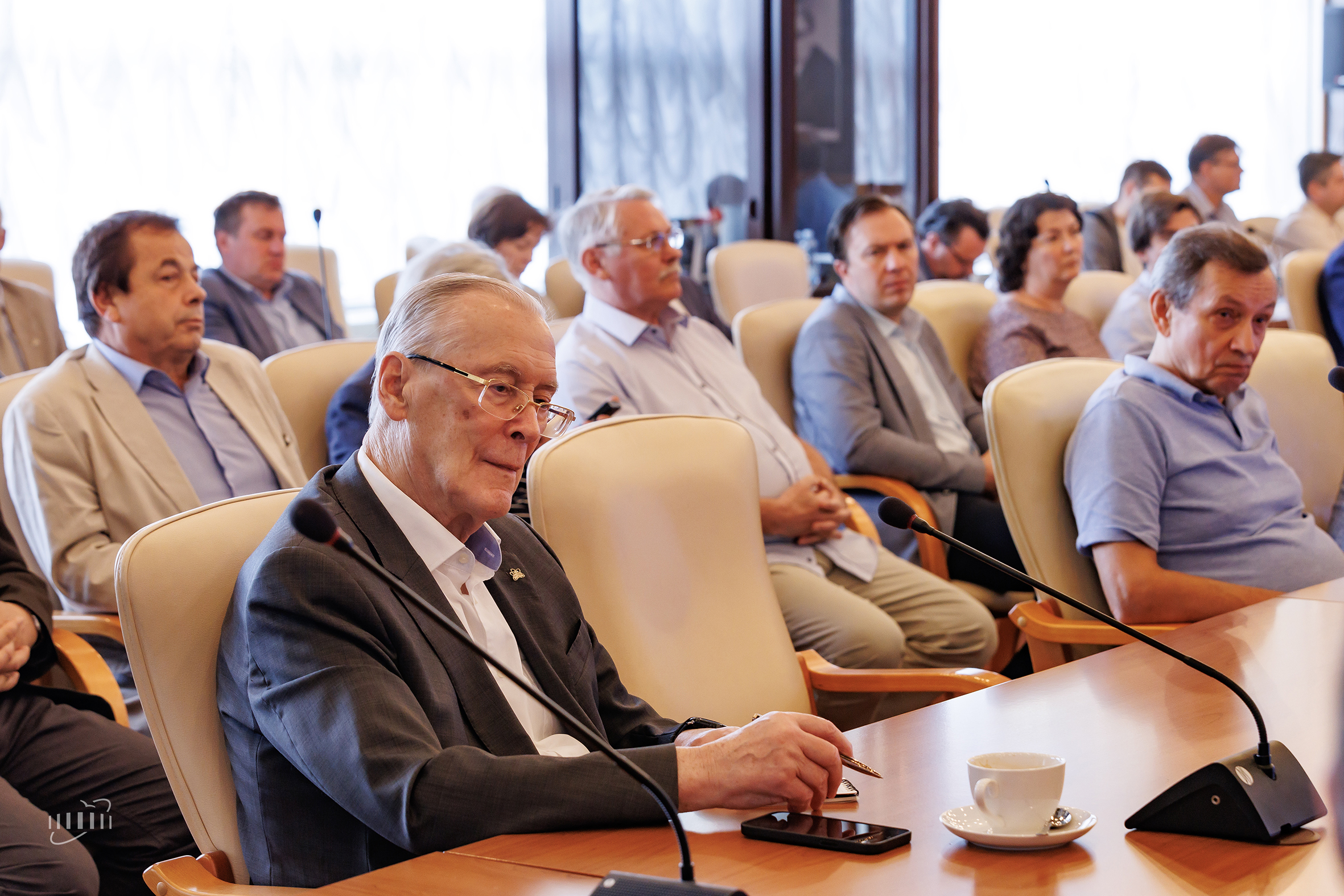
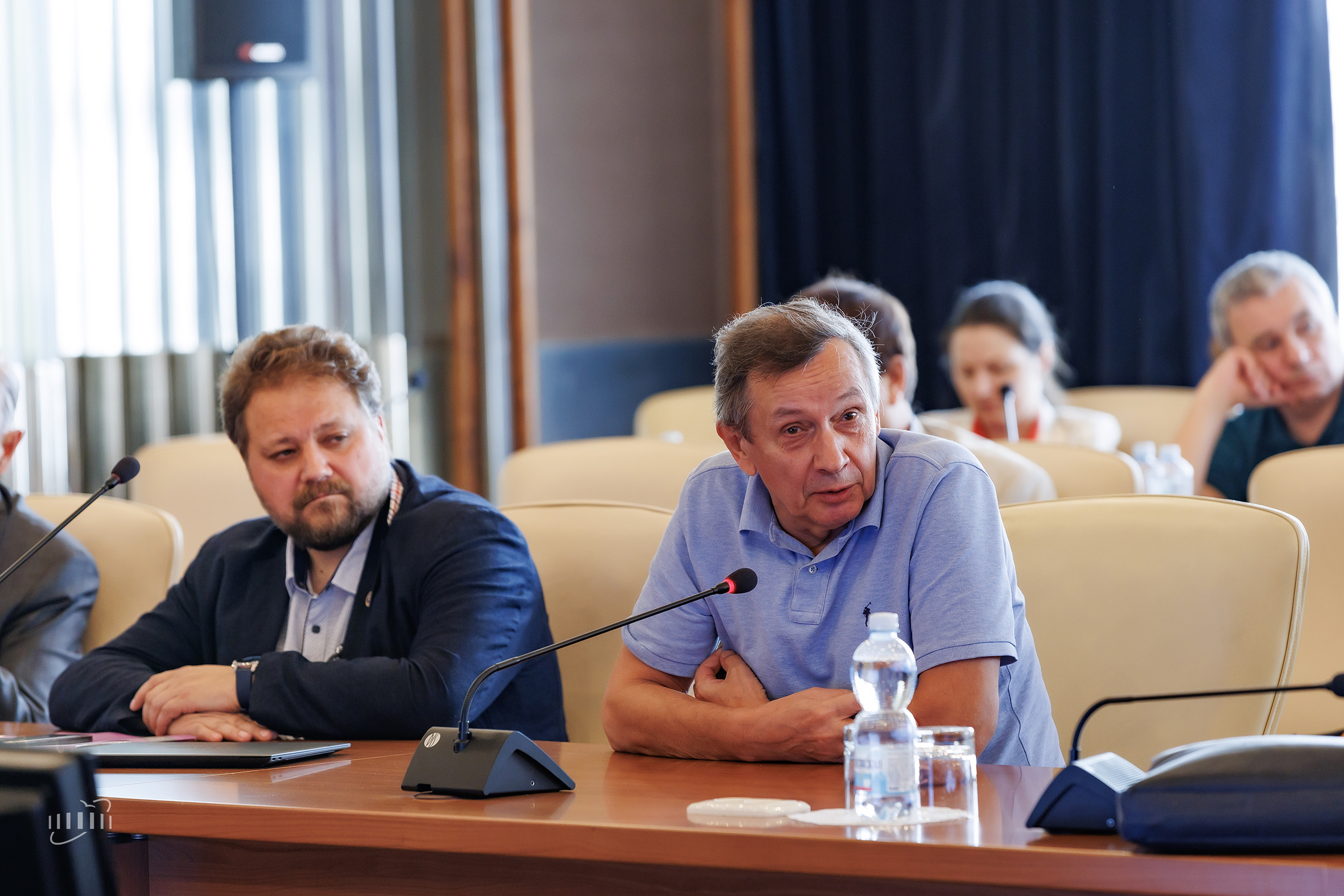

JINR Director, Academician of the Russian Academy of Sciences (RAS) Grigory Trubnikov gave a talk on behalf of the Institute’s Directorate.
On 30 May, following an internal election process at a General Meeting of members of the Russian Academy of Sciences, Vice-Director Vladimir Kekelidze was awarded the title of a RAS Academician, and Vice-Director Sergey Dmitriev became a RAS Corresponding Member. “JINR is currently one of the most actively developing organizations that conduct world-class research. This is indeed an honourable recognition of the status of our Institute,” Grigory Trubnikov said.
Due to several vacuum leaks in the Collider’s rings , beam injection into the Collider of the NICA Accelerator Complex at VBLHEP was postponed for a month. It is now scheduled for August-September. Four of the six major leaks were fixed, Nuclotron cooling started, and tests of the west half-ring of the collider will begin soon. The east half-ring will be prepared for the start of vacuum and cryogenic tests by mid-June as well.
Experiments to study the chemical and physical properties of flerovium are underway at FLNR. The construction of the experimental building of the U400R Cyclotron is on schedule.
In April, DLNP employees, as part of the Baikal-GVD Collaboration, successfully completed another expedition to build the neutrino telescope despite the short ice season. Documents on the development of a land lot for the construction of a new settlement for expedition participants to work and live in were signed. The construction will begin this year.
Operation of the IBR-2 Reactor at FLNP resumed after a long shutdown, and the test runs finished successfully. The user programme will take into account the interests of the Member States. Experiments proposed by the User Club will start on 15 October.
MLIT specialists finished the next stage of the modernisation of the Multifunctional Information and Computing Complex (MICC). The facility’s capacity annually expands by 15-20 %, along with increases in data storage volume and energy efficiency.
JINR released an annual report on its scientific activities in 2024, aimed at a wide audience. The second issue of the Institute’s journal, Natural Science Review, was published, and the third issue is underway. The ongoing JINR innovation development competition received a large number of applications.
The Joint Institute made notable progress in international cooperation. The JINR Days took place in Uzbekistan in April, and the Institute will host the Days of the Republic of South Africa in mid-June. In May, JINR and the Ministry of Science, Technology and Innovation of the Federative Republic of Brazil (MCTI) signed an agreement. In Belgrade, a JINR delegation participated in the 67th International Fair of Technics and Technical Achievements and held meetings with representatives of the Ministry of Science, Technological Development and Innovation of the Republic of Serbia and the Vinča Institute of Nuclear Sciences. A JINR delegation met with the heads of the KEK National Laboratory and the J-PARC Proton Accelerator Research Complex in Japan. Grigory Trubnikov noted that JINR scientists substantially contribute to the T2K (KEK) and COMET (J-PARC) Experiments.
FLNP employees held an International Seminar on the Interaction of Neutrons with Nuclei (ISINN-31) in the People’s Republic of China. A JINR delegation will participate in a meeting of a working group of the Republic’s relevant ministries in June. In October, a large conference will take place in Azerbaijan.
In April, a delegation of the Federal Medical and Biological Agency of Russia led by Agency’s Head Veronika Skvortsova visited Dubna. This year, construction of the Family Health Centre of the Medical Unit No. 9 will begin in the building of the former children’s polyclinic at 1 Vavilov St. The unit will continue to be modernised and equipped next year. A focus group was formed to develop a technical project of the Clinical Proton Therapy Centre in Dubna. The project and technical task are planned to be completed by the end of 2025.
By the end of the year, JINR’s hometown, Dubna, is to reaffirm its status as a science city. In addition, the Institute’s representatives are actively involved in discussing the Dubna development strategy until 2035.
In June, a working group under the CP Chair for financial issues will discuss the improvement of the Institute’s salary policy in Yerevan. This year, the average incomes of all categories of JINR employees increased, with the largest rise in the salaries of engineers, labourers, and specialists. Work continues to simplify procurement process; DLNP and VBLHEP at JINR will be the first to test the new system.
JINR’s corporate housing continues to be repaired. The Sports Complex of the Institute is undergoing renovations as well, including the Nauka Stadium, the Sports Club, the Yacht Club, and the Lipnya Tourist Resort. A site in Ratmino was prepared for the construction of the new residential building. An Art&Science exhibition space is planned to open at the ICC as part of the celebration of the 70th anniversary of the Institute. The building of the future JINR Cultural and Historical Complex at 14 Sovetskaya St is being renovated.
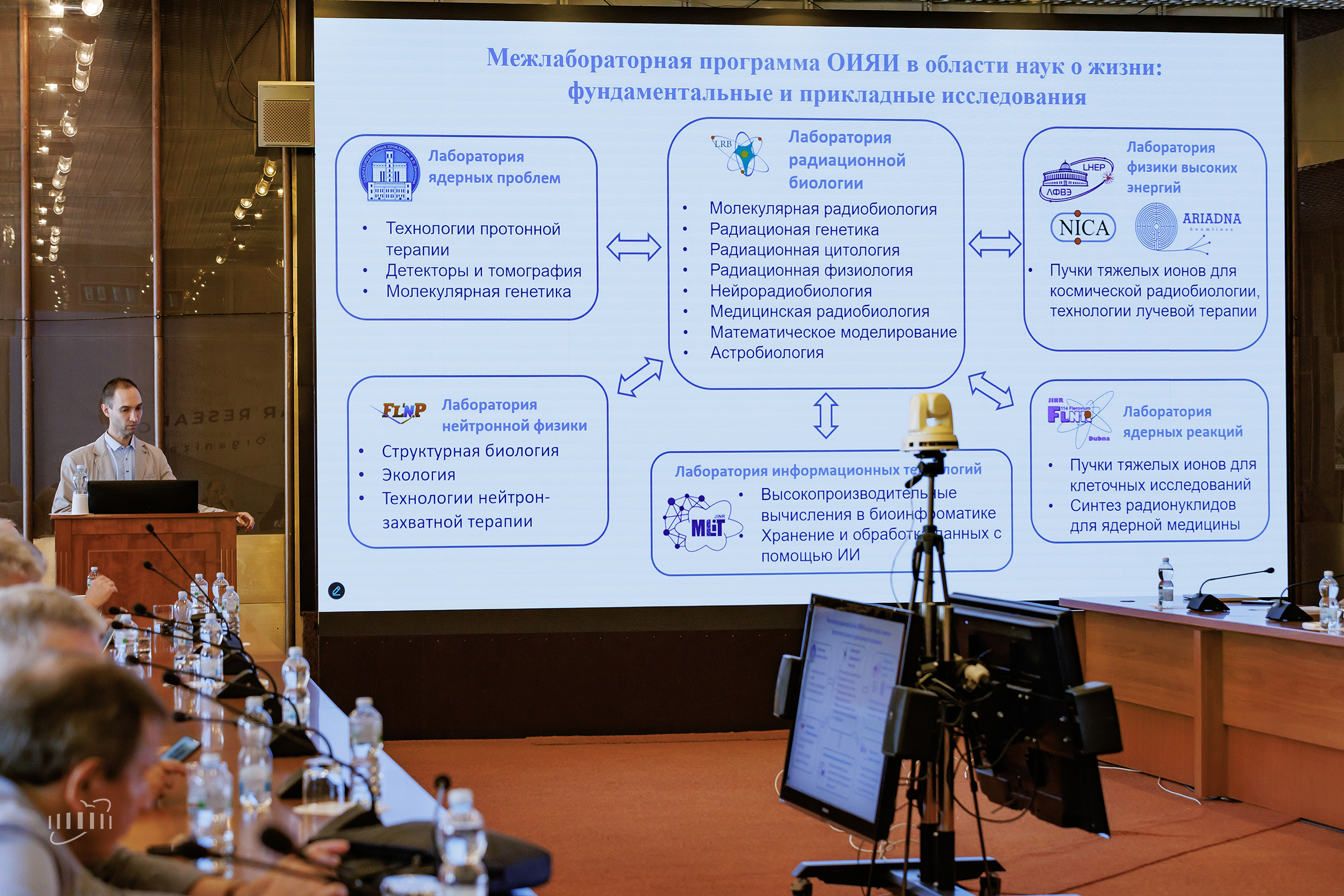
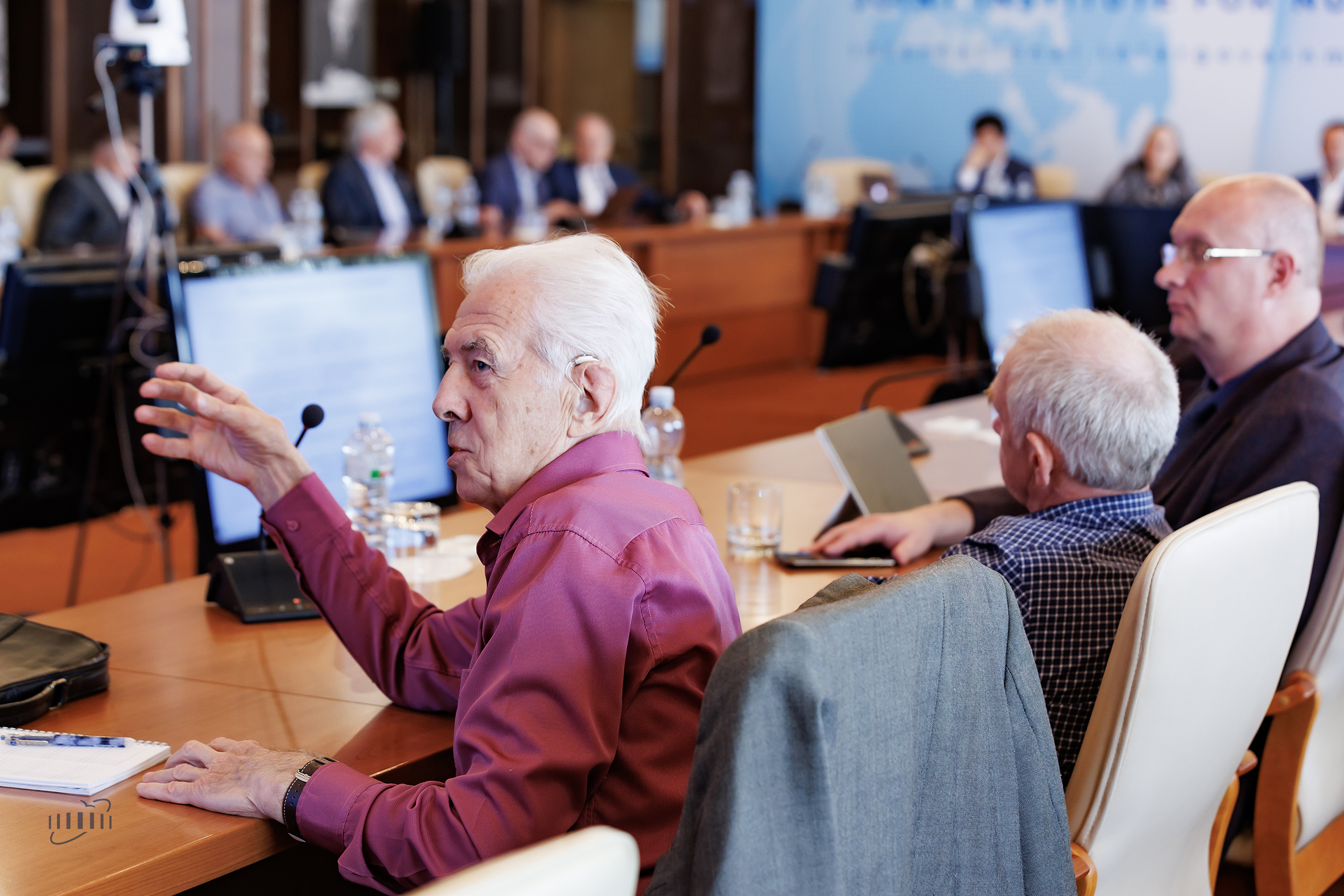

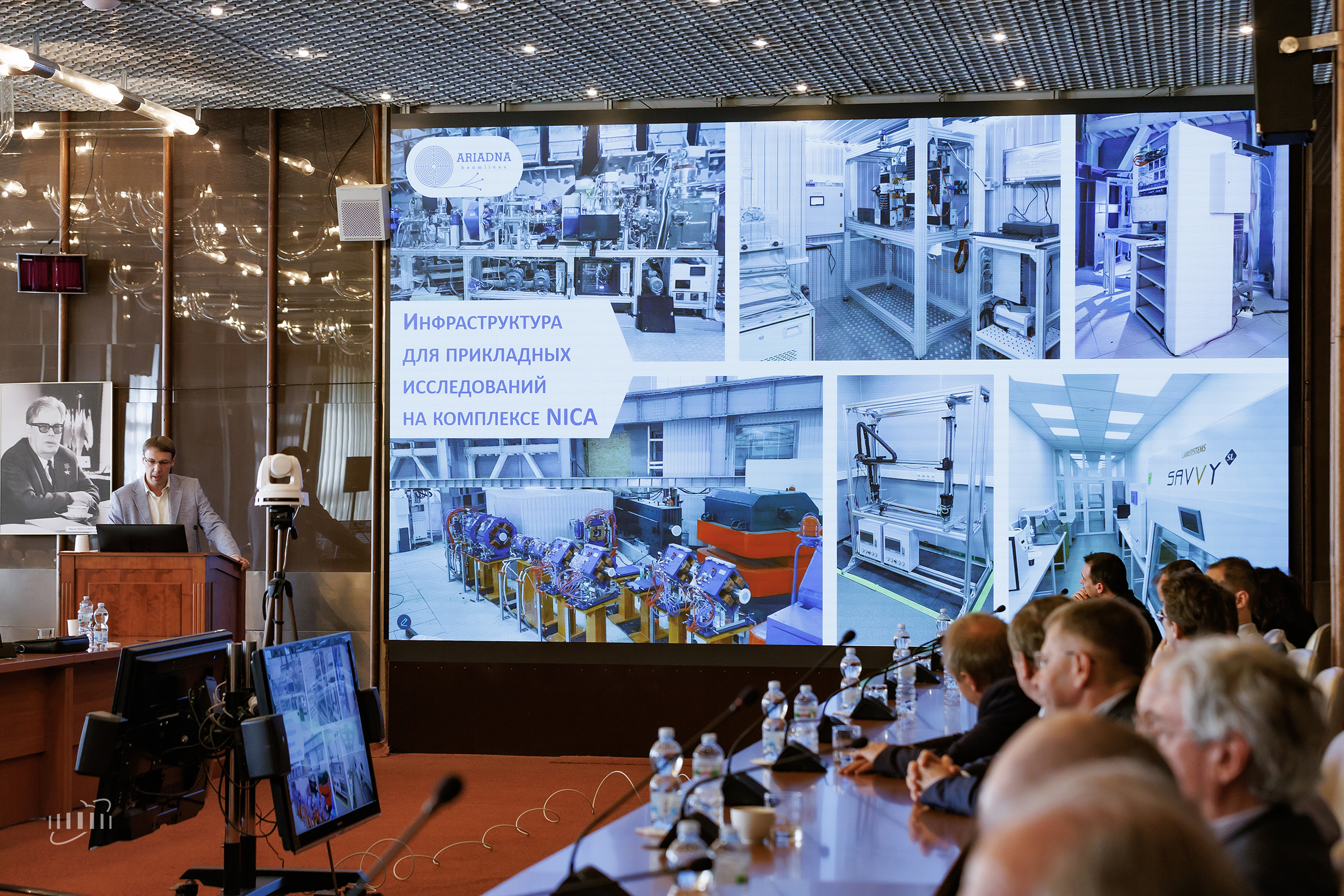
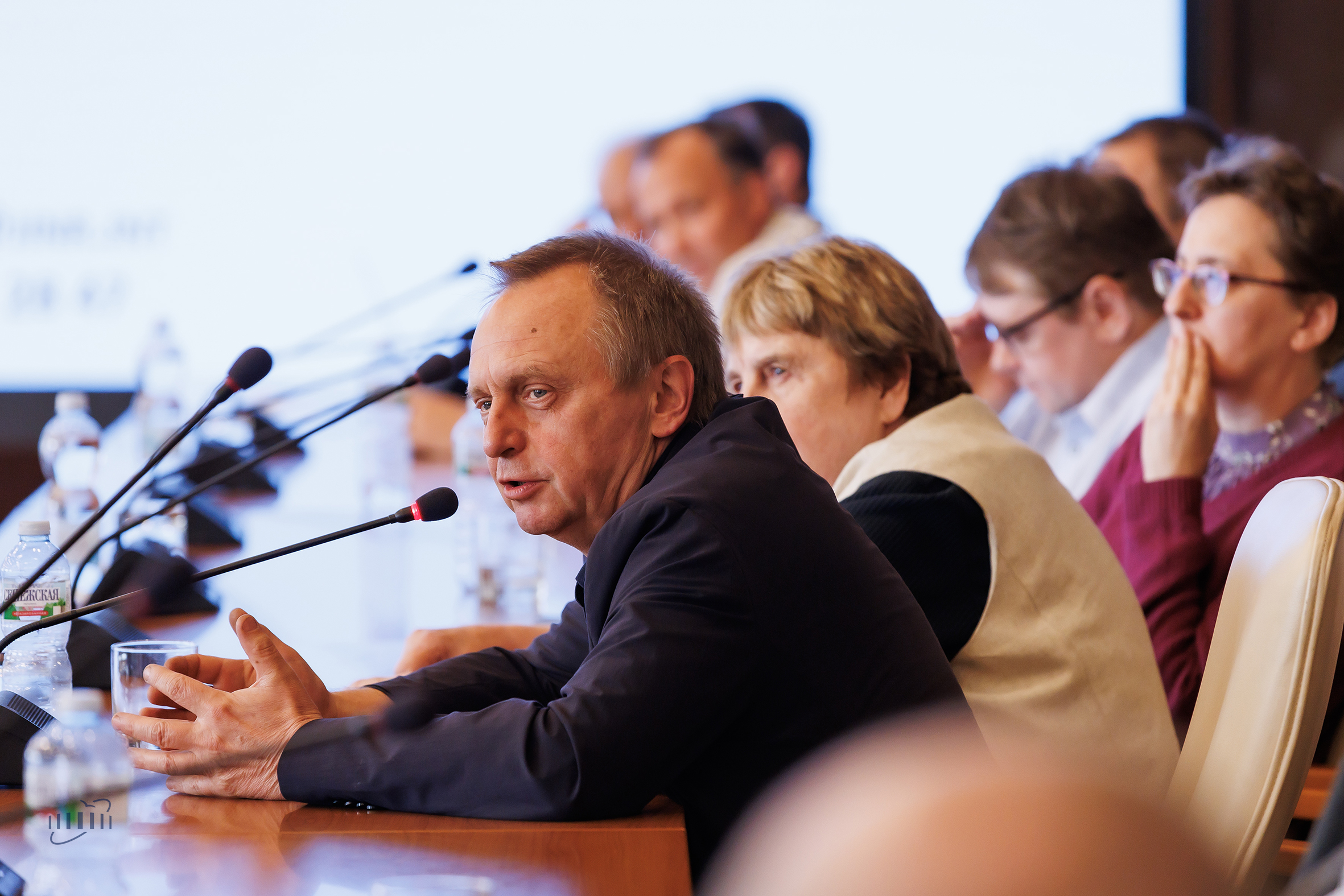
In the second part of the STC meeting, speakers from three JINR laboratories presented the Institute’s radiation biology research programme. STC Chair Elena Kolganova congratulated employees of the Laboratory of Radiation Biology on the 20th anniversary of LRB’s establishment. “Radiation biology is a highly relevant scientific field that draws the interest of most of our Institute’s Member States,” the STC Chair noted.
LRB JINR Director Aleksander Bugay and Head of the DLNP Sector of Molecular Genetics Elena Kravchenko spoke about JINR’s internal experiments in this field. Deputy Head for Scientific Work of the VBLHEP JINR Department of Methodological Research and Innovation Oleg Belov made a presentation on the programme of applied biological studies at various scientific centres conducted as part of the ARIADNA Collaboration at the NICA Accelerator Complex.
Aleksander Bugay gave a brief overview of the history of radiobiological research development at JINR. In 1959, the first biological experiments were conducted at the Synchrocyclotron at DLNP. In 1967, proton therapy sessions for cancer patients started at the Synchrocyclotron. In 1978, the Laboratory of Nuclear Problems at JINR established the Biological Research Sector, and in 1988, it became a department. The JINR Division of Radiation and Radiobiological Research was founded in 1995. Finally, in 2005, when this field of science began to play an increasingly important role in the Institute’s programme, the Laboratory of Radiation Biology was established.
JINR has extensive infrastructure for radiobiological research. “The Institute is an El Dorado for radiobiologists: it has practically all sorts of radiation sources, including electron, proton, neutron, and X-ray, along with beams of accelerated multiply charged ions at FLNR and VBLHEP,” Aleksander Bugay stressed. JINR MICC computer resources help conduct experiments. LRB regularly upgrades its research infrastructure, which puts the Laboratory on a par with world-class centres.
Aleksander Bugay outlined the multidirectional nature of the studies conducted by the youngest laboratory of the Joint Institute. The areas of the research carried out by the employees include molecular biology, radiation genetics, radiation cytology, medical radiobiology, neuroradiobiology, mathematical modelling, radiation studies, and astrobiology. The LRB Director spoke in detail about all areas of ongoing research, radical patented innovations, and joint research with leading Russian relevant research centres, e.g. on the induction and repair of double-strand DNA breaks. Socially important research and the testing of radioprotective agents are underway. LRB contributed to the development of the concept of hazards in manned deep space missions. Among the main scientific achievements of the laboratory in recent years are the new principles of radiotherapy, created using both radioprotectors and remote methods, and research in astrobiology and space radiobiology.
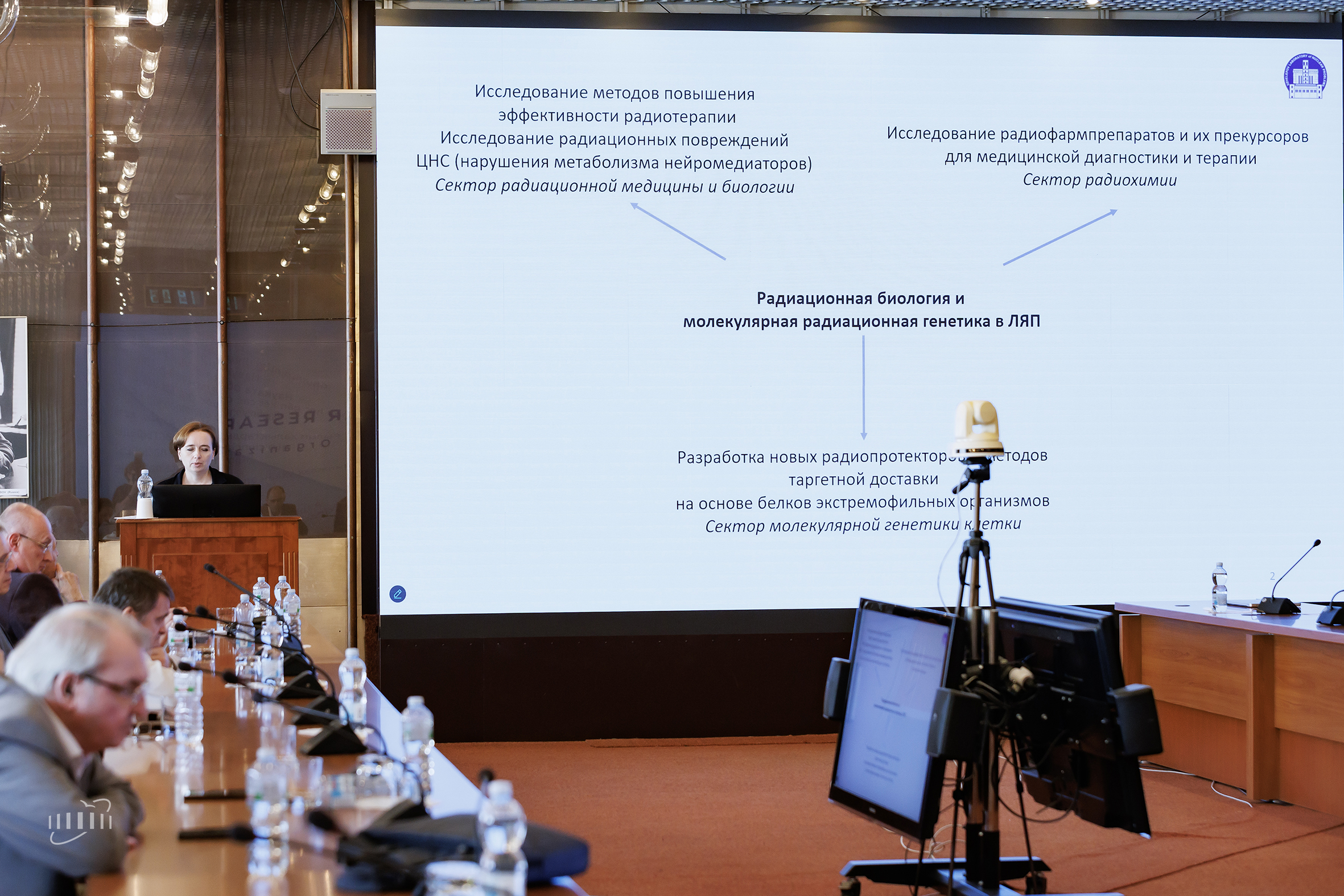
Elena Kravchenko informed the listeners that employees of three DLNP JINR sectors are engaged in radiation biology studies: radiation medicine and radiobiology; radiochemistry; and molecular cell genetics. The DLNP Sector Head presented a detailed presentation on the DLNP JINR research programme in radiation biology and molecular radiation genetics. This programme currently covers a large number of areas: research into methods to improve radiotherapy’s effectiveness, research into radiation damage to the central nervous system; research into the use radiopharmaceuticals and their precursors for medical diagnosis and therapy; the development of new radioprotectors based on proteins of extremophilic organisms; the development of a system for delivering therapeutic agents to human cells based on exosomes and intracellular delivery based on proteins of extremophilic organisms; research into genes affecting aging using the example of the Drosophila fly expressing a radioprotective protein; and the search for new organisms that are highly resistant to various types of physicochemical stressors.
DLNP JINR Director Evgeny Yakushev emphasised that DLNP and LRB studies do not overlap.
Oleg Belov spoke about the radiobiology research programme at the NICA Accelerator Complex conducted as part of the ARIADNA Applied Research Collaboration. The scientist noted that most of the applied research infrastructure at NICA is devoted exclusively to radiobiology, and about half of the scientific centres participating in the collaboration are interested in solving the problems of life sciences. As part of the previous session, the first results of radiobiology studies were obtained at the complex. The speaker emphasised that the collaboration is working on modern, ambitious tasks that cannot be tackled by a single organization and require joint efforts of several institutions. The focus is on solving scientific and applied issues that are in demand in certain industries (space, healthcare, biotechnology, etc.).
The current ARIADNA radiobiological research programme provides direct access for cooperating organizations to the infrastructure of the NICA Complex, while JINR gets access to the devices and methods of cooperating organizations. The NICA Complex is the core of the currently forming infrastructure dedicated to studying heavy ion radiobiology and related areas.
Participants of the meeting noted the need to narrow down the range of radiobiology research topics at the Institute and focus on two or three main areas, along with conducting a broad international expert review of projects. Various formats of such review were discussed, including the possible creation of an interlaboratory council, a programme advisory committee, and the involvement of the ARIADNA Collaboration participants.
Chief Scientific Secretary of the Institute Sergey Nedelko introduced the STC members to the current plan of events dedicated to the 70th anniversary of the Institute, which will be organized starting in autumn of this year and in 2026. “The main goal of the anniversary events is to maximise the attention to the Institute’s research among the Member States and new Partner States, along with giving employees a reason to be proud of the Institute’s scientific achievements,” Grigory Trubnikov emphasised.
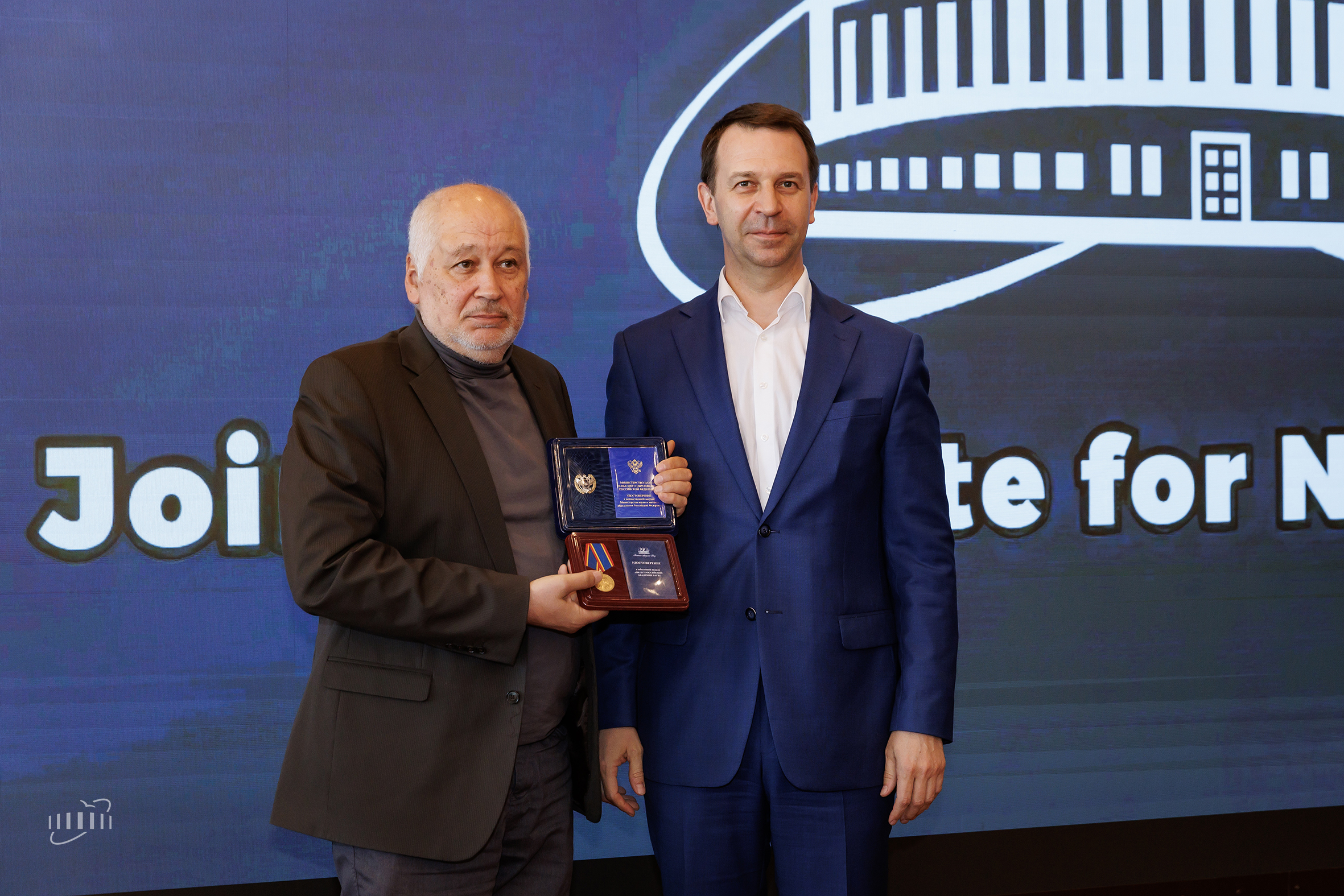
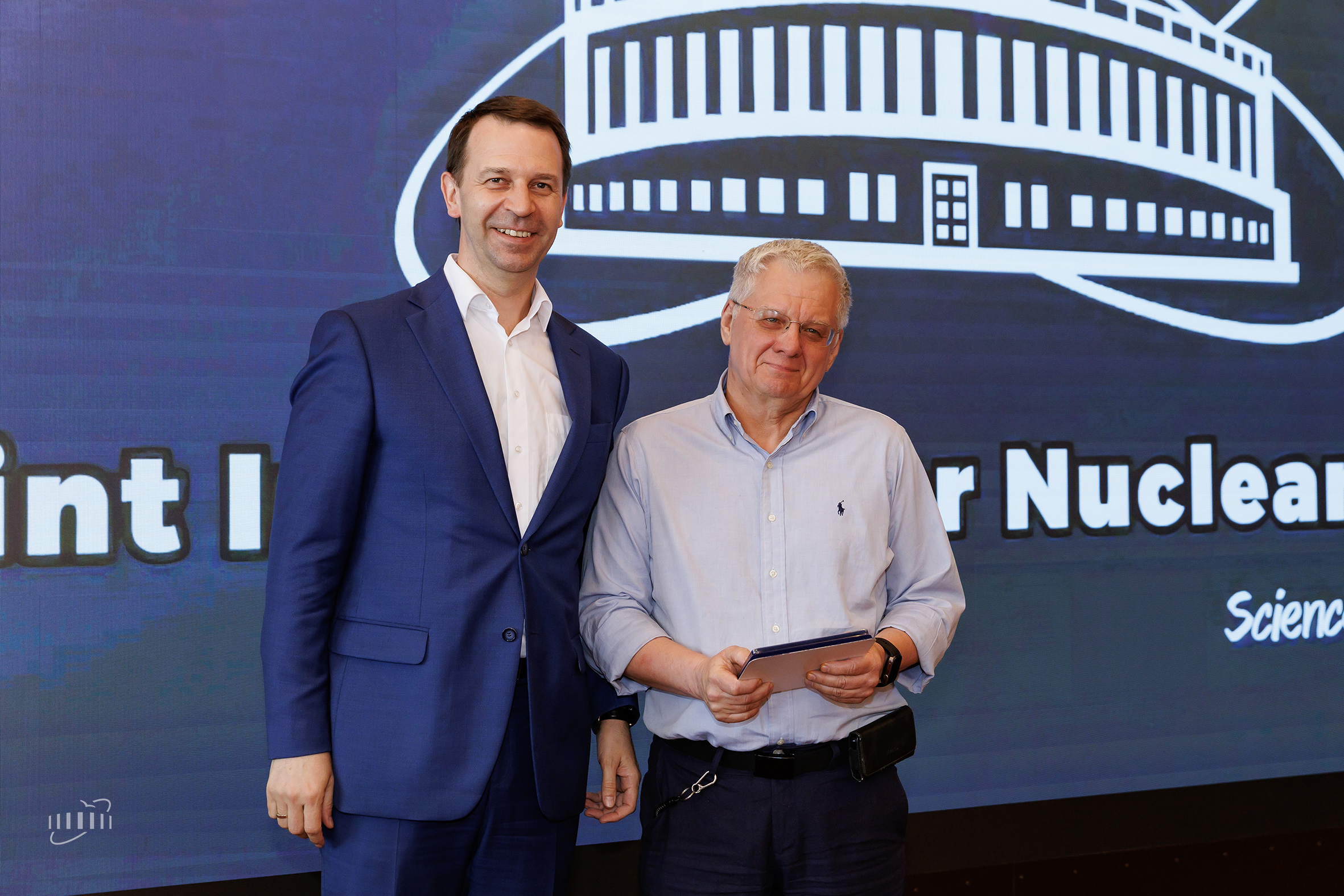
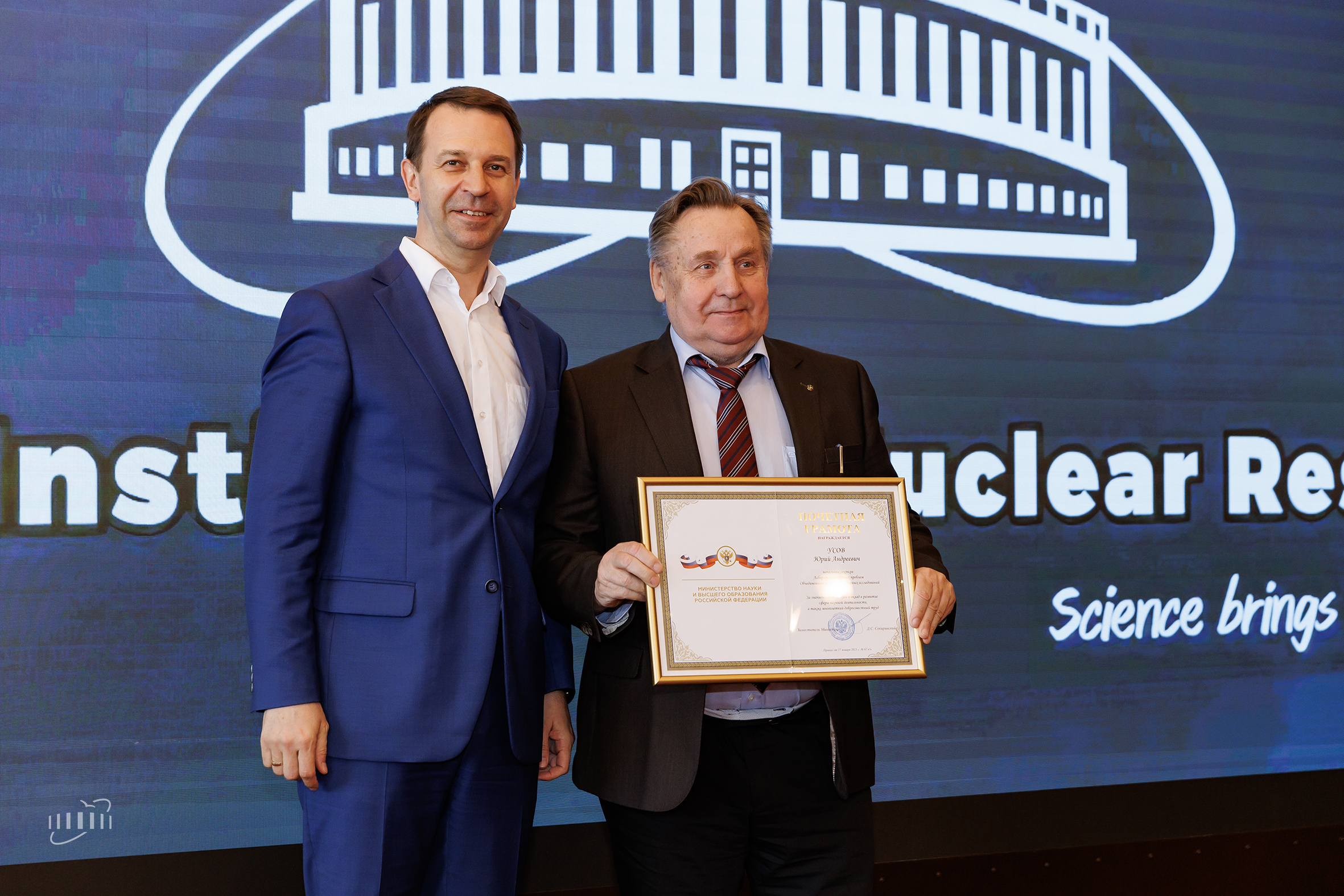
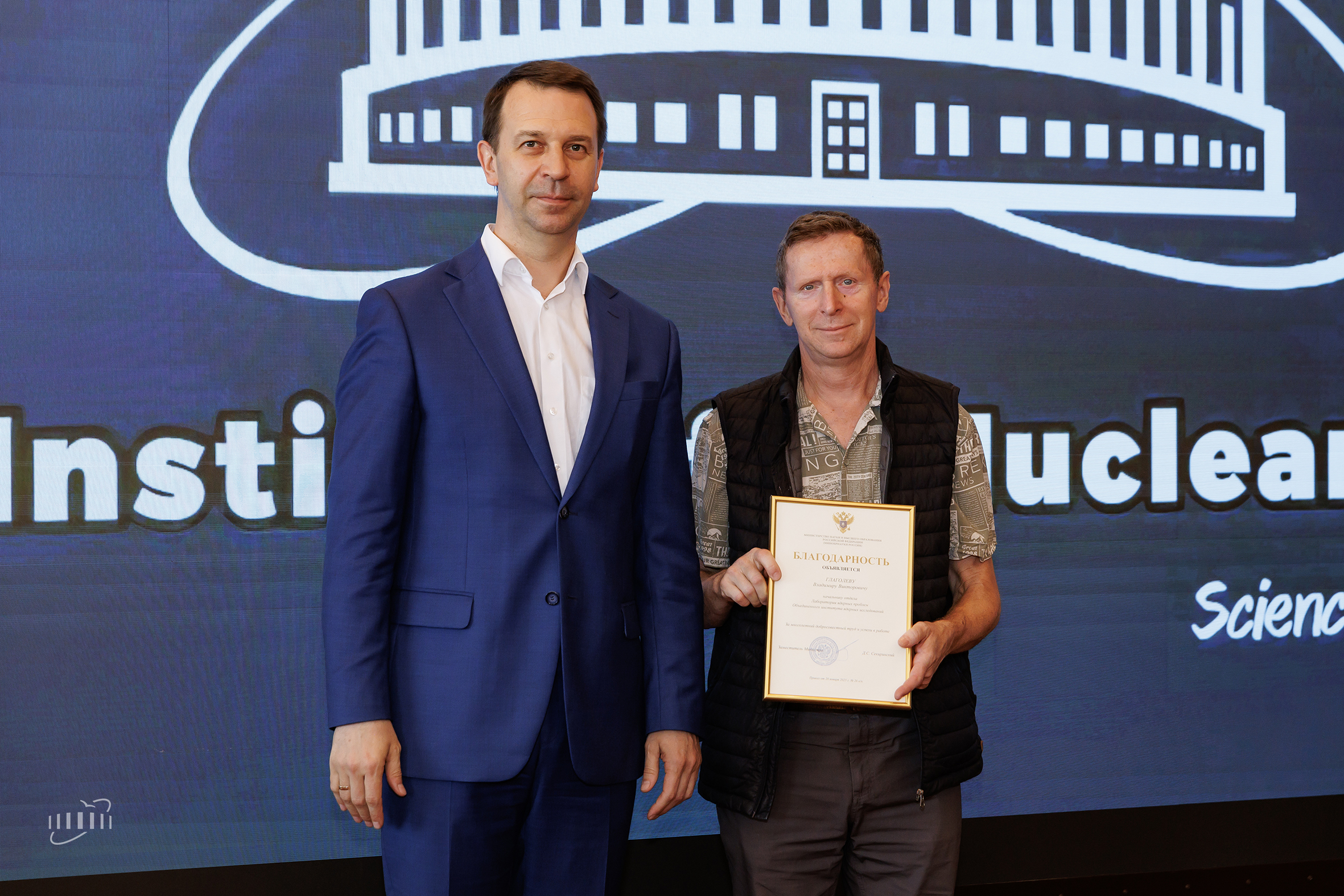
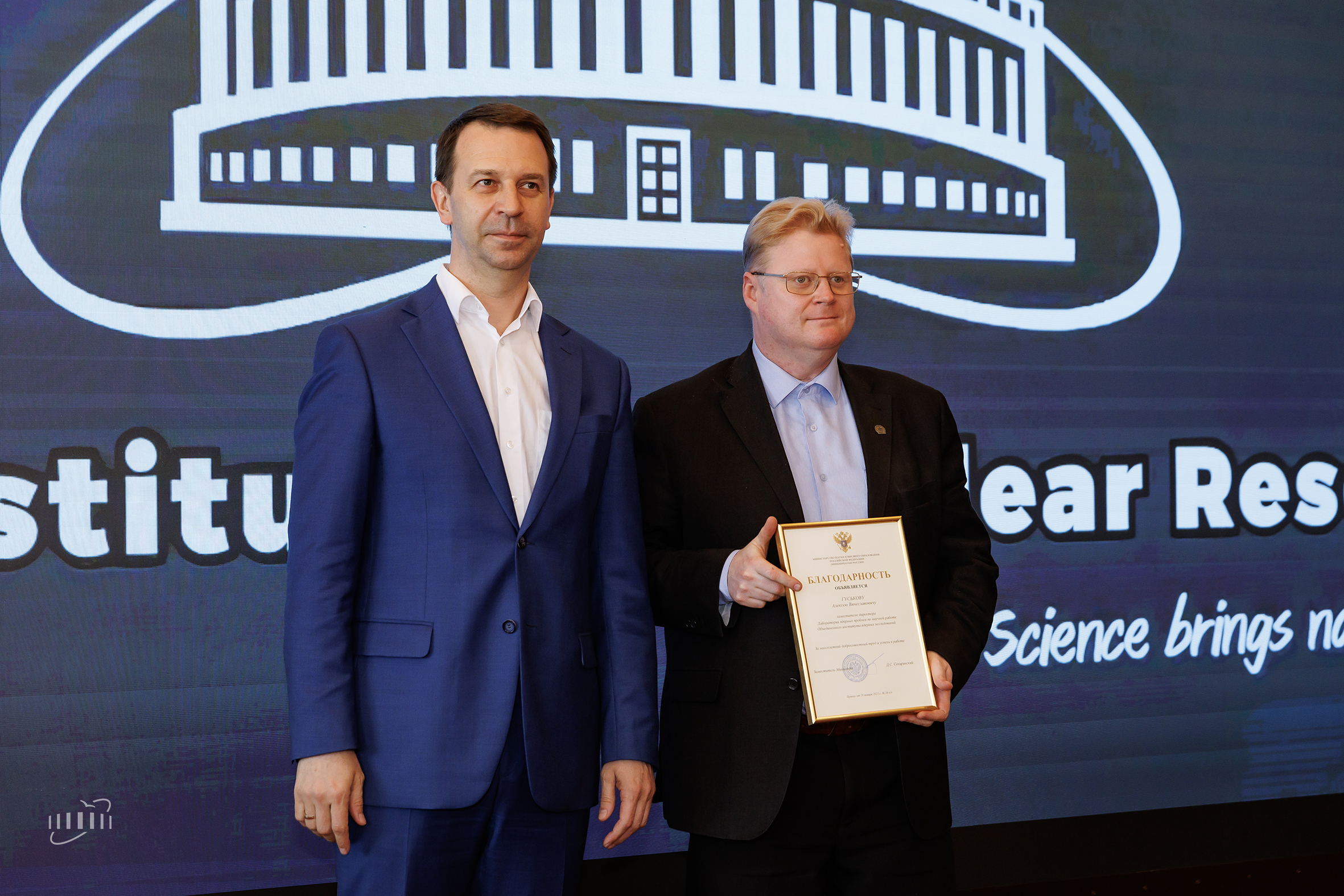
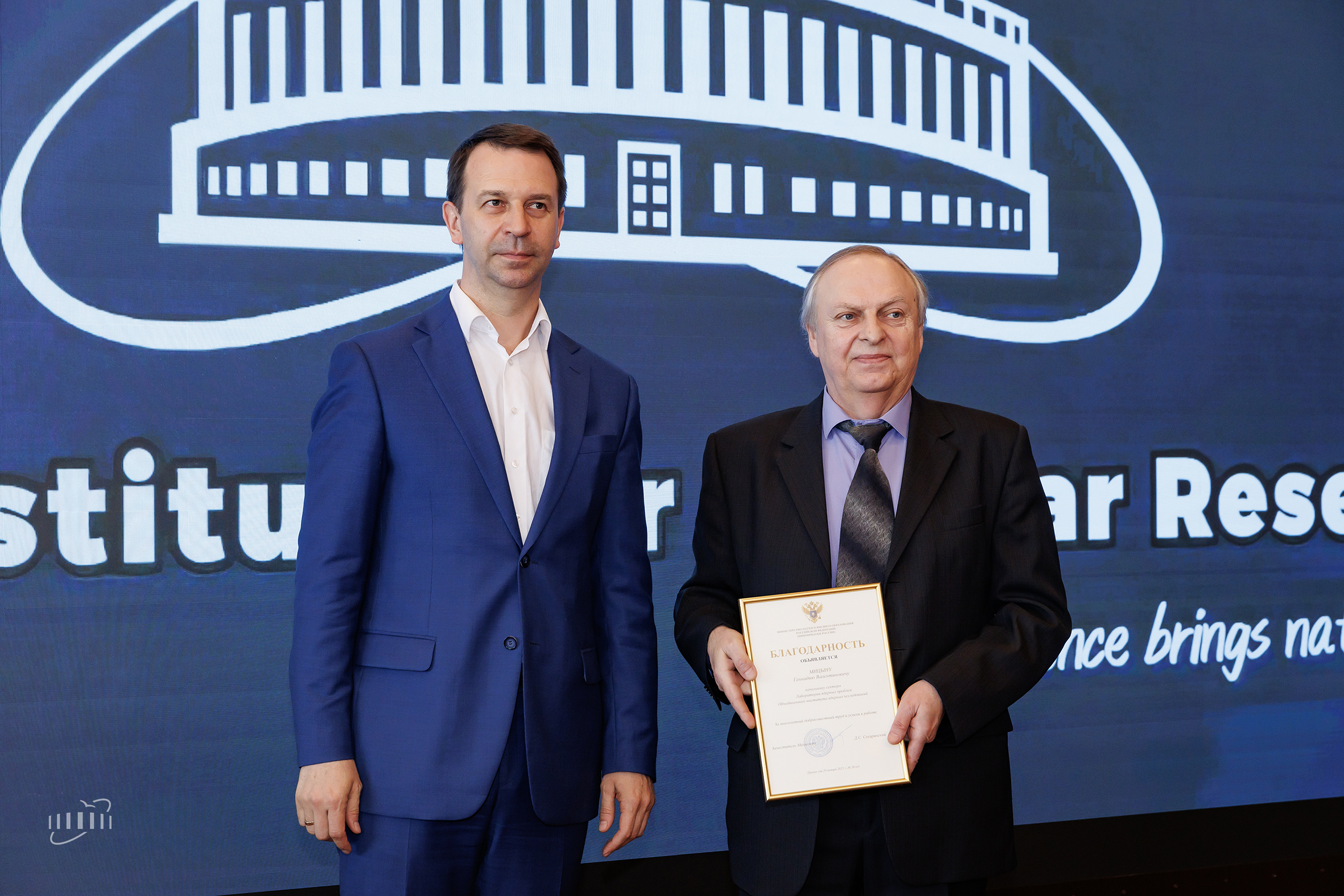
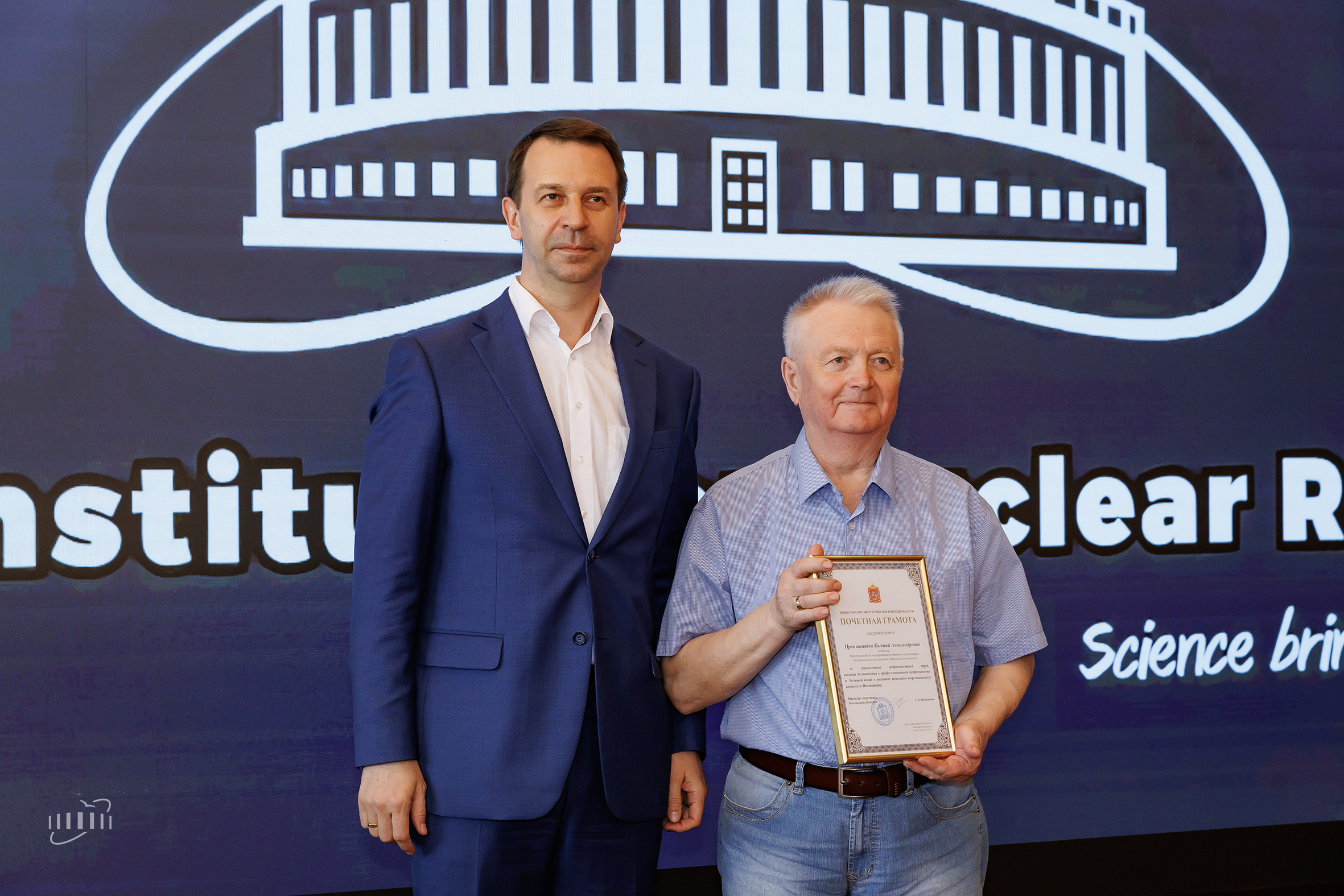
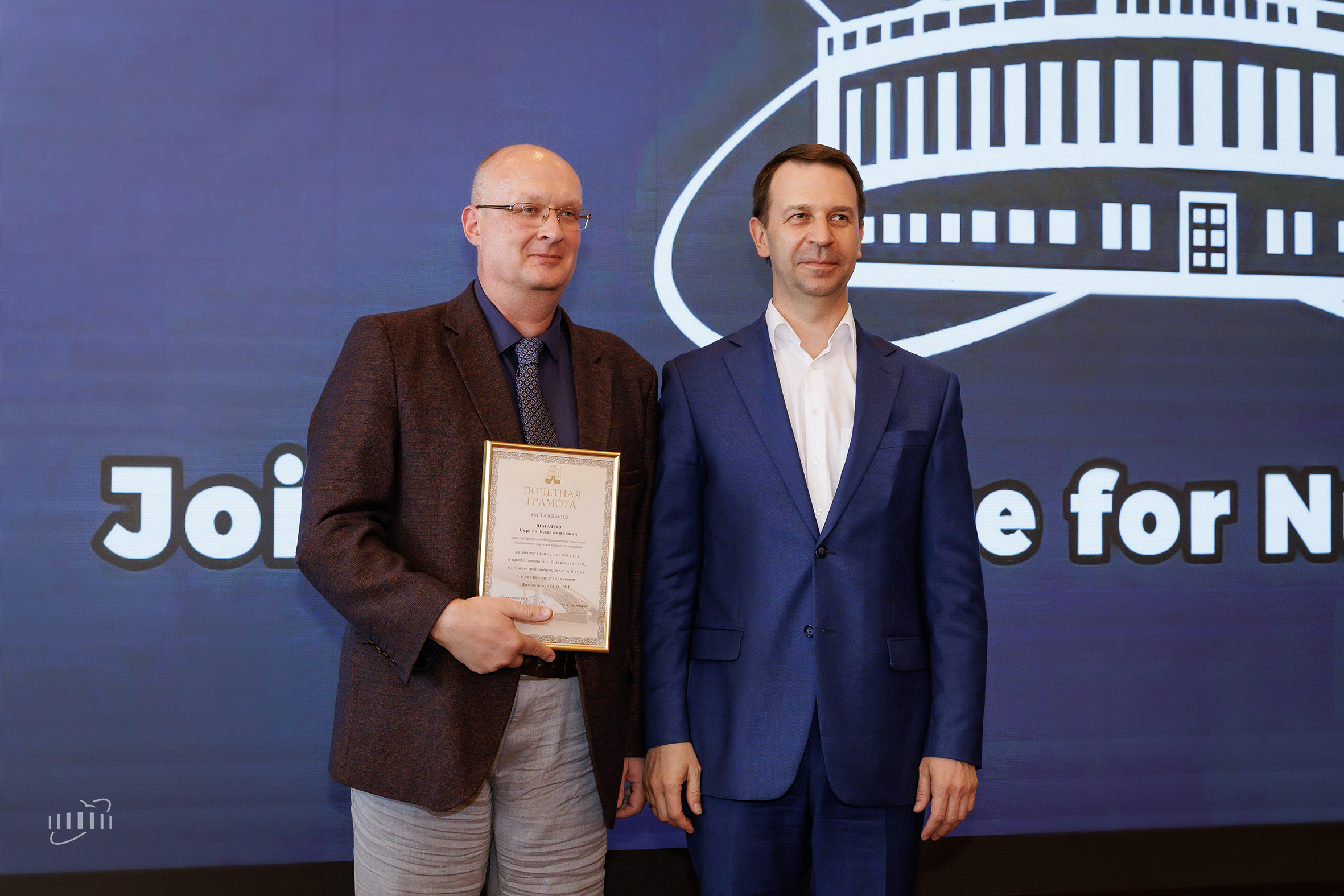
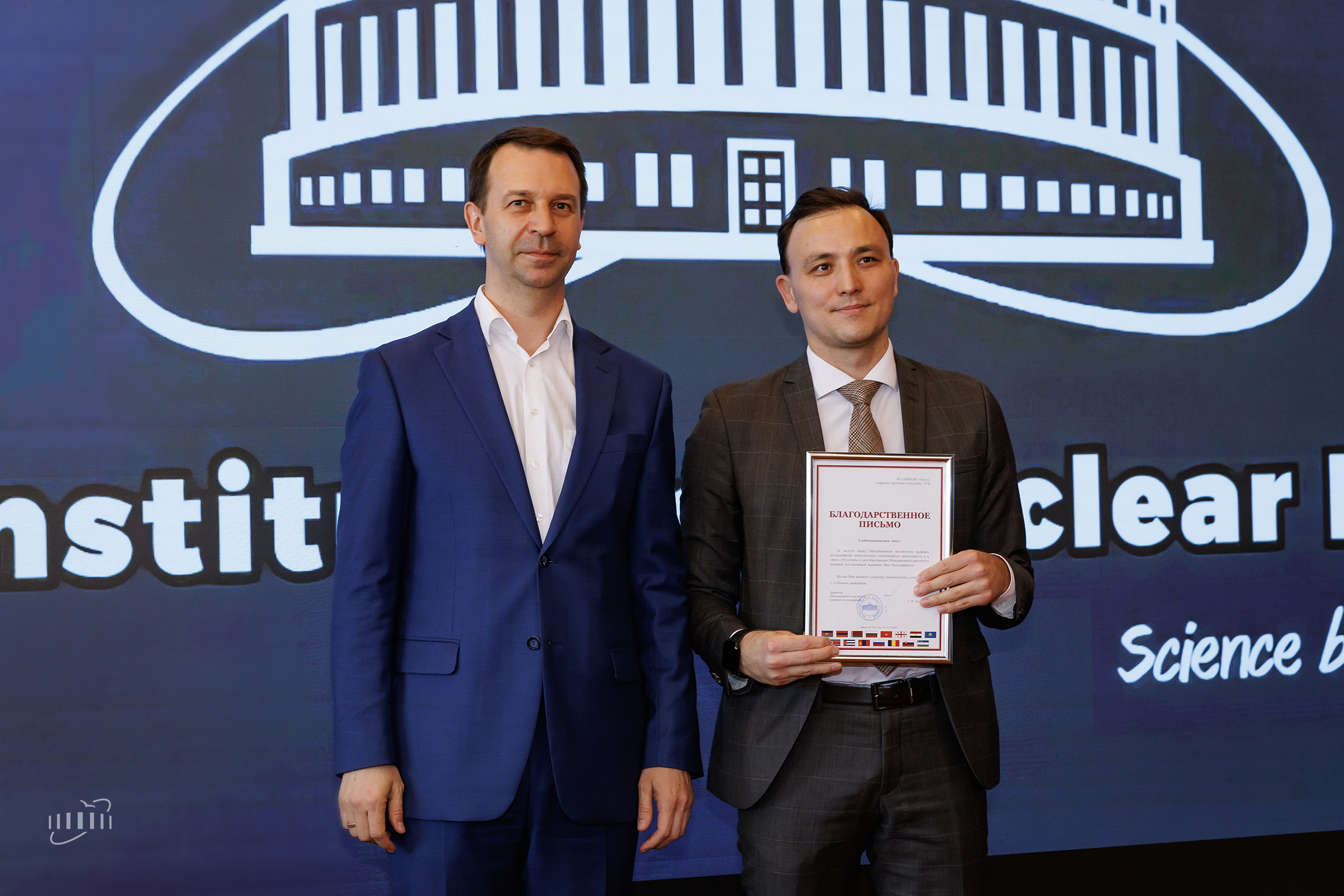
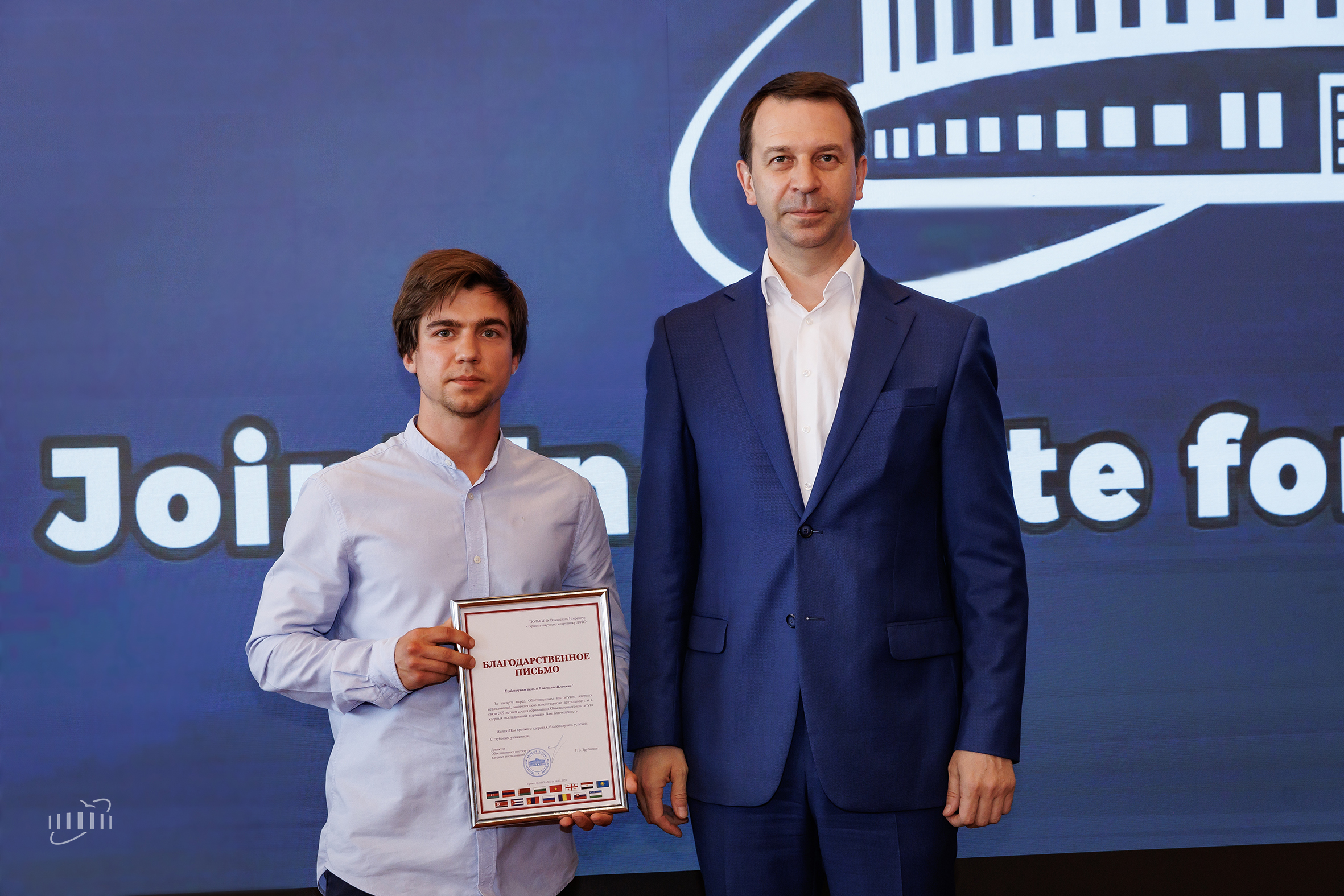
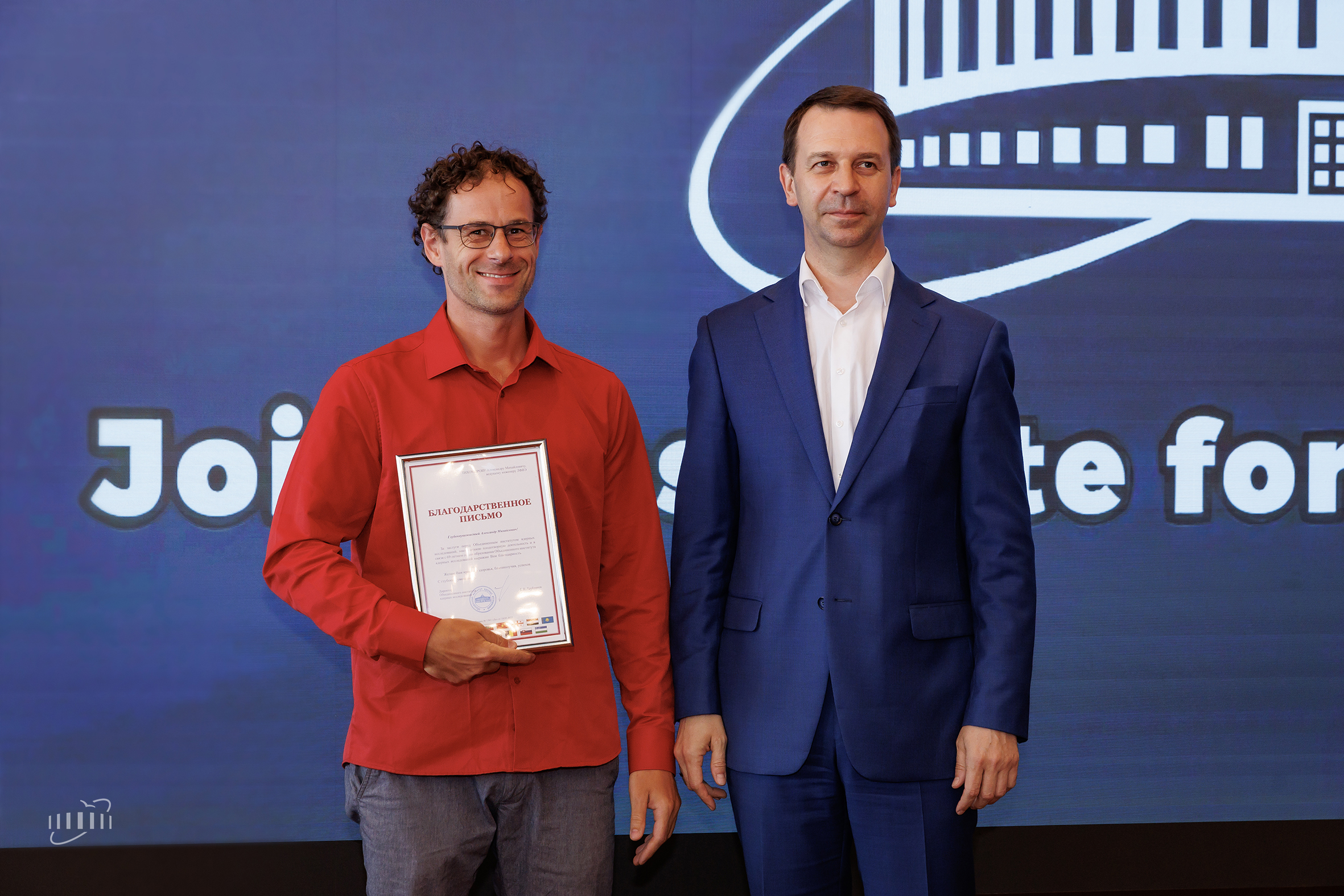
At the STC meeting, 16 employees of the Joint Institute received titles and awards of the Russian Federation, the Moscow Region, the Dubna city district, as well as ministerial diplomas and letters of gratitude.